
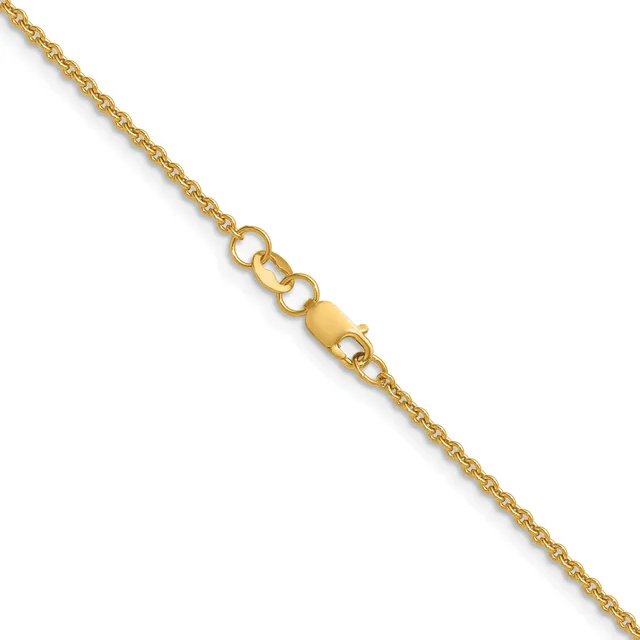
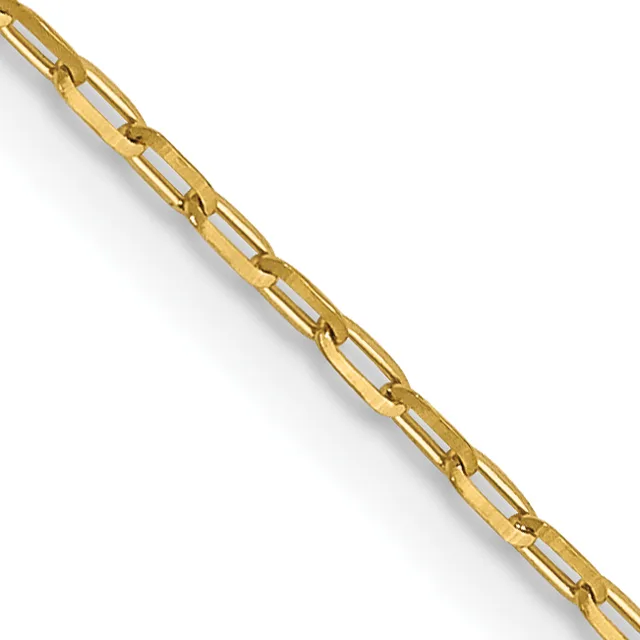
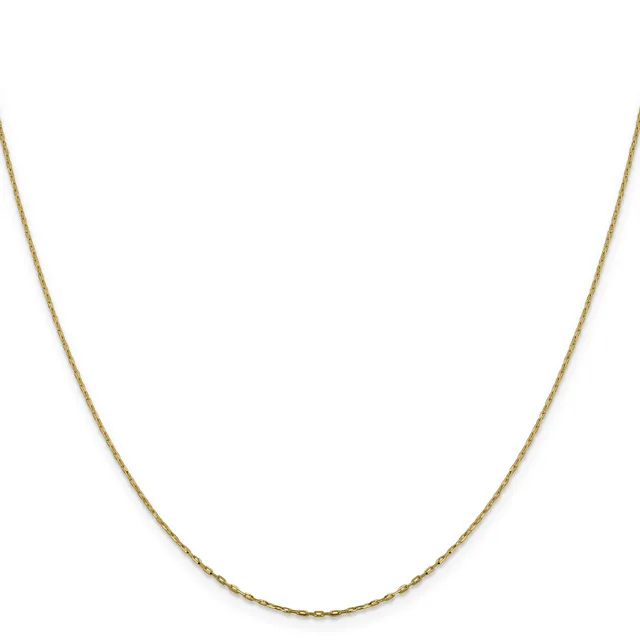
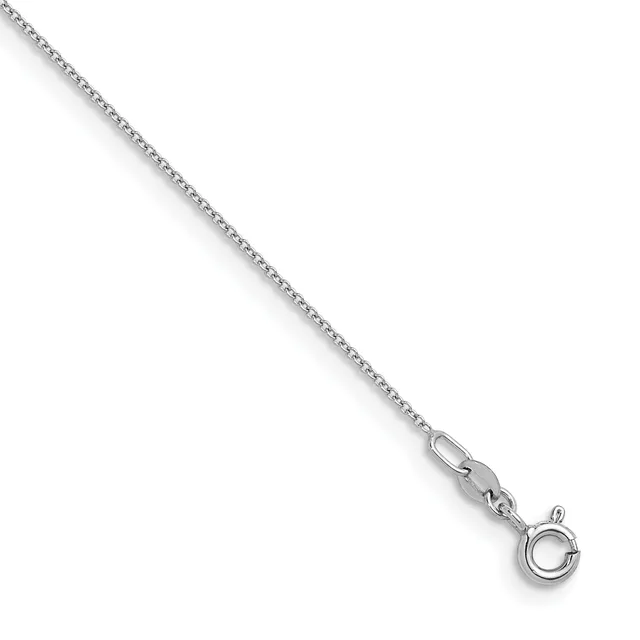
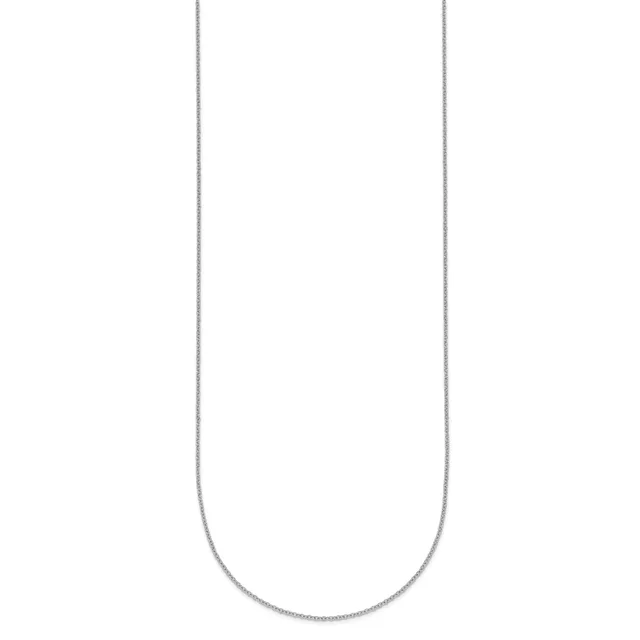
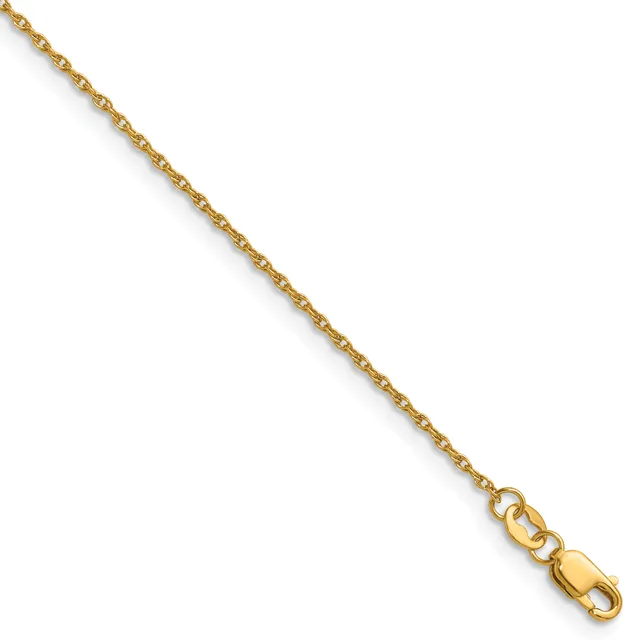
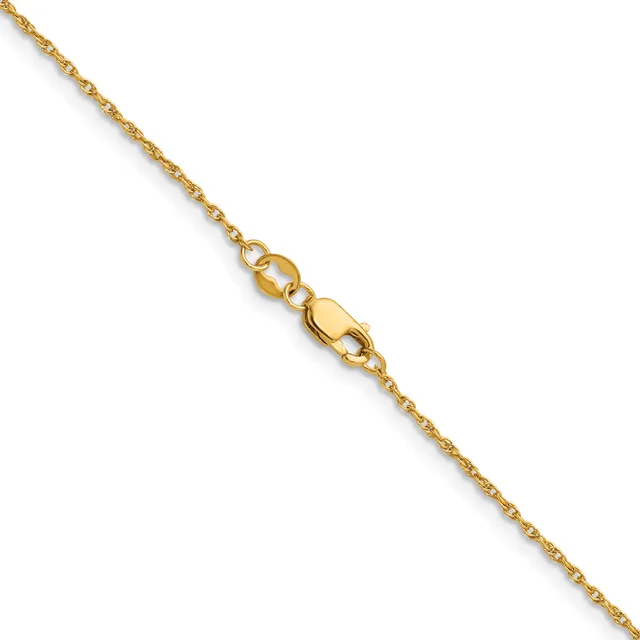
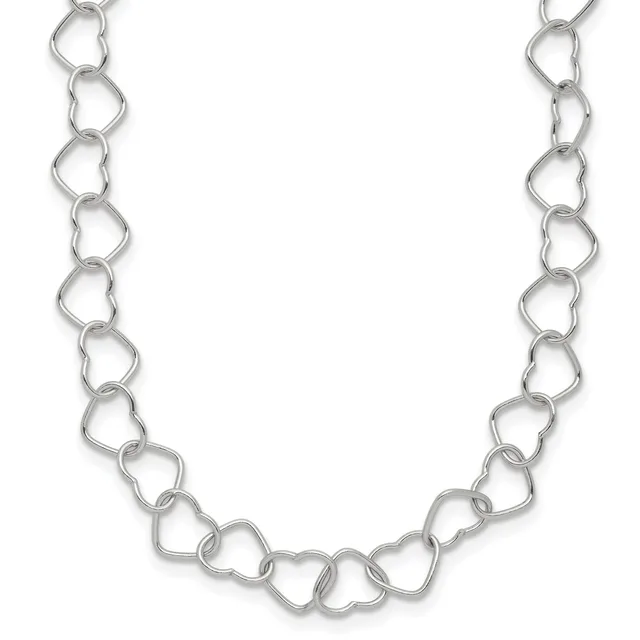
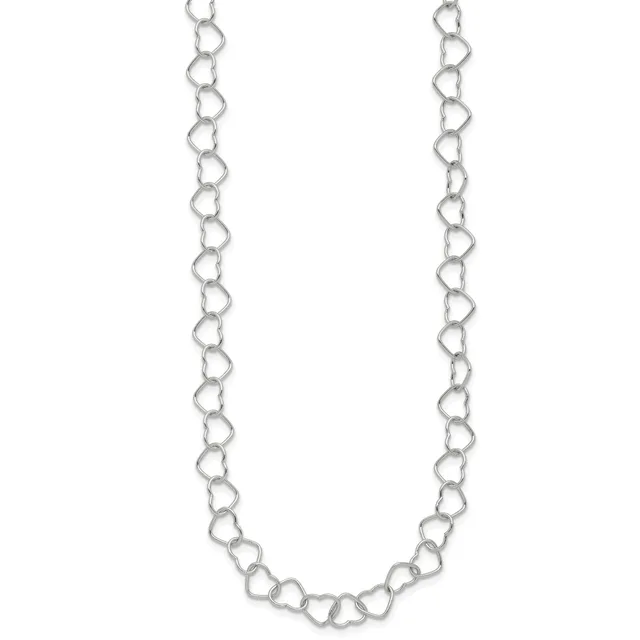
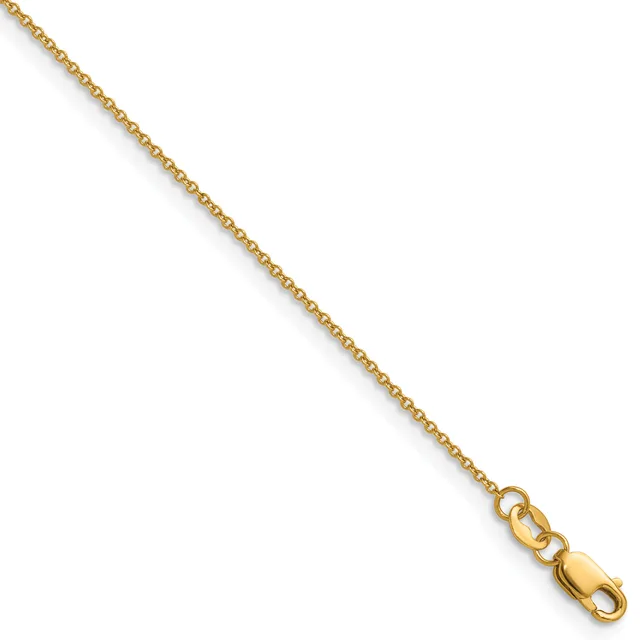
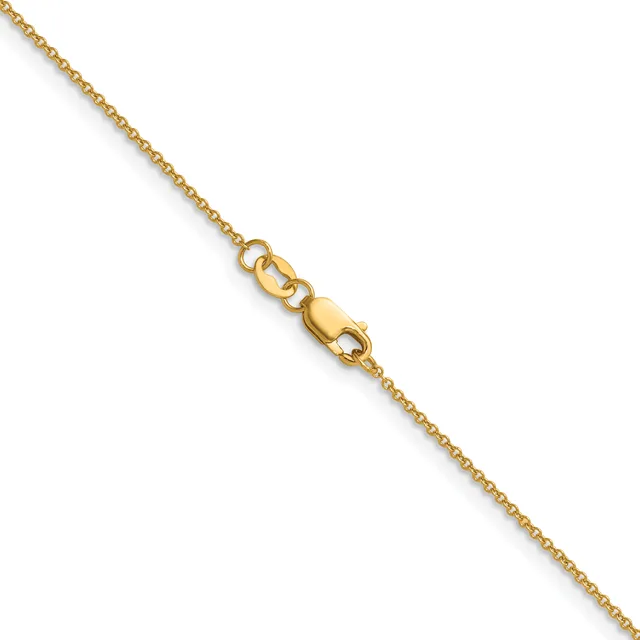
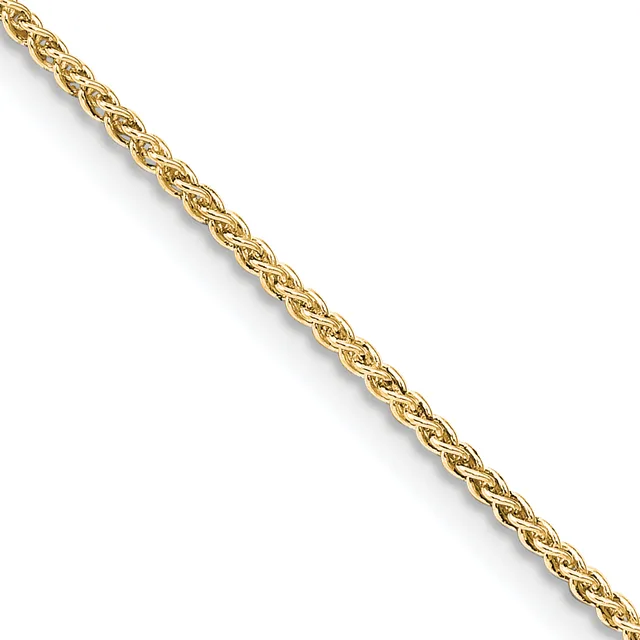
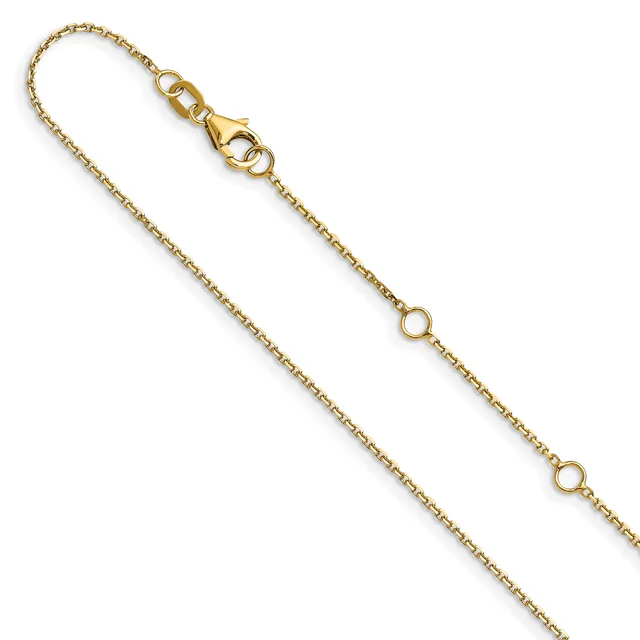
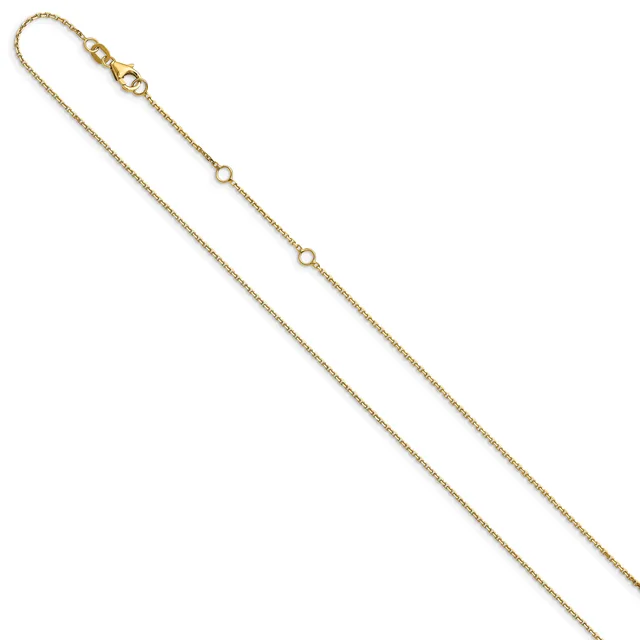
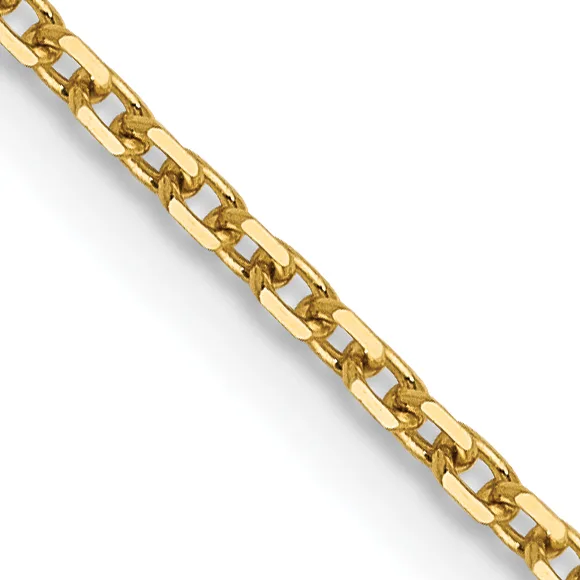
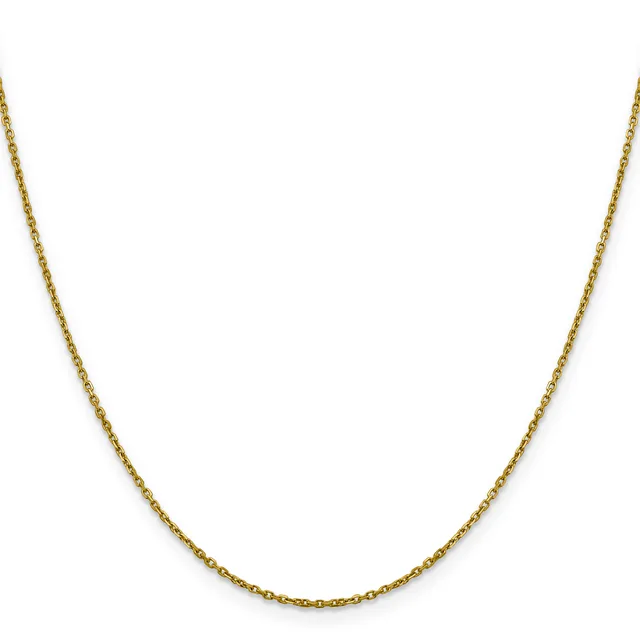
How Chain Structure Shapes the Look
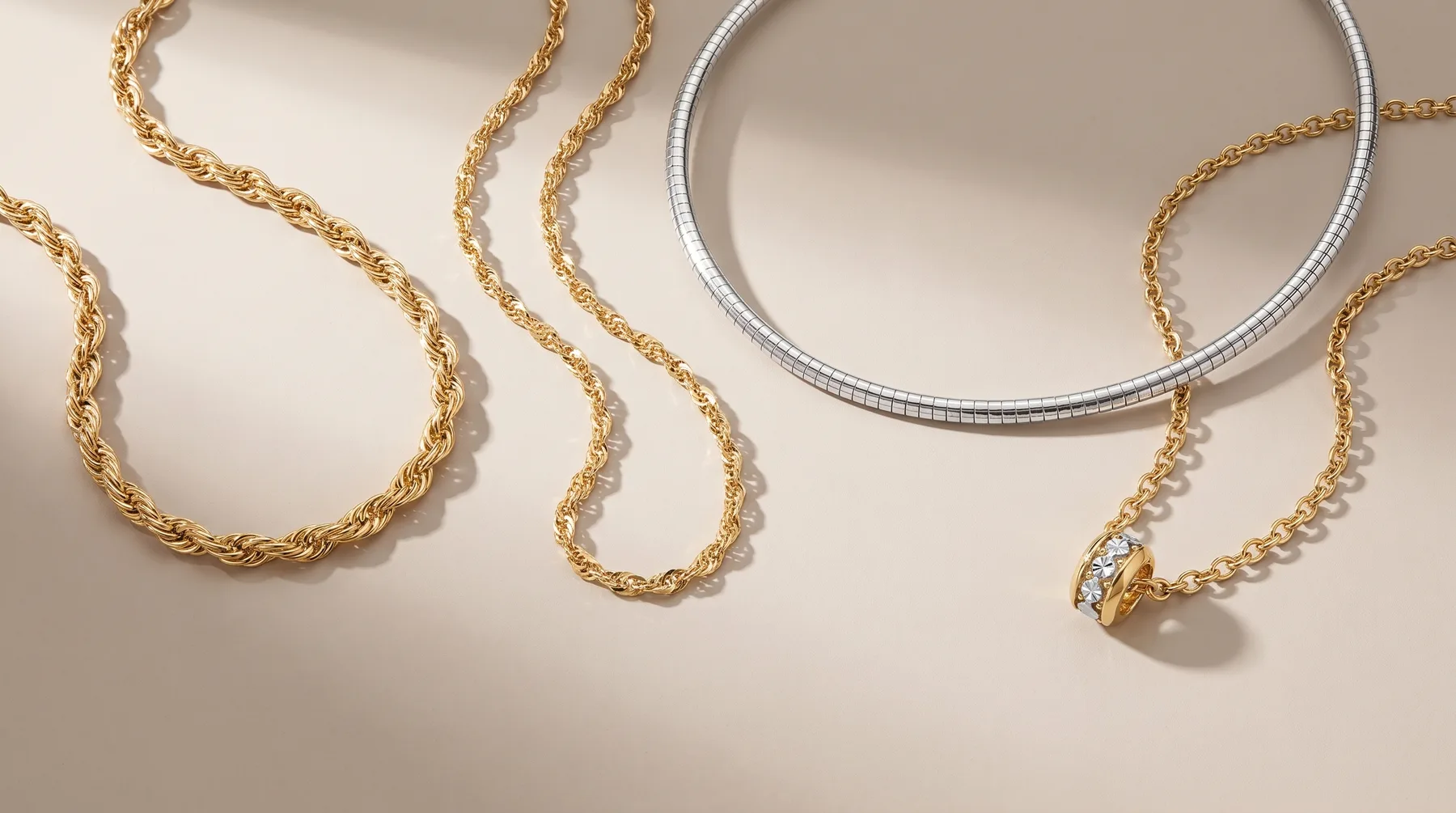
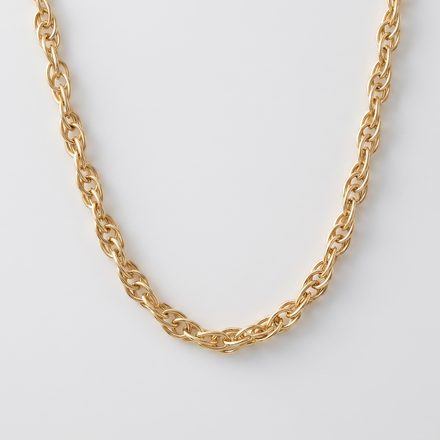
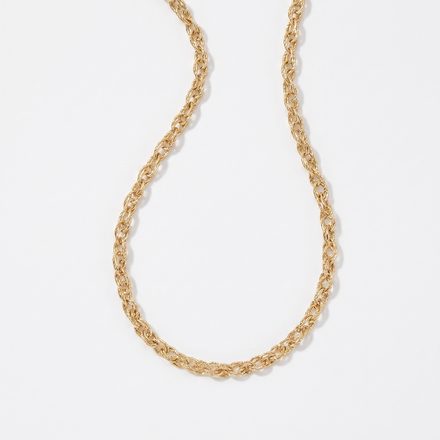
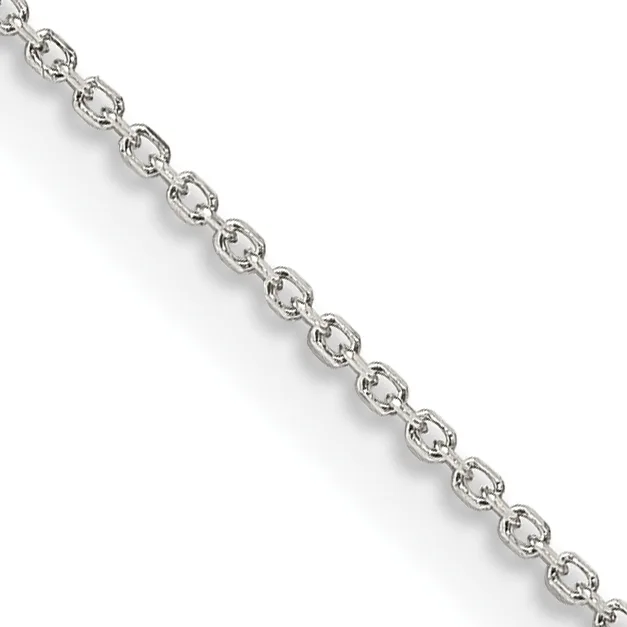
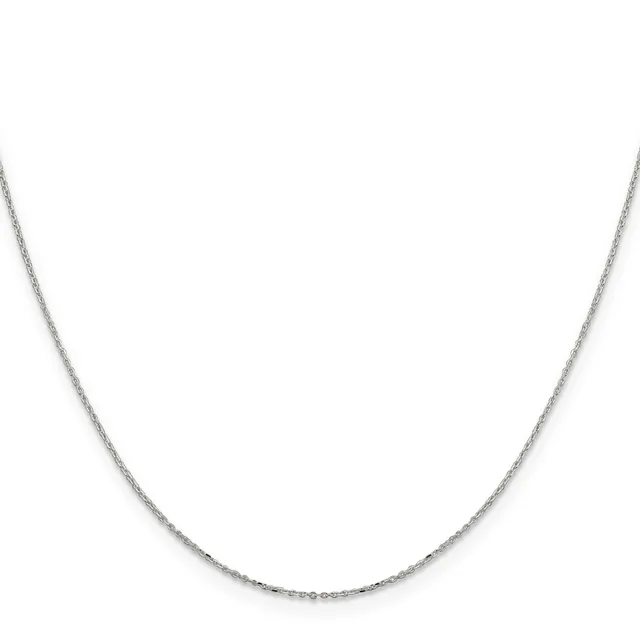
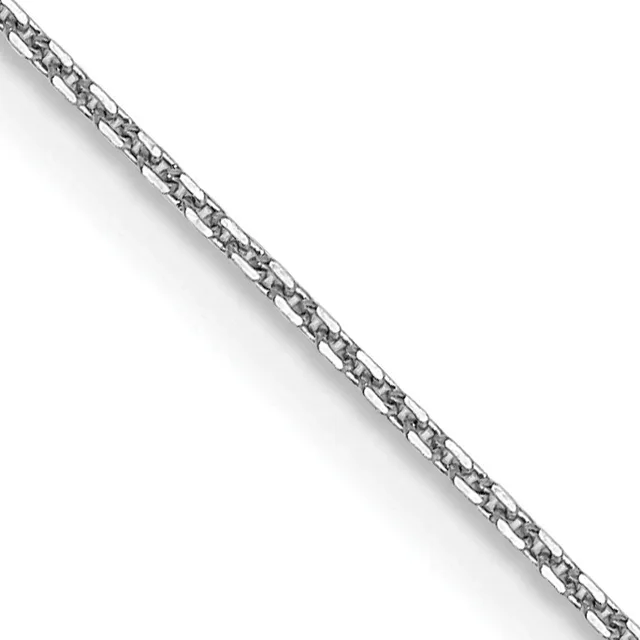
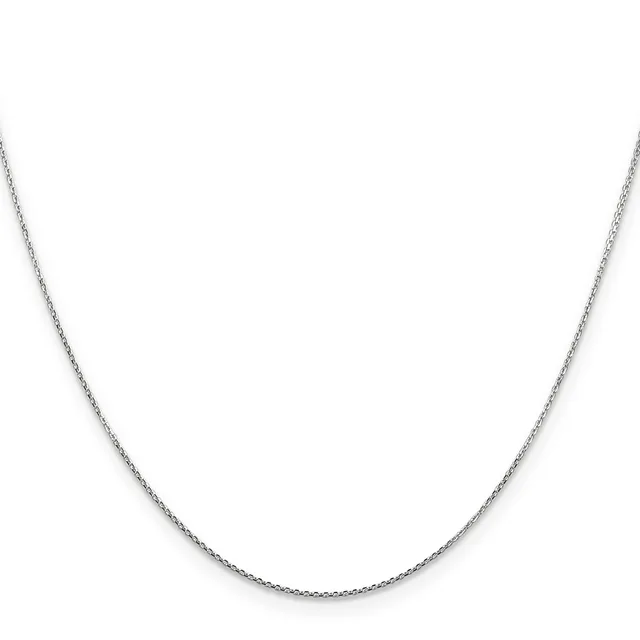
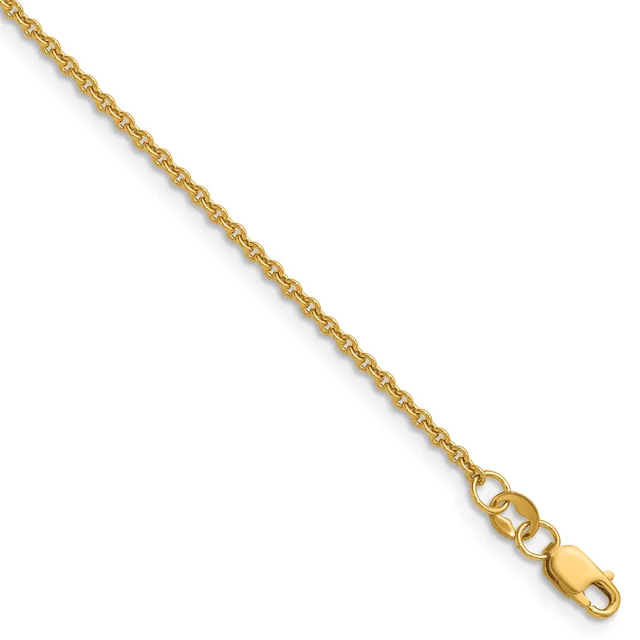
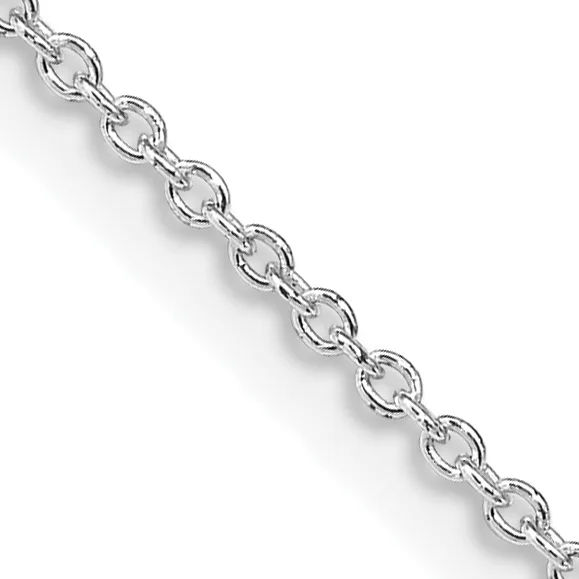
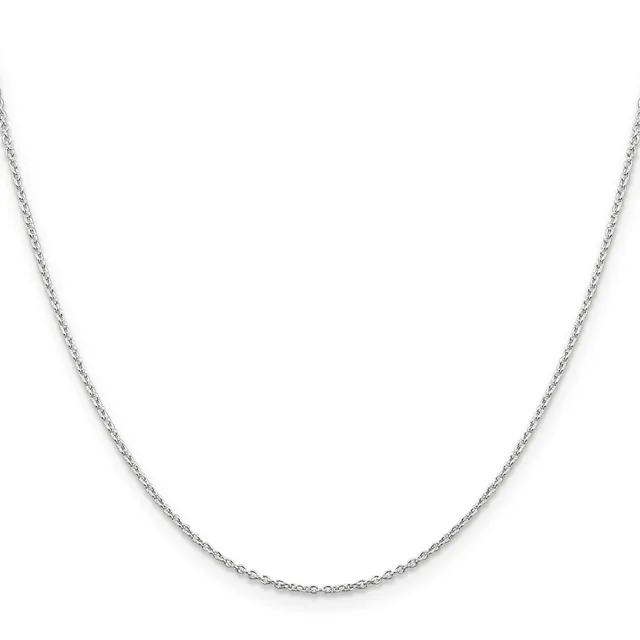
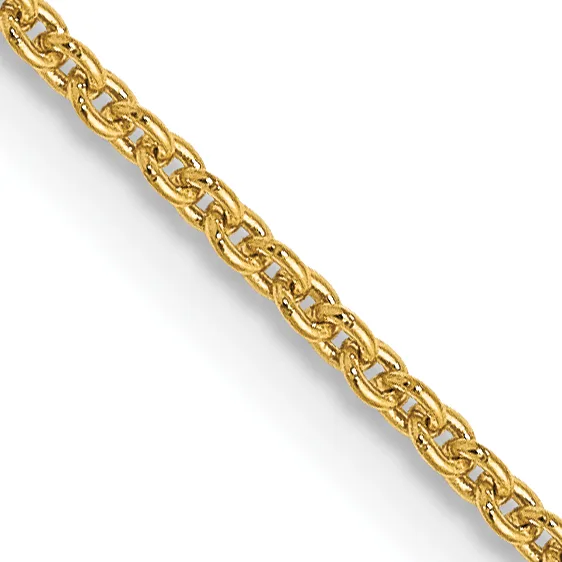
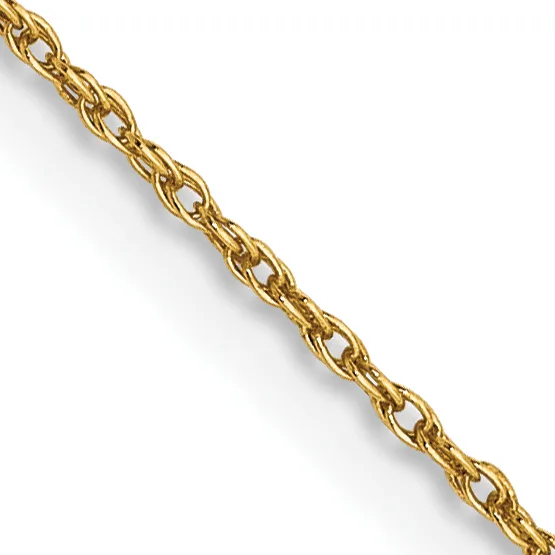
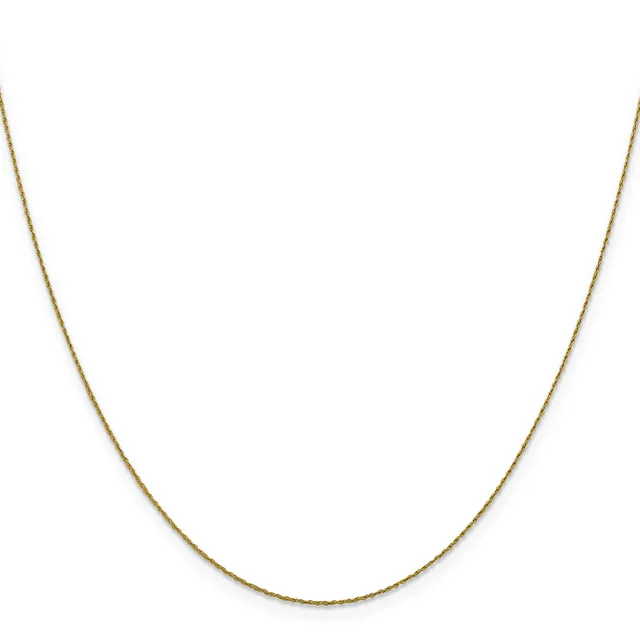
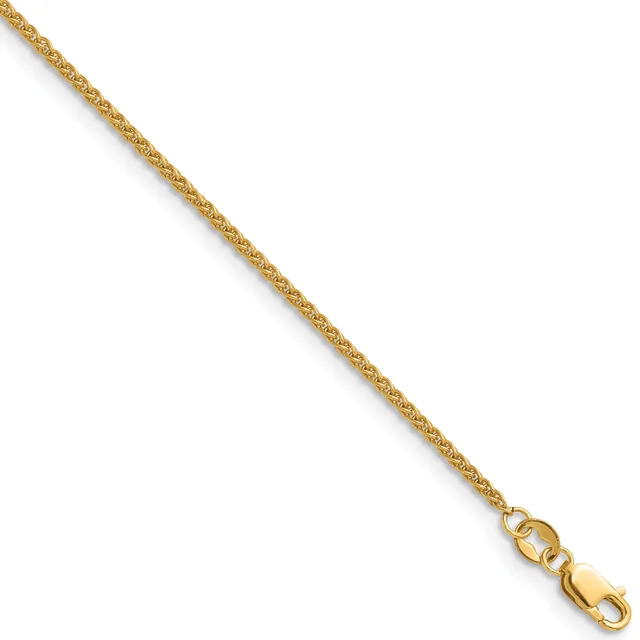
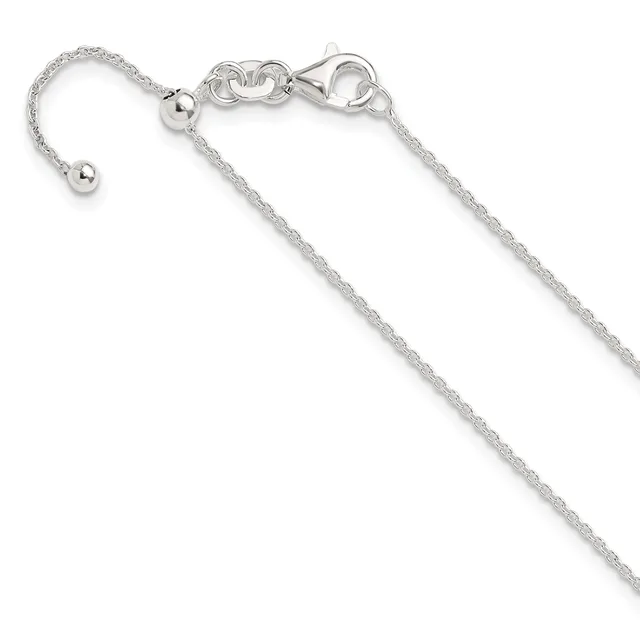
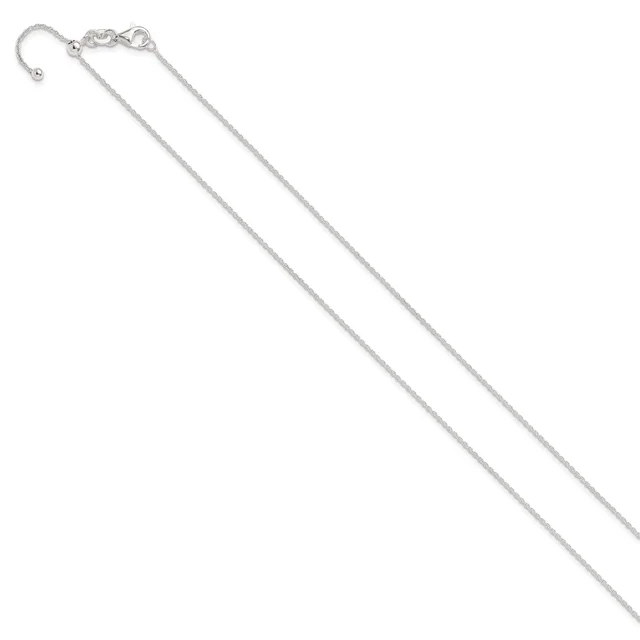
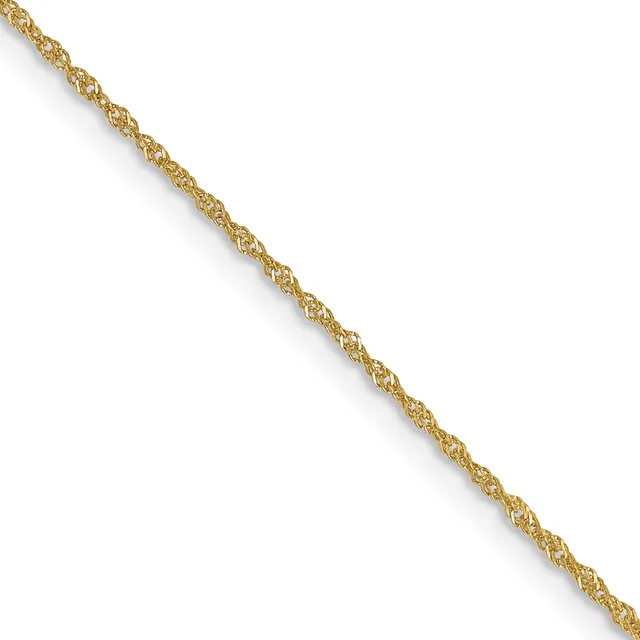
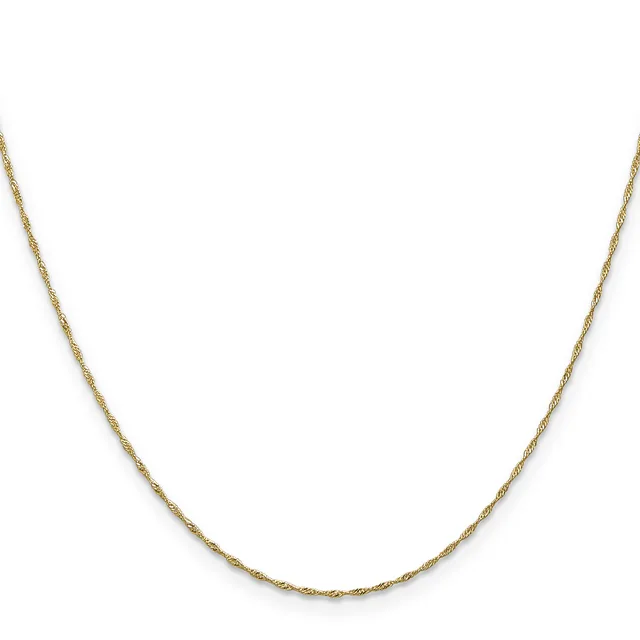
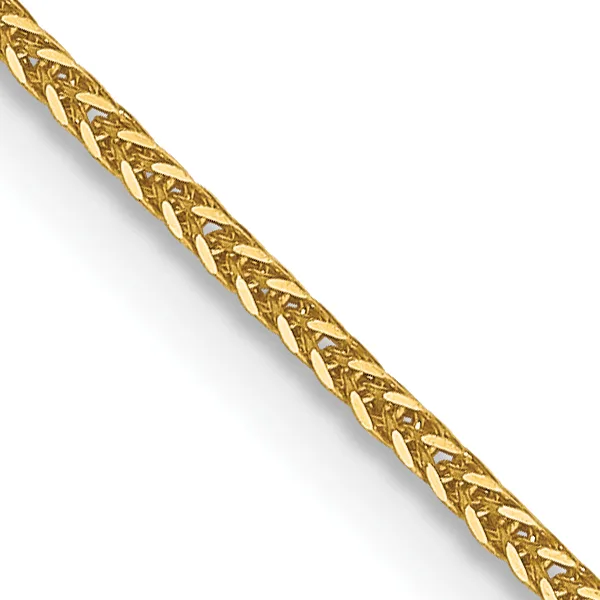
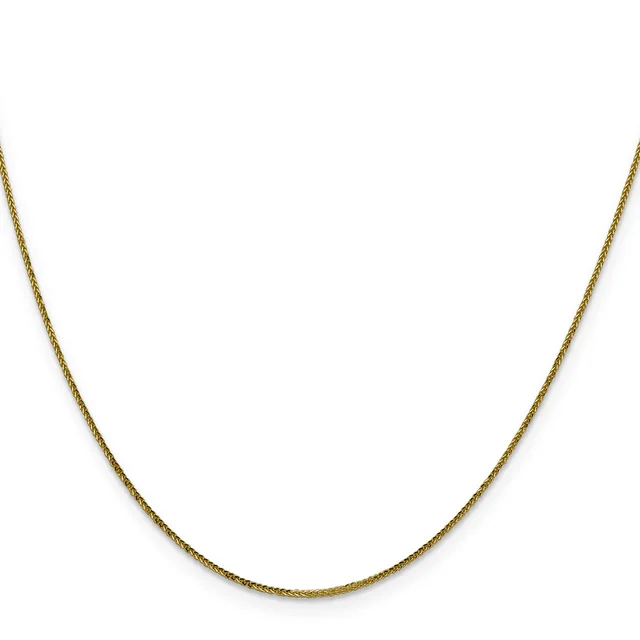
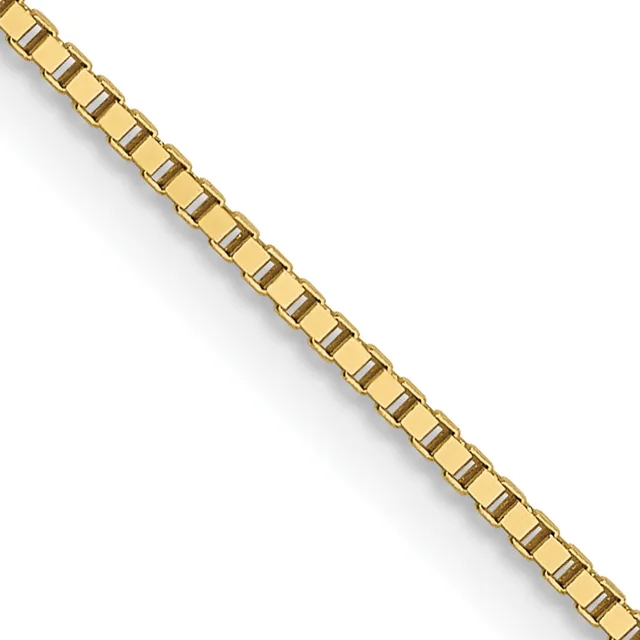
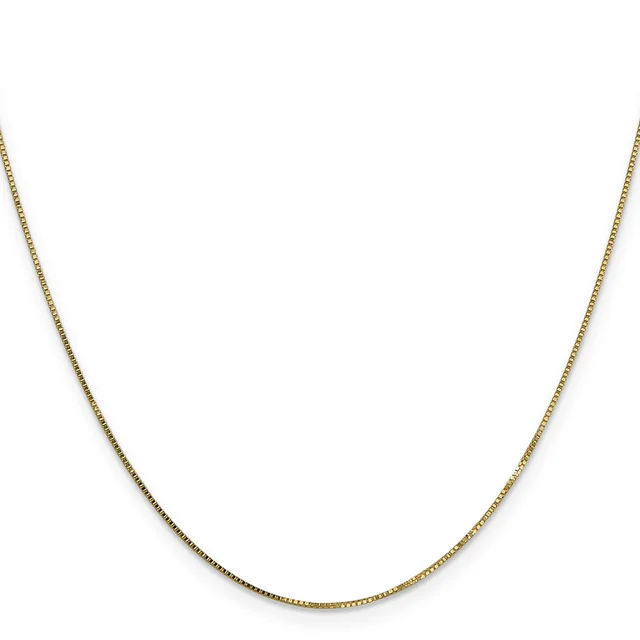
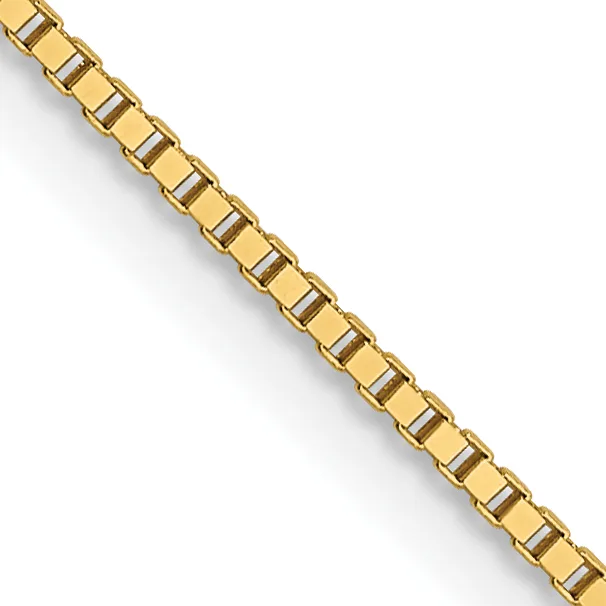
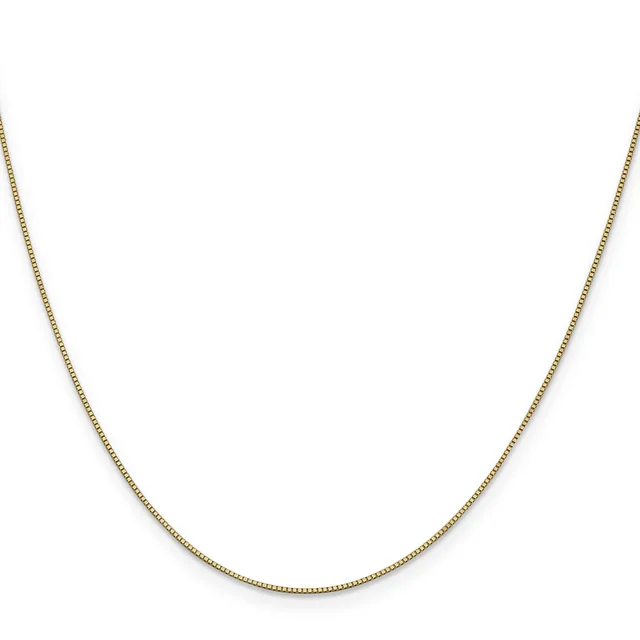
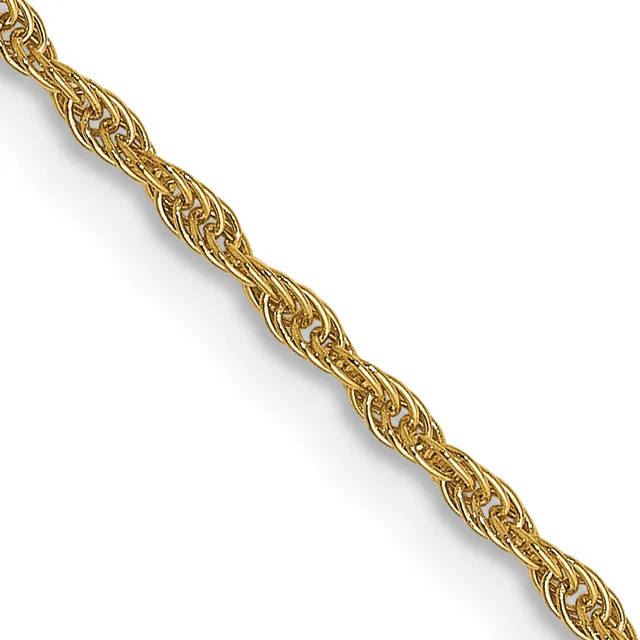
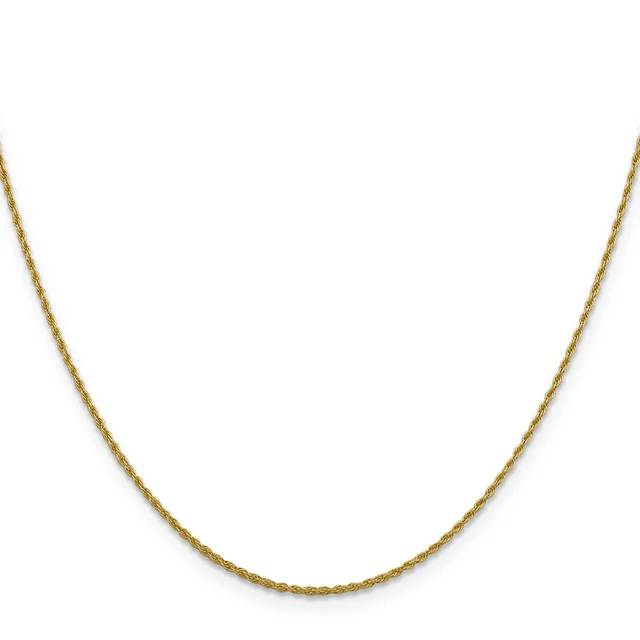
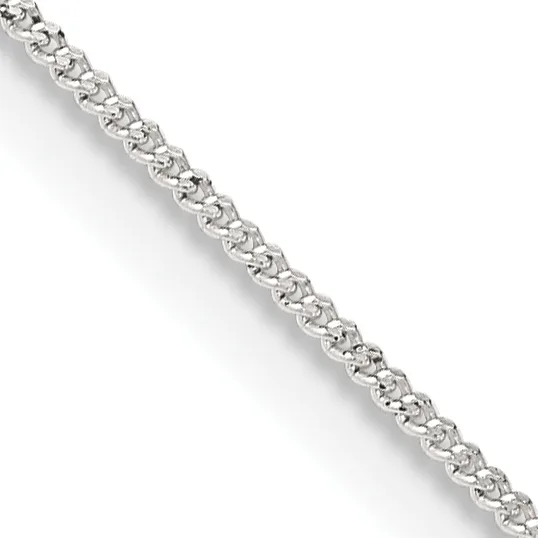
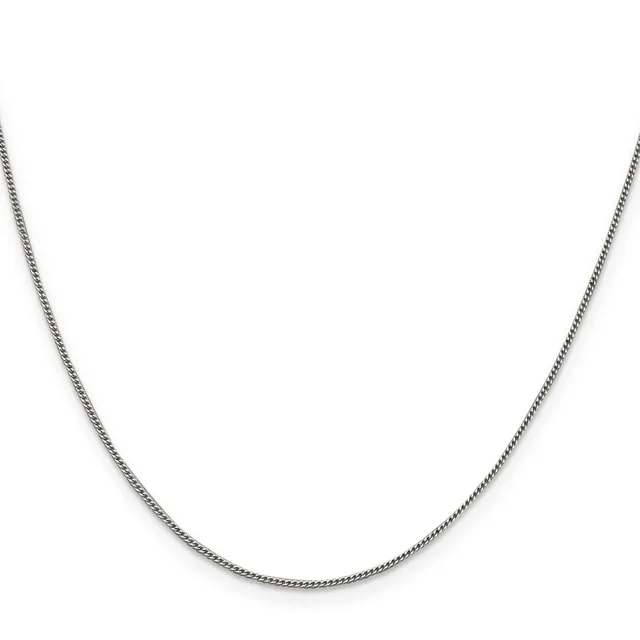
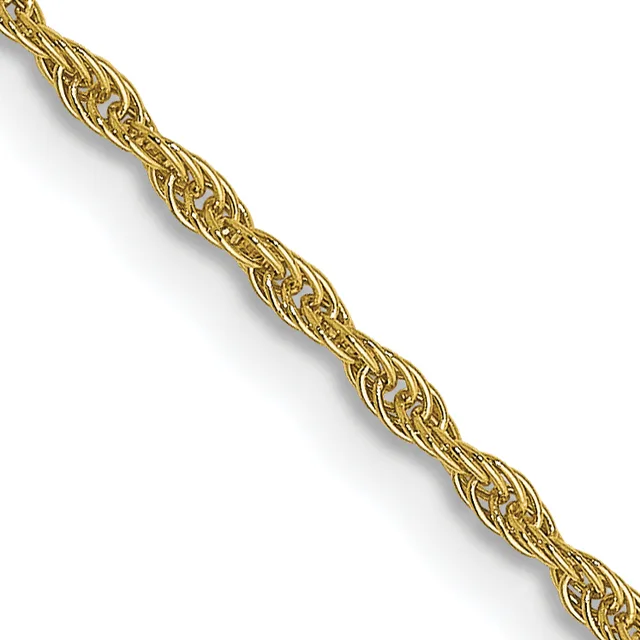
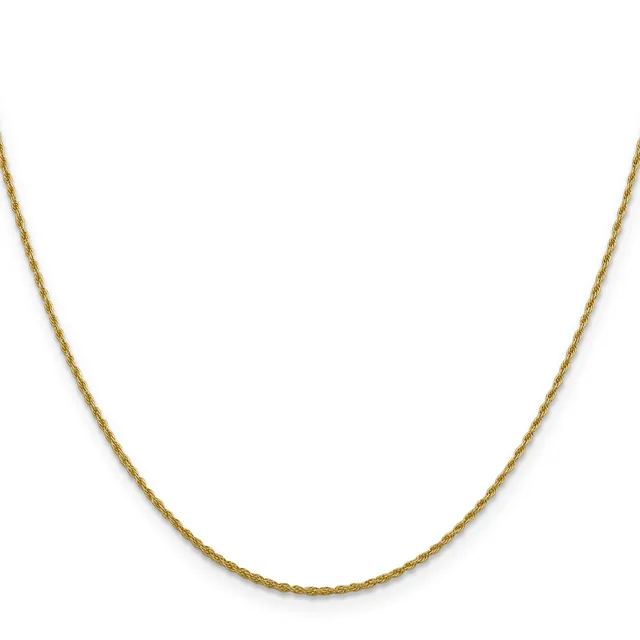
Each link pattern creates a distinct drape and surface. Cable chains — evenly spaced round or oval links — lie flat and reflect light softly, making them a reliable base for a pendant without competing with it. Box chains have square links that produce a smooth, ribbon-like line and hold their shape well when a pendant slides along them. Rope chains twist multiple strands of links together, giving the chain body and a textured shimmer even without a pendant. Snake chains are made of tightly fitted curved plates that move fluidly and catch light along the whole length. Herringbone and Singapore chains have their own characteristic weaves — herringbone lies flat with a broad, mirrored surface; Singapore has a gentle spiral that catches light at changing angles.
Fancy and multi-strand styles step further from the single-link conventions, using mixed link shapes or parallel strands to create more visual presence on their own.
Metal and Karat: What the Numbers Mean in Daily Wear
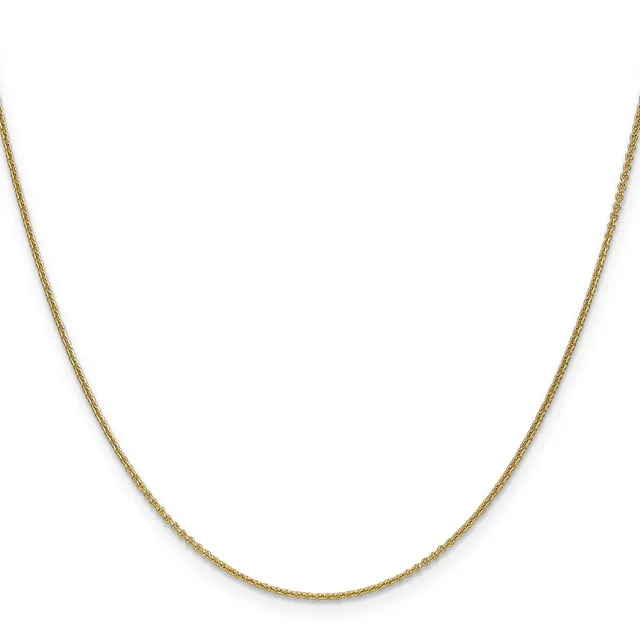
Gold chains in this selection come in 14k and higher karats. 14k gold — 58.5% pure gold alloyed with copper, silver, or zinc — is harder than higher-karat golds, which makes it more resistant to scratching and bending out of shape over years of regular wear. Higher-karat gold is richer in color and closer to fine gold, but it is also softer and more prone to surface wear if the chain is worn continuously against skin or clothing. Sterling silver chains are 92.5% silver; they will develop a natural patina over time and benefit from occasional polishing to restore their brightness.
Choosing Length and Adjustability
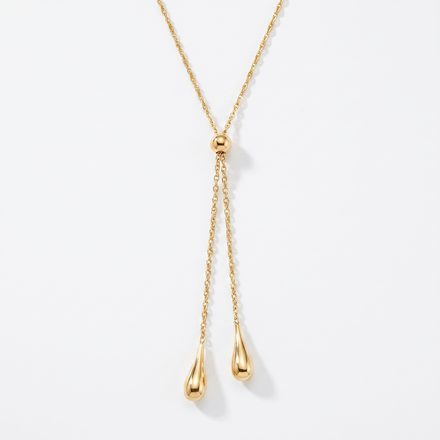
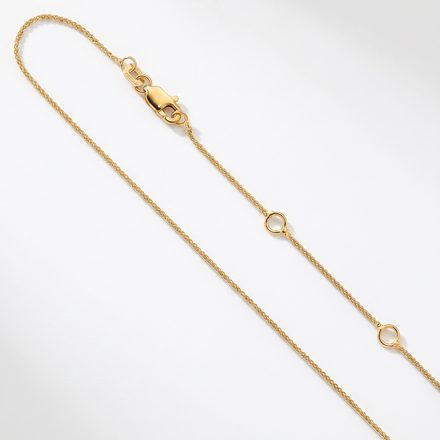
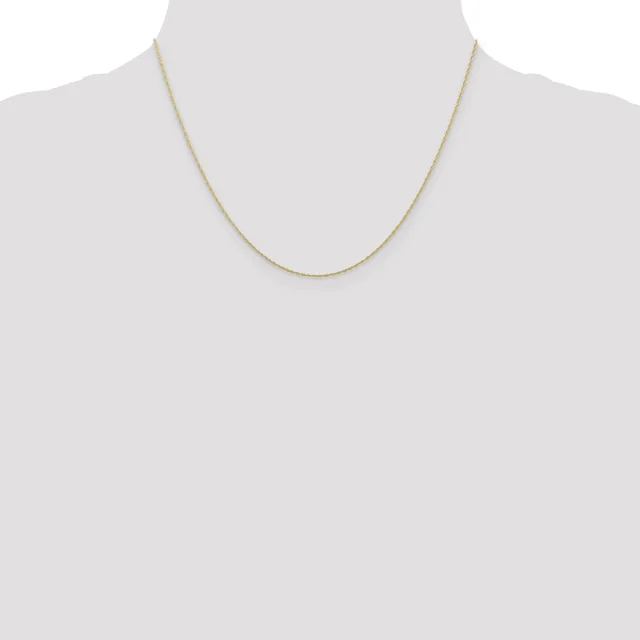
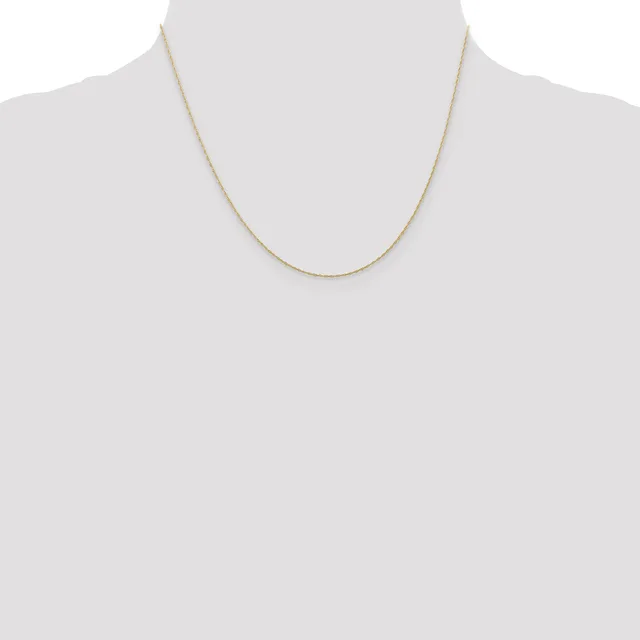
Chain length determines where a piece sits on the body and how it reads when worn alone versus with a pendant. A shorter length rests at the collarbone and keeps a pendant visible above a neckline; longer chains fall lower and layer well over each other or over clothing. Adjustable chains offer a clasp or sliding mechanism that lets the wearer change the drop without needing a jeweler — useful if you wear the same chain with different necklines or pendants of different weights.
Care
- Store chains individually — loose together, fine links tangle and can stretch or kink at the clasp.
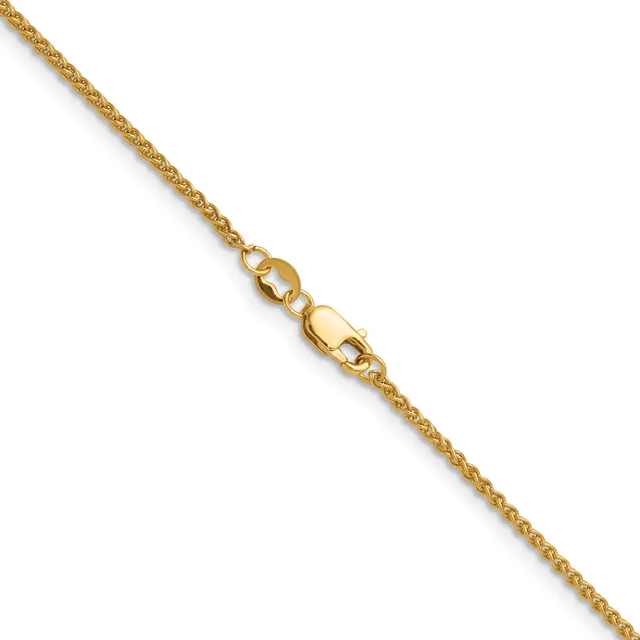
- Clasp the chain before storing to keep it from folding on itself.
- Remove chains before swimming, applying lotions, or exercising; chlorine and salts accelerate tarnish on silver and can affect gold alloys over time.
- Clean with a soft cloth; for silver, a dedicated silver-polishing cloth removes tarnish without abrading the surface.
- Have the clasp and links checked by a jeweler periodically if the chain is worn daily — small bends at the clasp are the most common point of wear.
Frequently asked questions
What is the difference between a cable chain and a box chain for wearing with a pendant?
Both work well as pendant chains. Cable chains have round or oval links that allow a pendant bail to slide freely, while box chains have square links that also slide easily and tend to lie flatter against the skin. Box chains are slightly more structured in appearance; cable chains are the more traditional choice and come in a wider range of link gauges.
Can a snake chain or herringbone chain hold a pendant?
Snake and herringbone chains have tightly fitted links or plates that make them harder to bend repeatedly at one point without creasing. They are best worn alone rather than with a pendant that would concentrate movement and weight at a single spot on the chain.
Is 14k gold durable enough for a chain worn every day?
Yes — 14k gold is one of the most practical choices for daily wear because its alloy content makes it harder than higher-karat golds. It will show fine surface scratches over years of wear, as any metal will, but it holds its structure well under normal conditions.
How do I know what chain length to order?
Measure a piece of string or a strip of paper held at your neck where you want the chain to fall, then measure that length against a ruler. A length that hits the collarbone reads as a close, visible layer; longer lengths fall toward the chest and are easier to layer with other necklaces.
How should I store fine chains to prevent tangling?
Keep each chain in its own pouch or compartment, and fasten the clasp before storing — this prevents the chain from folding and knotting on itself. Hanging chains individually on small hooks is another reliable option for pieces worn regularly.