
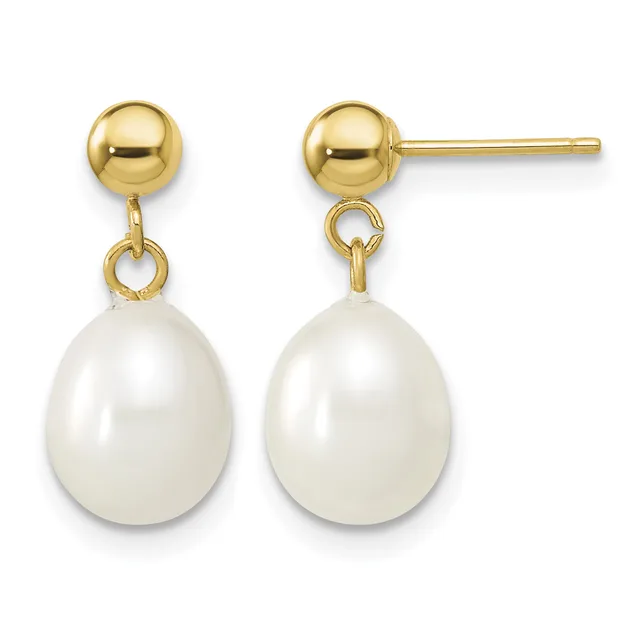
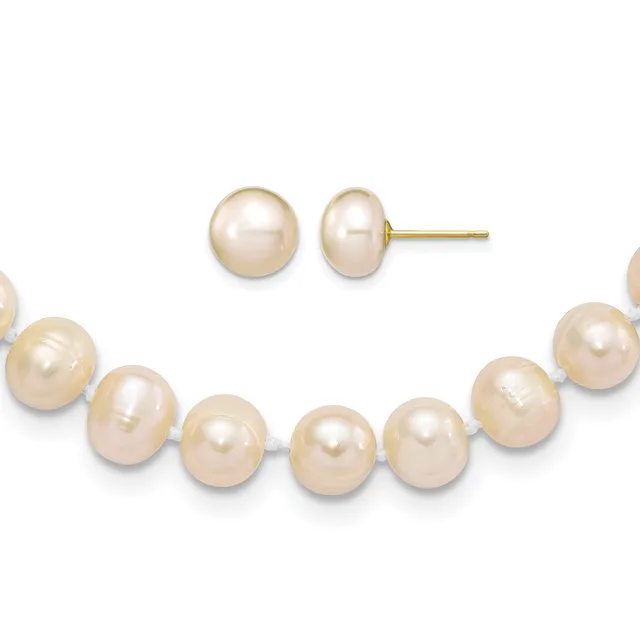
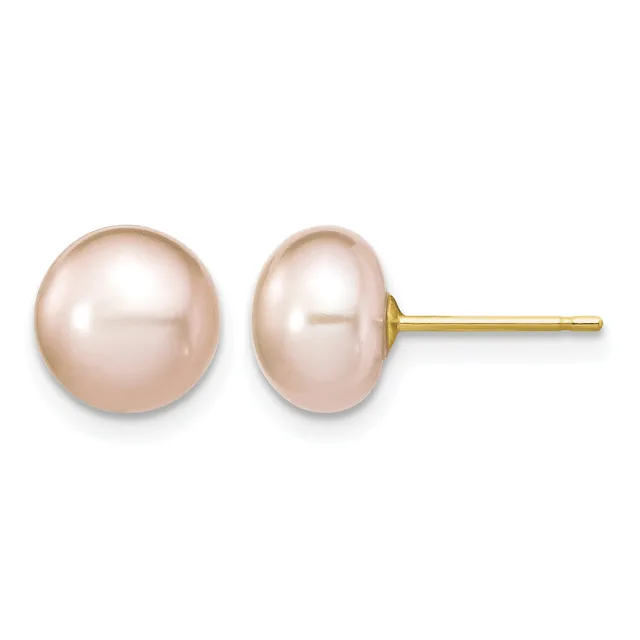
What Cultured Pearls Are
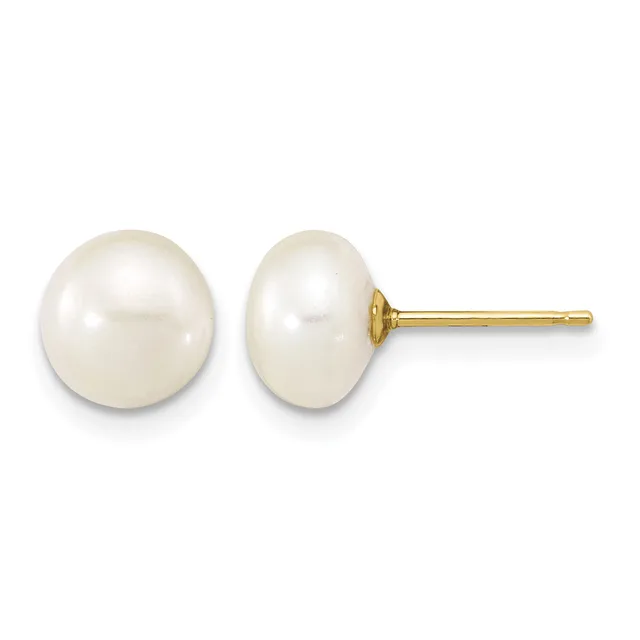
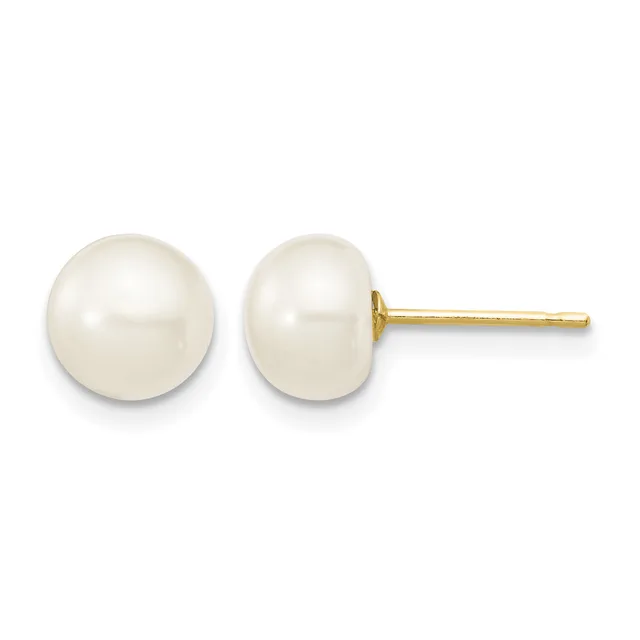
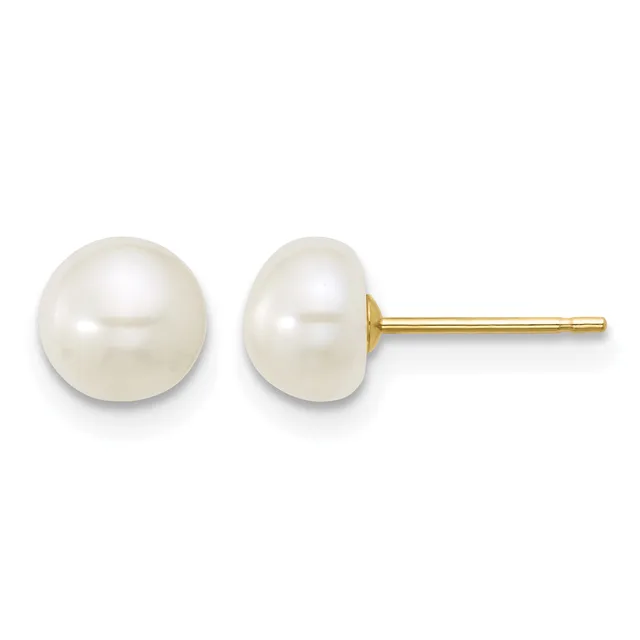
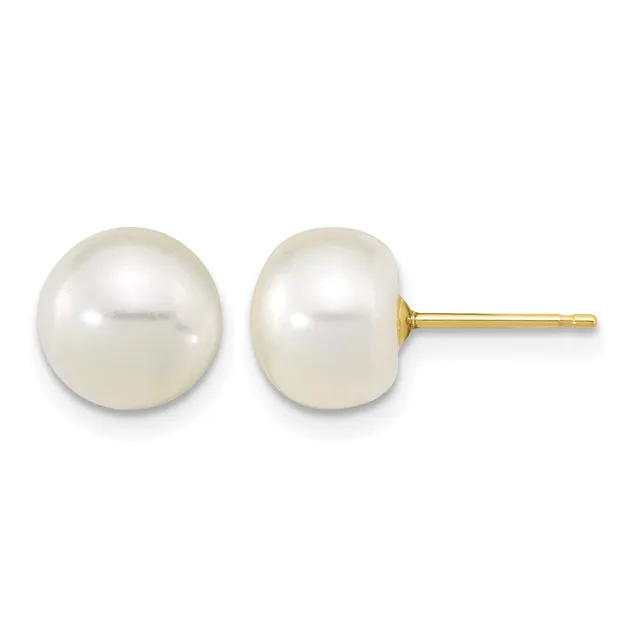
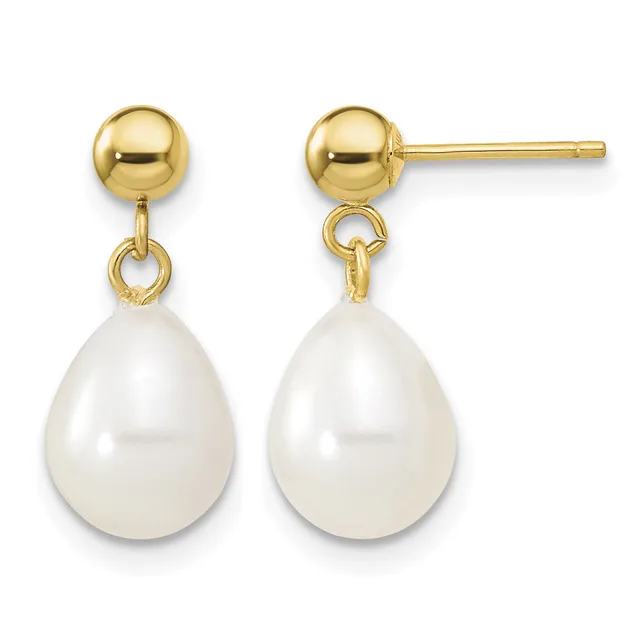
A cultured pearl forms inside a living mollusk around a nucleus that has been deliberately introduced — the same organic process as a wild pearl, guided by human hand. The result is a gem with depth of color and surface sheen that no synthetic material replicates. Because each pearl is grown rather than manufactured, minor variations in shape, overtone, and surface texture are natural and expected; absolute uniformity is a sign of imitation, not quality.
Necklaces Versus Sets
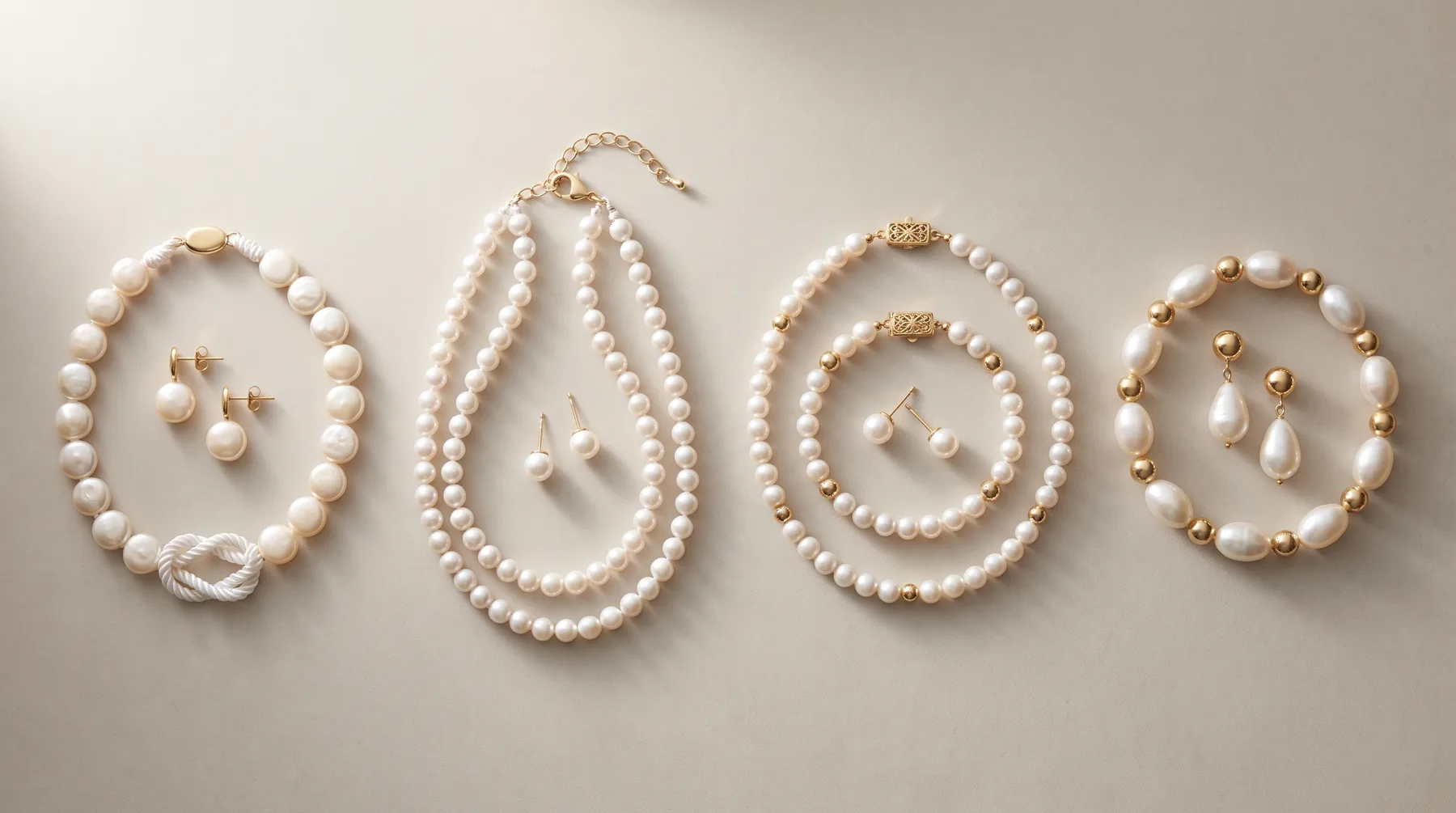
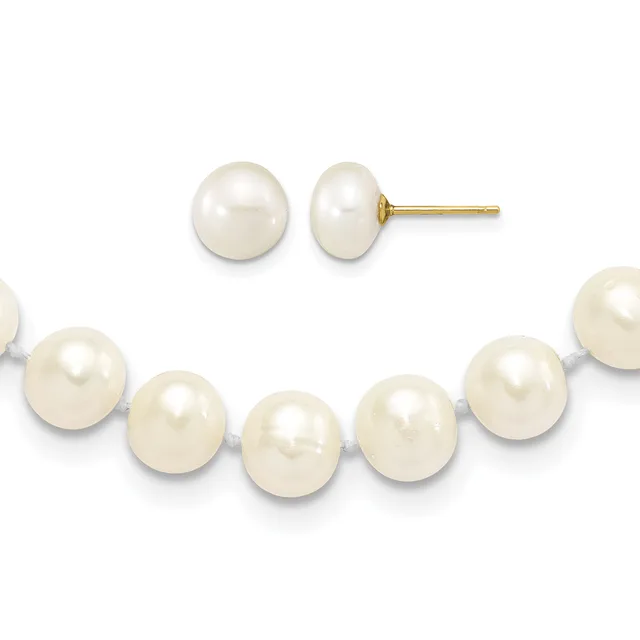
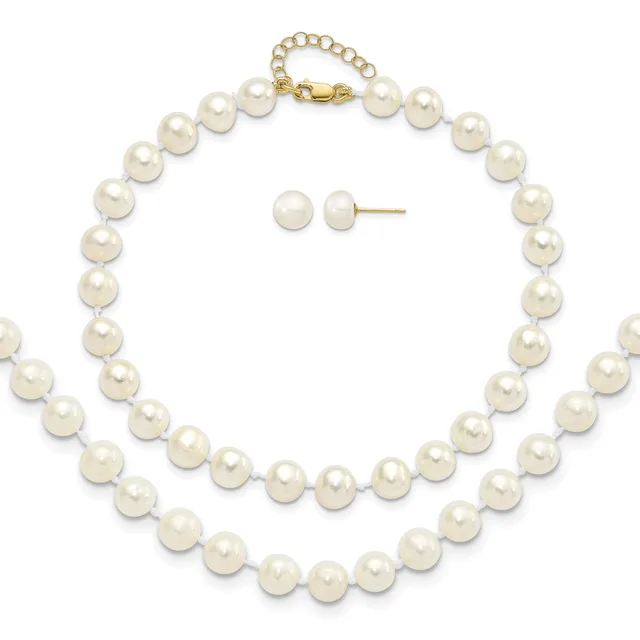
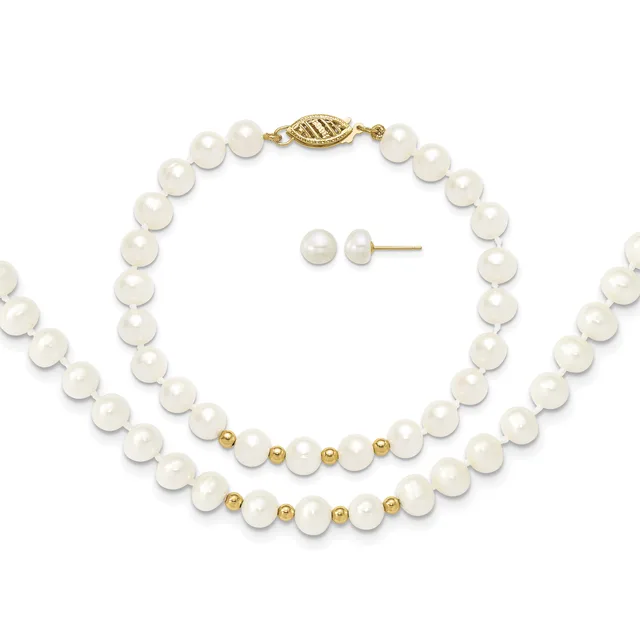
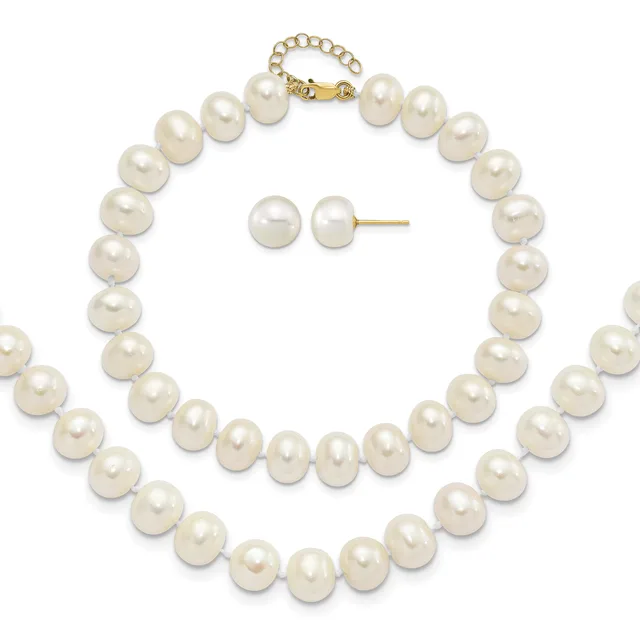
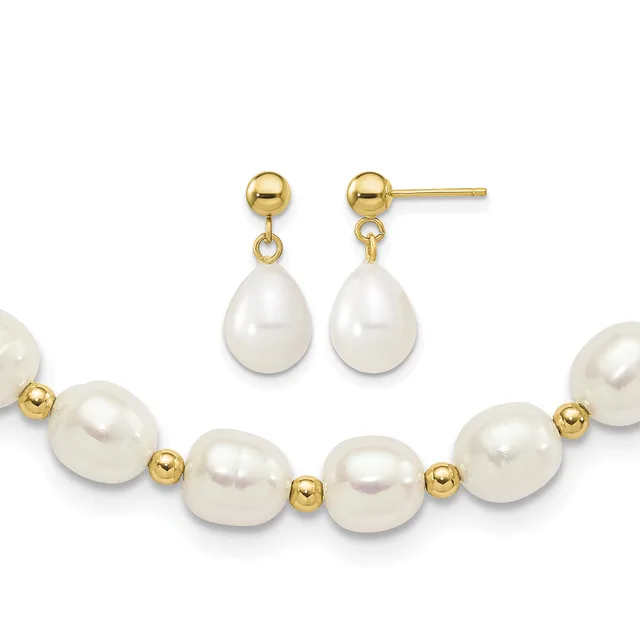
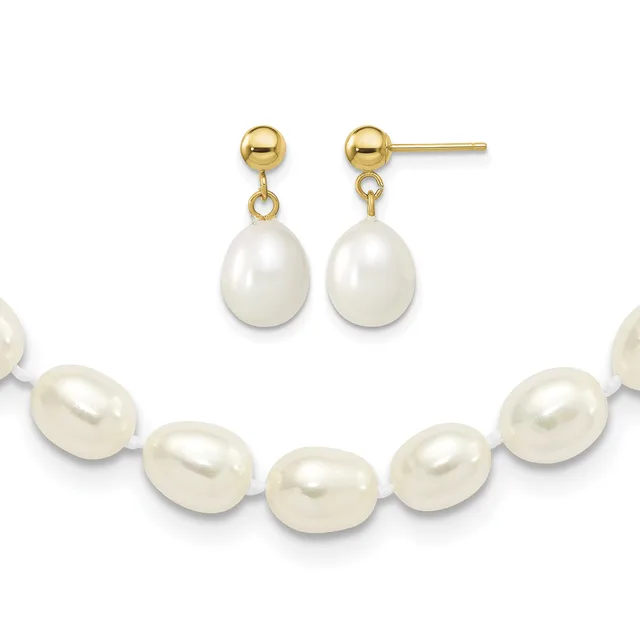
A standalone necklace lets a single strand carry the occasion, pairing with whatever earrings you already own. A coordinated set — necklace with matching earrings, or a full bracelet, earrings, and necklace combination — ensures the pearls share the same growth batch, so luster, size, and color tone read as one continuous piece across the body. Sets make sense when you want the look to hold together without searching for complements; individual necklaces offer more flexibility over time.
Fit and Proportion
Necklace length changes how a strand sits on the body and how formally it reads. A shorter length rests at the collarbone and suits open necklines; longer strands fall below the décolletage and work across a wider range of collar shapes. Pearl size matters too — smaller, more uniform pearls read as refined and understated; larger pearls draw more attention and suit bolder styling. Consider both length and pearl diameter together, not either in isolation.
Caring for Cultured Pearls
Pearls are softer than most gemstones and sensitive to acids, including perspiration, perfume, and hairspray. Put pearl pieces on last when dressing and wipe them gently with a soft, dry cloth after wearing. Store them flat or in a soft pouch — never in an airtight container, which can dry the nacre — and keep them away from harder jewelry that can scratch the surface. Strung necklaces benefit from periodic restringing, especially if worn regularly, to prevent breakage at a weakened knot.
Frequently asked questions
Are cultured pearls real pearls?
Yes. A cultured pearl is a genuine pearl produced inside a living mollusk; the only difference from a wild pearl is that the process begins with a human-placed nucleus. The nacre, luster, and organic composition are the same.
What is the difference between buying a necklace alone and buying a set?
A set pairs the necklace with earrings or a bracelet from the same production run, so the pearls match closely in size, luster, and overtone. A standalone necklace gives you more freedom to mix with pieces you already own.
How do I know what necklace length to choose?
Shorter lengths sit at or just above the collarbone and suit higher necklines as well as open ones; longer lengths fall below the chest and work across more collar shapes. Try measuring a necklace you already wear comfortably as a reference point.
Can I wear a cultured pearl necklace every day?
Pearls are durable enough for regular wear, but their nacre is softer than most gemstones, so they need a little more care — kept away from perfume and cosmetics, wiped after wearing, and stored away from harder jewelry that could scratch them.
How often should a pearl necklace be restrung?
It depends on how frequently the piece is worn, but as a general guide, a necklace worn regularly benefits from restringing every one to two years before the silk or nylon thread weakens enough to break.