
What you'll find here
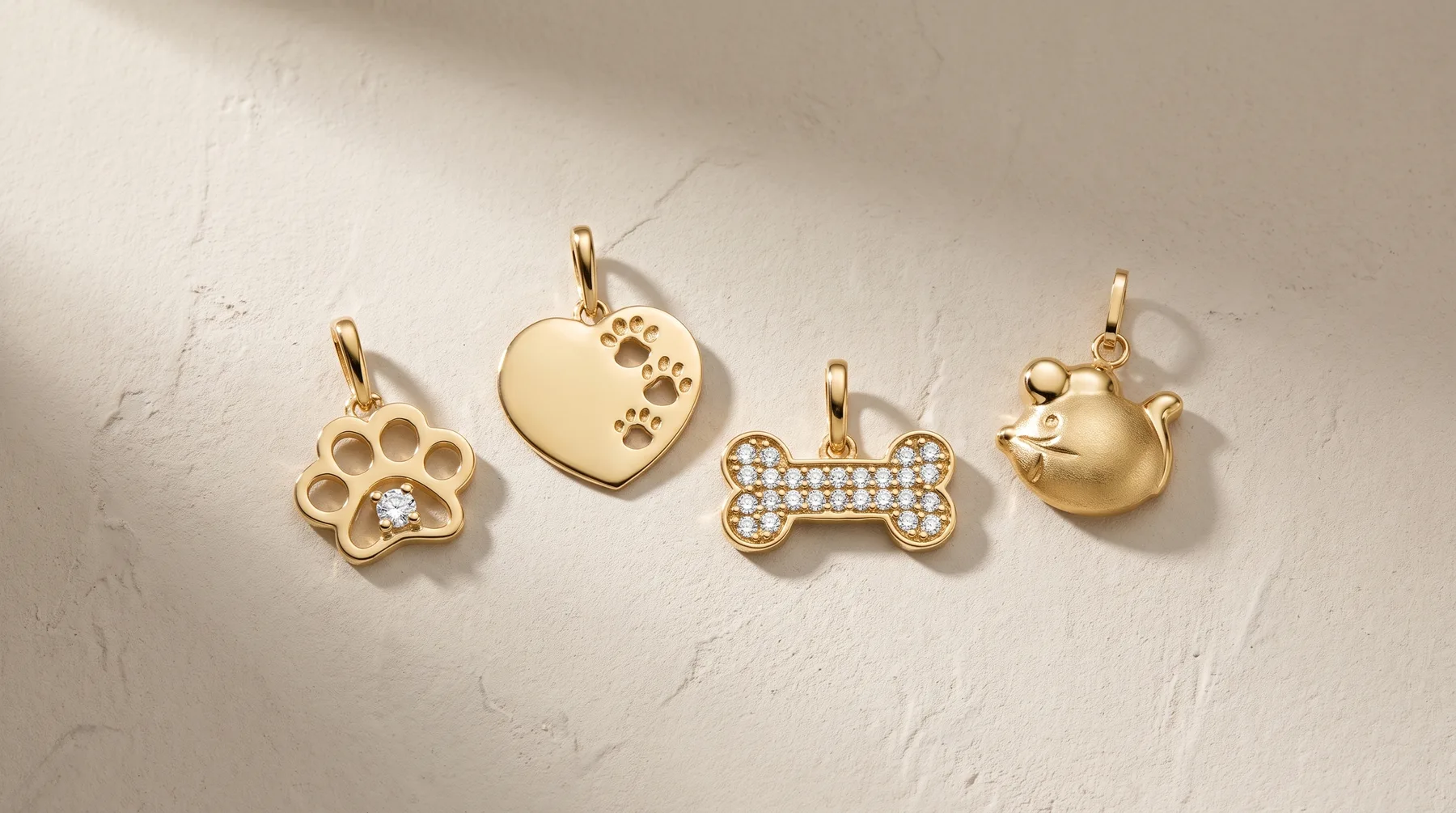
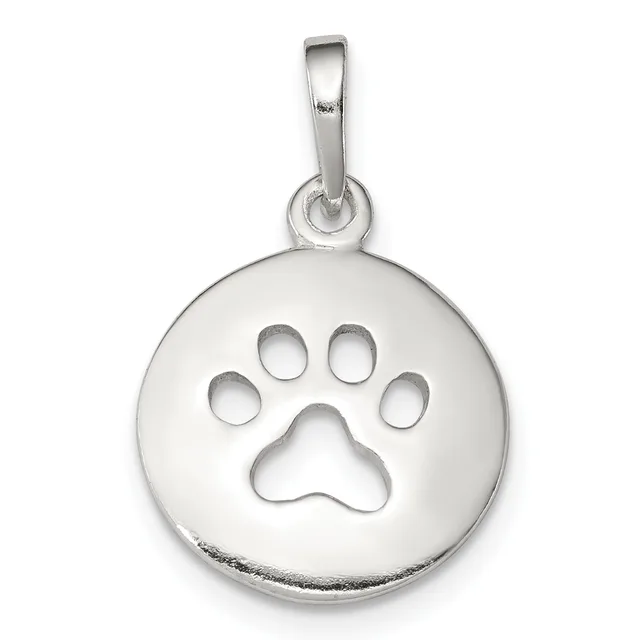
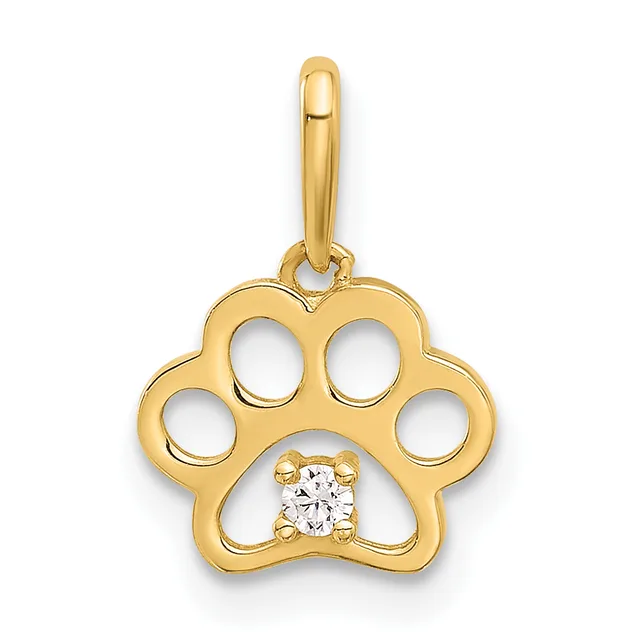
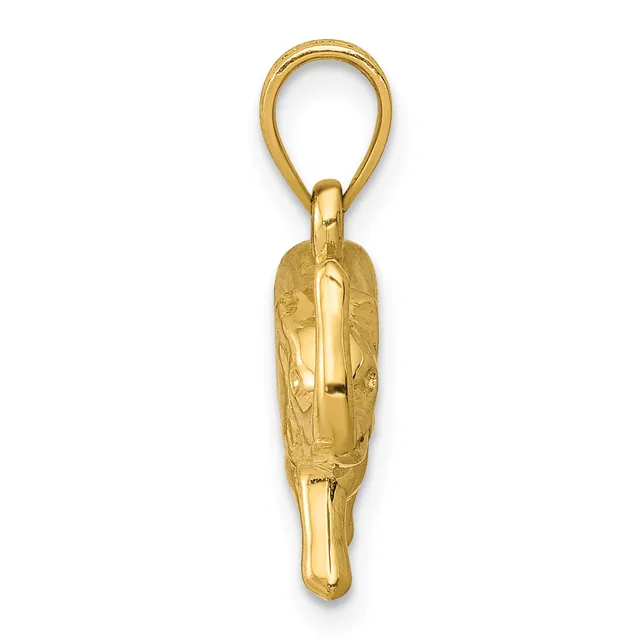
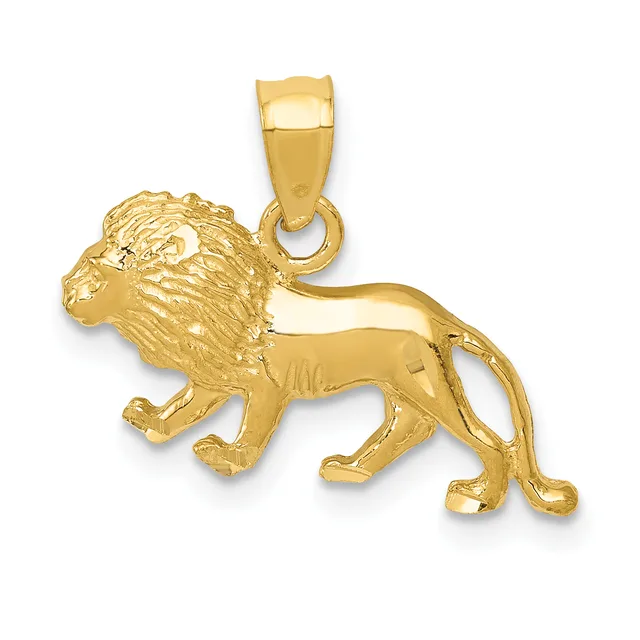
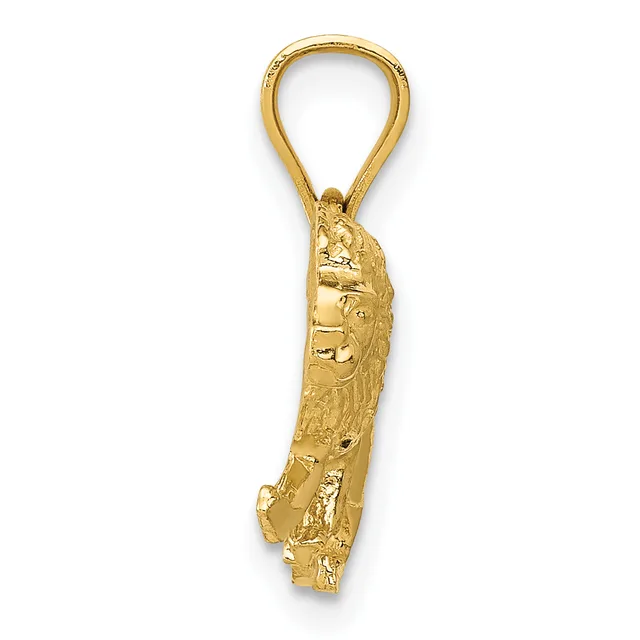
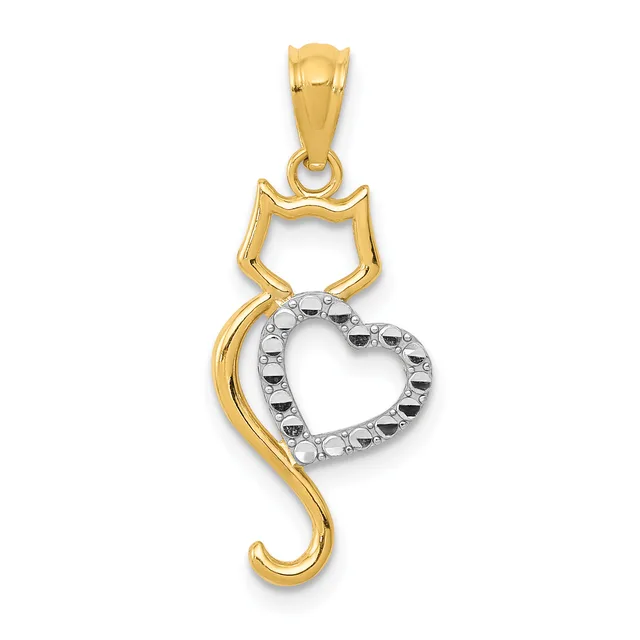
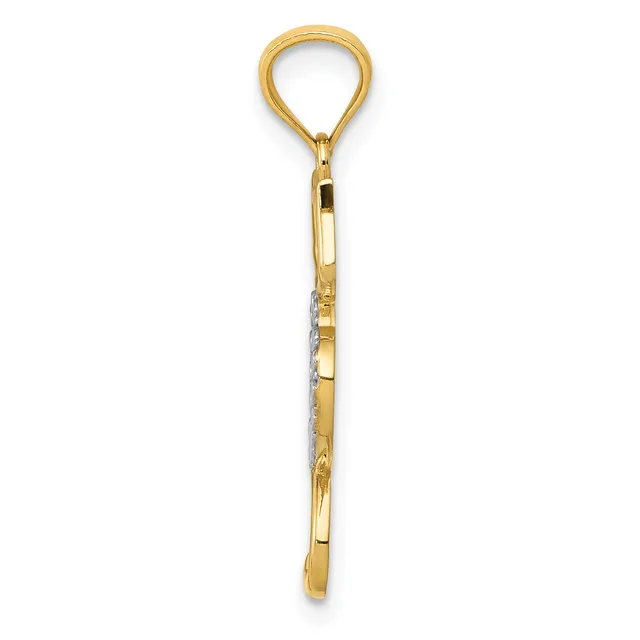
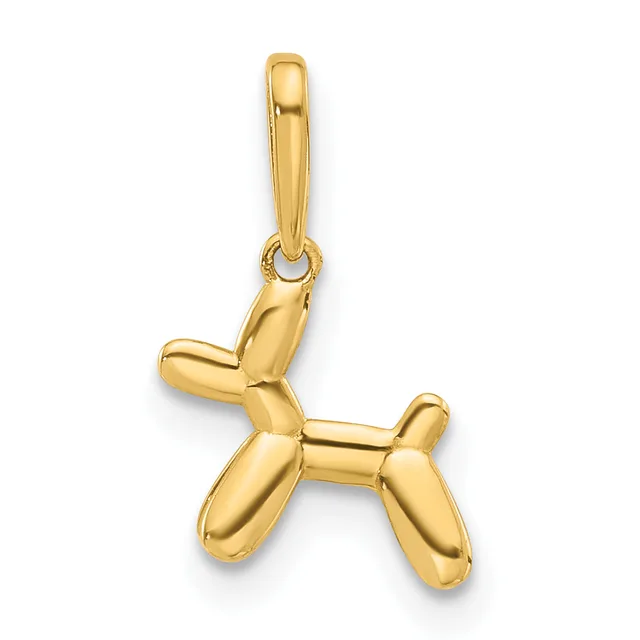
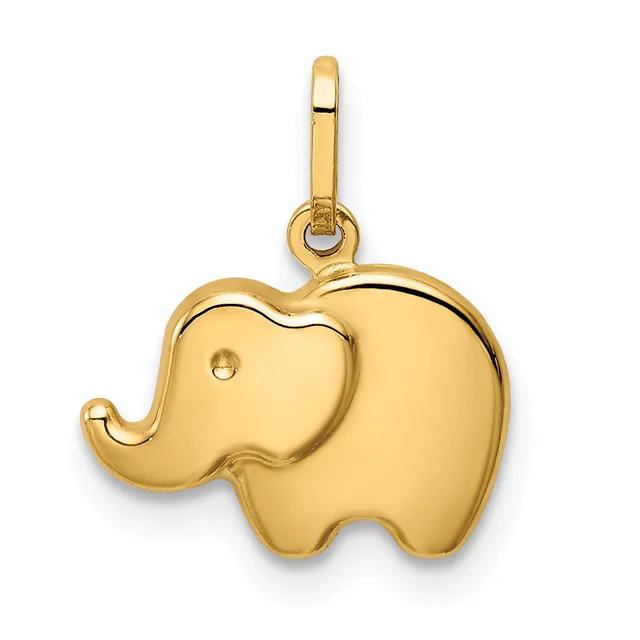
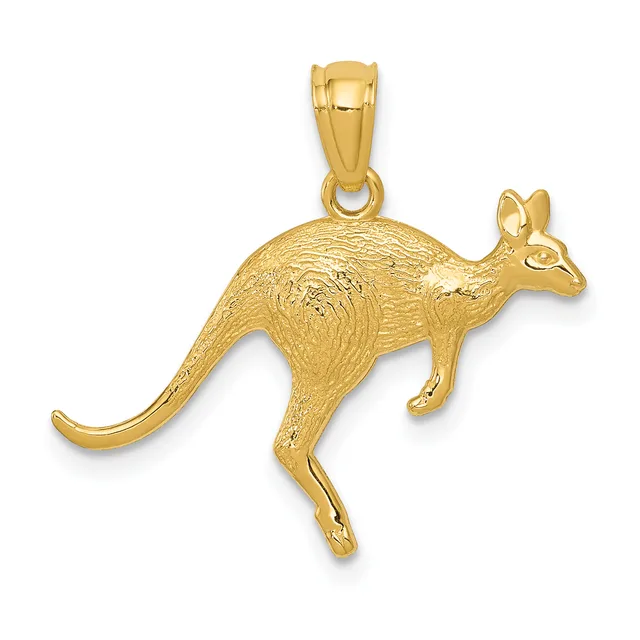
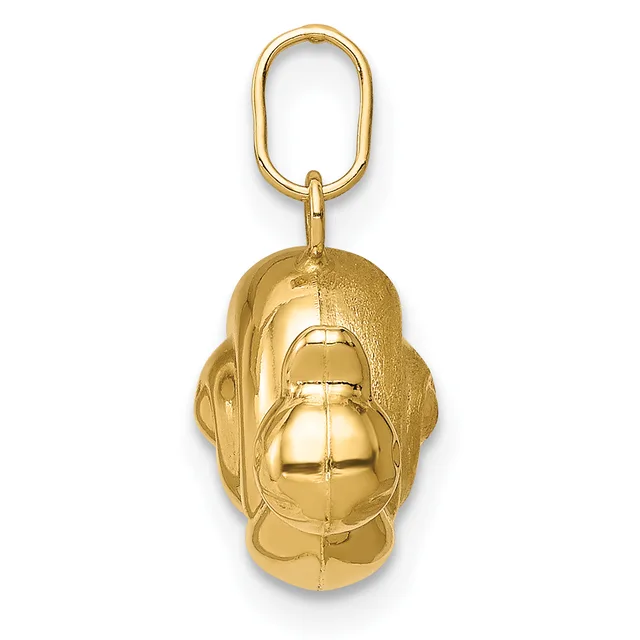
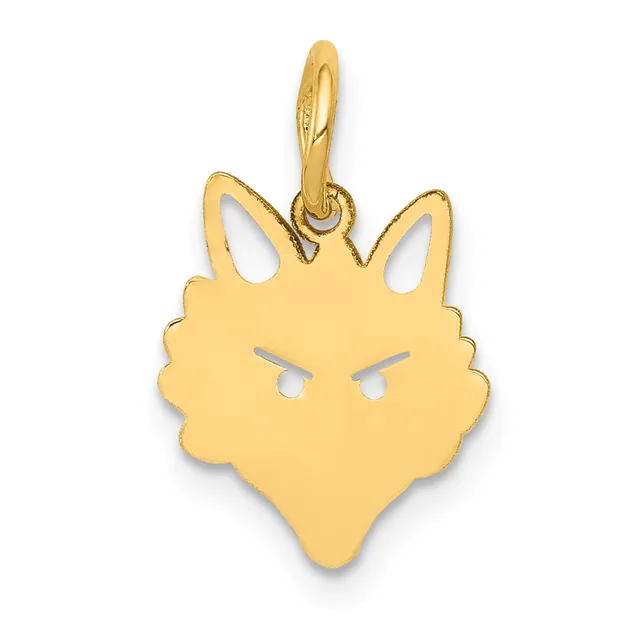
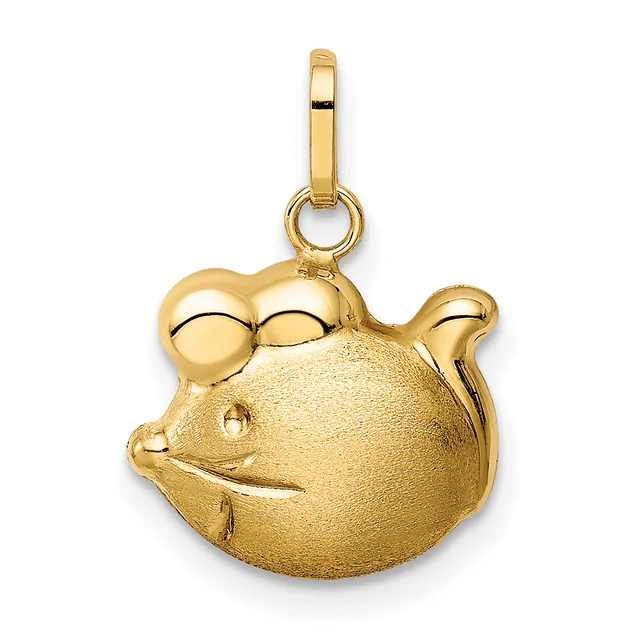
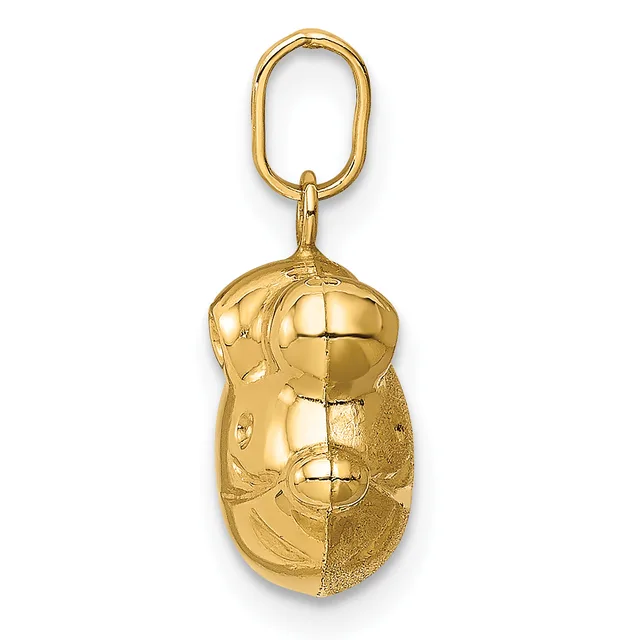
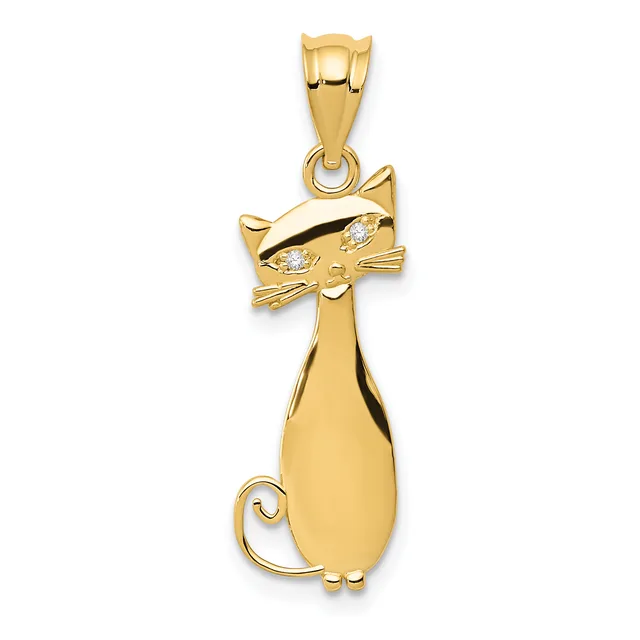
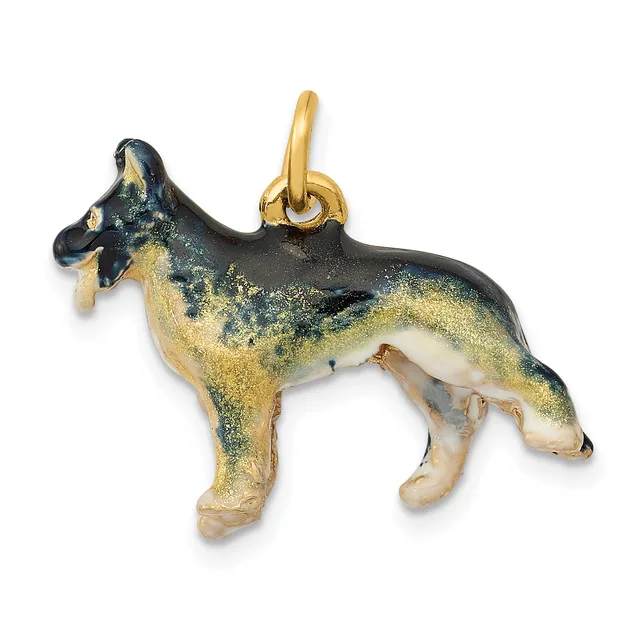
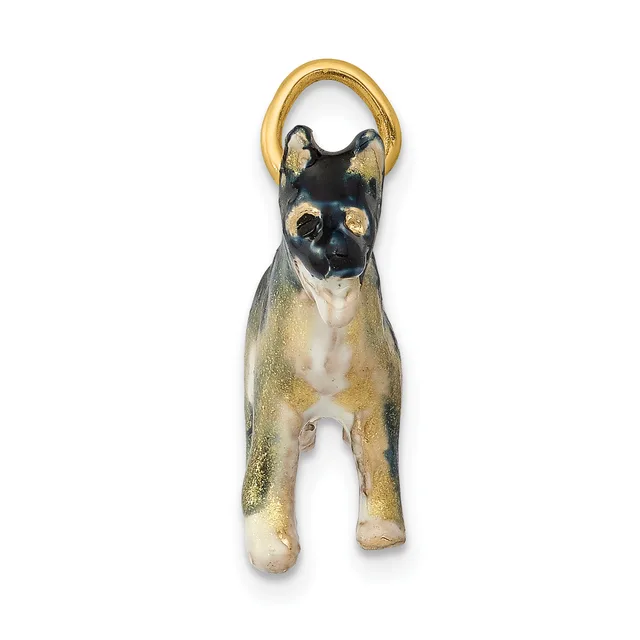
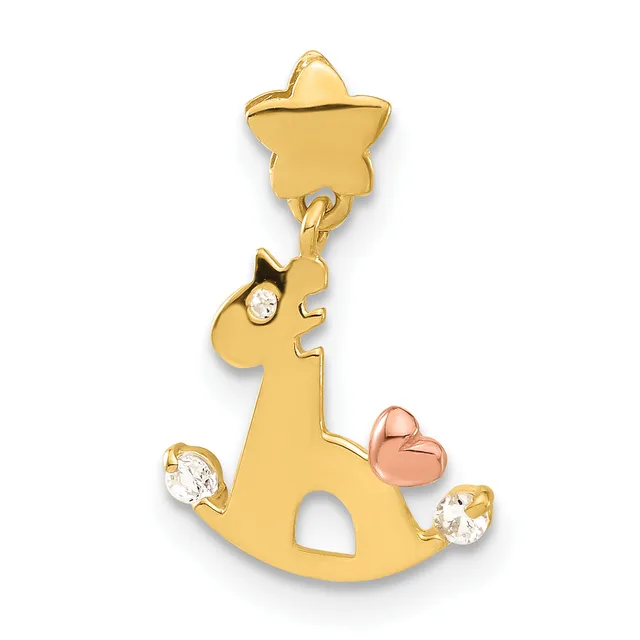
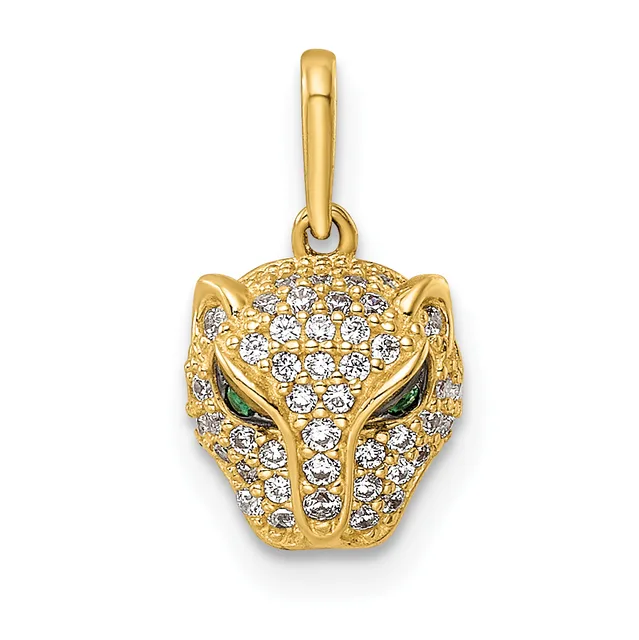
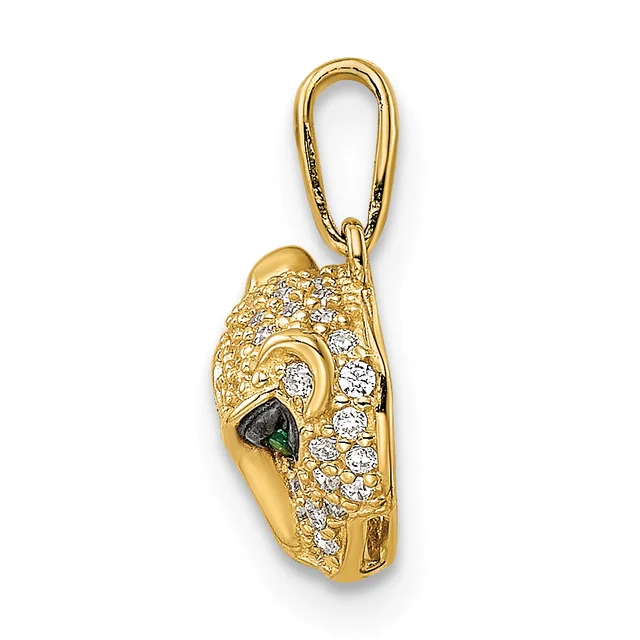
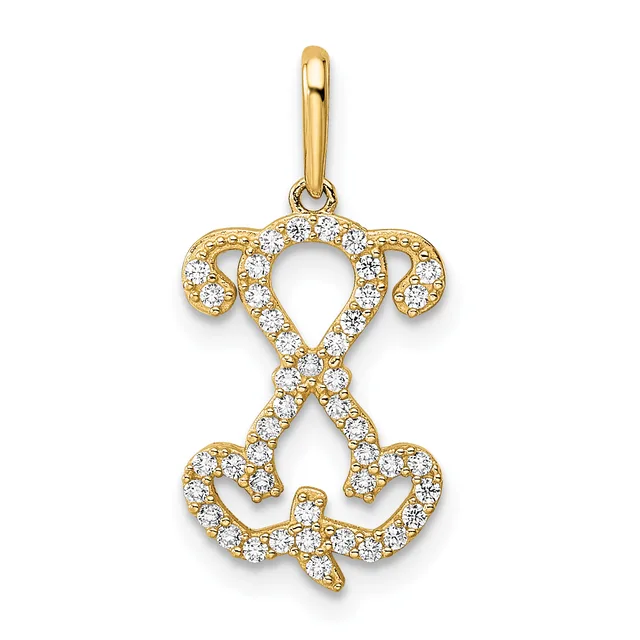
These are wearable portraits of the animal world: charms and pendants modeled after dogs, cats, horses, elephants, foxes, kangaroos, and a handful of other creatures that carry personal meaning for the wearer. The forms range from compact charms sized to layer on a bracelet to fuller pendants meant to anchor a necklace. Because the subject is specific — a particular animal, rendered with attention to its silhouette and character — the right piece tends to find the right person quickly.
Choosing by subject and form
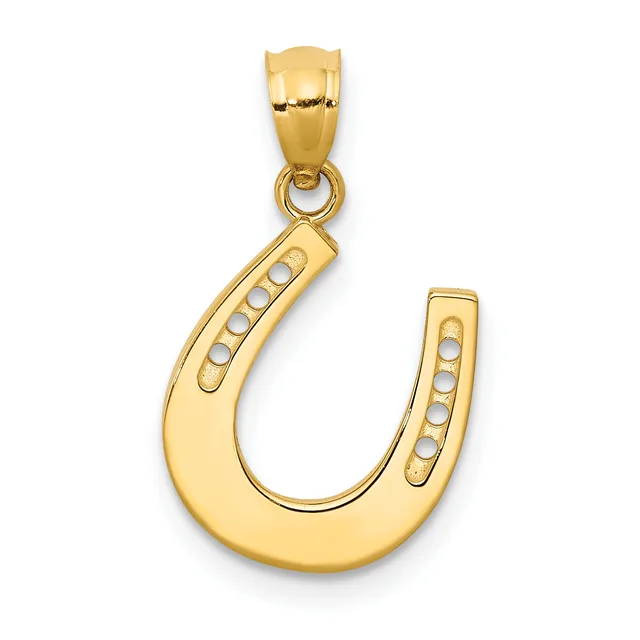
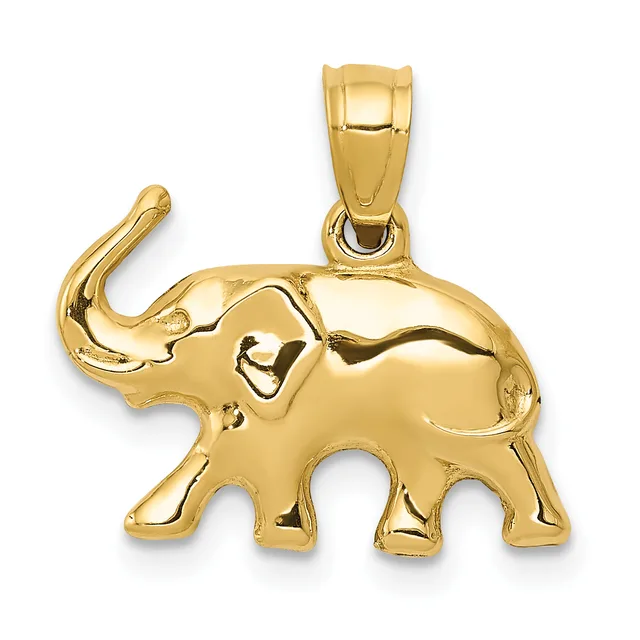
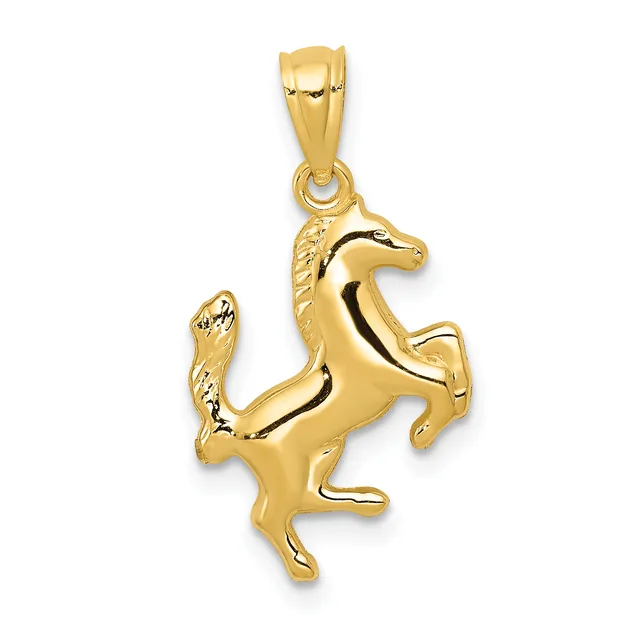
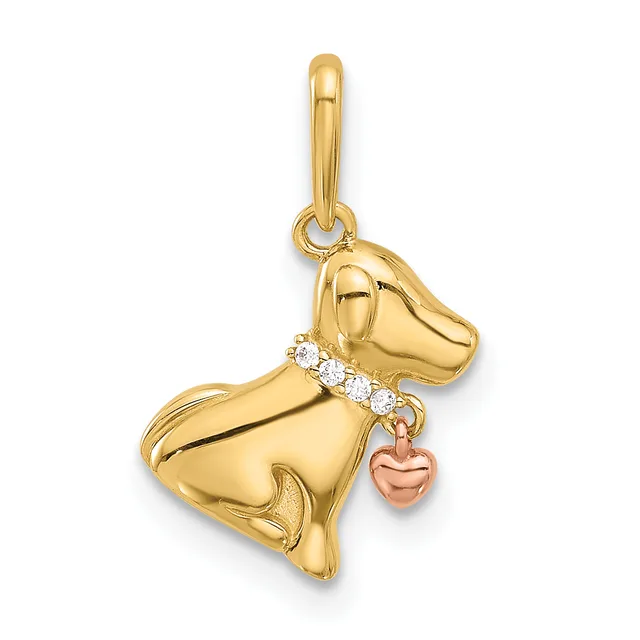
If you're drawn to a specific animal, that's usually where to start. Dog and cat subjects appear in recognizable breeds and poses; horse subjects tend toward the sculptural, capturing movement or stance. Elephant and fox forms lean more emblematic than literal. Some subjects here carry layered meaning — the elephant as a symbol of luck in many traditions, the Italian horn as a longstanding protective charm — so the choice can be as much about significance as likeness.
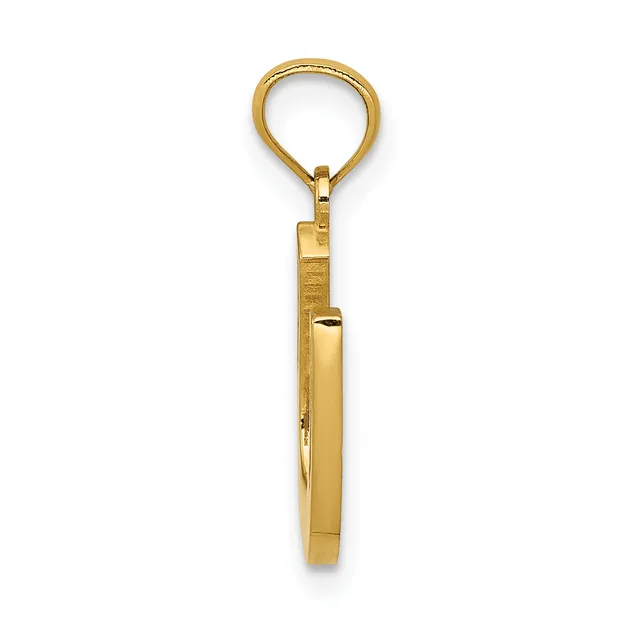
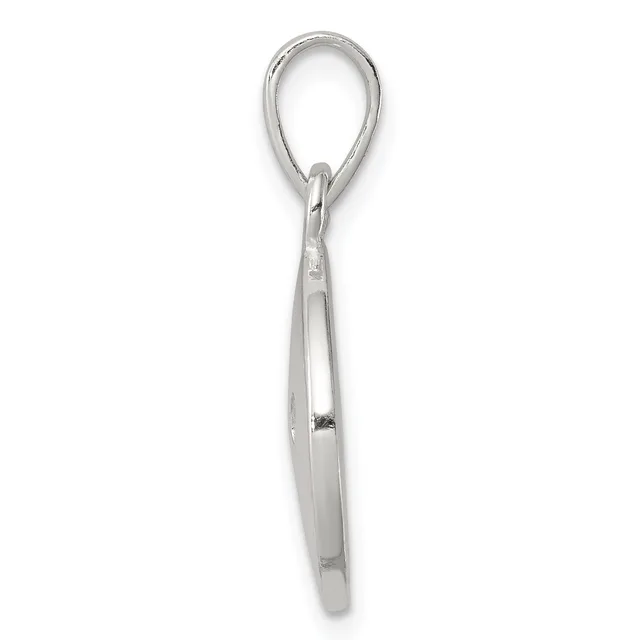
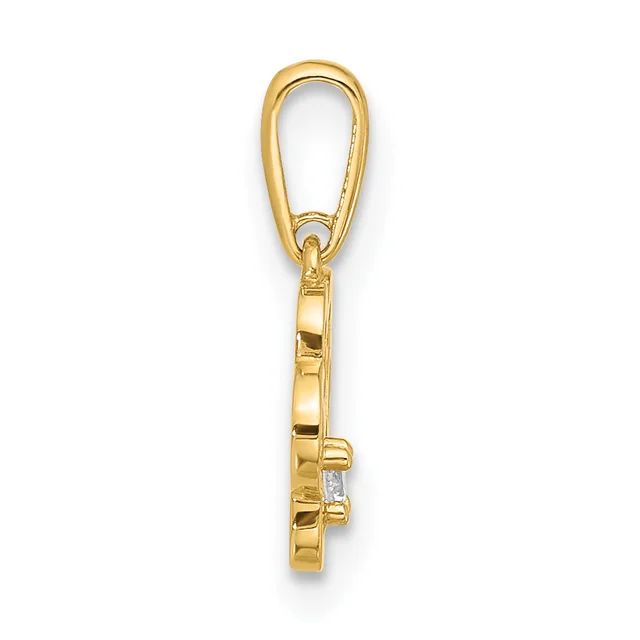
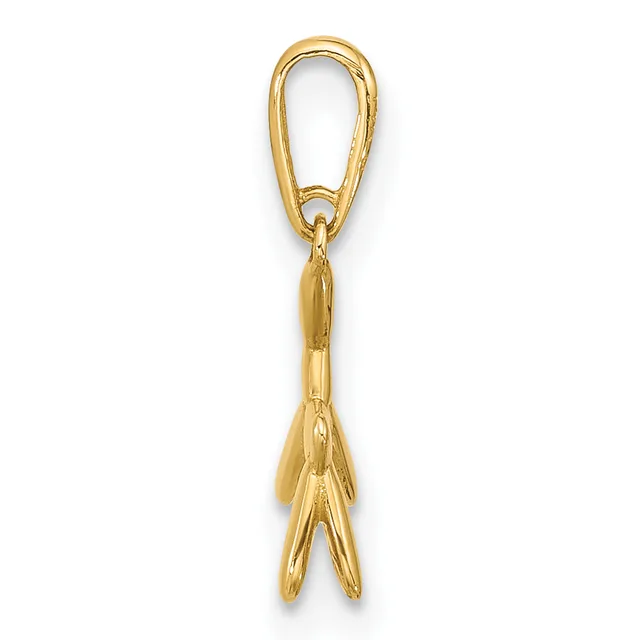
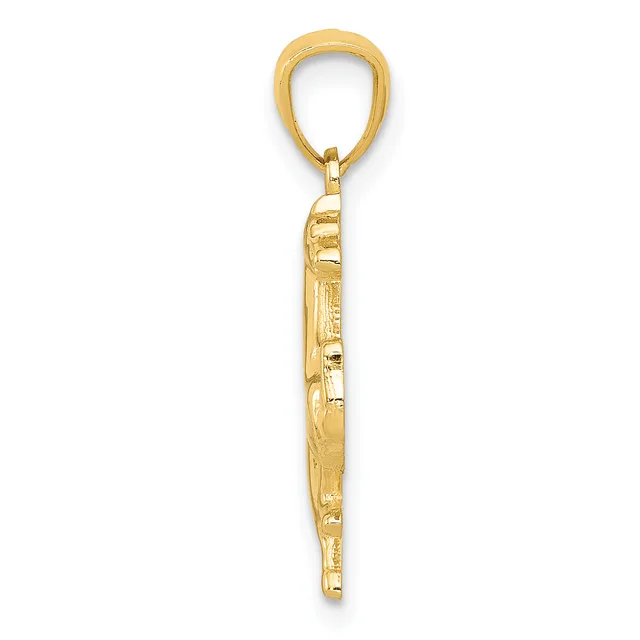
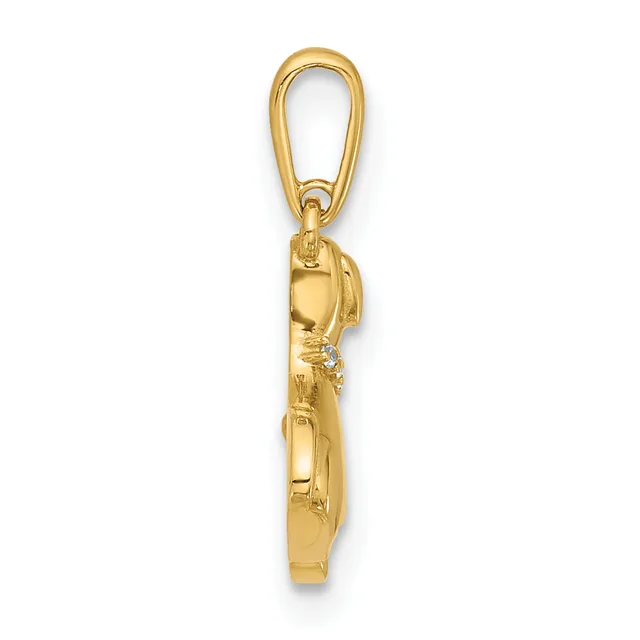
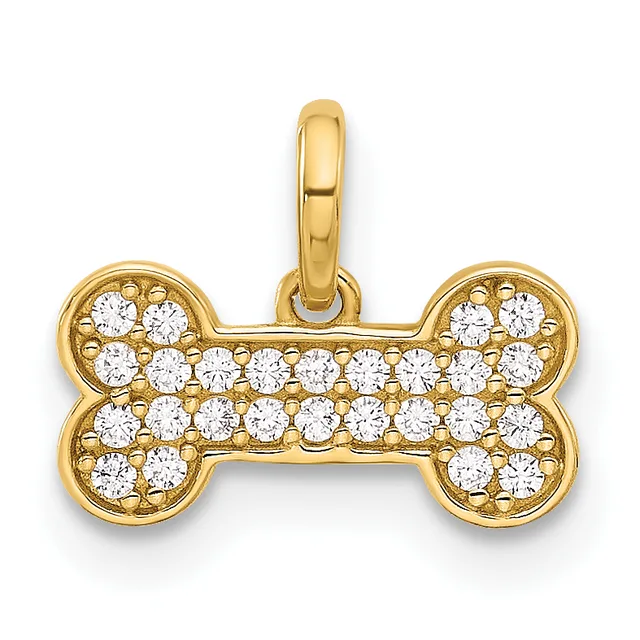
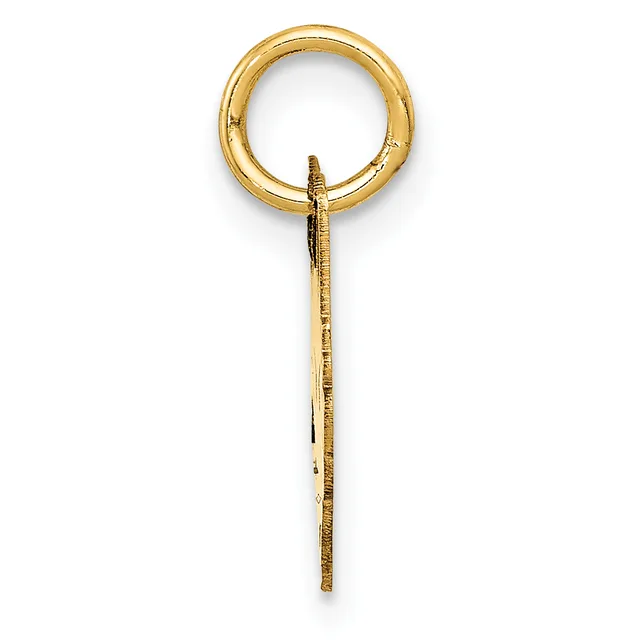
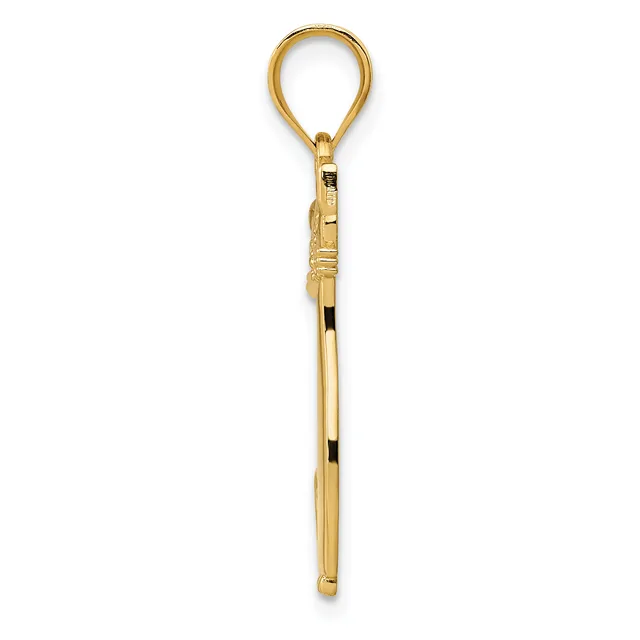
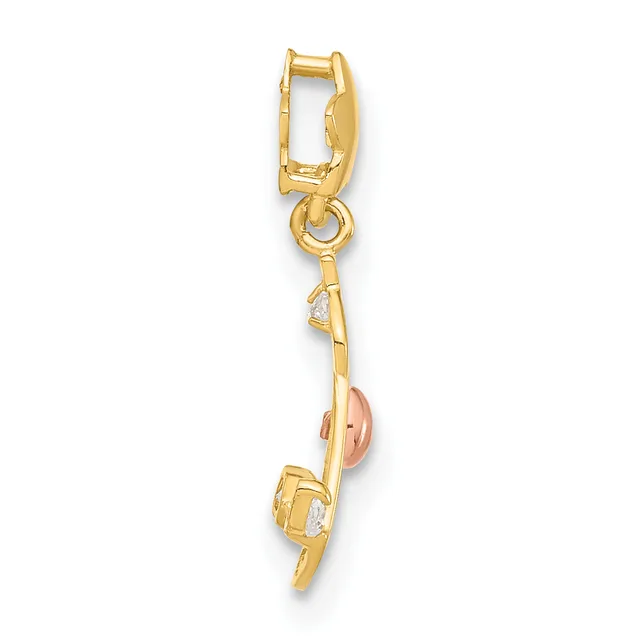
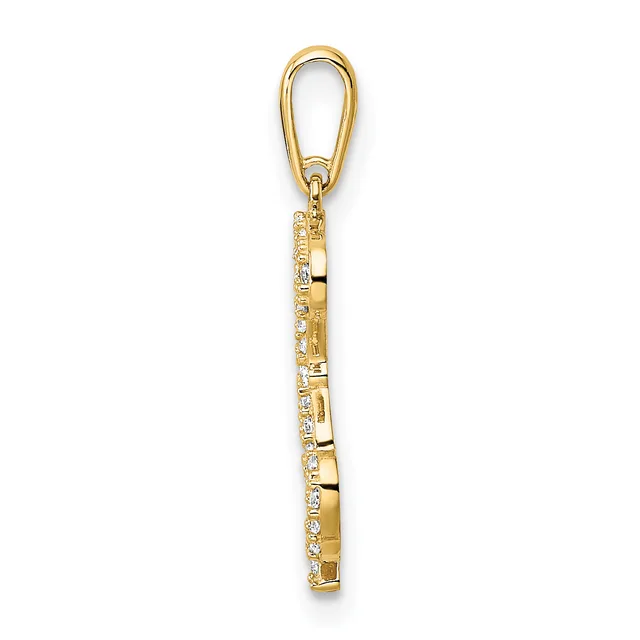
Form matters for how you'll wear the piece. A charm with a soldered loop is built to move freely on a chain or bracelet ring, catching light as you move. A pendant with a fixed bail sits more deliberately against the chest. Consider where you plan to wear it before settling on one over the other.
Materials and everyday wear
The price range here is wide enough to reflect meaningful differences in metal weight and construction. A heavier piece in solid gold will age into itself — developing a soft patina over years of contact with skin — while a lighter piece in the same metal stays crisp and graphic. Both are durable choices for daily wear; neither requires more than occasional cleaning with warm water and a soft cloth to stay looking right.
Fine metal charms at this level are not fragile, but they do respond to their environment. Chlorine from pools and spas can affect surface finish over time, and perfume applied directly to the piece rather than the skin will dull it faster. Those habits aside, an animal charm in solid gold or sterling is a long-term piece.
Sizing and fit
Charms and pendants don't size the way rings do, but scale is still worth thinking about. A small, low-relief charm reads as an accent; a larger, three-dimensional pendant commands the look. If you're adding to an existing bracelet or necklace, note the link or chain gauge — a charm loop that's too narrow won't pass over a thick cable chain without an adaptor ring.
Frequently asked questions
Can these charms be worn on a bracelet as well as a necklace?
Most charms here are designed with a loop that works on both. Check that the loop opening is wide enough for your chain or bracelet links before purchasing — a jeweler can open or replace a loop if the fit is close.
Are these pieces suitable as gifts for someone who loves a specific animal?
The subjects here are specific enough — particular breeds, species, and poses — that they tend to feel chosen rather than generic. Knowing which animal matters to the recipient is really all you need to narrow it down.
What's the difference between a charm and a pendant in this collection?
Charms are typically smaller and hung from a loop designed to swing freely on a chain or bracelet ring. Pendants are usually larger, hung from a fixed bail, and worn as the focal point of a necklace.
How do I keep a fine metal animal charm looking its best?
Clean occasionally with warm water and a soft cloth. Remove the piece before swimming in chlorinated water, and avoid spraying perfume or hairspray directly onto the metal.
Do any of these pieces carry symbolic meaning beyond the animal itself?
Some do — elephants are associated with good fortune across several traditions, and the Italian horn is a longstanding protective symbol. The product descriptions will note when a subject carries that kind of layered significance.