
How the Styles Here Differ
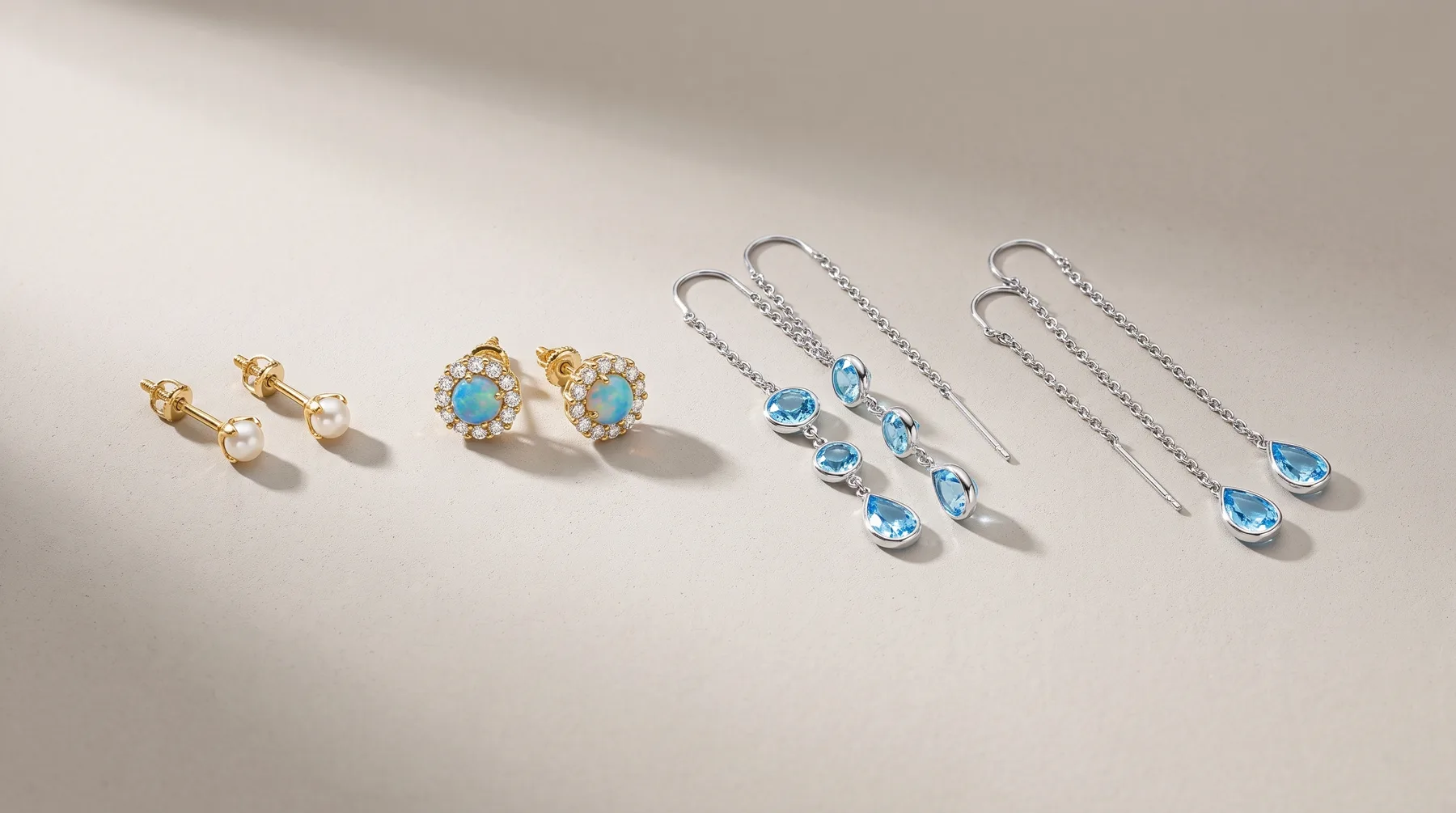
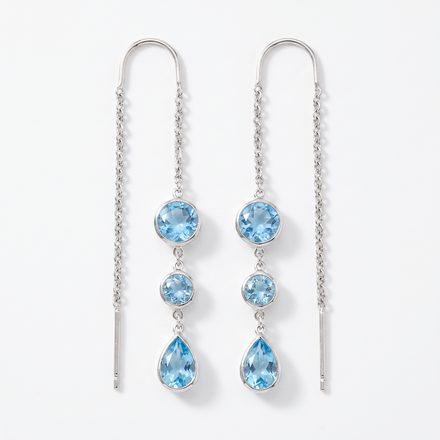
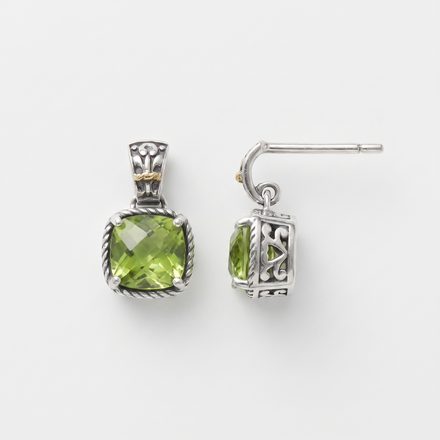
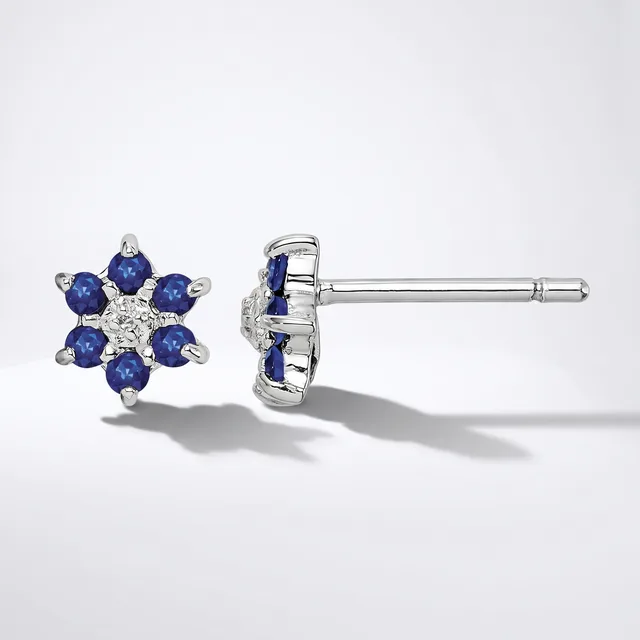
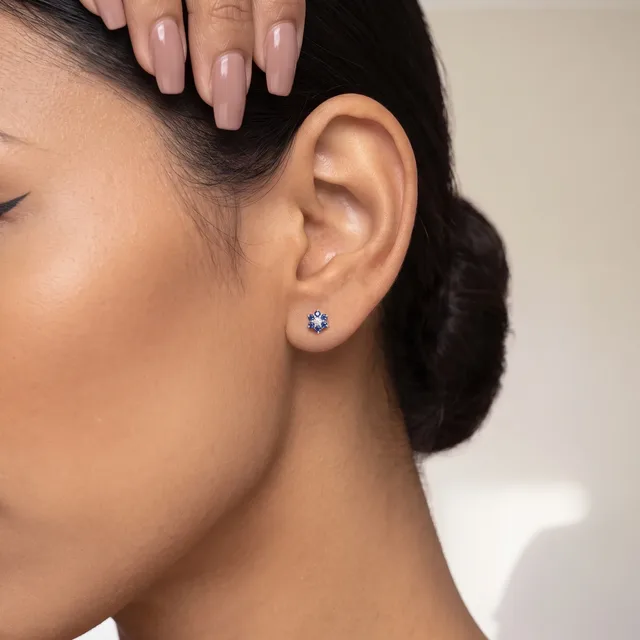
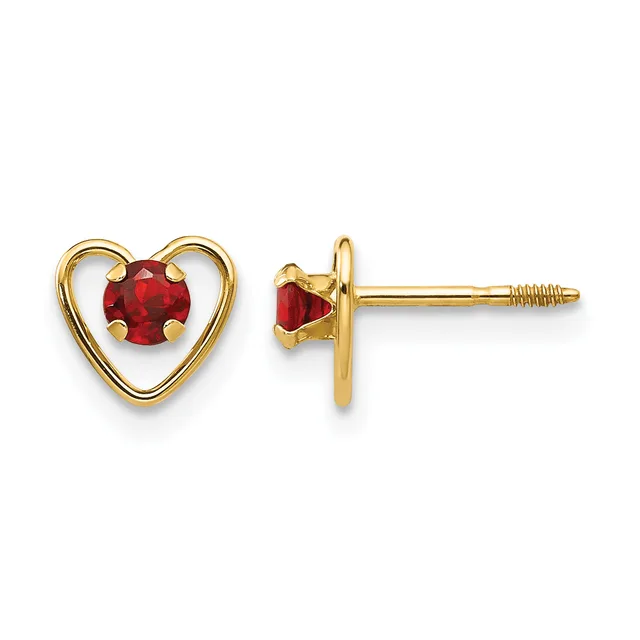
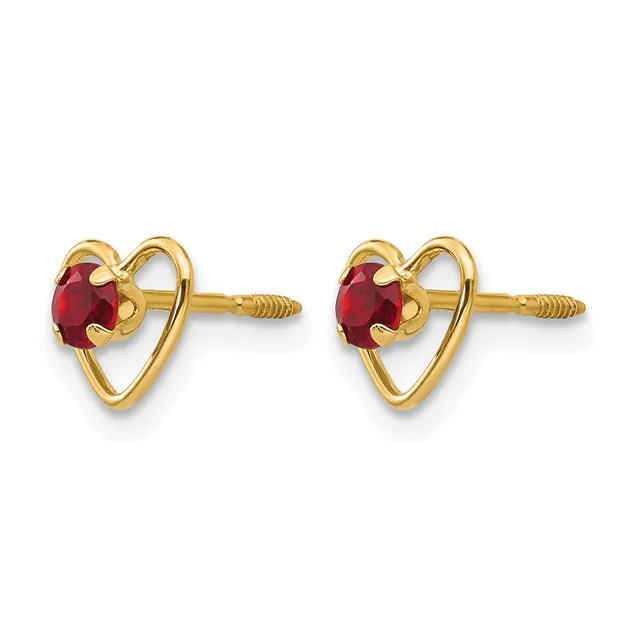
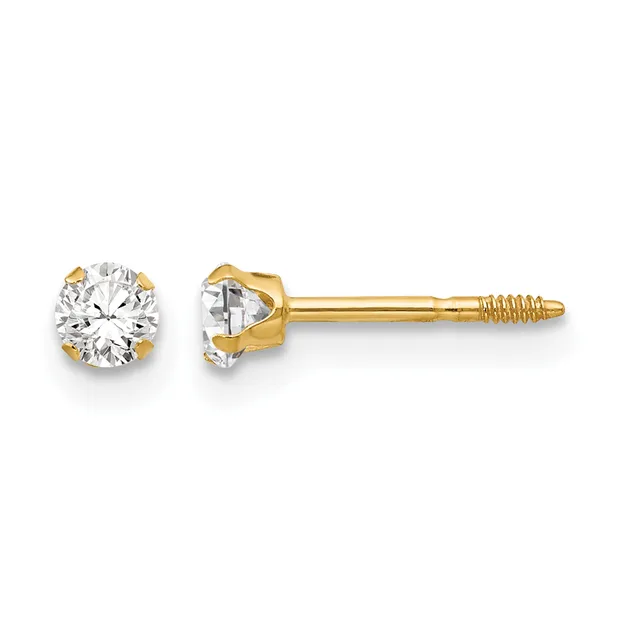
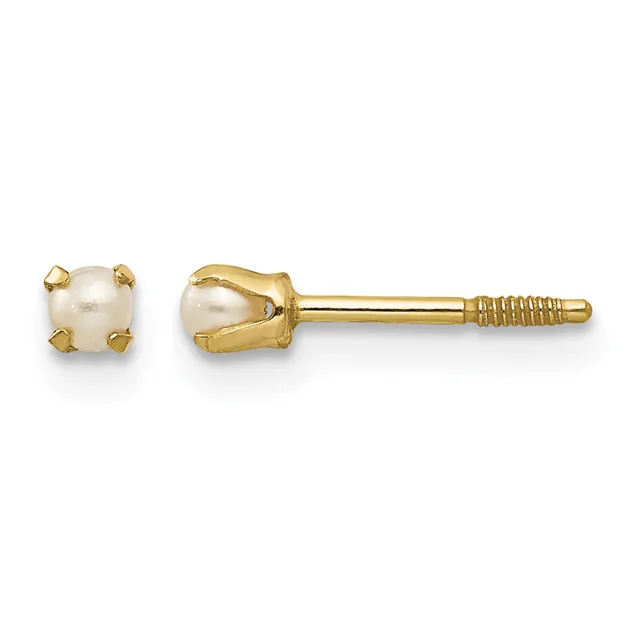
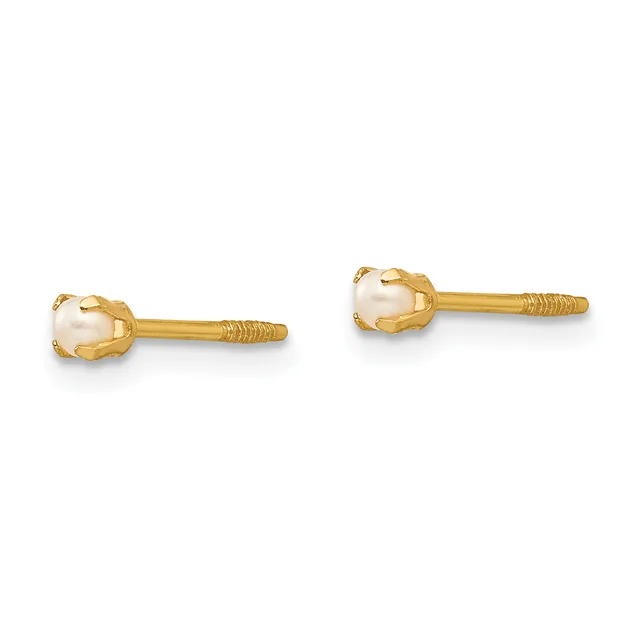
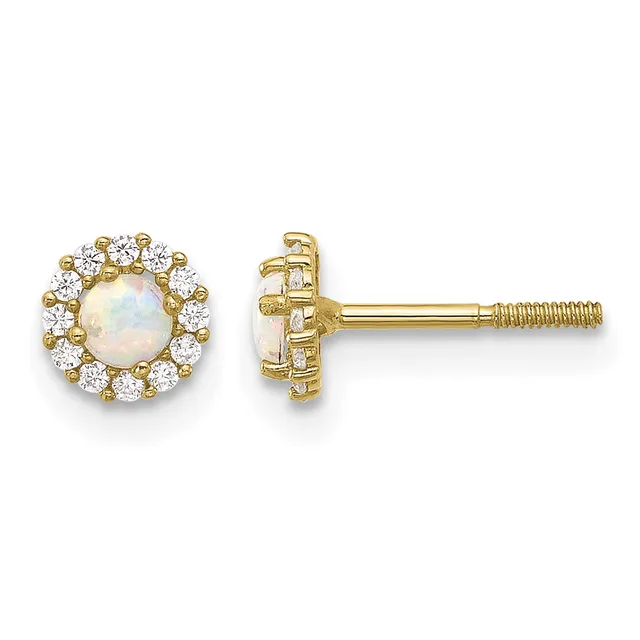
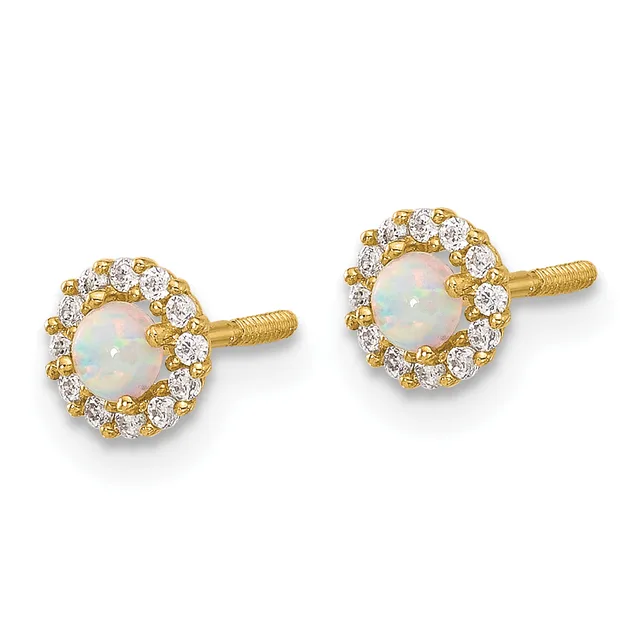
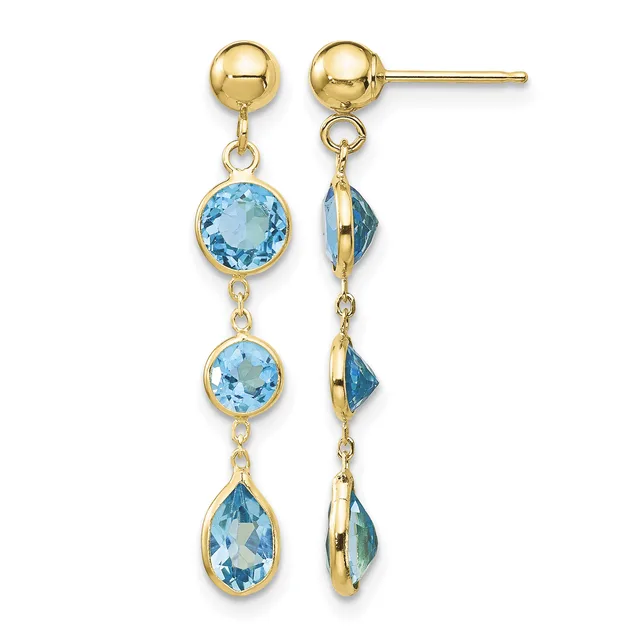
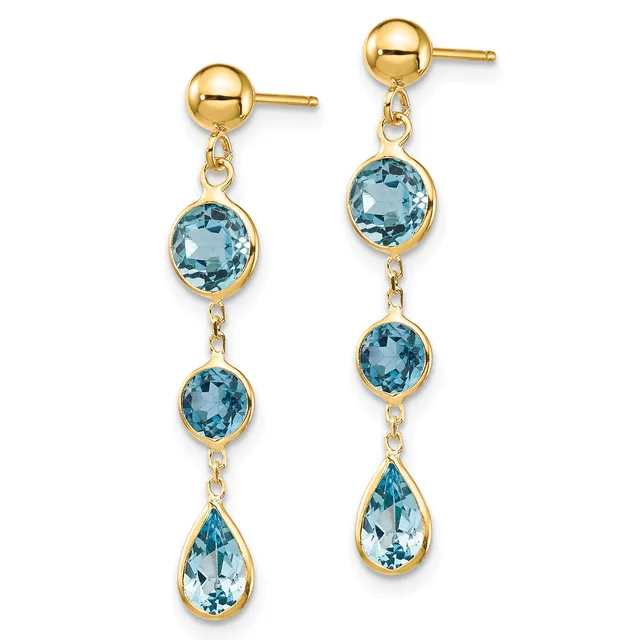
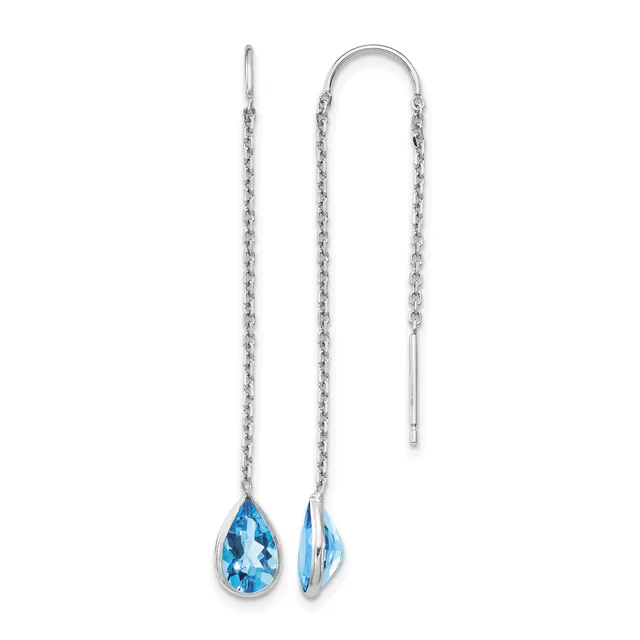
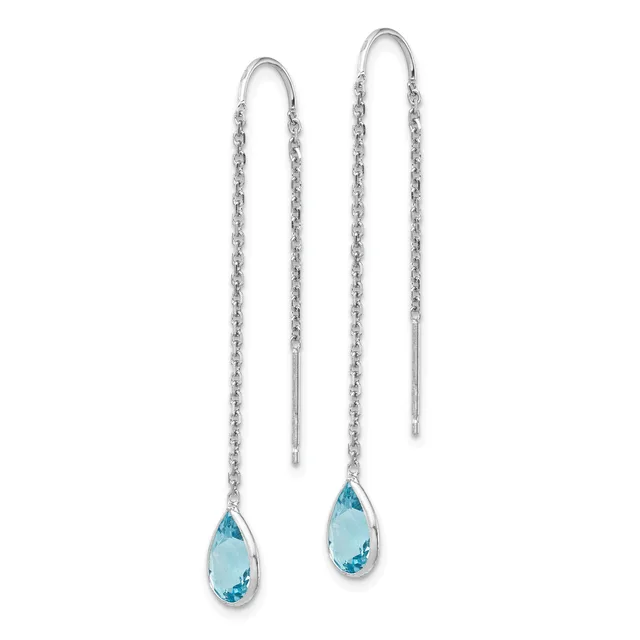
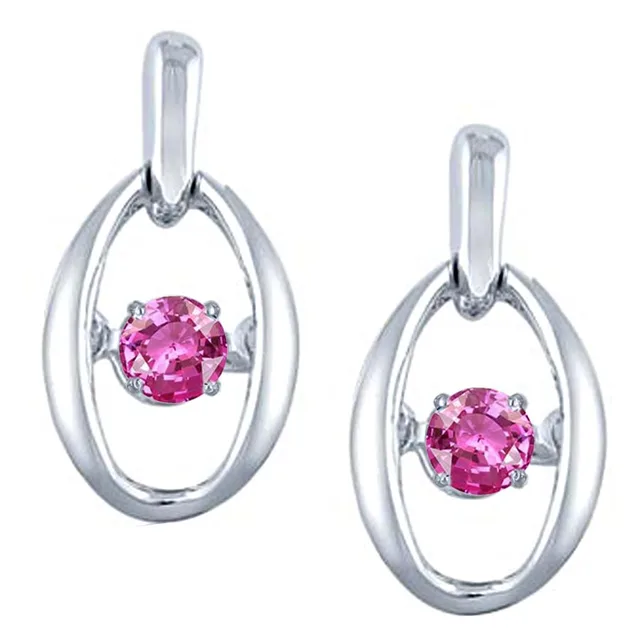
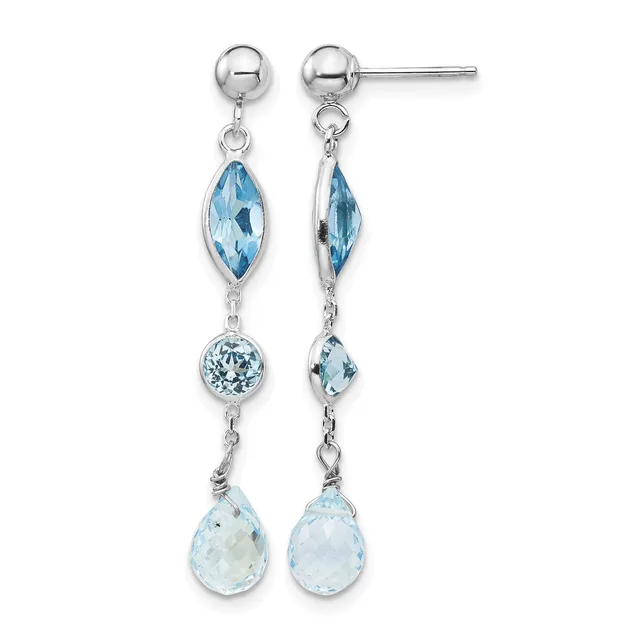
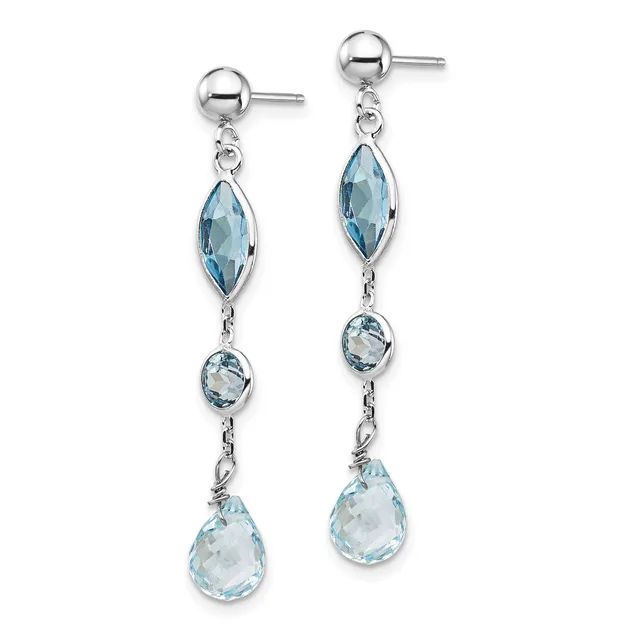
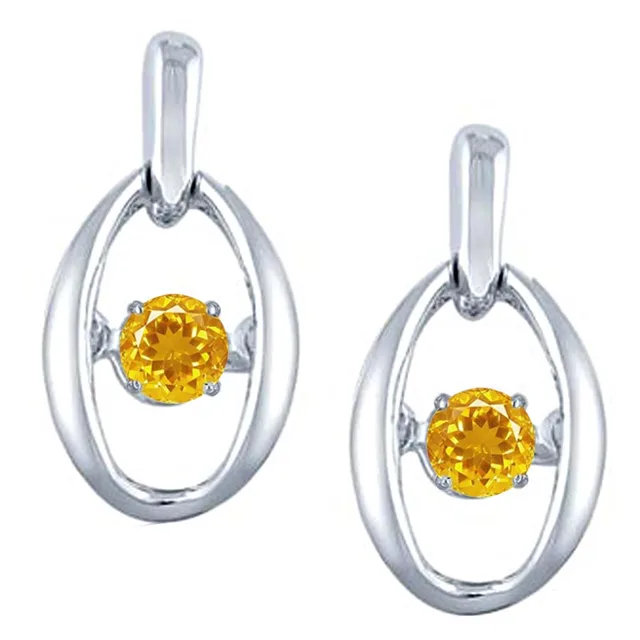
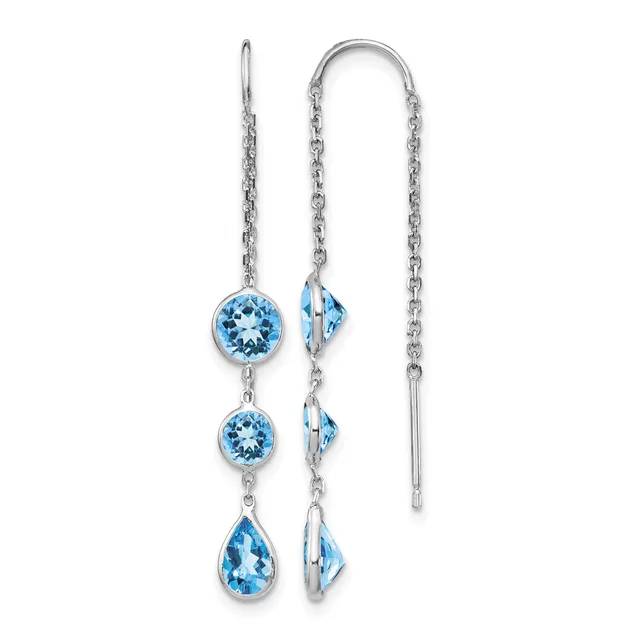
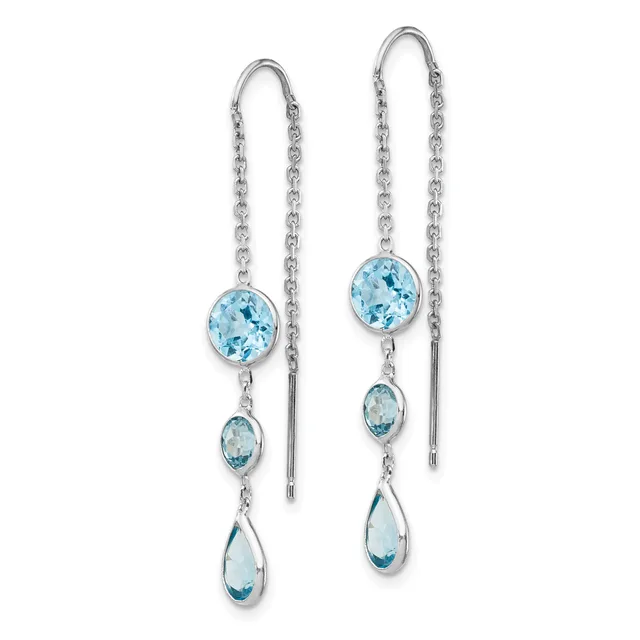
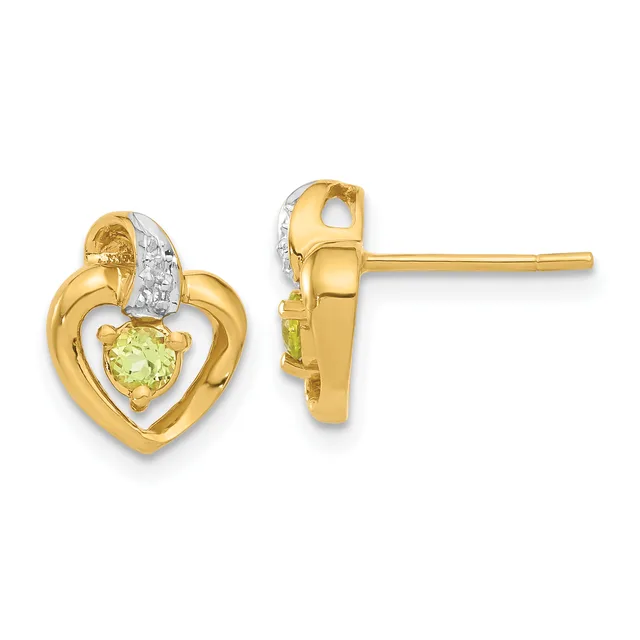
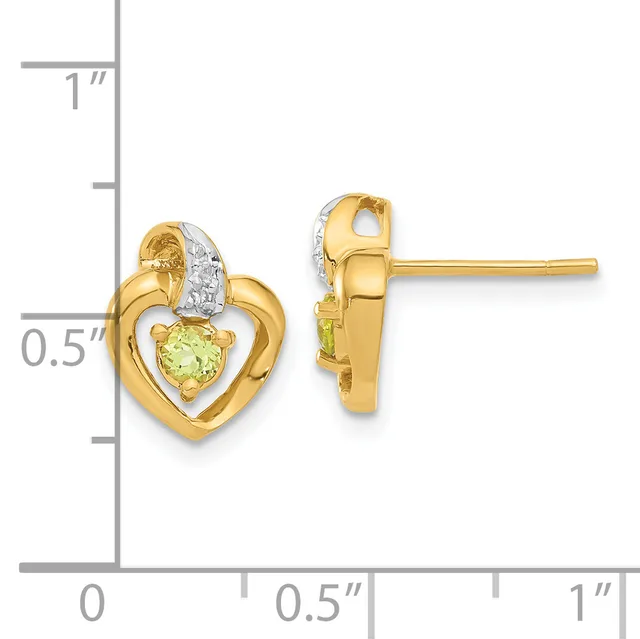
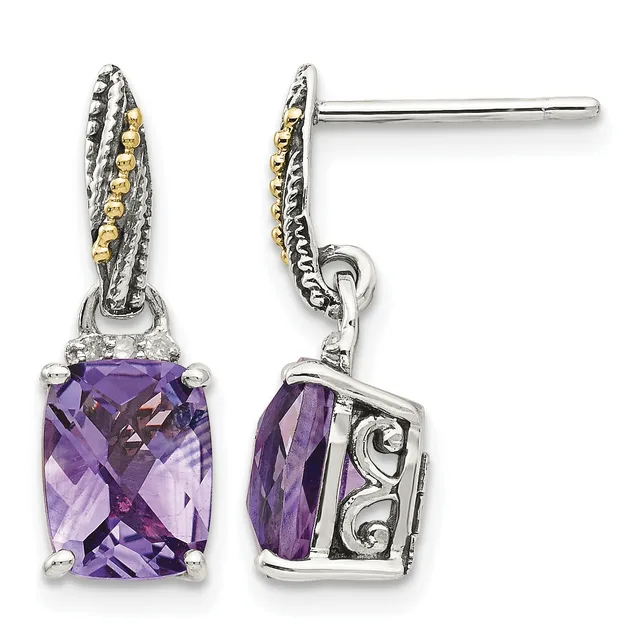
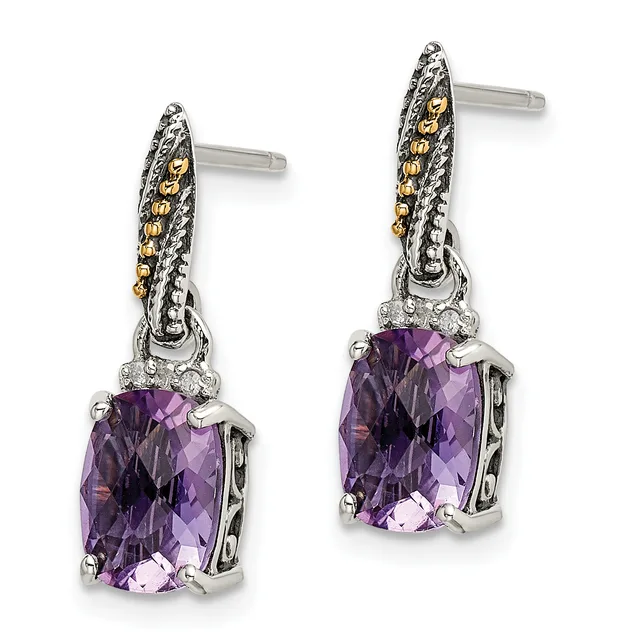
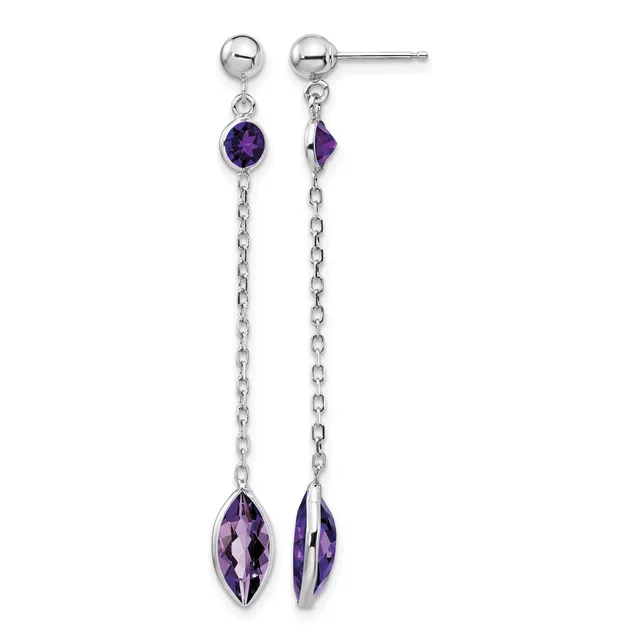
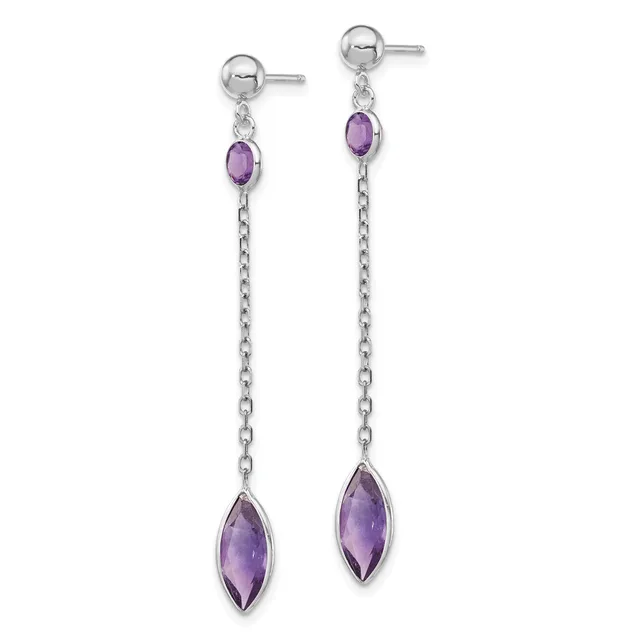
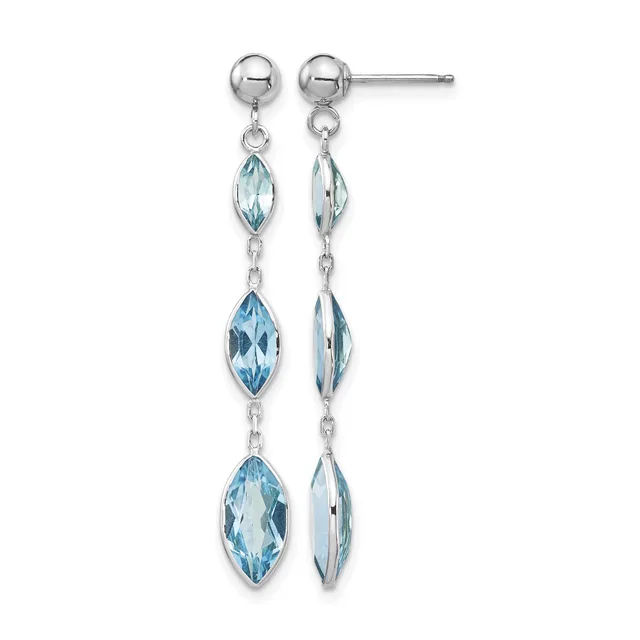
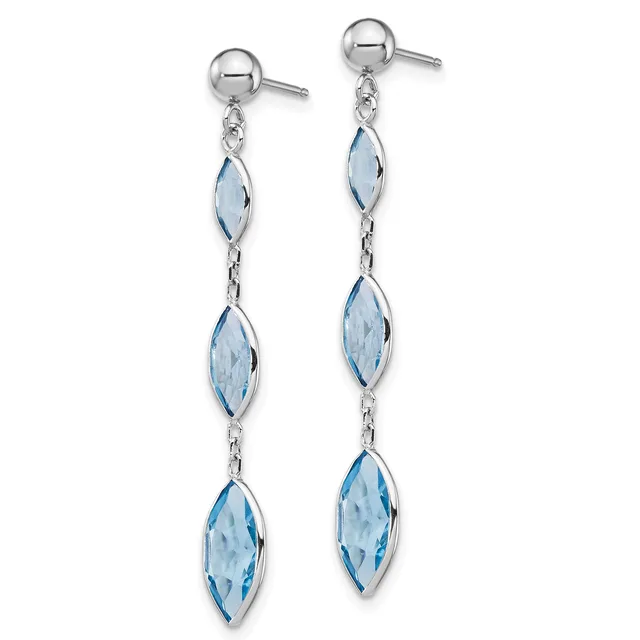
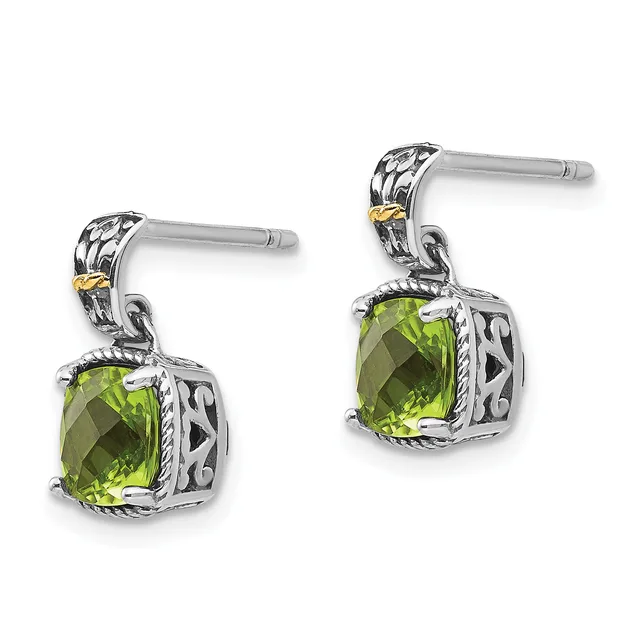
Studs and button earrings keep the stone close to the ear, which suits everyday wear and works under hair or beneath a collar without catching. Drop and dangle styles let the stone move and catch light, making them a natural choice for occasions where the ear is visible. Heart-set birthstones add a secondary layer of meaning beyond the month — a shape that reads as affectionate even before the stone is identified. Children's earrings in this group are sized and finished for younger wearers, typically lighter in weight and simpler in construction.
What the Stone Actually Is
Birthstones vary considerably in hardness and optical character. Some months have a single traditional stone; others have two or three recognized options that differ in color, price, and durability. A stone's hardness affects how it wears in an earring — softer stones are less exposed in a stud setting than they would be in a ring, making earrings a practical way to wear a stone you might otherwise treat carefully. Color saturation, transparency, and cut all interact: the same species of stone can read very differently depending on how it is faceted or whether it is cut en cabochon.
Metal and Setting Considerations
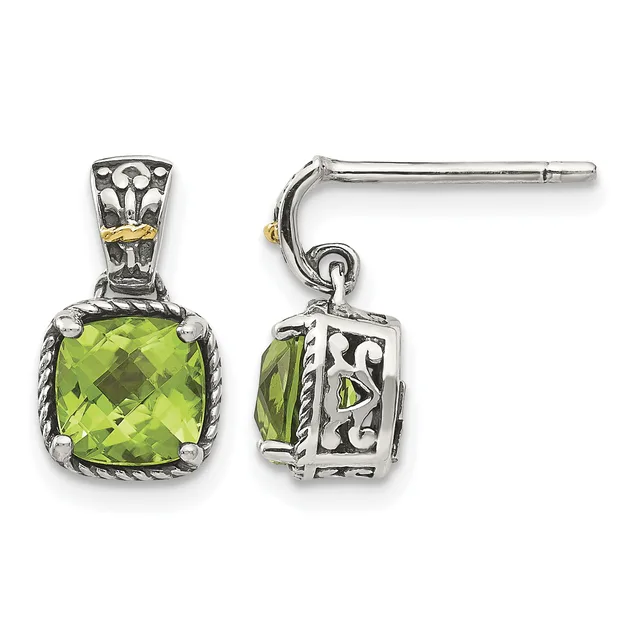
The metal karat affects both color and durability. 14k gold contains enough alloying metal to be harder and more scratch-resistant than higher-karat gold, while still reading as warm yellow or white depending on alloy composition. The setting style — how the stone is held — matters for everyday earrings: a bezel wraps the stone's girdle in metal and protects the edge, while prong settings expose more of the stone and maximize light return but require periodic checking to ensure prongs have not loosened. Post-and-butterfly backs are standard on studs; verify the back type suits your preference if you wear earrings continuously.
Caring for Birthstone Earrings
Remove earrings before swimming, bathing, or applying products — chlorine, salt water, and cosmetic chemicals can affect both metal finish and stone surface over time. Clean with a soft cloth and, for most faceted stones, lukewarm water with mild soap; avoid ultrasonic cleaners for stones with inclusions or those that have been treated. Store studs in a closed box or pouch so posts do not scratch neighboring pieces.
Frequently asked questions
Are birthstone earrings appropriate for children?
Some pieces in this selection are made specifically for children, with appropriate sizing and lighter construction. Check the item description to confirm whether a style is designated for younger wearers.
Do all birth months have earrings available here?
The current selection covers a focused set of birth months rather than all twelve. Browse by month using the category links on the page to see which months are represented.
What is the difference between a stud and a drop birthstone earring day to day?
Studs sit flush against the earlobe, making them low-profile and practical for continuous wear. Drop and dangle styles hang below the ear and move with the wearer, which tends to suit occasional or evening wear more than all-day use.
Can I wear birthstone earrings if the stone is not my own birth month?
Entirely — birthstone earrings are frequently chosen for a child's, partner's, or parent's birth month as a way to carry personal meaning, and there is no rule limiting them to the wearer's own month.
How do I keep the metal from losing its finish over time?
Store earrings separately to prevent contact scratches, keep them away from moisture and chemicals, and wipe them gently with a soft cloth after wearing. For gold earrings, avoid abrasive cleaners that can dull the surface.