
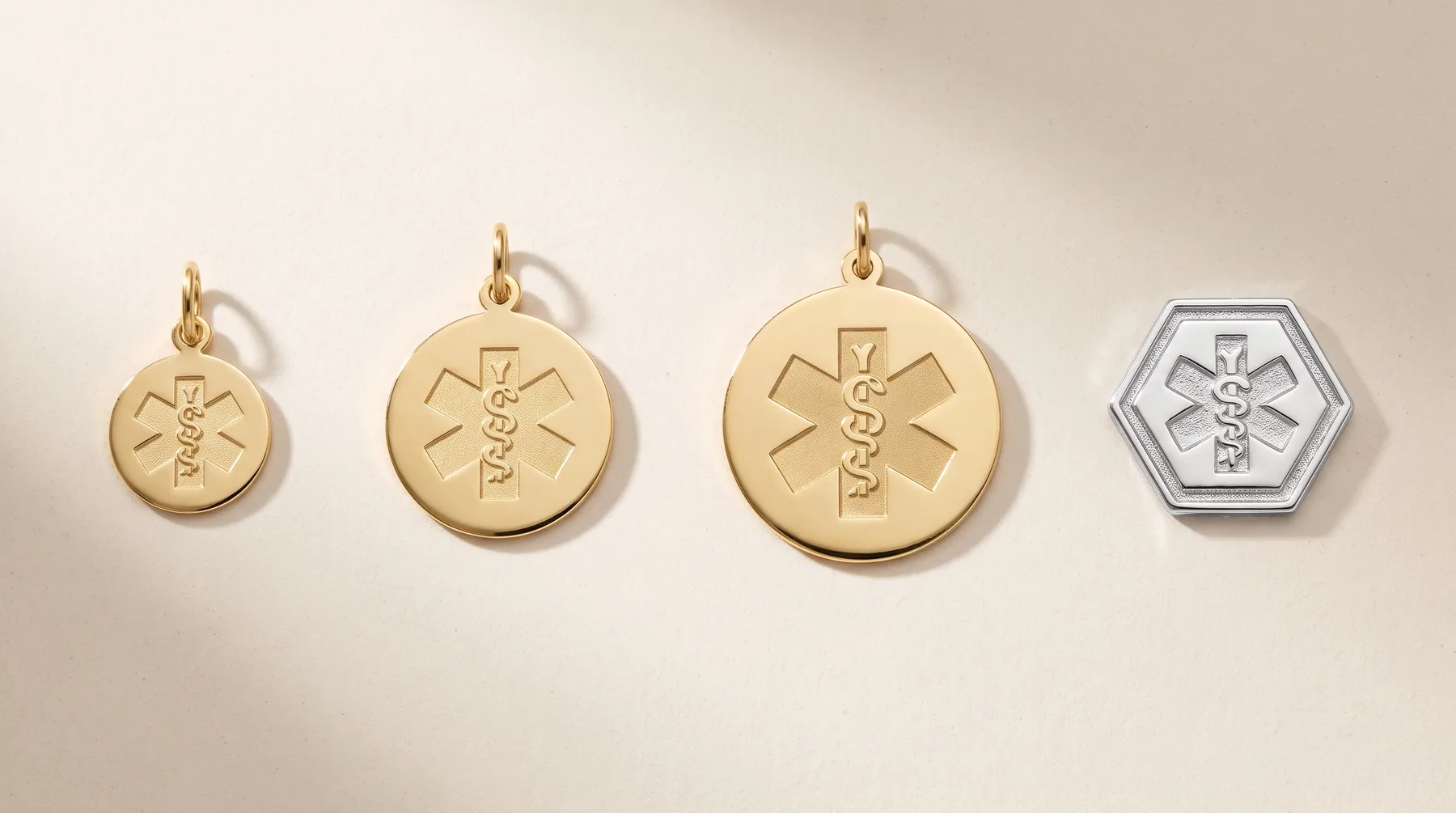
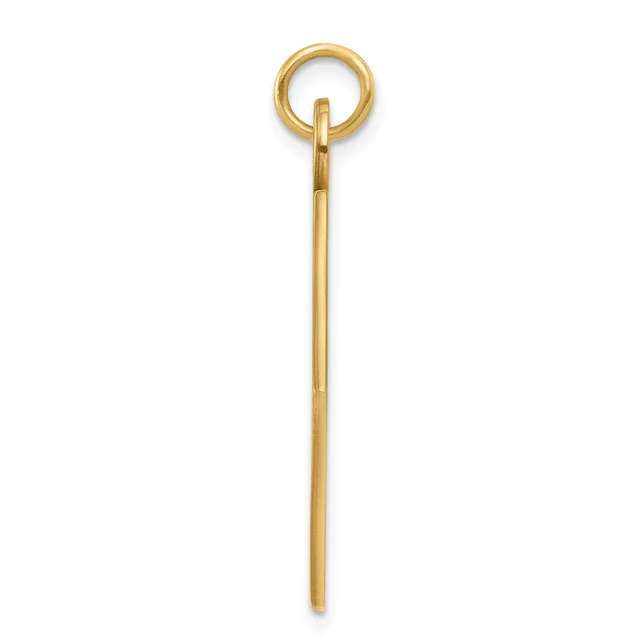
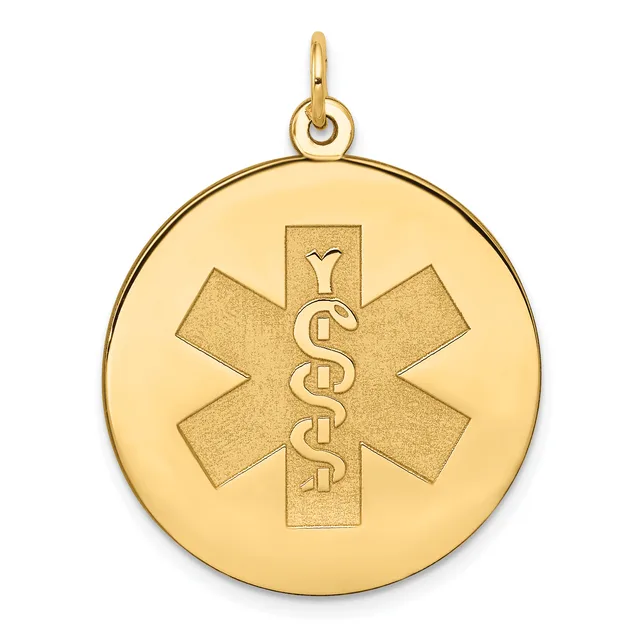
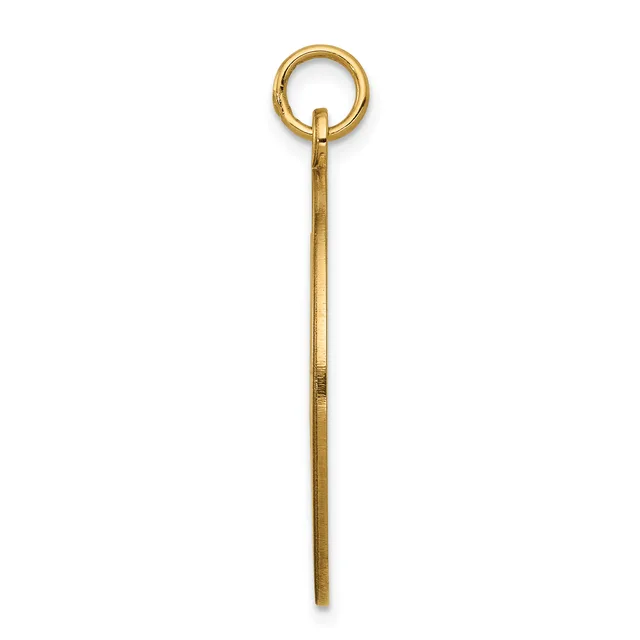
What Non-Enameled Means in Practice
Enamel is a glass-based coating fired or cold-set onto metal to add color. Removing it from the equation is a practical choice, not a stylistic compromise. Without enamel there is no coating to crack, peel, or obscure engraved text — the information on a medical ID pendant stays readable through years of daily contact with skin, water, and clothing. For anyone whose medical alert needs to be legible at a glance in an emergency, that durability matters.
Reading the Pieces
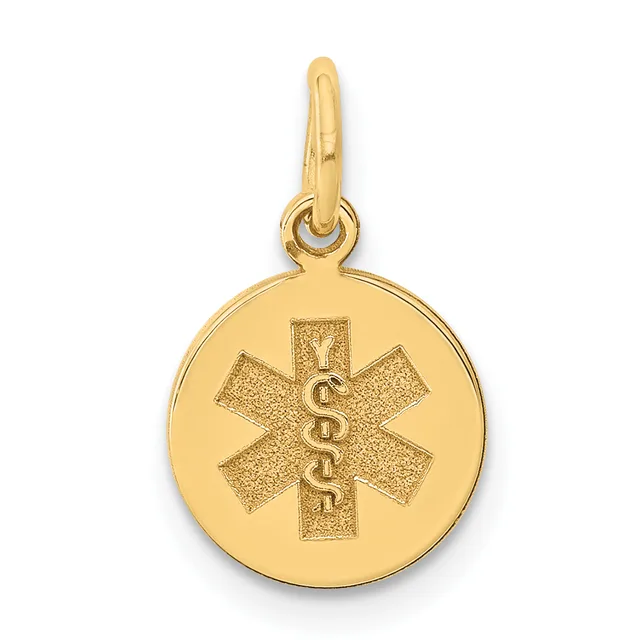
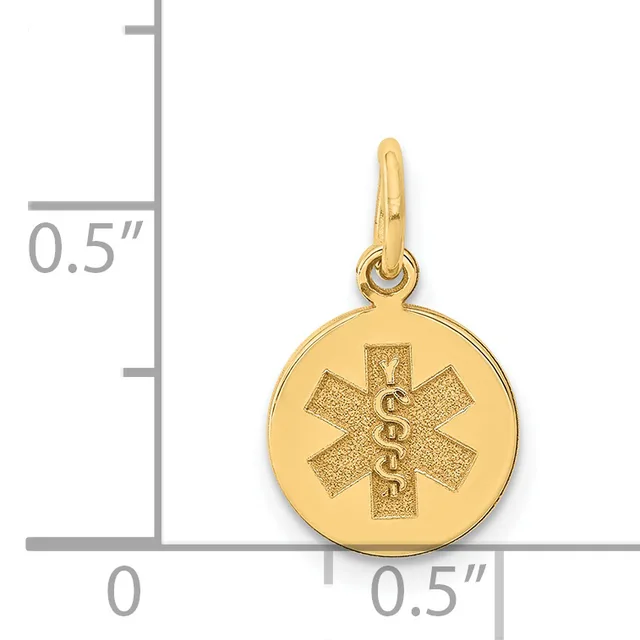
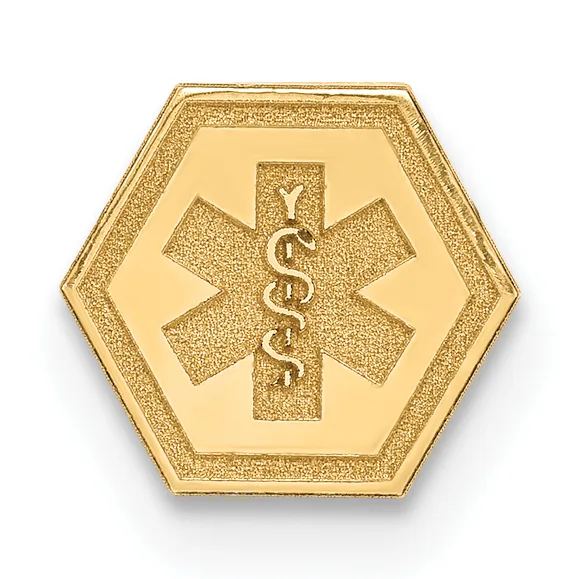
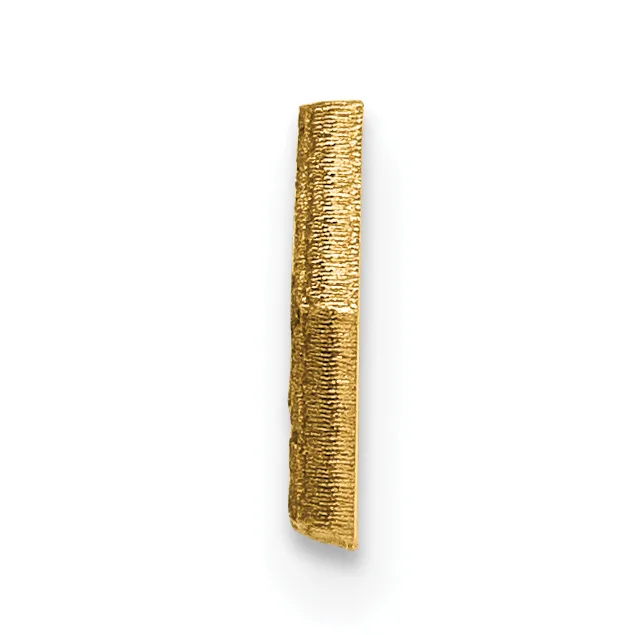
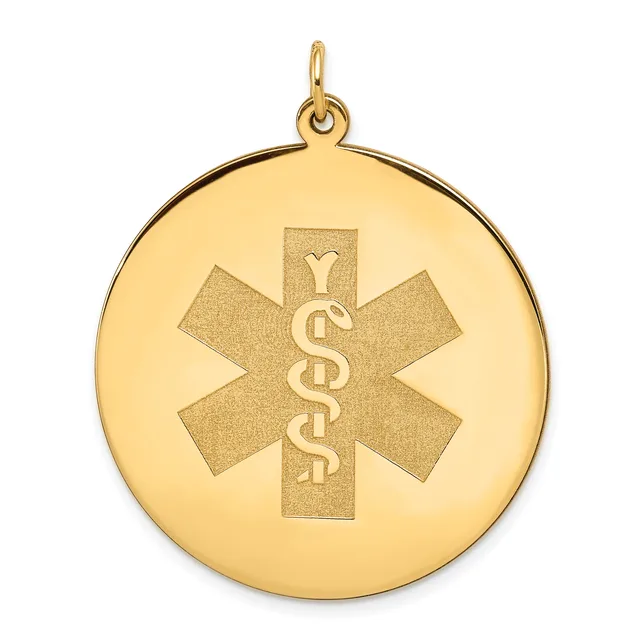
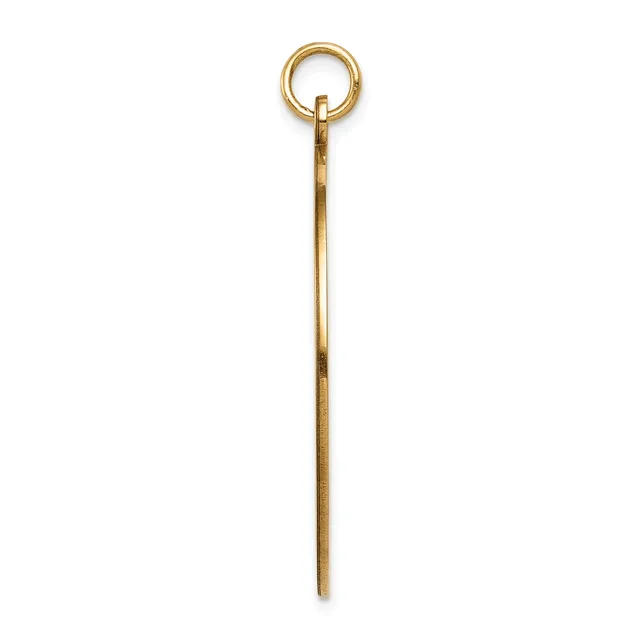
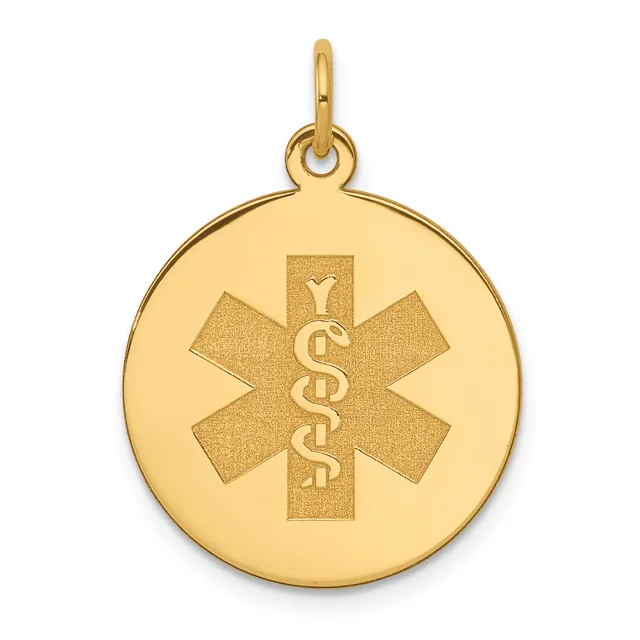
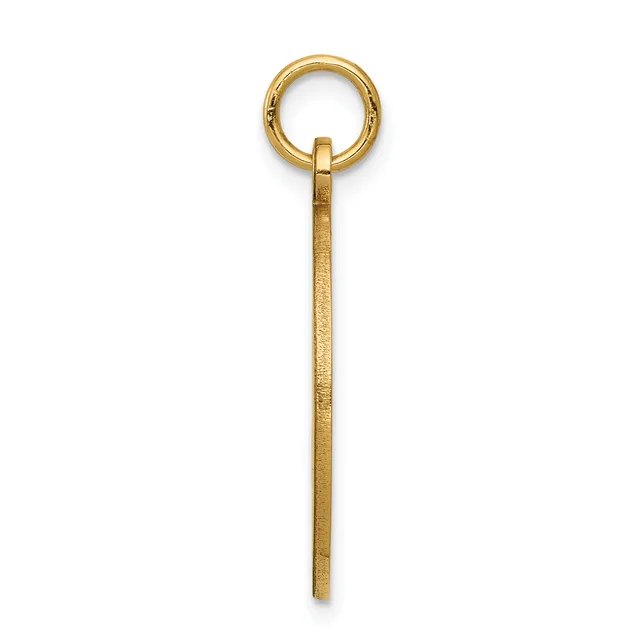
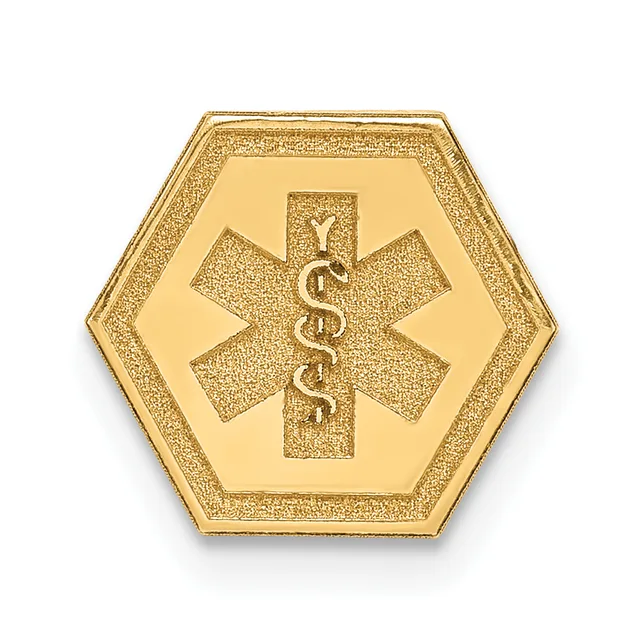
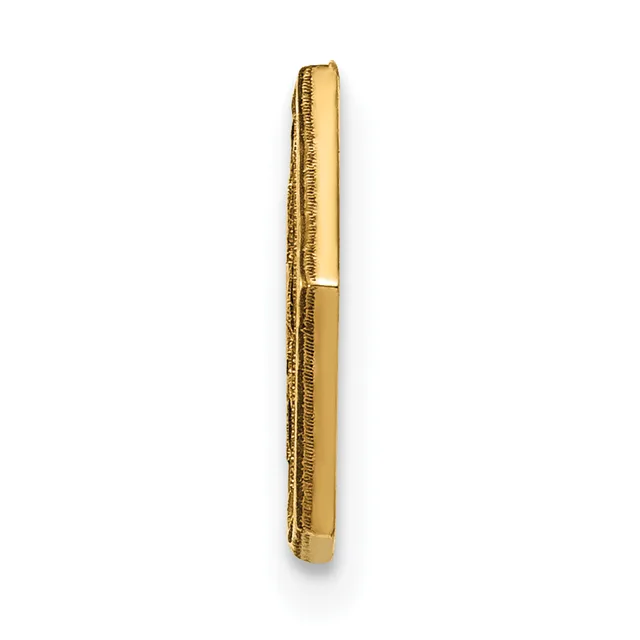
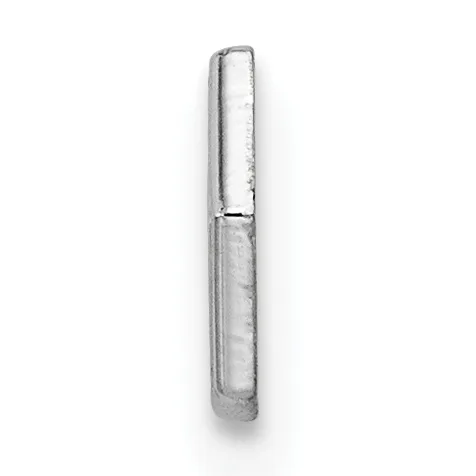
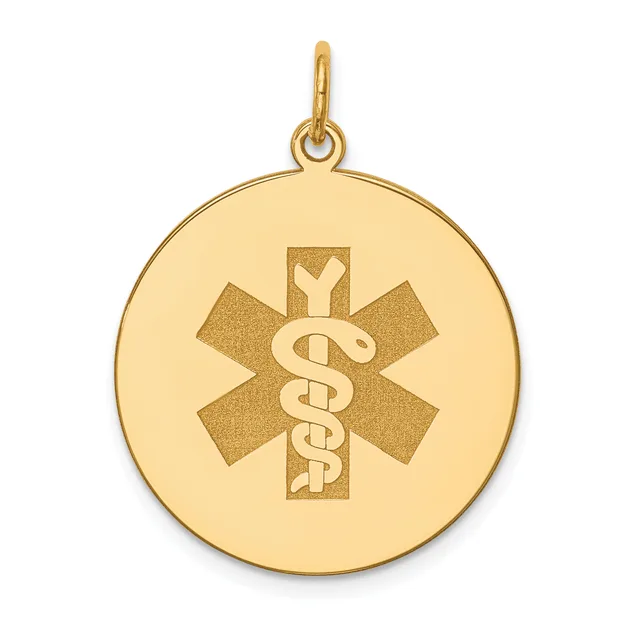
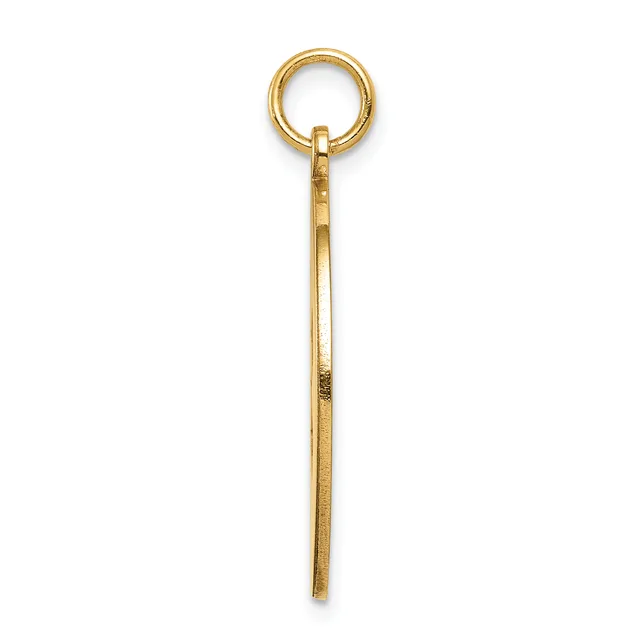
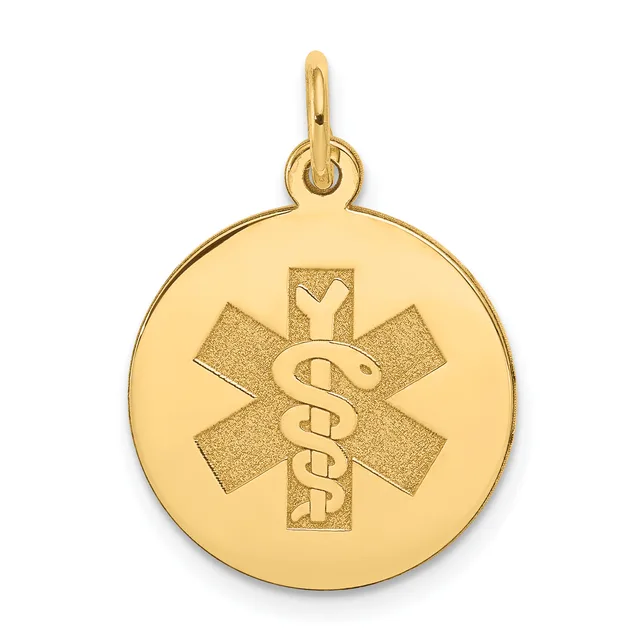
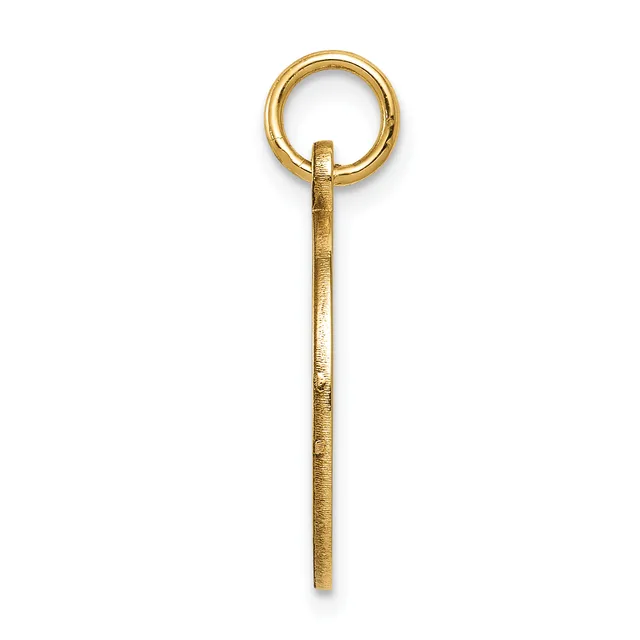
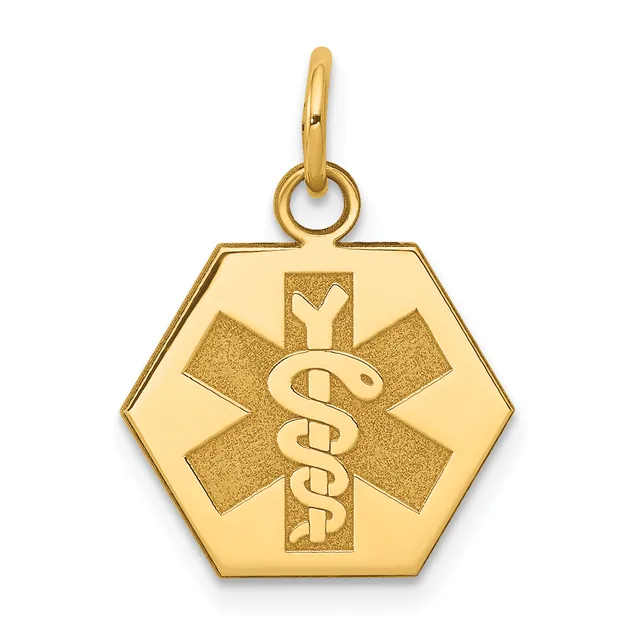
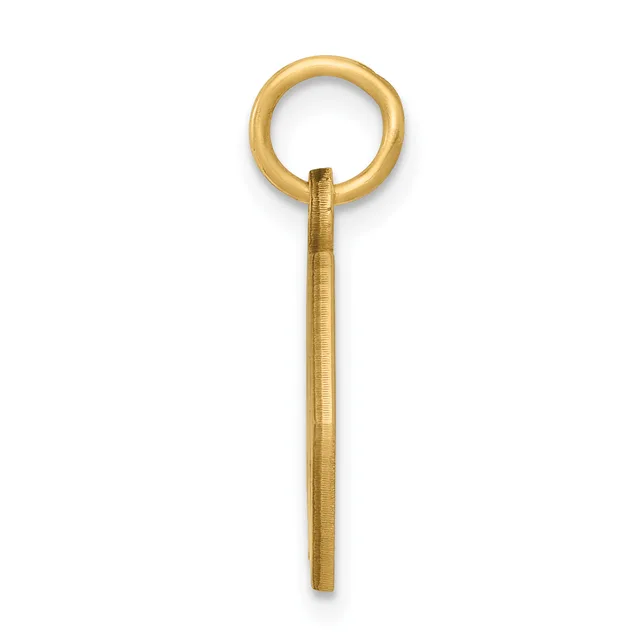
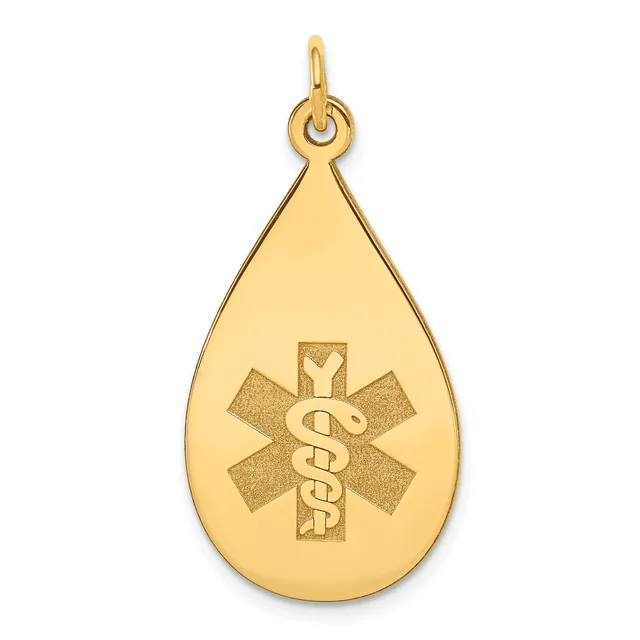
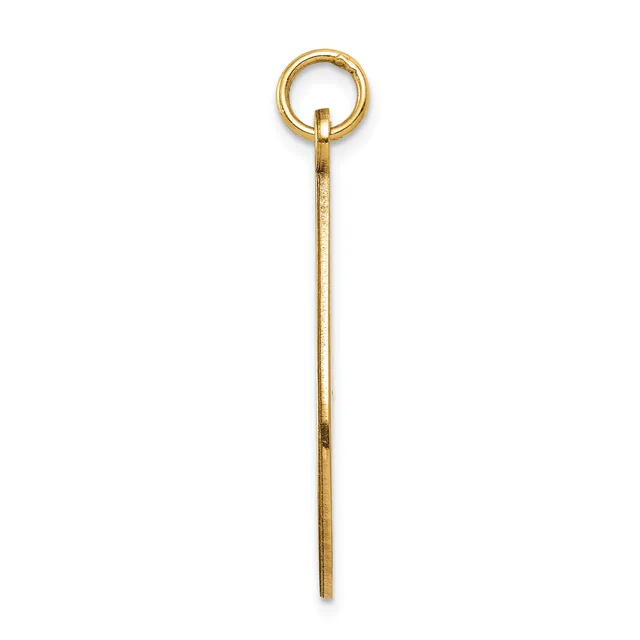
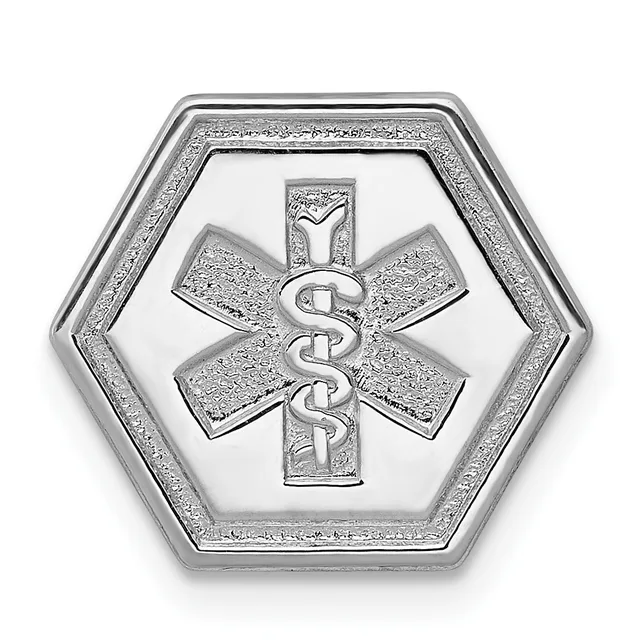
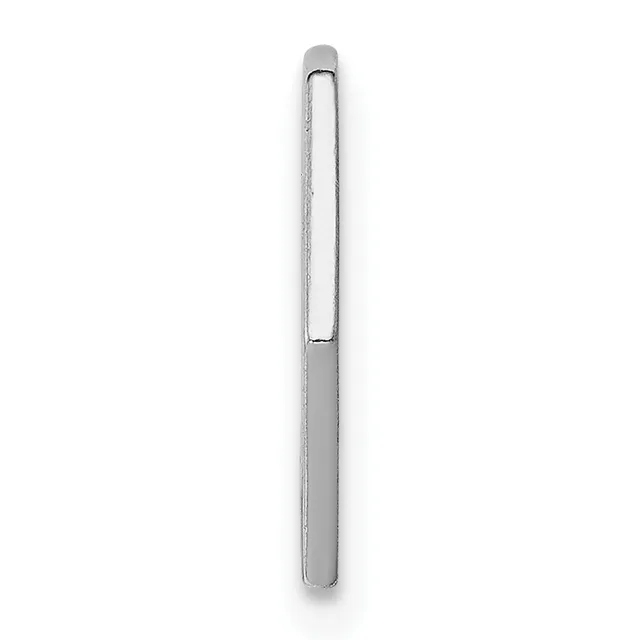
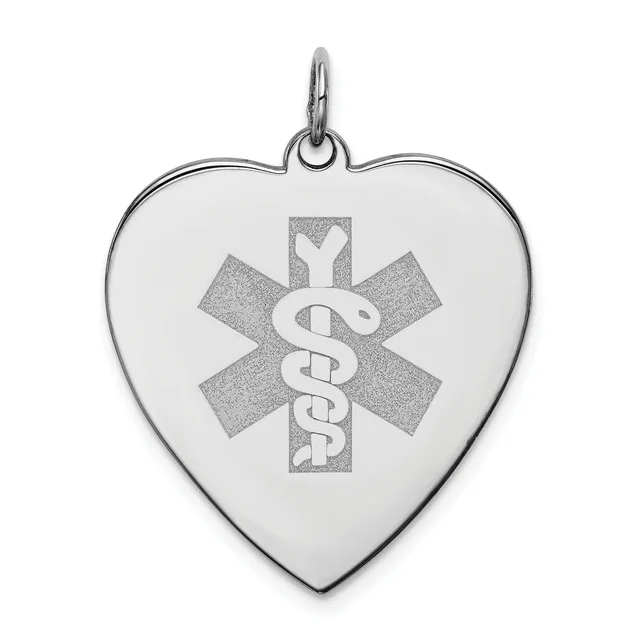
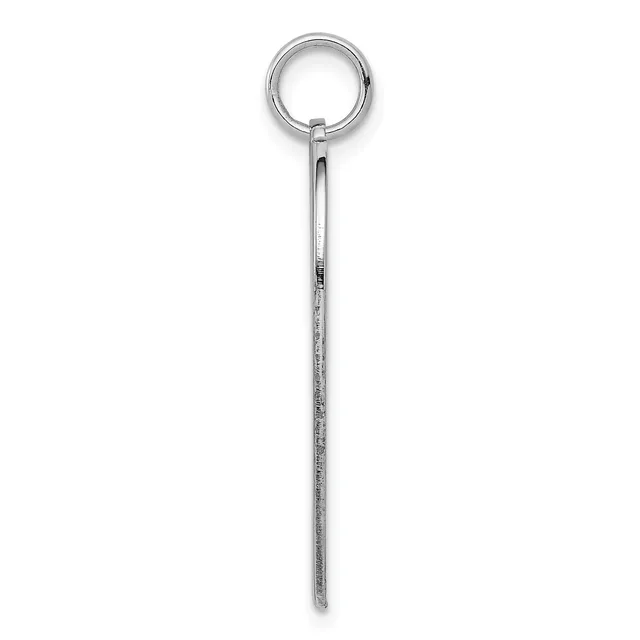
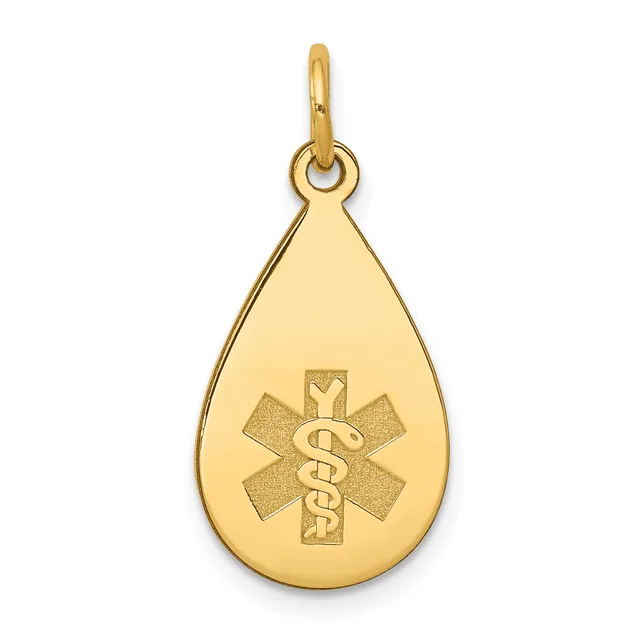
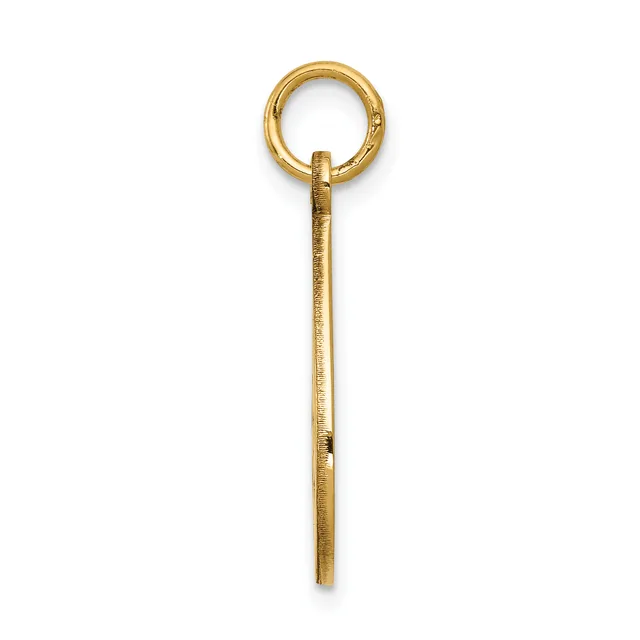
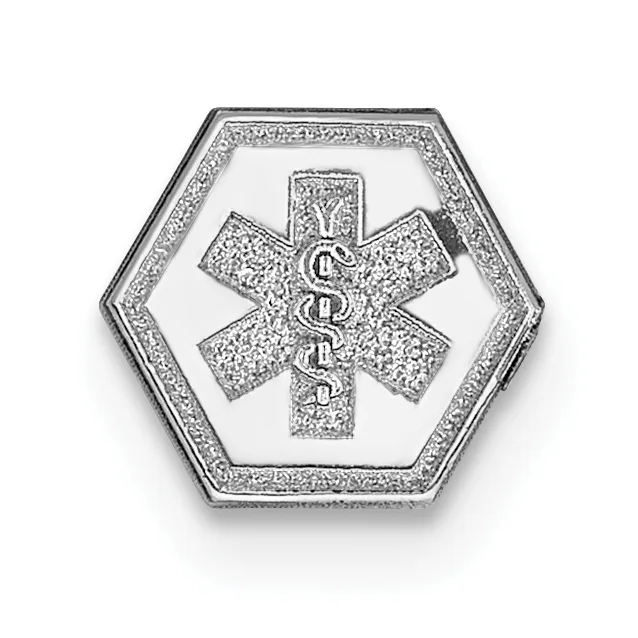
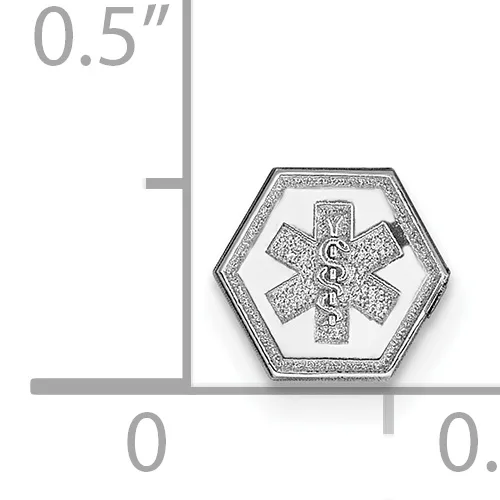
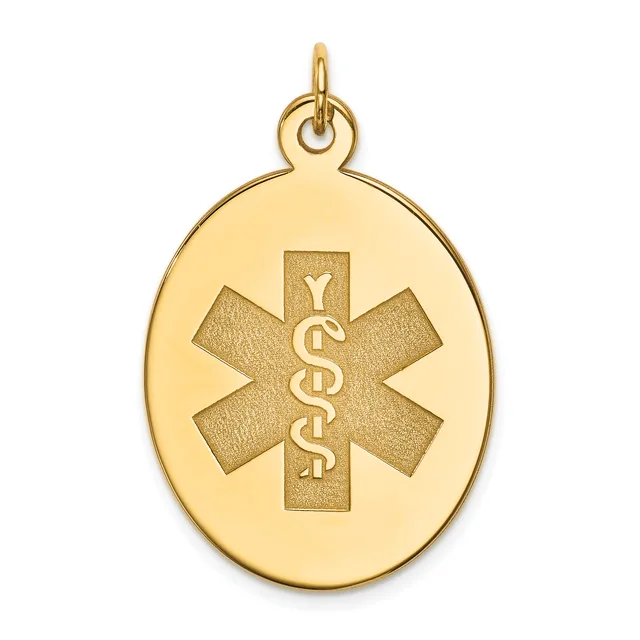
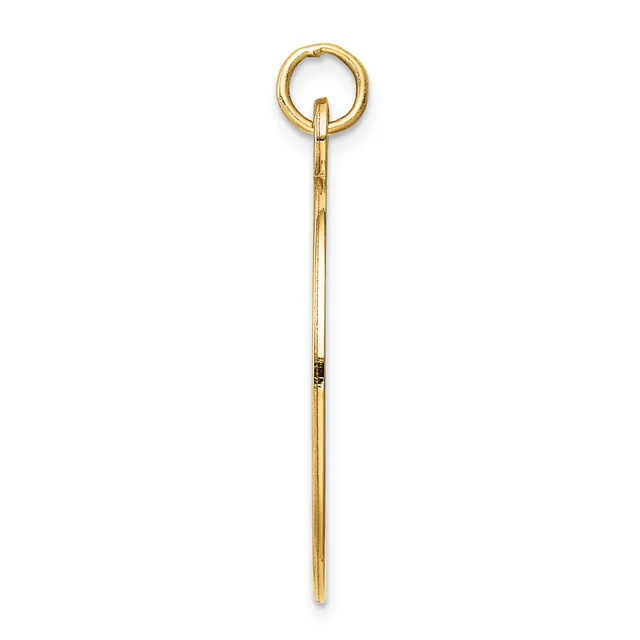
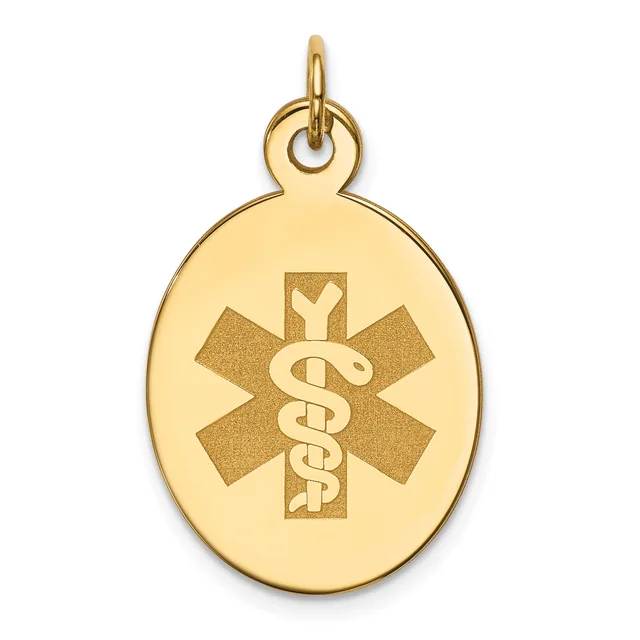
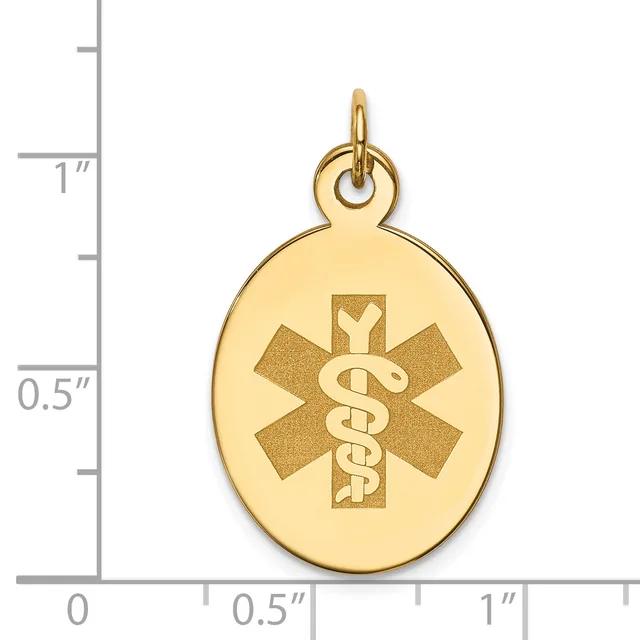
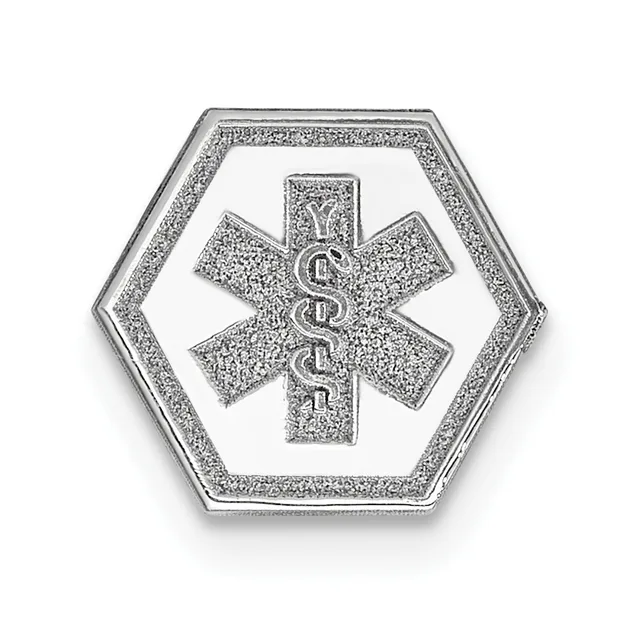
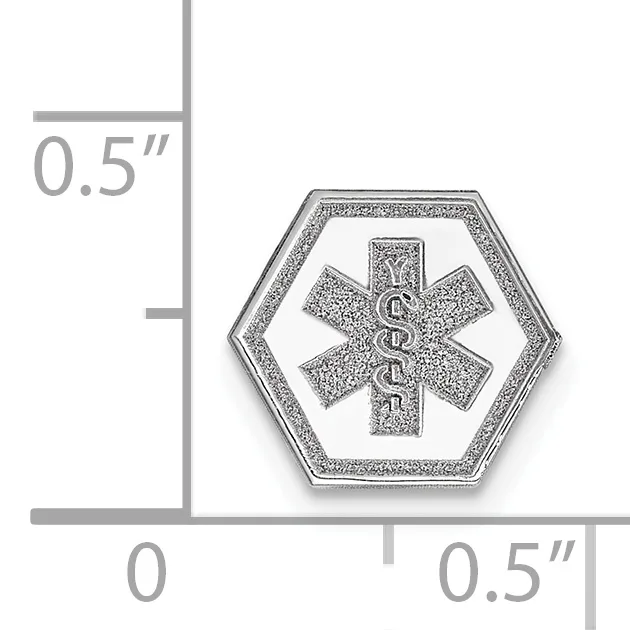
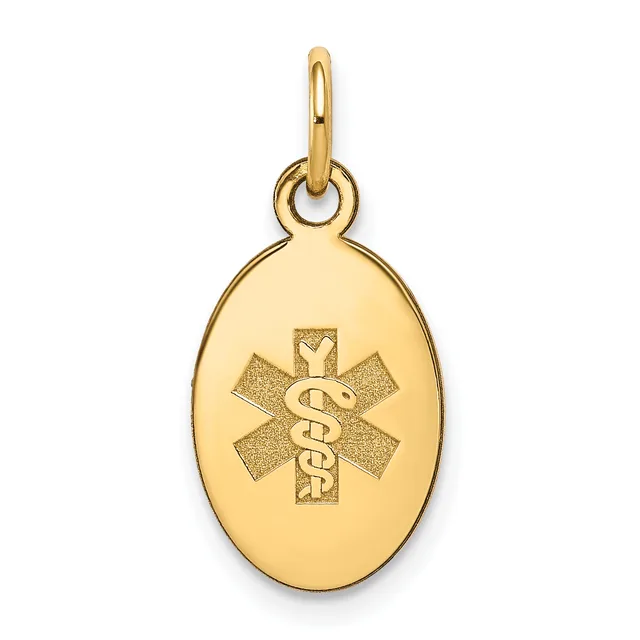
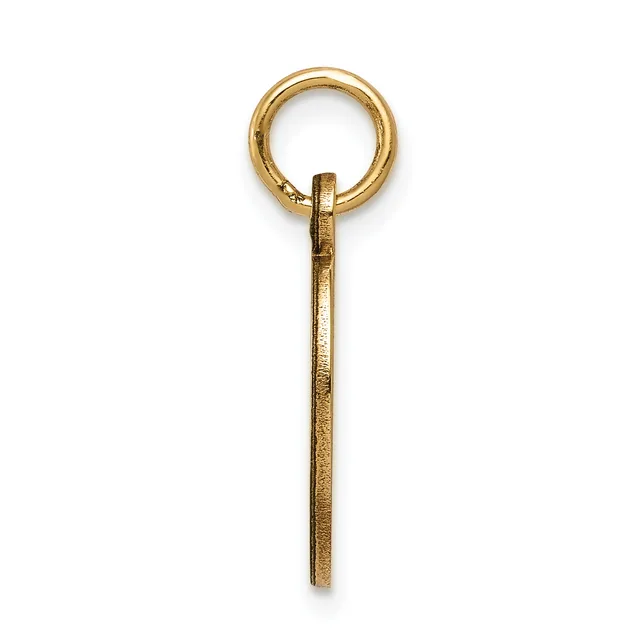
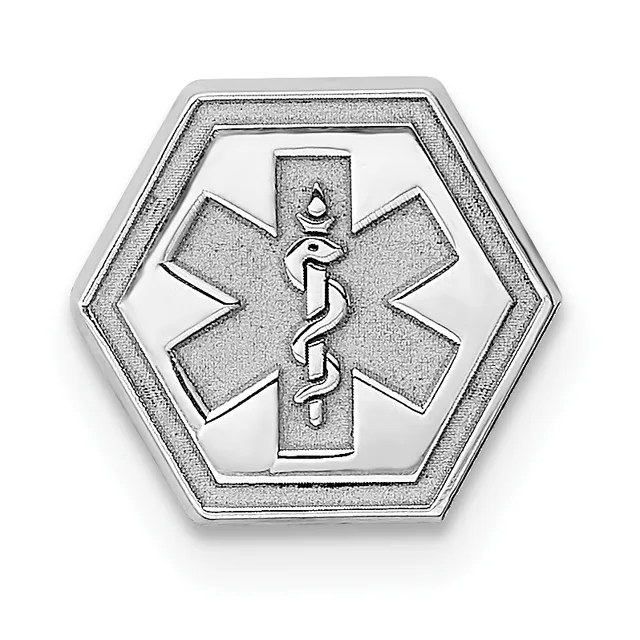
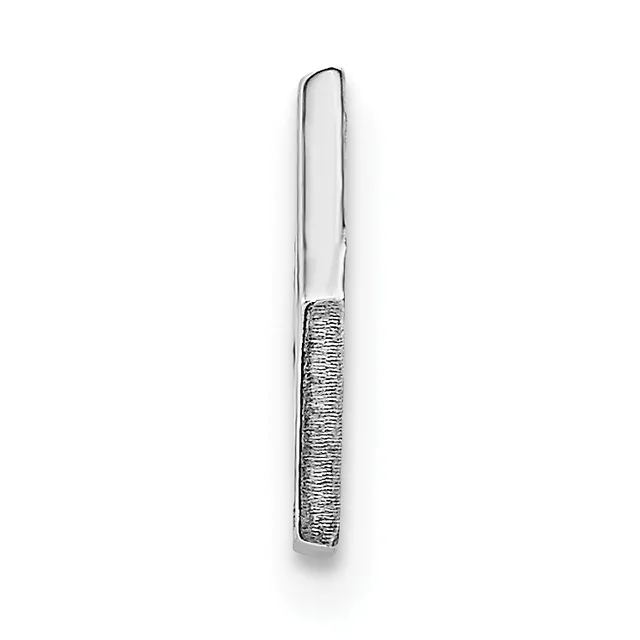
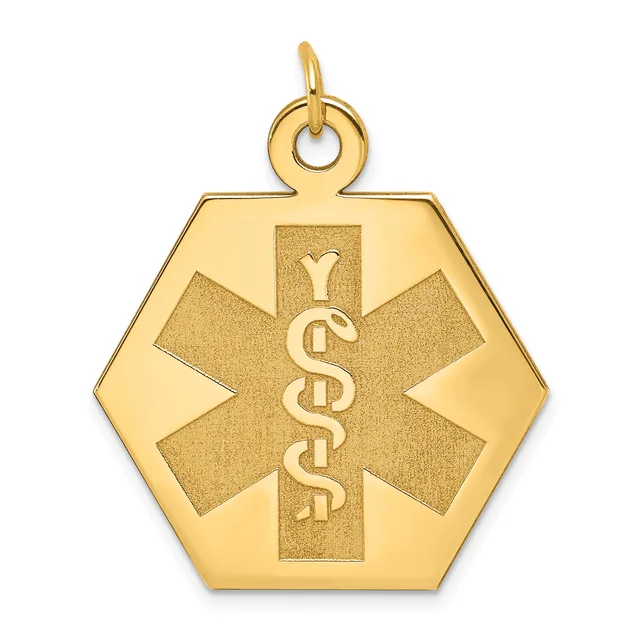
Medical ID pendants in this category function as ID plates — flat or lightly contoured surfaces intended to carry engraved information. The pendant hangs from a chain or cord purchased separately, or from one already owned, so it is worth confirming bail size and chain width before ordering. Some pieces in the selection are pendant-ready finished forms; others are sold as medical components or findings, meaning they arrive as the engraving blank itself, designed to be set into a mounting or attached to a chain by a jeweler. Read each listing carefully to understand whether it is a complete wearable pendant or a component that needs additional finishing.
Choosing a Metal
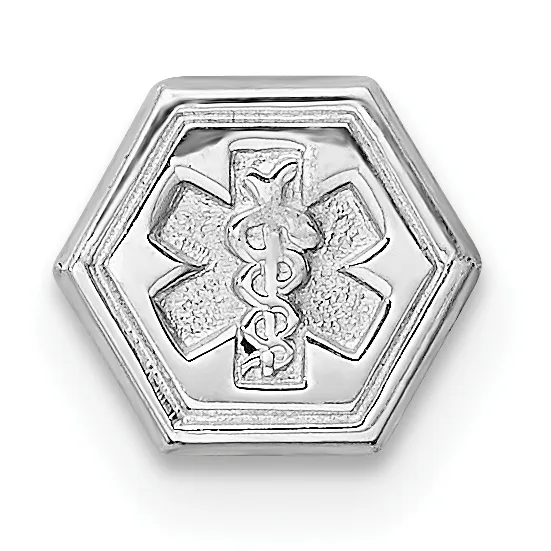
The price range here is notably wide, which reflects genuine differences in metal choice. Lower-priced pieces are likely base metal or sterling silver; higher-priced pieces move through gold karats and, at the upper end, may involve heavier gauge or larger plate sizes in precious metal. Sterling silver engraves cleanly and polishes easily but benefits from occasional buffing to remove tarnish that can settle into engraved lines and reduce contrast. Gold in higher karats is more resistant to tarnish and skin reaction, making it a practical choice for people with metal sensitivities or for pieces worn continuously without removal. If a piece will genuinely never come off — as medical IDs often should not — a more durable metal is worth the added cost.
Engraving and Care
Because these pendants have no enamel layer, the engraved surface is the metal itself. Polishing compounds and abrasive cloths can lighten engraving over time by removing the micro-shadows that make lettering legible; a soft, dry cloth is safer for regular cleaning. For pieces that live in contact with skin, warm water and a mild soap work well — rinse thoroughly and dry fully before wearing to prevent moisture from sitting in engraved grooves. A jeweler can re-engrave a worn pendant if lettering becomes difficult to read, provided enough metal thickness remains.
Frequently asked questions
Why choose a non-enameled medical pendant over one with enamel?
Enamel can chip or peel with prolonged daily wear, which risks obscuring the engraved information a medical ID exists to convey. A plain metal surface has no coating to degrade, so the engraving remains the same on day one as it does years later.
Do these pendants come with a chain?
Medical ID pendants are typically sold as the pendant alone; a chain or cord is purchased separately. Check the bail opening on the pendant listing against the width of your intended chain before ordering.
What is the difference between a pendant and a medical component or finding in this category?
A finished pendant is ready to engrave and wear once a chain is attached. A medical component or finding is an engraving blank intended to be set into a mounting or finished by a jeweler — it may not have a bail or be wearable on its own.
Can I have my own text engraved after purchase?
Most jewelers and engraving services can work with a smooth metal pendant; contact a local jeweler or engraving shop to confirm they can accommodate the size and metal of the specific piece. The listing itself will clarify whether engraving is included or arranged separately.
How do I keep engraved lettering legible over time?
Avoid abrasive polishing cloths on the engraved face, as they can gradually reduce the contrast that makes lettering readable. Clean with a soft cloth or mild soap and water, and dry thoroughly after each cleaning.