
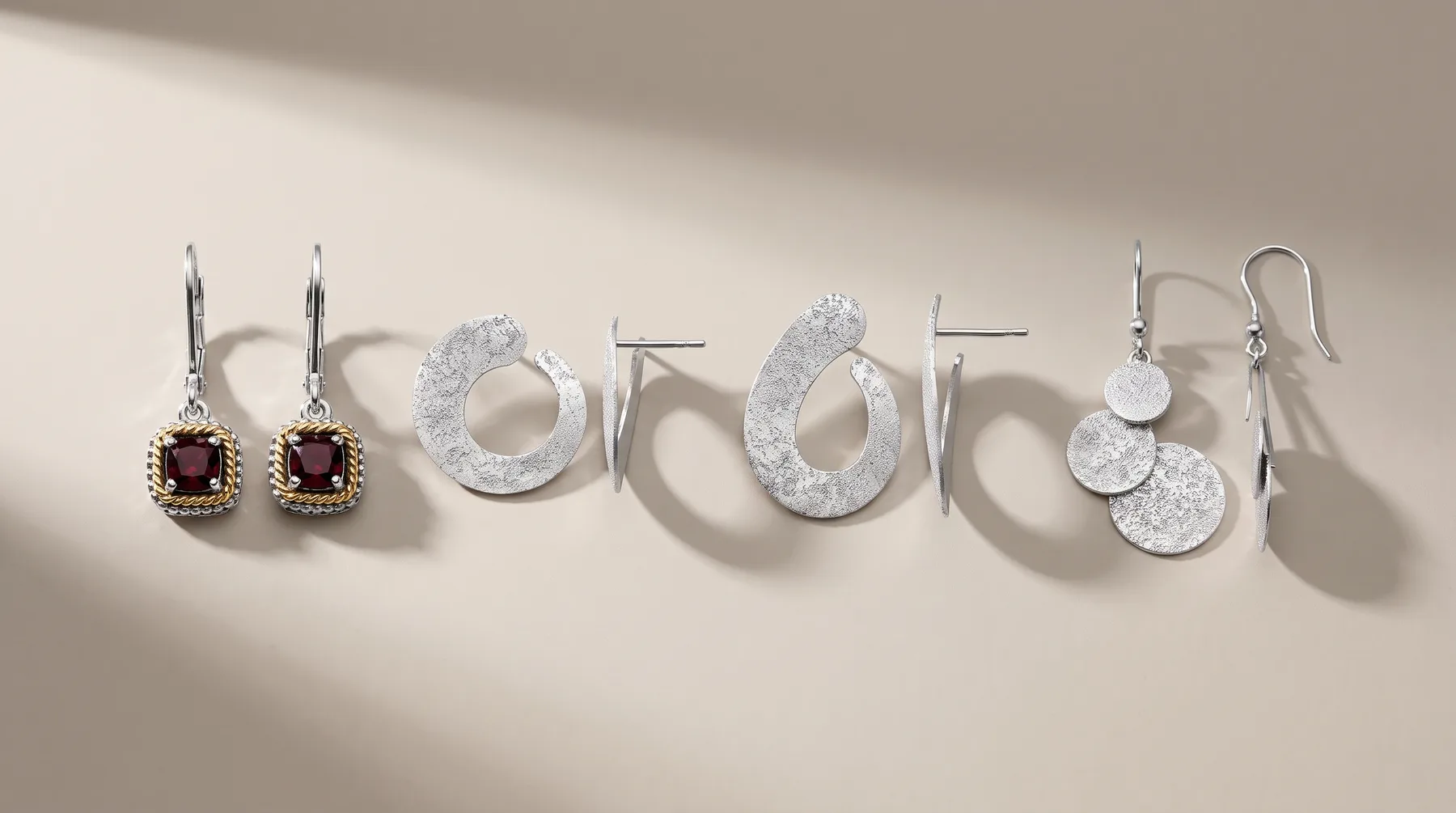
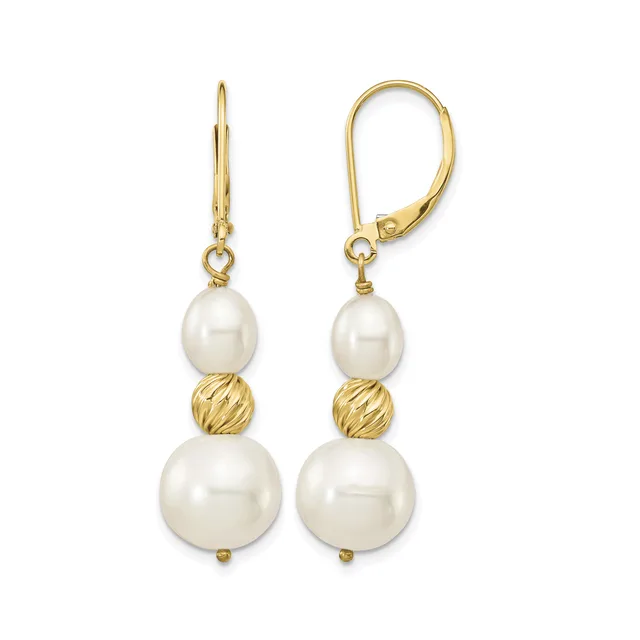
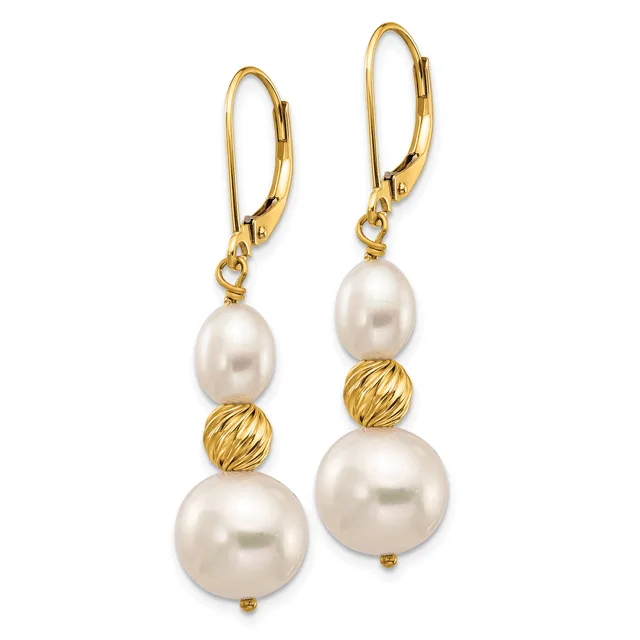
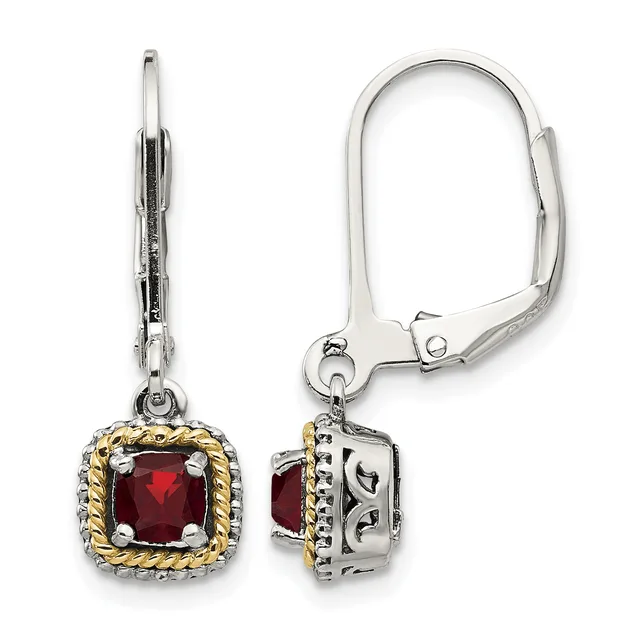
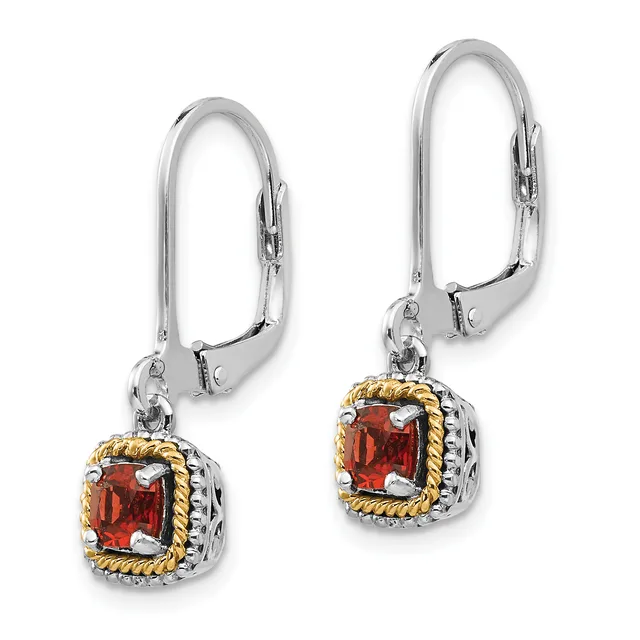
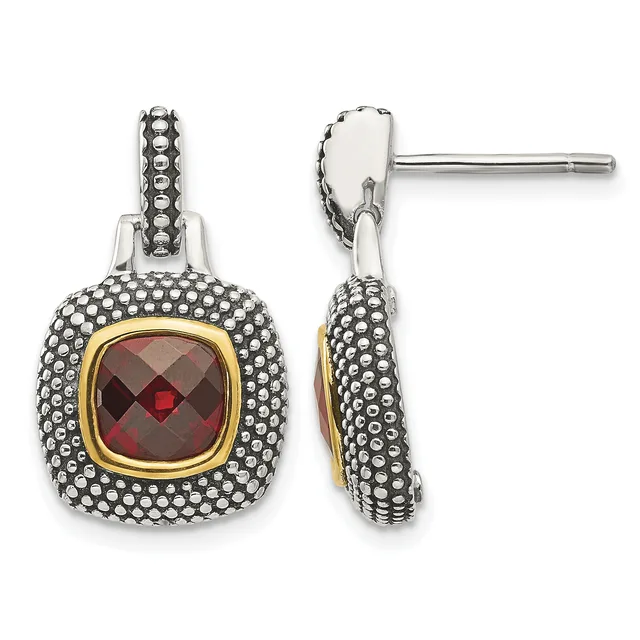
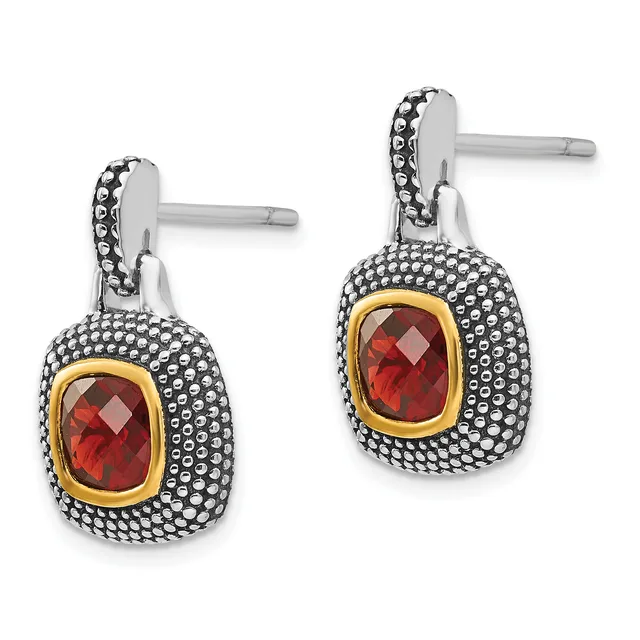
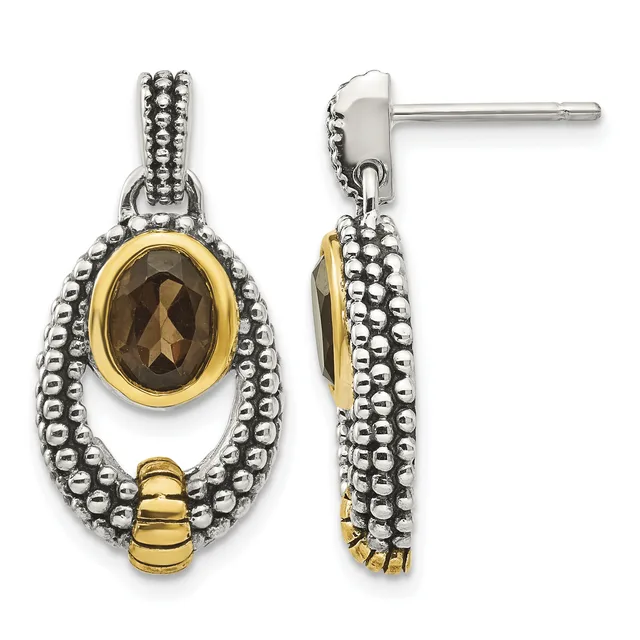
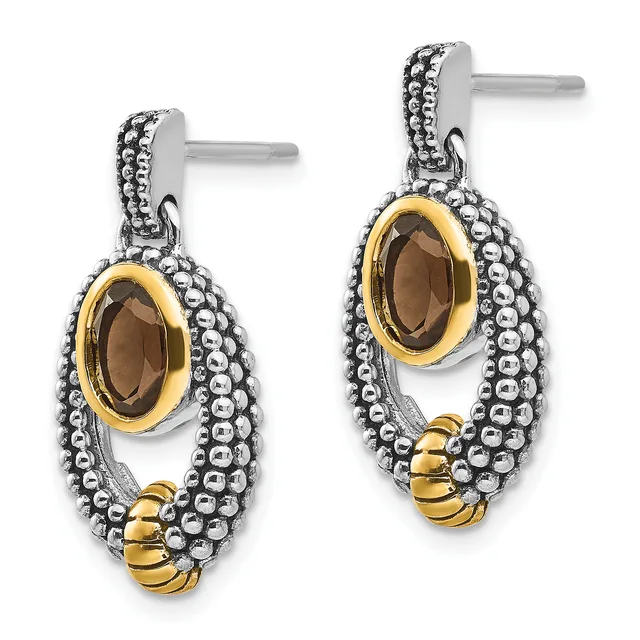
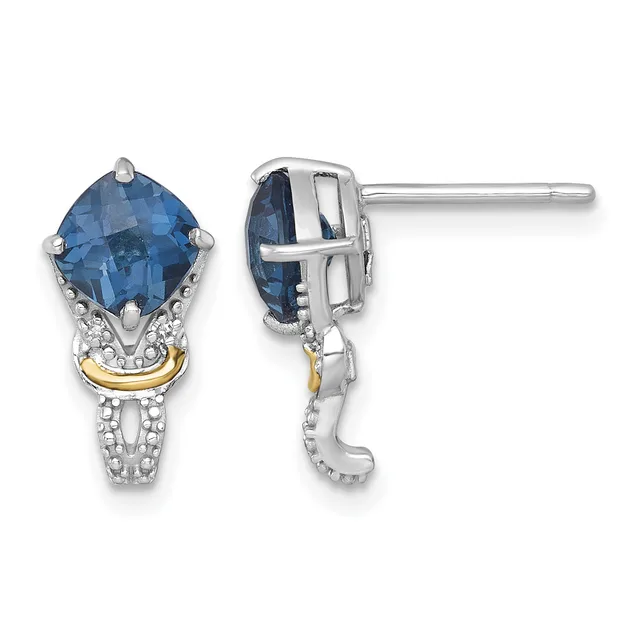
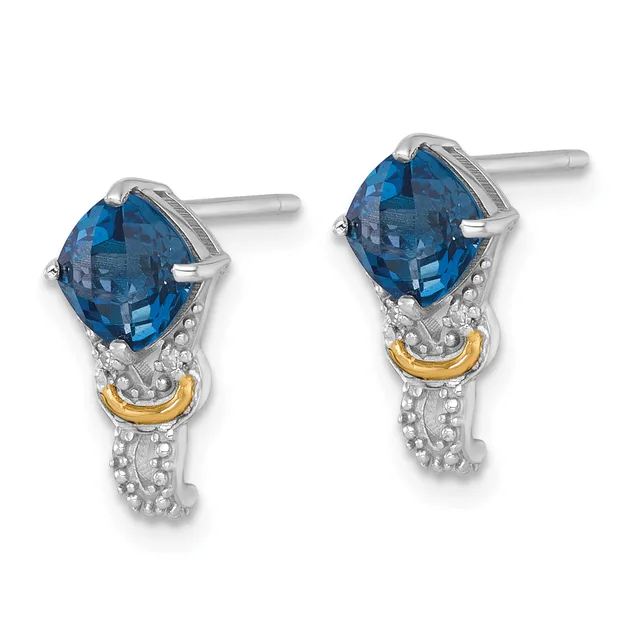
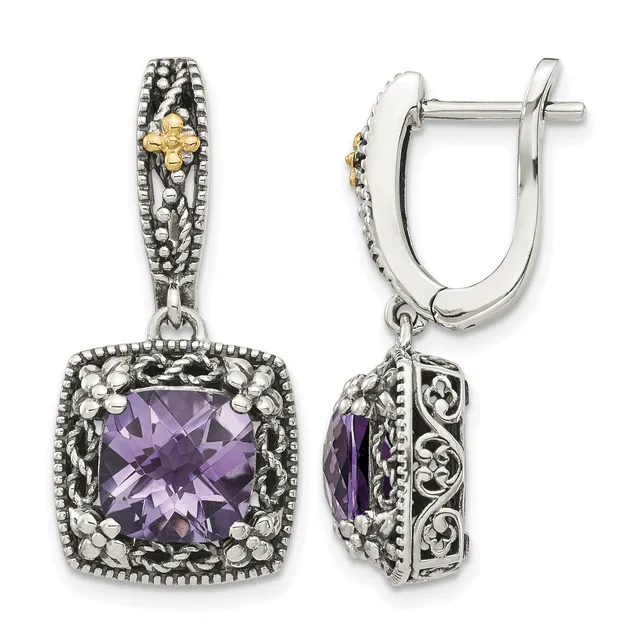
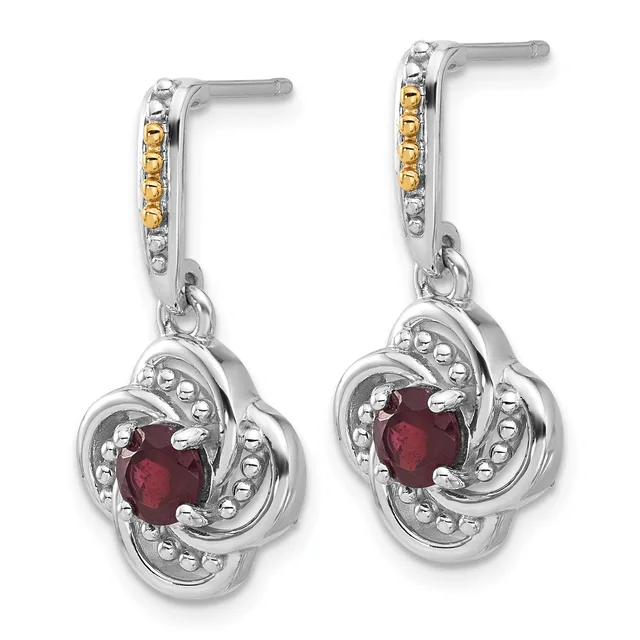
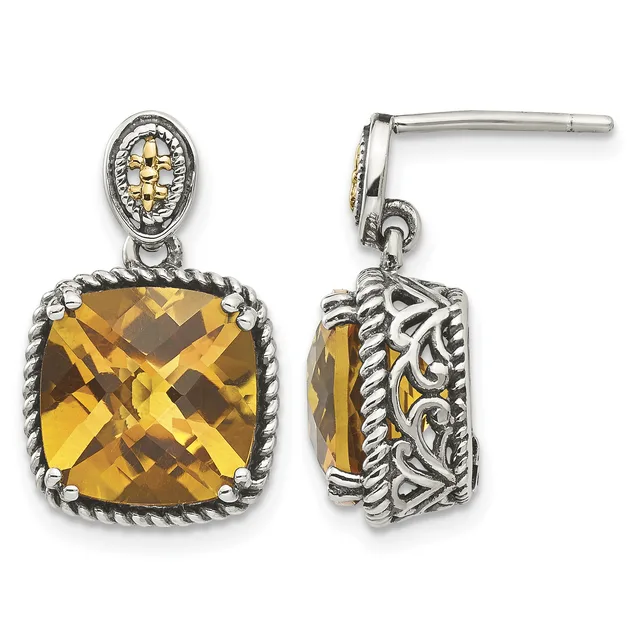
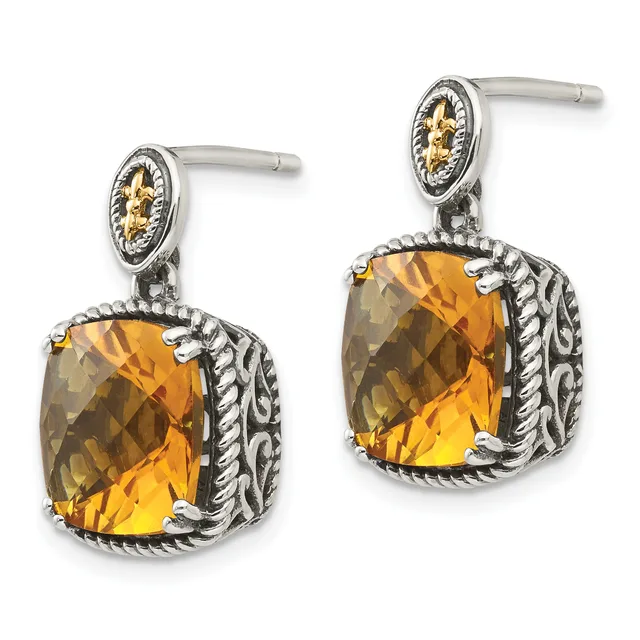
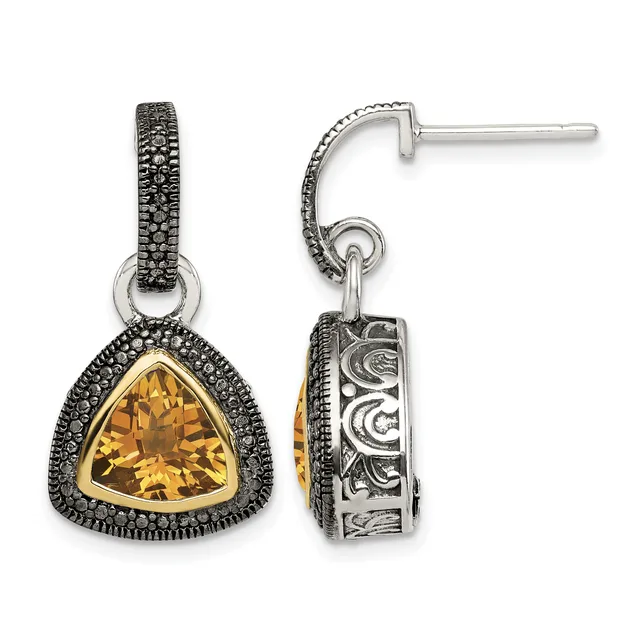
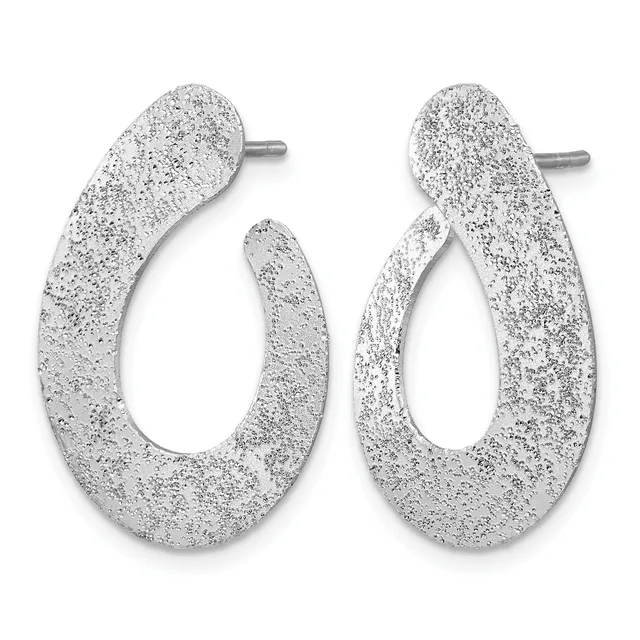
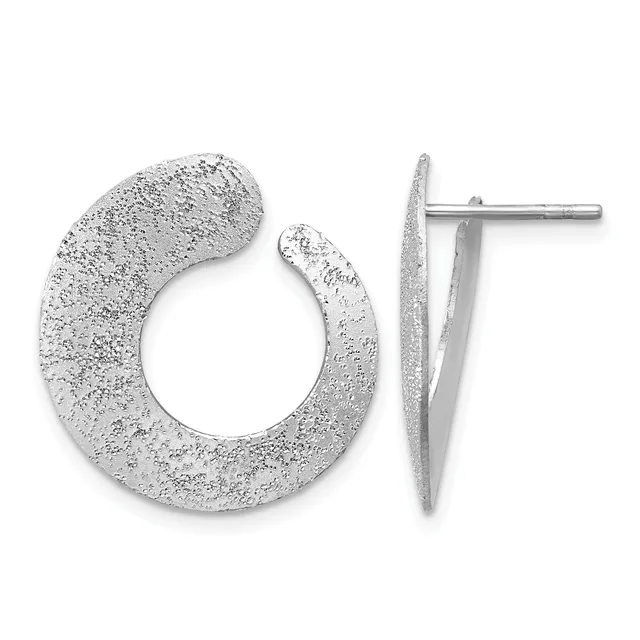
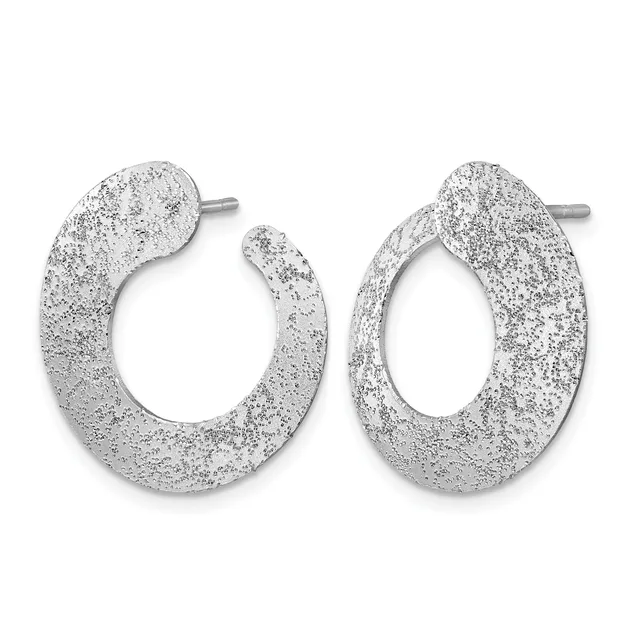
How the Styles Here Differ
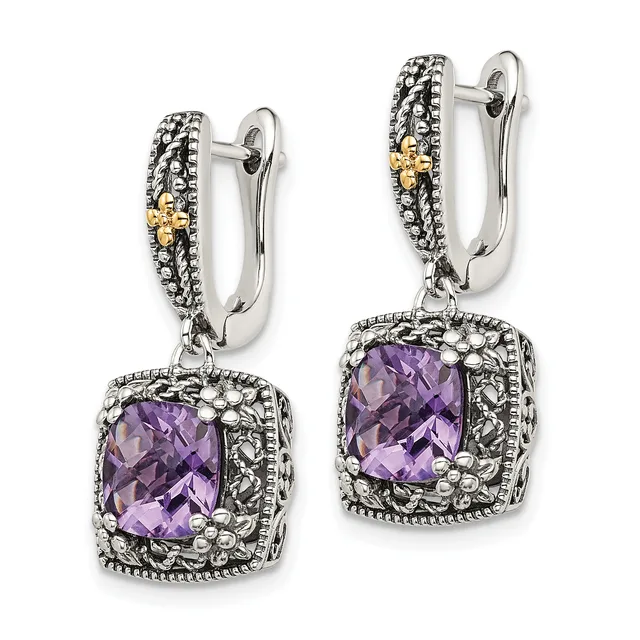
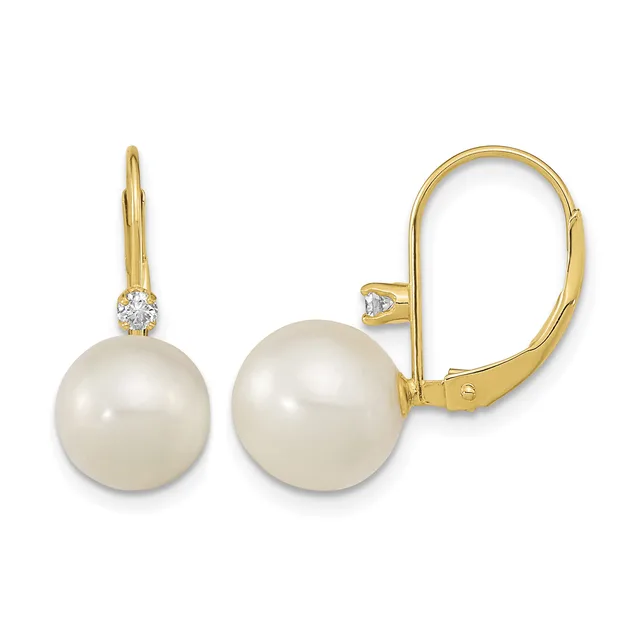
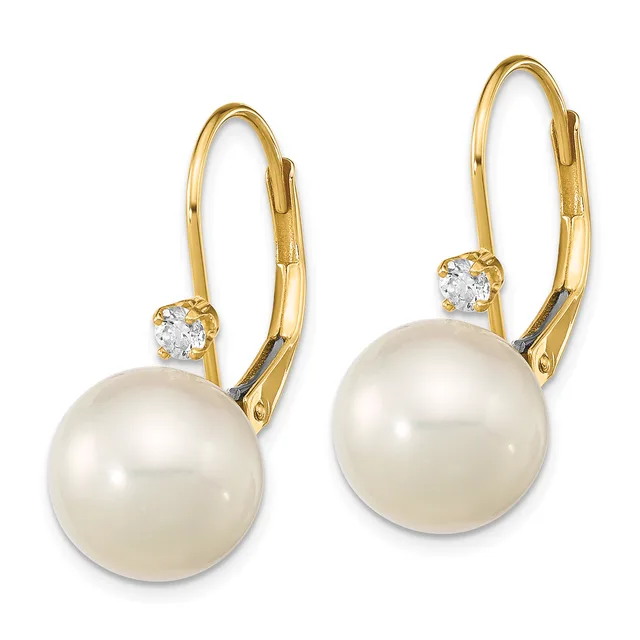
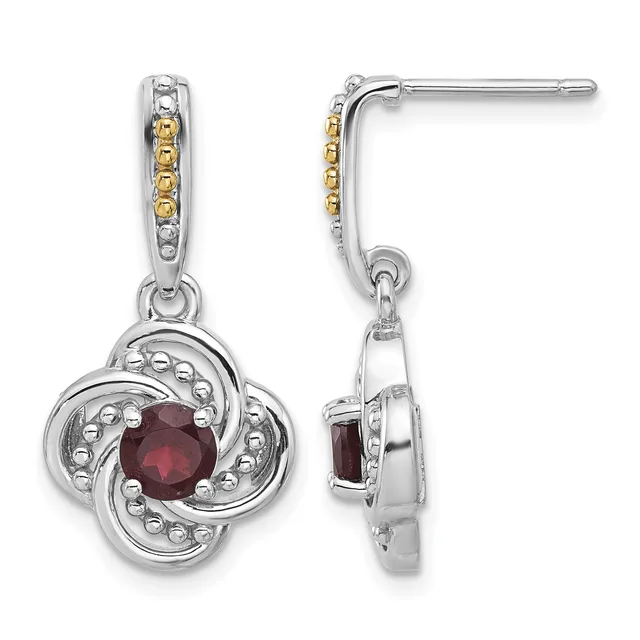
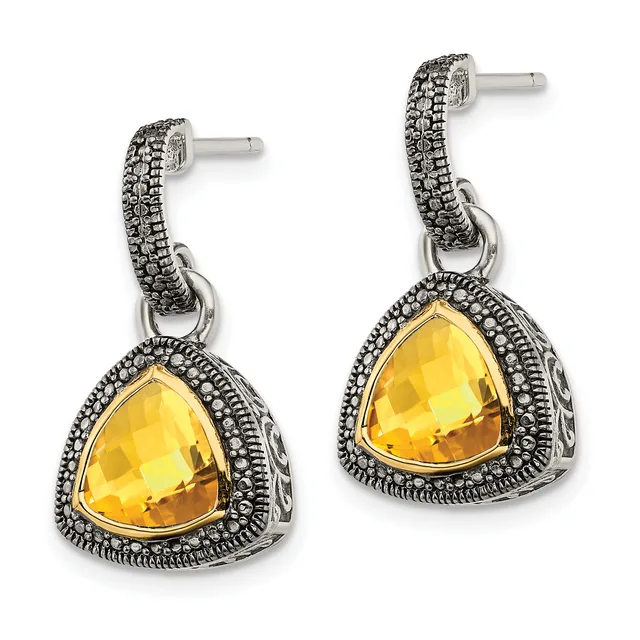
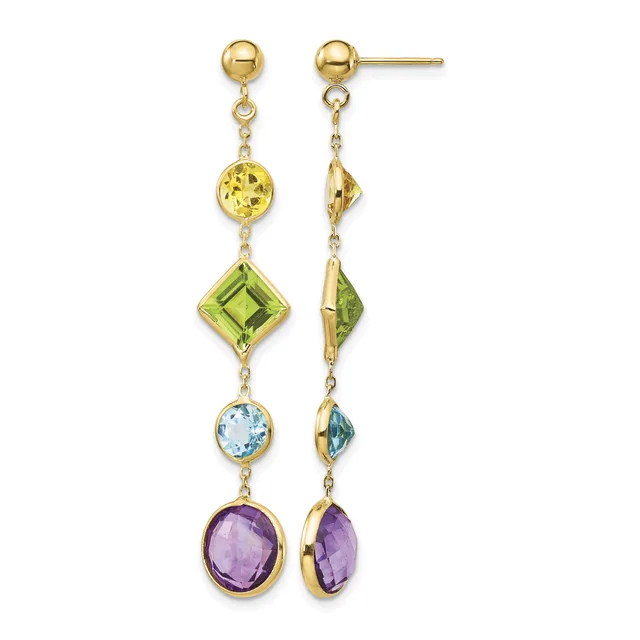
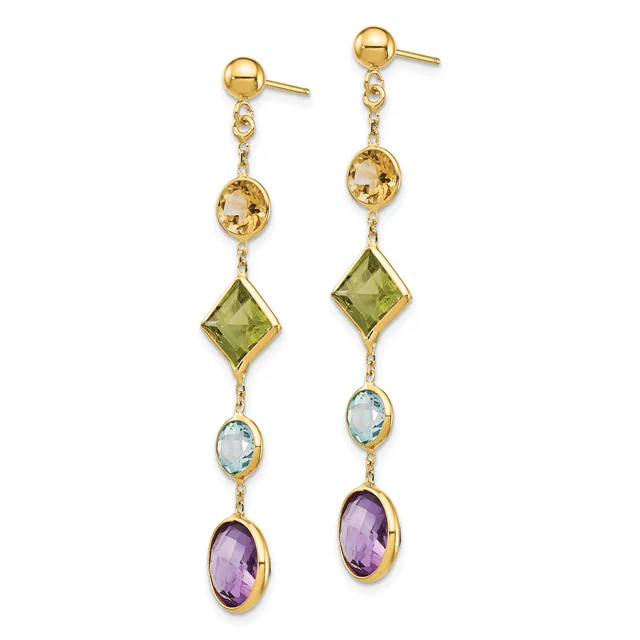
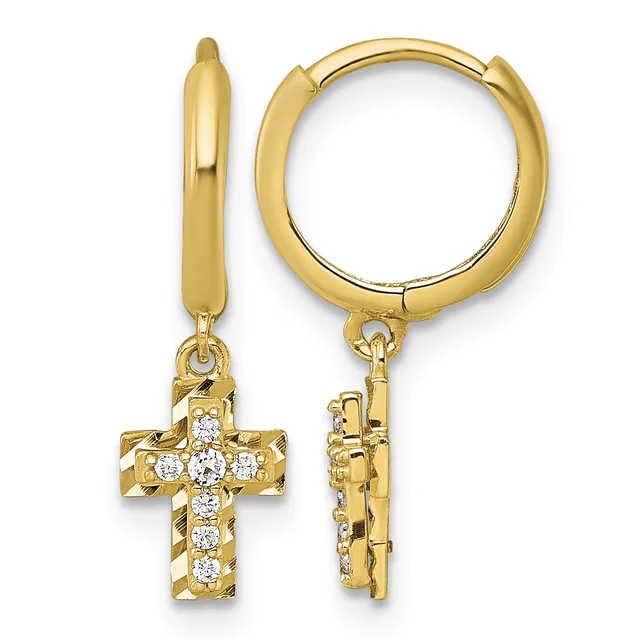
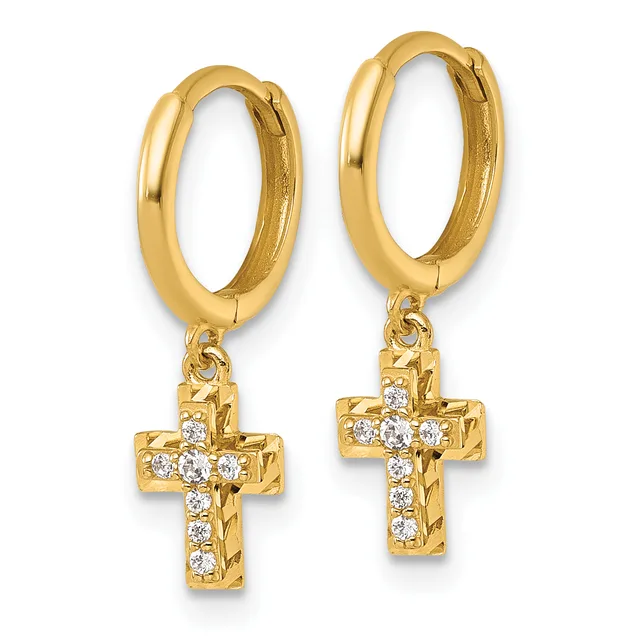
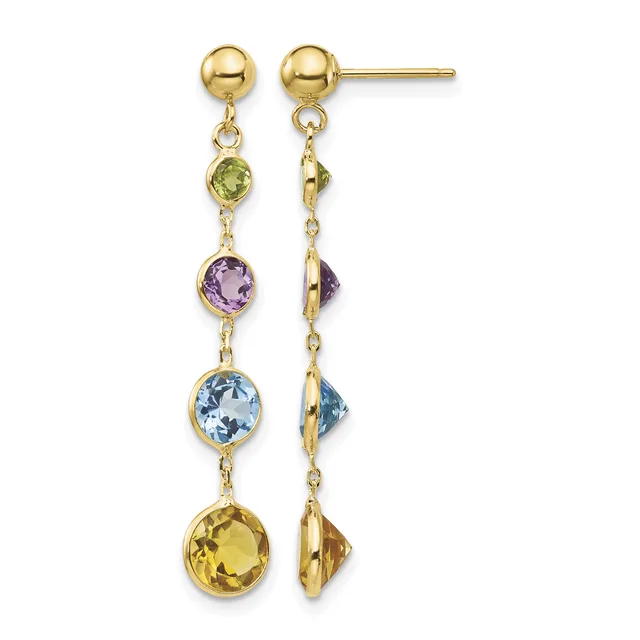
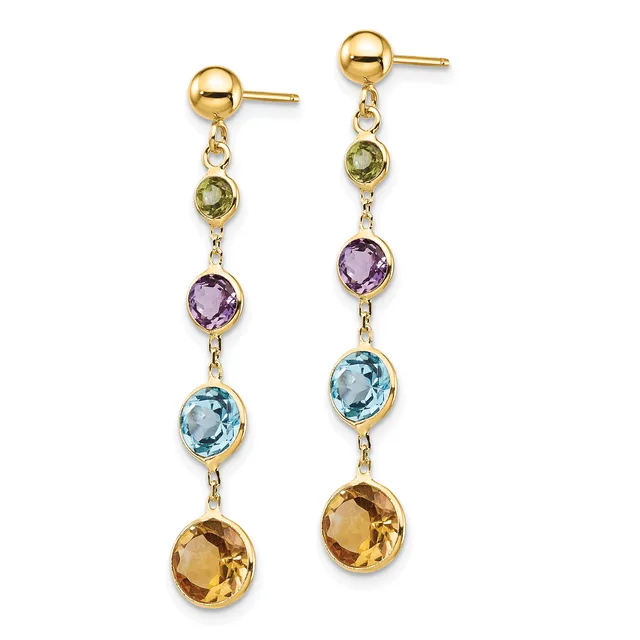
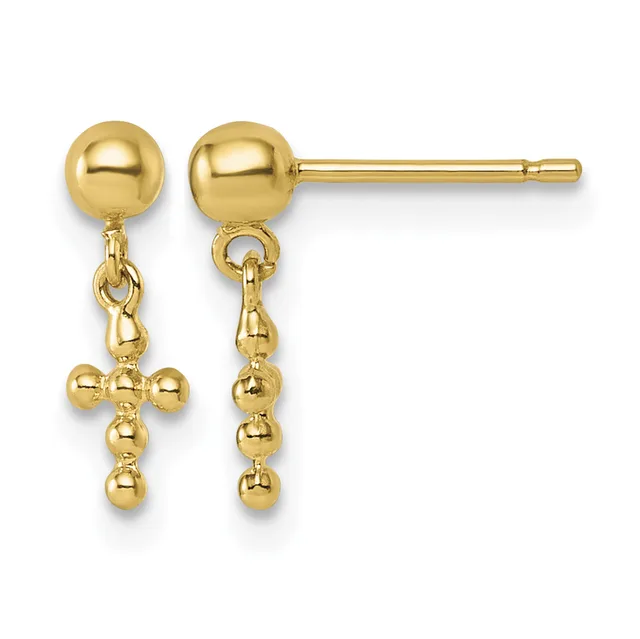
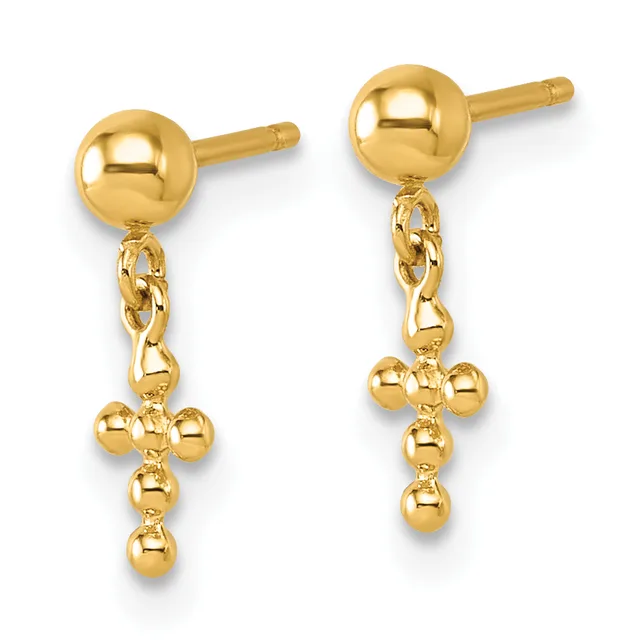
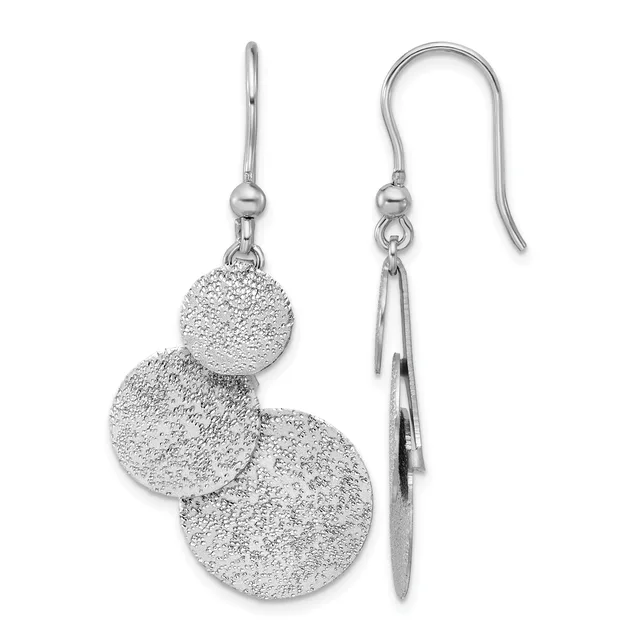
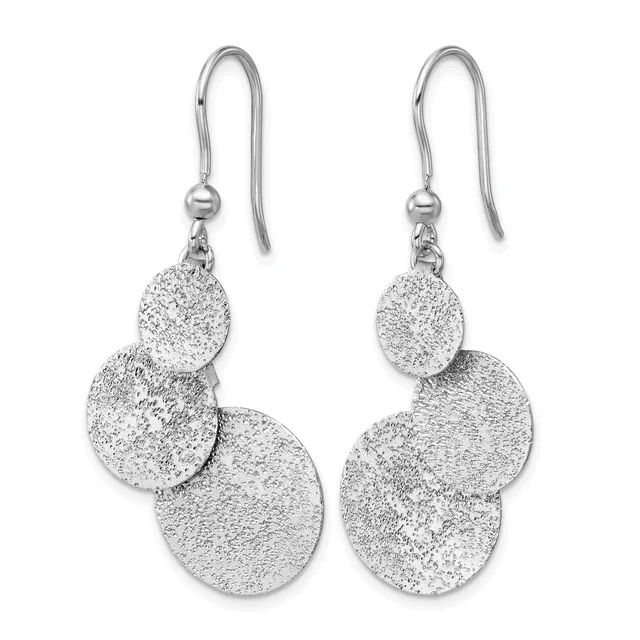
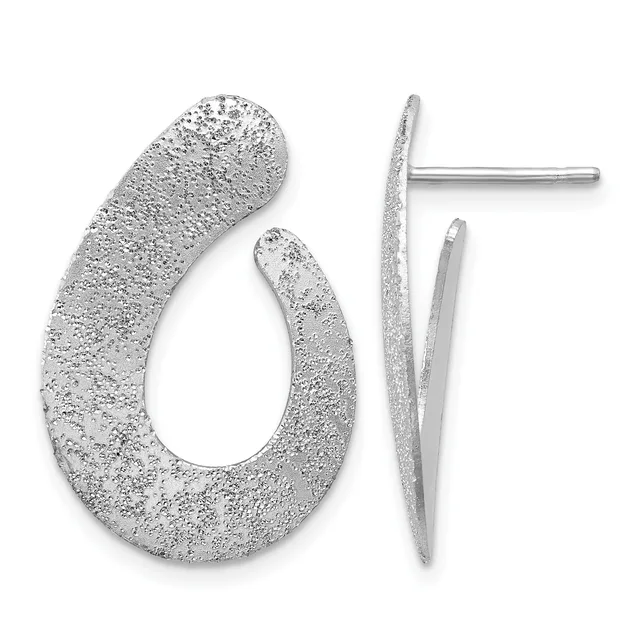
Within this category you'll find straightforward drop silhouettes alongside more distinctly shaped pieces, including cross and other themed forms. The drop styles tend to let the gemstone read on its own — a single stone on a fine wire or short chain, where the mineral itself sets the tone. The themed pieces carry additional design weight in the metalwork, making the overall shape as intentional as the stone within it.
The price spread here is meaningful: entry-level pieces and investment-grade designs sit in the same browse. That range usually reflects a combination of gemstone quality, metal karat, and the intricacy of the setting — so a piece near the top of the range is almost certainly carrying a more saturated or larger stone, a higher-karat metal, or both.
What the Materials Mean in Daily Wear
Dangle earrings are among the lower-stress pieces in a jewelry wardrobe — they don't bear the abrasion that rings and bracelets do — but the setting and post still matter. A well-made butterfly or lever-back closure keeps the earring from rotating out of position and protects a more delicate drop from catching on fabric or hair.
Gemstones vary significantly in hardness and how they respond to light. Transparent stones such as topaz or citrine show their color most intensely when the setting allows light to pass through from behind. Opaque or strongly saturated stones read well even in closed settings. If you're choosing for everyday wear, consider how a stone's surface will hold up to occasional contact — harder stones tolerate more handling without scratching.
Choosing by Occasion and Style
A simple drop with a single stone works across both dressed and casual contexts and tends to be the most versatile starting point. Cross and other themed silhouettes carry a clearer visual intention and suit wearers who want the earring to read as a considered statement rather than a quiet accent.
Length matters for proportion: shorter drops sit close to the jaw and suit most necklines, while longer dangles interact with collar shapes and hairstyles and tend to read more formal.
Care for Gemstone Dangle Earrings
Remove dangle earrings before sleeping or exercising — the movement that makes them beautiful also means they can catch and bend under unexpected force. Clean gently with a soft, damp cloth; avoid ultrasonic cleaners unless you know your specific stone is safe in one, as certain gemstones can fracture under vibration. Store each pair separately, or with posts secured, to prevent the drop from swinging against harder pieces and scratching either surface.
Frequently asked questions
Are these earrings suitable for everyday wear?
Many of the drop styles here are light enough for daily wear, but dangle earrings in general benefit from being removed during sleep and high-activity moments. The gemstone's hardness and the security of the closure are the two main factors to consider for how well a specific pair holds up over time.
What is the difference between a drop earring and a dangle earring?
The terms are often used interchangeably, but drops tend to be a single suspended element in a fixed position, while dangles can move more freely. The pieces in this category include both fixed and free-moving styles.
Do the cross and themed earrings here carry gemstones as well?
Yes — the themed silhouettes in this category, including cross styles, incorporate gemstones as part of their design rather than being plain metalwork.
How do I know which gemstone will suit me?
Color is the most personal factor, but also consider how the stone reads in the light you're most often in — transparent stones shift noticeably between indoor and natural light, while more opaque stones stay consistent. If you wear the earrings close to your face, the stone's color will interact with your skin tone in ways worth considering before buying.
Can I wear gemstone dangle earrings if I have sensitive ears?
The post and back material matters most for sensitivity — look for pieces with posts in 14k gold or higher, as lower-karat or mixed-metal posts are more likely to cause a reaction. The gemstone itself sits away from the ear and is generally not a factor.