
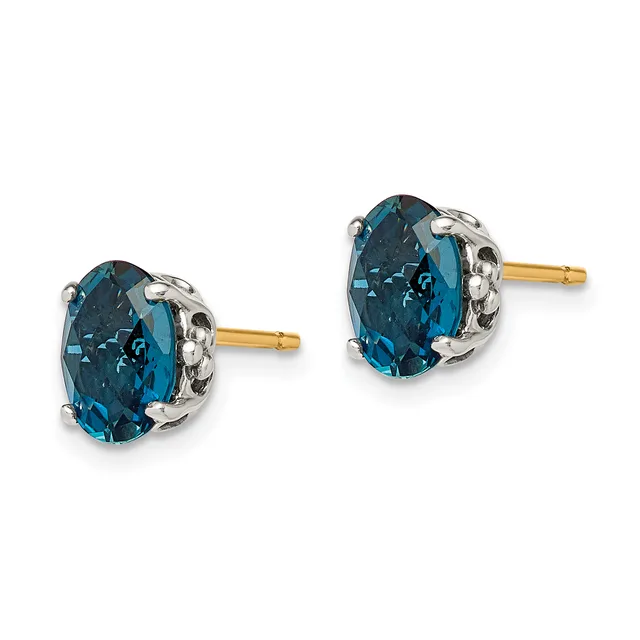
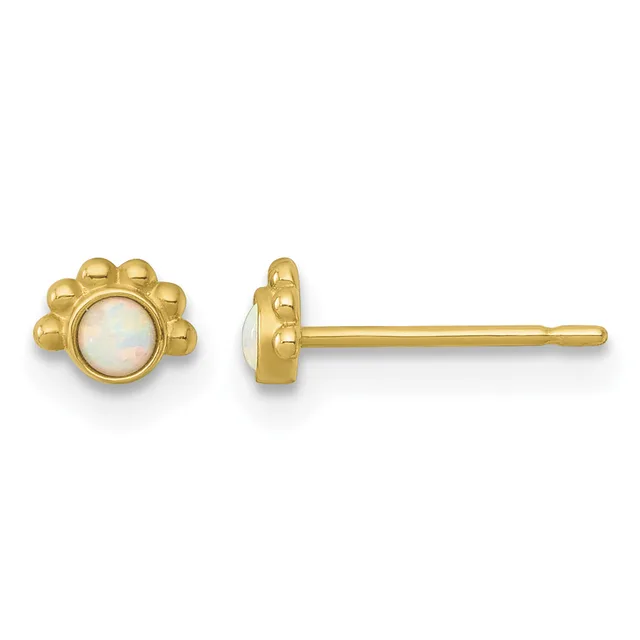
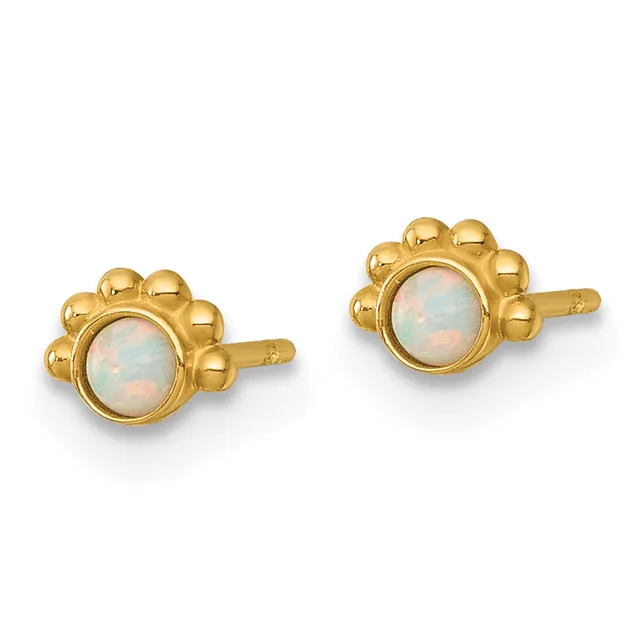
What You'll Find Here
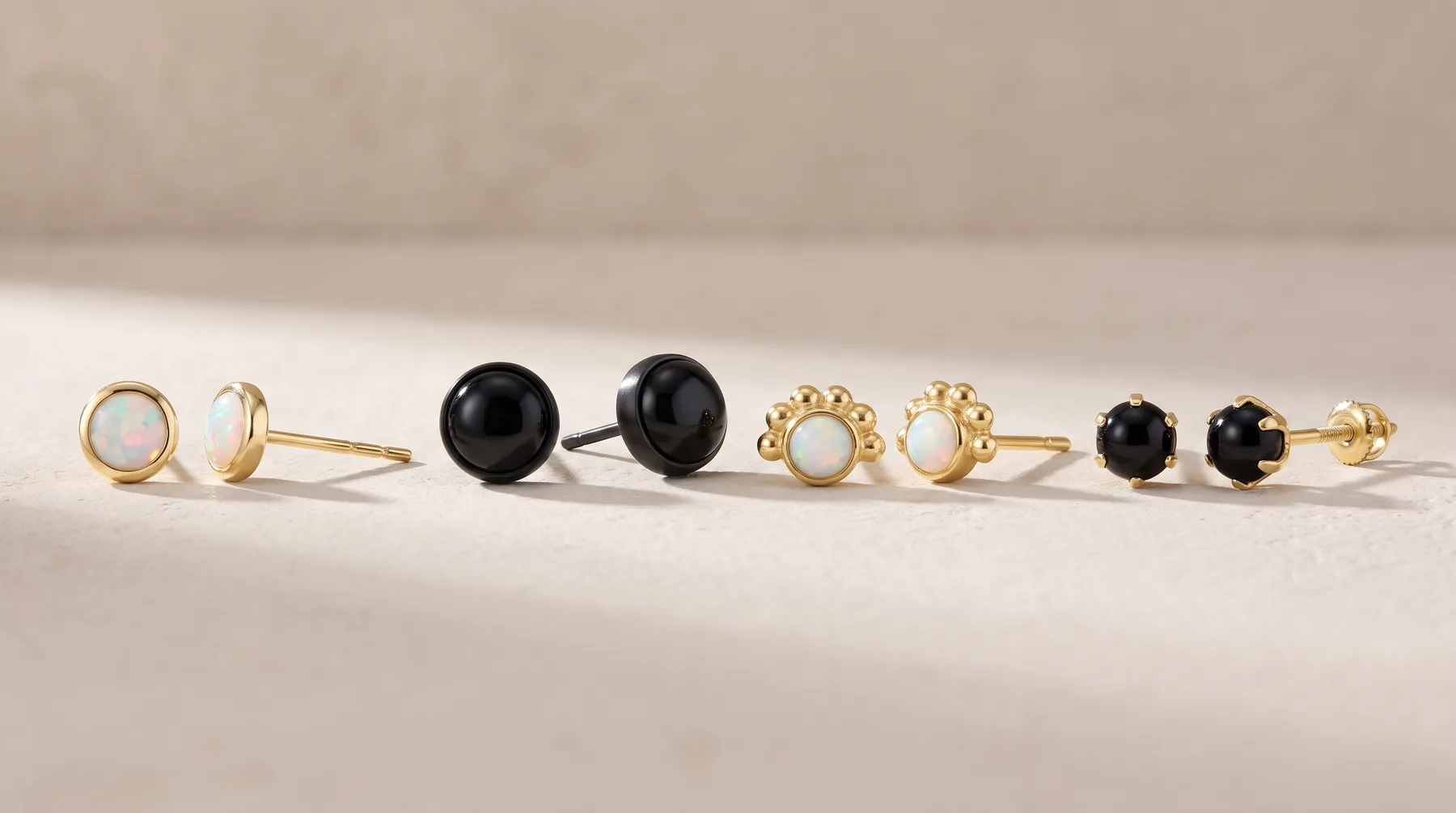
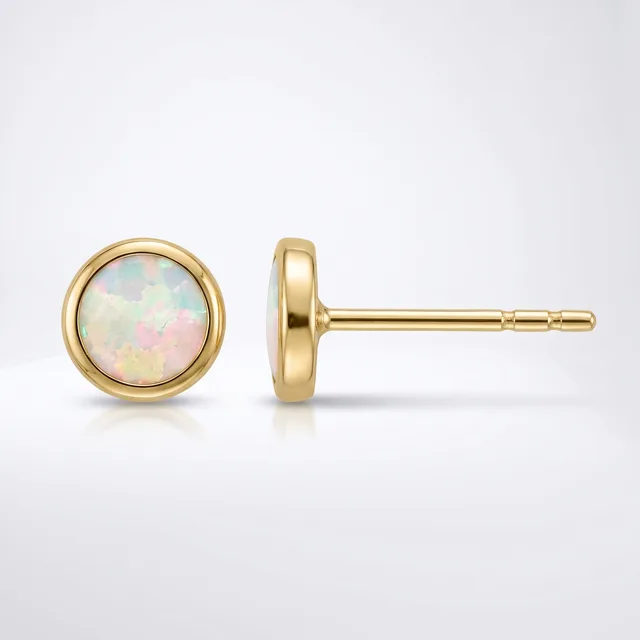
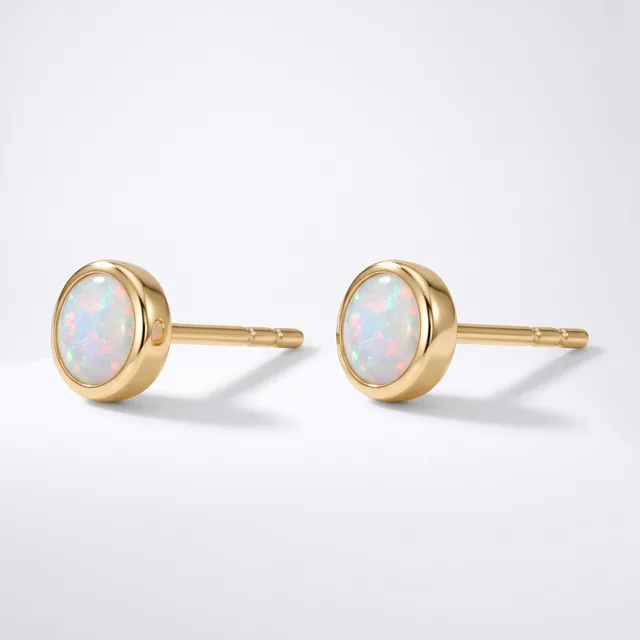
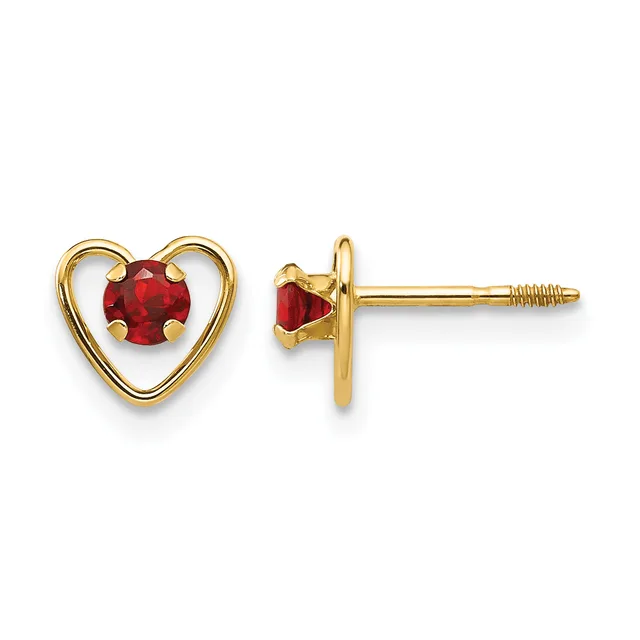
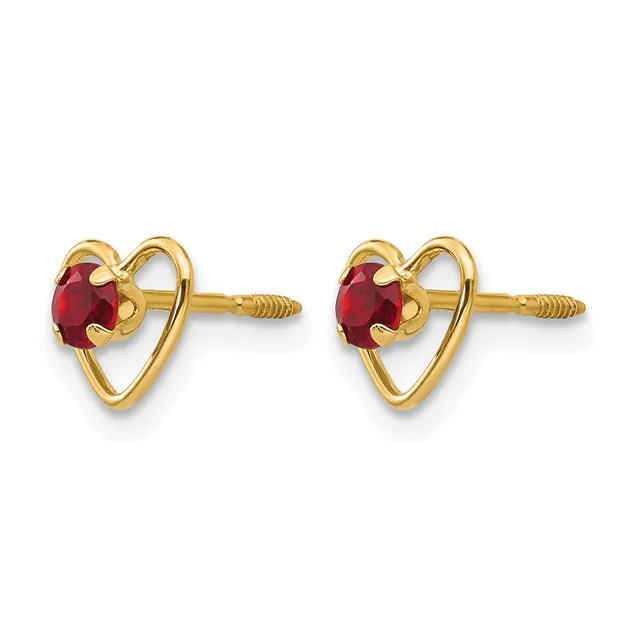
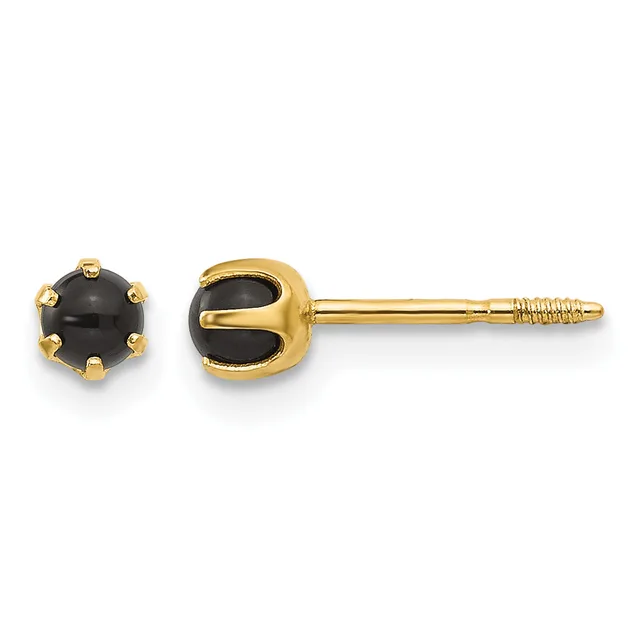
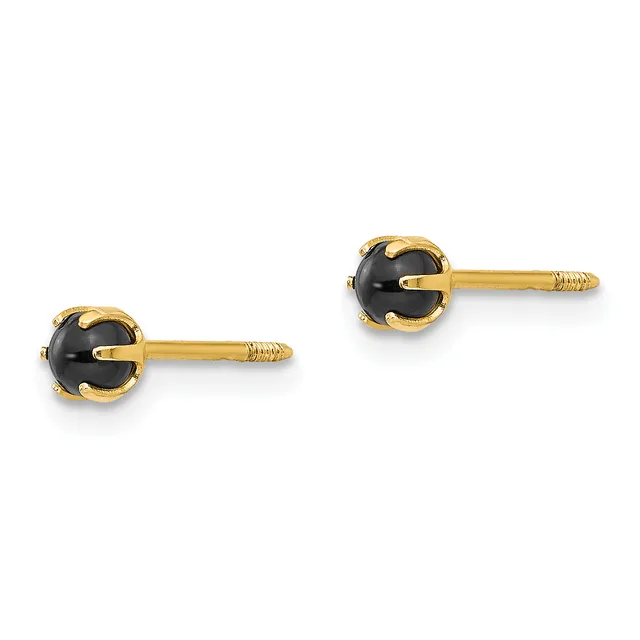
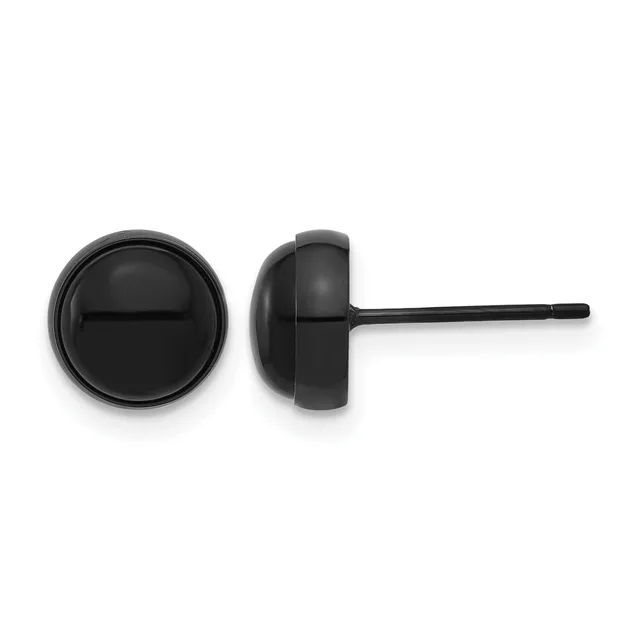
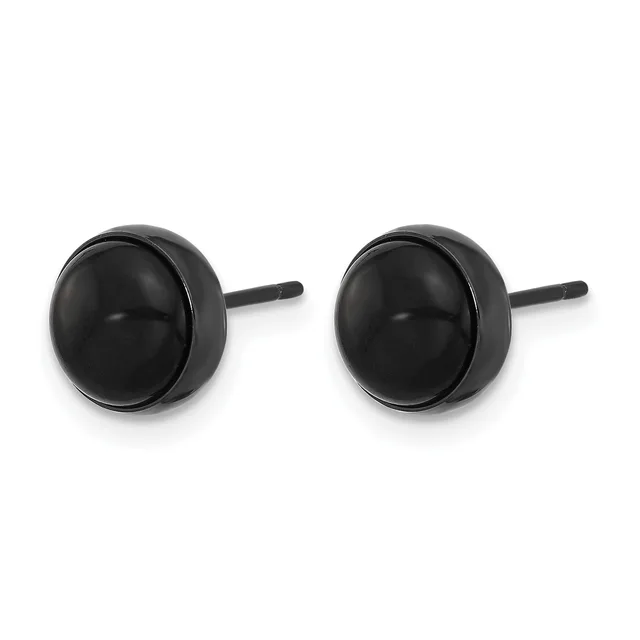
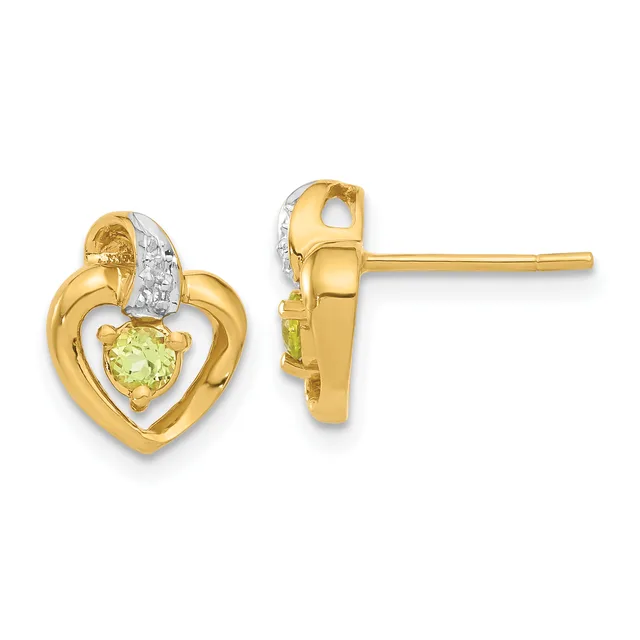
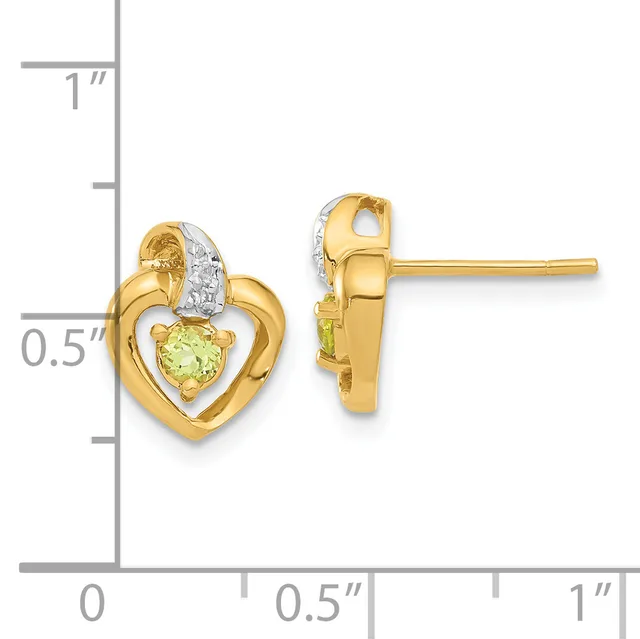
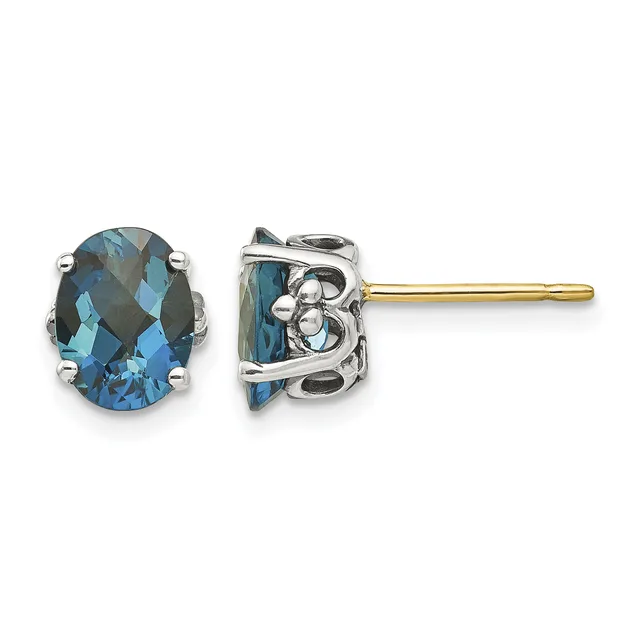
This is a small, focused selection of stud earrings set with colored gemstones, including options alongside diamonds. The range covers birthstone styles, classic round stones in precious metals, heart-shaped settings, and designs scaled for younger wearers. Because the selection is intentionally tight, the differences between pieces matter — a few minutes spent reading the details will point you directly to the right pair.
Choosing a Stone
Gemstone studs are often chosen for color or for birth-month significance, and both are reasonable starting points. Beyond sentiment, consider how a stone performs under daily wear. Harder stones — sapphires, rubies, and diamonds among them — resist surface scratching through ordinary activity. Softer stones are better reserved for earrings worn occasionally rather than every day, since the ear is one of the lower-impact places to wear jewelry. Color saturation also varies within a gemstone family: two stones of the same species can look noticeably different depending on their cut and origin, so trust the photograph alongside the written description rather than assuming consistency.
Metal and Setting
Stud settings here appear in yellow gold, white gold, and rose gold at varying karats. A higher karat — 18k versus 14k, for example — means a greater proportion of pure gold, which gives a richer color and is gentler on sensitive skin, but is also slightly softer. For a stud worn daily, 14k is a practical balance of durability and warmth. White gold is alloyed and typically rhodium-plated to achieve its cool tone; that plating can wear at contact points over years of wear and can be re-applied by a bench jeweler. The setting style on a stud — whether prong, bezel, or flush — affects both security and how much of the stone's face is visible. Prong settings show the most of the stone; bezel settings wrap the edge in metal, protecting the girdle and giving a more modern silhouette.
Fit, Backs, and Care
Post backs on studs are typically butterfly or screw-back; screw-backs require a deliberate twist to remove and are especially useful for children's earrings or for anyone who moves through active days. Clean gemstone studs with a soft, lint-free cloth after wearing. For a deeper clean, a bowl of lukewarm water with a drop of mild dish soap and a soft brush works for most hard stones — avoid soaking pearls or porous stones. Store studs in a fabric-lined box or individual pouches to prevent the metal from picking up scratches from other pieces.
Frequently asked questions
Are these earrings suitable for children?
Some styles in this selection are specifically designed for younger wearers, with appropriately scaled stones and secure backs. Check the product description for any piece labeled as a children's design to confirm sizing and back style.
Can I wear gemstone studs in newly pierced ears?
For a fresh piercing, a solid gold post — 14k or higher — is generally recommended to minimize irritation. Check the metal content listed on any piece before wearing it in a new piercing, and consult your piercer if you have known sensitivities.
Do these come as single earrings or pairs?
Stud earrings in this collection are sold as pairs unless the individual listing states otherwise — read the product details to confirm before purchasing.
What is the difference between a birthstone earring and a themed gemstone stud?
Birthstone styles are tied to a specific calendar month and use the conventionally accepted stone for that month. Themed styles — such as heart-shaped settings — focus on the silhouette or symbolic shape of the piece rather than birth-month association; the two can overlap when a heart-shaped stone also corresponds to a birth month.
How do I keep the metal from losing its finish?
Remove studs before swimming, showering, or applying perfume and hairspray, since prolonged exposure to chlorine, salt water, and alcohol-based products accelerates surface wear. White gold's rhodium plating can be professionally re-applied when it begins to show its underlying color.