
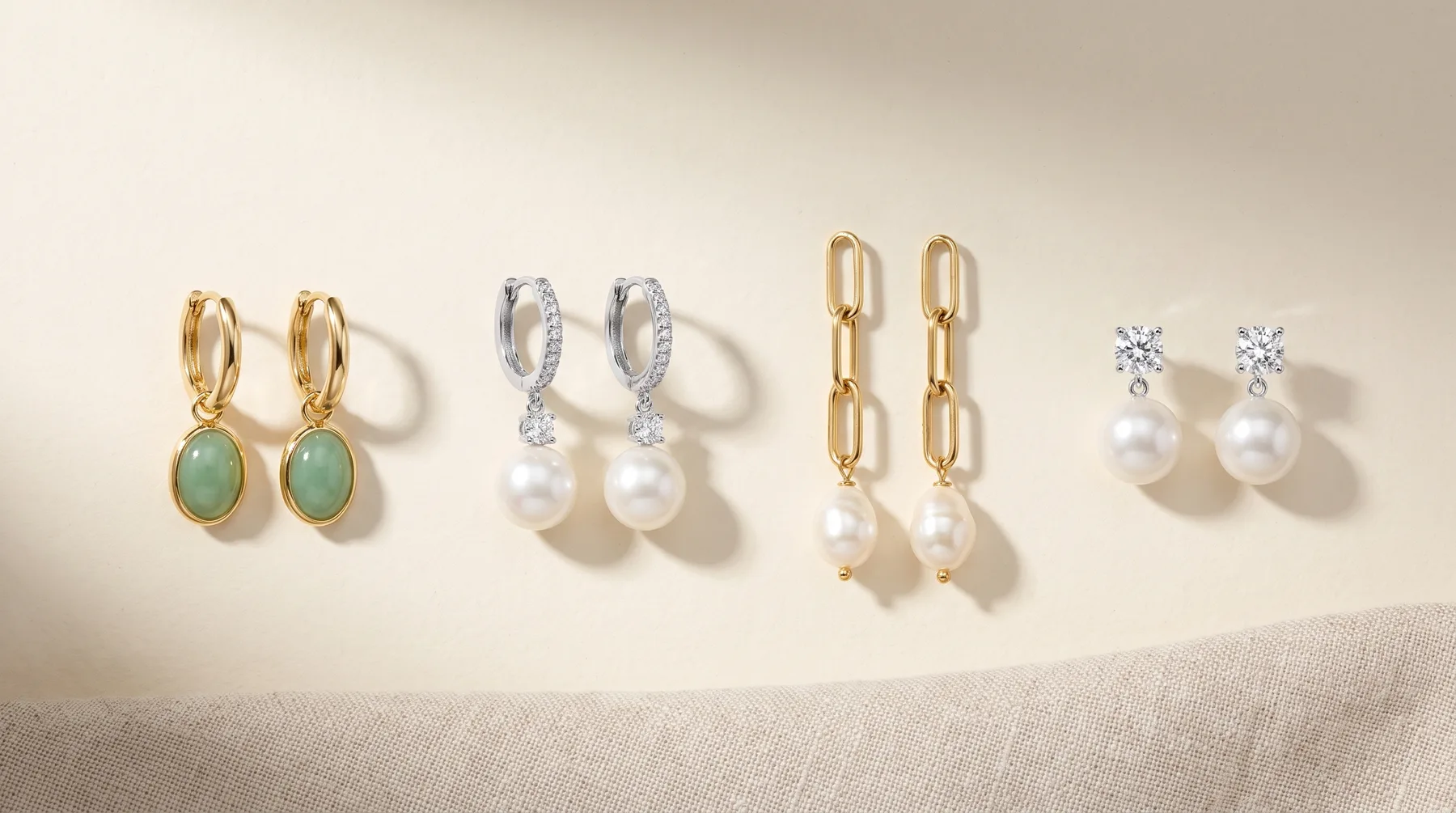
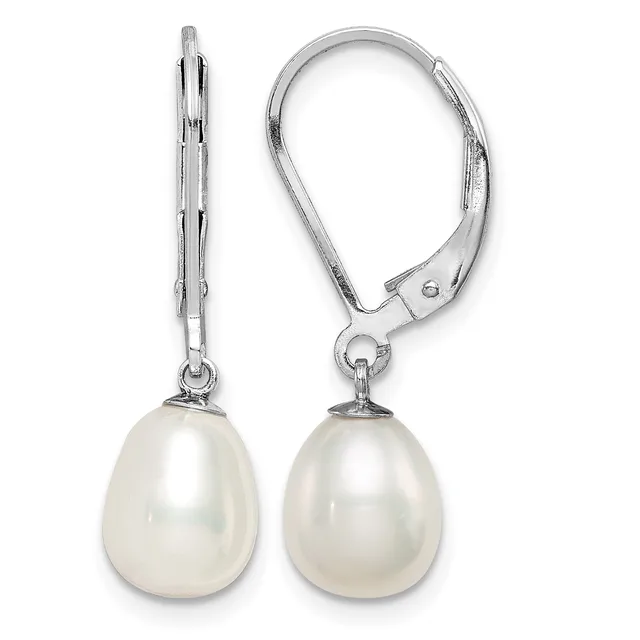
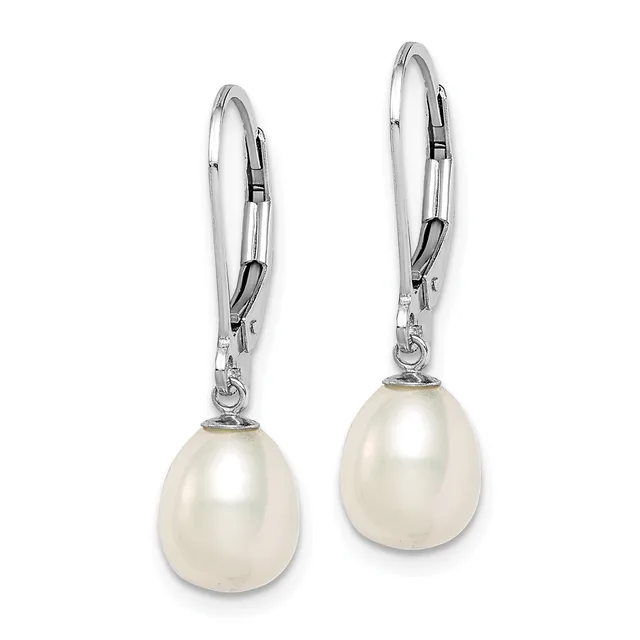
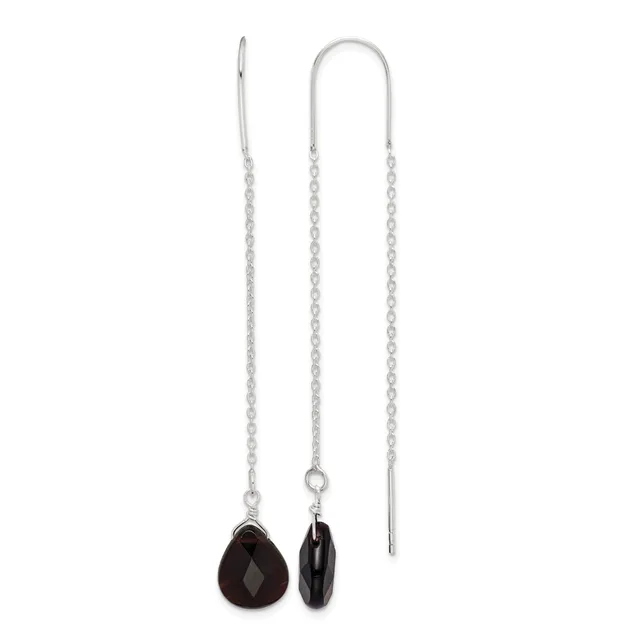
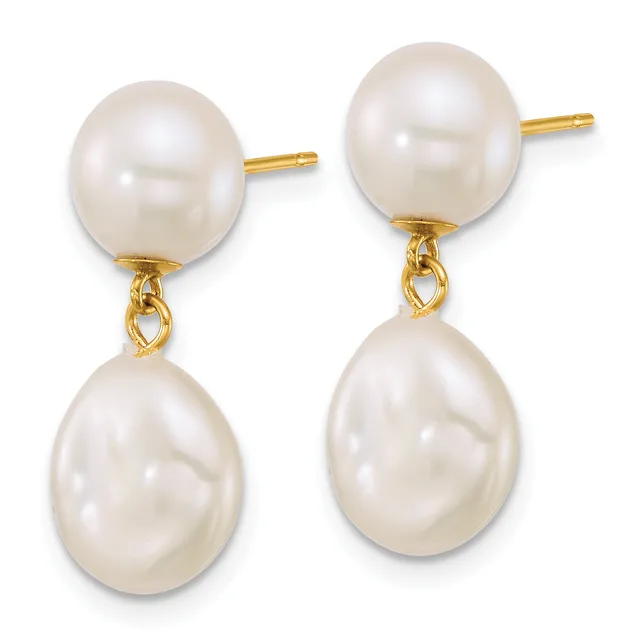
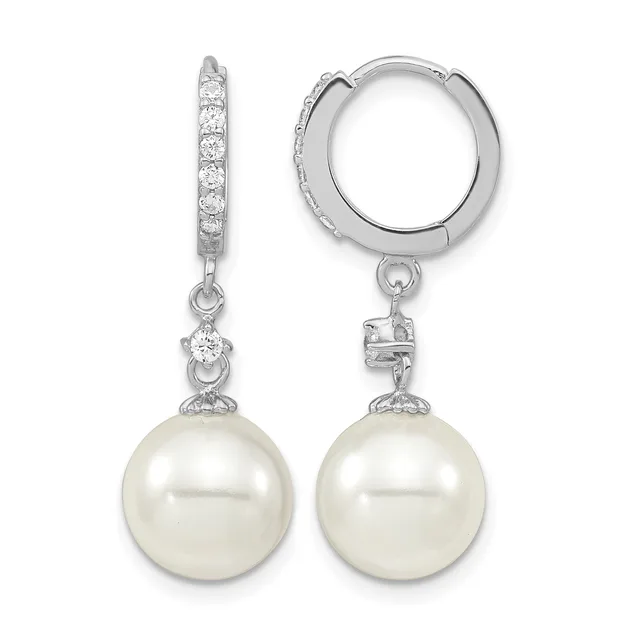
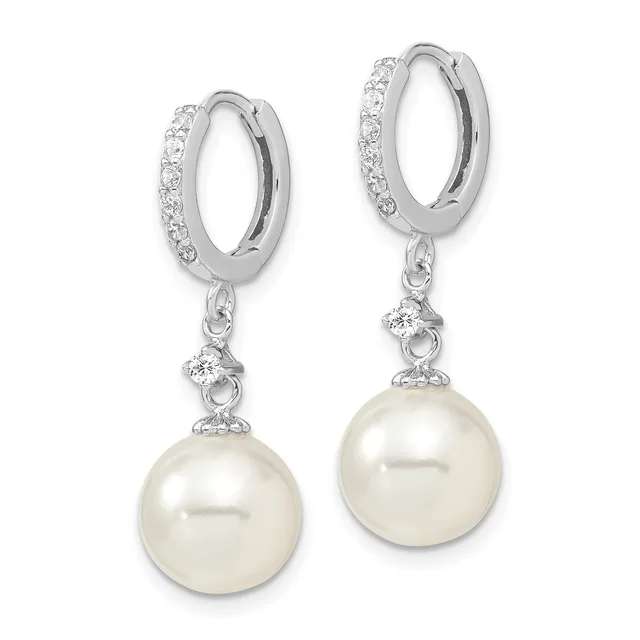
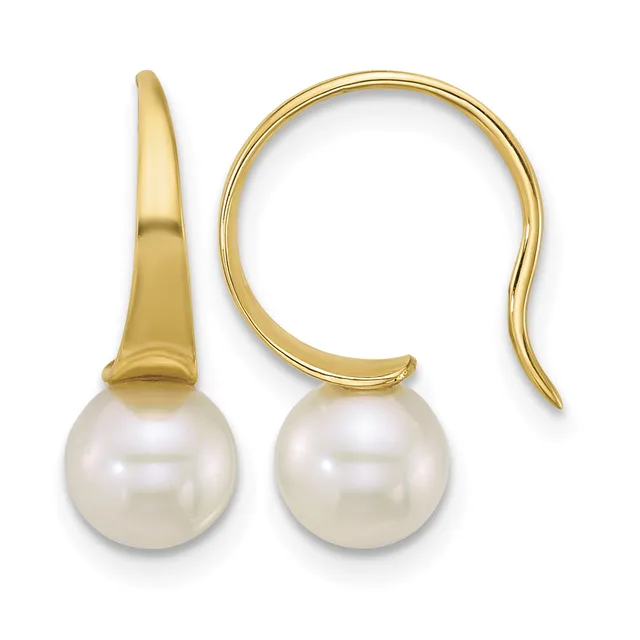
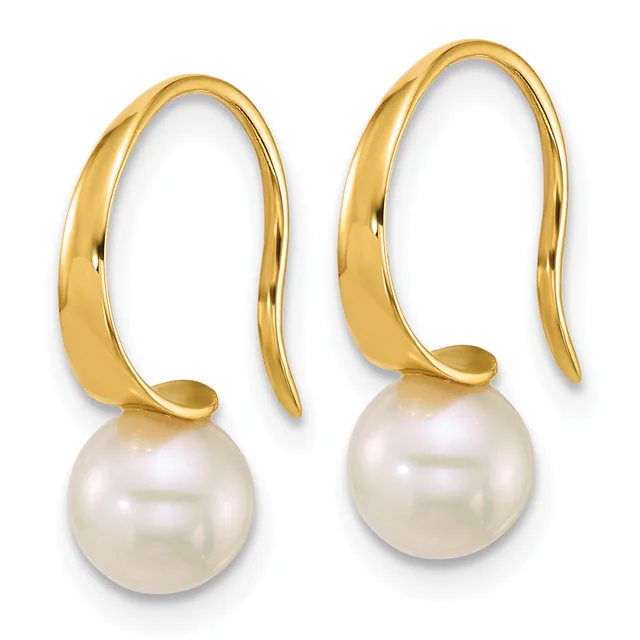
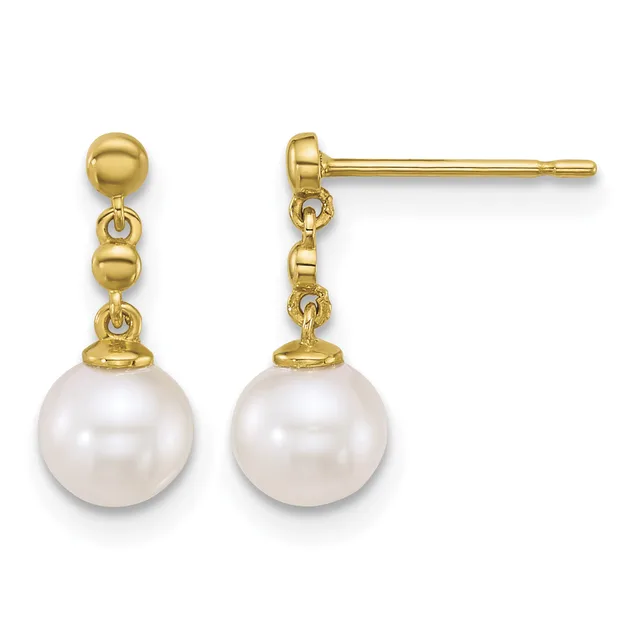
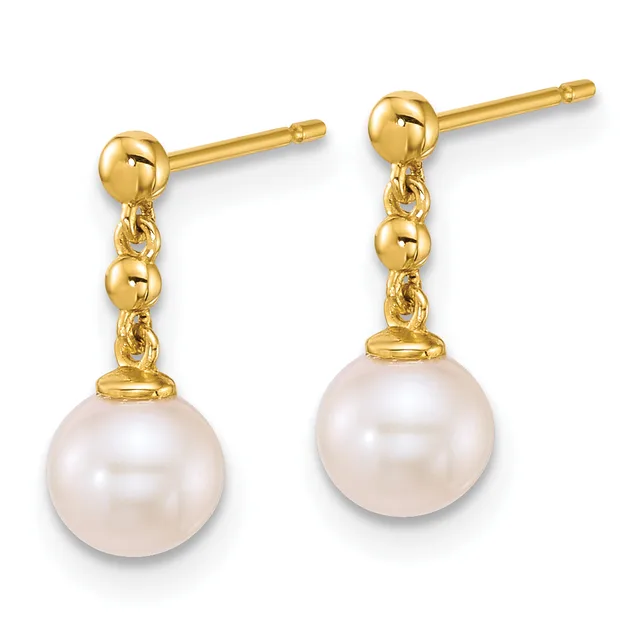
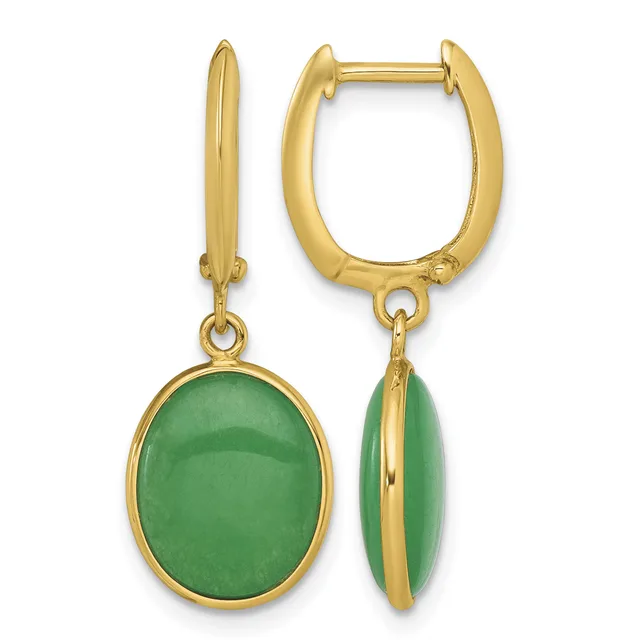
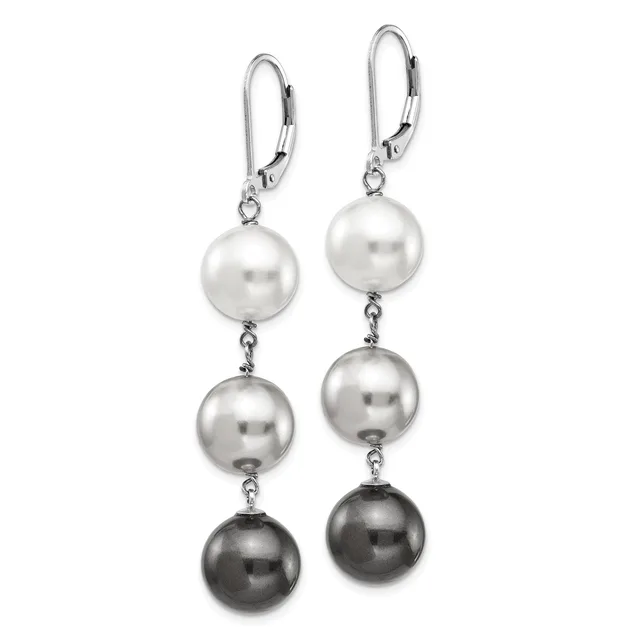
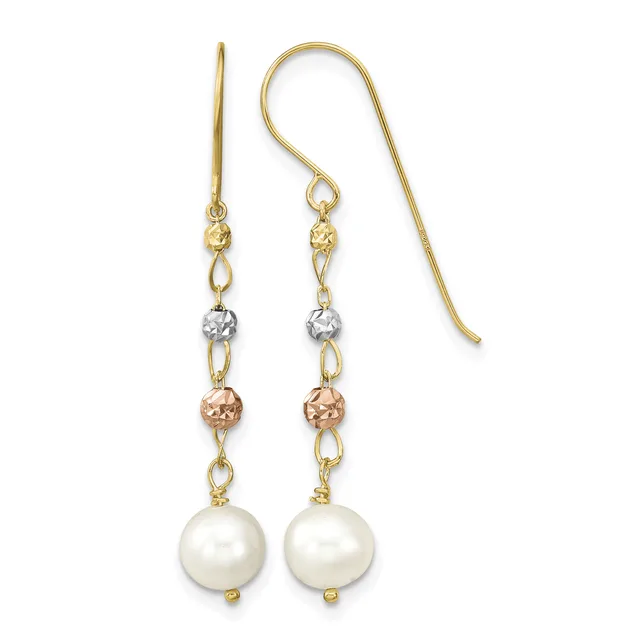
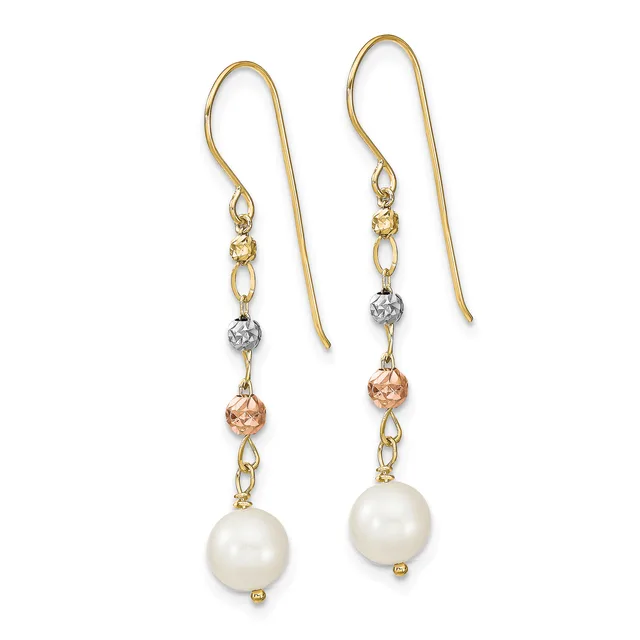
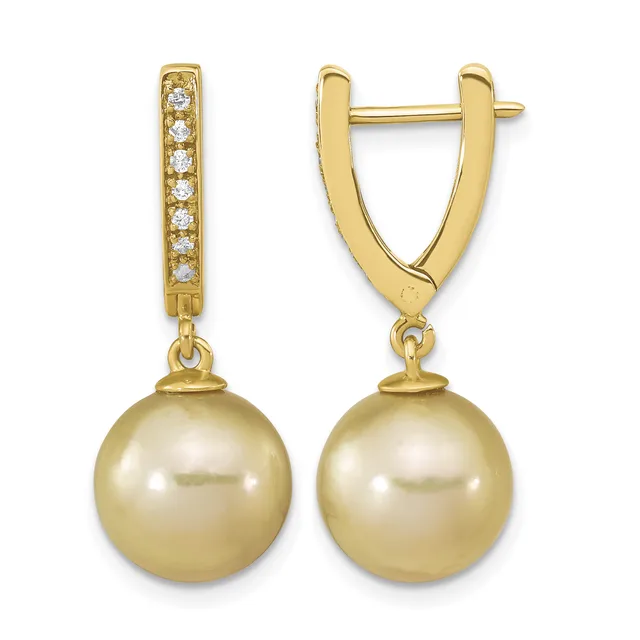
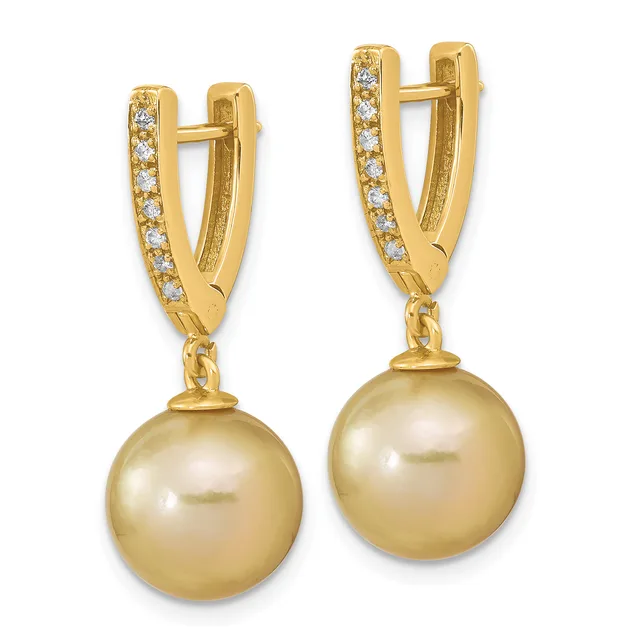
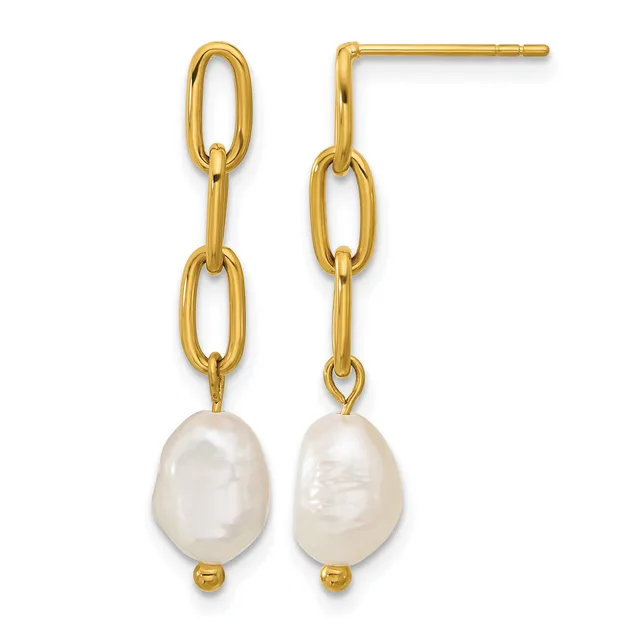
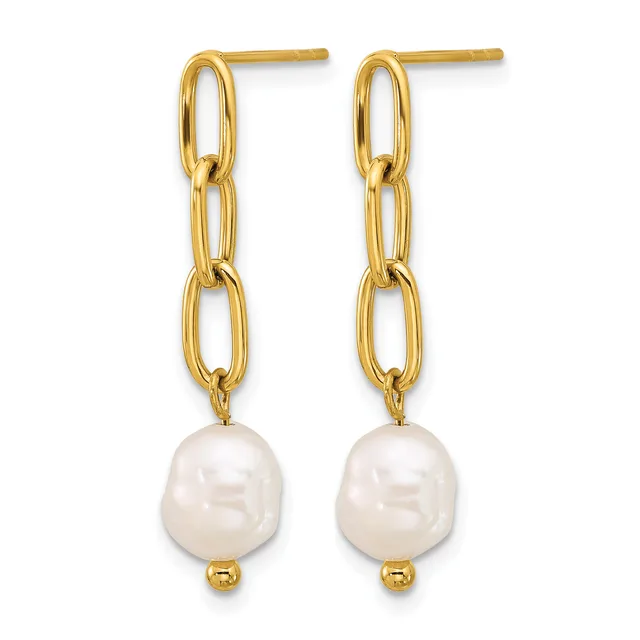
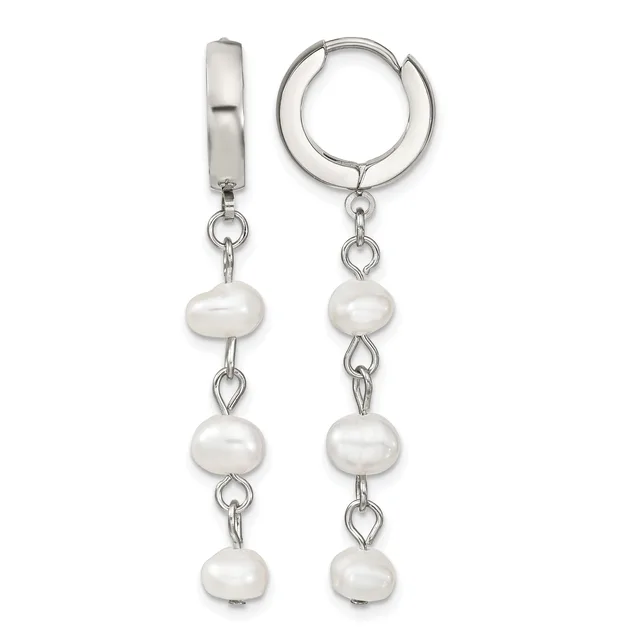
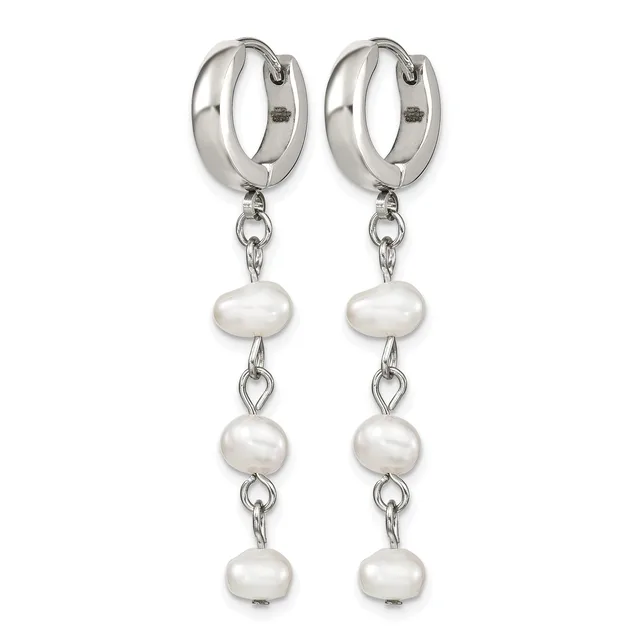
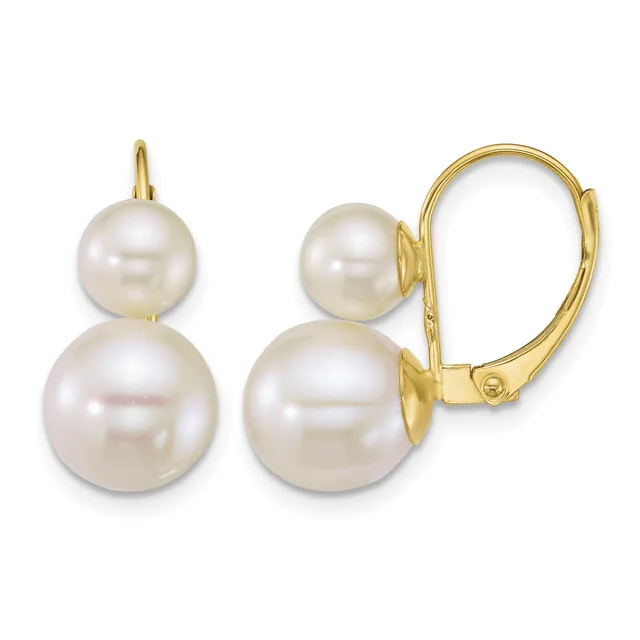
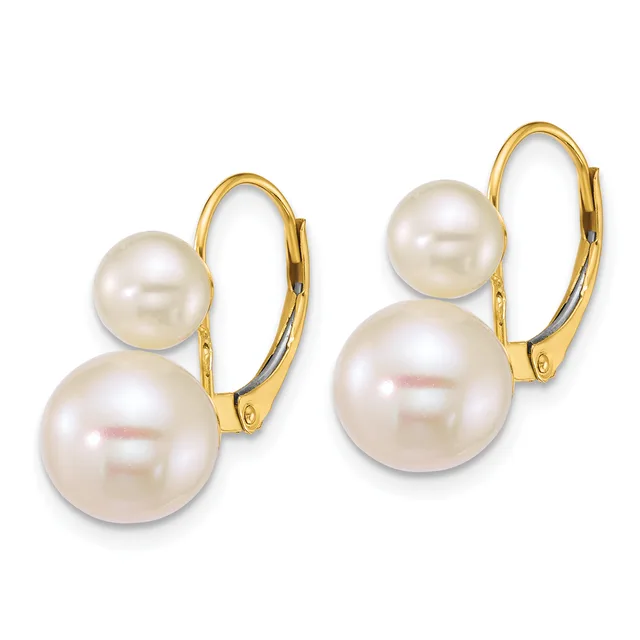
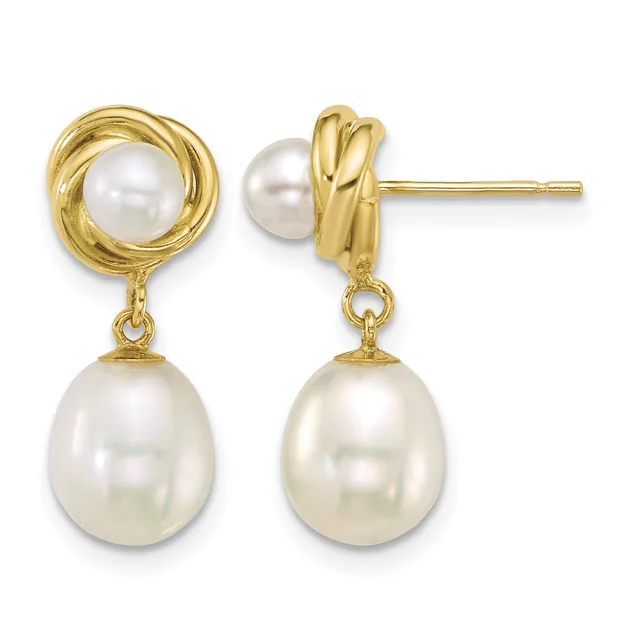
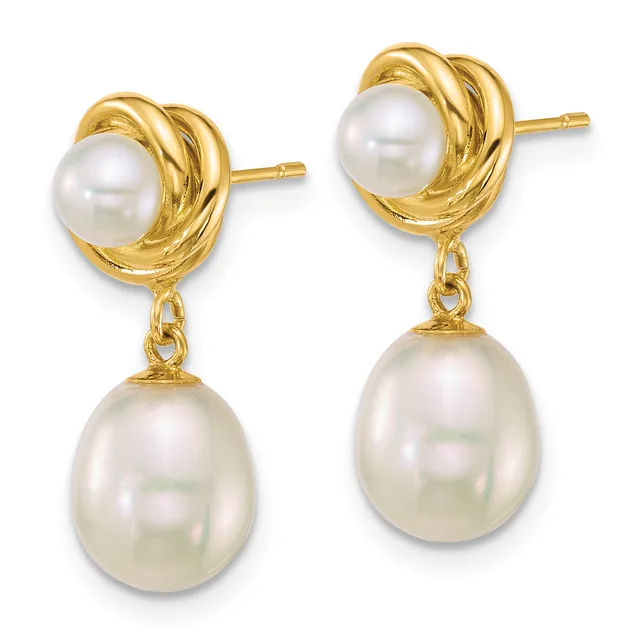
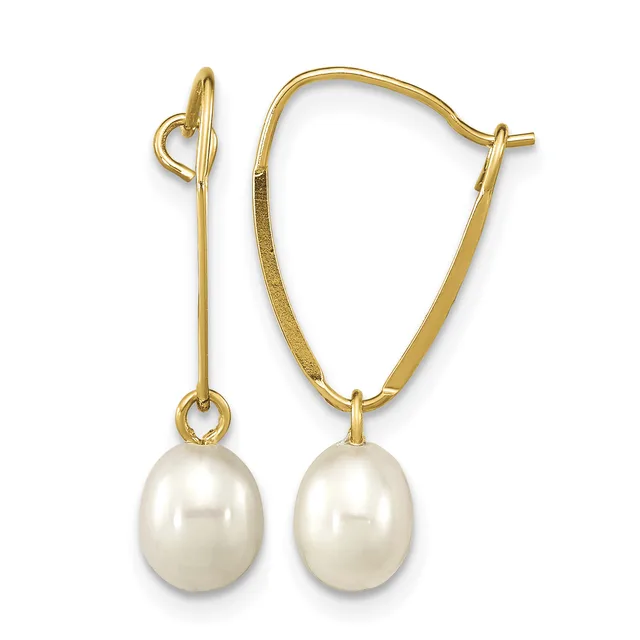
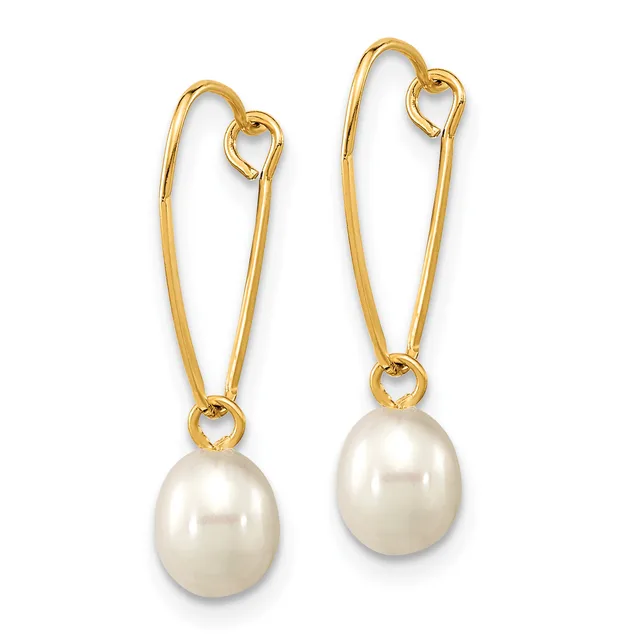
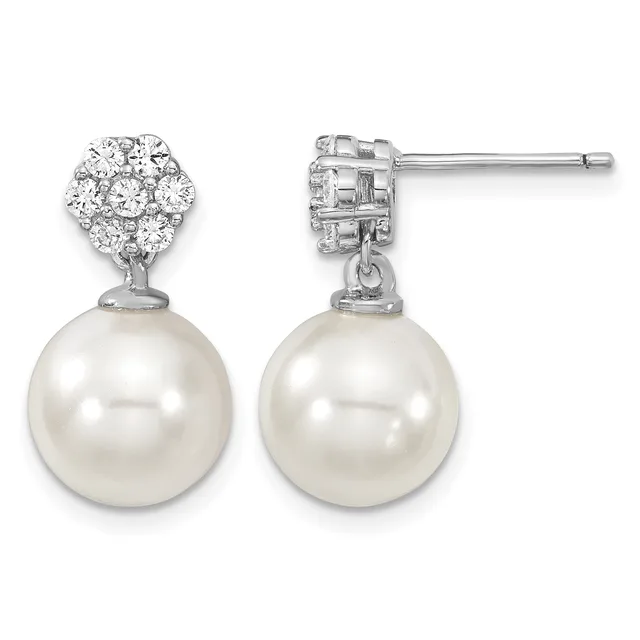
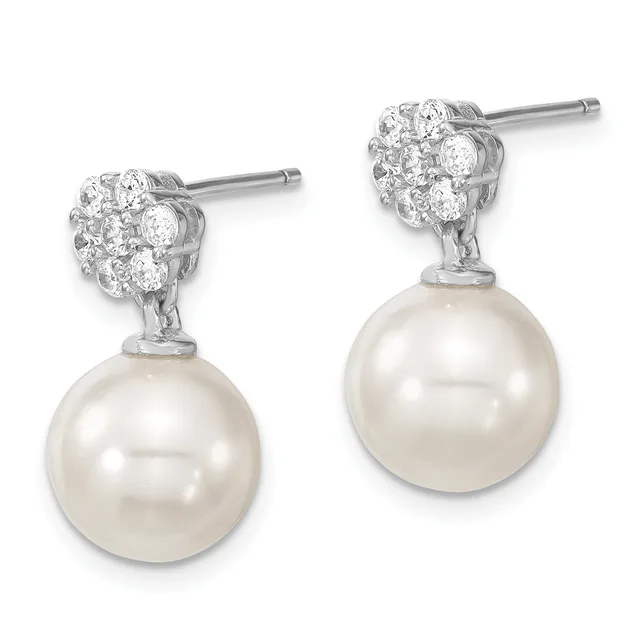
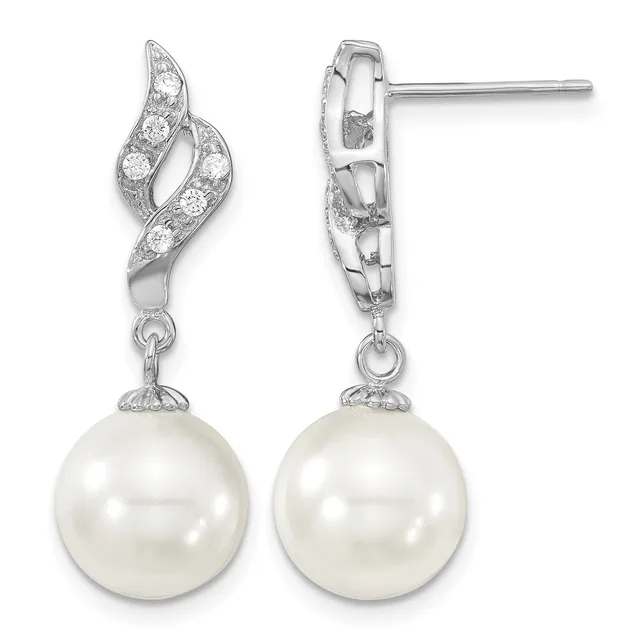
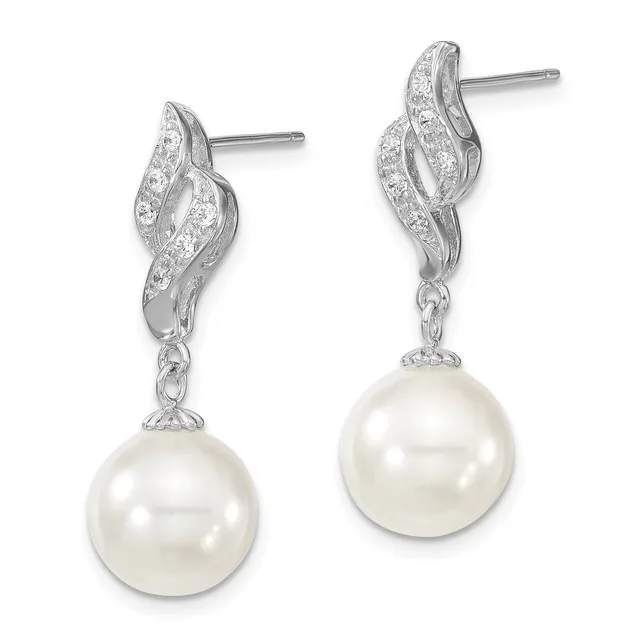
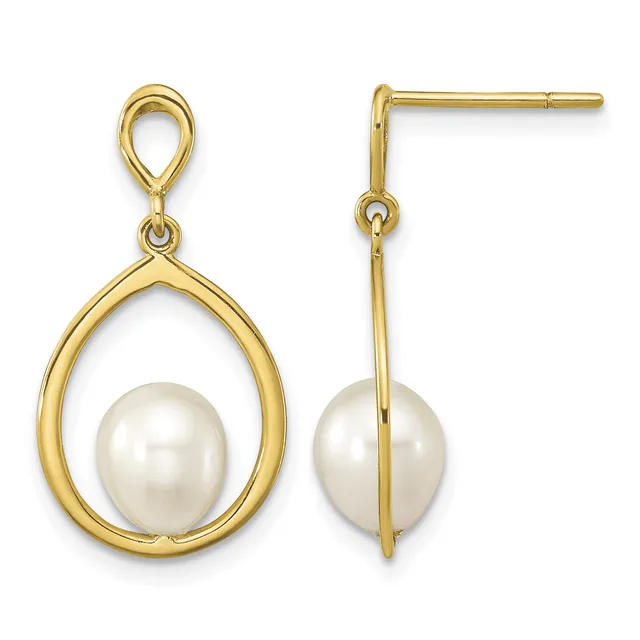
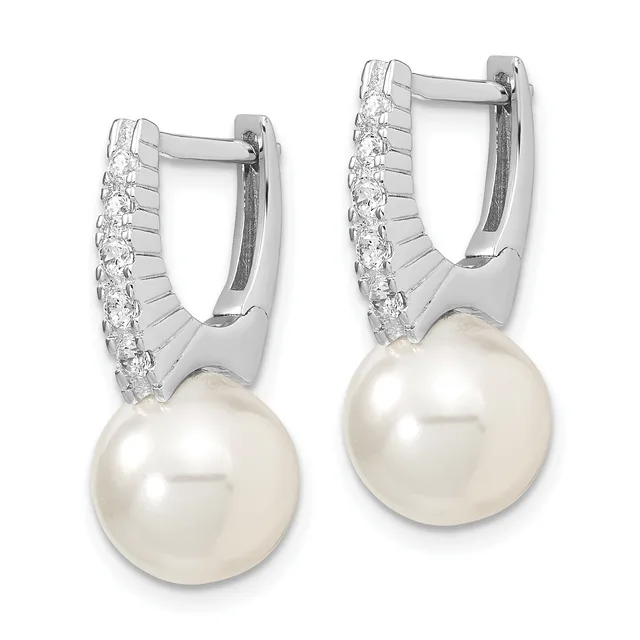
What sets these earrings apart
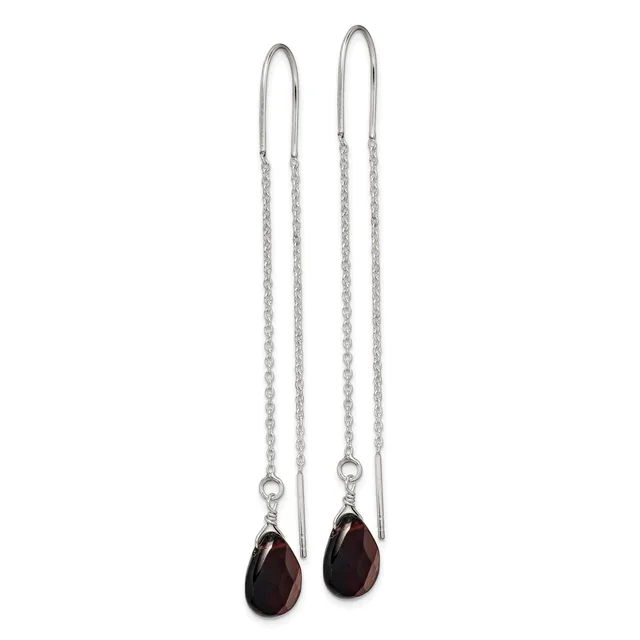
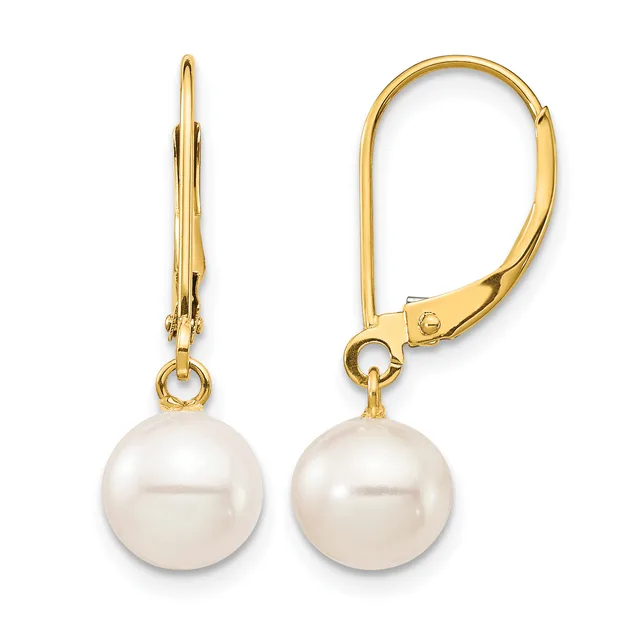
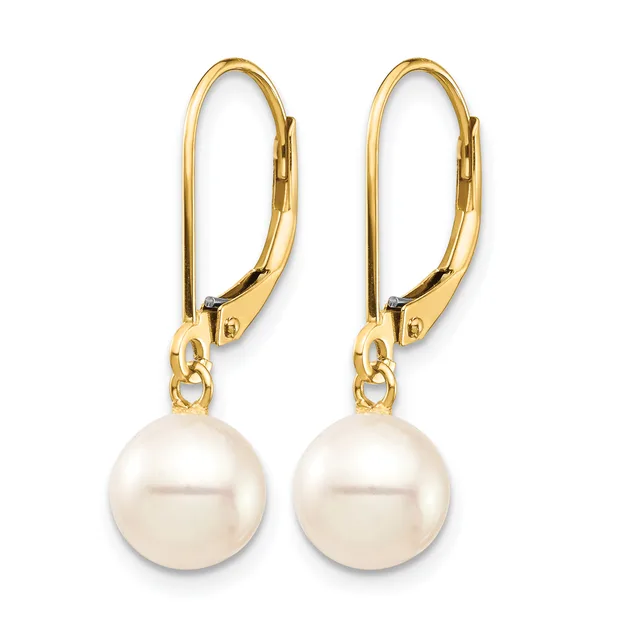
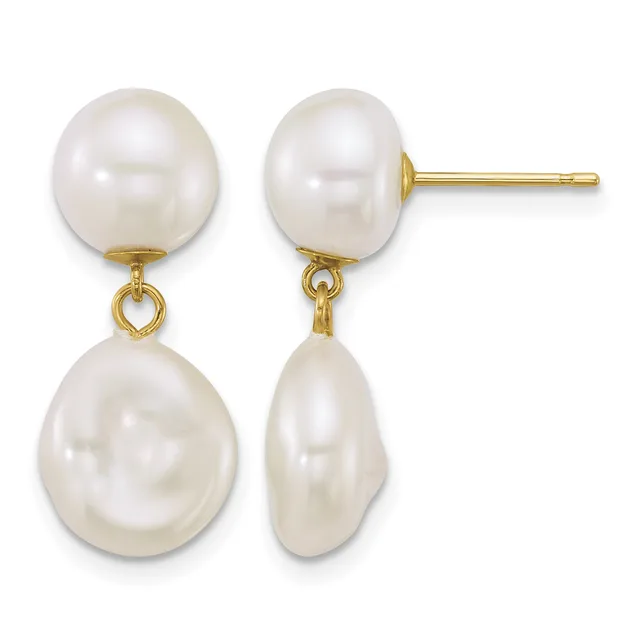
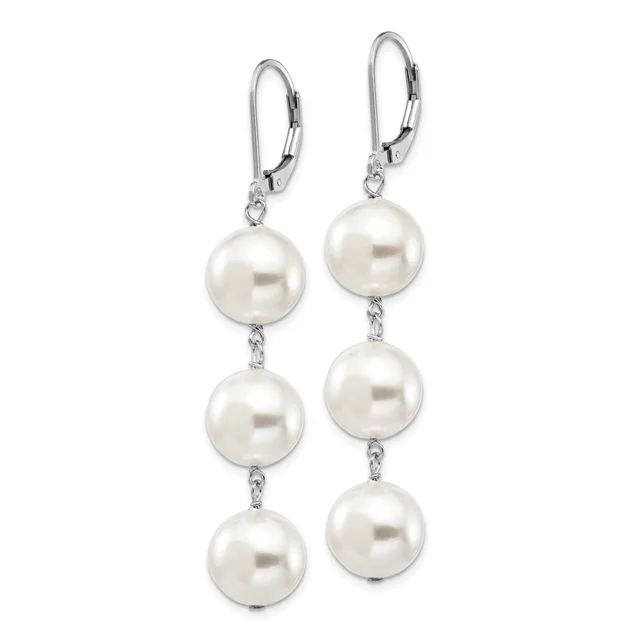
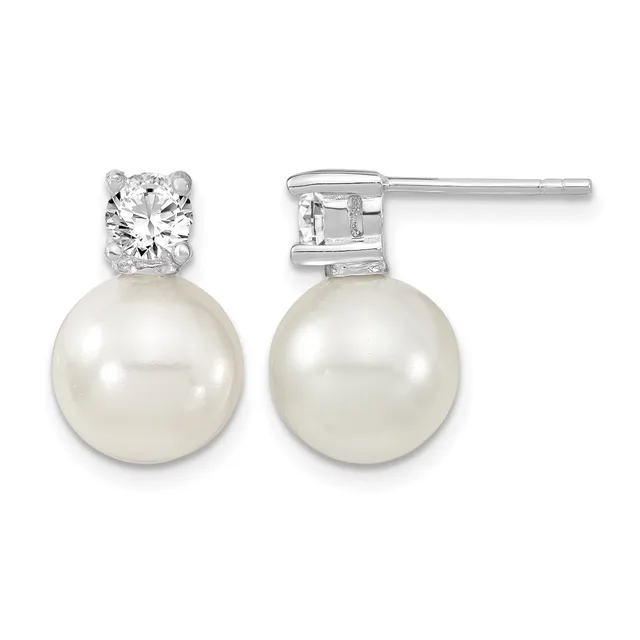
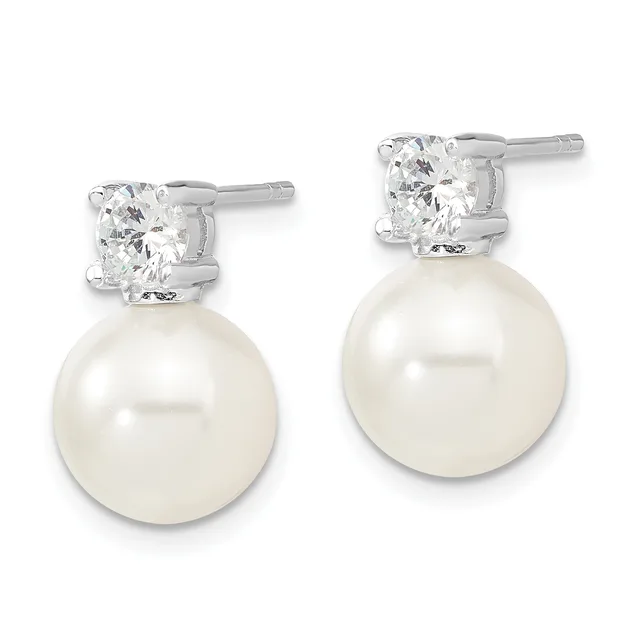
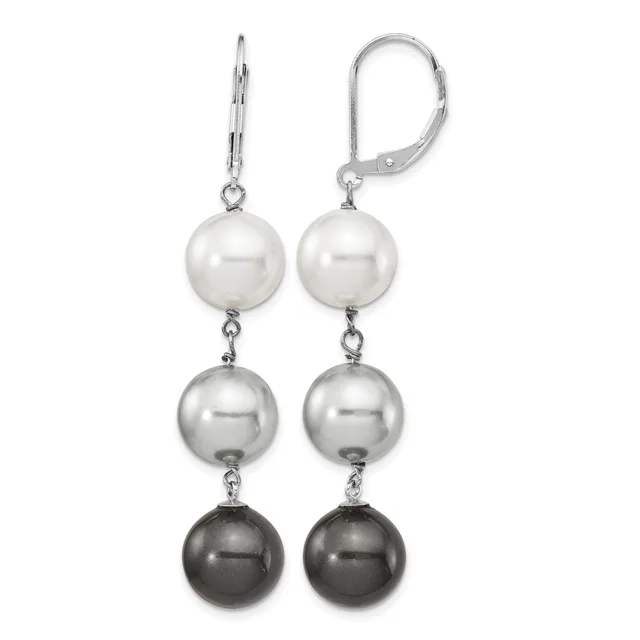
Pearls, natural stones, and shell each carry a surface quality that faceted gemstones do not: soft luster, organic texture, and a depth that shifts with the light rather than reflecting it sharply. That quality makes this category feel quieter and more wearable across a wide range of occasions than a comparable gemstone drop — dressed up or down without effort.
Within the selection you will find both drop and dangle silhouettes and hoop forms, so the choice is not only about the material but also about how the earring sits and moves at the ear.
Drops and dangles versus hoops
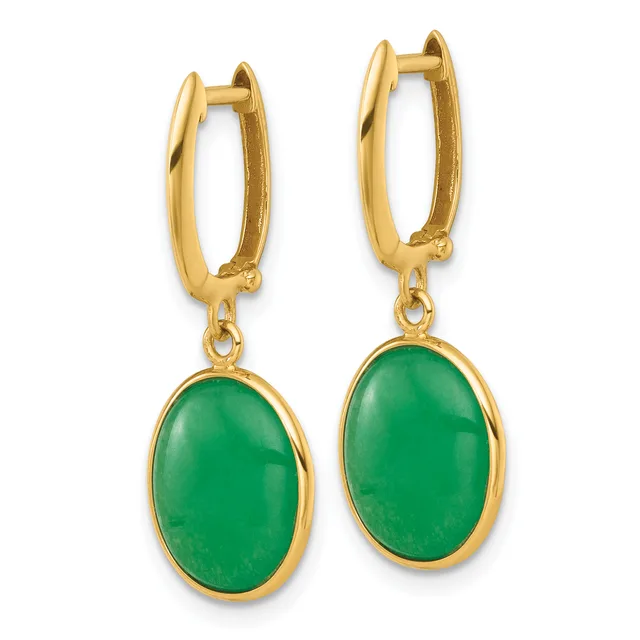
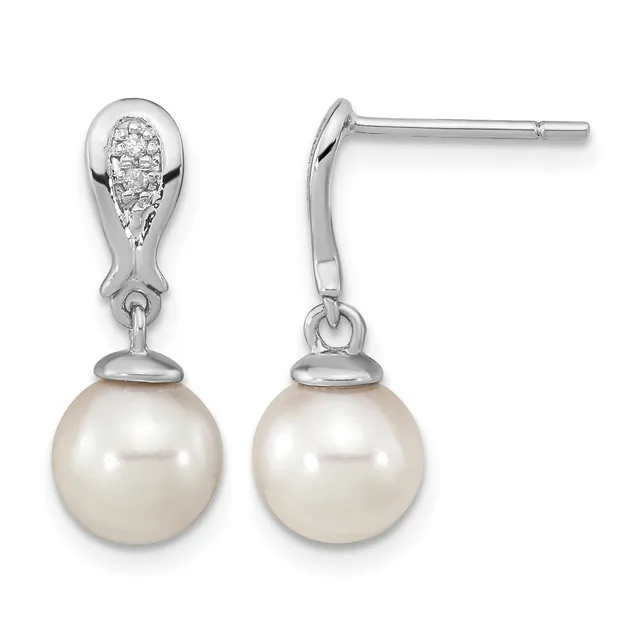
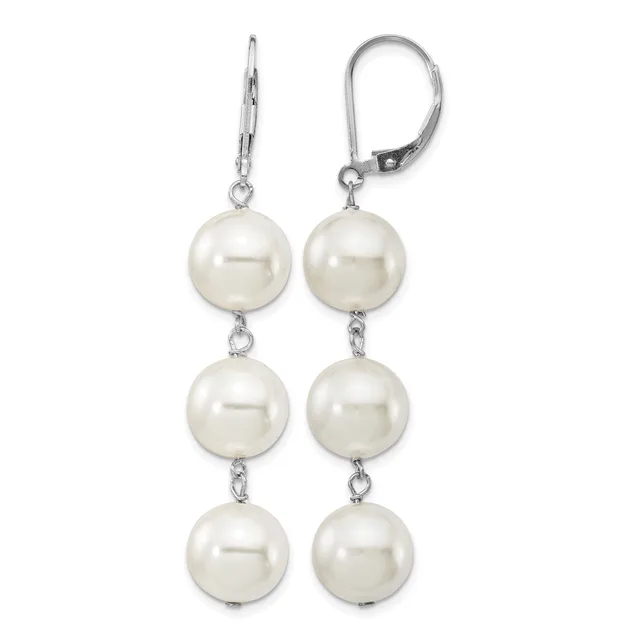
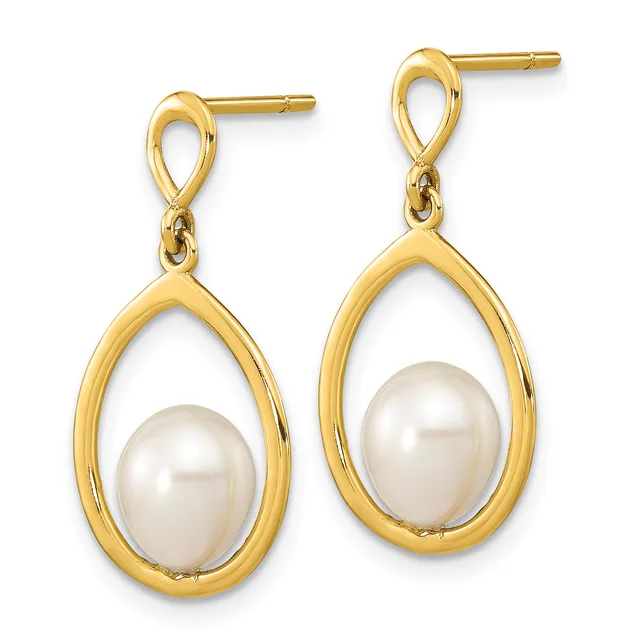
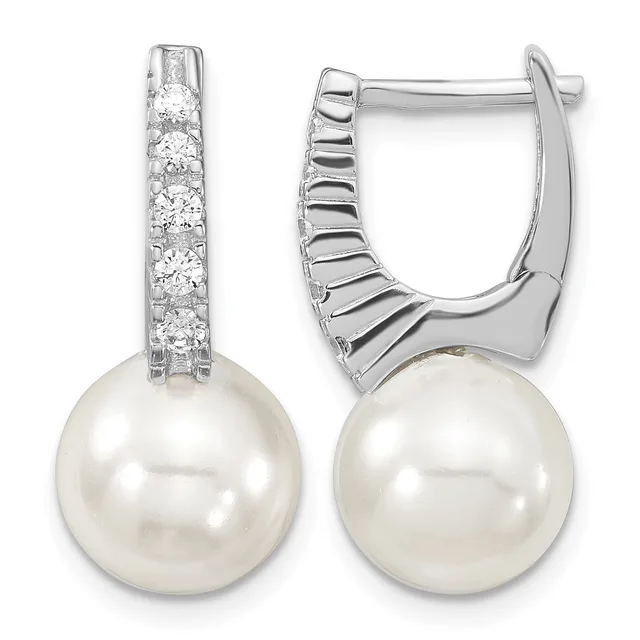
A drop or dangle earring hangs below the lobe, letting the stone or pearl catch light and movement as you turn. The length and the weight of the centerpiece determine how noticeable that motion is — a single pearl drop is subtle; a longer chain-set stone dangle is more present. Hoops with a natural-stone or shell accent sit closer to the face and read as a more structural, everyday shape, even when the material itself is delicate.
Understanding the materials
Pearl
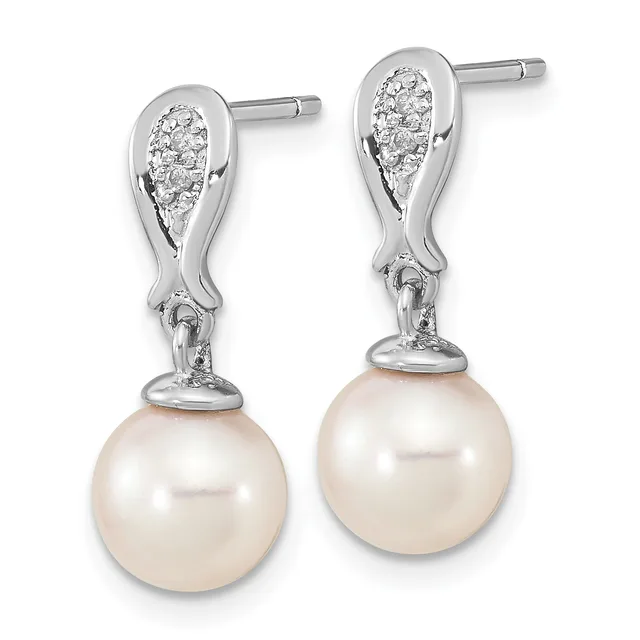
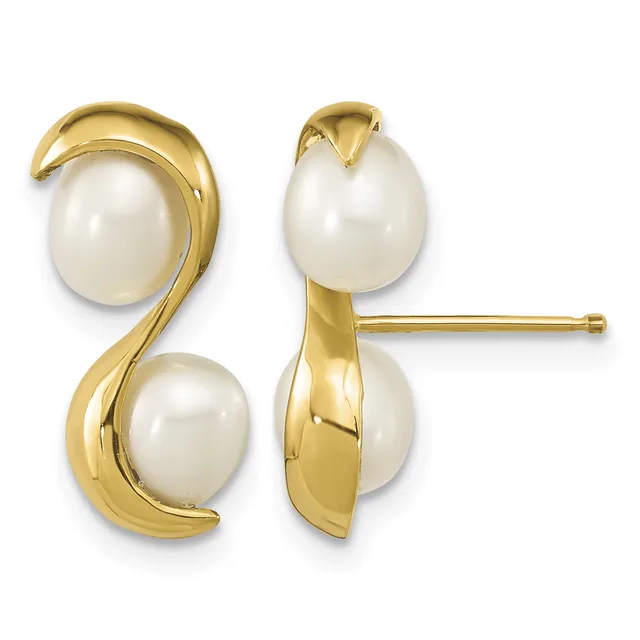
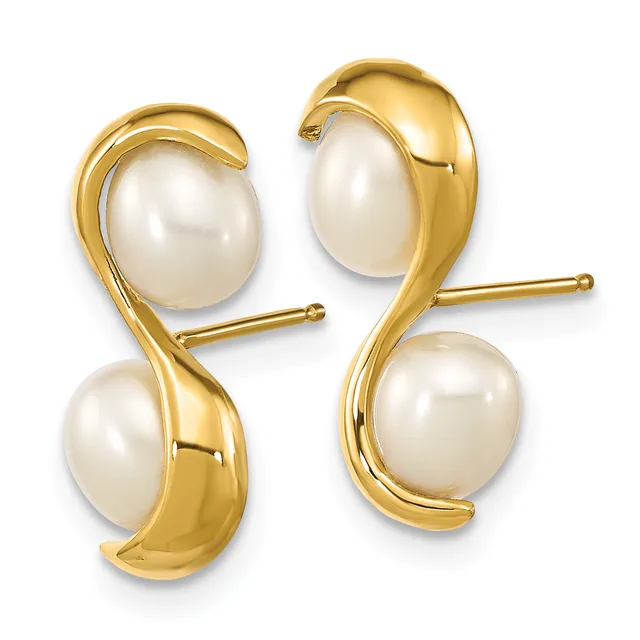
Pearl is a calcium-carbonate structure and softer than most gemstones, sitting at roughly 2.5–4.5 on the Mohs scale. It scratches if stored loose against metal or harder stones, and it is sensitive to acids — including perfume and hairspray. Put pearl earrings on last and wipe them gently with a soft cloth after wear to preserve their nacre.
Natural stone
Natural stone varies considerably in hardness and porosity depending on the variety, which affects how a piece wears daily. Harder stones resist surface scratching better; more porous varieties can absorb oils or moisture over time. If you are buying a natural-stone earring for everyday wear, ask which stone is set — the answer shapes how carefully you need to handle it.
Shell
Shell shares pearl's calcium-carbonate composition and similar care needs. Its appeal is a broad, luminous surface — often iridescent — at a more accessible weight and price point than pearl.
Fit and comfort
For drops and dangles, consider the total length against your face shape and hair length — a longer drop reads very differently on a short versus long neck. Weight matters for all-day wear: shell tends to be lighter than a comparable stone, and a single pearl is lighter than a cluster. If you have sensitive ears, check the post or wire material before purchasing, as the finding metal is often different from the decorative metal shown in the main image.
Frequently asked questions
Are pearls in this category real or simulated?
The category is described as natural-stone and pearl, which covers genuine pearl materials rather than glass or plastic simulants. If the distinction matters to you, check the individual product description for confirmation of pearl type.
How should I store pearl or shell earrings to avoid damage?
Keep them in a separate soft pouch or a lined compartment away from harder jewelry. Both pearl and shell sit low on the Mohs hardness scale and will scratch if they rub against metal or gemstones in a shared drawer.
Can I wear these earrings every day?
Hoop styles with shell or stone accents tend to suit daily wear well given their close-to-the-ear fit. Longer pearl or stone dangles are more delicate — removing them before exercise, swimming, or applying products will extend their life considerably.
The price range here is very wide — what accounts for the difference?
The material, the metal karat, and the complexity of the setting all move the price. A simple shell accent on a base-metal finding sits at the lower end; a fine pearl or natural stone set in higher-karat gold reaches the upper end.
Do natural stones in earrings require any special cleaning?
A soft, barely damp cloth is safe for most natural stones; avoid ultrasonic cleaners and harsh chemicals, which can affect porous stones or loosen settings. When in doubt, dry-wipe only.