
How the Styles Here Differ
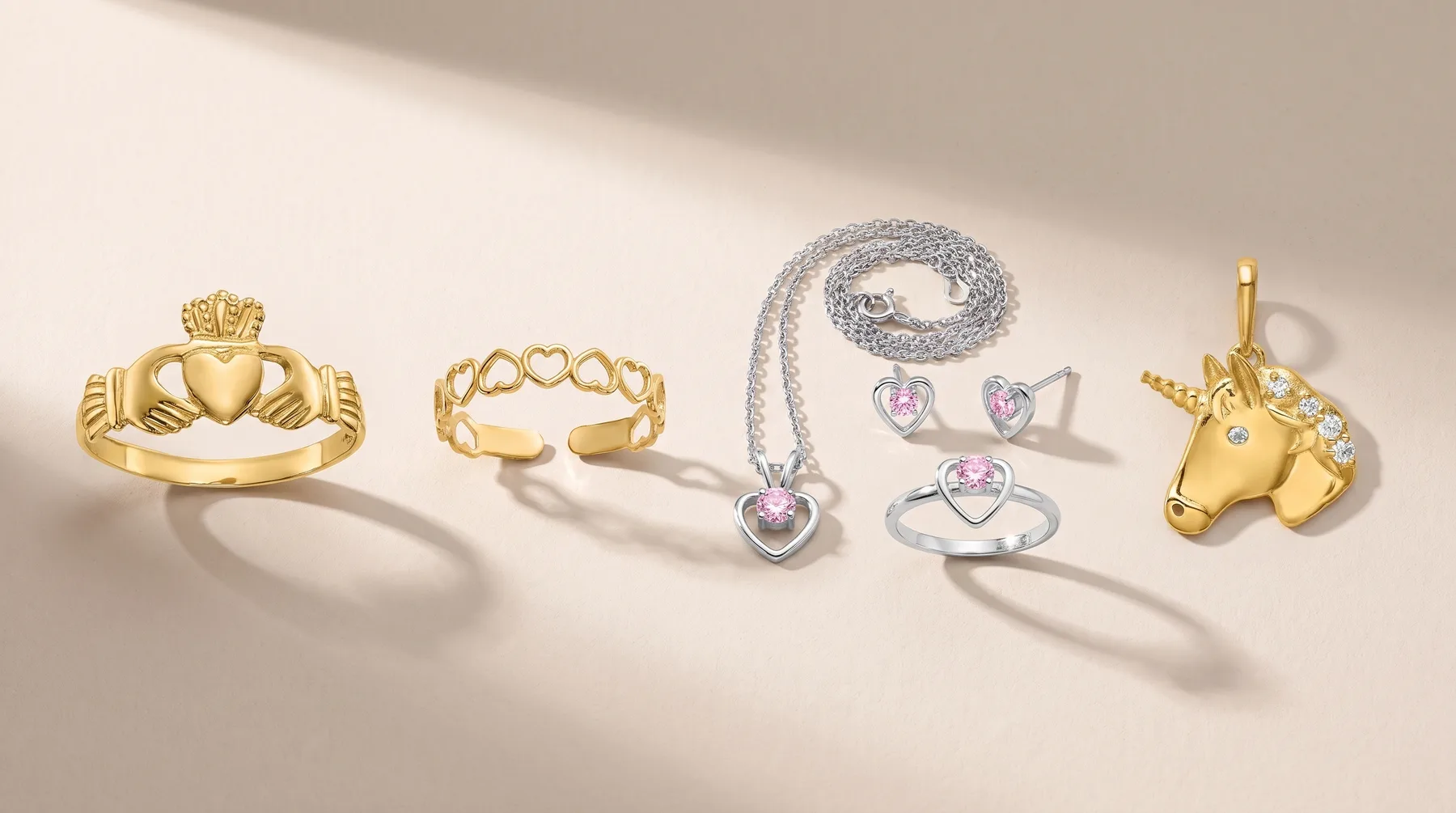
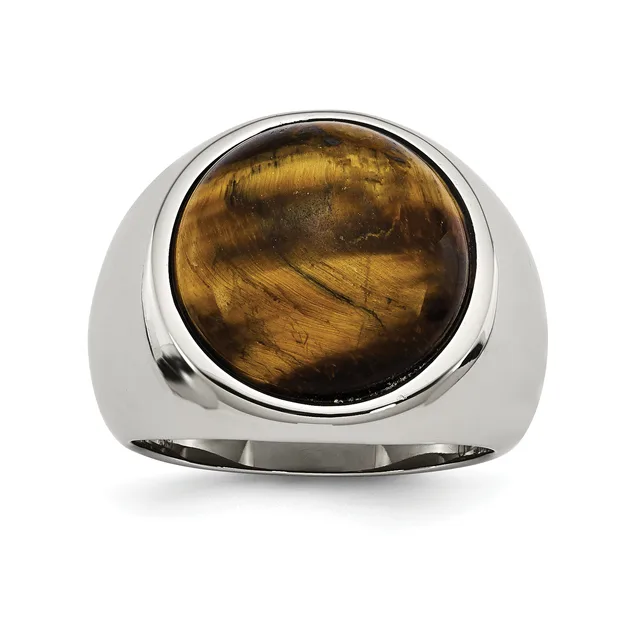
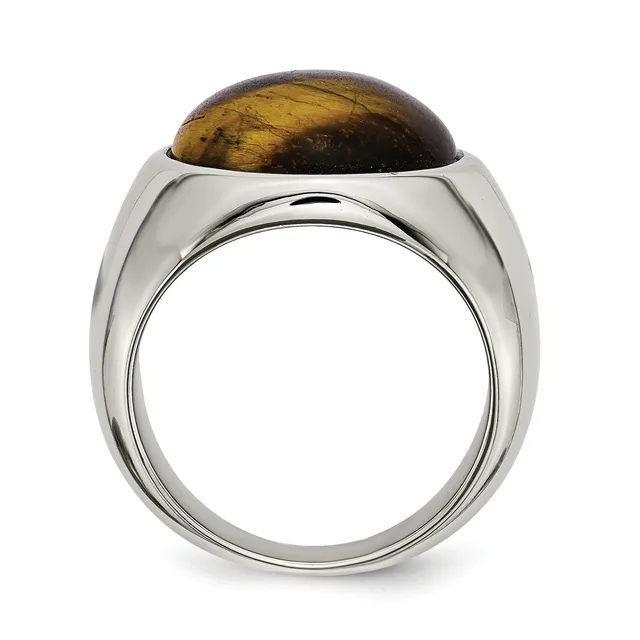
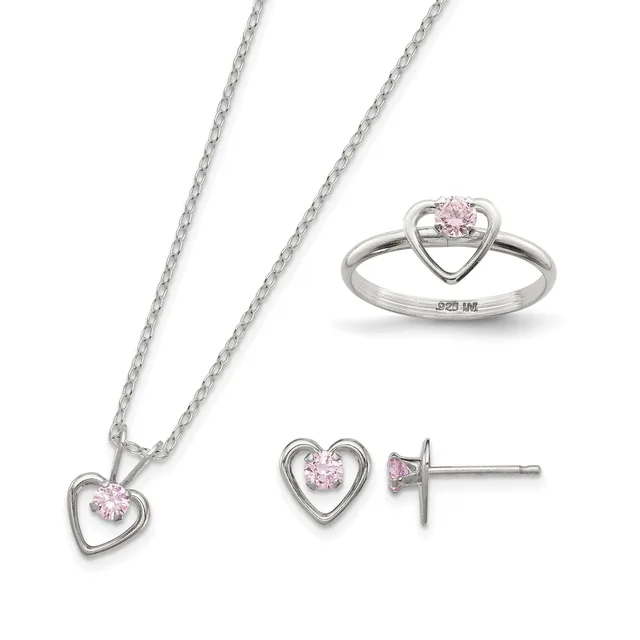
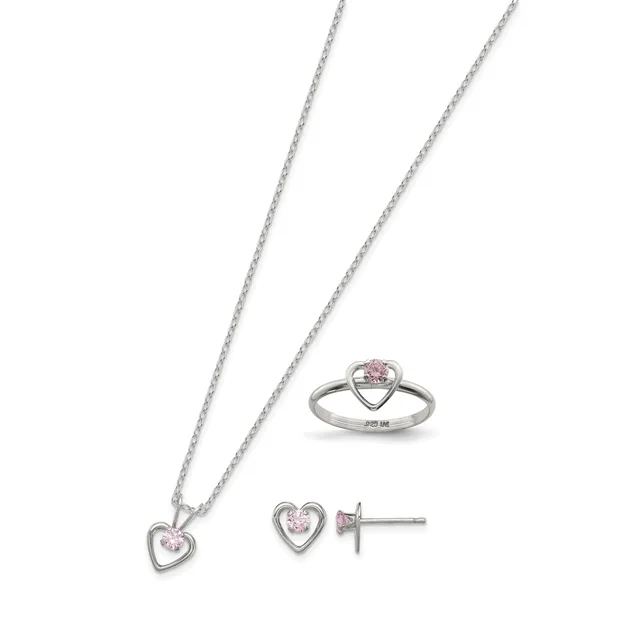
The rings in this collection range from motif-driven pieces — hearts, Celtic knotwork, mythical imagery — to simpler bands designed to be worn in combination. Some are built for adults; others are scaled and proportioned for children and infants, with shank widths and sizing that suit smaller hands from the earliest years. Knowing which end of that spectrum you are shopping shapes everything else: the metal, the stone size, and the weight all shift accordingly.
What the Metal Choice Means in Daily Wear
Gold karat directly affects durability and colour depth. Higher-karat gold is richer in hue but slightly softer, making it better suited to occasional or dress wear. Lower-karat alloys — because they contain a greater proportion of harder base metals — resist scratching and deformation more readily, which suits a ring worn every day or by an active child. Sterling silver offers a bright, cool tone at a lighter weight, though it will develop a patina over time and benefits from occasional polishing with a soft, dry cloth. When choosing for a child, a lower-profile setting reduces the chance of the stone catching on clothing or furniture.
Motif and Meaning
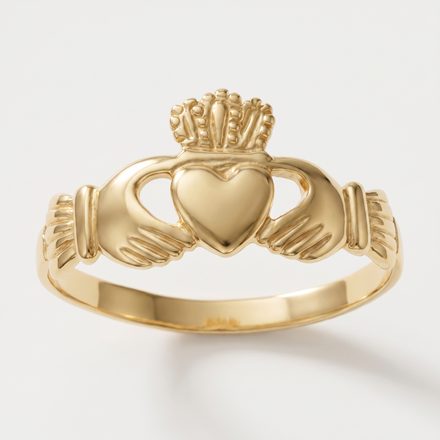
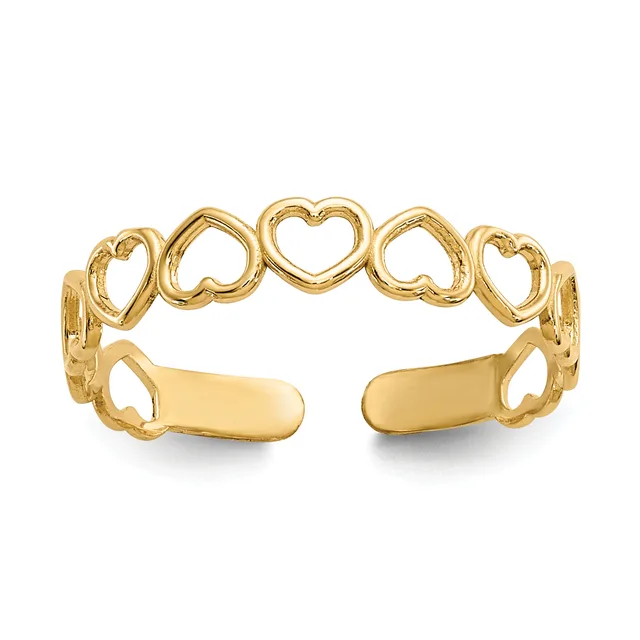
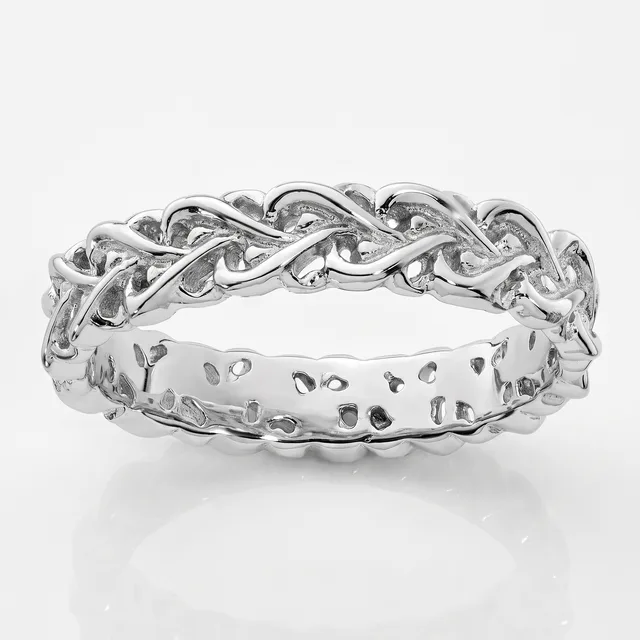
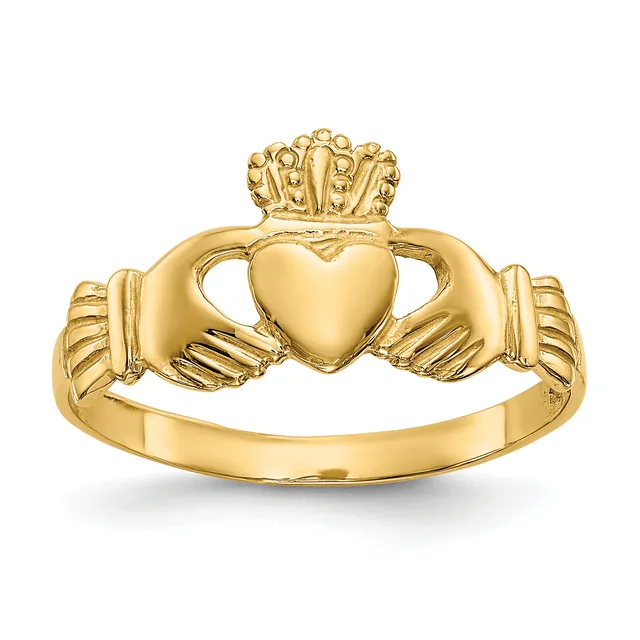
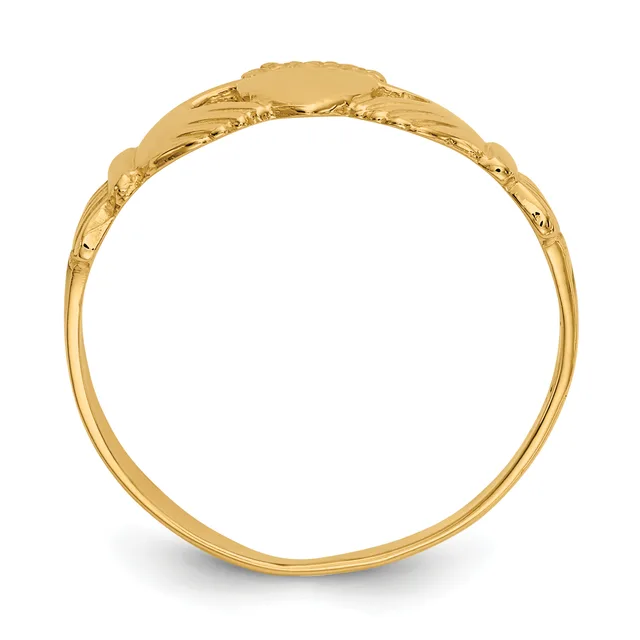
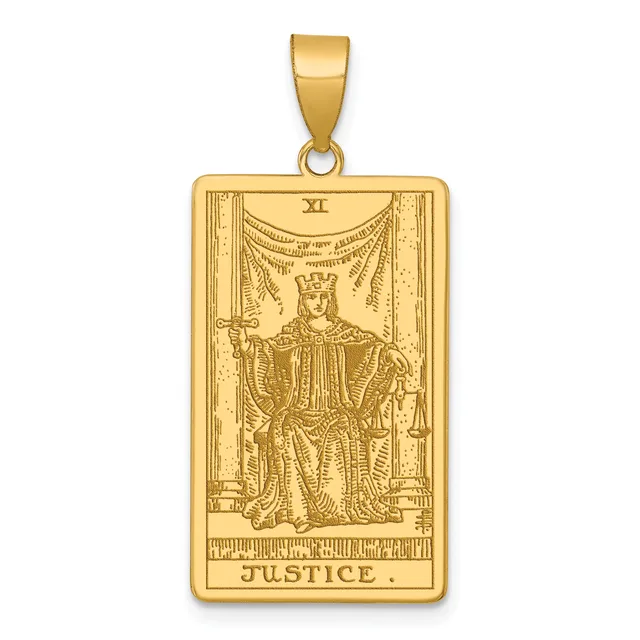
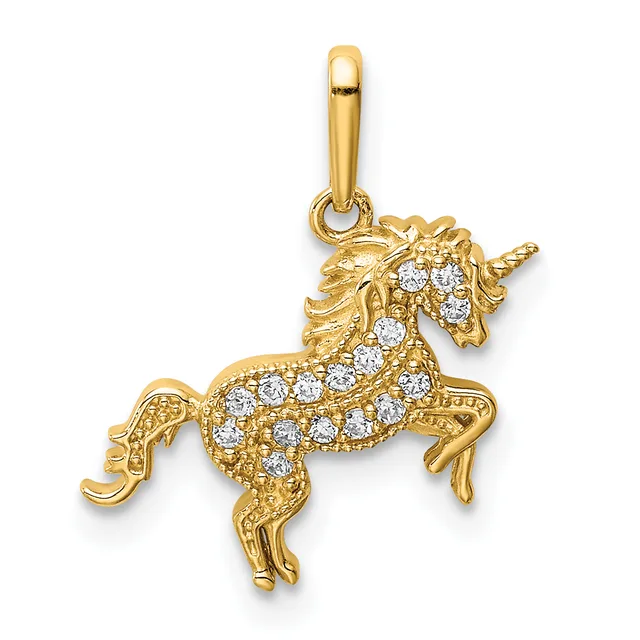
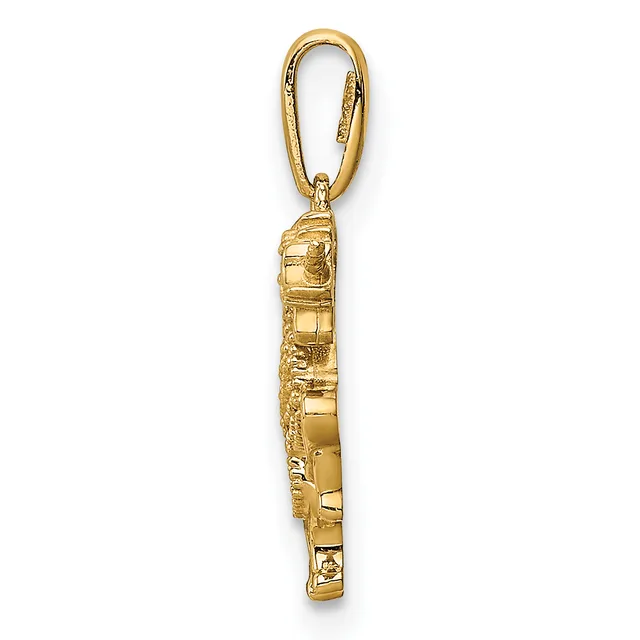
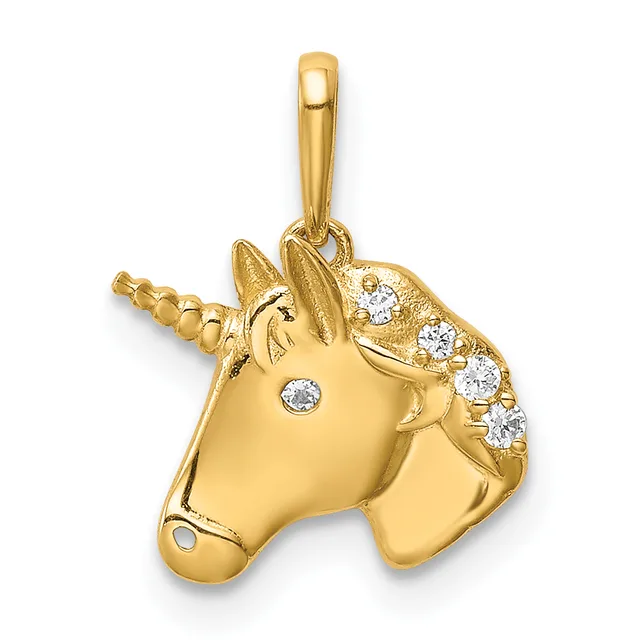
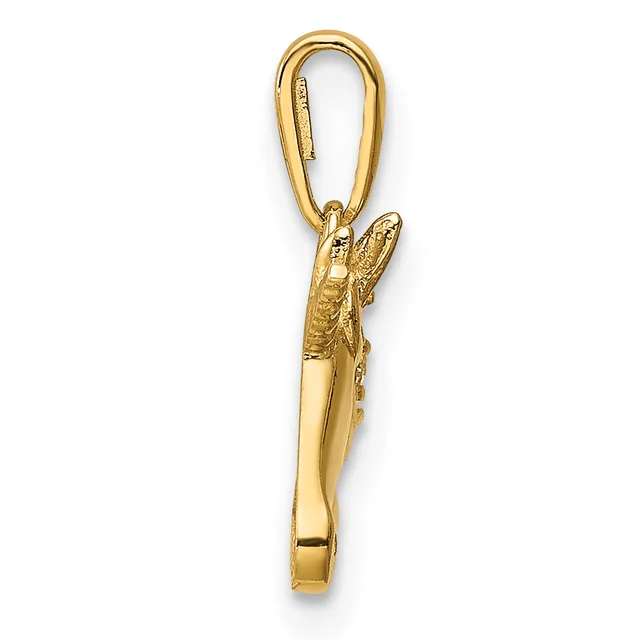
Several pieces here draw on established symbolic traditions — the Claddagh ring, for instance, carries a specific grammar: hands for friendship, a heart for love, a crown for loyalty, and the way it is worn on the hand signals relationship status by convention. Celtic knotwork has similarly documented roots in interlace ornament. Pieces with these histories can serve as gifts with a legible meaning, or simply as design choices; either reading is valid. Heart motifs and themed imagery — including mythical subjects — sit at the more personal, expressive end of the range and work well as gifts for children or for collectors of character-driven jewellery.
Fit, Sizing, and Stacking
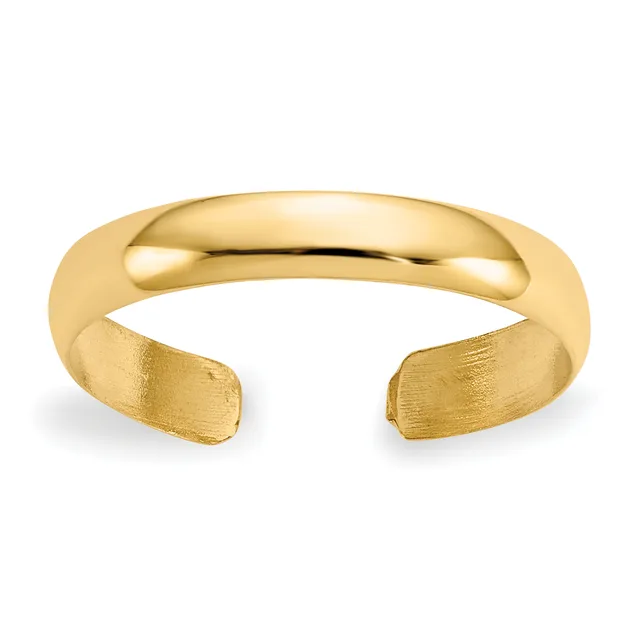
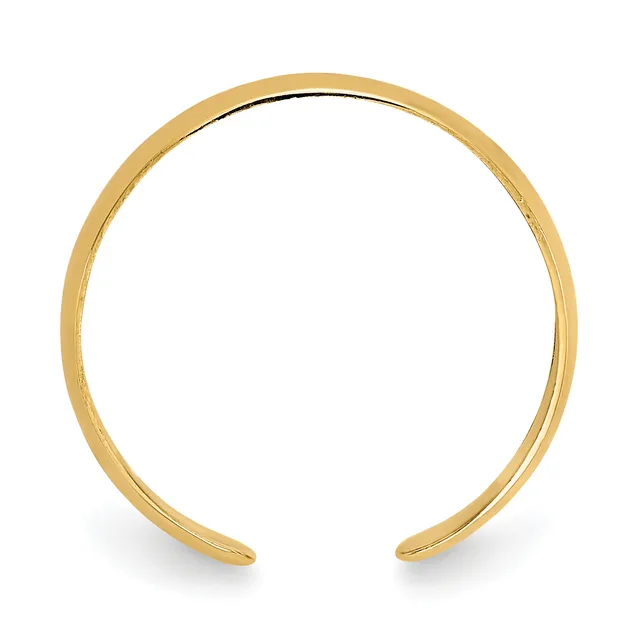
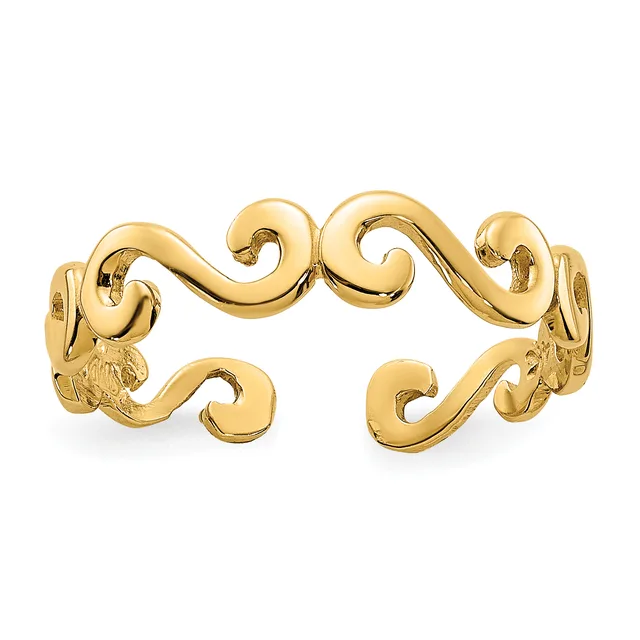
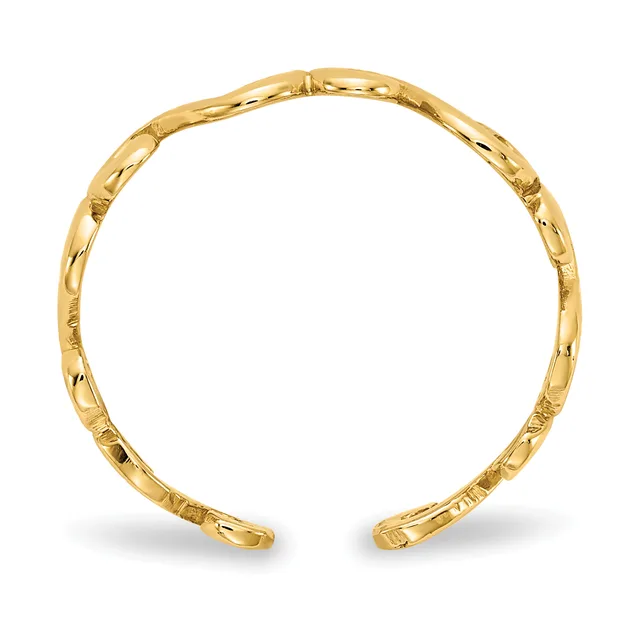
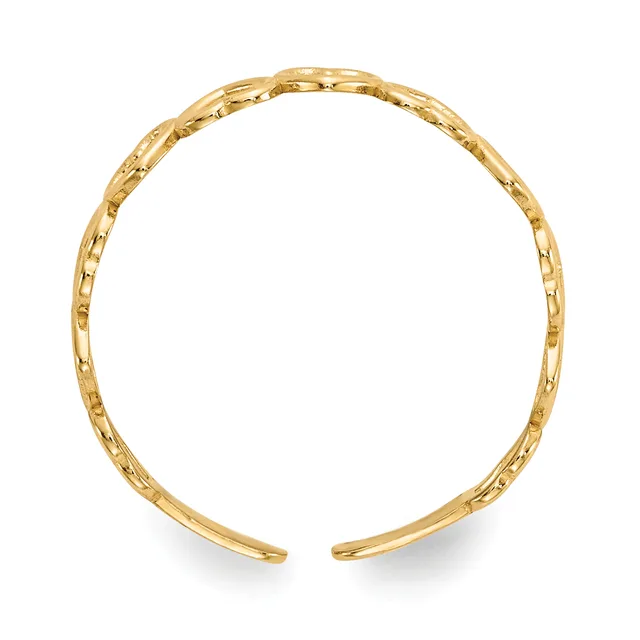
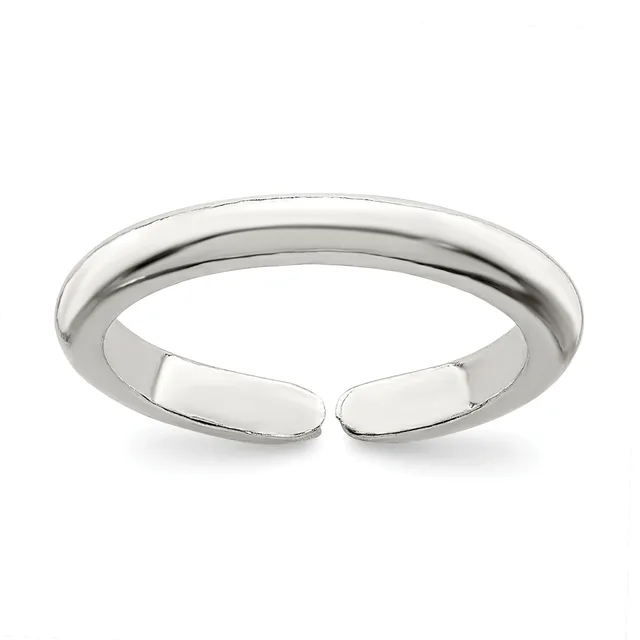
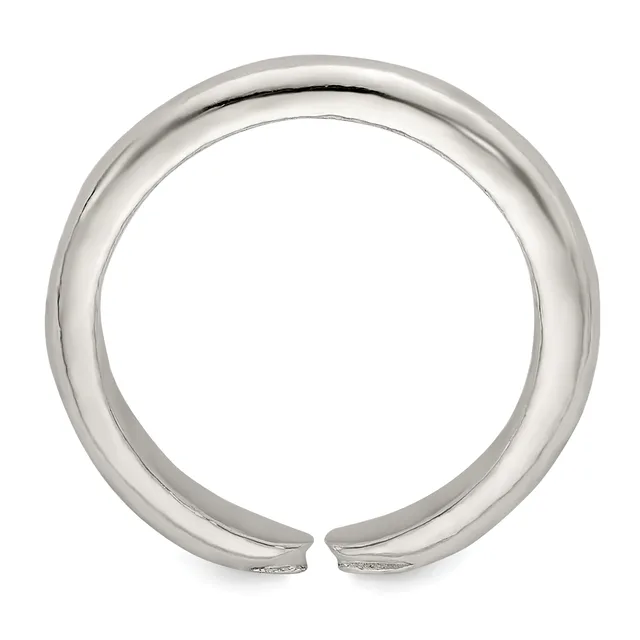
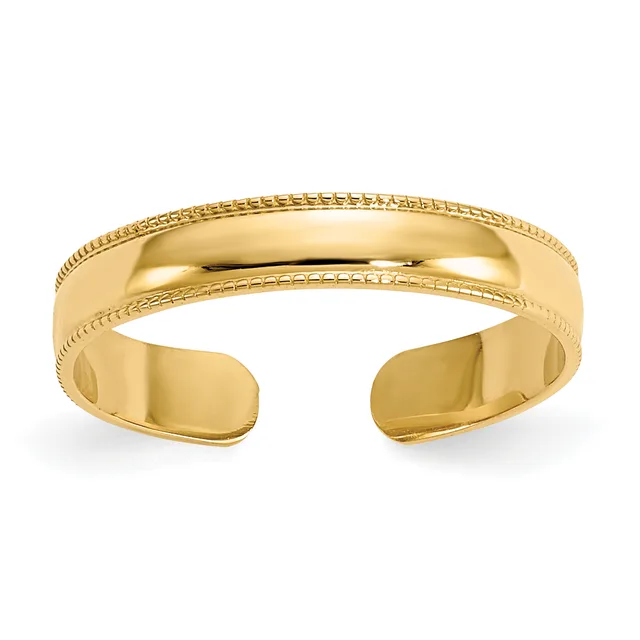
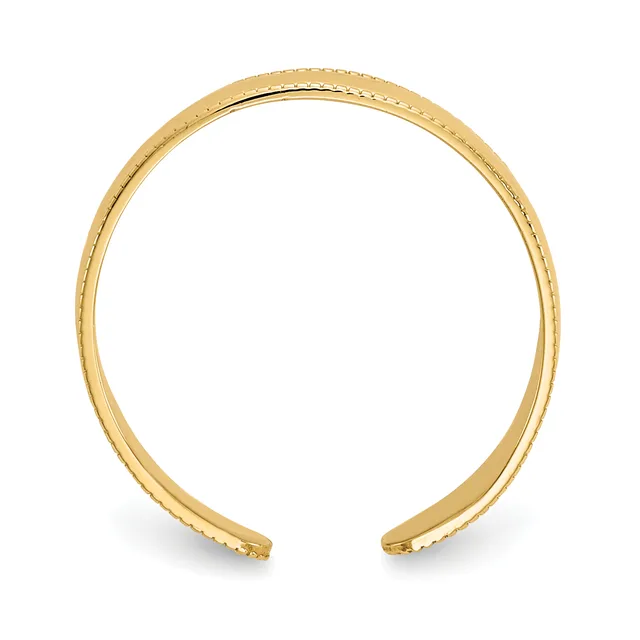
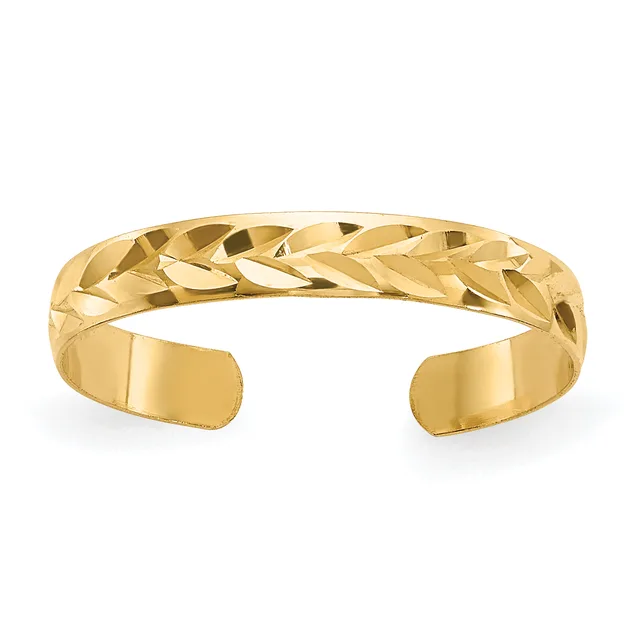
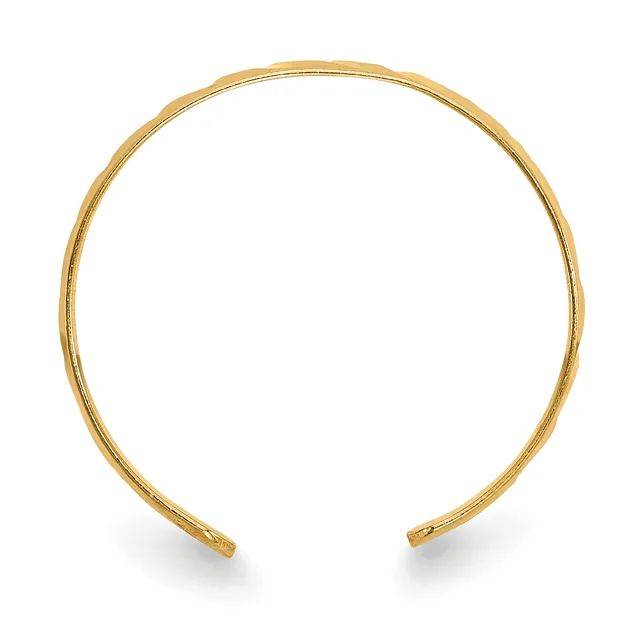
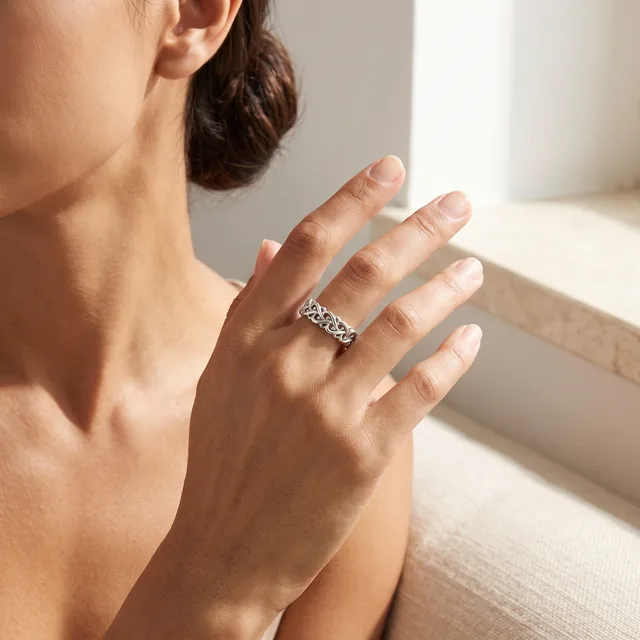
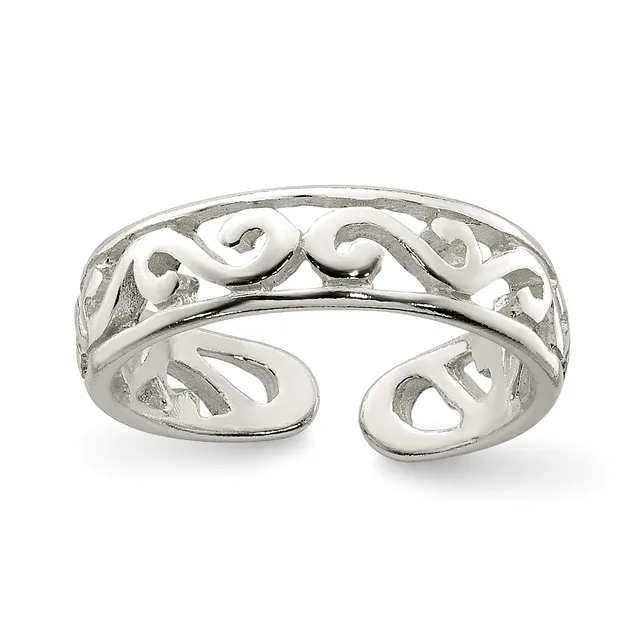
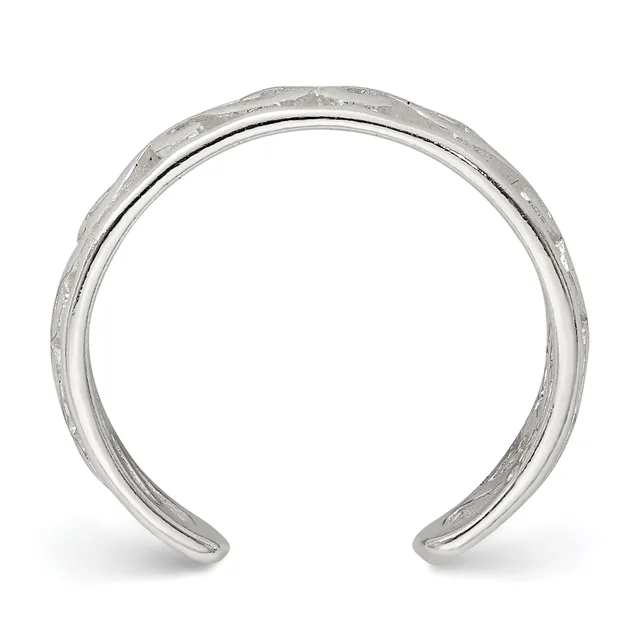
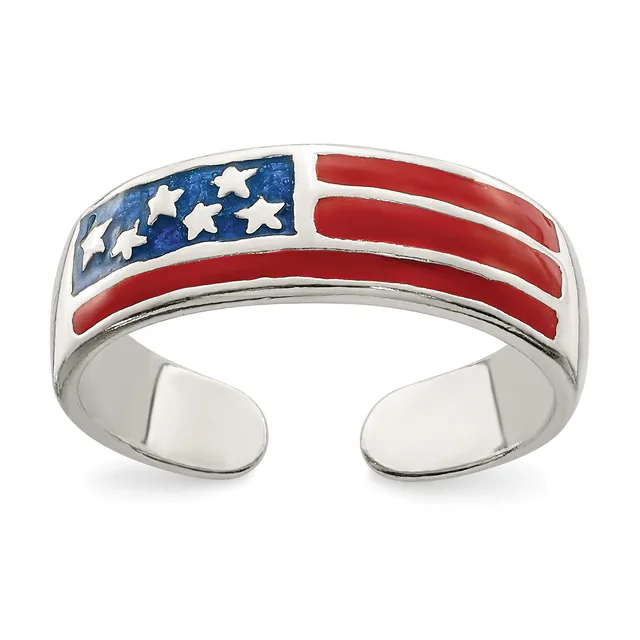
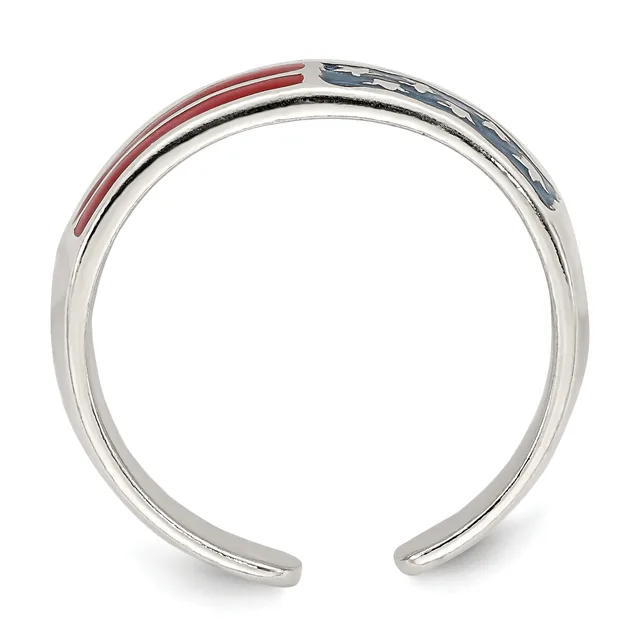
Ring sizing matters more than in any other jewellery category because an ill-fitting ring is either uncomfortable or easily lost. For children, it is worth measuring closer to the time of gifting, as hand size changes quickly. Stackable styles are designed with a lower profile and a relatively straight or lightly curved shank so that multiple rings sit flush against one another without gaps or pinching. When building a stack, mixing widths — one wider band with one or two finer ones — creates visual contrast without bulk. Toe rings, where present, are sized differently from finger rings and are typically open-band or adjustable to accommodate the joint.
Frequently asked questions
Are there rings here suitable for young children or infants?
Yes — the collection includes pieces sized and designed specifically for babies and children, with proportions suited to smaller hands. These are distinct from the adult styles in both scale and construction.
What is a Claddagh ring and how is it worn?
A Claddagh ring is an Irish ring featuring two hands holding a crowned heart. By tradition, worn on the right hand with the heart pointing outward signals that the wearer is single; heart pointing inward indicates a relationship; worn on the left hand, it typically denotes engagement or marriage.
How do I choose the right metal for a ring I plan to wear every day?
Lower-karat gold alloys and sterling silver tend to withstand daily wear well because the alloy composition adds hardness. Higher-karat gold is softer and better suited to pieces worn for occasions rather than continuously.
Can stackable rings be mixed with rings from different parts of the collection?
Stackable rings are designed with a low, flush profile that pairs well with other slim bands. The main practical consideration is matching shank curvature so rings sit evenly side by side without rocking.
How should I care for a sterling silver ring to keep it bright?
Wipe sterling silver dry after contact with water and store it in a closed pouch or box to limit air exposure, which causes tarnish. A soft polishing cloth removes light tarnish; avoid abrasive materials that can scratch the surface.