
Enameled vs. Non-Enameled Pendants
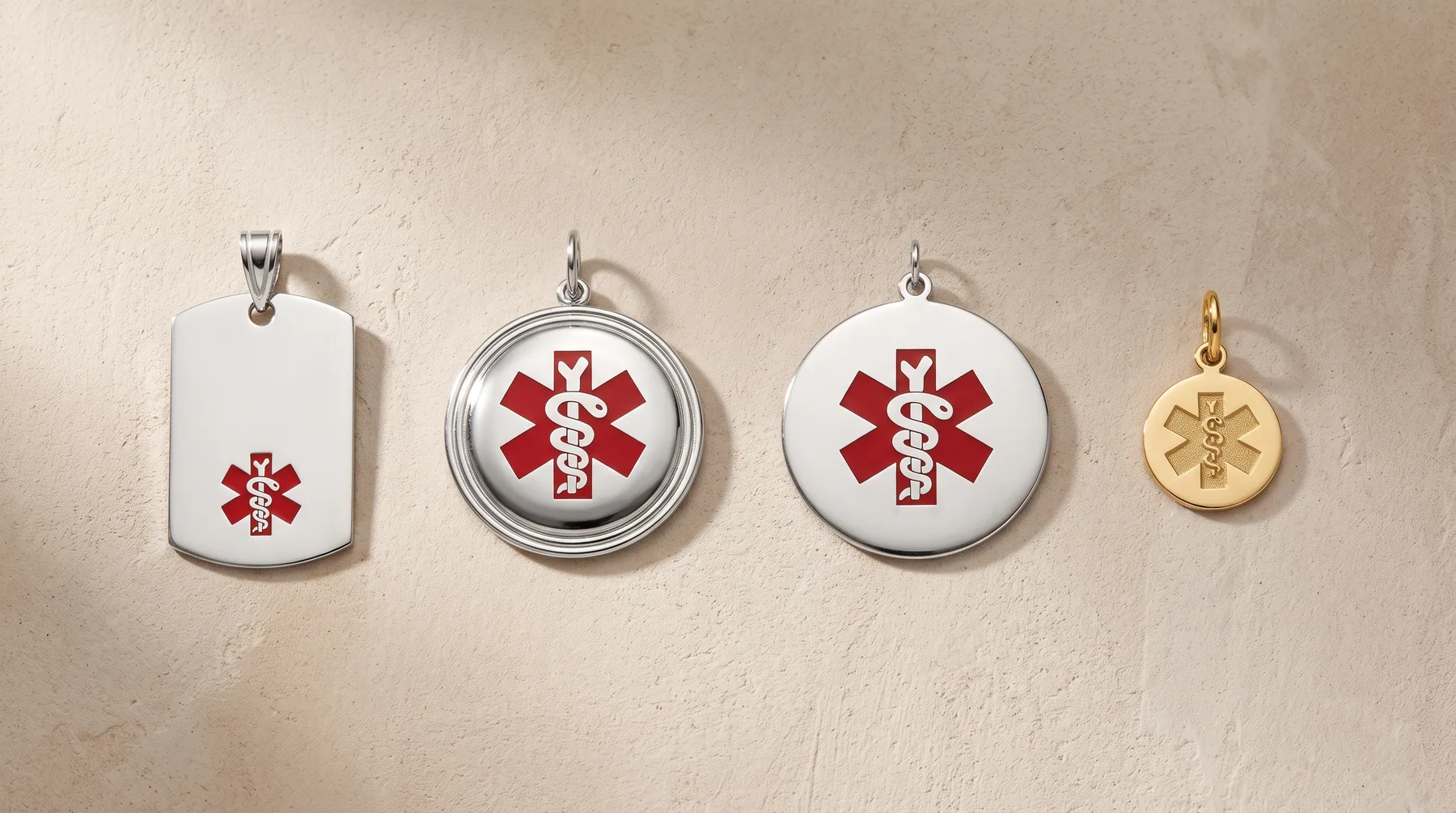
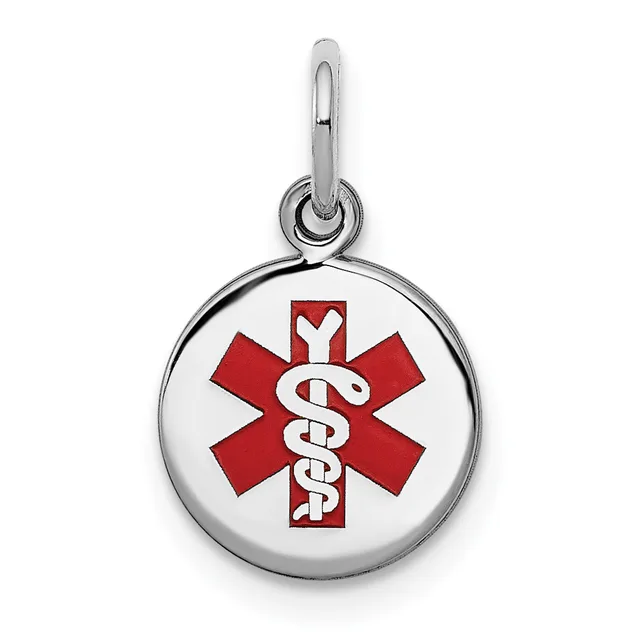
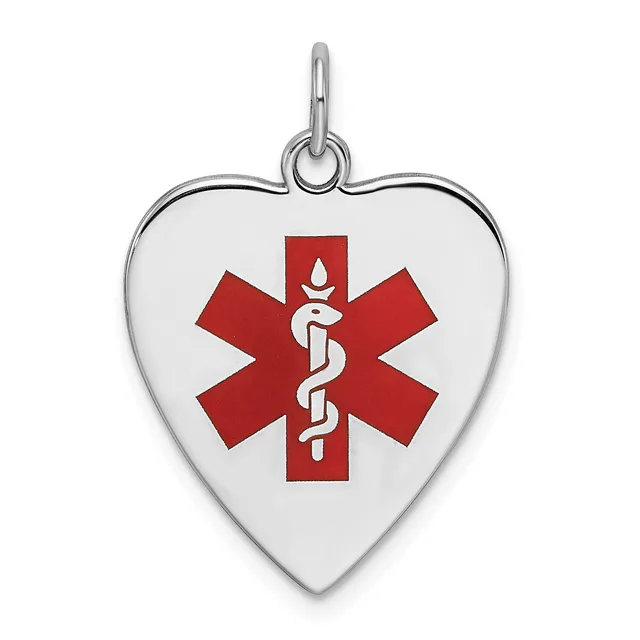
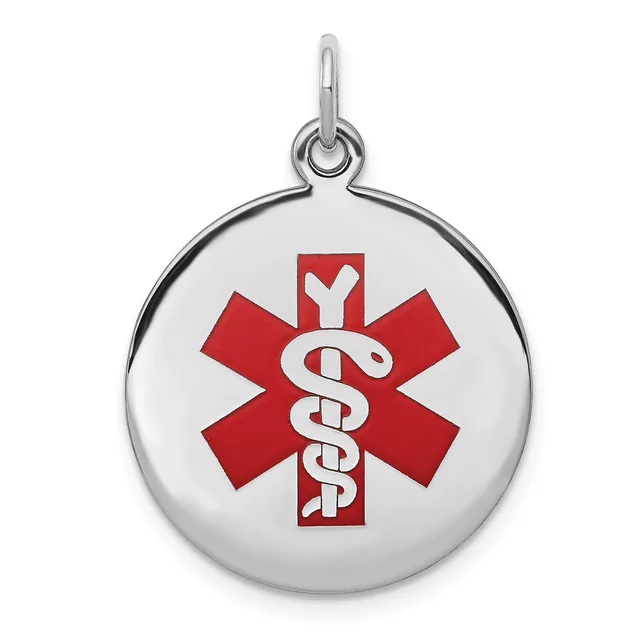
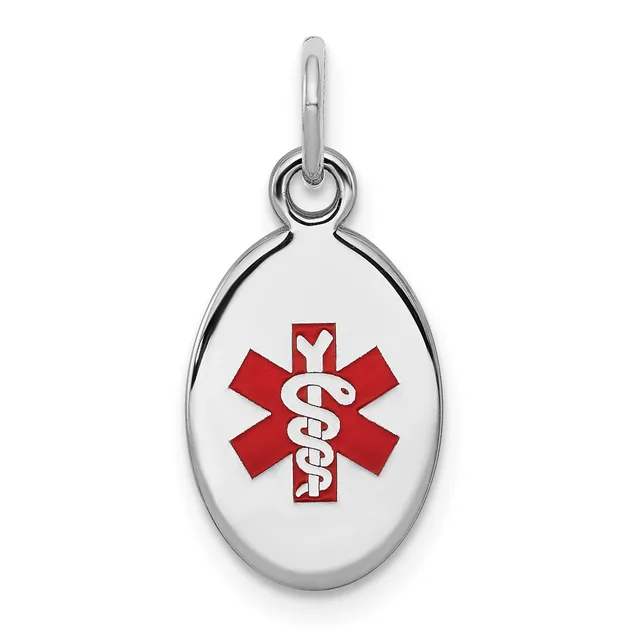
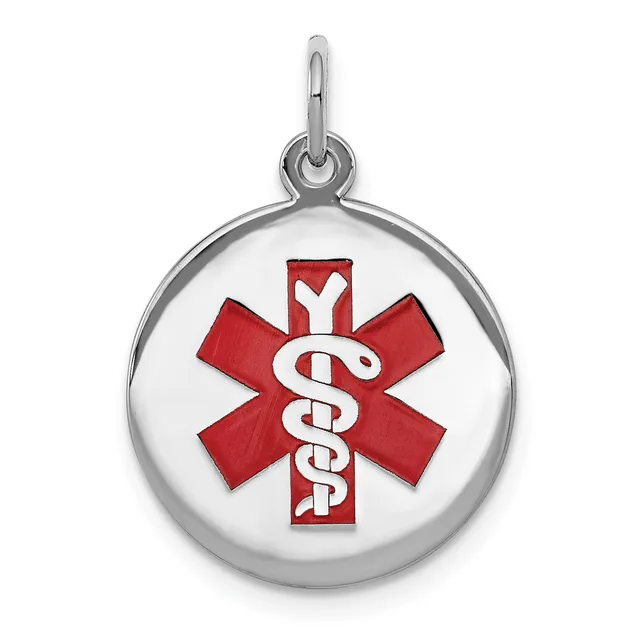
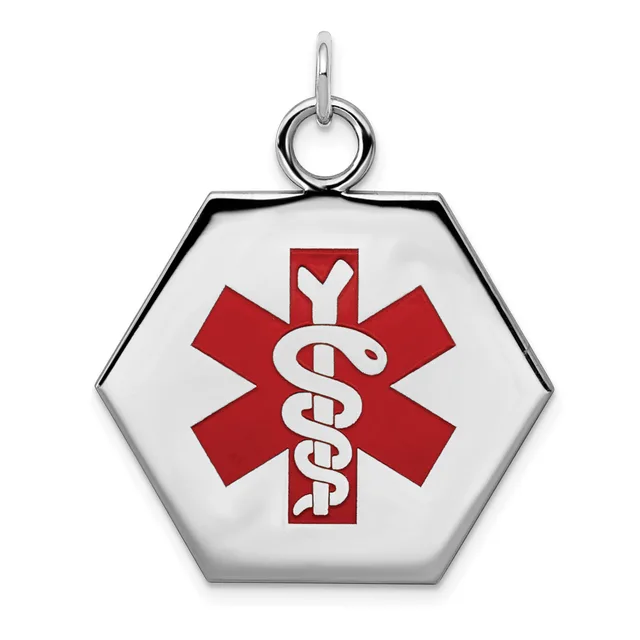
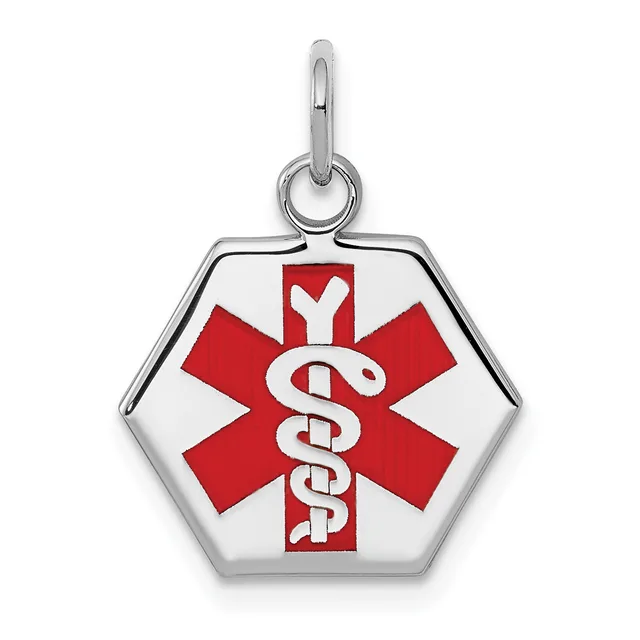
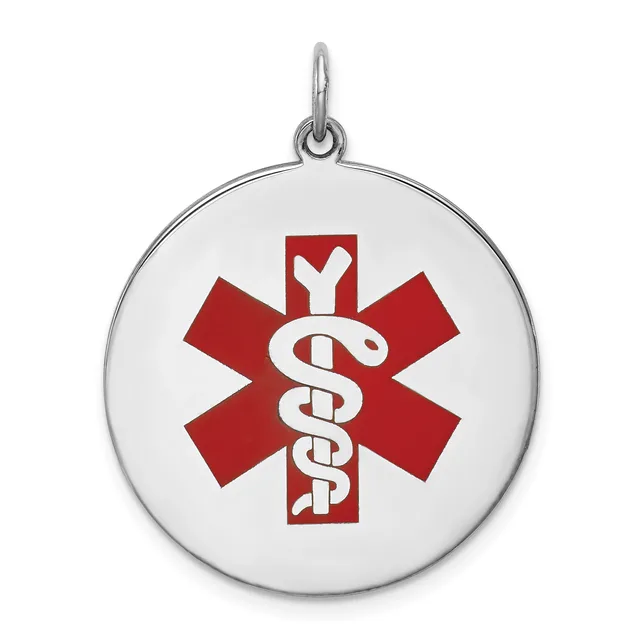
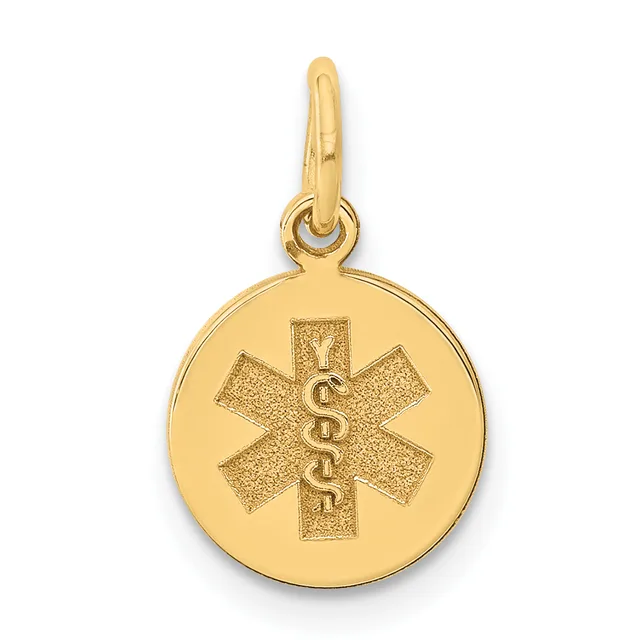
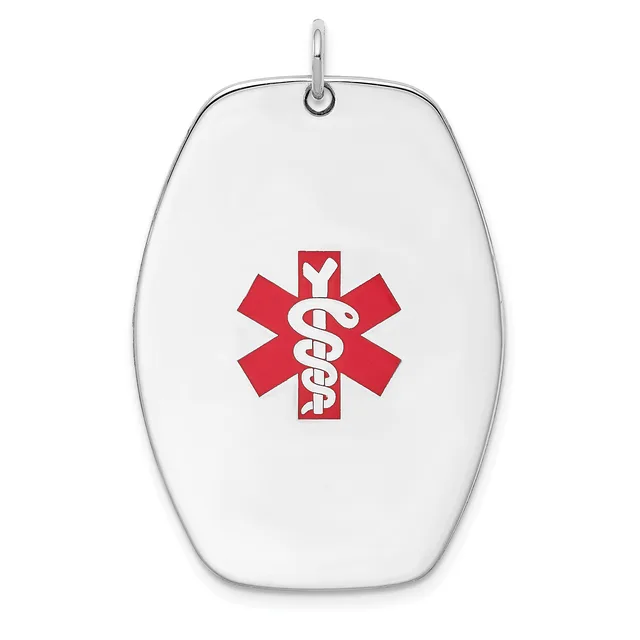
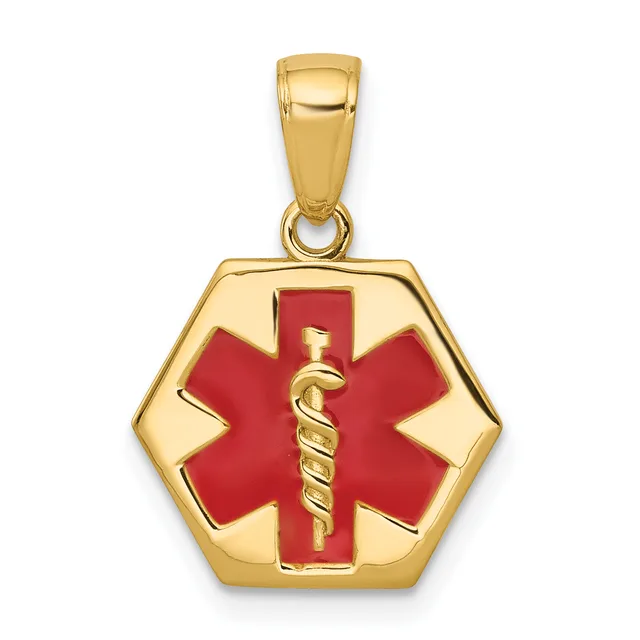
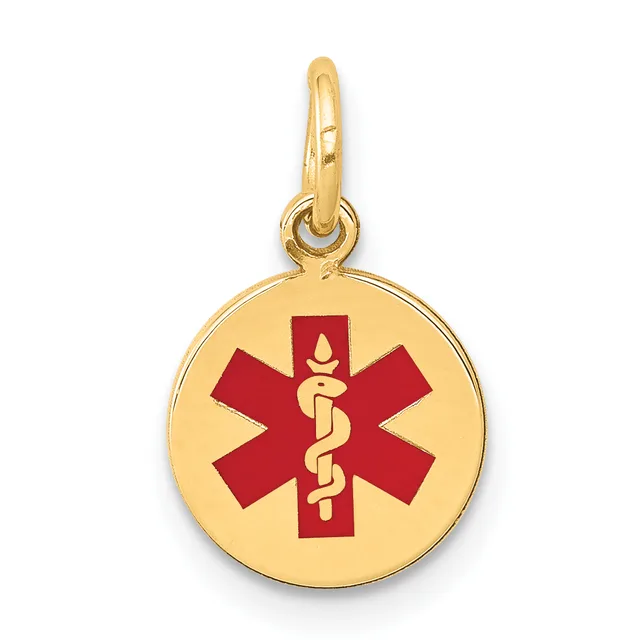
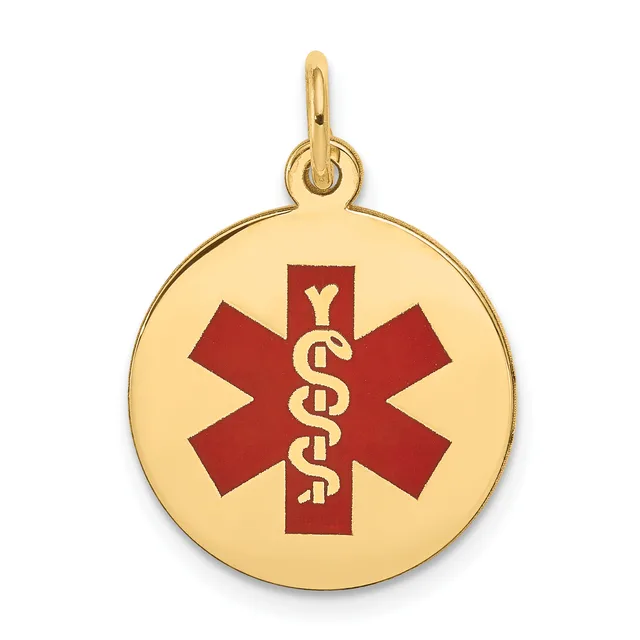
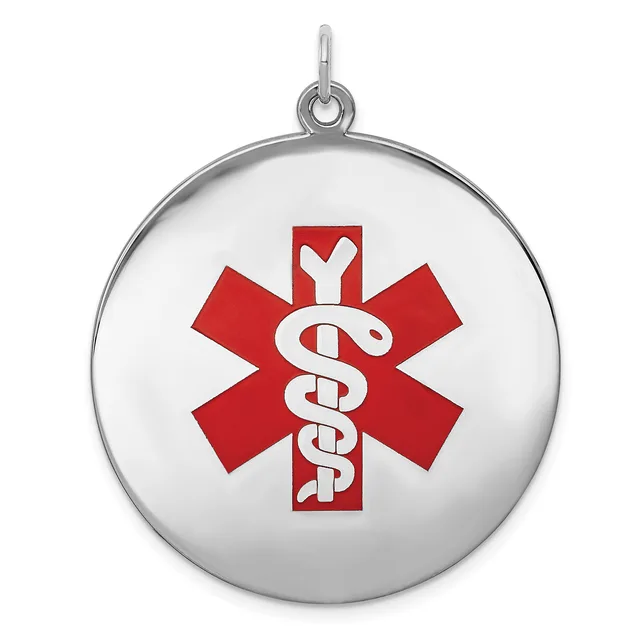
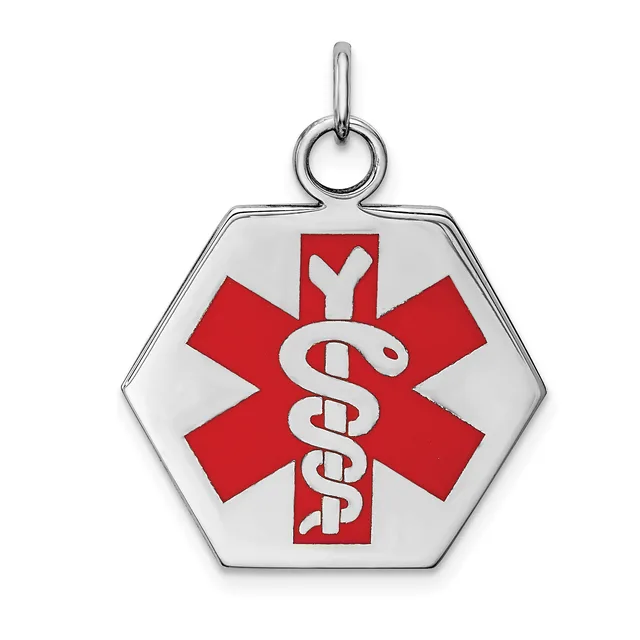
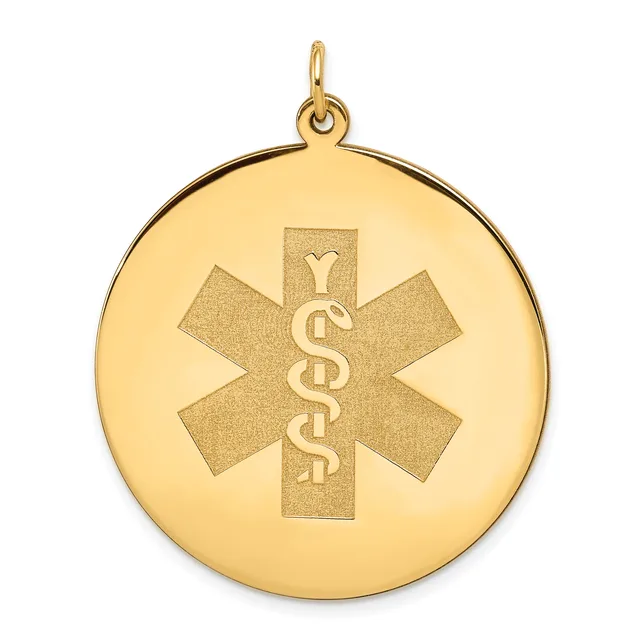
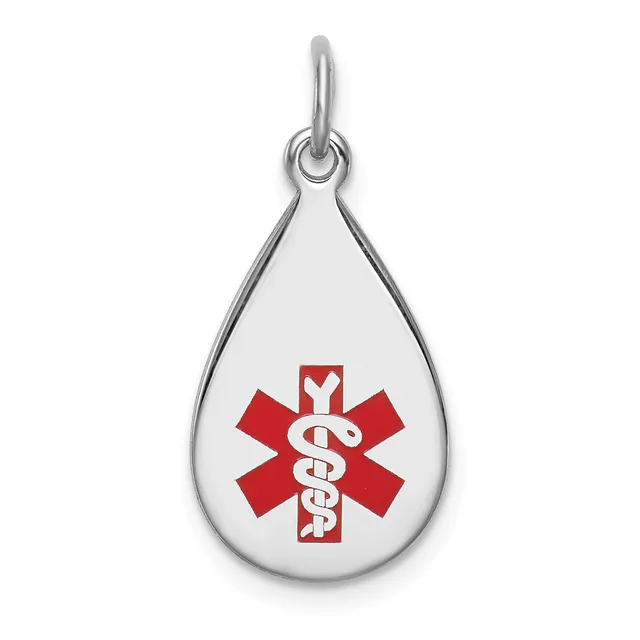
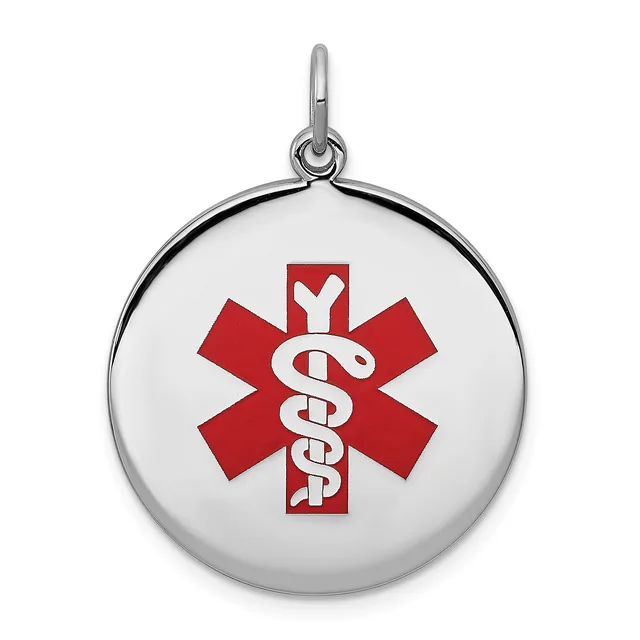
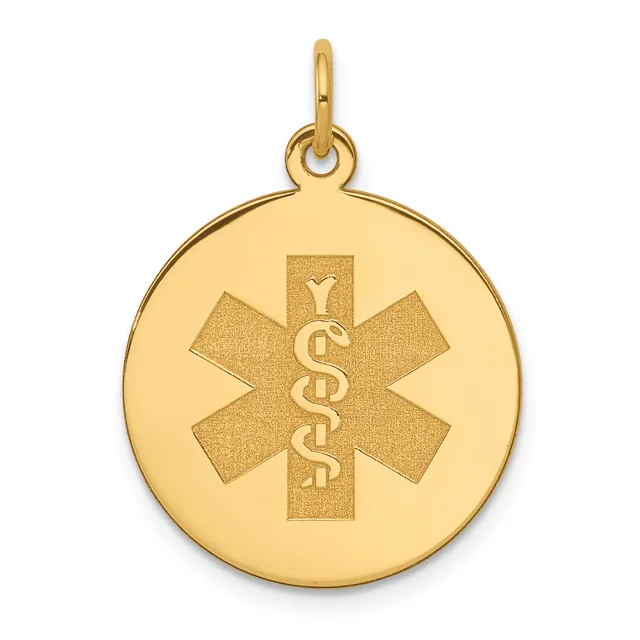
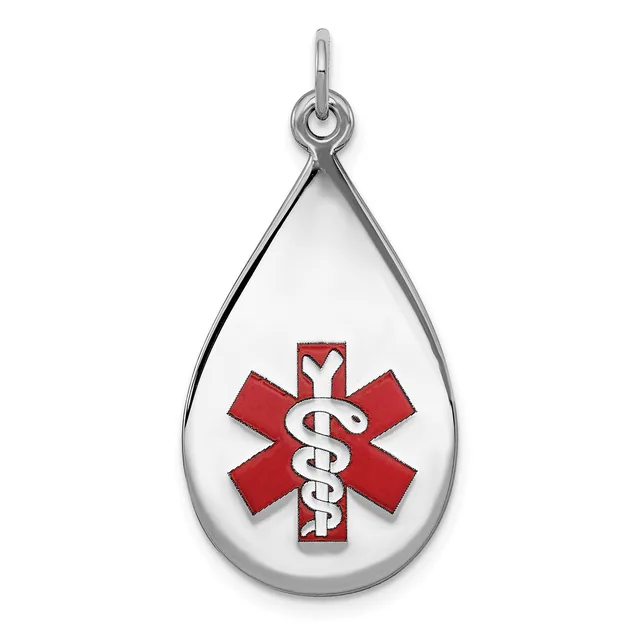
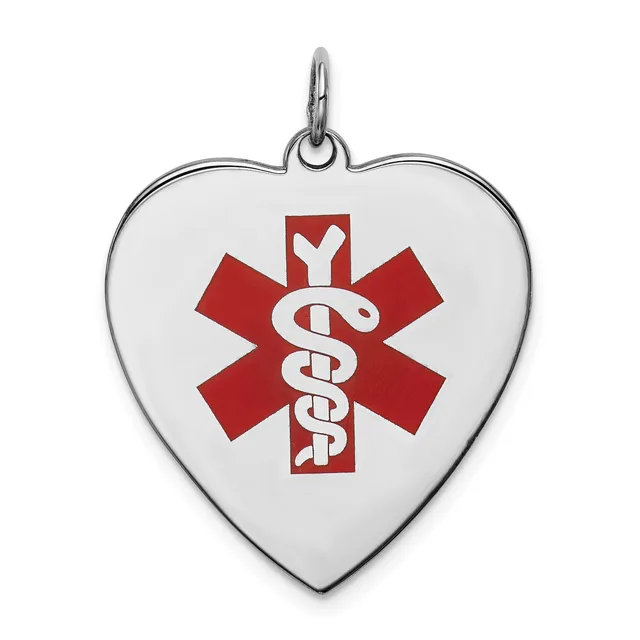
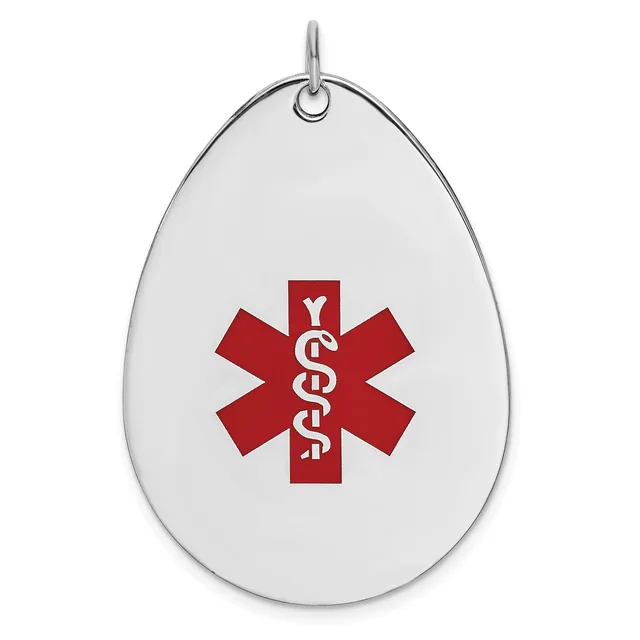
The majority of pendants in this category carry an enamel finish — a layer of fused color applied over the metal surface. Enamel adds visual depth and allows for color-coding that some wearers find useful for quick identification. The tradeoff is care: enamel can chip if a pendant is dropped onto hard surfaces repeatedly, so enameled styles are better suited to light daily wear than to high-impact activities.
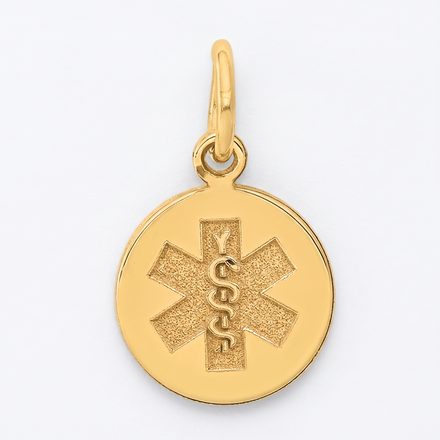
Non-enameled pendants are worked entirely in metal. They tend to age more gracefully under rough conditions and are easier to polish if they pick up surface scratches. For wearers who work with their hands or spend time outdoors, a non-enameled pendant often holds up better over years of continuous wear.
Reading the Construction: ID Plates and Components
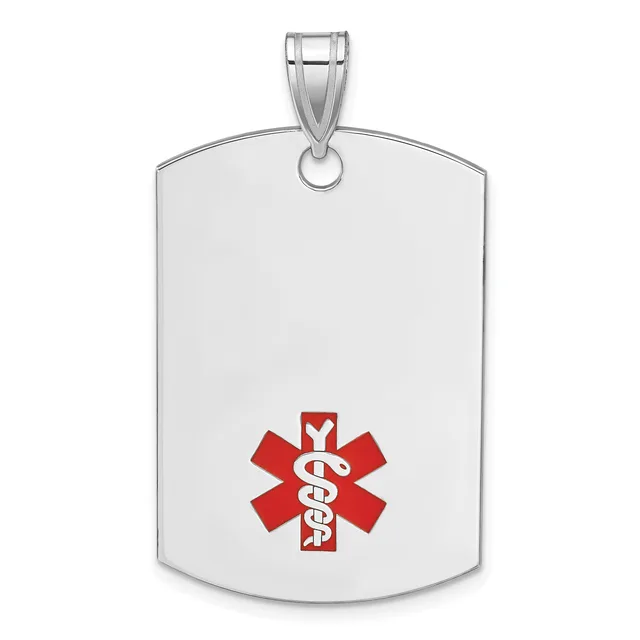
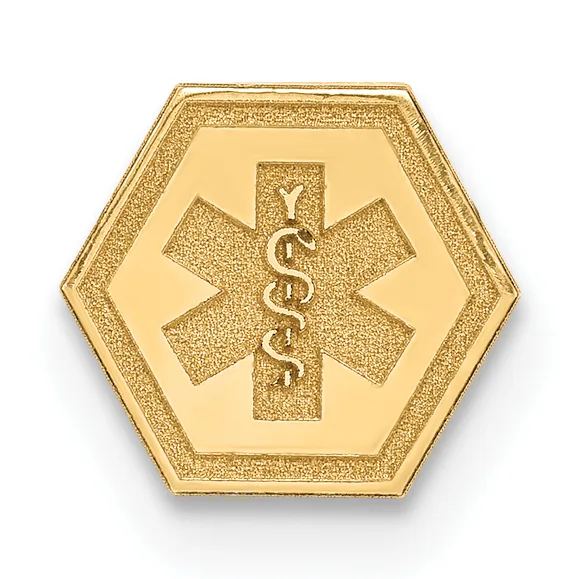
Some pieces in this category are complete pendants ready to hang on a chain. Others are sold as components — ID plates or pendant findings intended to be assembled into a bracelet or necklace setup. Before purchasing, check whether the listing describes a finished pendant or a component, since components require a compatible chain or band to be wearable.
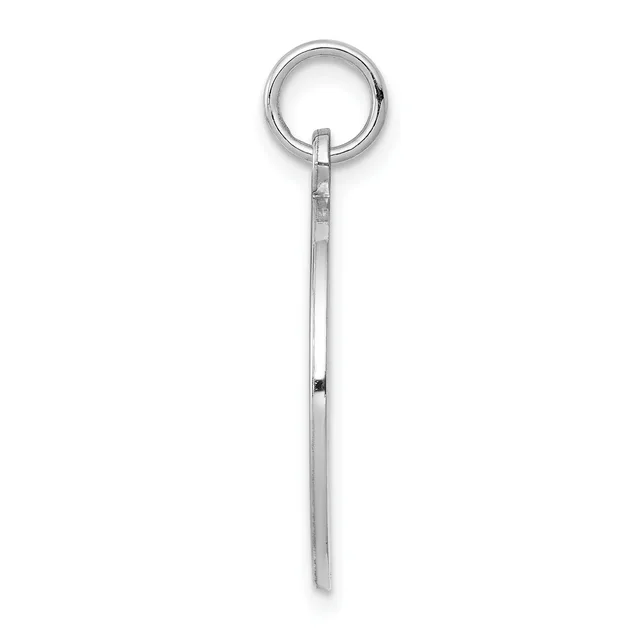
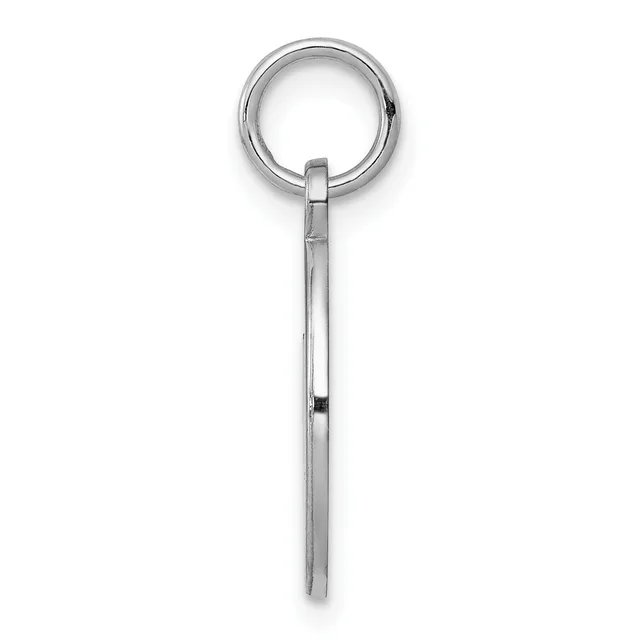
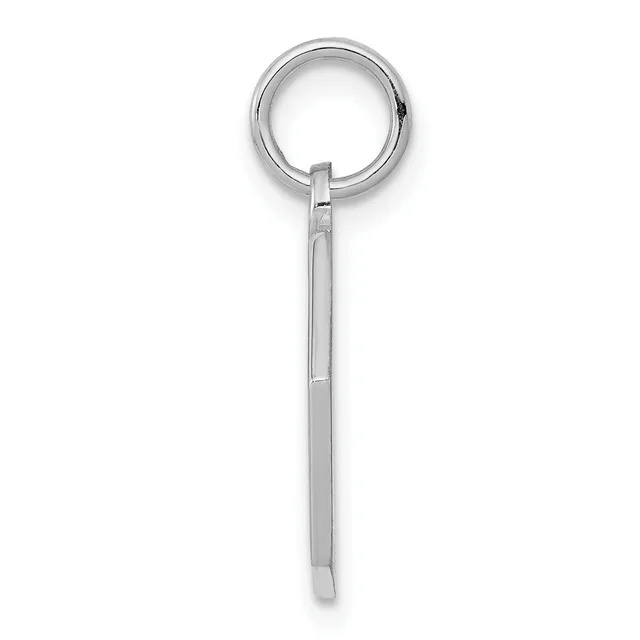
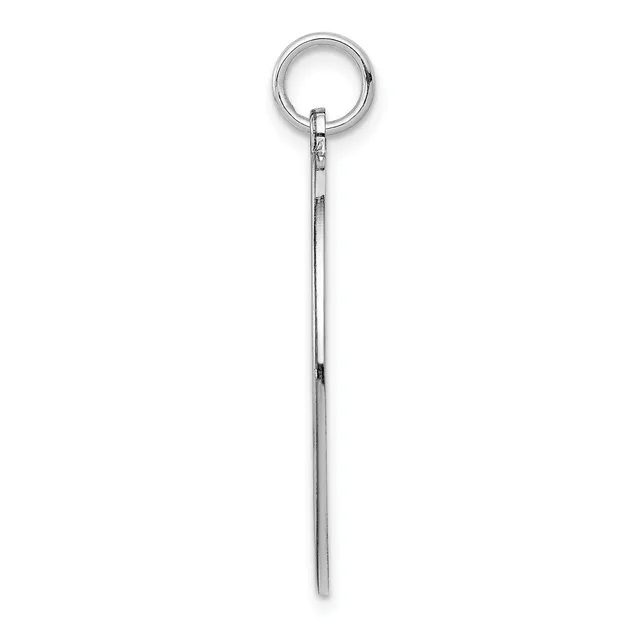
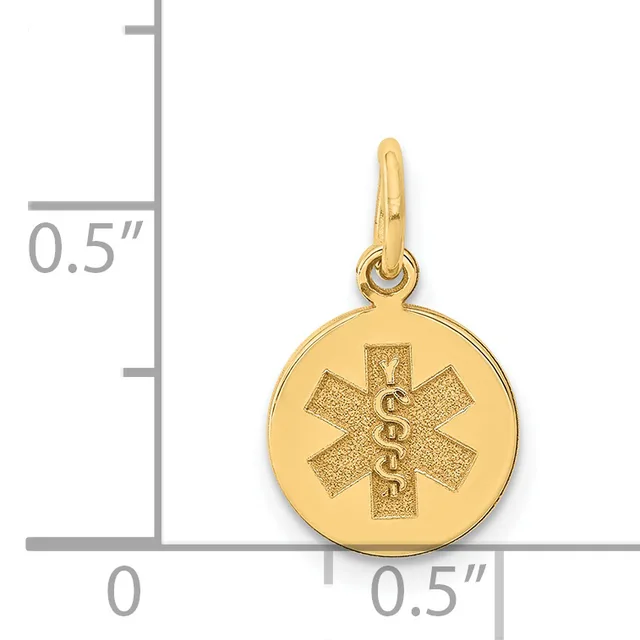
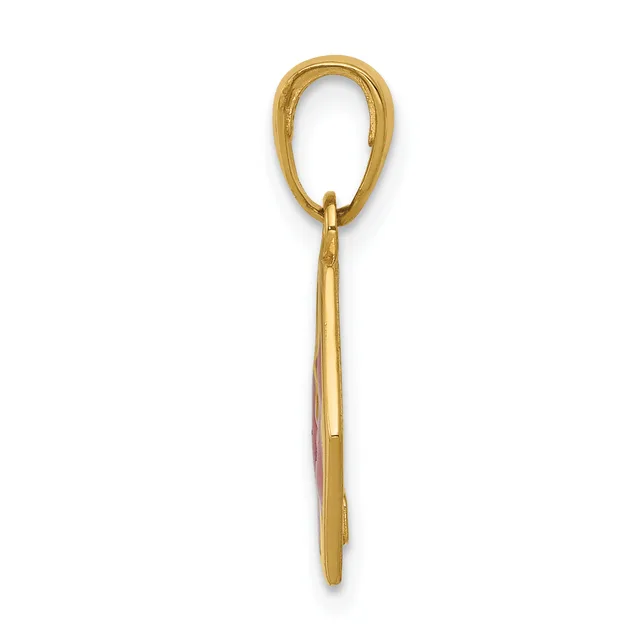
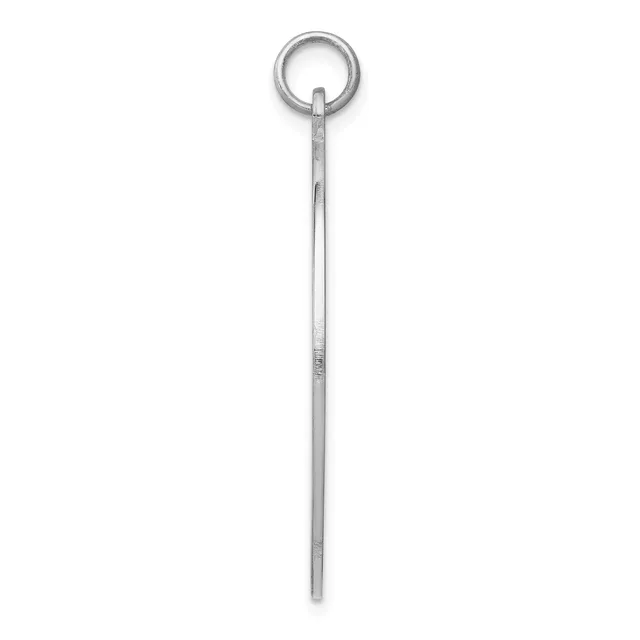
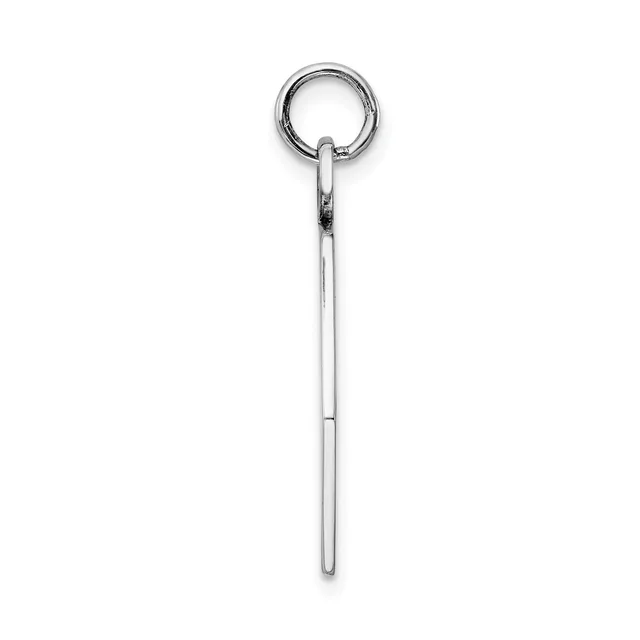
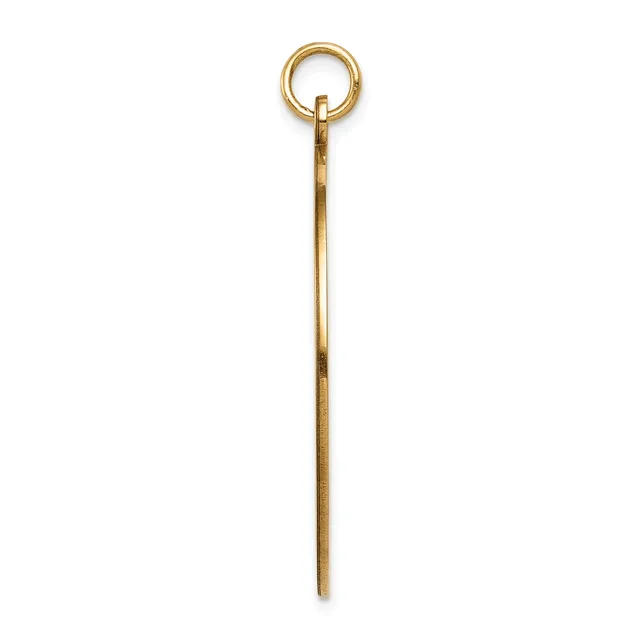
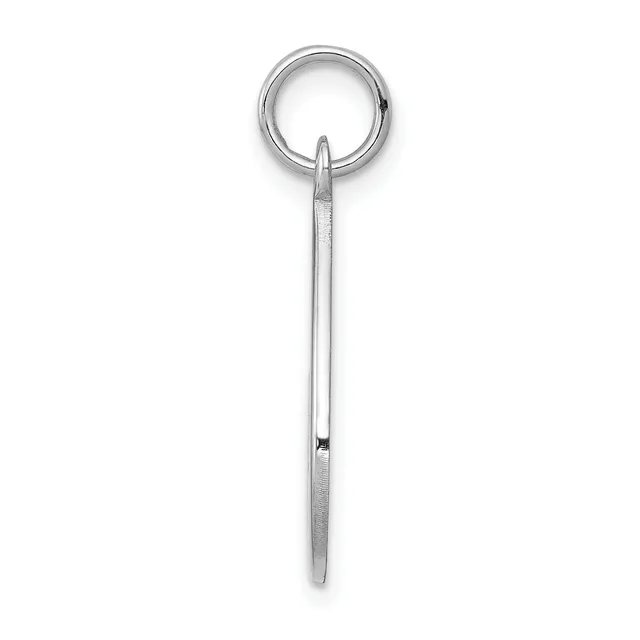
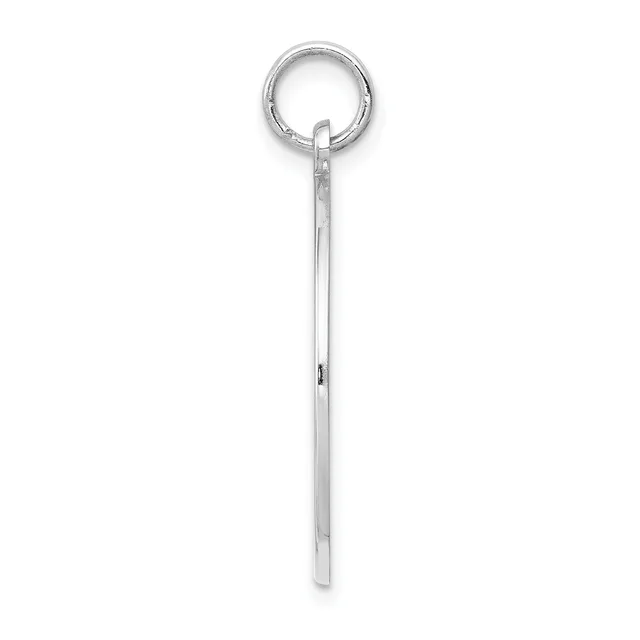
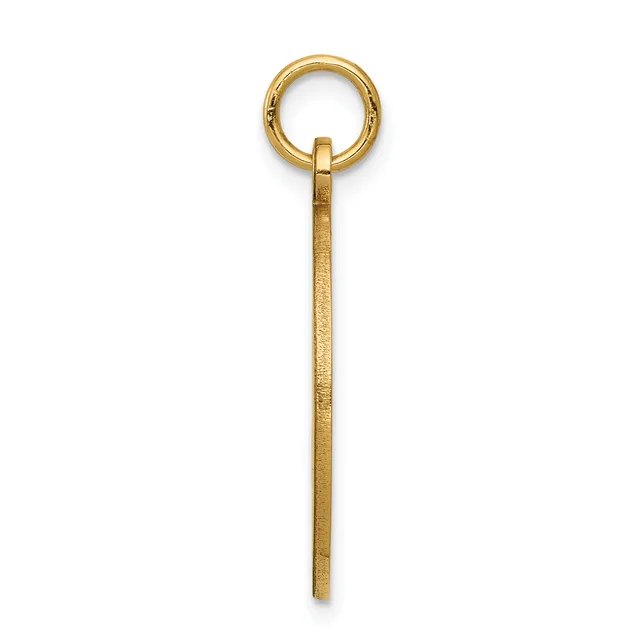
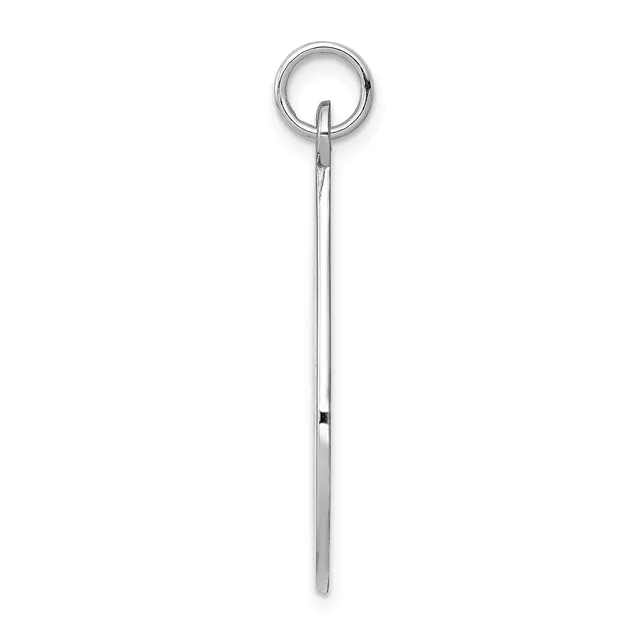
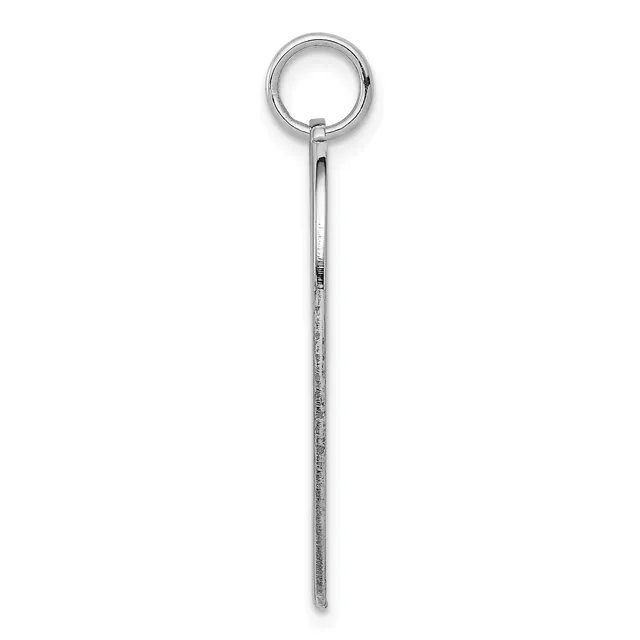
The engraving surface is the functional core of any medical ID pendant. Flat, rectangular ID plates offer the most legible space for medical information; rounded or shaped pendants may have a smaller engraving area on the reverse. If the information to be engraved is detailed — multiple conditions, medications, or emergency contacts — prioritize a pendant with a larger, flatter reverse surface.
Wearing and Sizing Considerations
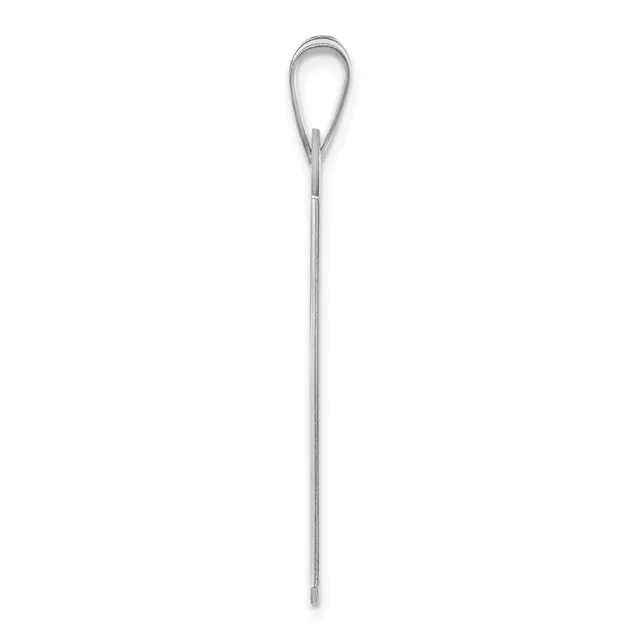
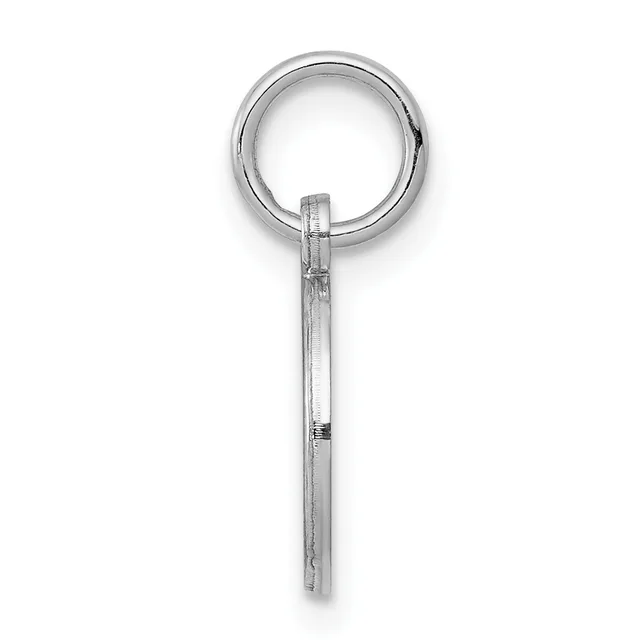
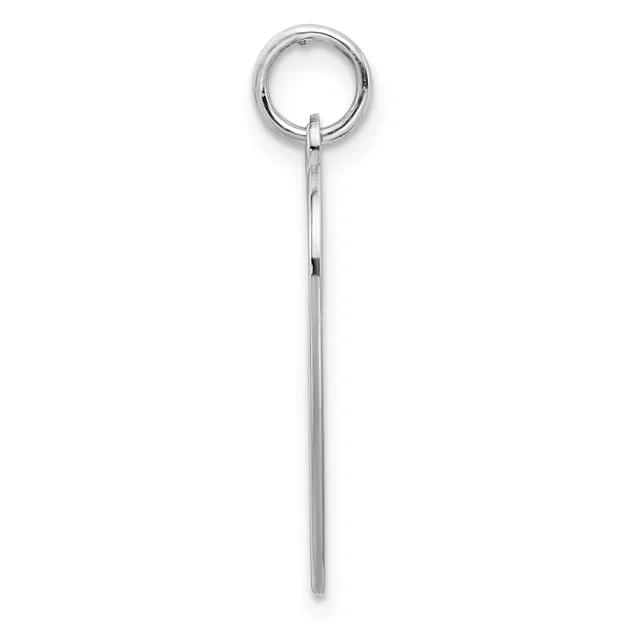
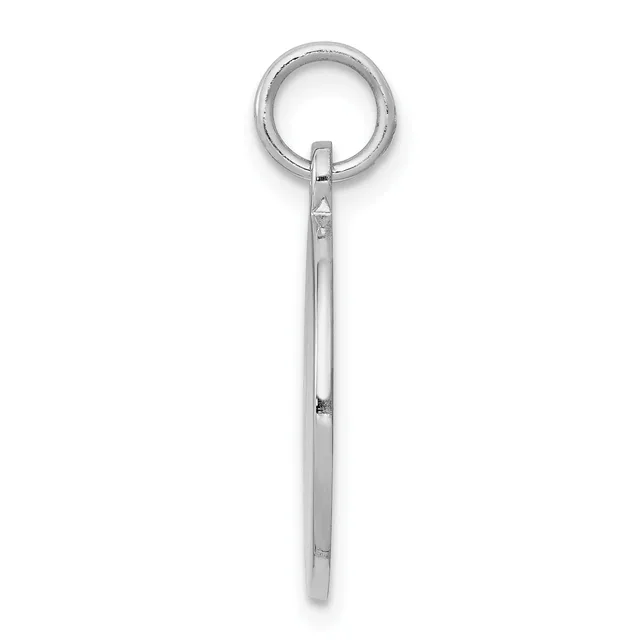
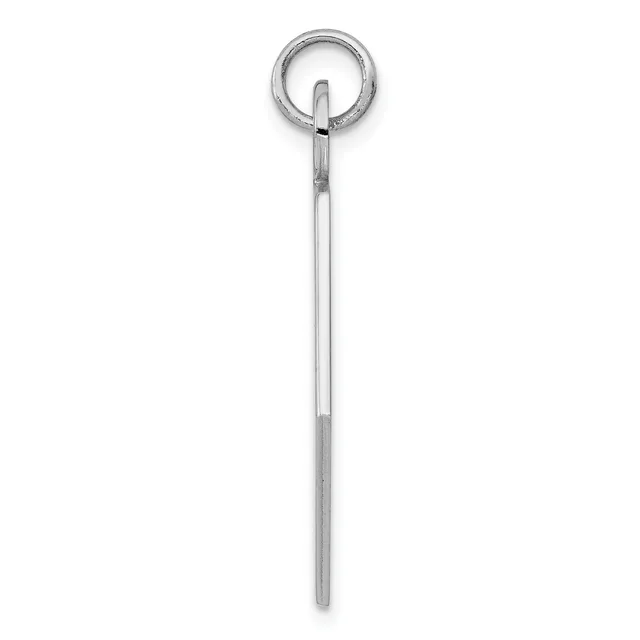
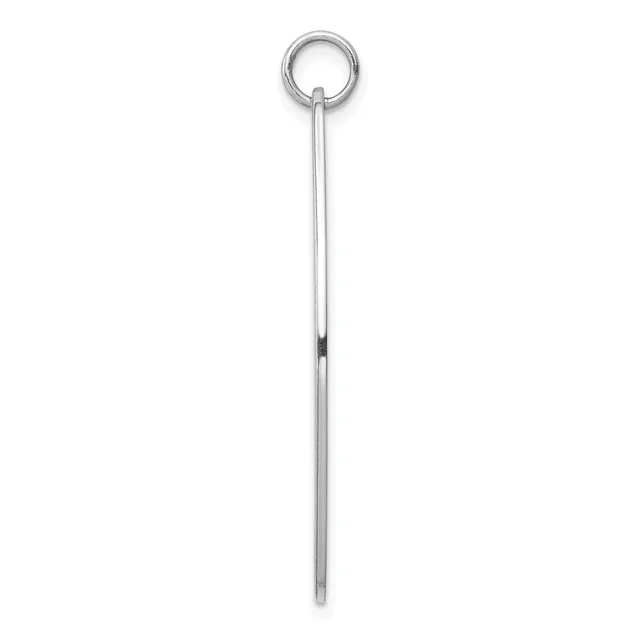
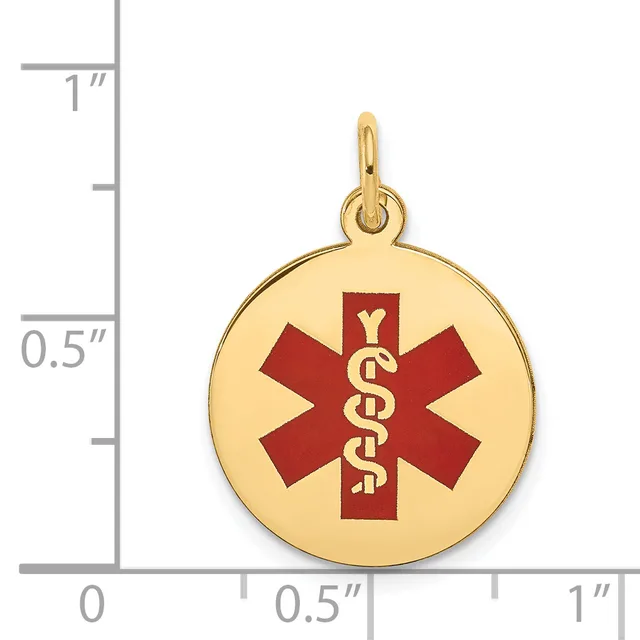
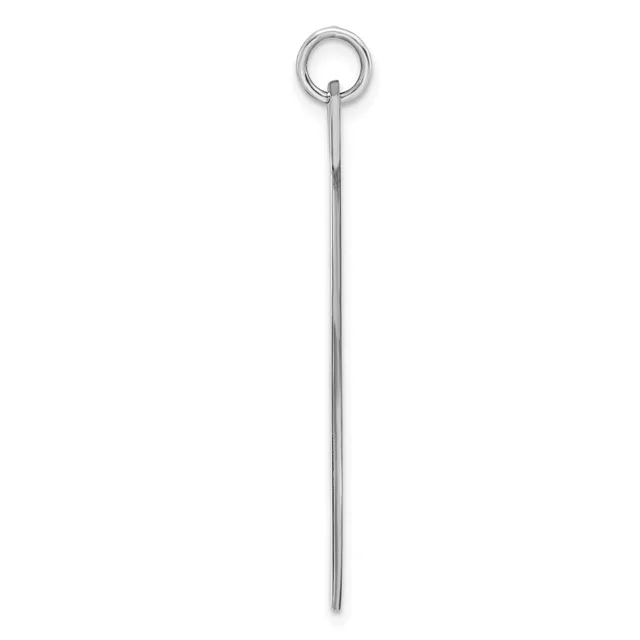
Medical ID pendants are designed for continuous wear, which means the chain or cord they hang from matters as much as the pendant itself. A pendant sold without a chain will need one chosen separately; confirm the bail size (the loop at the top of the pendant) before selecting a chain, since a bail sized for a fine chain will not accept a heavier rope or wheat style.
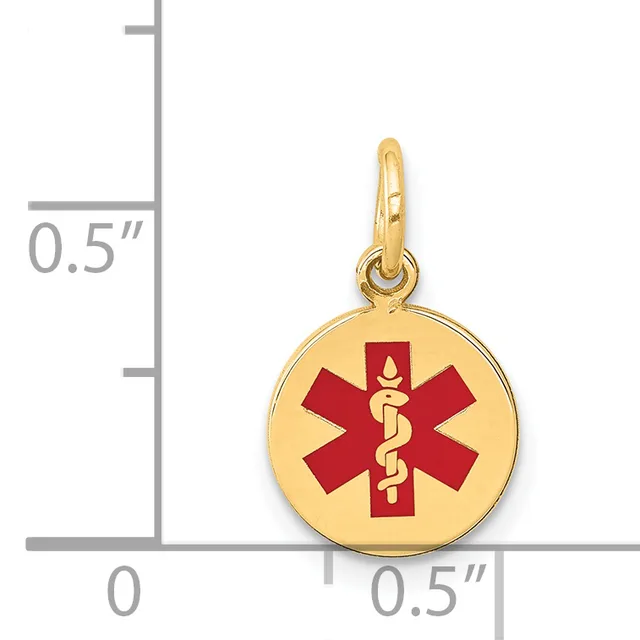
Weight is worth considering for all-day comfort. Larger pendants with substantial metal content can feel noticeable on thinner chains; pairing a heavier pendant with a wider-link chain distributes the load and reduces the tendency to spin or slide.
Caring for a Medical ID Pendant
Rinse metal pendants in warm water after exposure to salt water, chlorine, or perspiration, and dry them thoroughly before storage. For enameled pendants, avoid ultrasonic cleaners — the vibration can loosen or crack the enamel. A soft cloth is sufficient for routine cleaning of both enameled and non-enameled styles. Store pendants individually or separated by a soft layer to prevent the bail or surface from being scratched by other pieces.
Frequently asked questions
Do these pendants come with a chain, or is the chain sold separately?
It varies by piece — some listings include a chain while others are pendant-only. Check the individual product description before purchasing, and if buying separately, confirm the bail diameter is compatible with the chain style you choose.
Can the engraving be done by Karat & Kin, or do I need to arrange engraving elsewhere?
Engraving availability is listed on each individual product page. Not all pendants in this category include engraving services, so confirm the details before completing your order.
What is the difference between a finished pendant and the component or ID plate listings in this category?
Finished pendants are ready to wear on a chain. Components and ID plates are parts — typically the engraving plate alone — that need to be combined with a setting, chain, or band to create a wearable piece.
Is enamel durable enough for everyday wear?
Enamel is suitable for regular daily wear but can chip if the pendant is knocked against hard surfaces repeatedly. For high-activity lifestyles or demanding work environments, a non-enameled metal pendant is generally more durable long-term.
How do I know how much information will fit on the back of a pendant?
The engraving area depends on the size and shape of the pendant's reverse face — larger, flatter pendants accommodate more lines of text. If you need to include multiple conditions or contacts, look for pendants described as having an ID plate or a broad flat back, and check the product dimensions.