
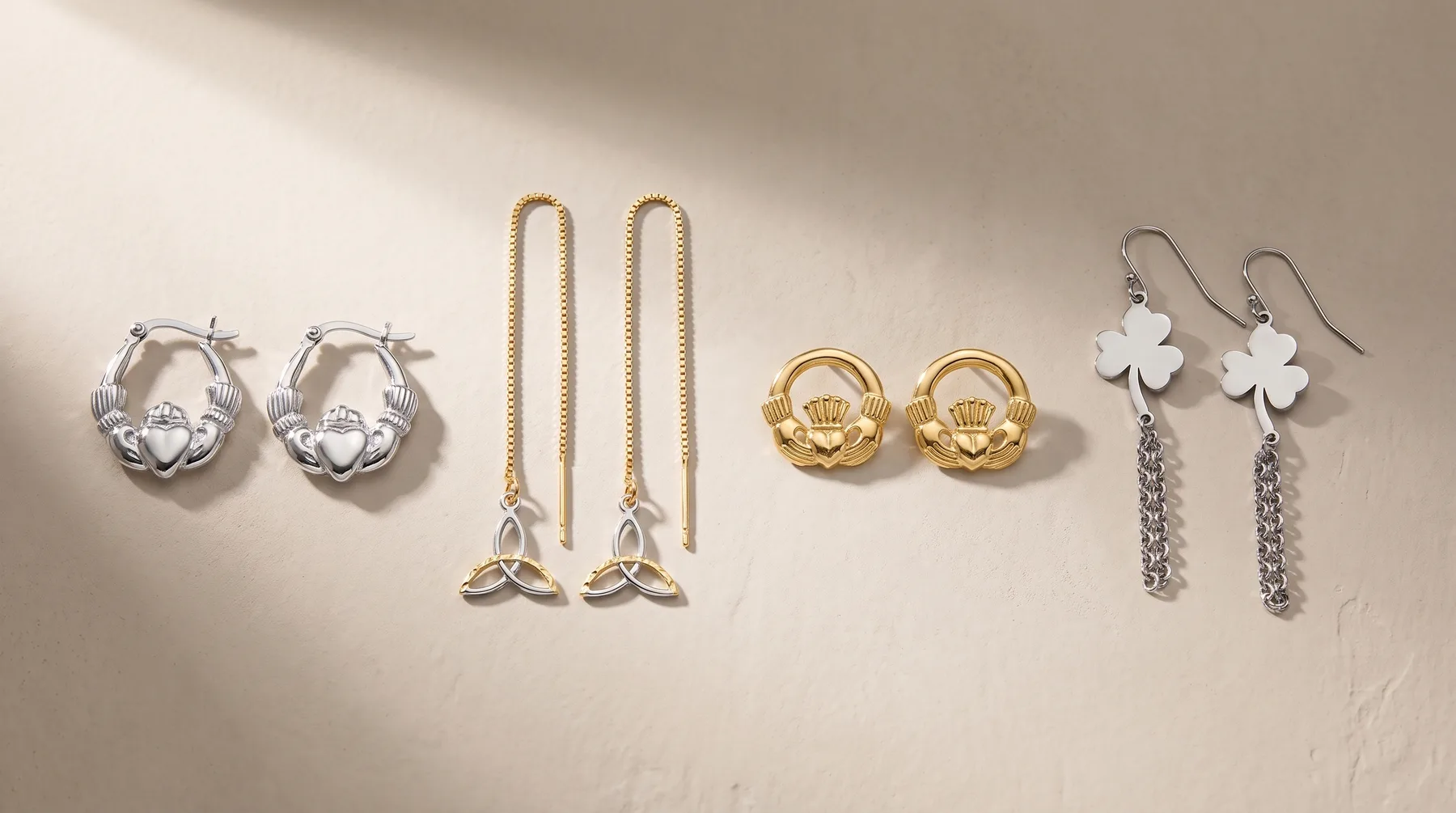
The Symbols and What They Mean
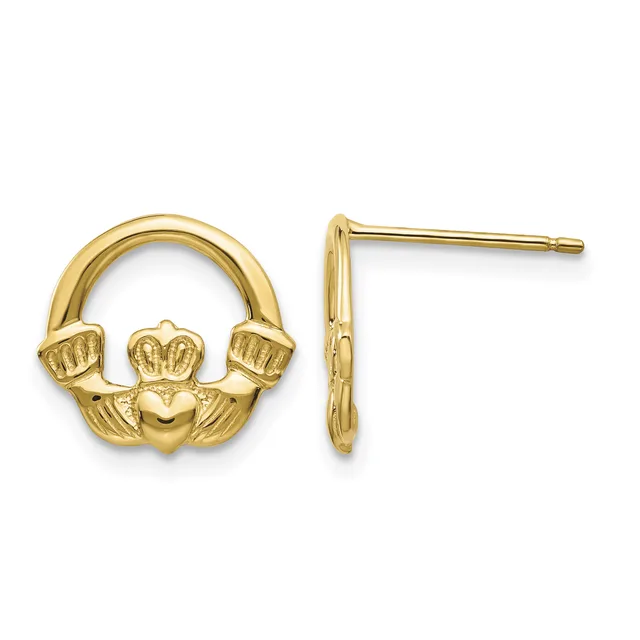
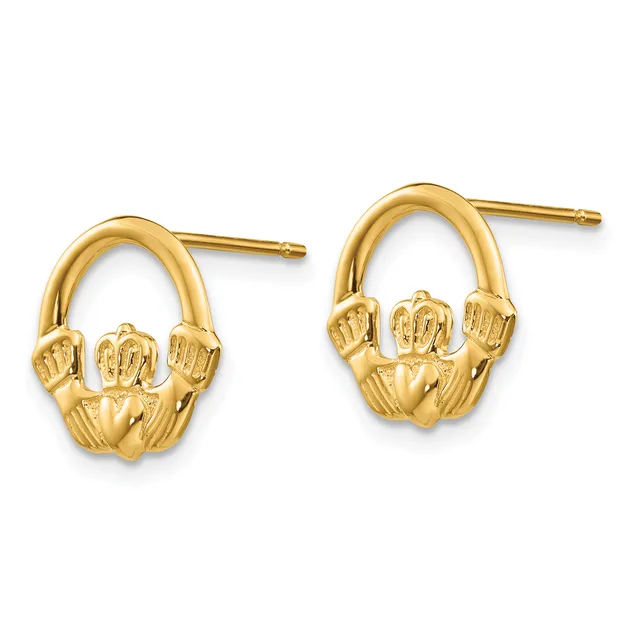
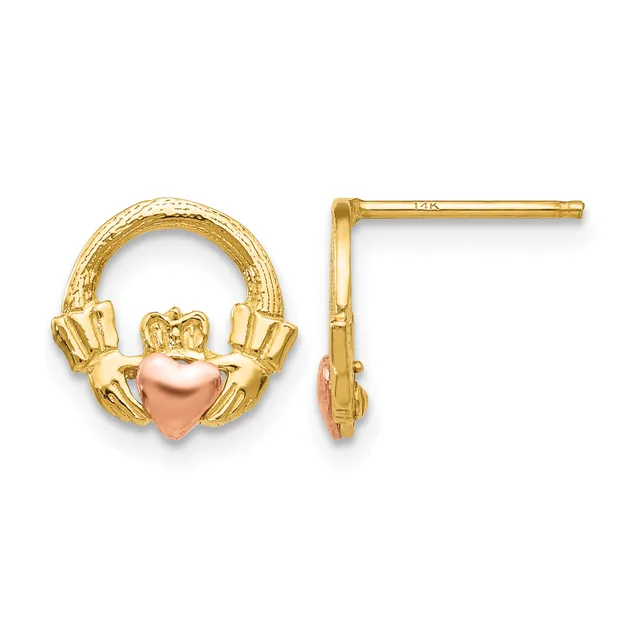
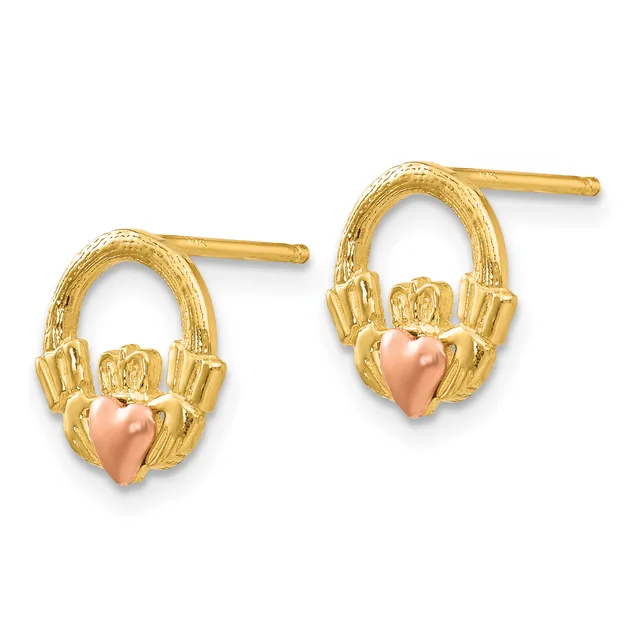
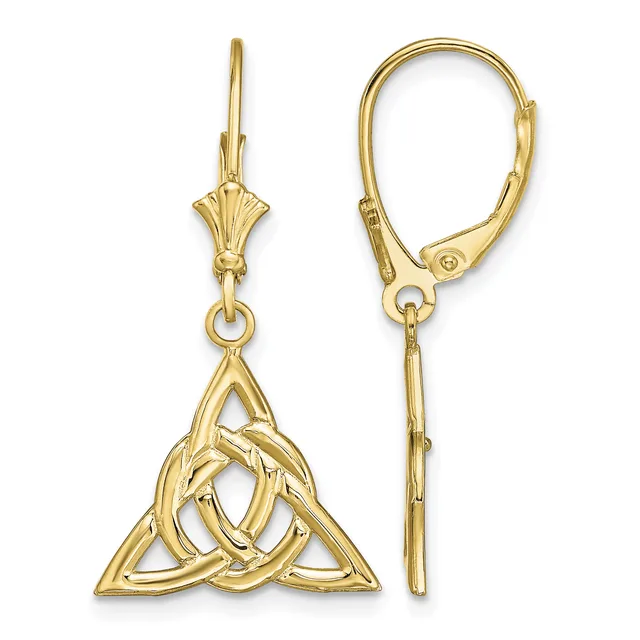
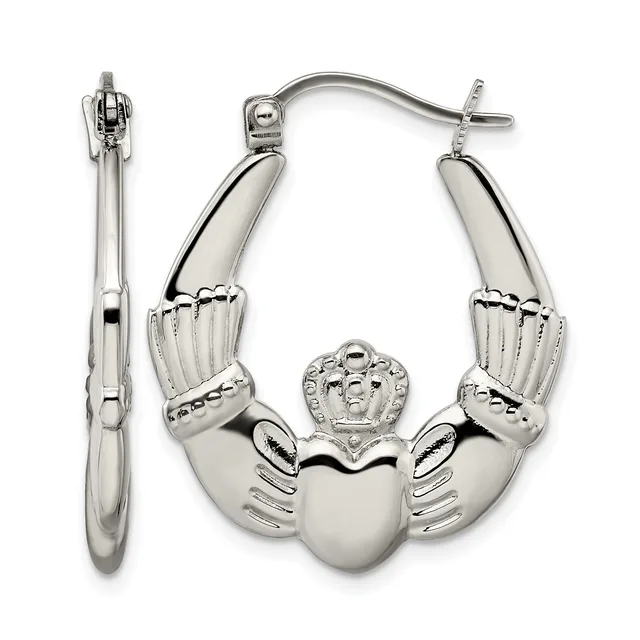
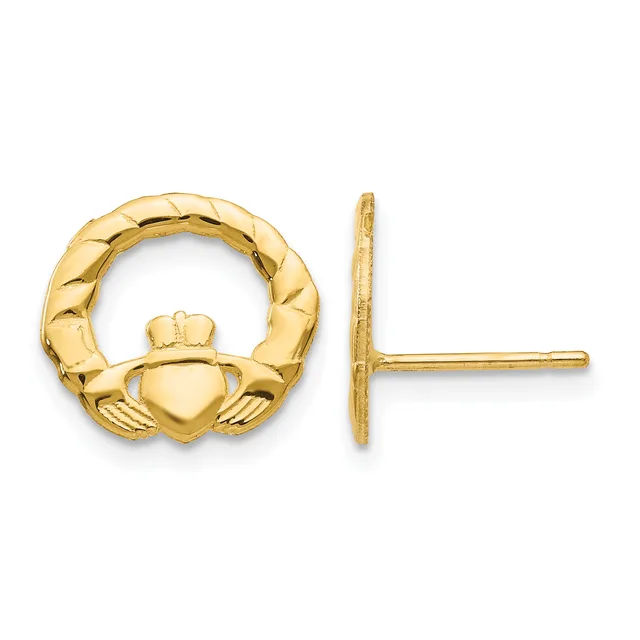
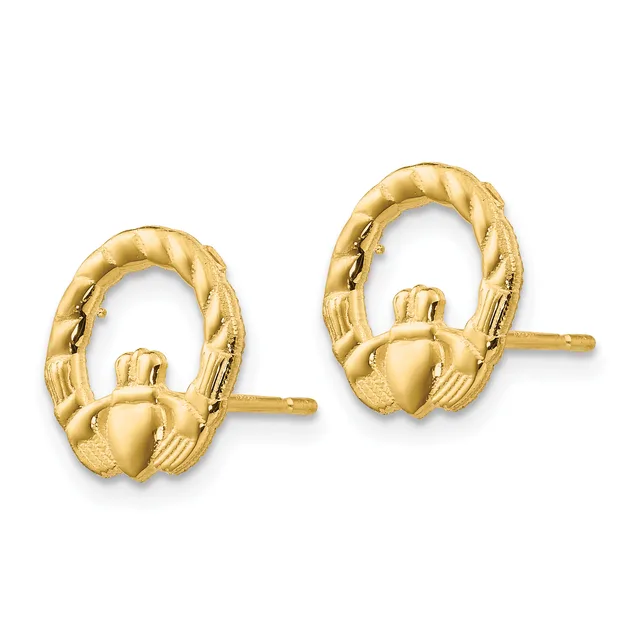
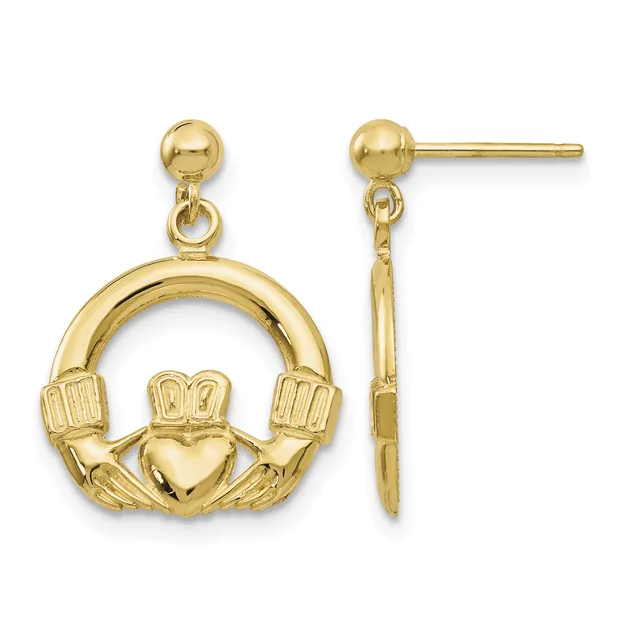
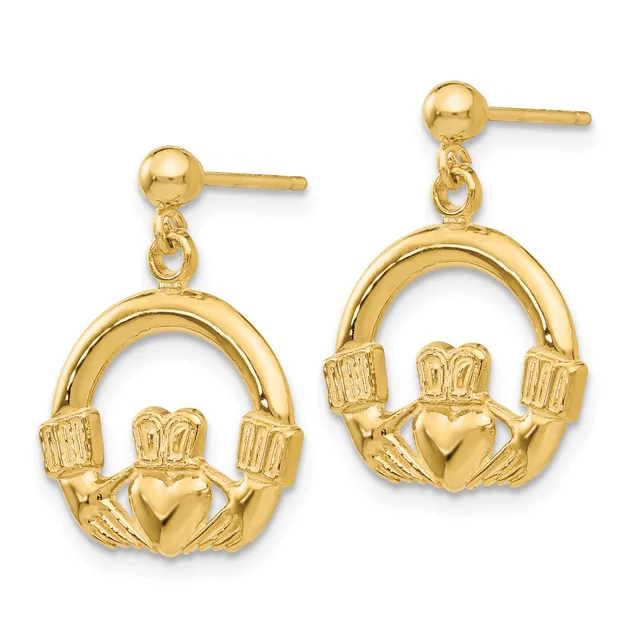
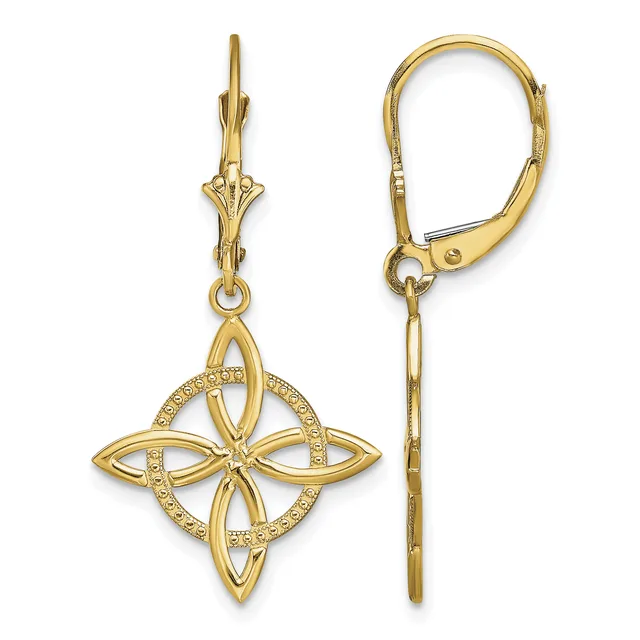
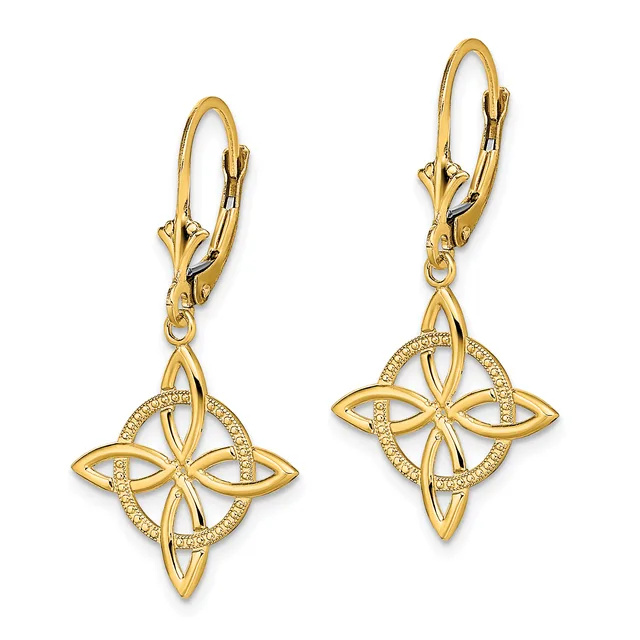
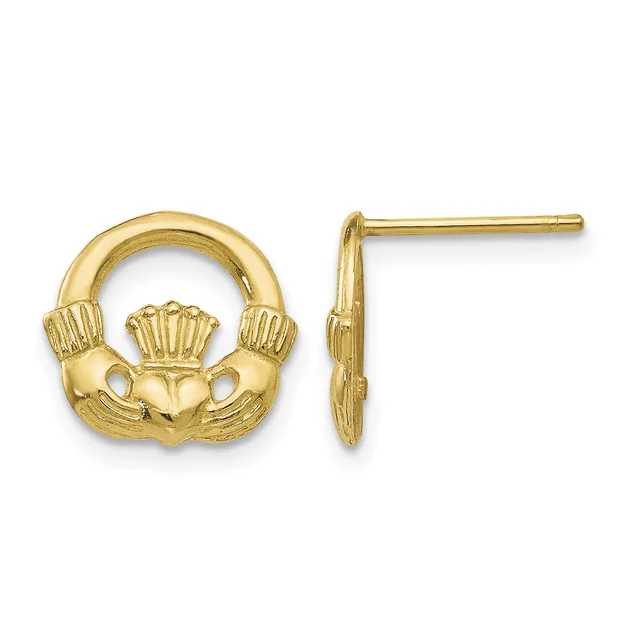
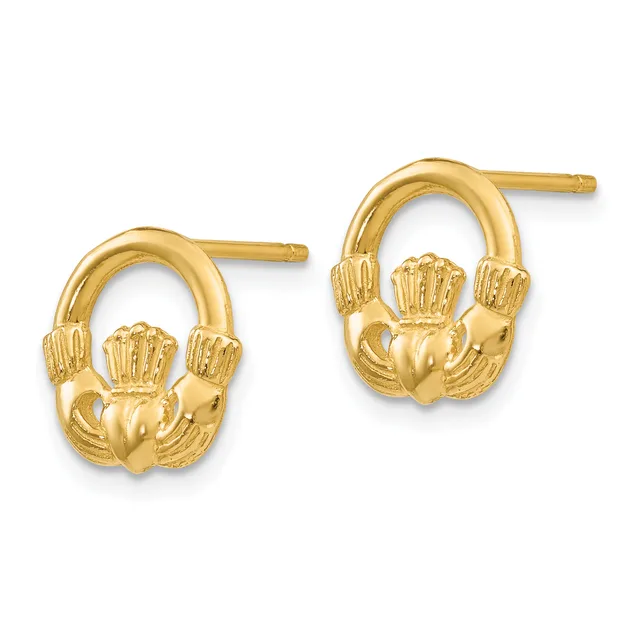
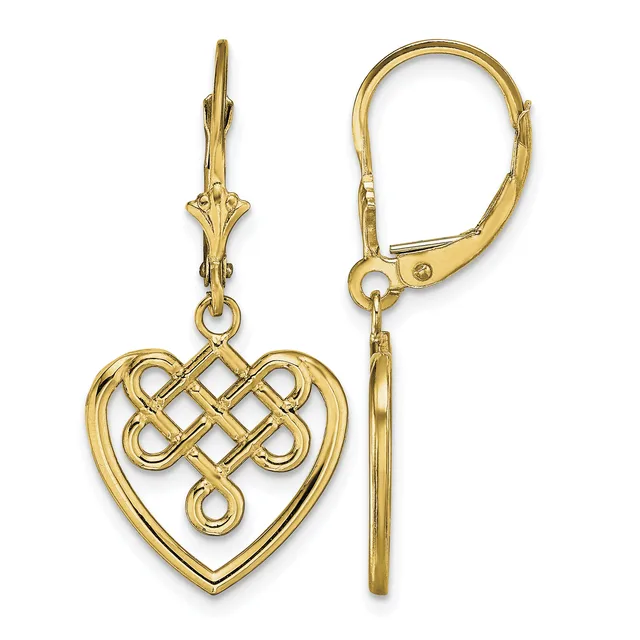
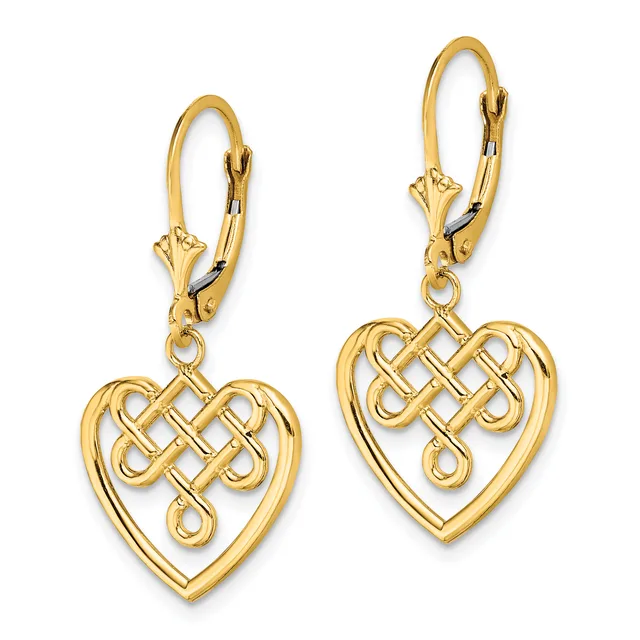
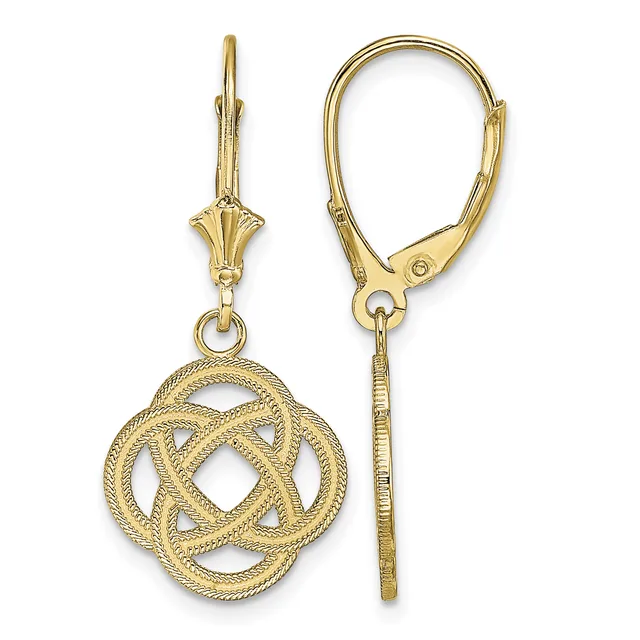
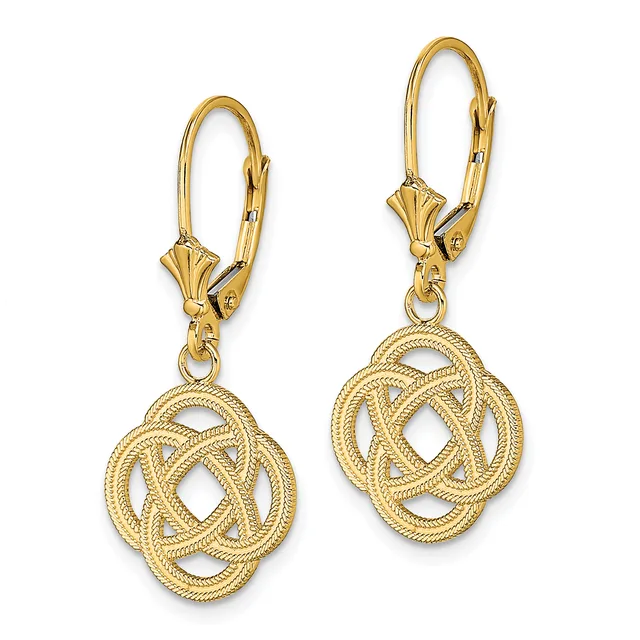
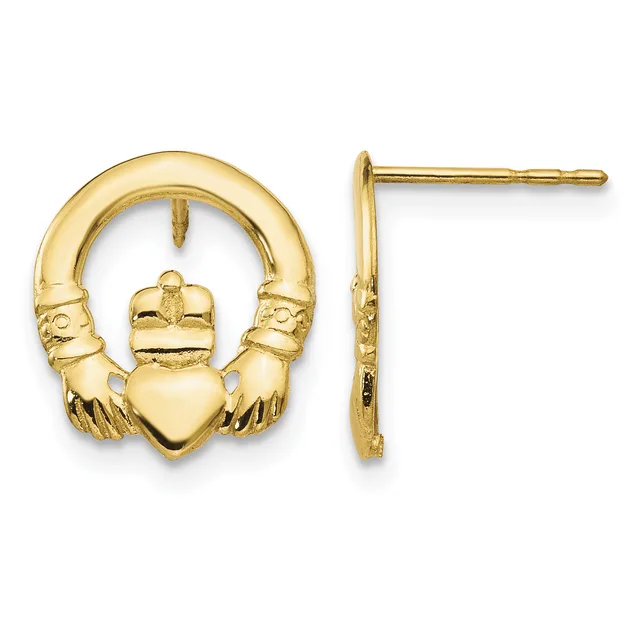
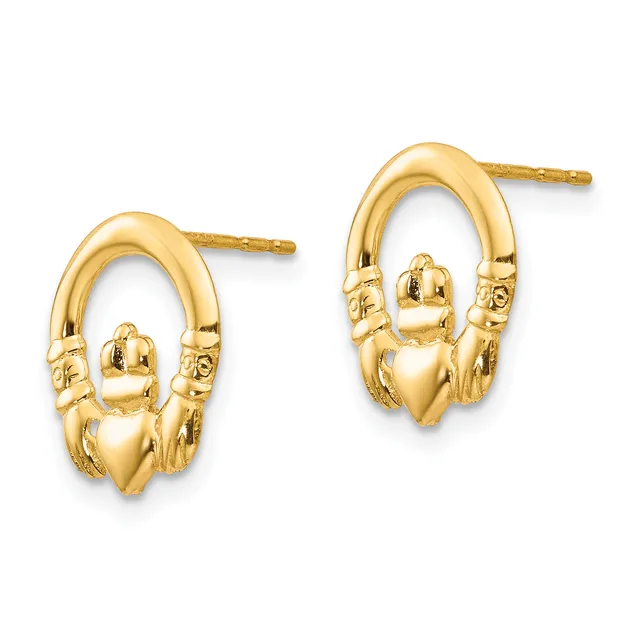
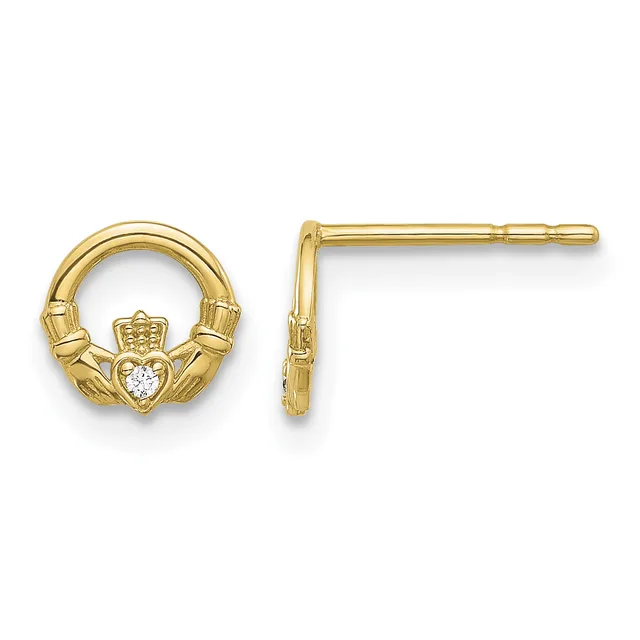
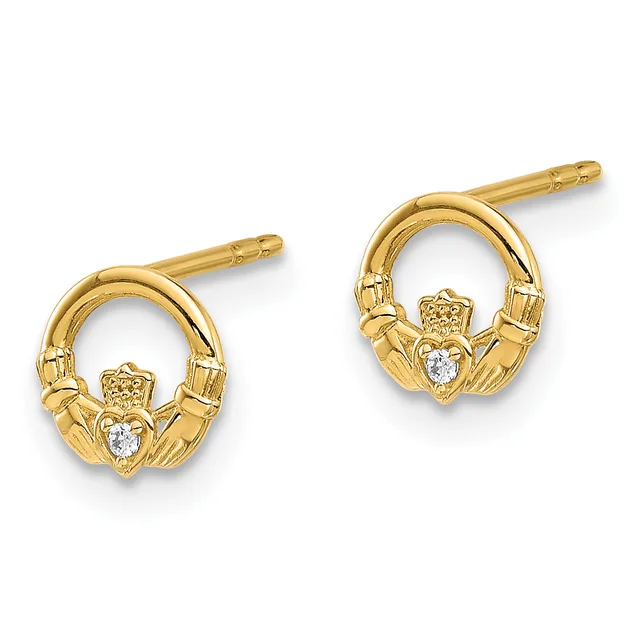
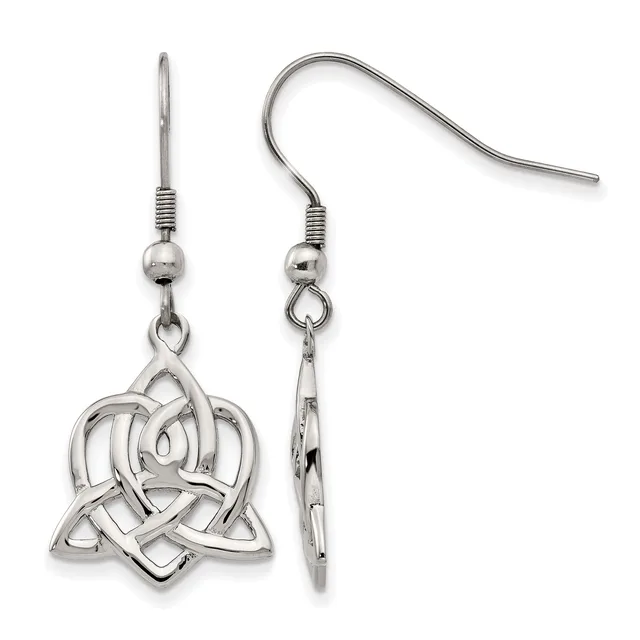
The Claddagh design places a heart, crown, and two hands together in a motif that originates in the fishing village of Claddagh in County Galway. The heart represents love, the crown loyalty, and the hands friendship — a triad that has made the design a common choice for both everyday wear and meaningful gifts. Celtic knotwork, with its unbroken interlacing lines, carries a similarly layered resonance: continuity, the interconnection of natural and spiritual worlds. Neither symbol requires cultural heritage to wear; both carry enough visual weight to hold interest on their own terms.
Styles Within This Selection
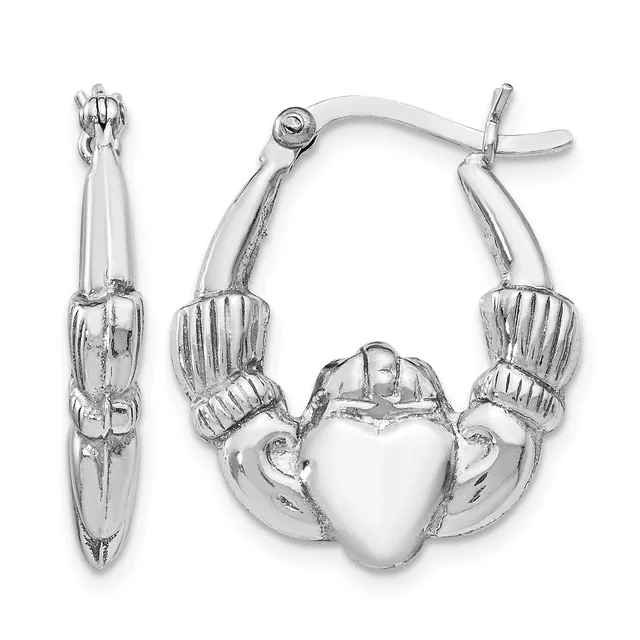
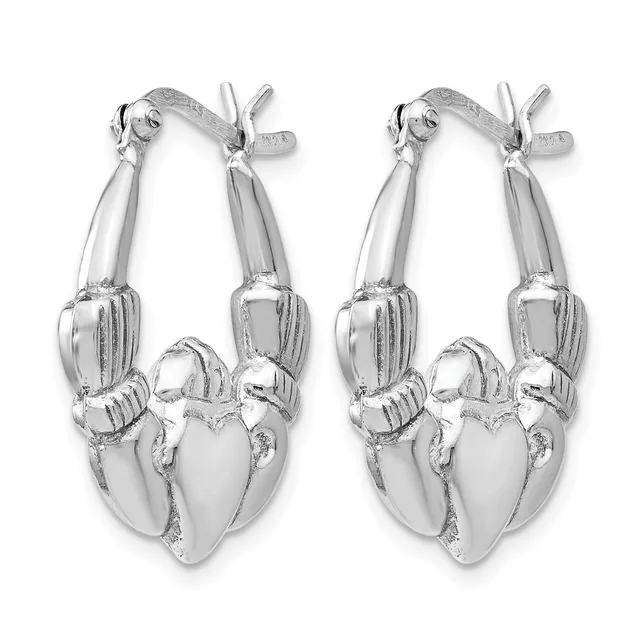
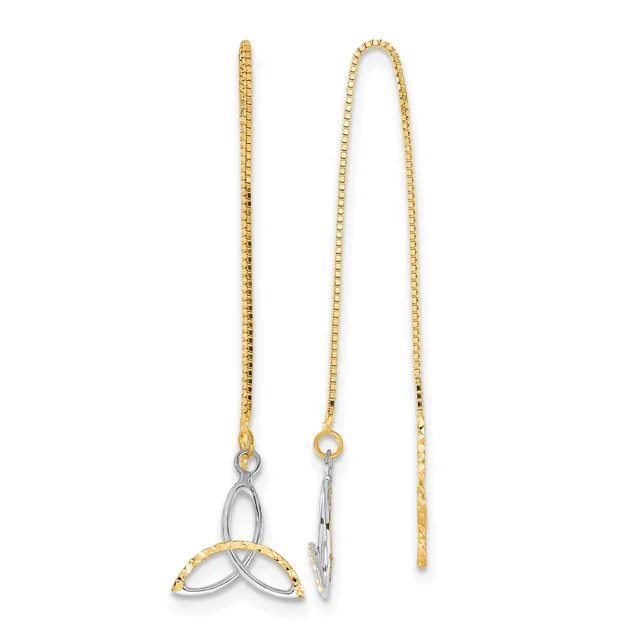
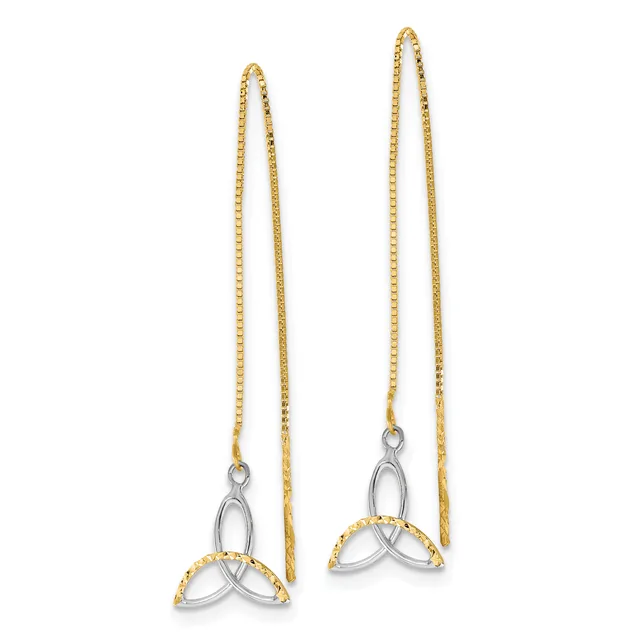
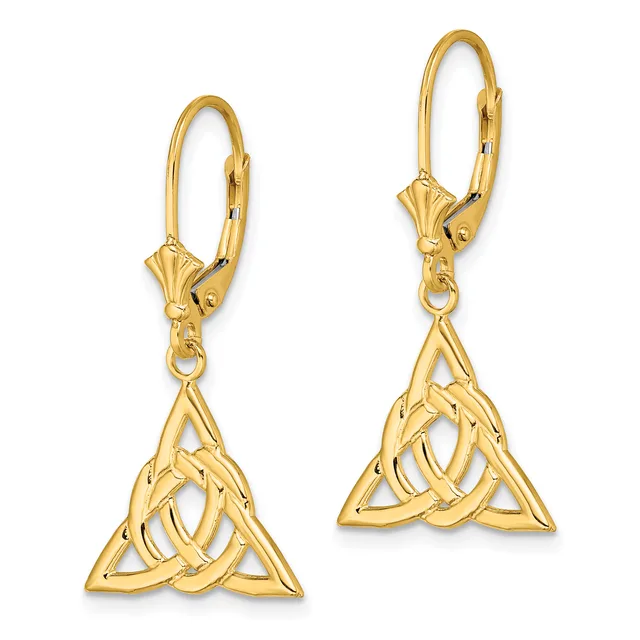
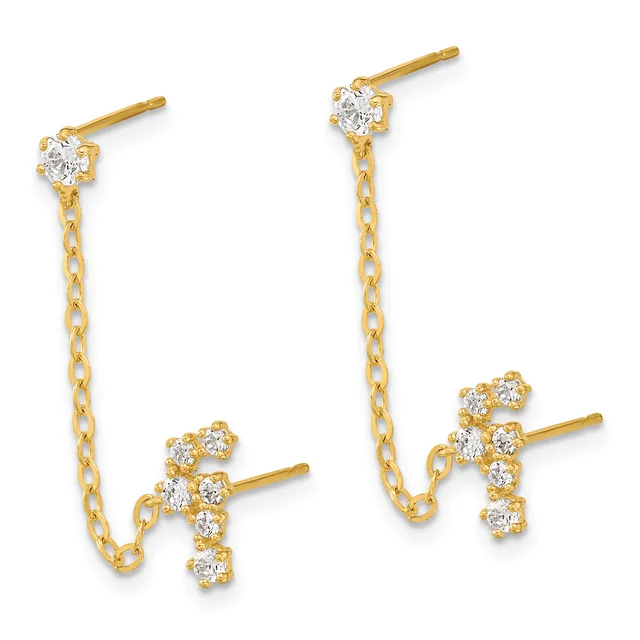
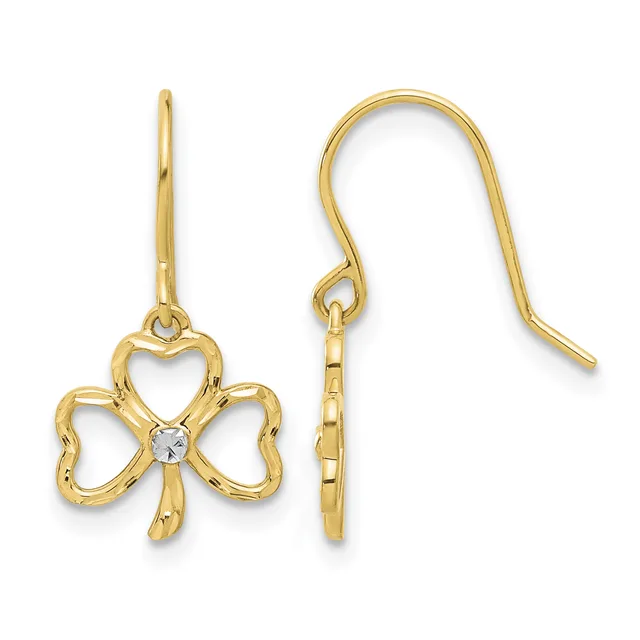
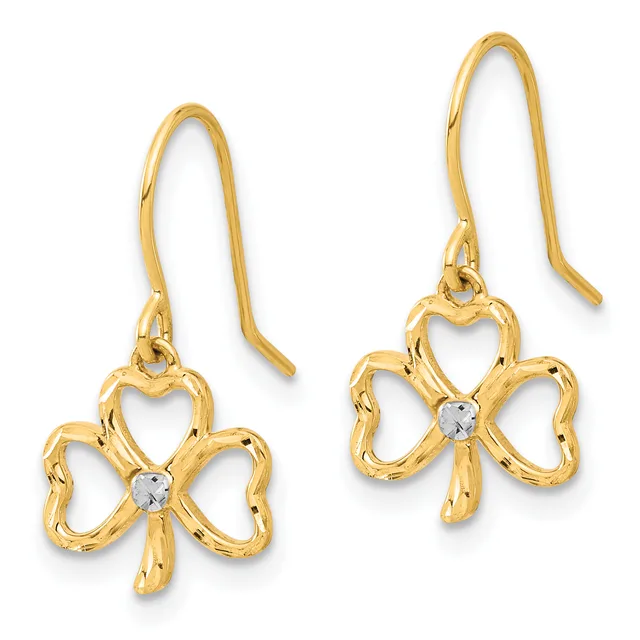
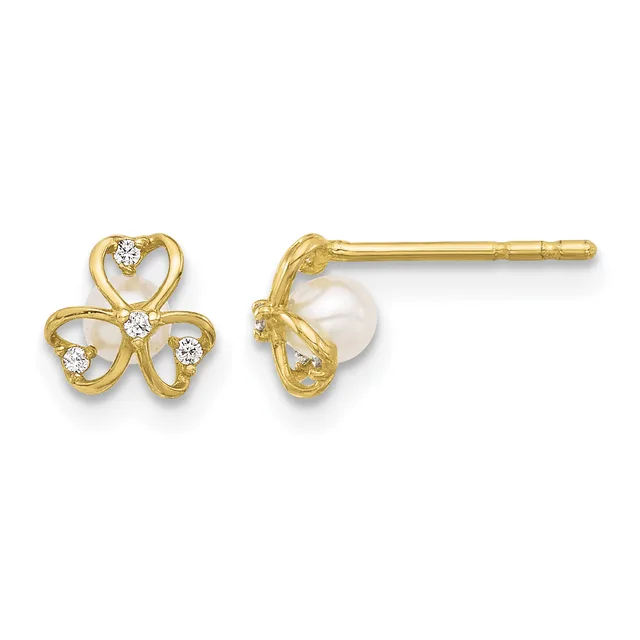
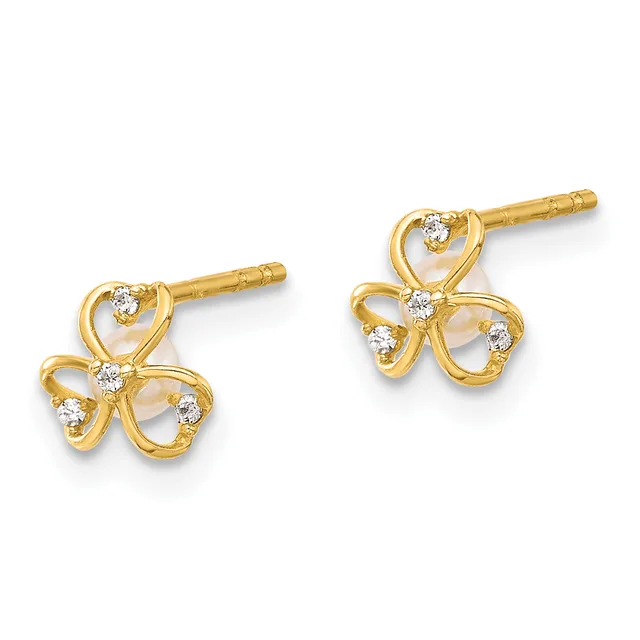
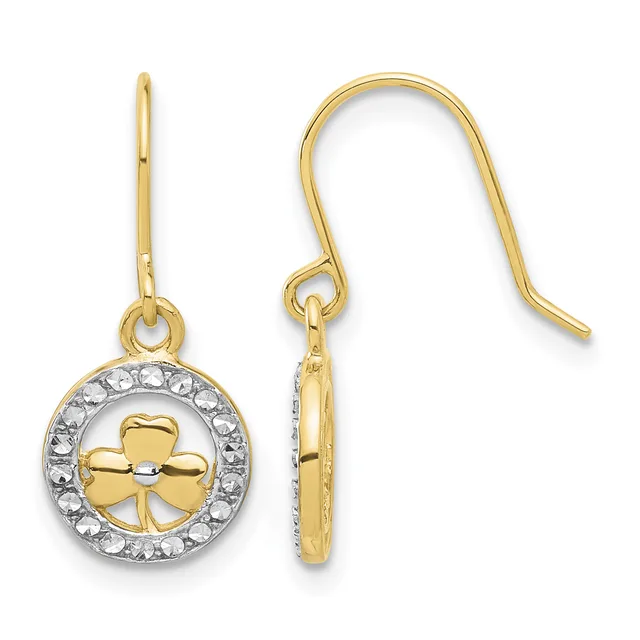
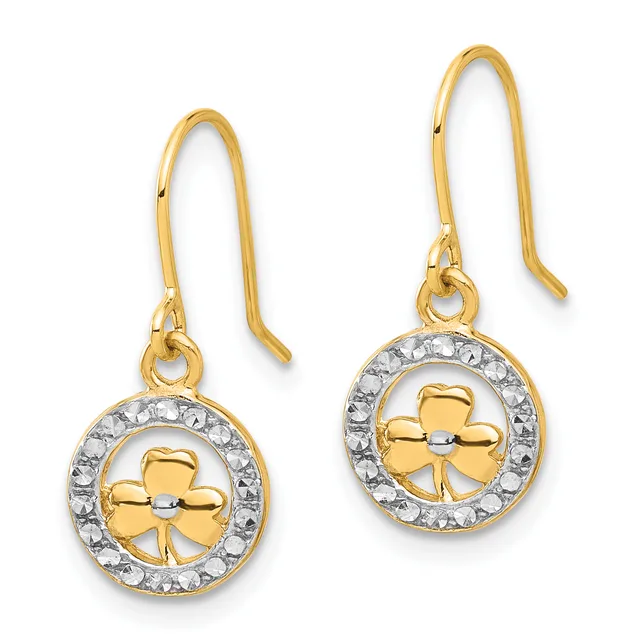
The pieces here span several silhouettes, so the same motif reads differently depending on the setting. Button and ball styles keep the symbol close to the ear — compact and suited to daily wear. Hoops may incorporate knotwork into the band itself, letting the pattern do the work without additional drop. Dangle and drop styles allow for more detail: a Claddagh rendered at earring scale has room for the crown and hands to be legible, and a longer drop shifts the visual weight downward, which suits certain necklines and hair lengths. Children's earrings in this category tend toward simpler, smaller takes on the same motifs.
Materials and Wear
Across this selection the price range is broad, which reflects genuine differences in metal. At the lower end, sterling silver or gold-filled construction offers the look of precious metal at accessible cost; gold-filled carries a thicker bonding layer than plating and holds up well to regular wear, but it is not solid gold and should be kept away from prolonged moisture and chemicals. At the upper end, pieces in solid 14k gold are appropriate for continuous daily wear, are hypoallergenic for most wearers, and do not require the same caution around water or skin products. If you have a known sensitivity to base metals, solid gold or certified sterling silver is the reliable choice. Knotwork settings with fine open channels can collect product residue; a soft dry brush keeps detail crisp.
Choosing by Occasion and Fit
For wearing with traditional dress or as a deliberate nod to heritage, a drop style that renders the Claddagh or knotwork at readable scale makes the intention clear. For everyday wear where the symbol is personal rather than public, a smaller stud or a knotwork hoop blends into a regular rotation without demanding attention. Consider the post or closure: butterfly backs on studs are standard and easy to replace; hinged hoops and lever backs stay more secure through movement and suit active wear better than open drops on French wires.
Frequently asked questions
Do I need Irish heritage to wear a Claddagh earring?
There is no cultural requirement. The Claddagh design is widely worn as a symbol of love, loyalty, and friendship regardless of background, and has been for well over a century.
Is there a traditional way to wear Claddagh jewelry?
The directional convention — heart pointing toward or away from the body — applies mainly to Claddagh rings and finger placement. For earrings the symbol is fixed, so there is no equivalent orientation rule.
What is the difference between gold-filled and solid gold in these earrings?
Gold-filled has a mechanically bonded layer of gold over a base metal core — thicker and more durable than plating, but not the same as solid gold. Solid 14k gold is an alloy throughout, won't flake or wear through, and is the better choice for sensitive skin or constant daily wear.
Are the children's earrings in this category safe for newly pierced ears?
That depends on the specific metal. Solid sterling silver and solid 14k gold are generally recommended for new piercings; gold-filled or plated pieces carry a higher risk of reaction in healing tissue. Check the metal description on the individual product before buying for a fresh piercing.
How should I clean earrings with Celtic knotwork detail?
A soft-bristle brush — a clean toothbrush works well — with warm water removes residue from the open channels in knotwork without stressing the metal. Avoid ultrasonic cleaners if the piece has any enamel or stone accents, and dry thoroughly before storing.