
What You'll Find Here
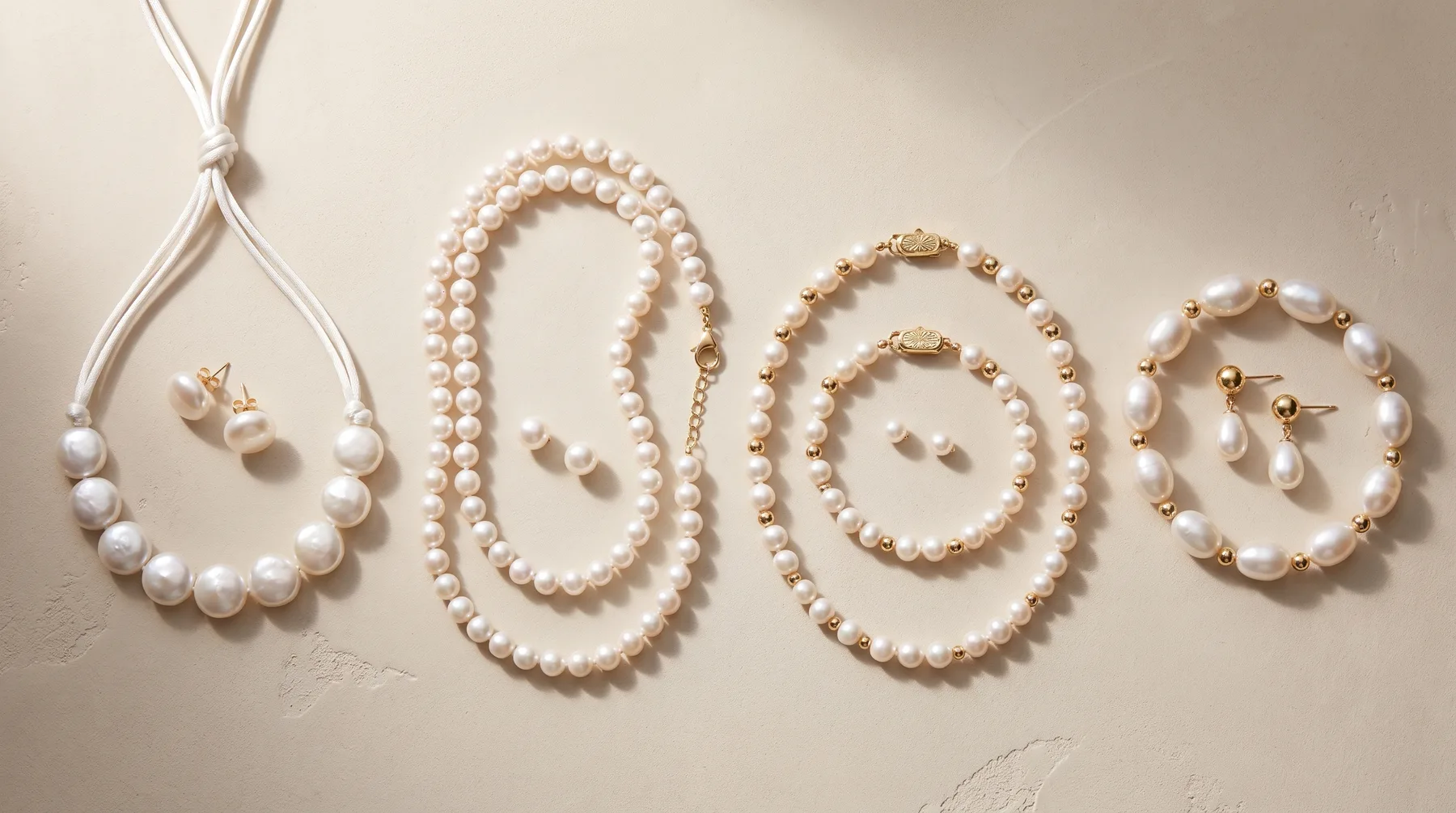
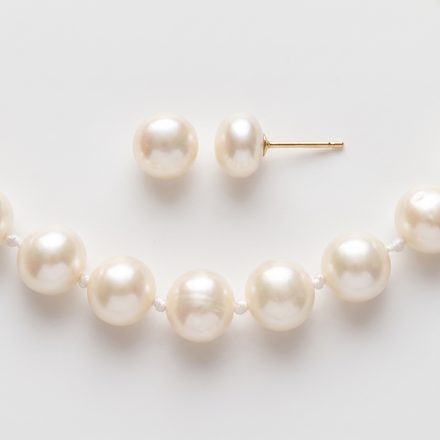
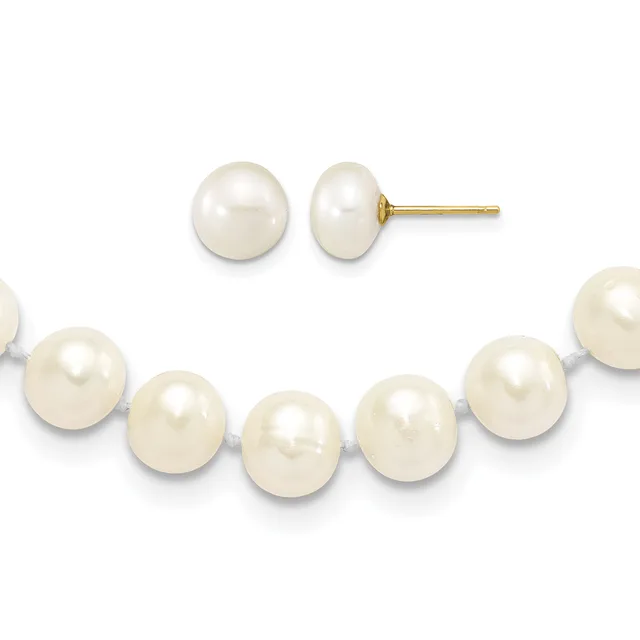
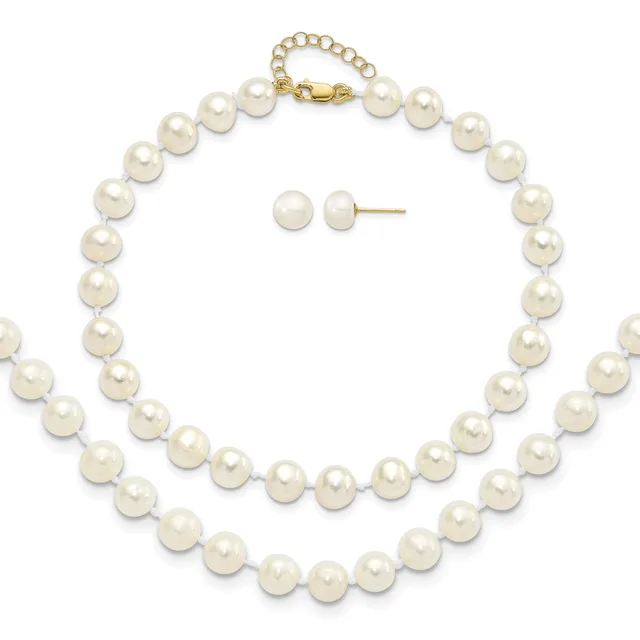
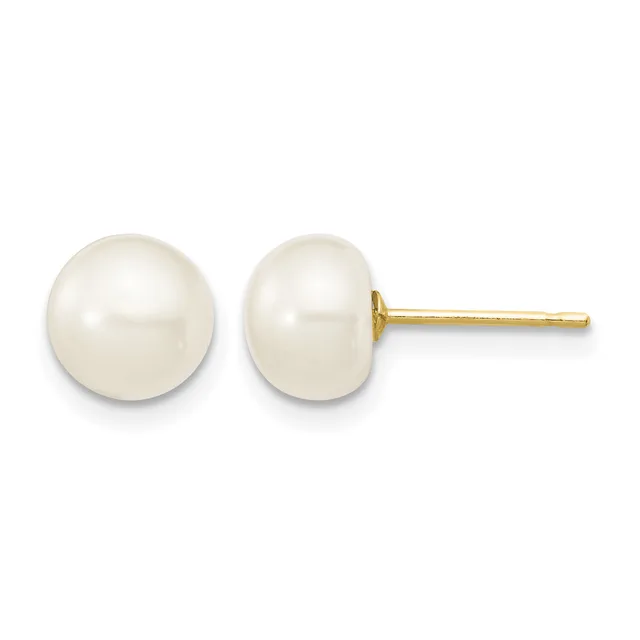
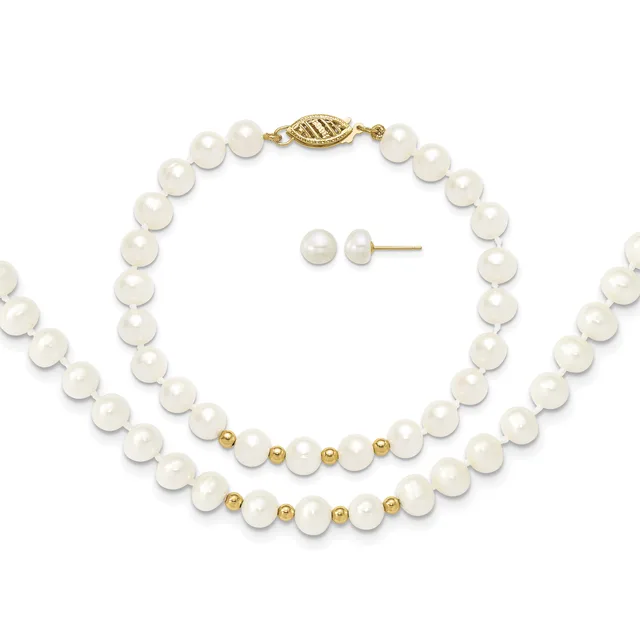
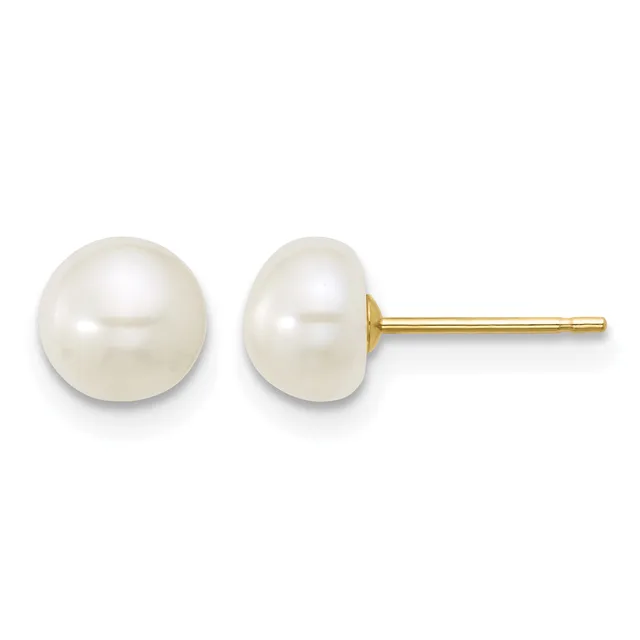
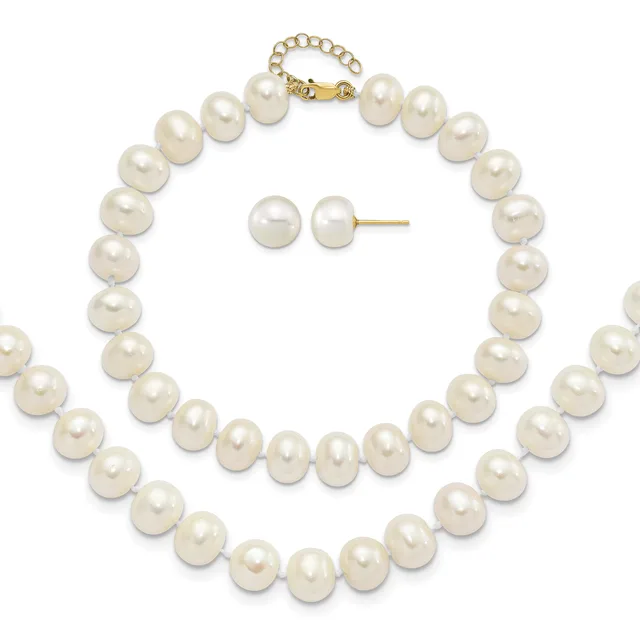
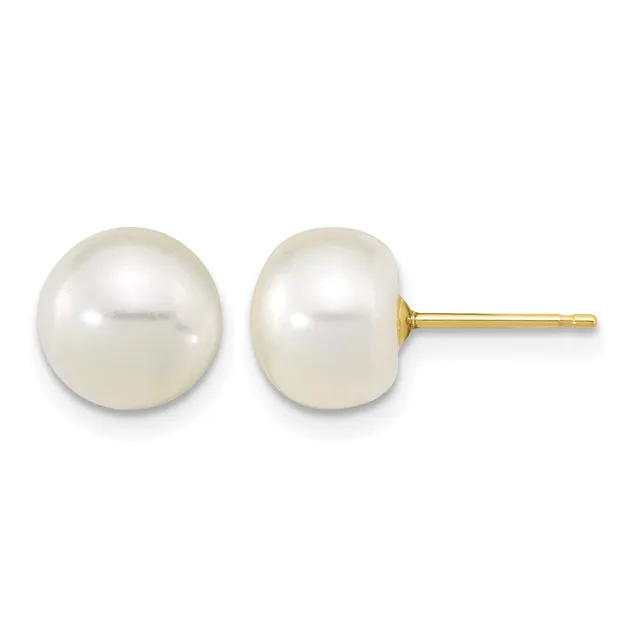
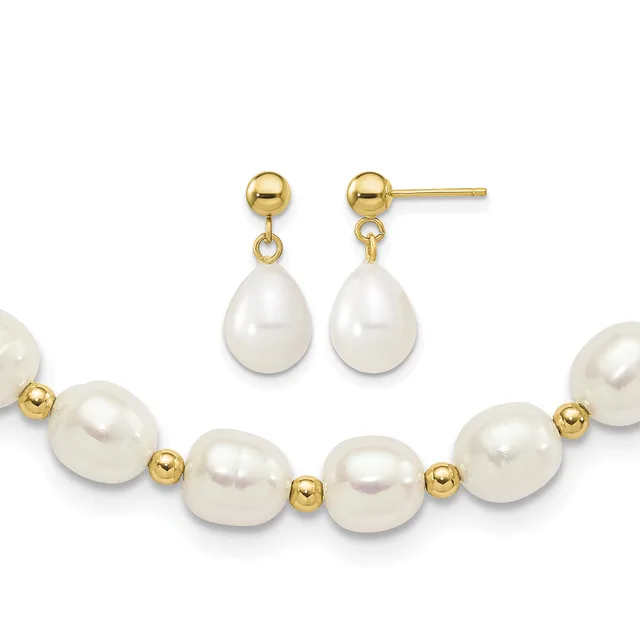
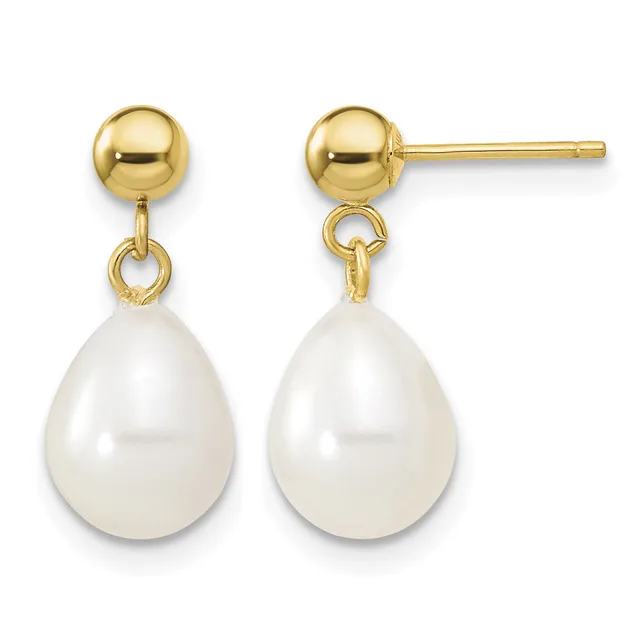
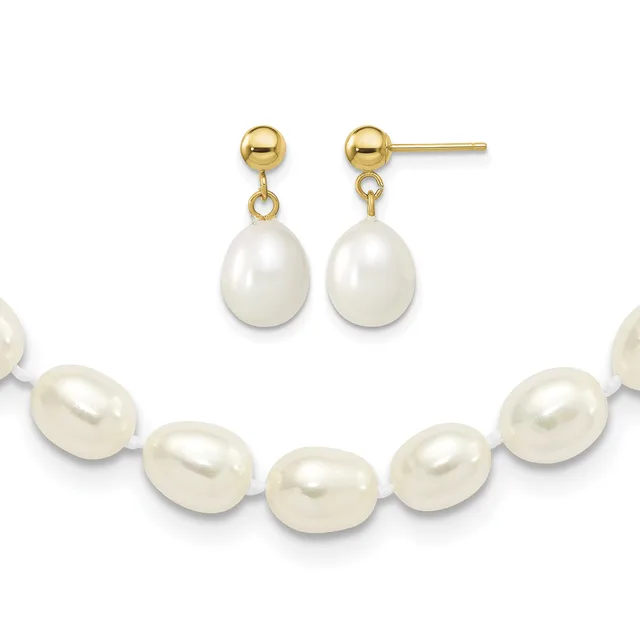
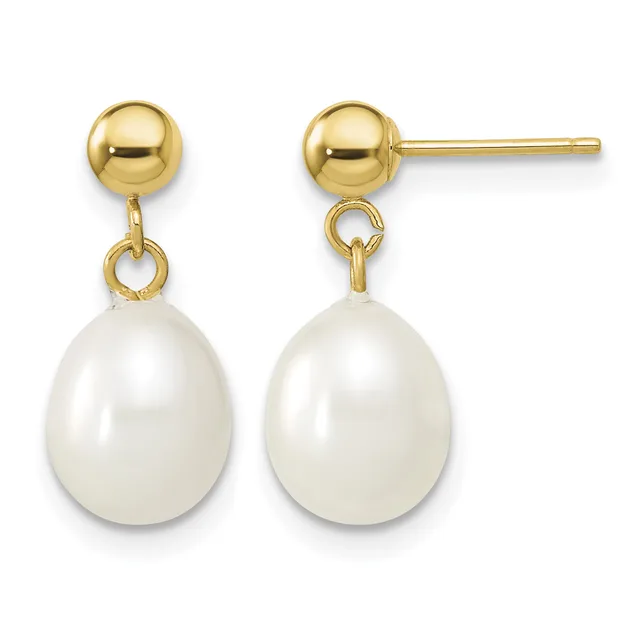
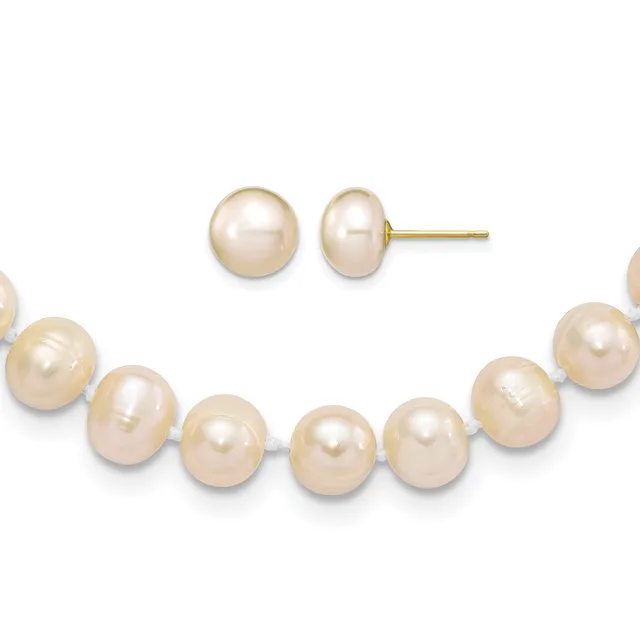
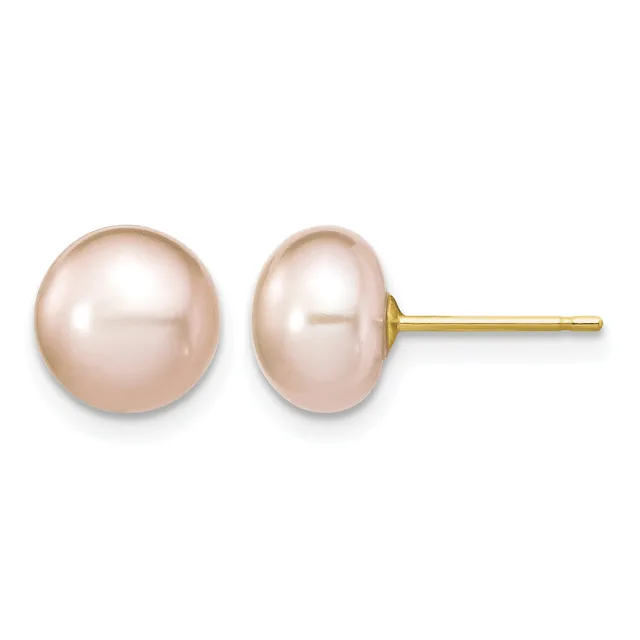
This collection centers on cultured pearl necklaces, though many pieces arrive as part of coordinated sets that include earrings, bracelets, or both. If you're drawn to a necklace, it's worth checking whether a matching set is available — wearing pearls together creates a continuity that individual pieces can't quite replicate.
Cultured Pearls: What the Term Means
A cultured pearl is a genuine pearl, grown inside a mollusk with human assistance — a nucleus is introduced, and the animal coats it in nacre over time, exactly as it would a natural irritant. The nacre is real, the luster is real, and the care requirements are the same as for any natural pearl. What varies between cultured pearls is the thickness of that nacre layer, which affects depth of luster, and the roundness and surface cleanliness of the finished pearl, which affect overall visual quality.
Choosing the Right Necklace
Strand length is the first practical decision. A shorter strand sits at the collarbone and reads as polished and contained; a longer strand falls lower on the chest and works well with open necklines. Consider the necklines you wear most often before choosing.
Beyond length, pay attention to pearl size and uniformity. Strands graded for consistent sizing and matching luster across every pearl are more demanding to assemble and will look more refined. A single standout pearl — a pendant or solitaire-style piece — draws attention differently than a strand, and suits occasions where you want jewelry to be noticed without being elaborate.
Clasps matter more than they seem. A well-made clasp is secure under wear and smooth to operate; on a strand, it also becomes part of the design when it rotates into view. Metal color — yellow gold, white gold, or silver-toned — should coordinate with any other jewelry you plan to wear alongside the necklace.
Caring for Pearl Jewelry
Pearls are organic and among the softer gem materials, rating around 2.5–4.5 on the Mohs scale. They scratch more easily than most stones, so store them separately — a soft pouch or a lined compartment, never loose in a drawer with metal pieces. Perspiration, perfume, and hairspray are mildly acidic and dull nacre over time; put pearls on last when dressing and wipe them gently with a soft cloth after each wear. Keep pearls away from ultrasonic cleaners and steam, and have knotted strands re-strung periodically if the silk shows wear.
Frequently asked questions
Are these natural pearls or cultured pearls?
The pearls in this collection are cultured pearls. Cultured pearls are genuine pearls grown inside mollusks with a nucleating agent introduced by hand; the nacre they produce is identical to that of a natural pearl.
Can I buy a matching set rather than a necklace on its own?
Several pieces in this collection are available as coordinated sets that include earrings, a bracelet, or both. Check each product listing to see what's offered alongside the necklace.
How do I clean a pearl necklace at home?
Wipe pearls with a soft, slightly damp cloth after wearing and allow them to dry fully before storing. Avoid ultrasonic cleaners, steam, and any chemical cleaners, as these degrade nacre over time.
How often should a knotted pearl strand be re-strung?
It depends on how frequently you wear it, but a strand worn regularly is generally worth having inspected every one to two years. Silk thread weakens and stretches with use, and re-stringing before it breaks prevents losing pearls.
Does pearl size affect quality?
Pearl size reflects how long a pearl was cultivated and is a factor in pricing, but it isn't the same as quality. Luster, surface cleanliness, roundness, and nacre thickness each matter as much as diameter when judging a pearl's overall appearance.