
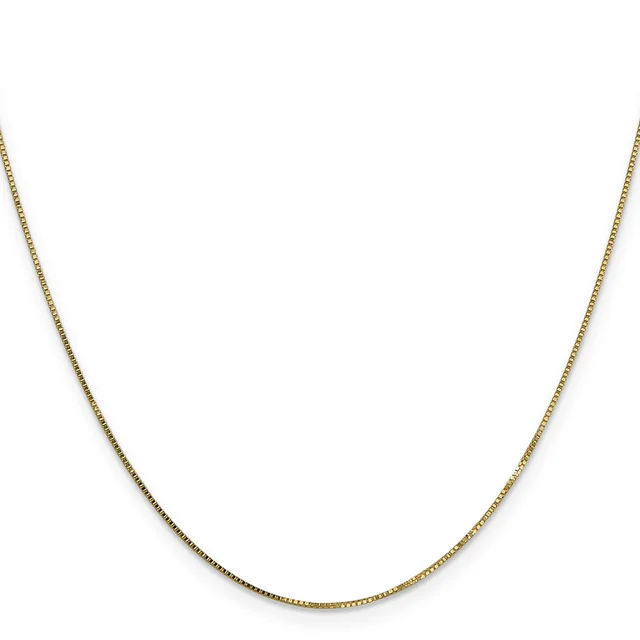
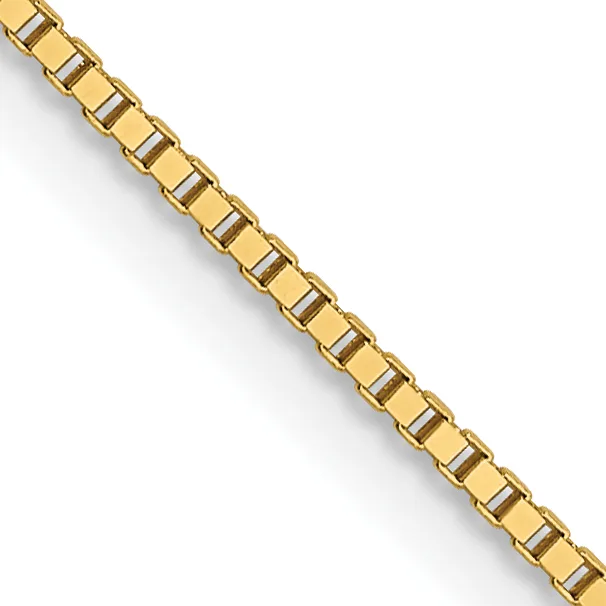
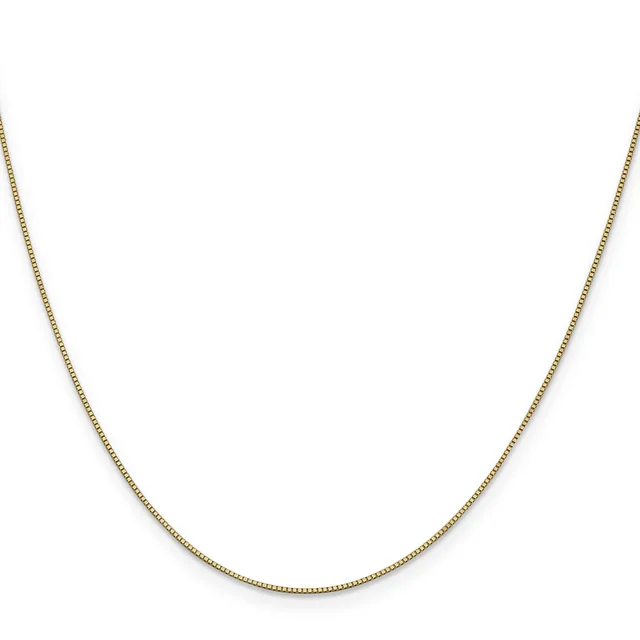
How Chain Structure Affects the Way a Piece Wears
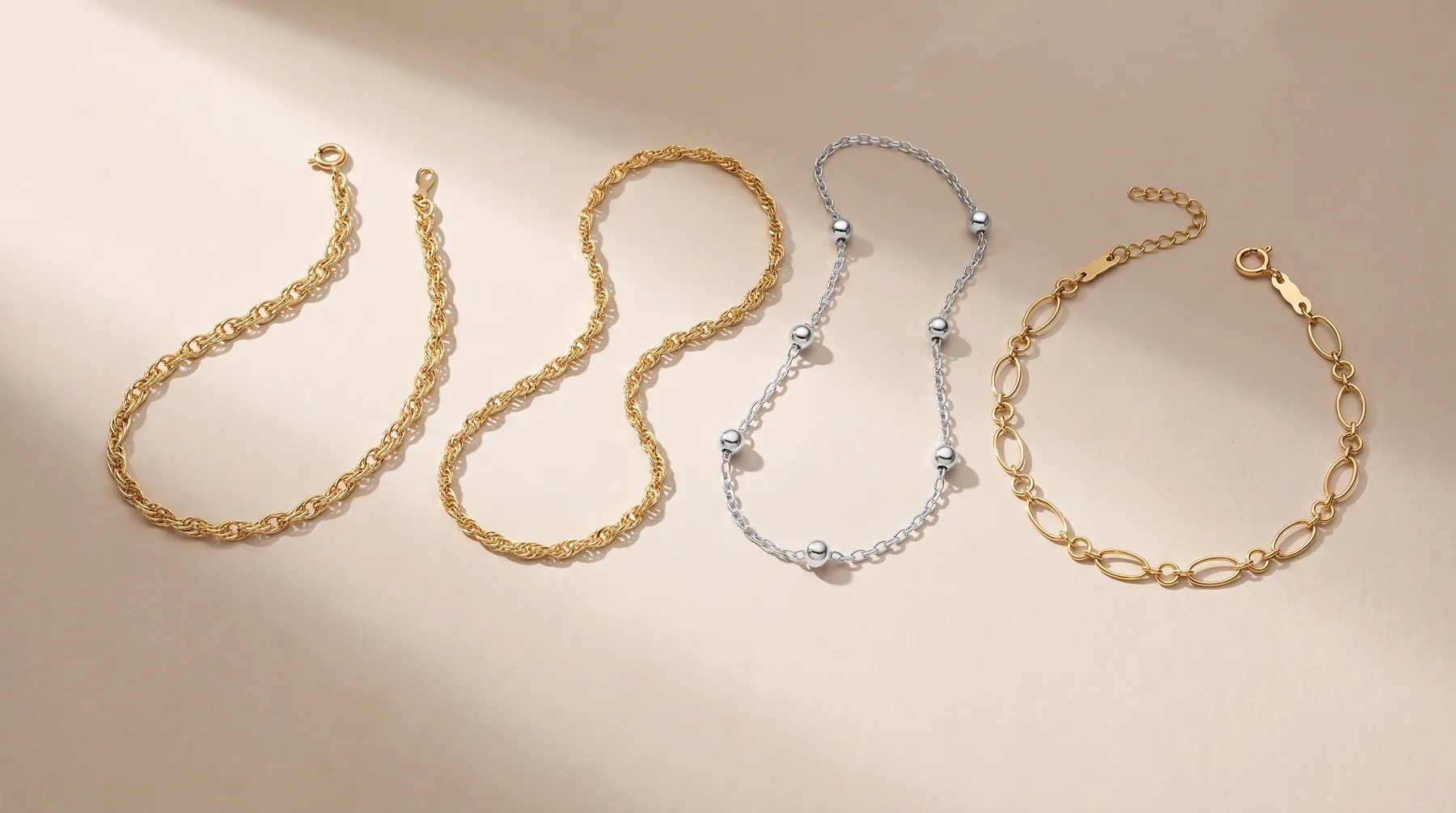
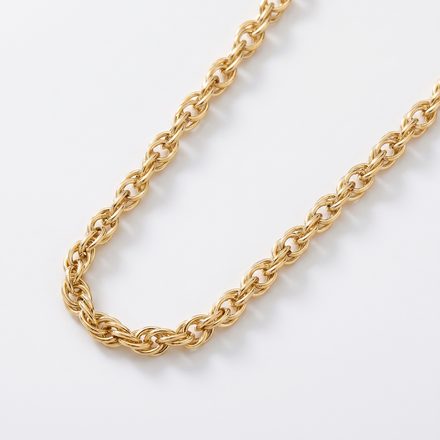
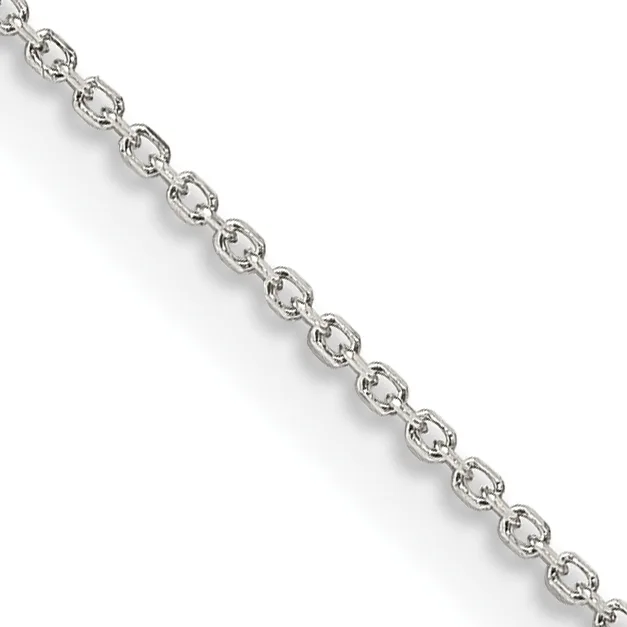
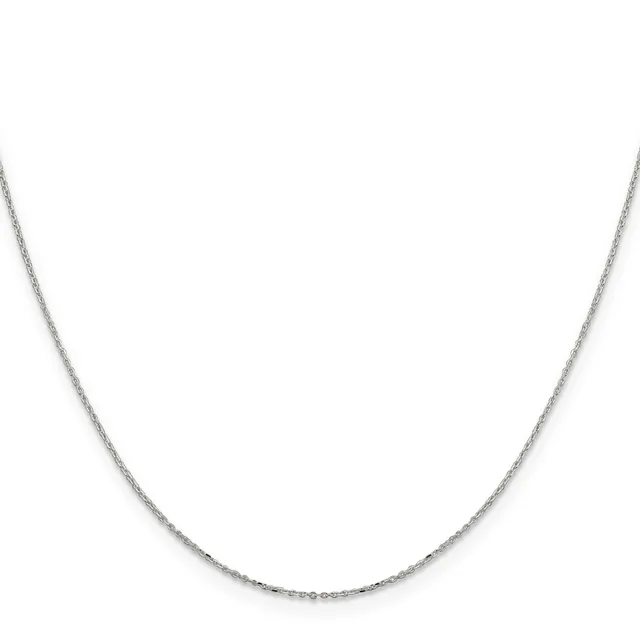
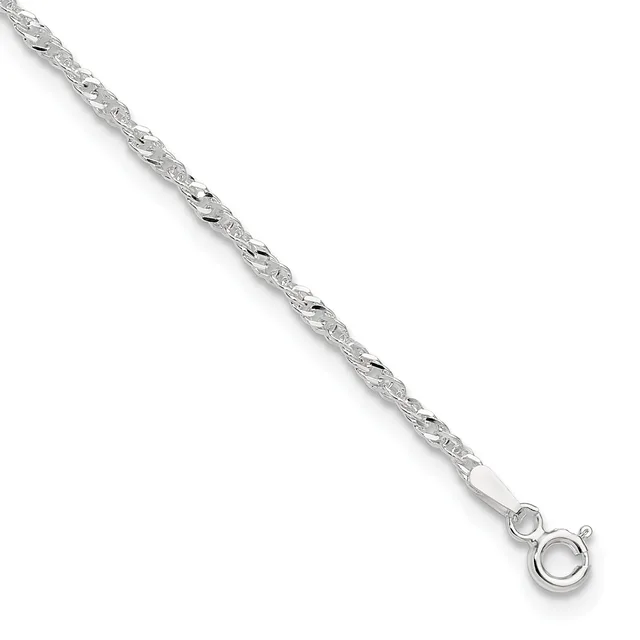
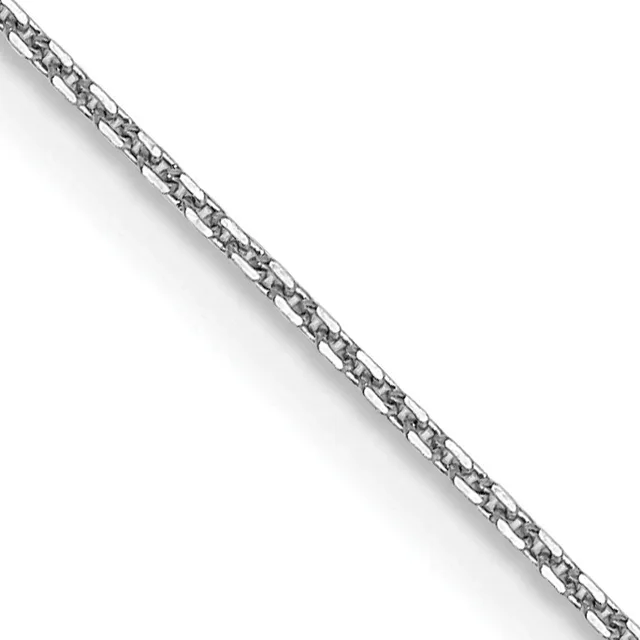
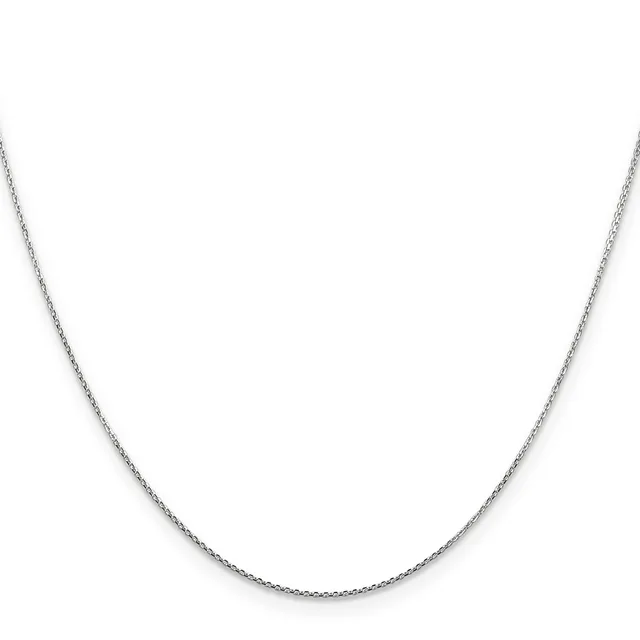
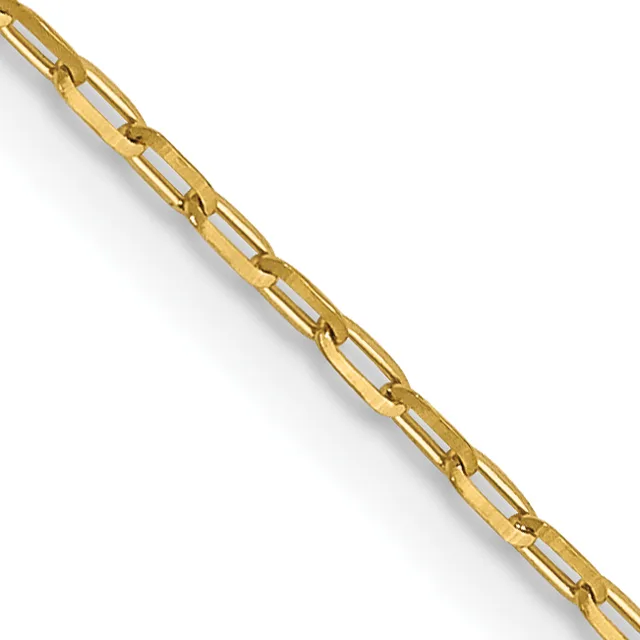
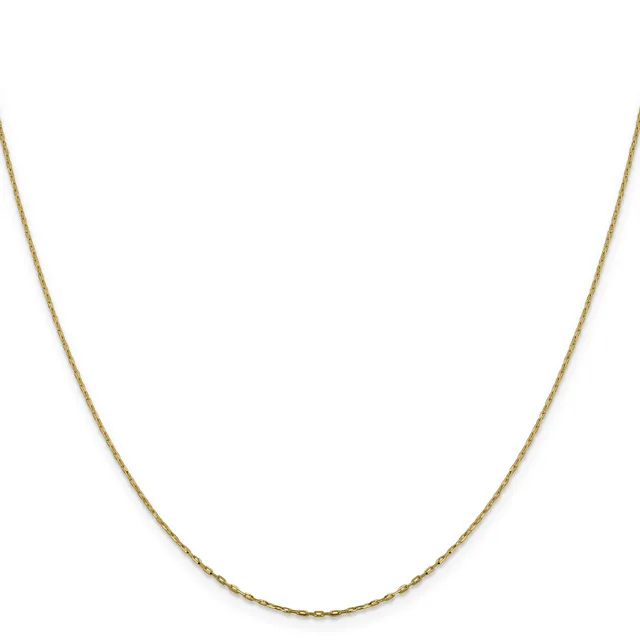
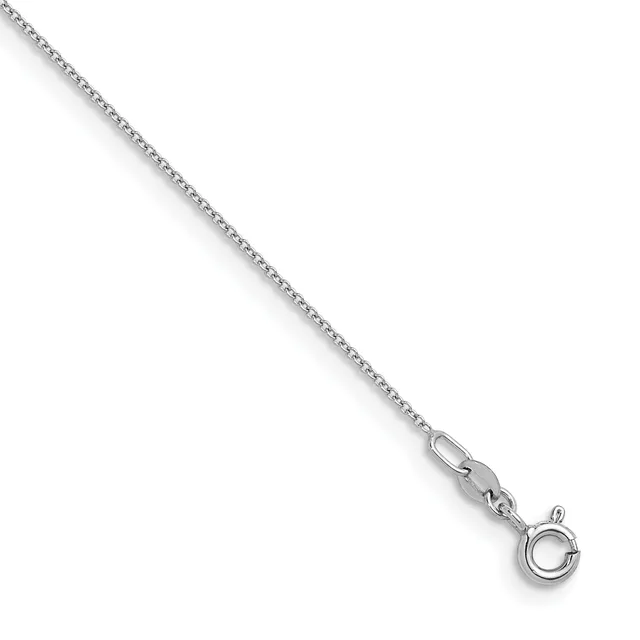
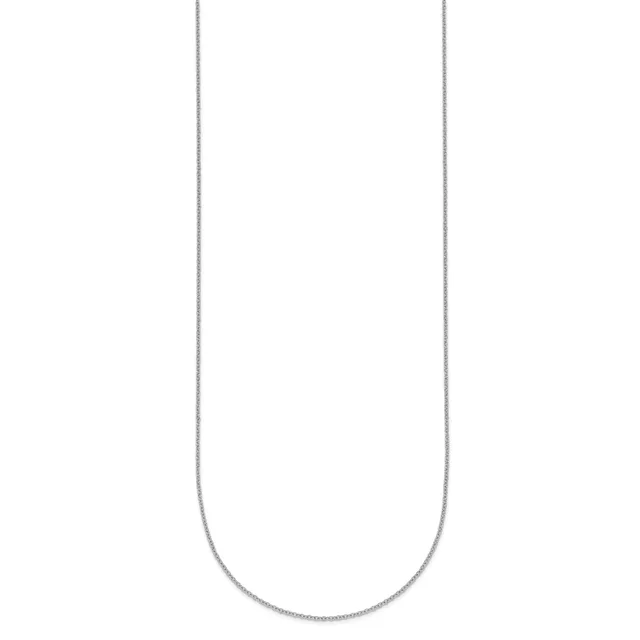
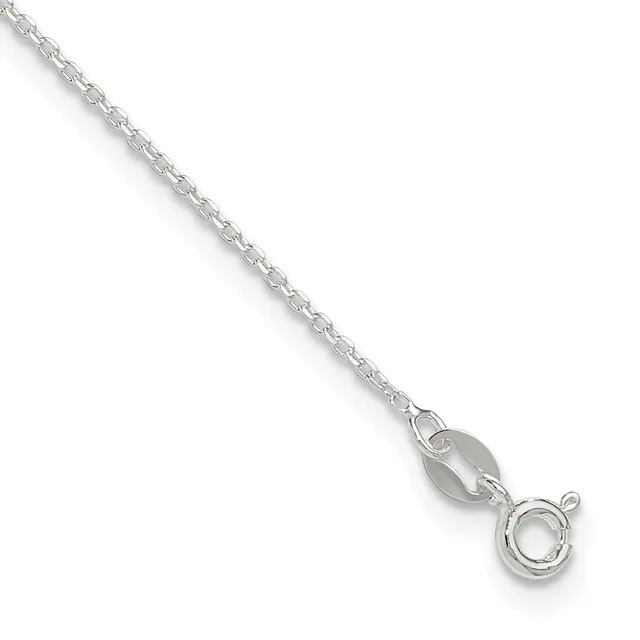
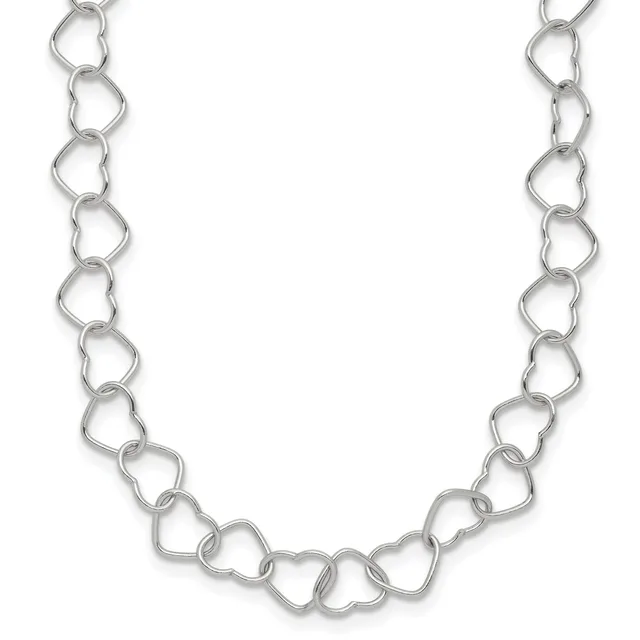
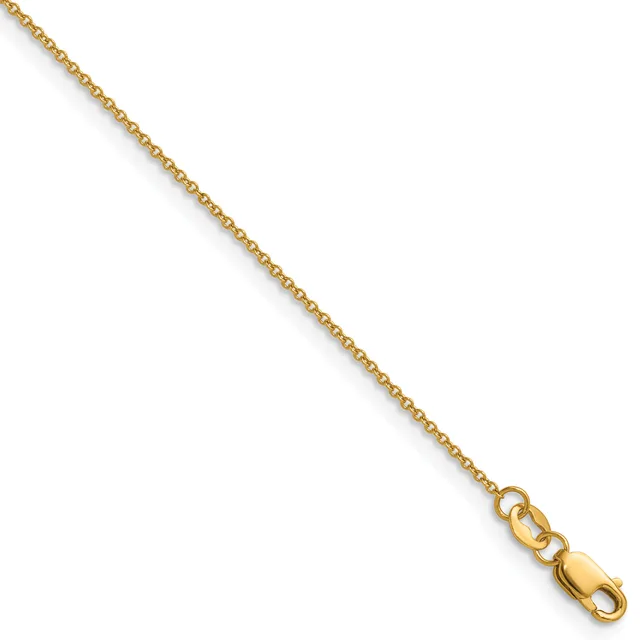
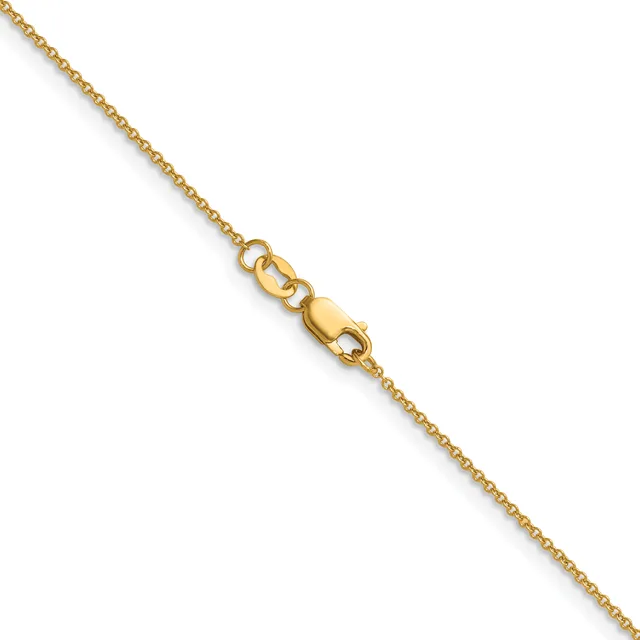
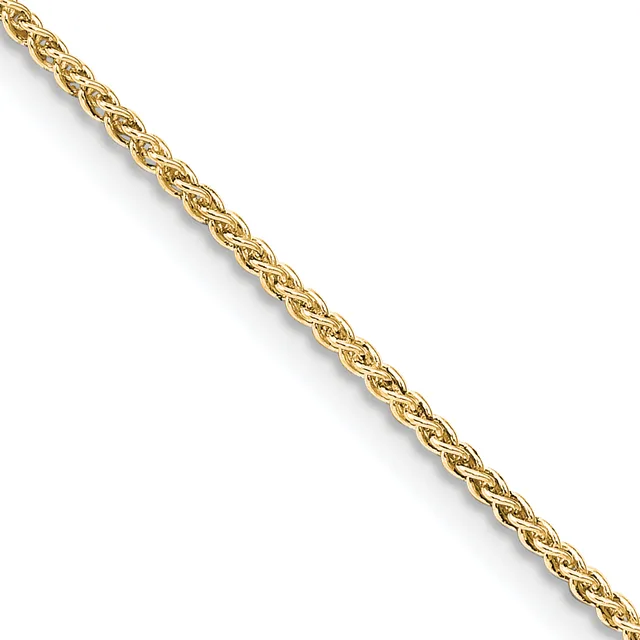
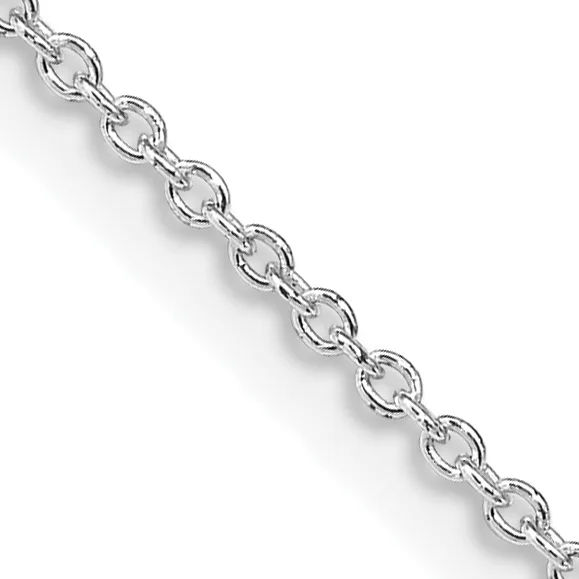
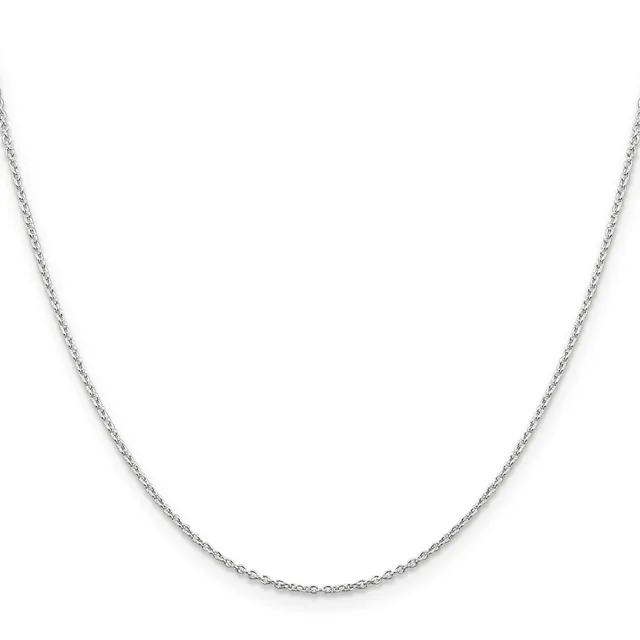
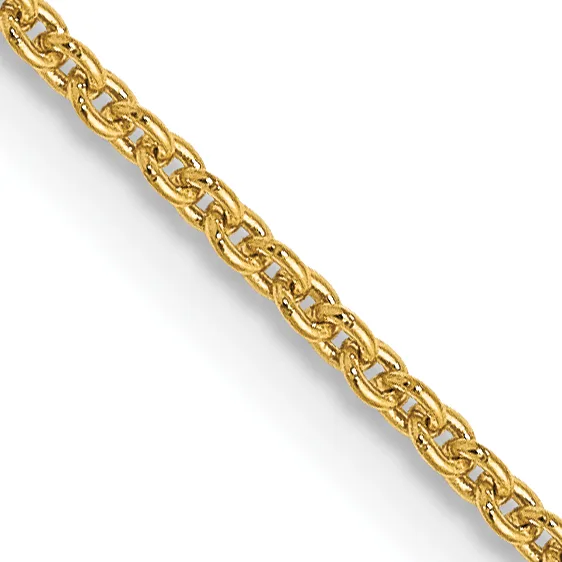
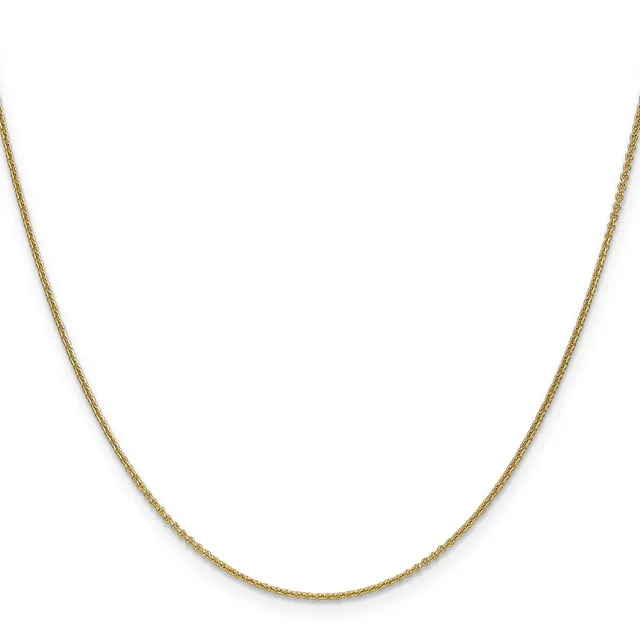
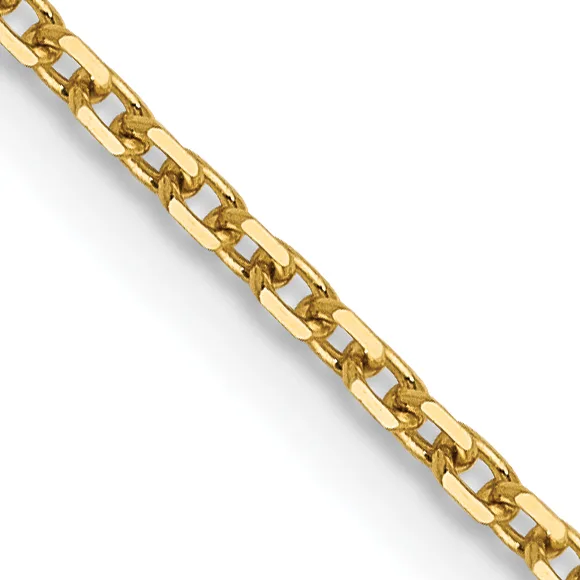
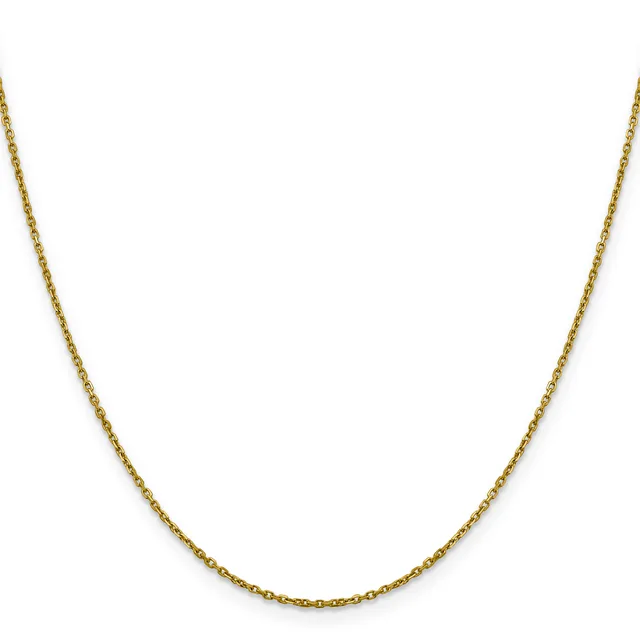
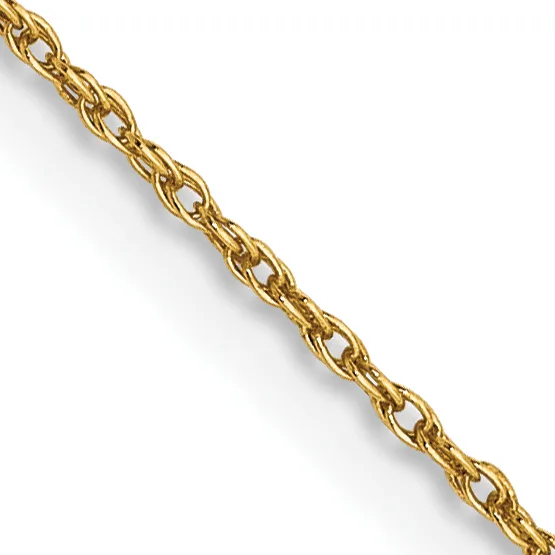
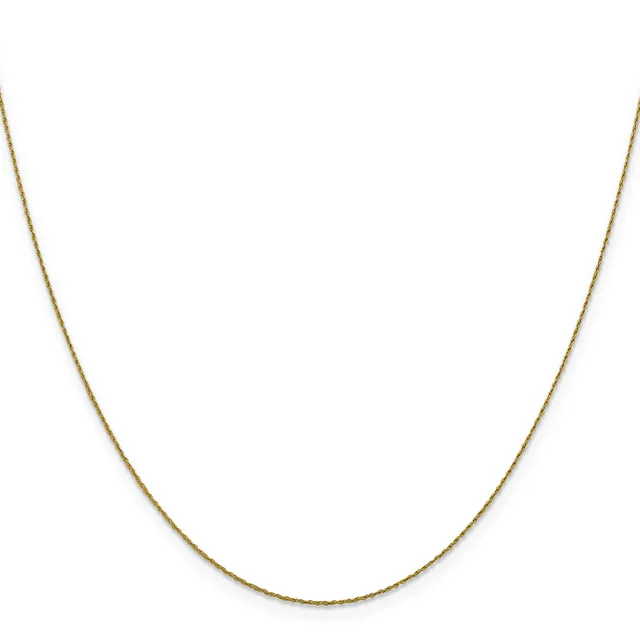
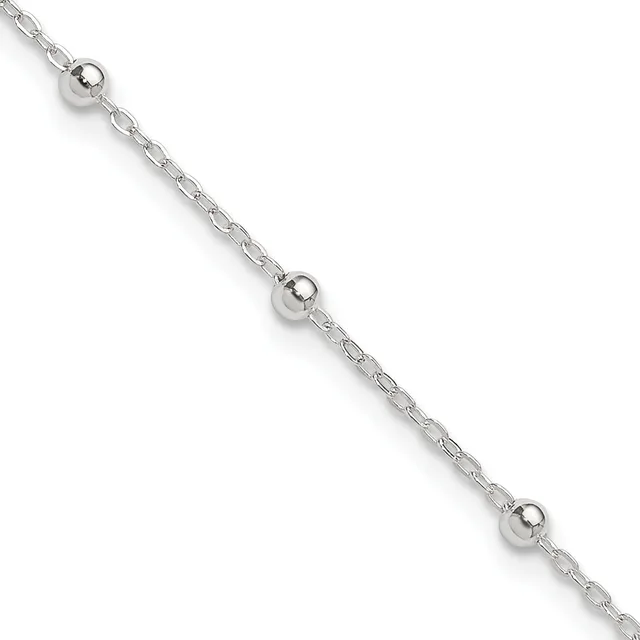
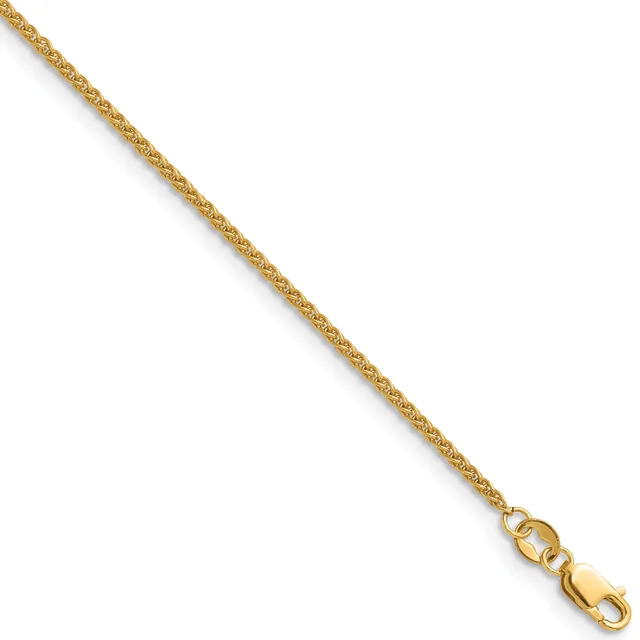
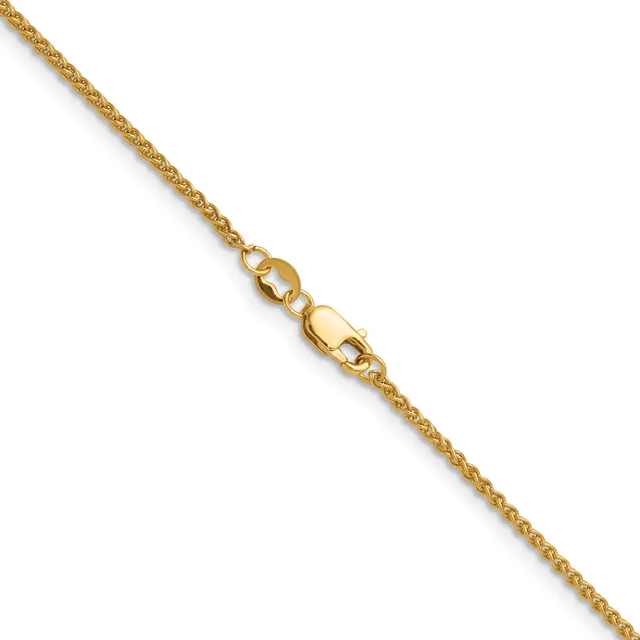
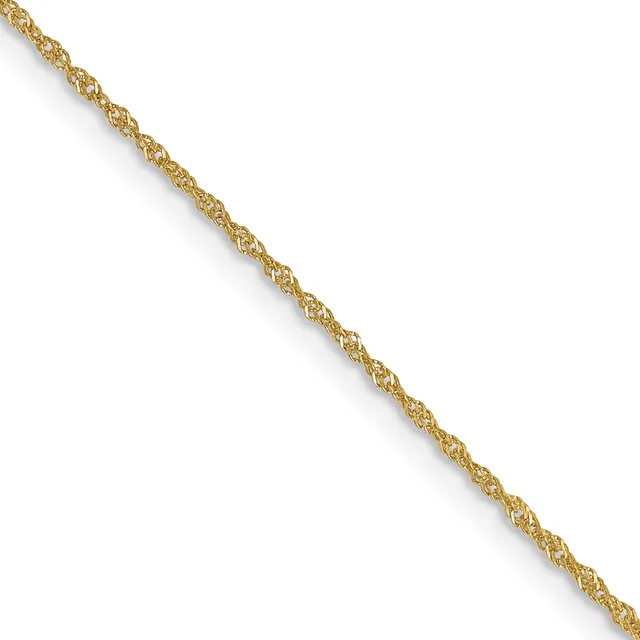
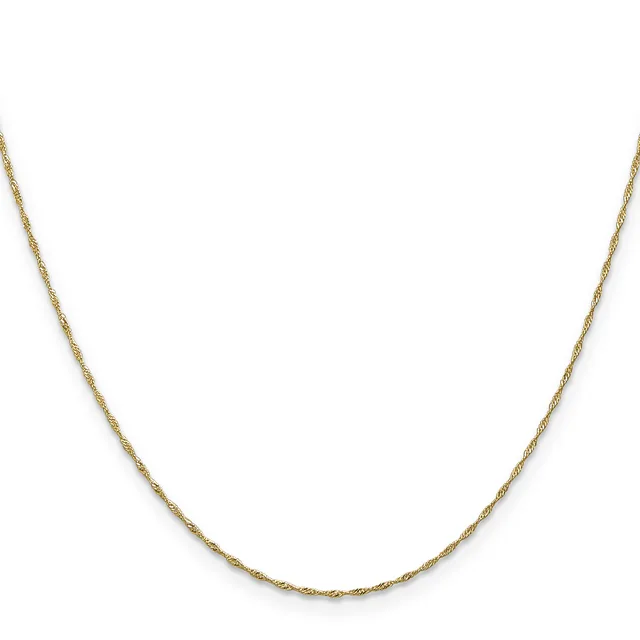
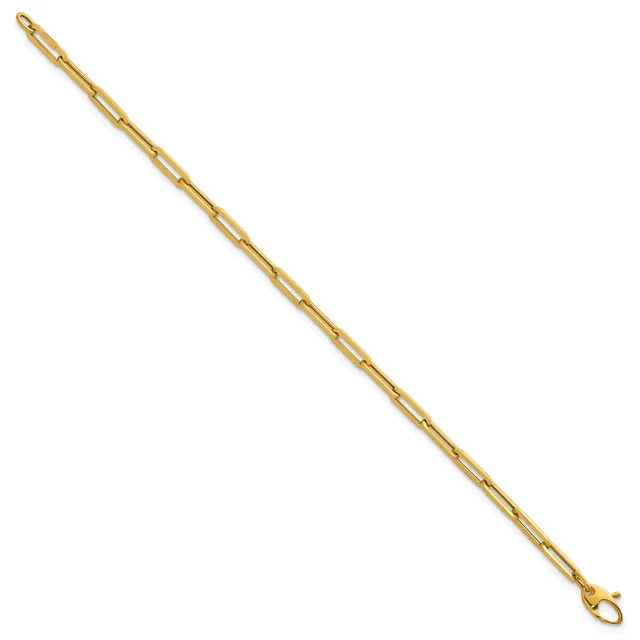
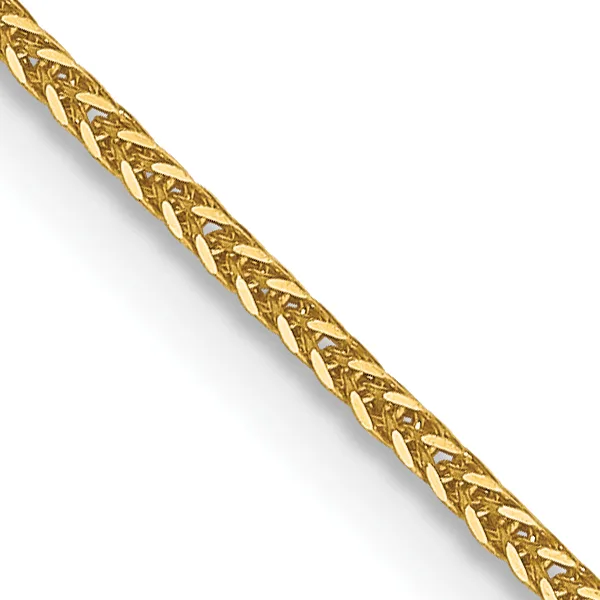
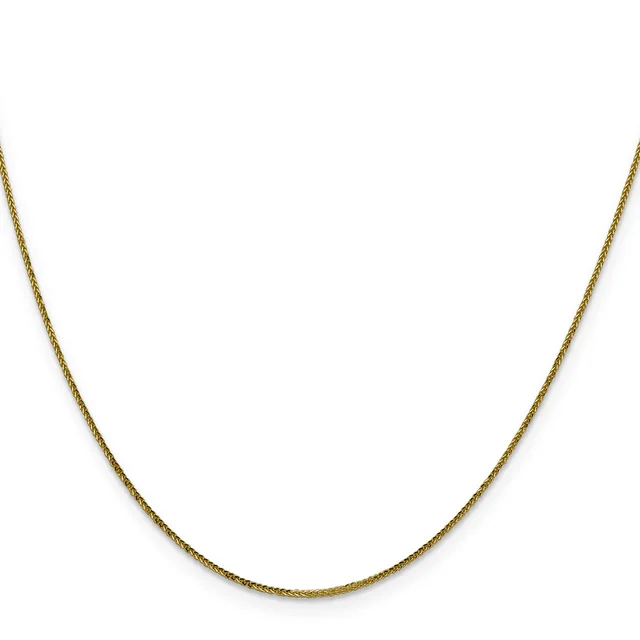
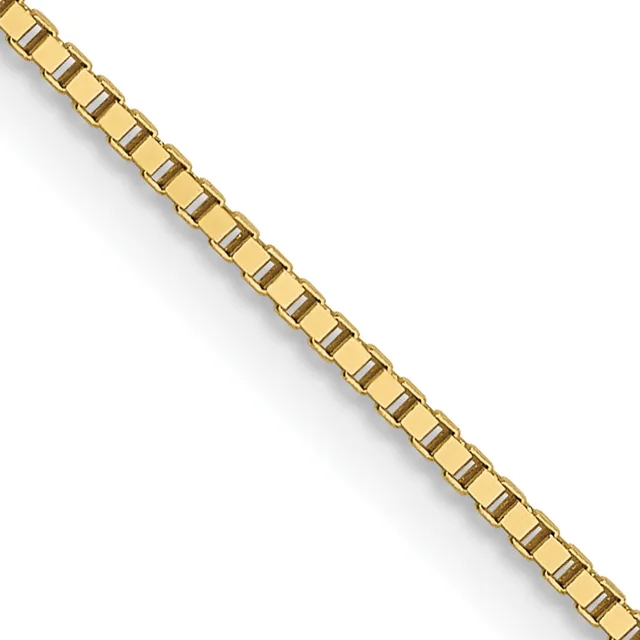
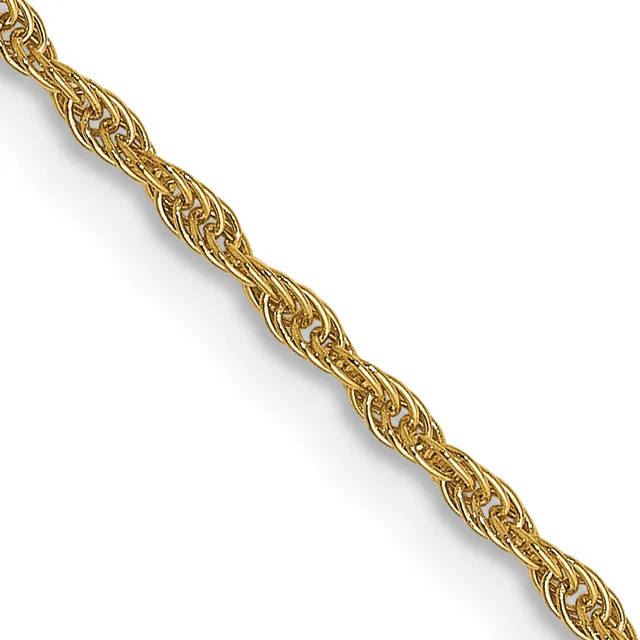
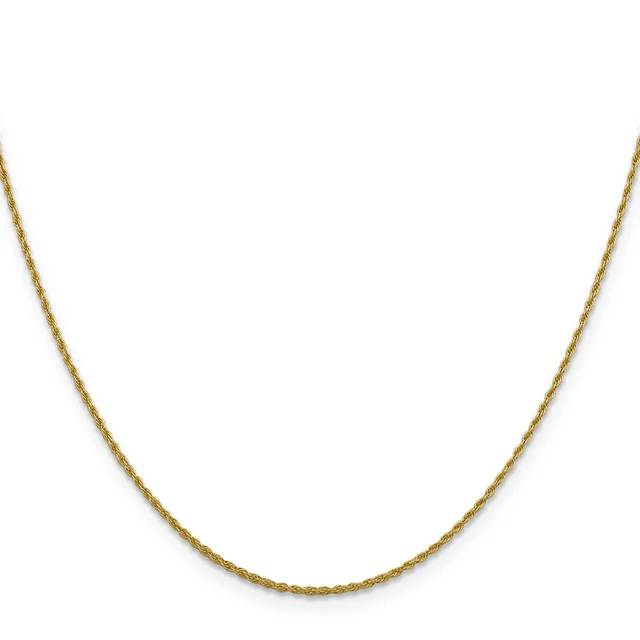
Every chain style begins with a single repeated element — a link, a coil, a bead — and the geometry of that element determines how the chain moves, catches light, and holds up over time. A cable chain, built from uniform oval or round links, lies flat and reads as quietly classic; it flexes easily and is one of the more forgiving styles for everyday wear. A rope chain twists its links into a helical spiral, which gives it a rounded profile and strong surface texture that catches light even in low settings. A snake chain is composed of tightly fitted plates or rings that slide against one another, creating a smooth, liquid surface and a distinctly modern silhouette — though that same close construction means it should be handled more carefully than open-link styles. A Singapore chain uses a figure-eight twist that produces a gentle ripple, catching light differently at each angle. Beaded and spiga styles each have their own rhythm: spiga (wheat) links interlock in a herringbone-like pattern for a dense, textured look, while beaded chains read as more relaxed and organic.
Karat, Metal Color, and What They Mean Day to Day
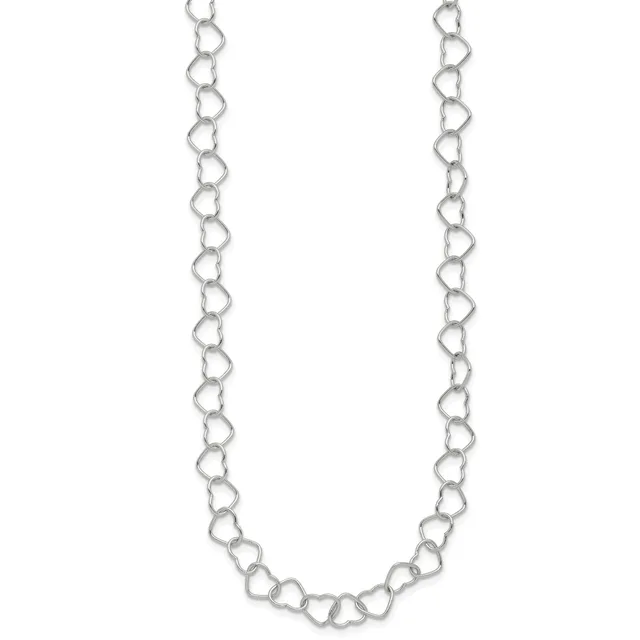
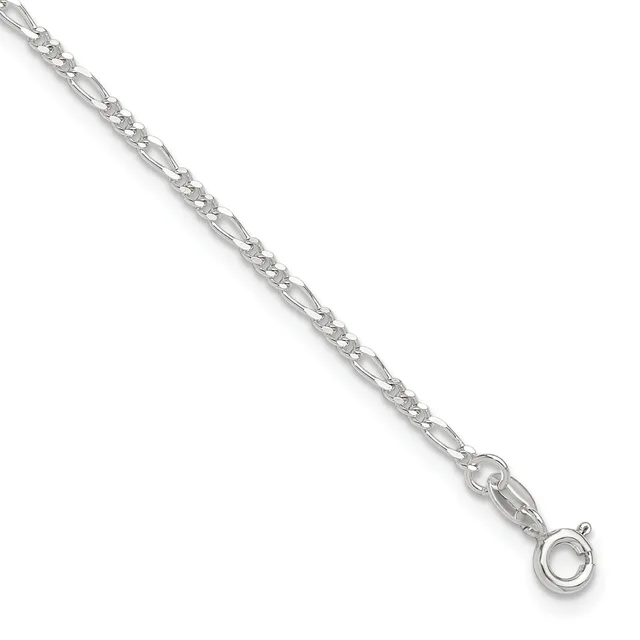
Gold chains in this selection are offered in 14k, which balances durability with gold content — 14k contains 58.3% pure gold alloyed with metals that add strength, making it well suited to pieces worn regularly. Yellow gold at 14k holds its color without replating. White gold achieves its tone through alloying and is typically rhodium-plated at the surface; over time that plating can wear, and periodic replating restores the original finish. Rose gold gets its warm hue from a higher proportion of copper in the alloy; the color is stable and does not require surface treatment. Sterling silver chains are 92.5% silver and will develop a natural patina with exposure to air and skin — a soft polishing cloth returns the surface quickly.
Choosing Between a Standalone Chain and a Pendant Chain
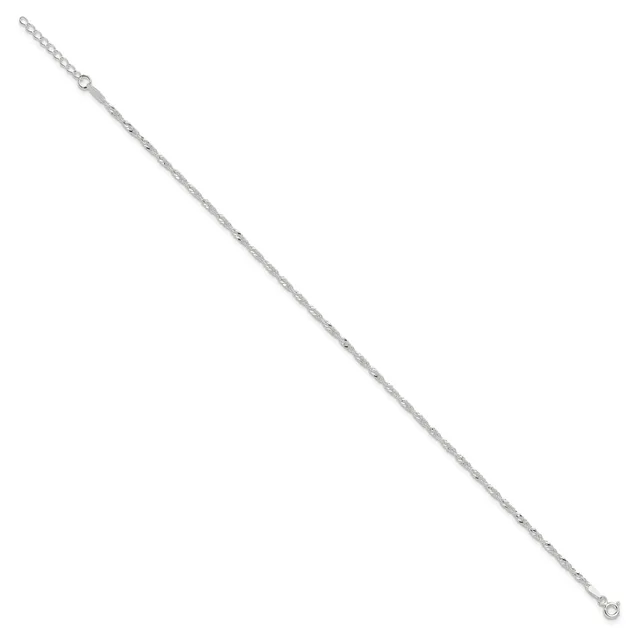
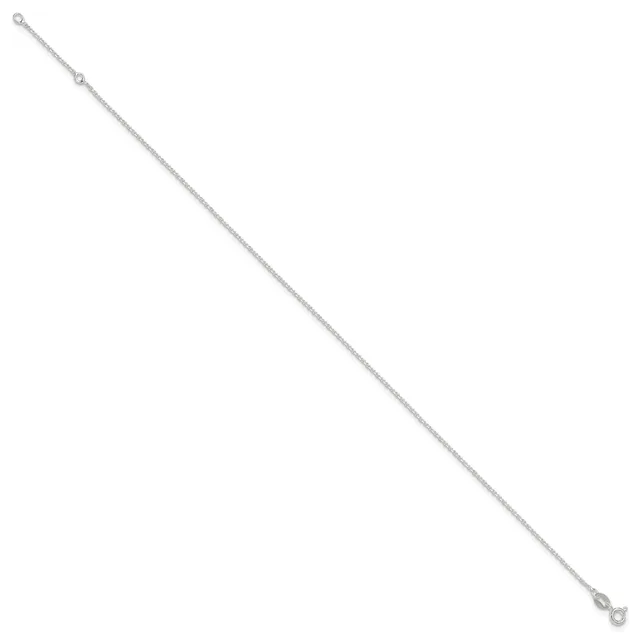
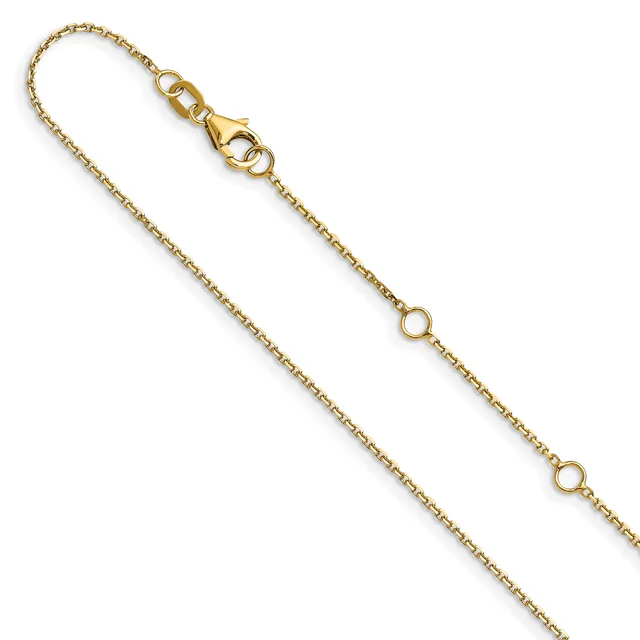
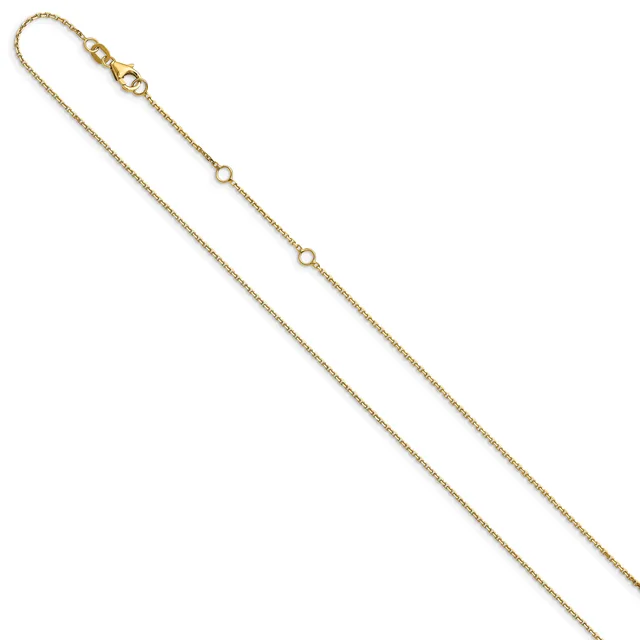
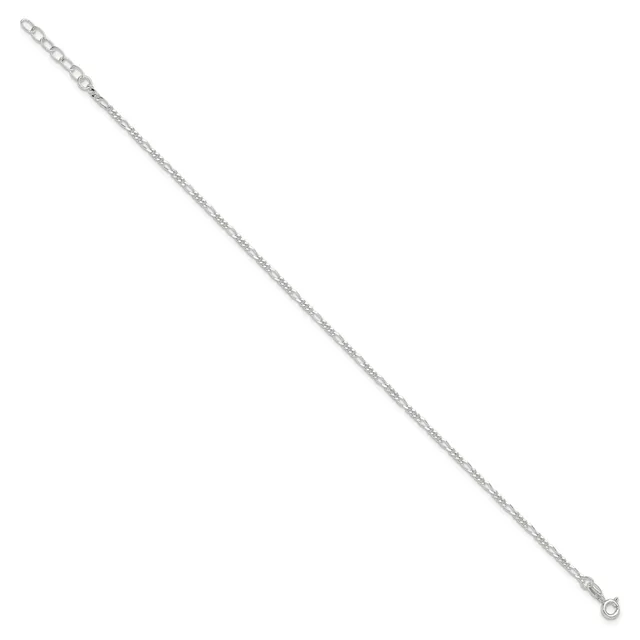
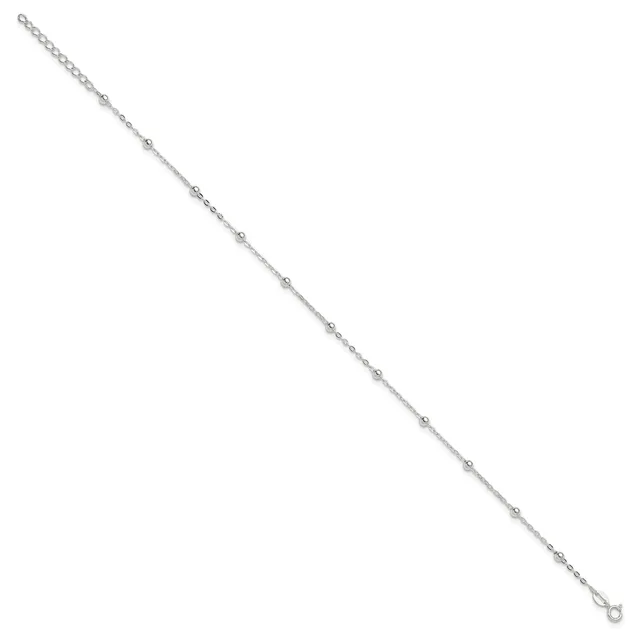
A chain worn on its own tends to read best when its structure has enough visual weight or texture to hold attention — rope, snake, and spiga styles work particularly well this way. Chains intended to carry a pendant benefit from a simpler, finer link that does not compete with the pendant's detail; cable and Singapore styles are common choices here. Consider the clasp placement and chain length together: adjustable chains remove the guesswork on length and are especially practical for anklets or layering. Chain anklets follow the same structural logic as necklaces but are sized for the ankle, so measure before ordering if length options are available.
Care
Store chains individually or in separate compartments — links and clasps catch on one another and can stretch or kink when tangled. Remove chains before swimming, bathing in hot water, or applying lotions and perfumes, as prolonged exposure to chemicals and chlorine accelerates tarnishing in silver and affects the rhodium plating on white gold. A lint-free polishing cloth handles most day-to-day cleaning without risk of abrasion.
Frequently asked questions
What is the difference between a rope chain and a cable chain?
A cable chain is made of individual oval or round links connected end to end, giving it a flat, classic look and easy flexibility. A rope chain twists multiple links into a continuous spiral, creating a rounder, more textured profile that reflects light more intensely.
Are snake chains delicate?
Snake chains have a smooth, close-fitted construction that gives them a sleek look, but that same structure makes them less flexible than open-link styles. They are best kept away from sharp bends or heavy pulling, which can kink or separate the plates.
Does white gold need special care over time?
White gold is typically rhodium-plated at the surface to achieve its bright white tone. With regular wear that plating gradually thins, and a jeweler can replate the piece to restore the original finish — this is a routine service, not a defect.
Can I wear a chain as both a necklace and an anklet?
Chain anklets are sized specifically for the ankle and are shorter than necklaces, so they are not interchangeable by design. Check the length of any piece before purchasing if you intend it for a specific use.
How do I keep a silver chain from tarnishing?
Store silver chains in an airtight pouch or lined compartment when not being worn, and avoid contact with perfume, lotion, and chlorine. A soft polishing cloth removes light tarnish quickly without scratching the surface.