
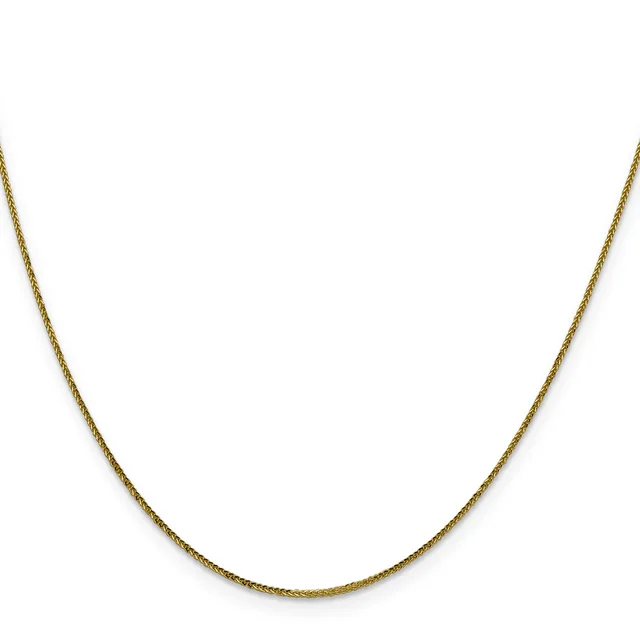
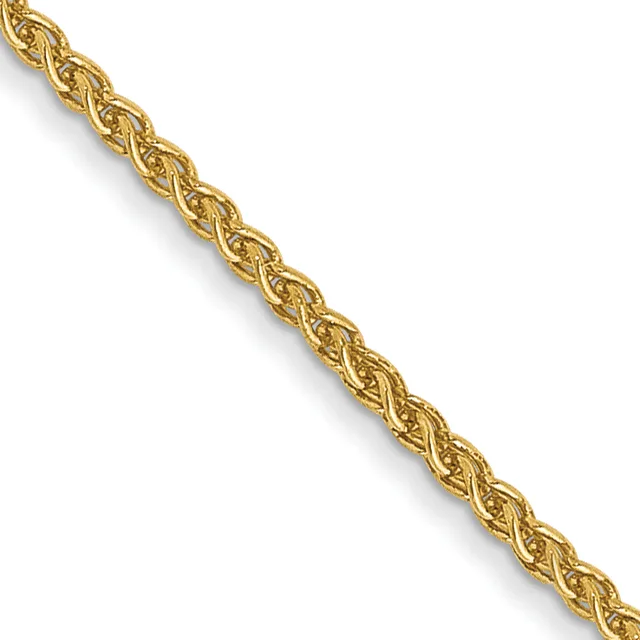
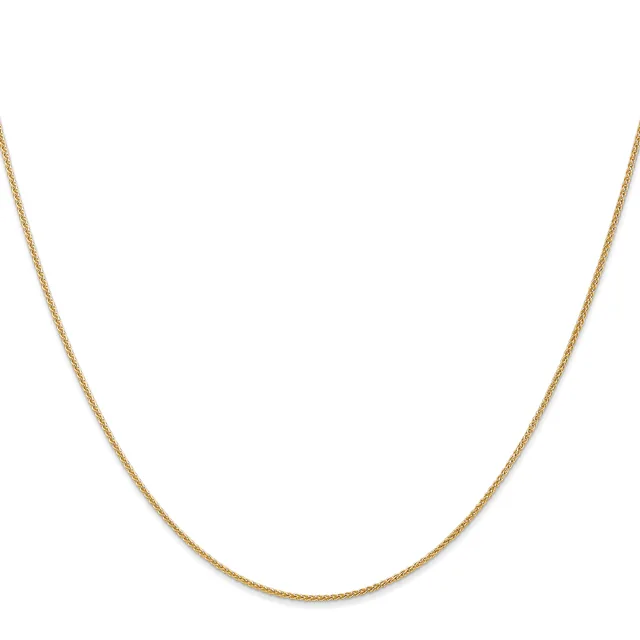
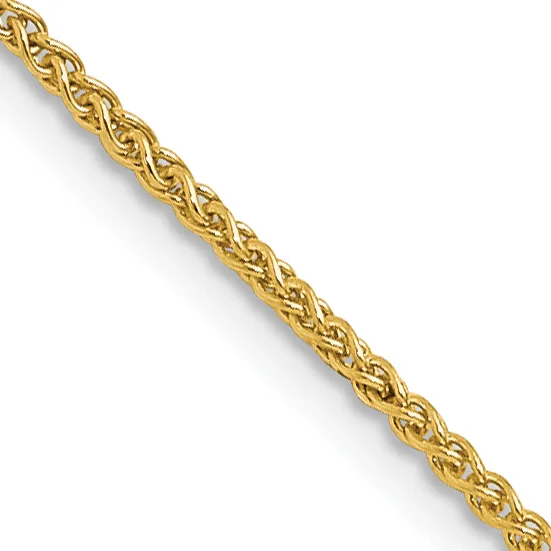
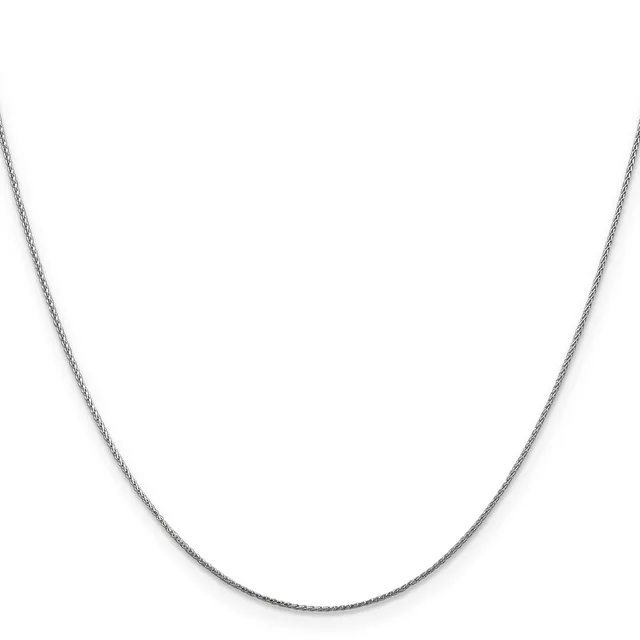
What makes the spiga weave different
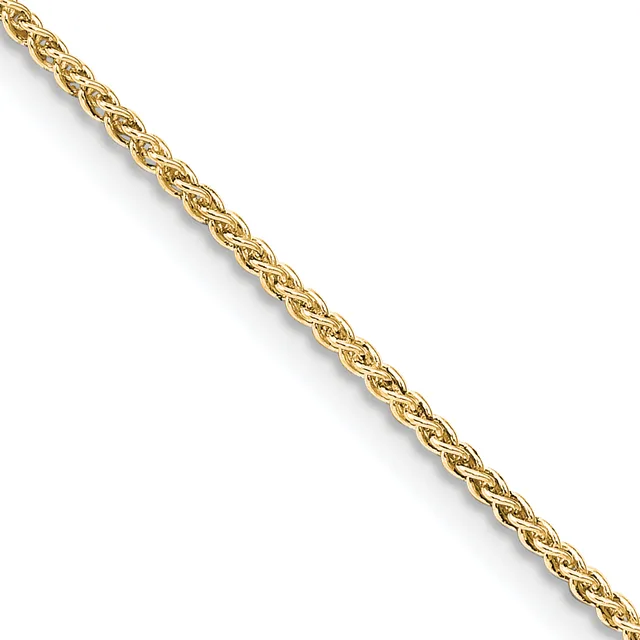
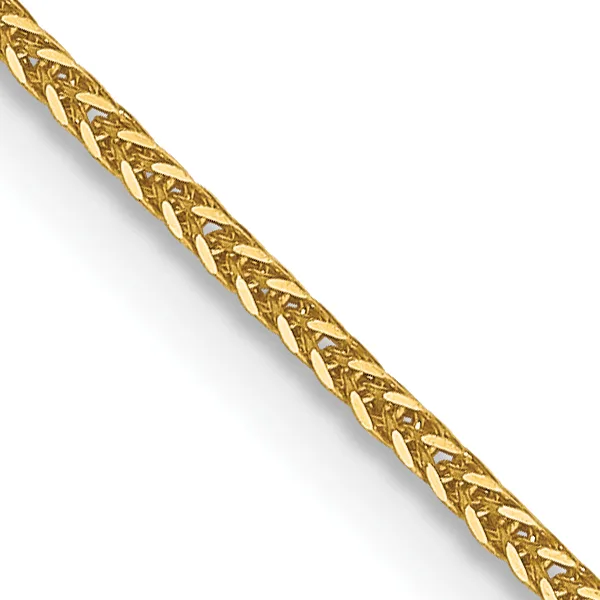
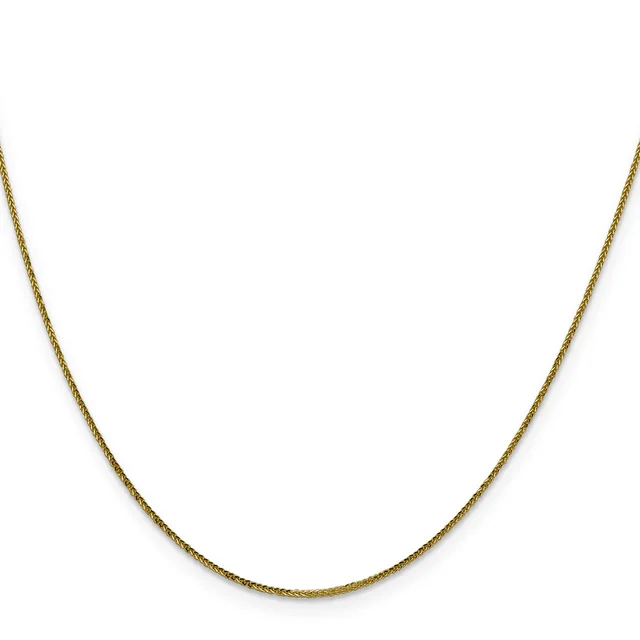
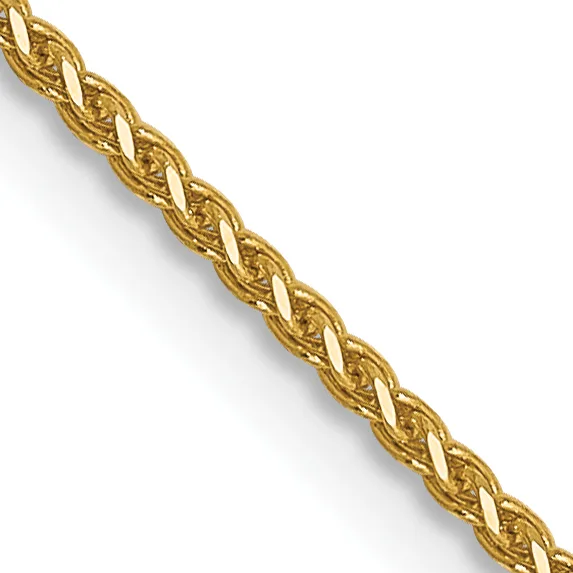
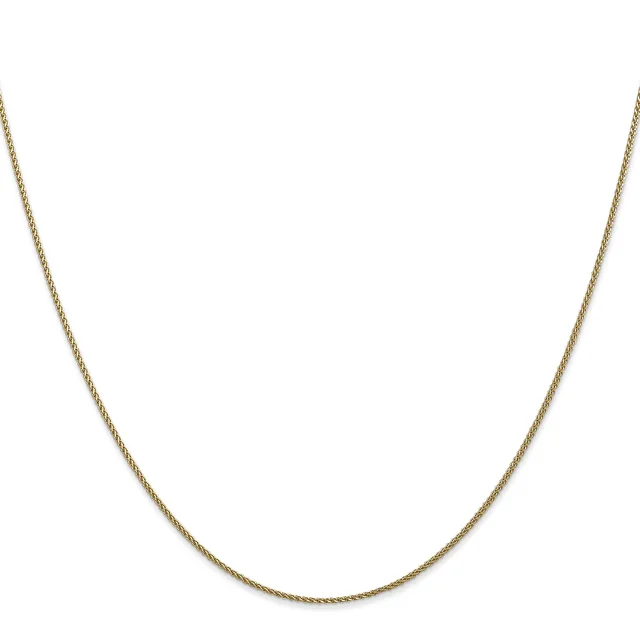
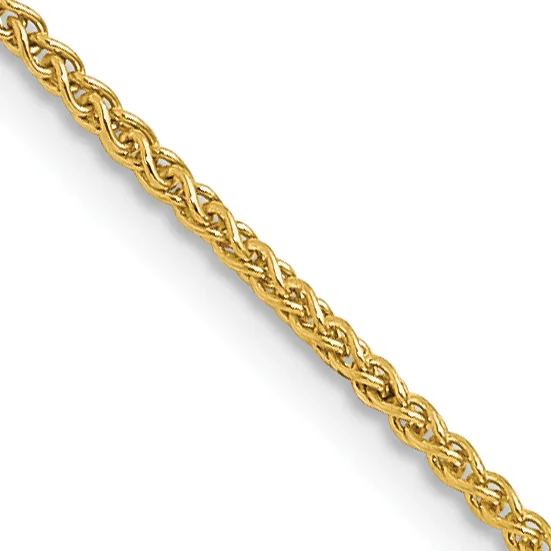
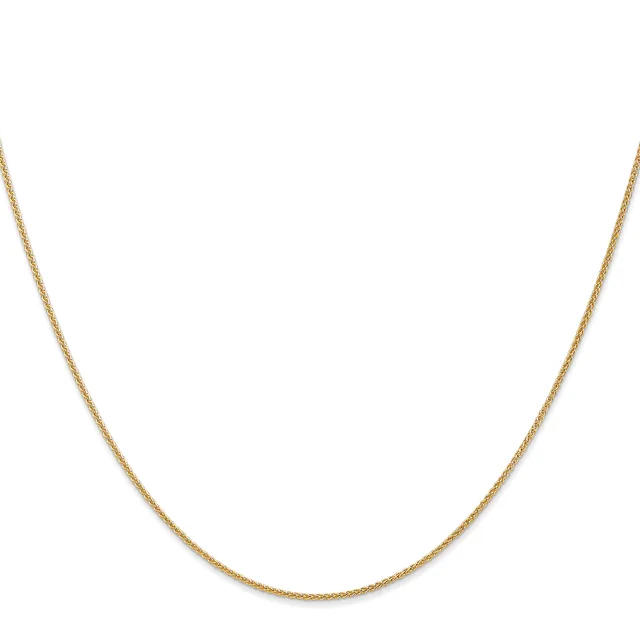
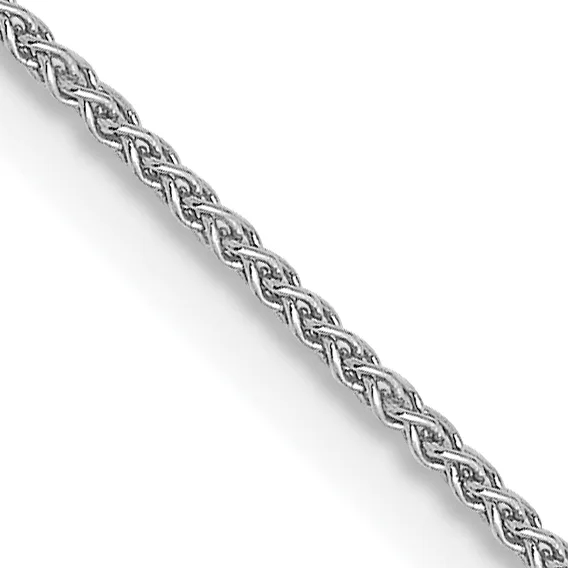
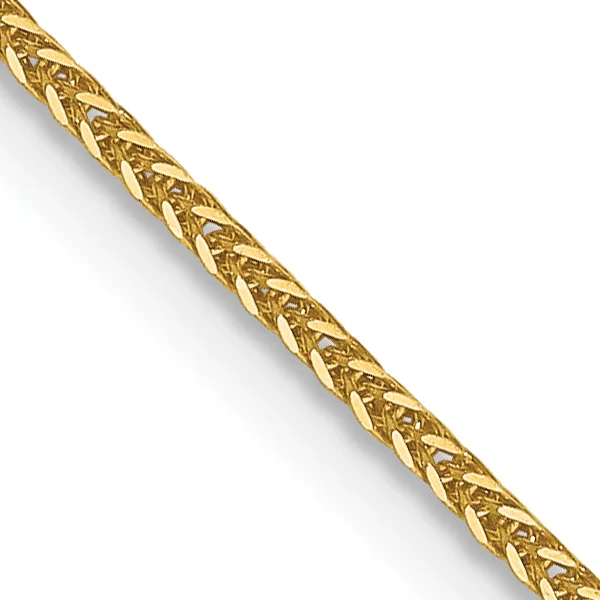
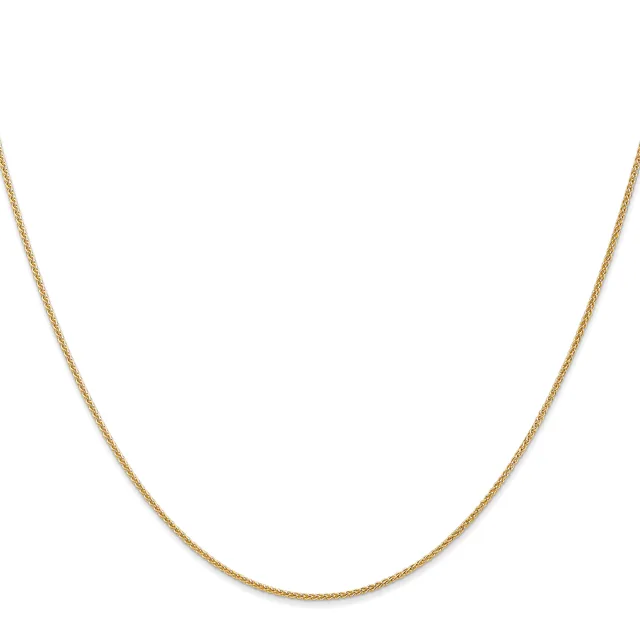
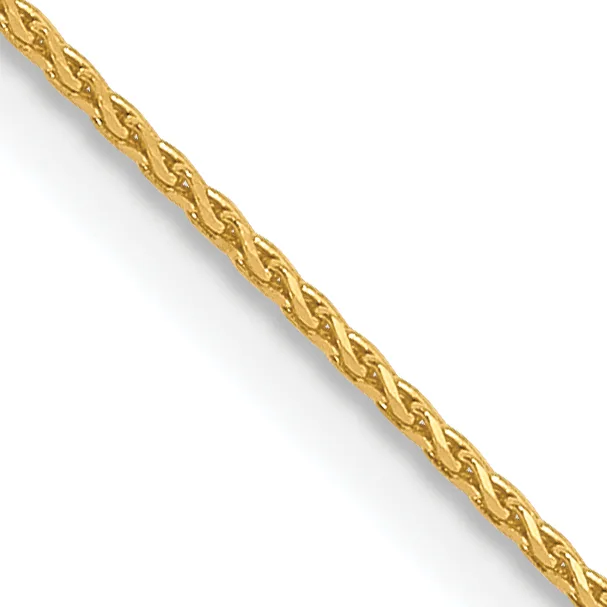
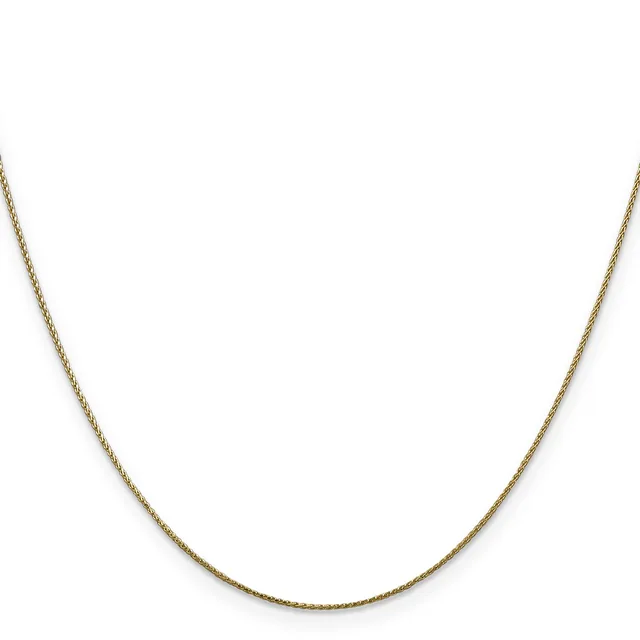
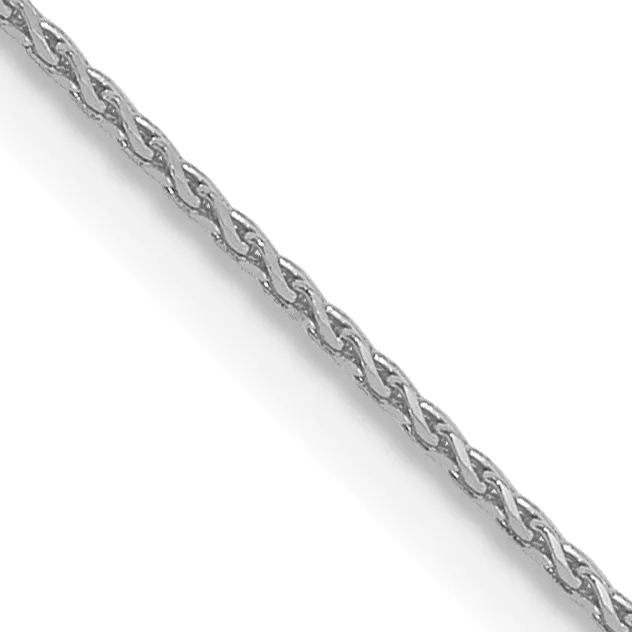
Spiga is Italian for wheat stalk, and the name describes the structure exactly: four oval wire strands are spiraled around a central axis so that each link interlocks with the next in a tight helical pattern. The finished chain has no flat face or back — it looks the same from every angle, rolls smoothly against the skin, and resists kinking better than many finer weaves. That rounded profile also means the chain carries its own visual weight without needing a pendant, though it pairs well with one.
Choosing your length and adjustability
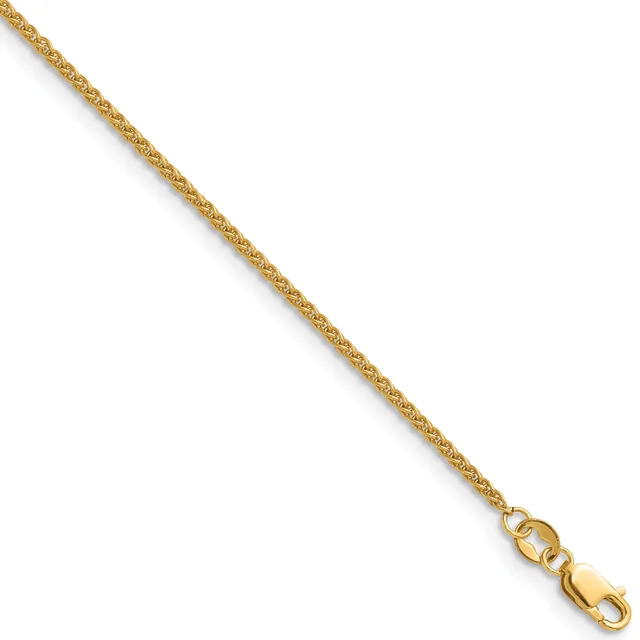
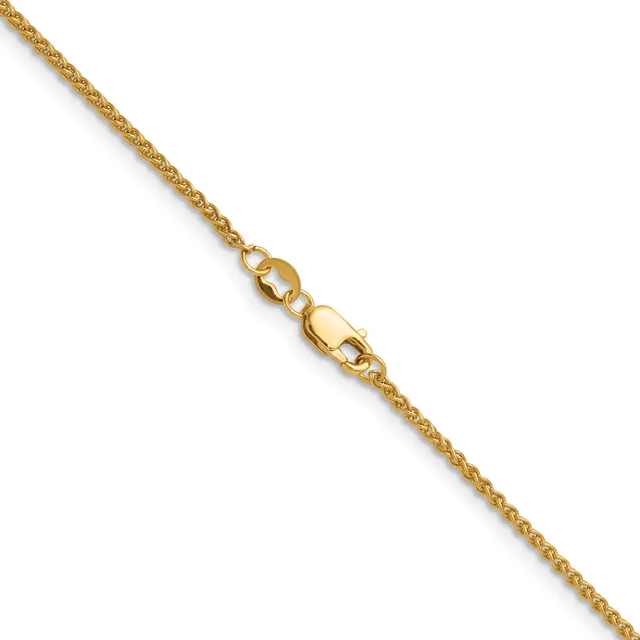
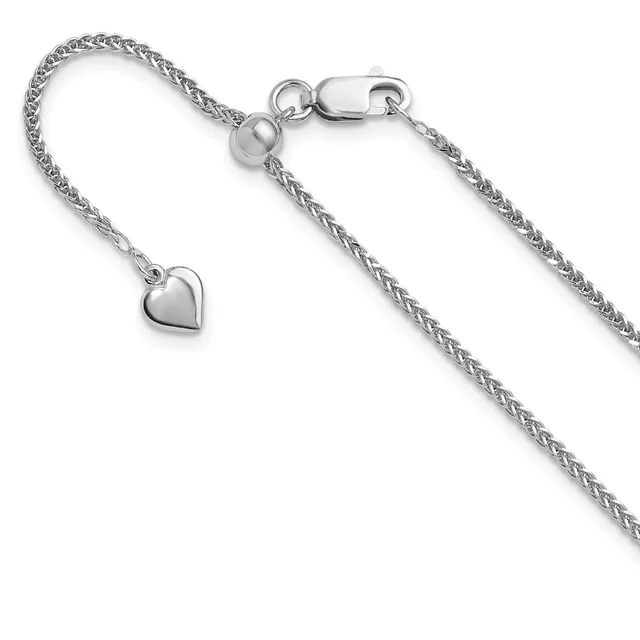
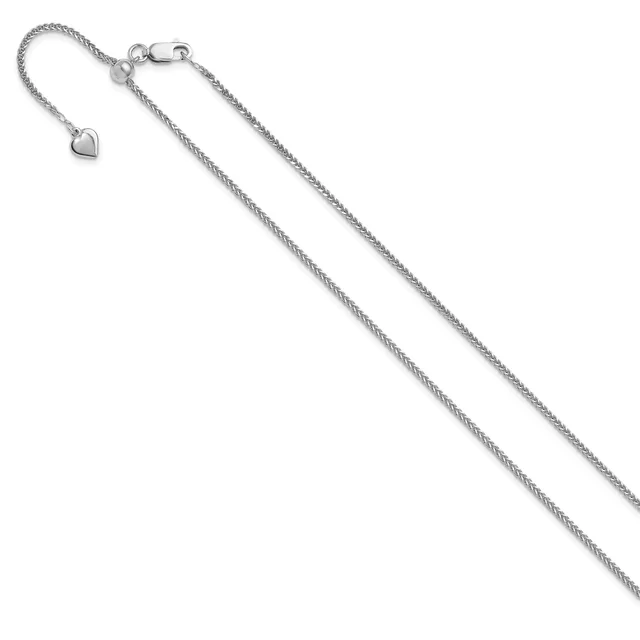
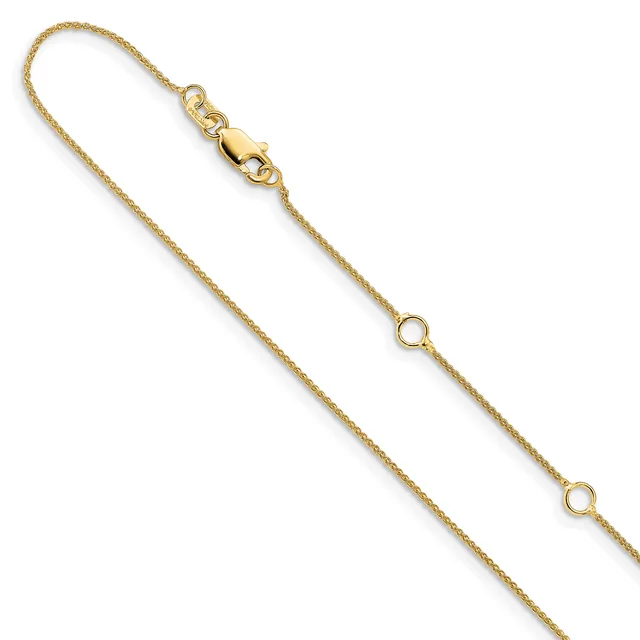
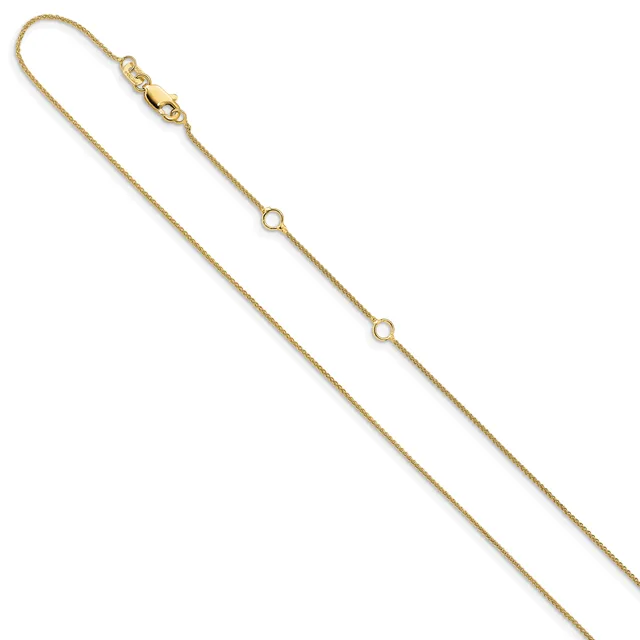
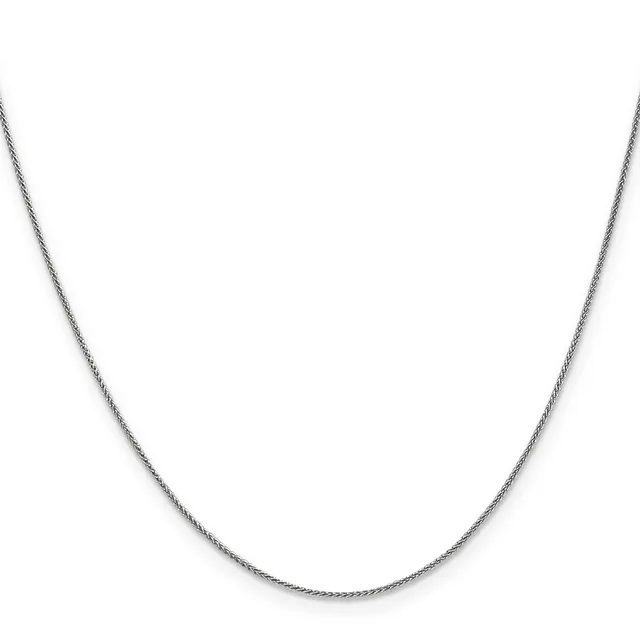
The necklaces here are adjustable, so a single chain can sit at more than one position on the neck. In practice this matters most when you wear the chain alone at varying necklines, or when you want the option to layer it at different lengths with other pieces. When choosing, consider where you most naturally want the chain to rest — collarbone, mid-chest, or lower — and confirm the adjustment range covers that position.
What to expect from daily wear
The interlocked helical links make spiga chains notably sturdy relative to their diameter. Because the surface is rounded and the links move against one another rather than flexing at a single point, the weave distributes stress well. That said, any fine metal chain should be removed before contact with chlorinated water, harsh cleaning products, or abrasive surfaces. Store the chain laid flat or loosely coiled to prevent the links from compressing under the weight of other pieces.
Caring for the finish
Wipe the chain periodically with a soft, lint-free cloth to clear skin oils and product residue, which can dull the metal's natural reflectivity over time. For a deeper clean, a brief soak in warm water with a small amount of mild dish soap, followed by a gentle rinse and thorough air-drying, is sufficient. Because the helix traps less debris than open link styles, cleaning is generally straightforward.
Frequently asked questions
What is the difference between a spiga chain and a wheat chain?
They are the same construction. Spiga is the Italian word for wheat stalk, and both names refer to a chain woven from four helically twisted strands of oval links.
Can a spiga chain be worn without a pendant?
Yes. The rounded, multi-strand surface reflects light evenly all the way around, so the chain reads as a finished piece on its own rather than a simple connector.
How does the adjustable length work on these necklaces?
An adjustable chain typically includes a sliding mechanism or multiple clasp positions that let you change where the chain sits on your neck without needing a jeweler to resize it.
Is a spiga chain prone to tangling or kinking?
Less so than many finer styles. The helical link structure distributes flex across many interlocking points rather than concentrating it, which helps the chain hold its shape during regular wear.