
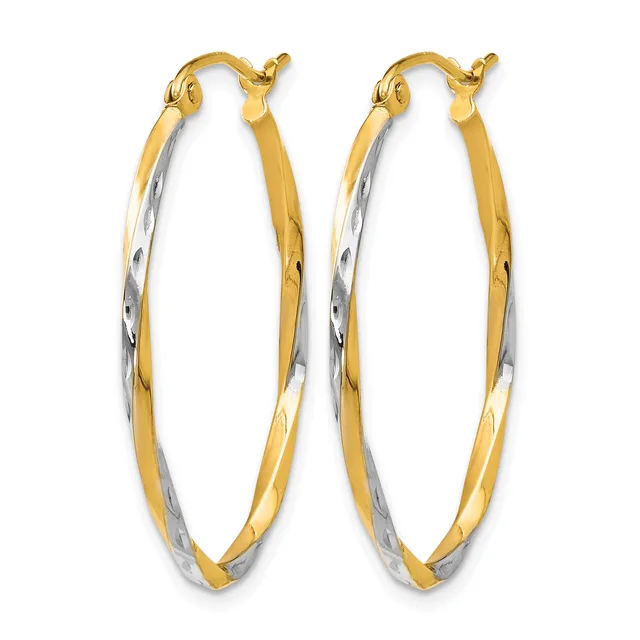
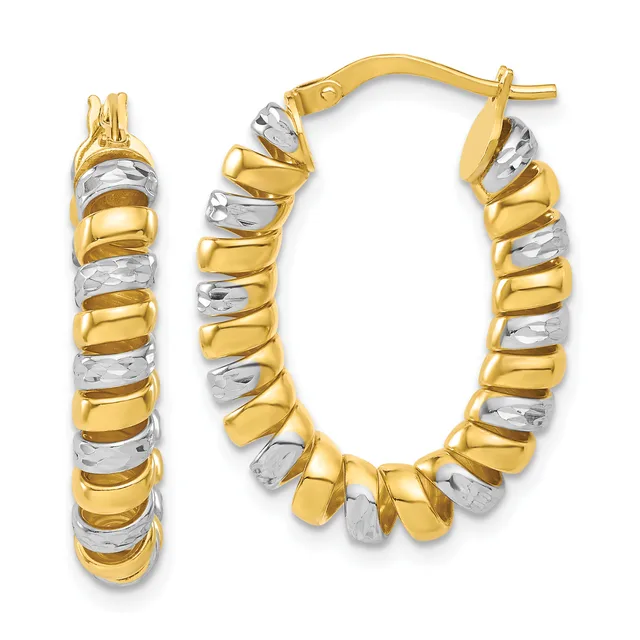
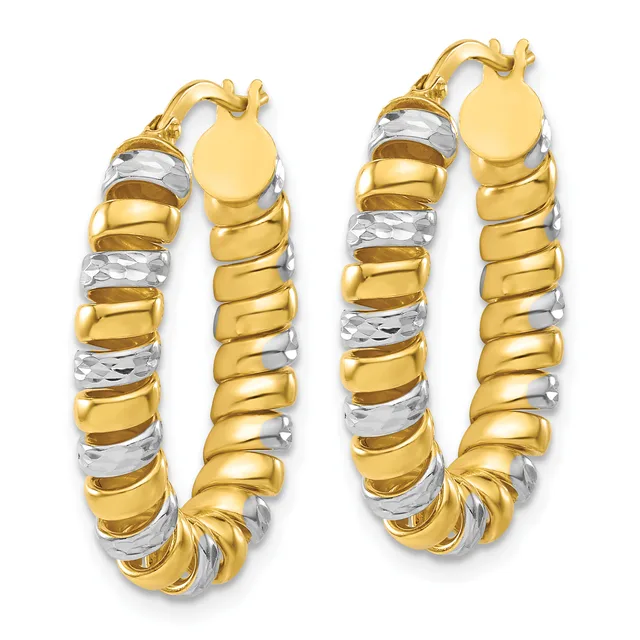
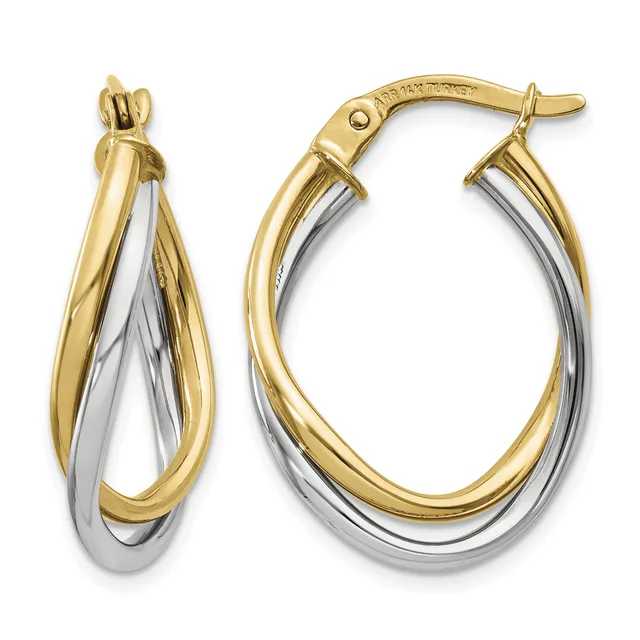
How oval hoops differ from round hoops
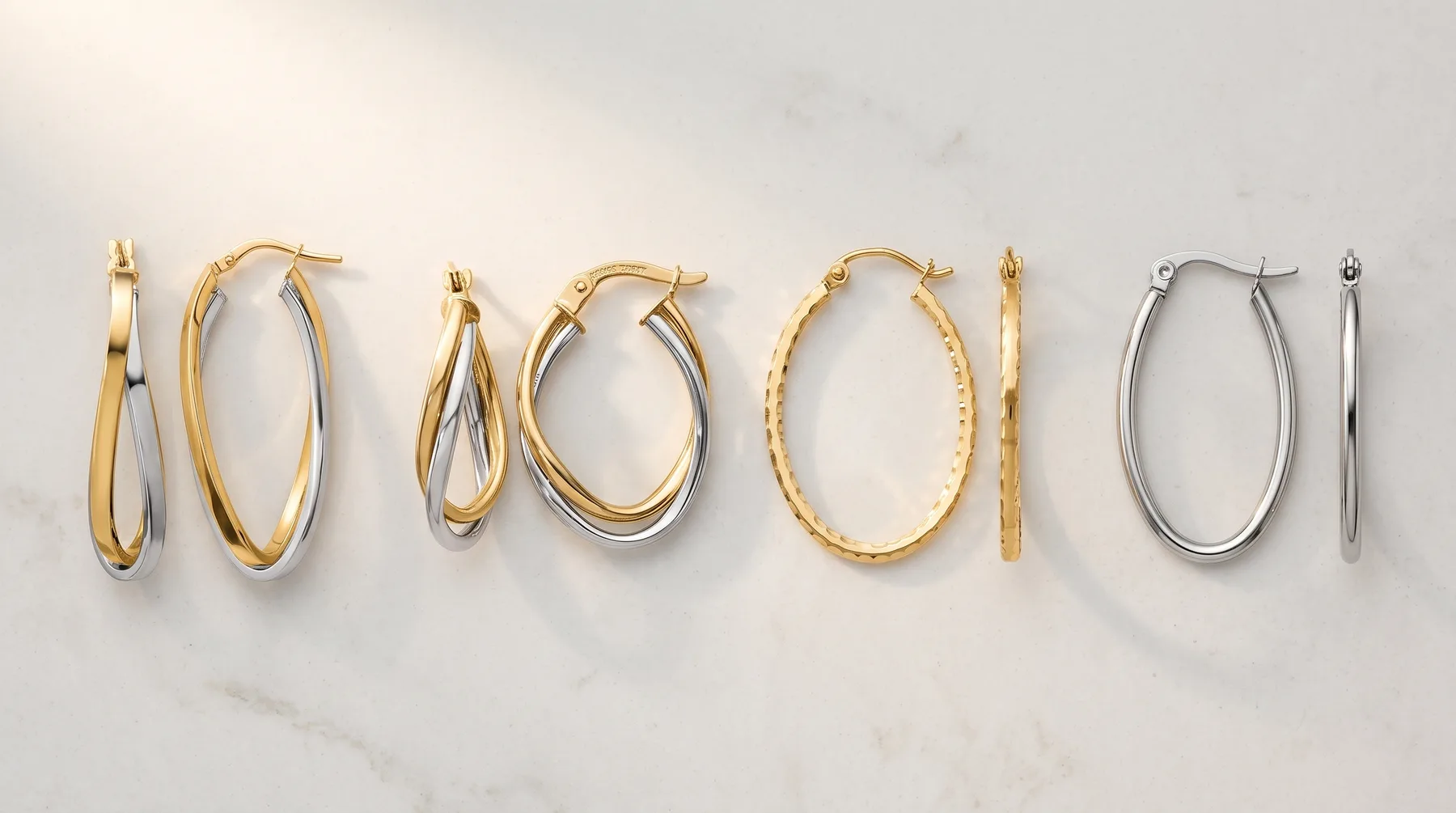
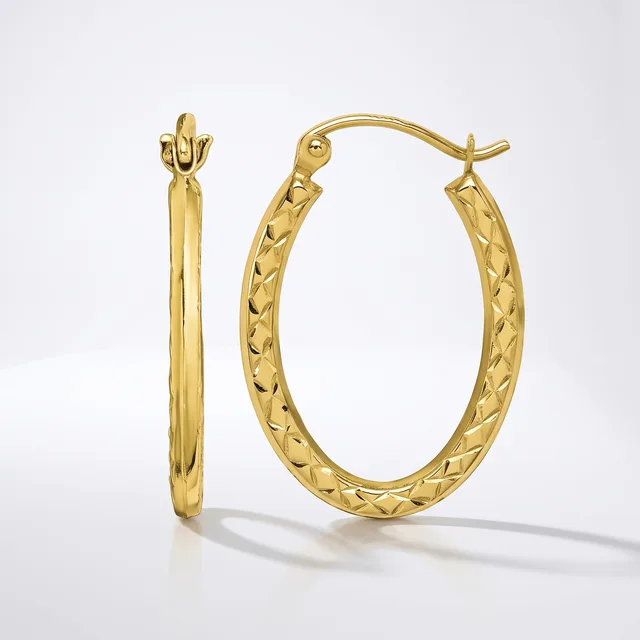
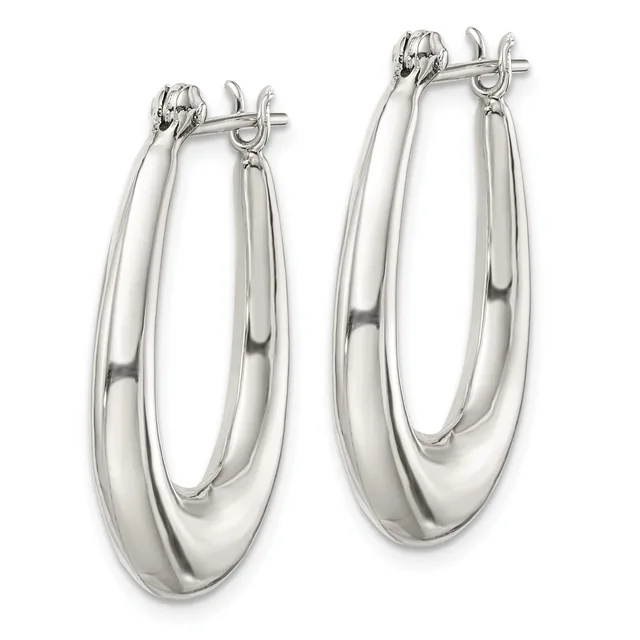
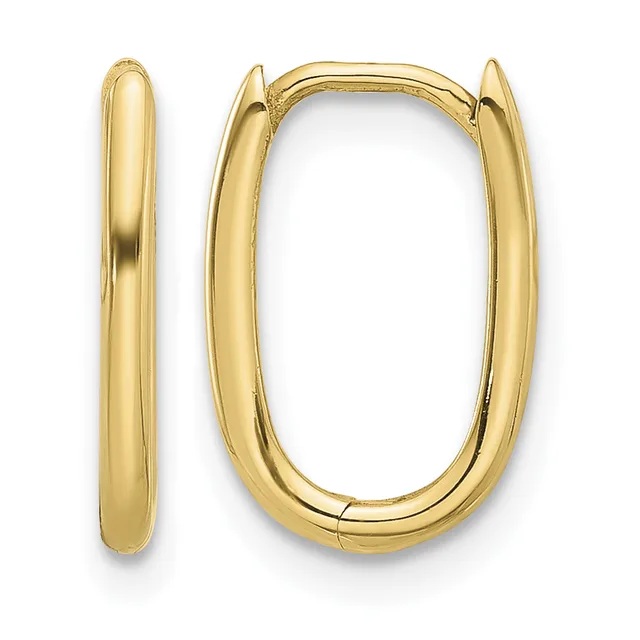
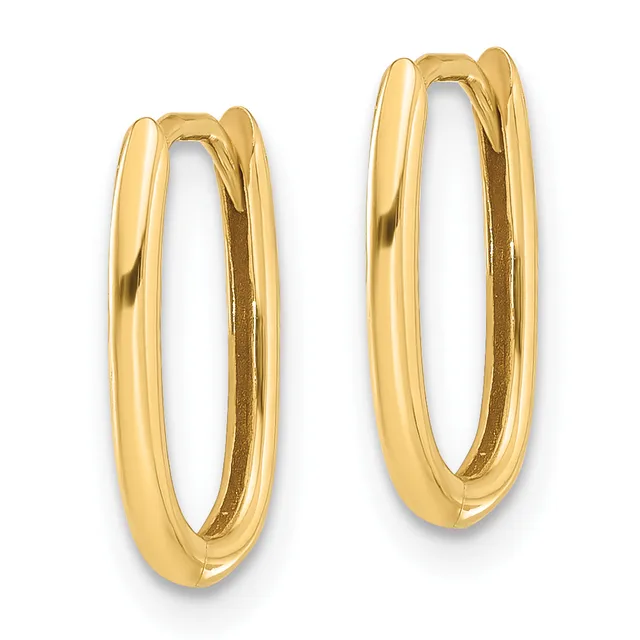
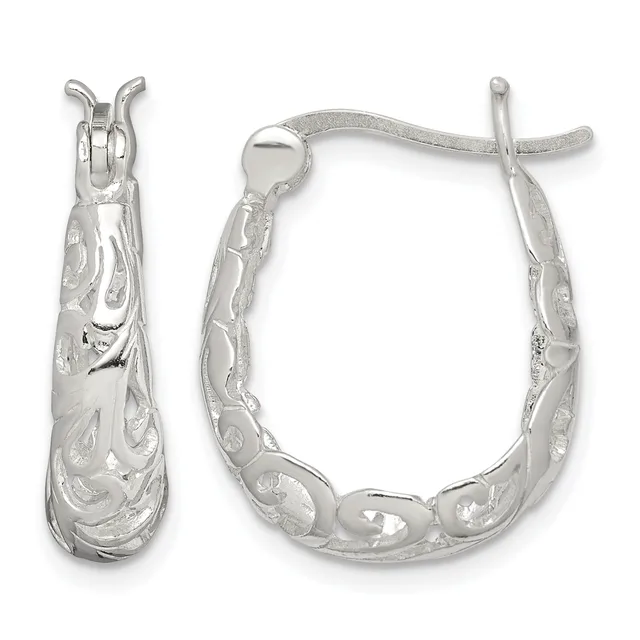
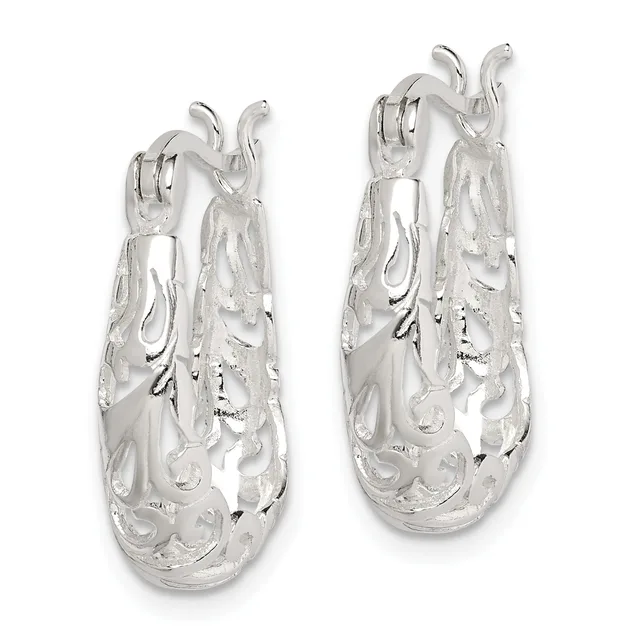
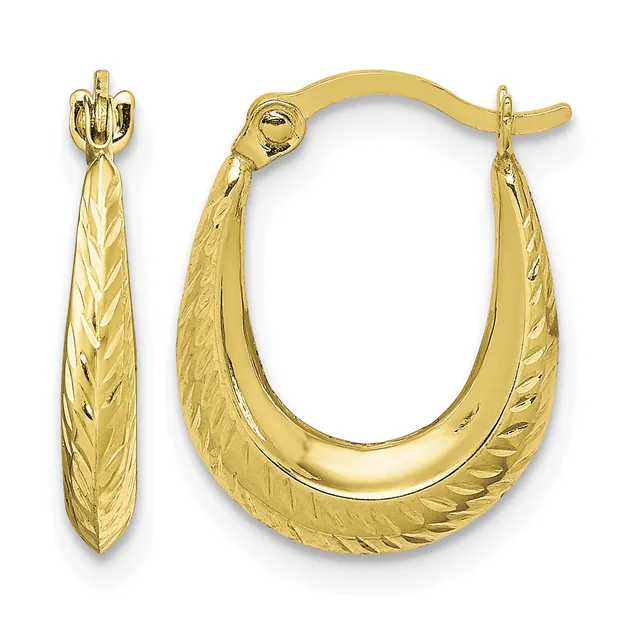
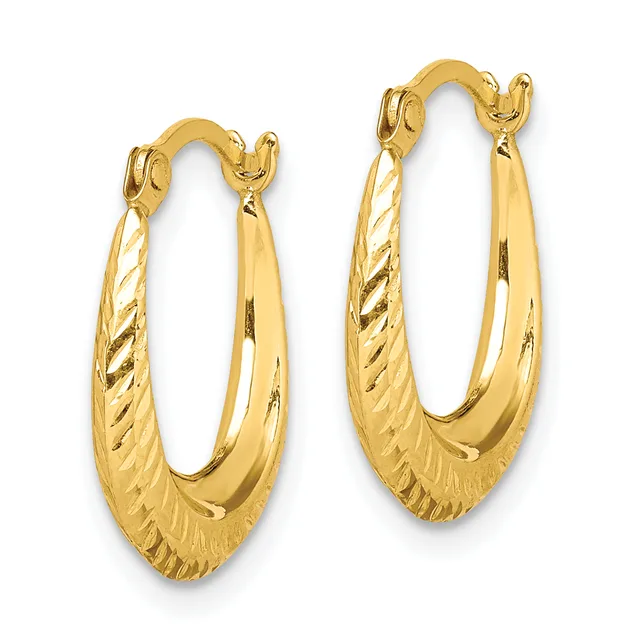
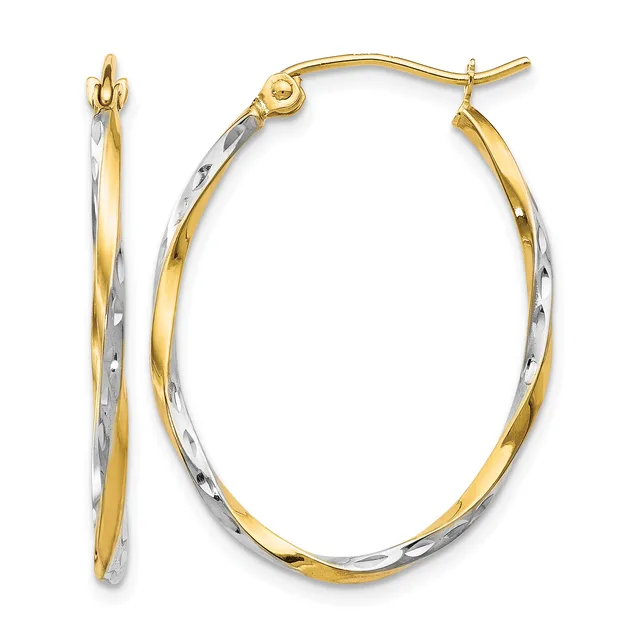
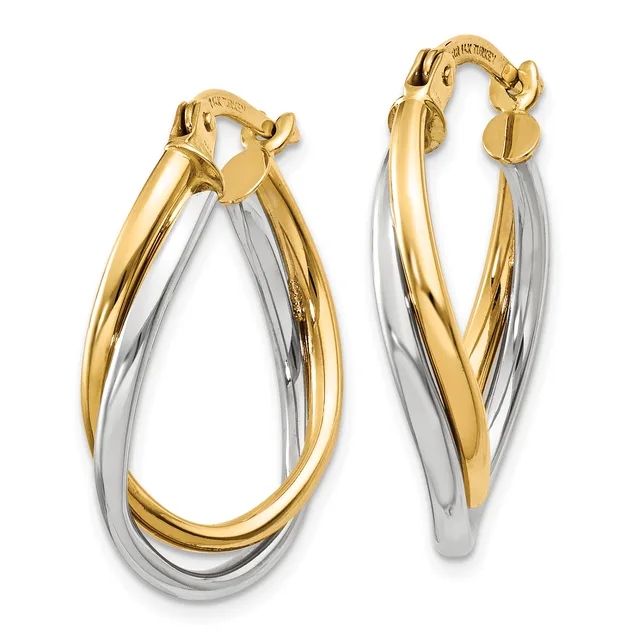
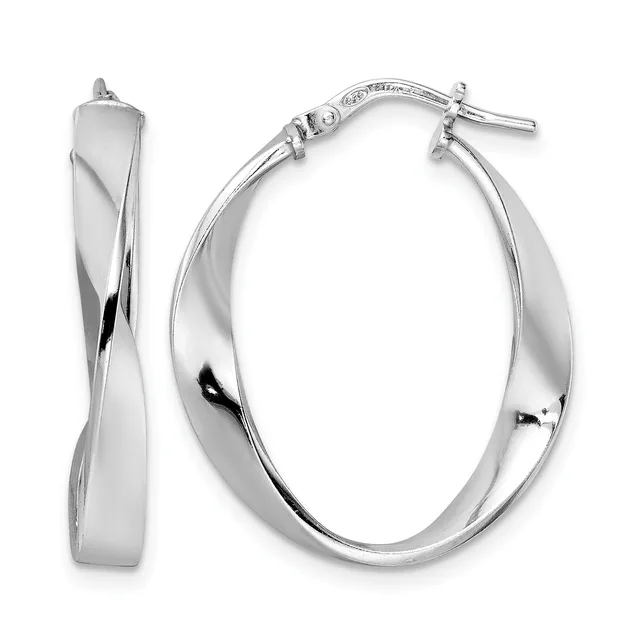
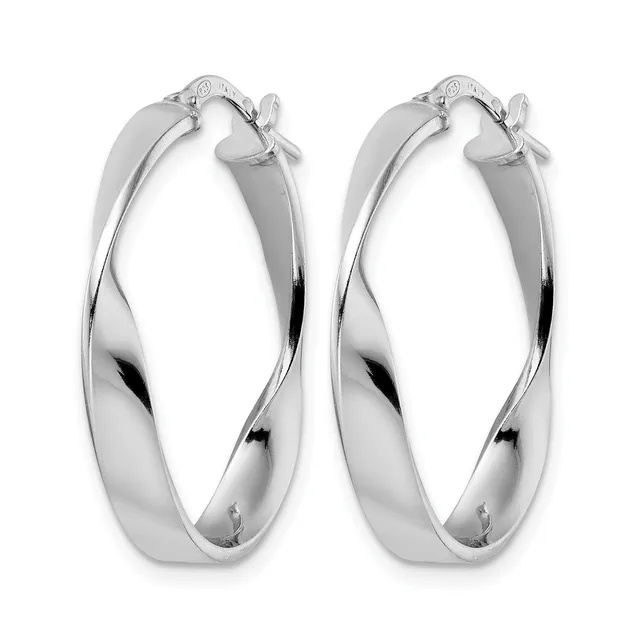
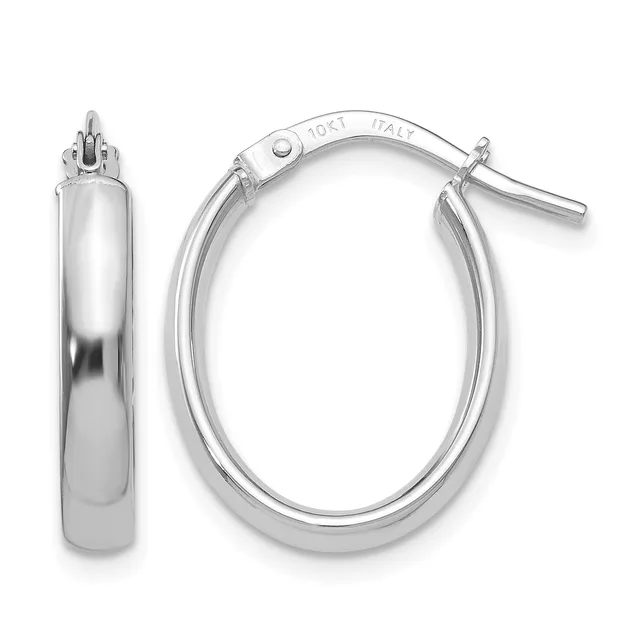
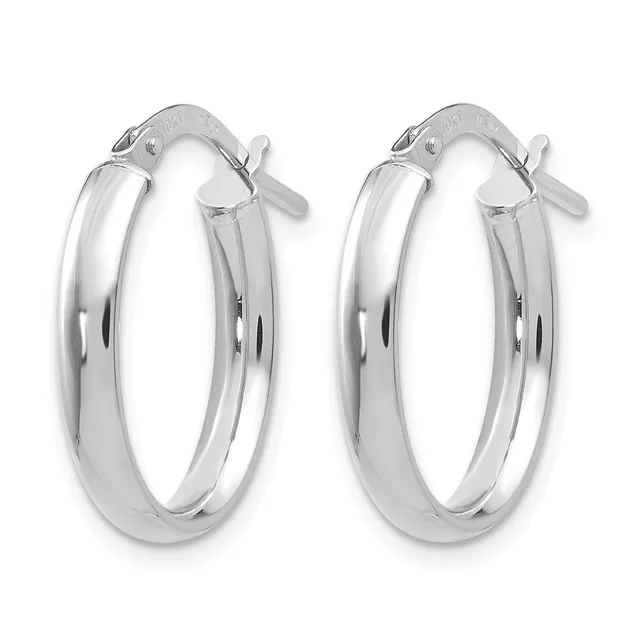
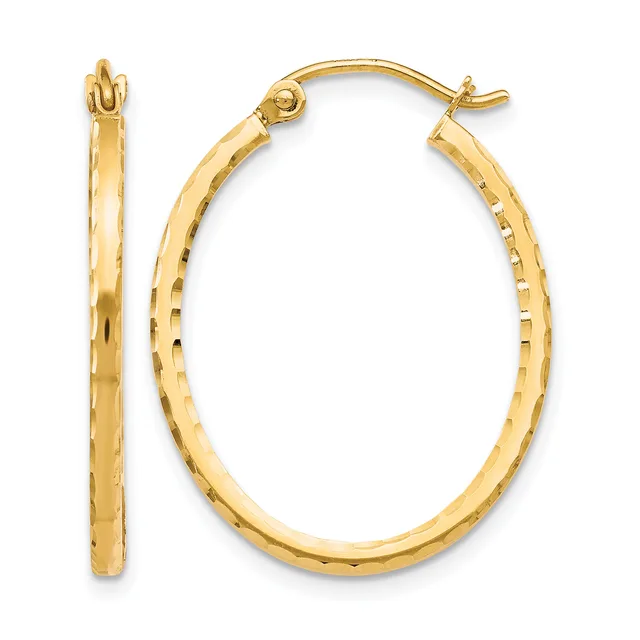
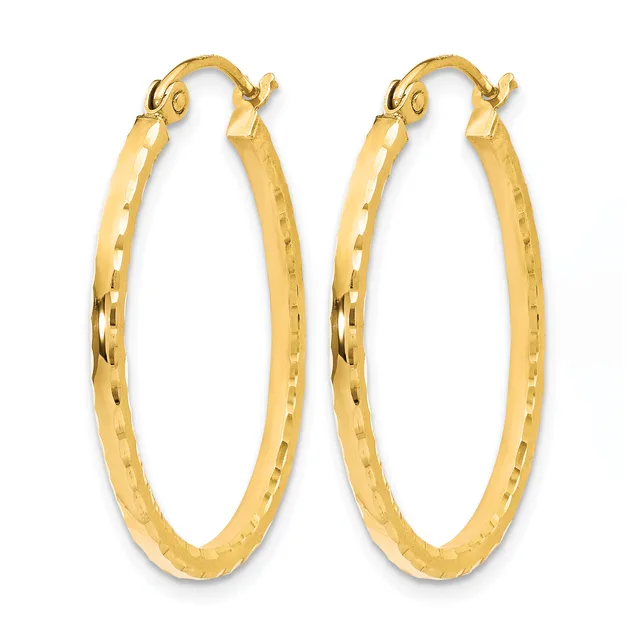
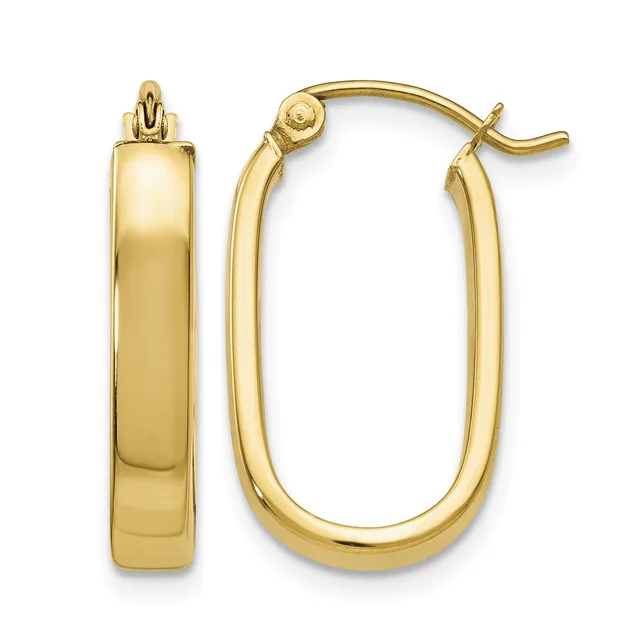
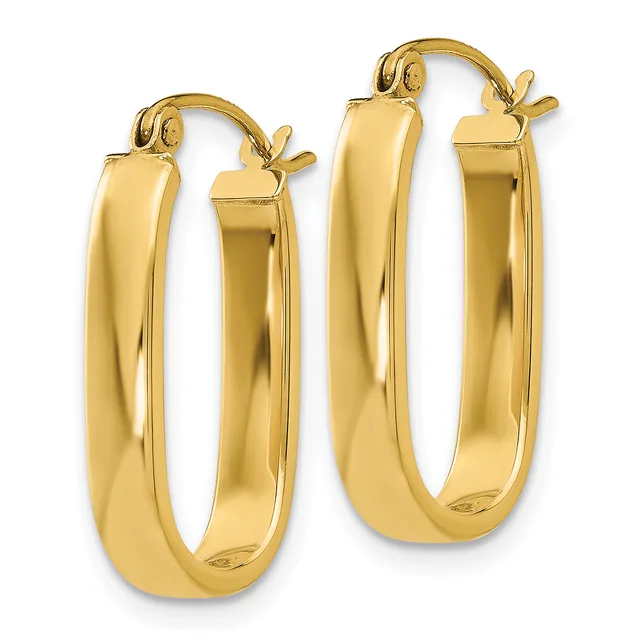
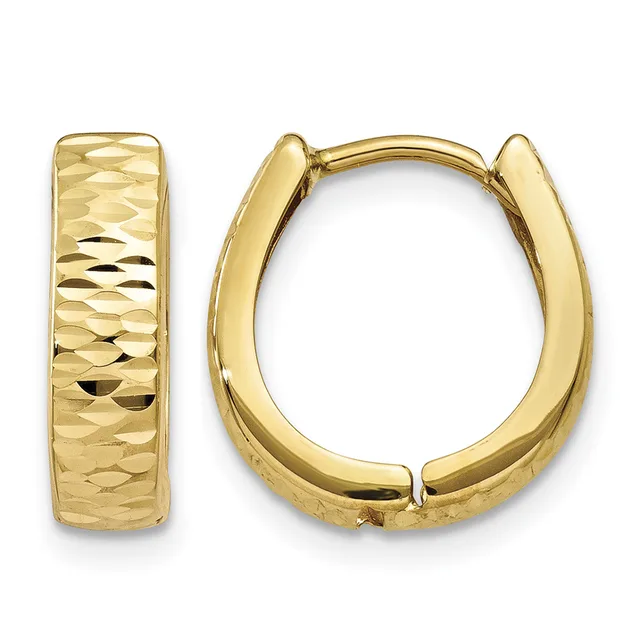
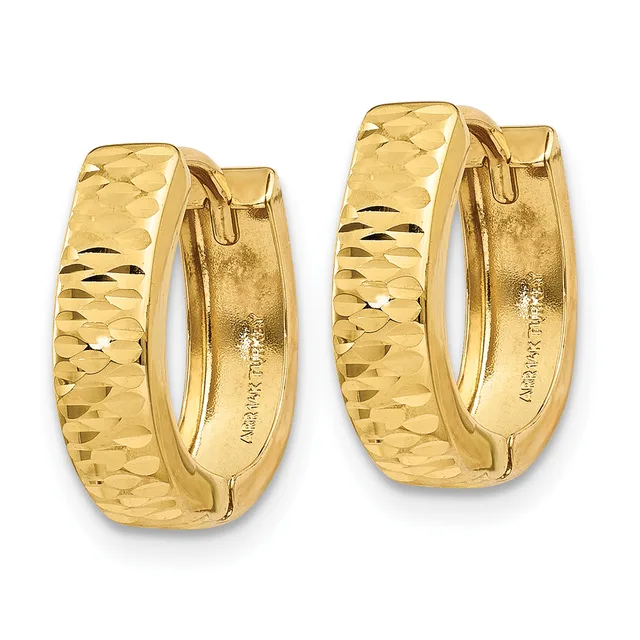
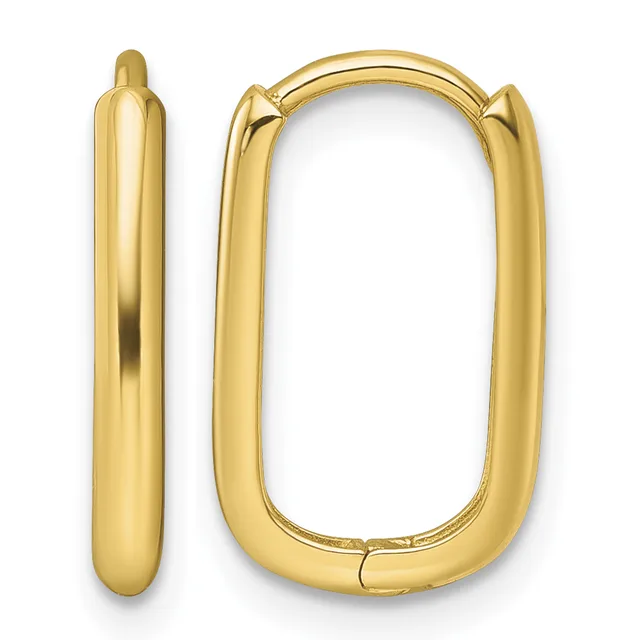
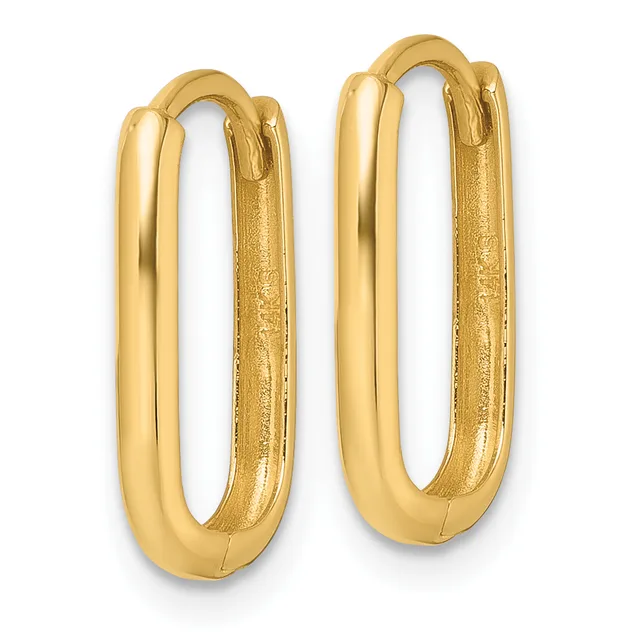
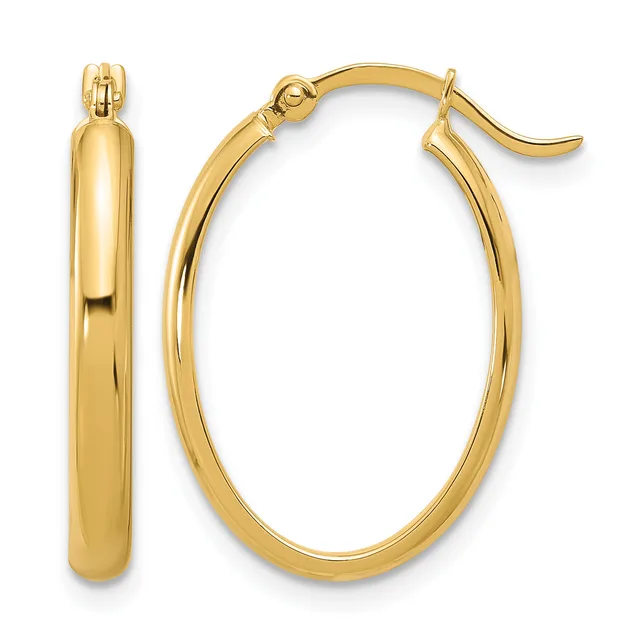
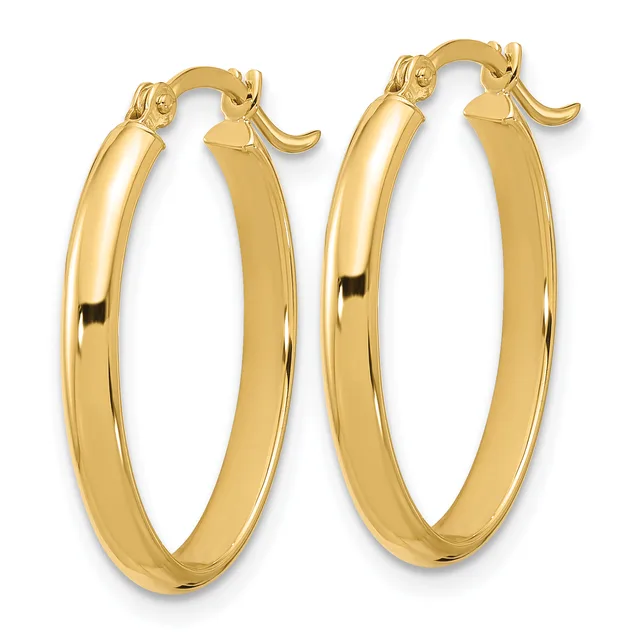
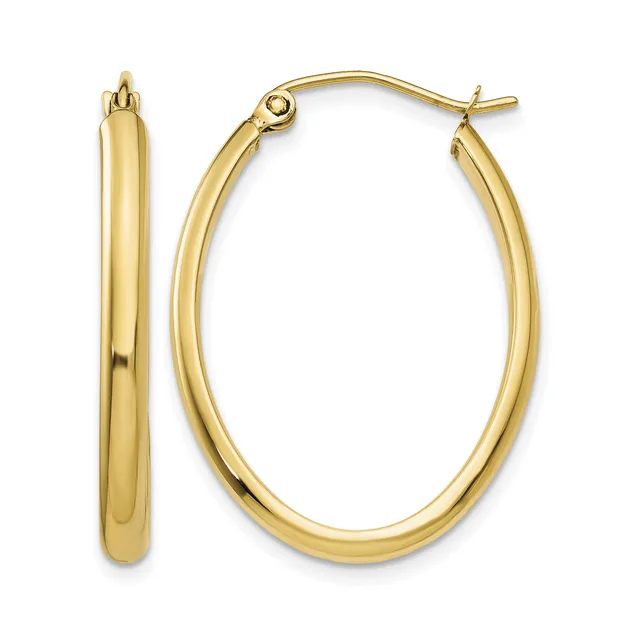
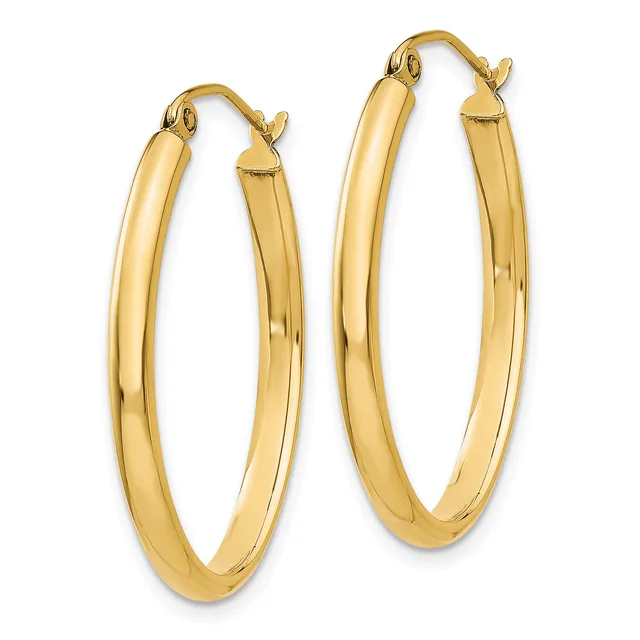
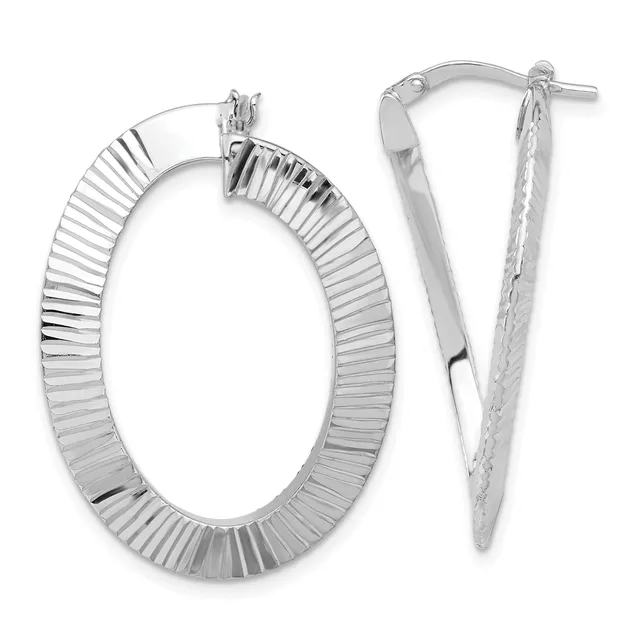
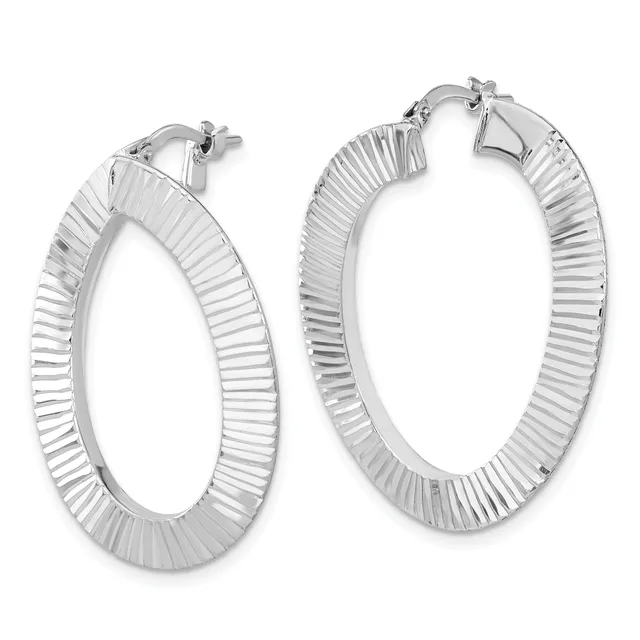
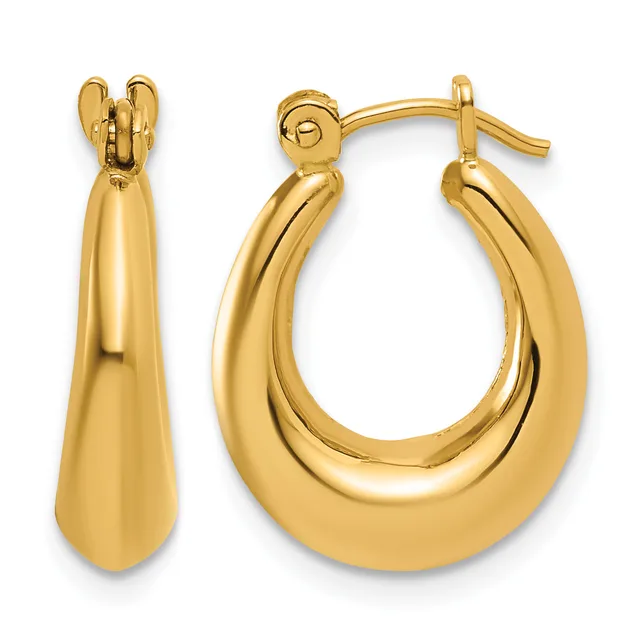
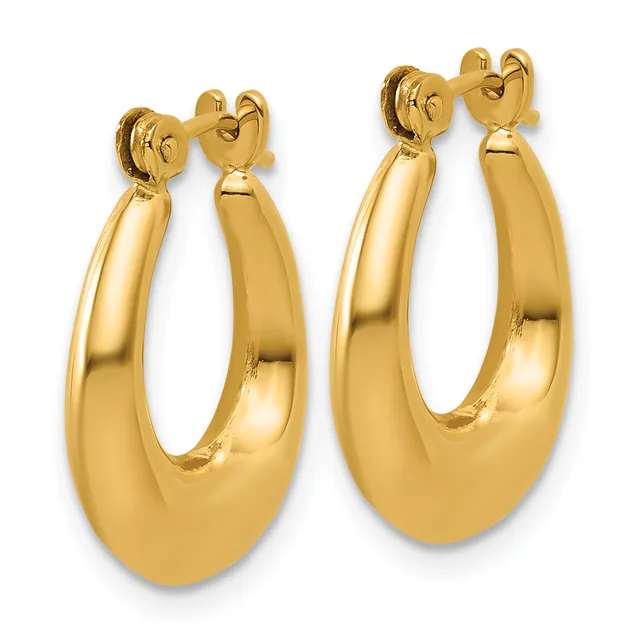
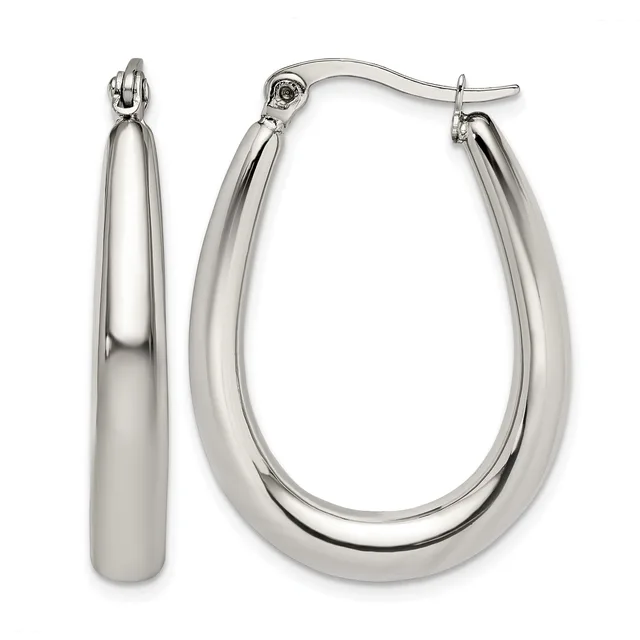
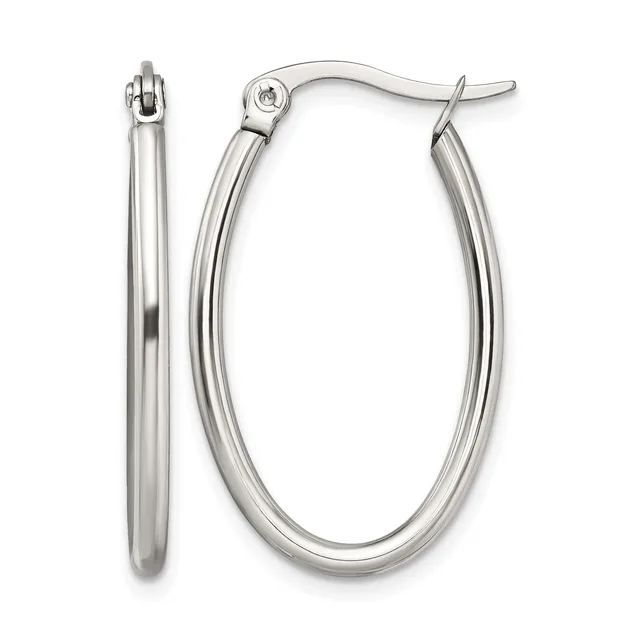
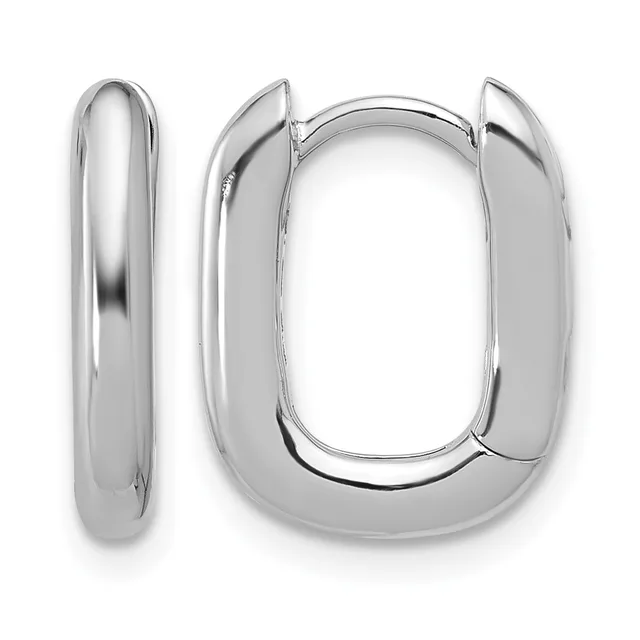
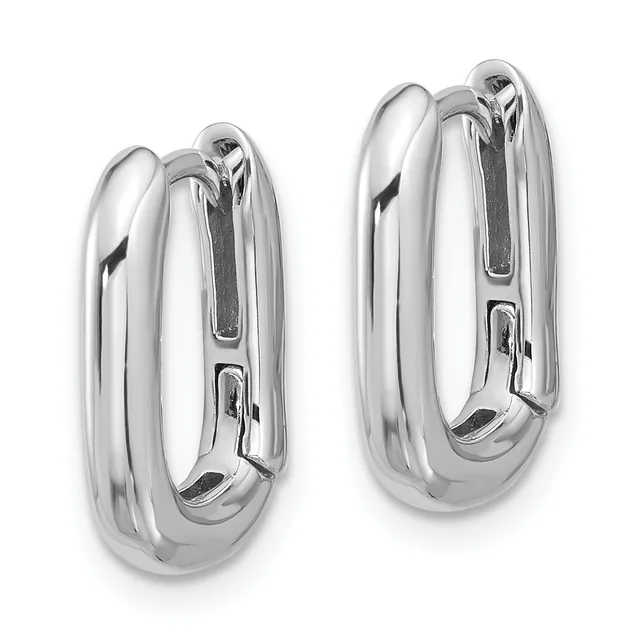
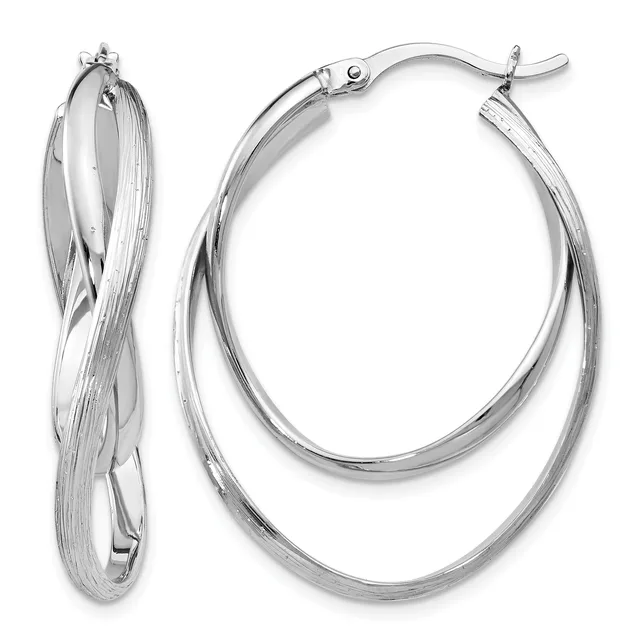
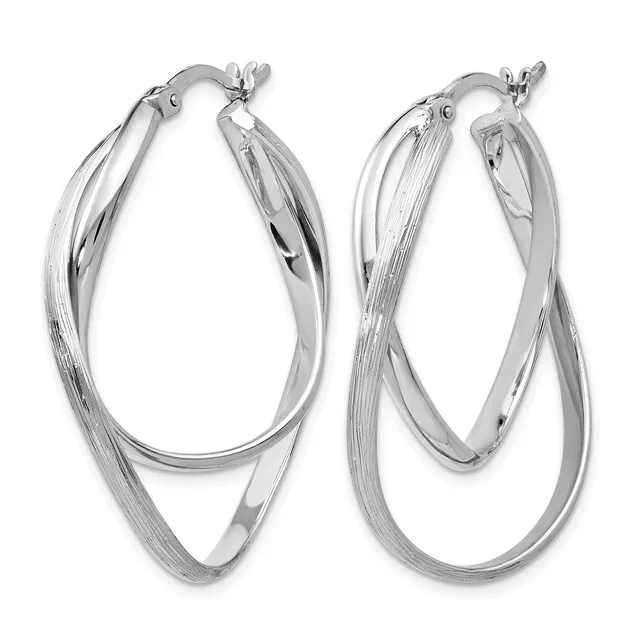
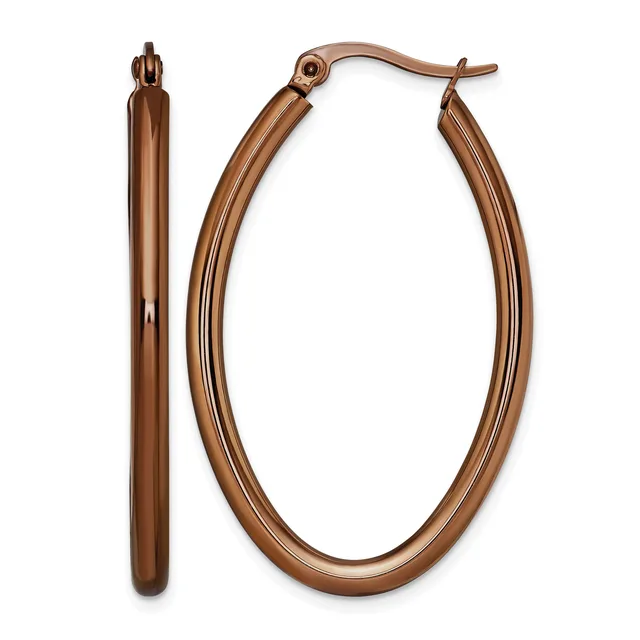
The defining difference is geometry: an oval hoop is taller than it is wide, so it drops slightly below the earlobe rather than sitting flush against it. That vertical pull tends to complement the jaw and neck in a way a perfectly circular hoop does not. Most pairs in this collection are true oval hoops; a small number are square-tube styles — the cross-section of the metal is square rather than round, giving the hoop a flatter, more architectural edge. Five pairs are catalogued as round hoops and sit nearby in the range for easy comparison.
Materials and what they mean day to day
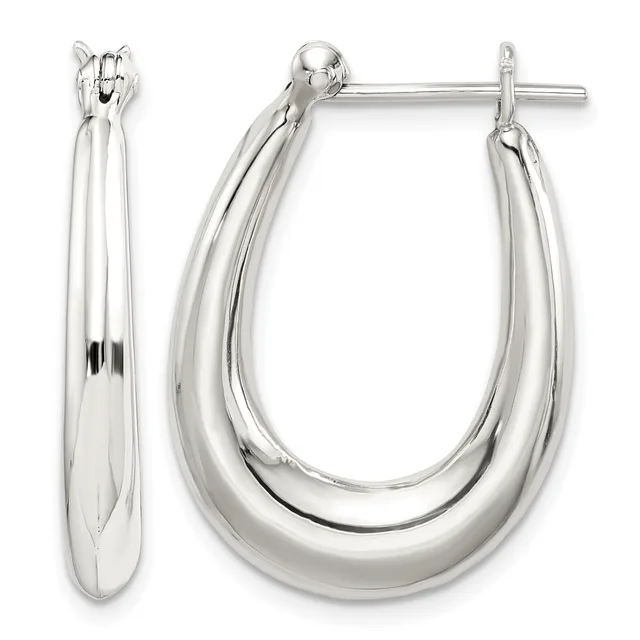
Oval hoops here are available in sterling silver, gold-filled, and solid 10k, 14k, and 18k gold. Each choice behaves differently over time.
- Sterling silver is 92.5% pure silver alloyed with copper for strength. It can oxidise with exposure to moisture and skin chemistry, developing a grey or dark patina that polishes away easily. Storing pieces in an airtight pouch slows tarnish between wears.
- Gold-filled uses a mechanical bonding process that fuses a layer of karat gold to a base-metal core — the gold content is substantially thicker than plating and, with routine care, holds up through daily wear without the surface wearing away quickly the way thin plating can.
- 10k gold is 41.7% pure gold, the most durable of the solid-gold options because the higher alloy content resists scratching. It is a practical choice for hoops worn every day.
- 14k gold is 58.3% pure gold, balancing durability with a richer colour. It is the most common solid-gold standard in this collection.
- 18k gold is 75% pure gold, the softest of the solid karats here and the most saturated in colour. It is better suited to occasional or dress wear than to continuous daily contact with hard surfaces.
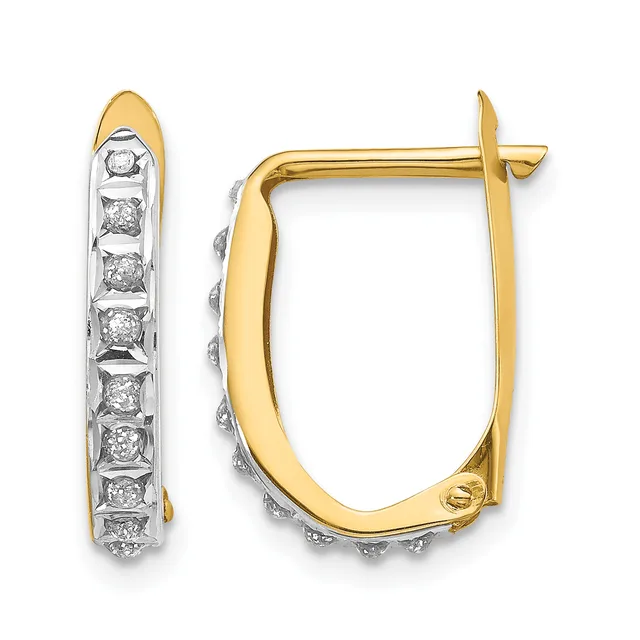
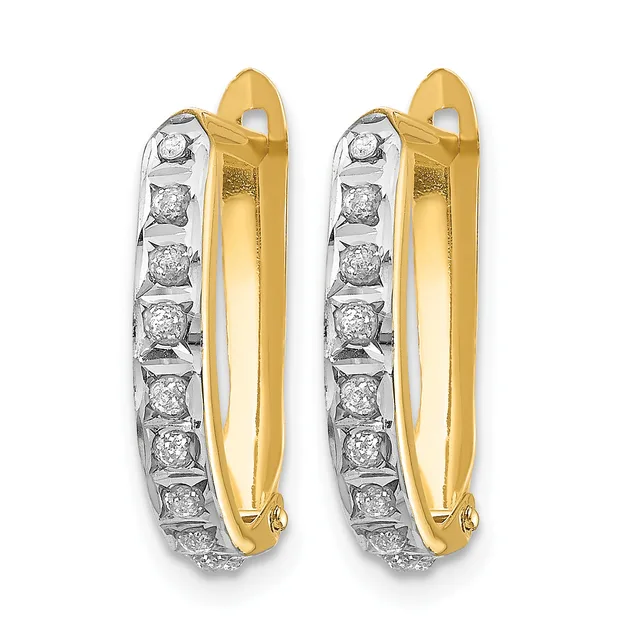
Two pairs in this collection are in-and-out hoops, meaning stones are set on both the front-facing and the back-facing surfaces so the hoop catches light from any angle. One pair features moissanite, a lab-grown stone with a refractive index higher than diamond, which produces strong light dispersion in compact settings.
Fit and proportion
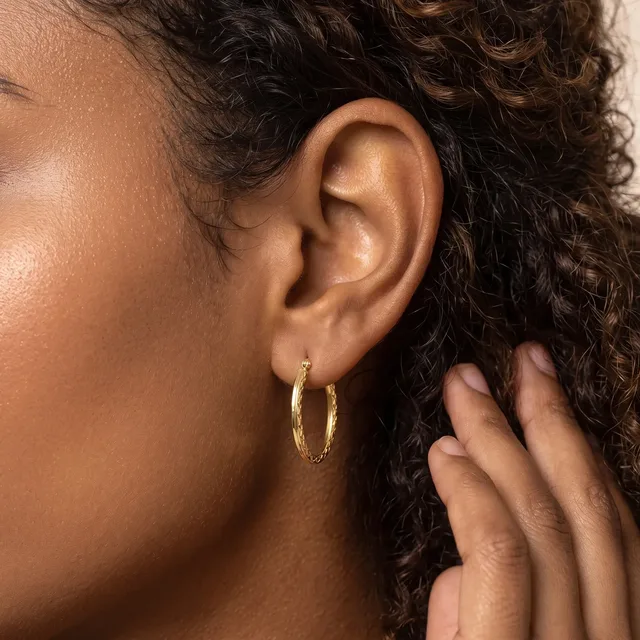
Oval hoop sizing is typically described by the inner diameter or the overall height of the hoop. A shorter oval — under roughly 20 mm tall — sits close to the lobe and reads as an everyday earring. Taller ovals, particularly those approaching or exceeding 35 mm, function more as a statement piece and can feel heavier through a long day. If weight is a consideration, hollow tubes are lighter than solid ones at the same apparent size; square-tube styles vary by construction. Checking the listed dimensions before purchasing is the most reliable way to judge how a pair will sit on your specific ear.
Care
All metal hoops benefit from the same basic routine: remove them before swimming, bathing, or applying products such as hairspray or lotion, and wipe them down with a soft, lint-free cloth after each wear. For stone-set styles, avoid ultrasonic cleaners unless the retailer confirms the setting type is compatible — prong-set stones and some adhesive-backed settings can loosen under vibration. Store hoops flat or hanging so the oval shape is not distorted under pressure from other pieces.
Frequently asked questions
What is the practical difference between a square-tube oval hoop and a round-tube oval hoop?
A square-tube hoop has a cross-section with four flat sides rather than a circular one, so the outer face of the hoop appears as a flat ribbon of metal rather than a rounded wire. This gives the earring a more angular, graphic look. Wear comfort is similar to a round-tube hoop of the same weight.
Are in-and-out hoops heavier than plain hoops?
In-and-out hoops carry stones on both the front and back surfaces, so they do add some weight compared to a plain tube of the same size. The difference is modest on smaller hoops but worth considering if you plan to wear them for extended periods.
Will gold-filled oval hoops last as long as solid gold ones?
Gold-filled hoops have a mechanically bonded gold layer that is significantly thicker than standard plating, and with consistent care — keeping them dry, storing them properly, and polishing gently — they hold up well for daily wear over years. Solid karat gold will not wear through at all, so it is the longer-term investment, but gold-filled is a durable middle option.
How do I know what size oval hoop will suit me?
Check the listed height measurement (the longer dimension of the oval) alongside any weight specification. Hoops under about 20 mm in height tend to sit close to the lobe and read as subtle; those above 30 mm drop below the lobe and make a more visible statement. If a listing shows both dimensions, the height determines how much the hoop extends below the piercing.
Can I wear sterling silver oval hoops every day?
Yes, though sterling silver requires a little more maintenance than solid gold. Remove the hoops before contact with water, perfume, or lotion, wipe them dry after each wear, and store them in a closed pouch. That routine significantly slows tarnish and keeps the surface looking polished.