
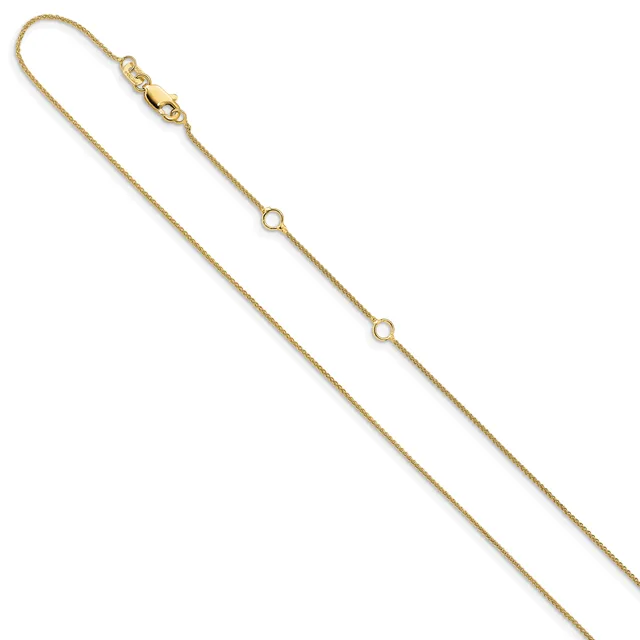
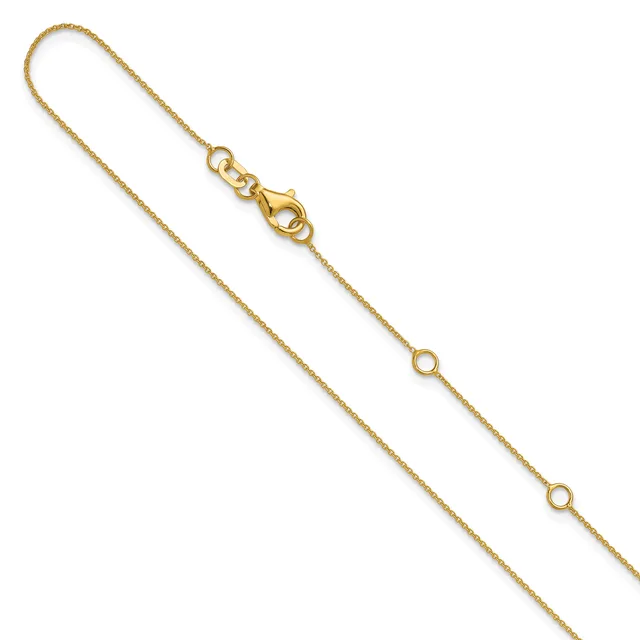
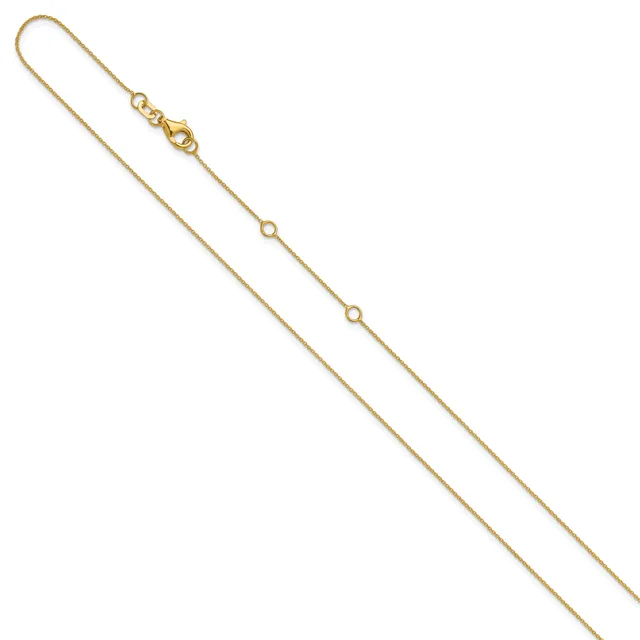
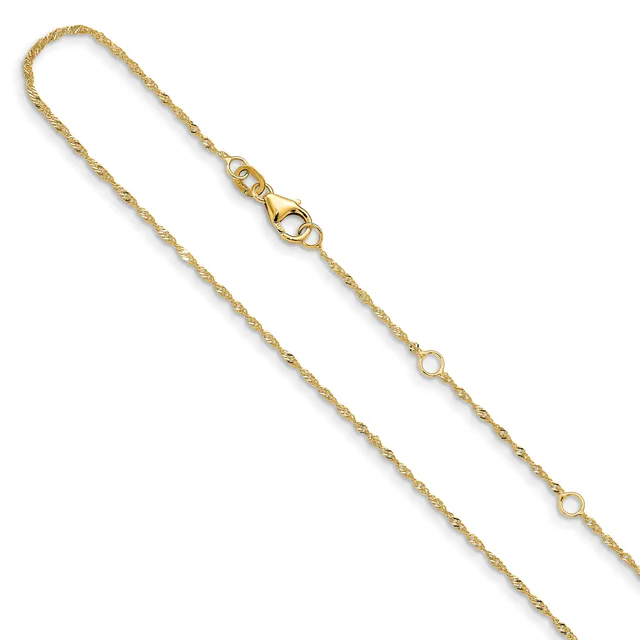
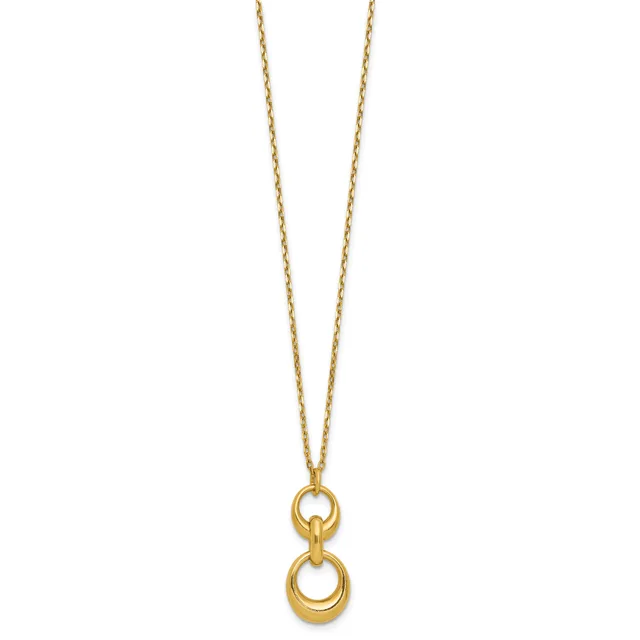
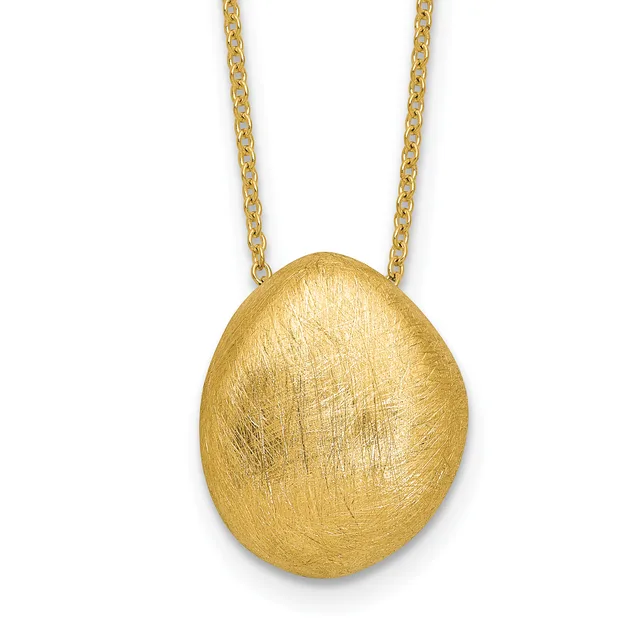
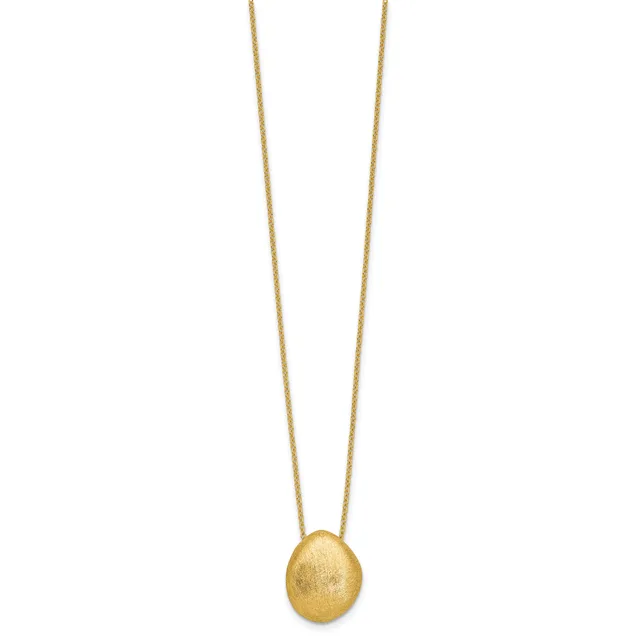
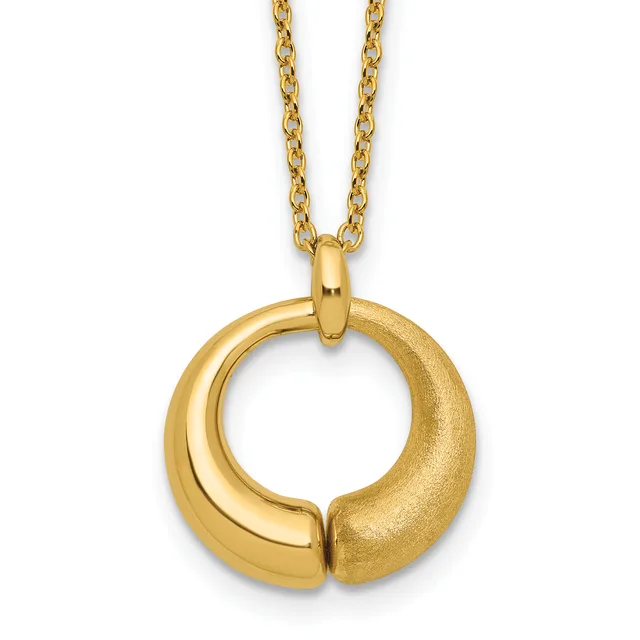
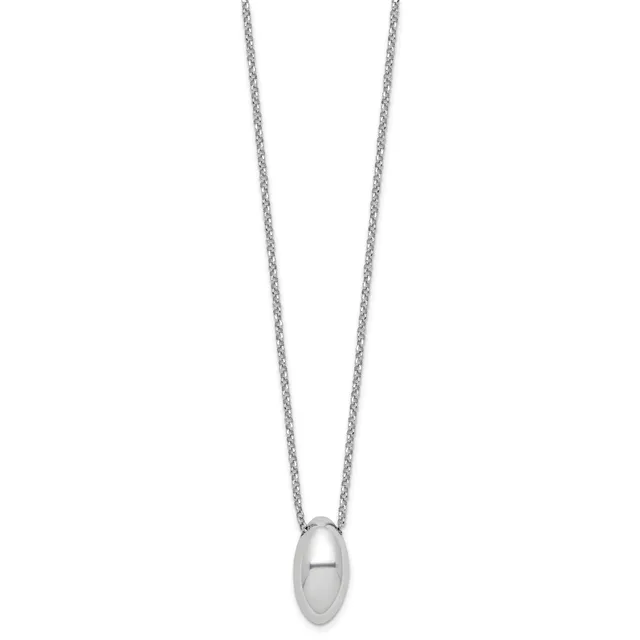
Why the adjustment matters
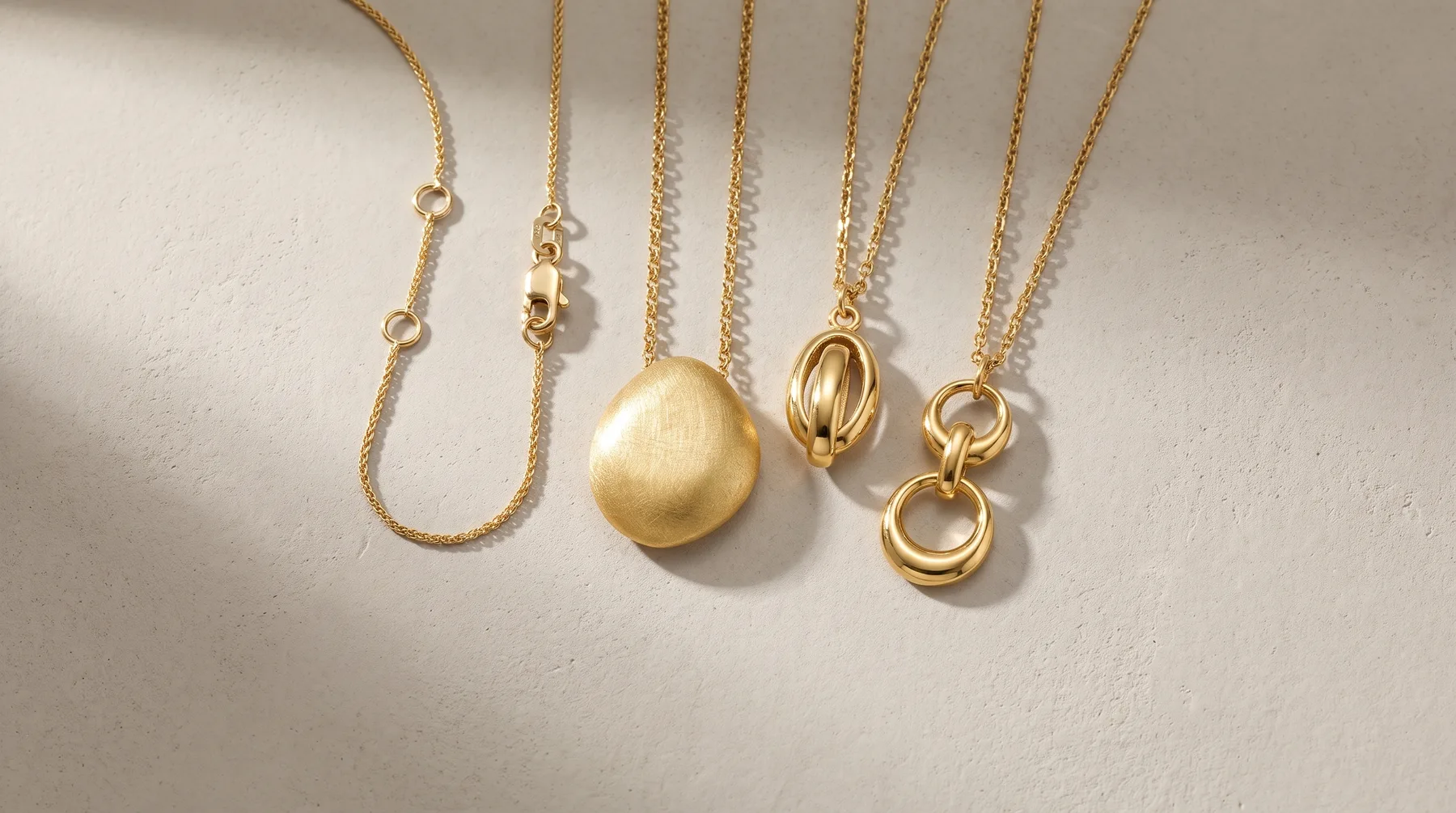
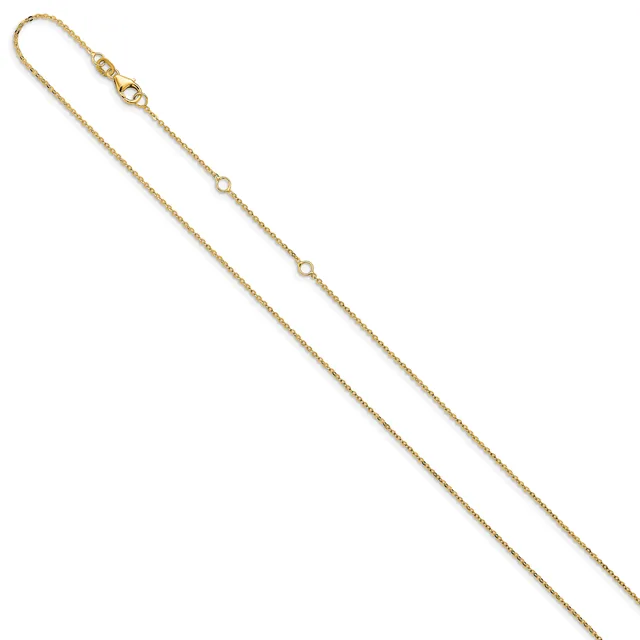
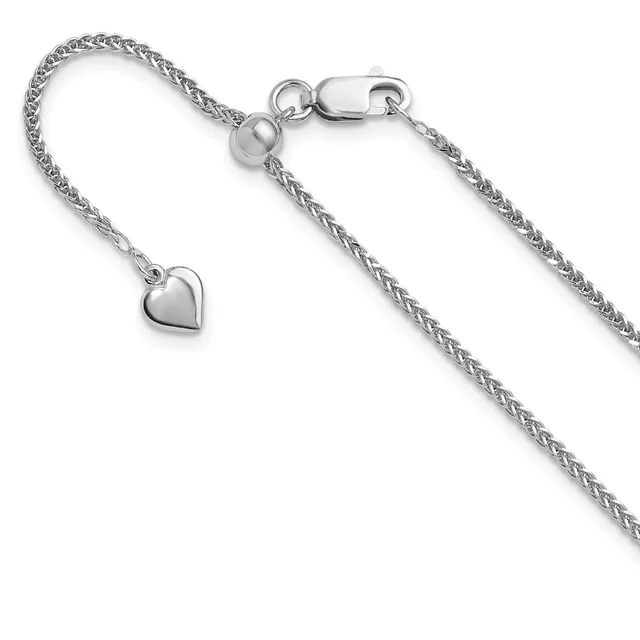
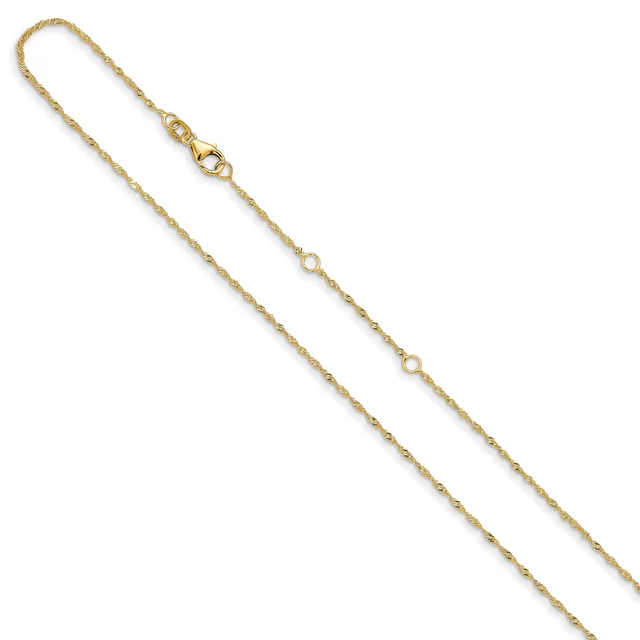
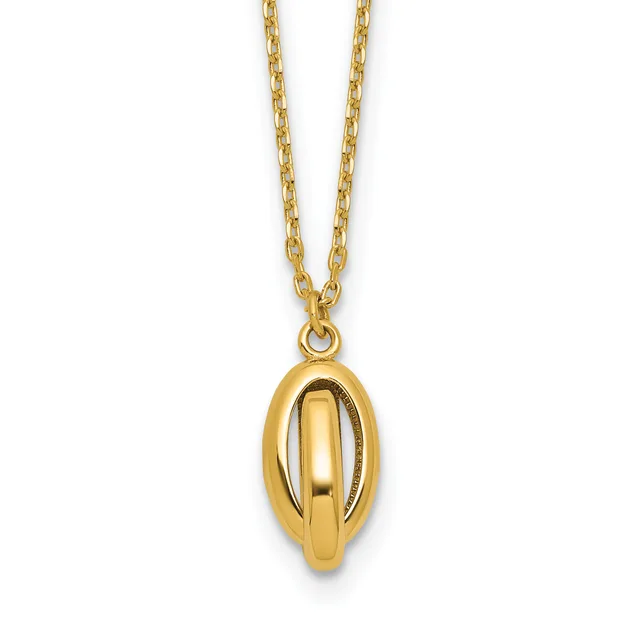
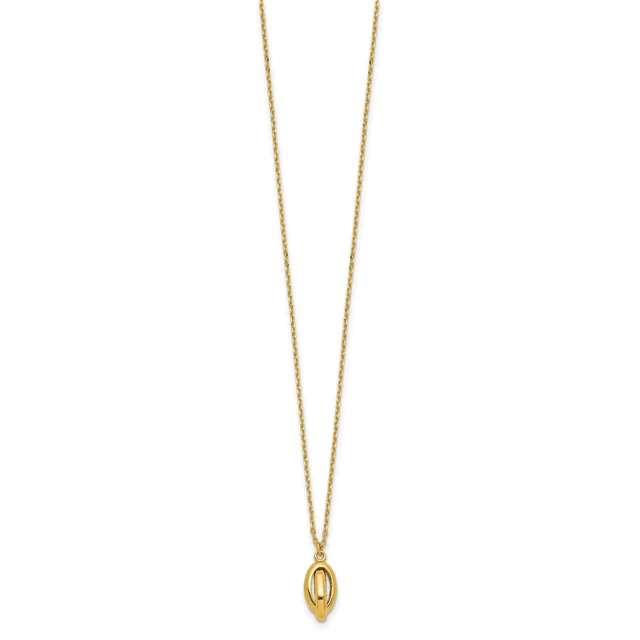
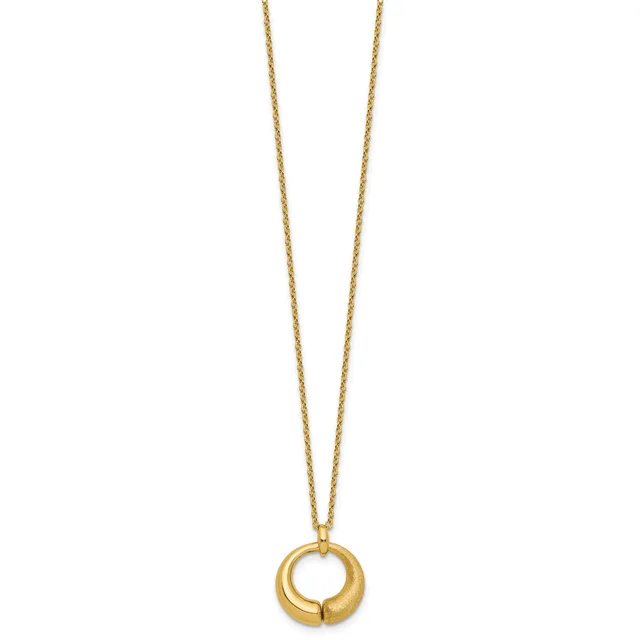
A fixed-length necklace is committed to one position on the neck, which means it either works with a neckline or it doesn't. An adjustable chain solves that by letting you slide the clasp or the pendant stop to the exact point that flatters the piece and the outfit. The same necklace can read delicate and close-set one day, and layered low the next. For pendants in particular — where the charm's proportion to the neckline changes everything — this flexibility is practical, not incidental.
Chain styles in this category
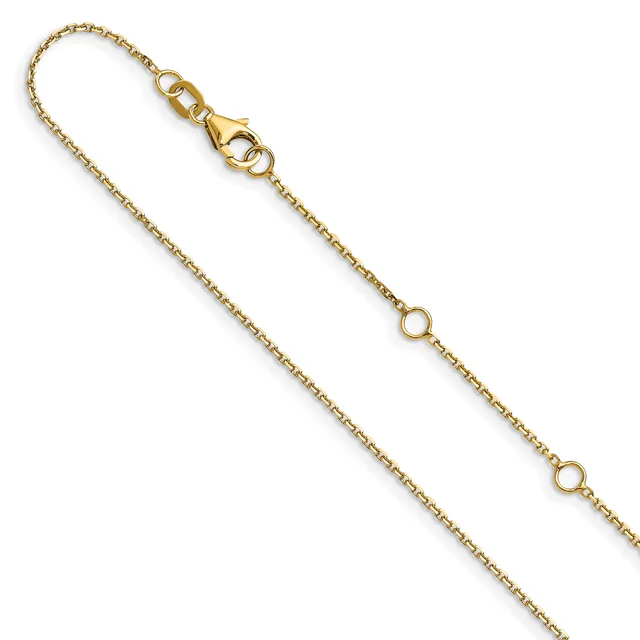
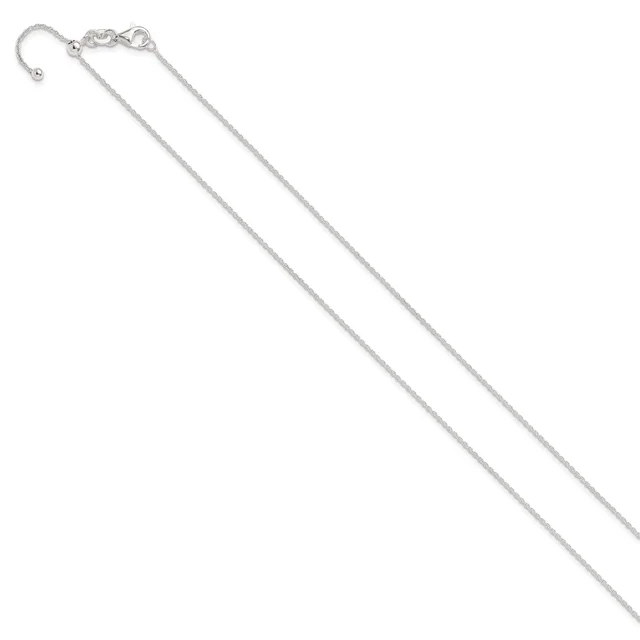
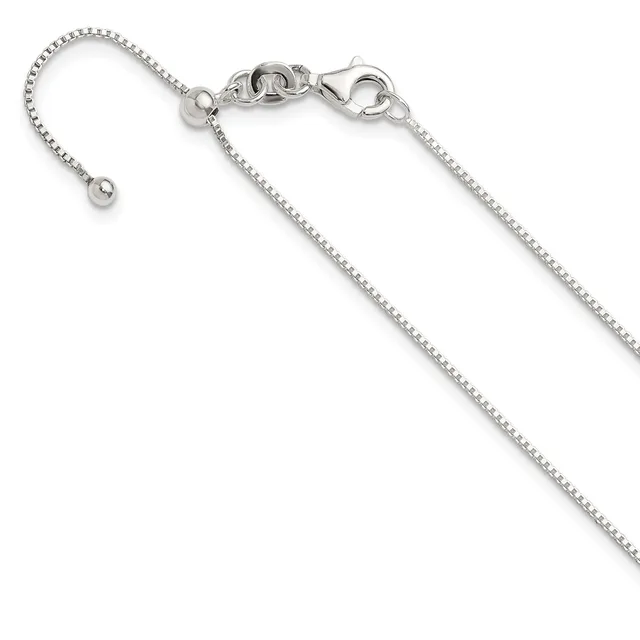
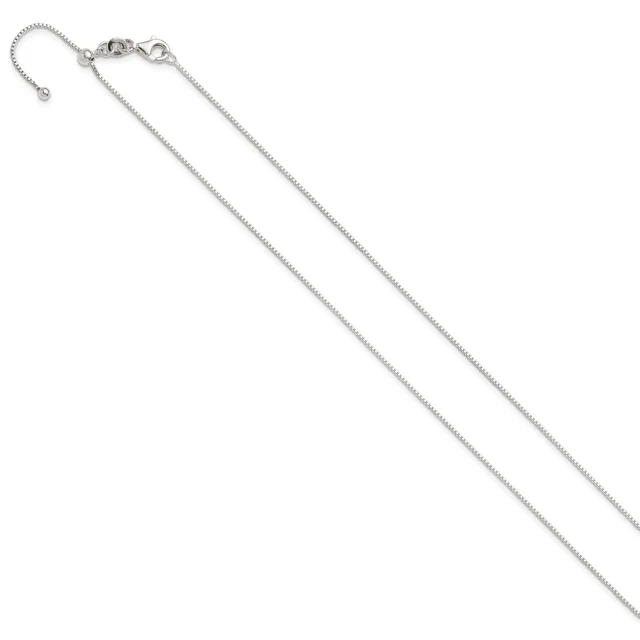
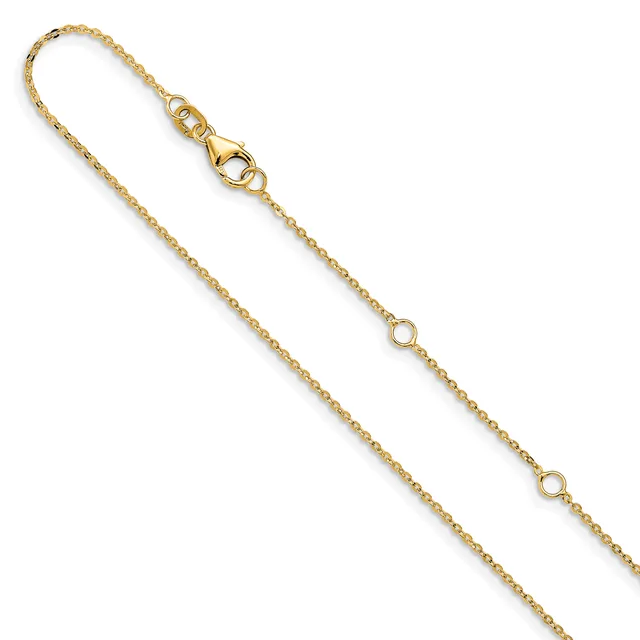
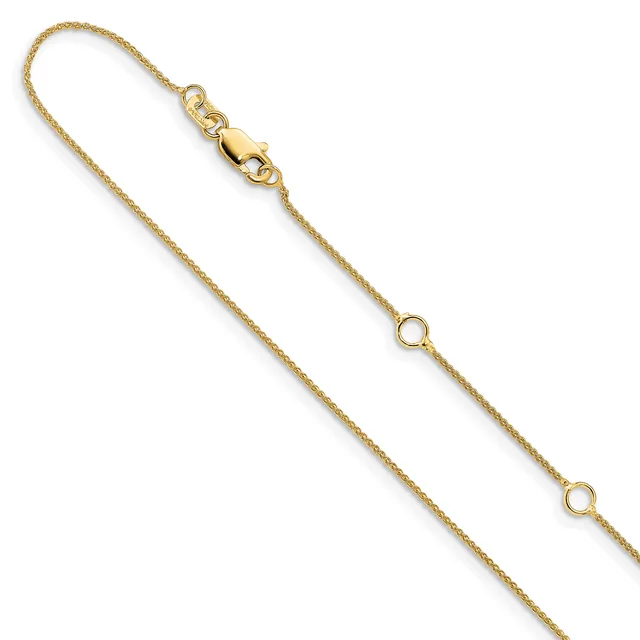
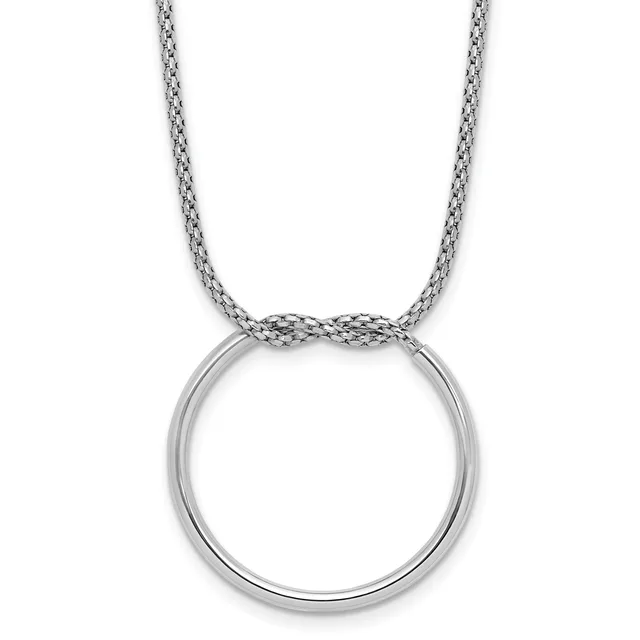
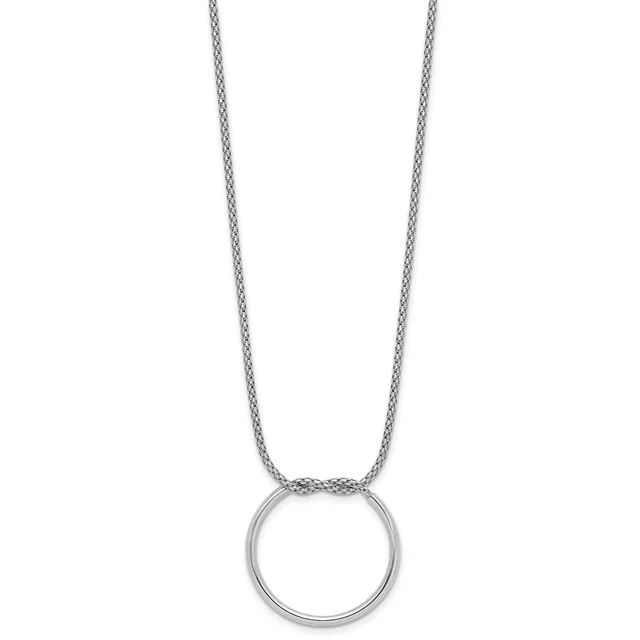
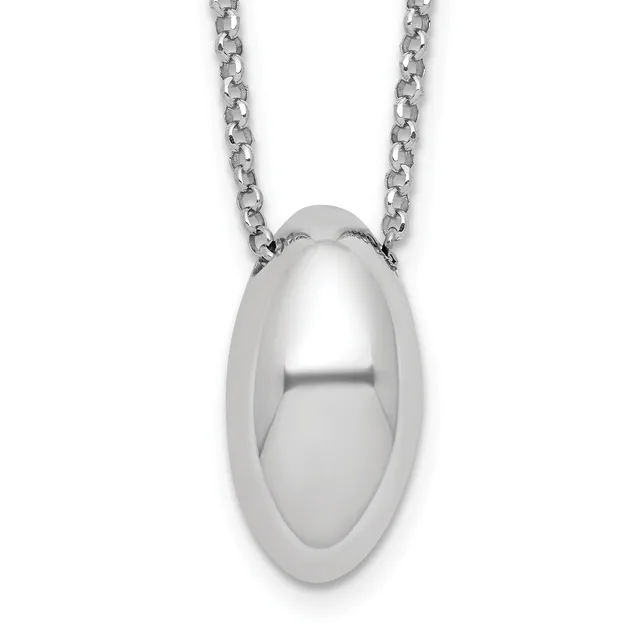
The chains here include cable, box, and fancier link constructions. Cable links are round or oval interlocking rings: the most classic profile, with a flat, even surface that catches light uniformly and lies flat against the skin. Box chains have square links that give a slightly more structured look and tend to resist tangling because the links move in a defined plane. Fancy or decorative chains add surface texture — twisted, patterned, or shaped links — for pieces that read as finished jewelry even when worn without a pendant.
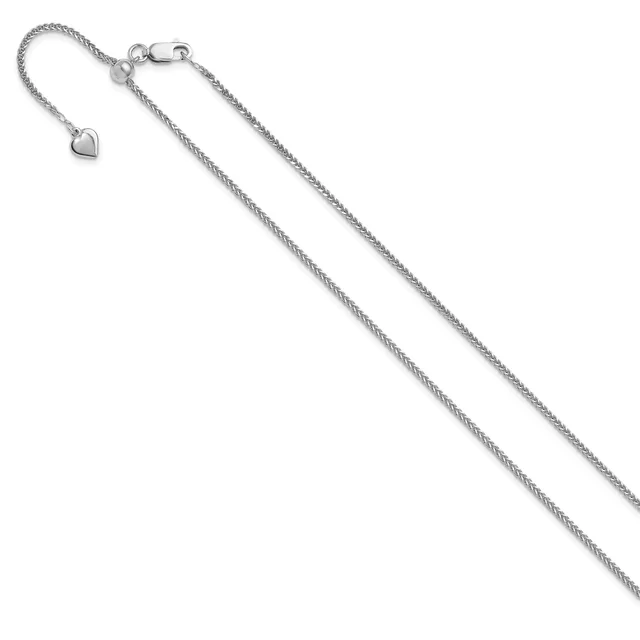
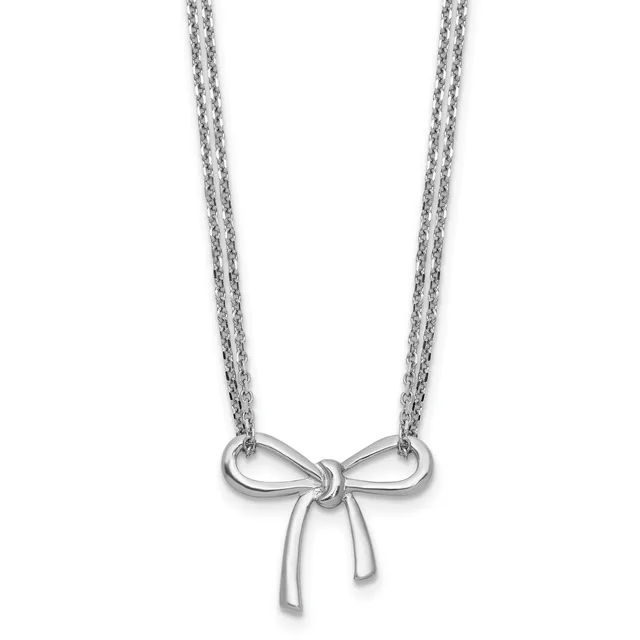
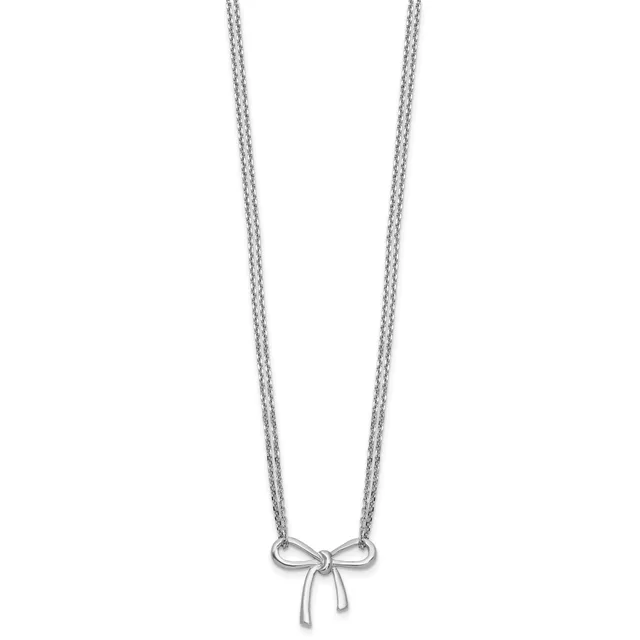
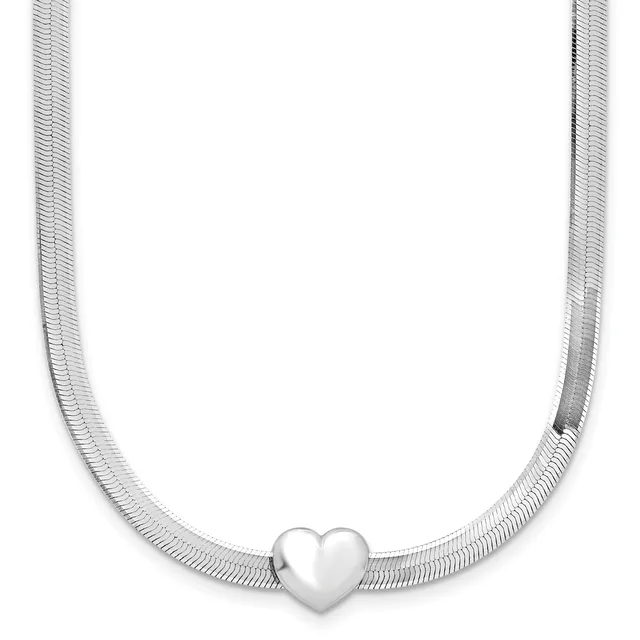
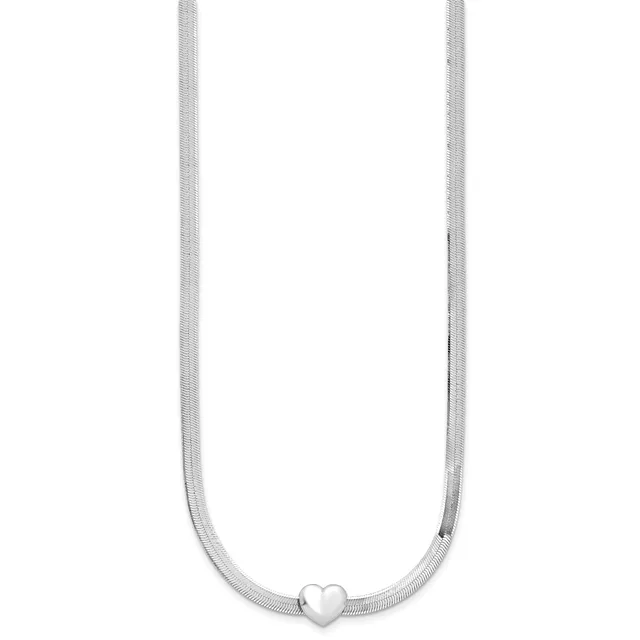
Bow and heart motifs appear here too, placing a design element directly on the chain rather than a separate pendant drop. These work well for wearers who want a single composed piece rather than a building-block approach.
Metals and everyday wear
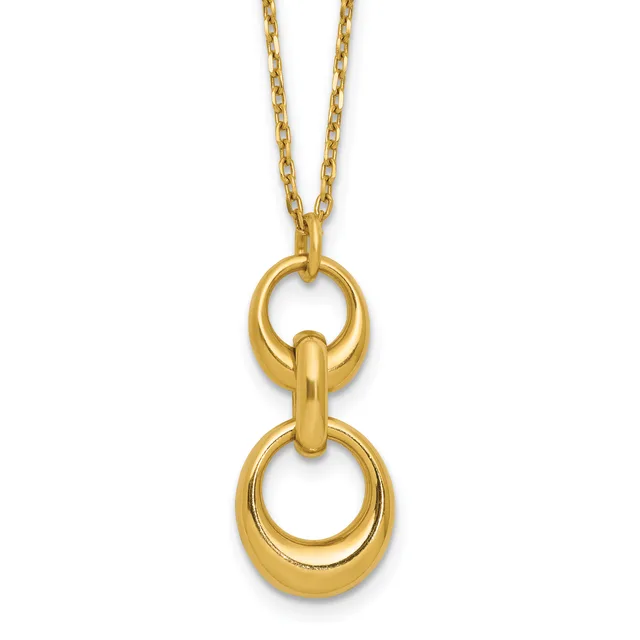
Gold at 14k is an alloy — gold mixed with other metals for durability — which makes it more resistant to daily wear than higher karat options. It is the most common metal for wearable fine jewelry precisely because it holds up to contact, moisture, and normal friction. Yellow, white, and rose variations come from which alloys are used, not from a coating, so the color is consistent through the metal. If a piece is described as plated, that means a thin layer of metal over a base; plating can wear at points of friction over time, which is worth knowing when choosing a piece intended for daily use.
Choosing and caring for your necklace
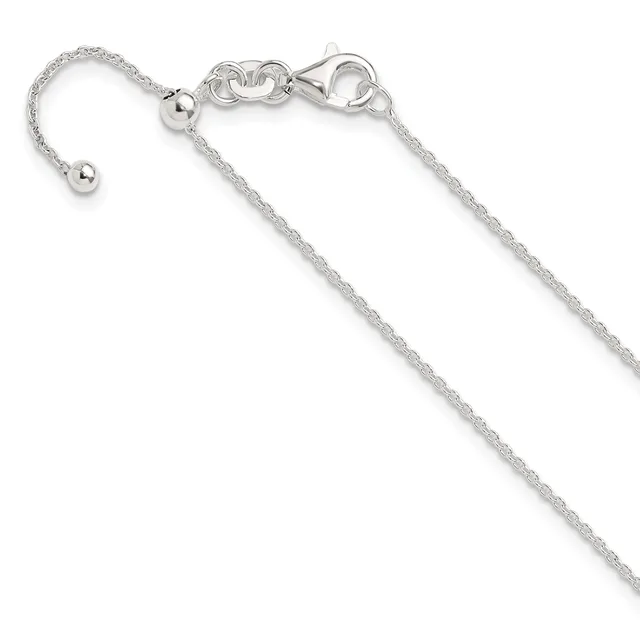
When assessing fit, consider what you'll wear the necklace with most often — crew necklines call for a shorter set position, V-necks allow more length, and open or strapless styles show the chain at its fullest. Because adjustable chains are meant to be moved, check the adjustment mechanism before buying: a slider that moves smoothly and holds position is more useful than one that requires a clasp change.
For care, remove fine chain necklaces before swimming or applying products — oils, chlorine, and salt water accelerate tarnish and can stress fine links over time. Store chains individually or hung to prevent the links from catching on each other. A soft cloth is sufficient for regular cleaning; ultrasonic cleaners are suitable for plain metal chains but should be avoided if the piece includes stones with inclusions or organic materials.
Frequently asked questions
How does the adjustment mechanism work on these necklaces?
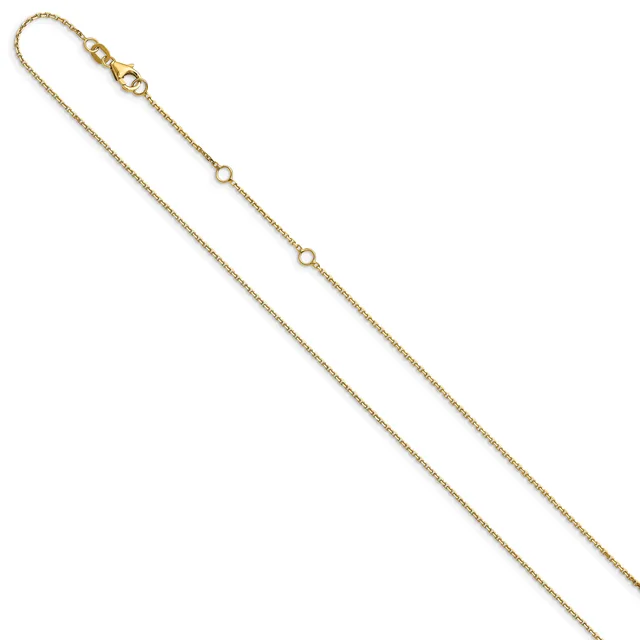
Most adjustable chains use a sliding clasp or a series of jump rings at graduated points along the chain, letting you set the length without tools. The specific mechanism varies by piece, so it is worth checking the product detail before purchasing.
Can I wear an adjustable necklace with a pendant I already own?
That depends on whether the chain's clasp or end ring is compatible with your pendant's bail opening. Many of the plain chains here are designed to carry a pendant, but some styles with built-in motifs are meant to be worn as-is.
Is 14k gold durable enough for daily wear?
Yes — 14k is the standard for everyday fine jewelry because the alloy content makes it meaningfully harder and more scratch-resistant than 18k or 24k. It holds its finish well under normal contact and doesn't require special handling.
What is the difference between a cable chain and a box chain in terms of feel?
Cable chains are flexible in multiple directions and tend to drape softly, while box chains move in a flatter, more structured way. Both lie comfortably against the skin; the choice is mainly visual.
How do I keep a fine chain from tangling during storage?
Hang each chain separately or lay it flat in its own compartment. Clasping the necklace before storing it also helps, since the closed loop is less likely to knot than a loose length of chain.