
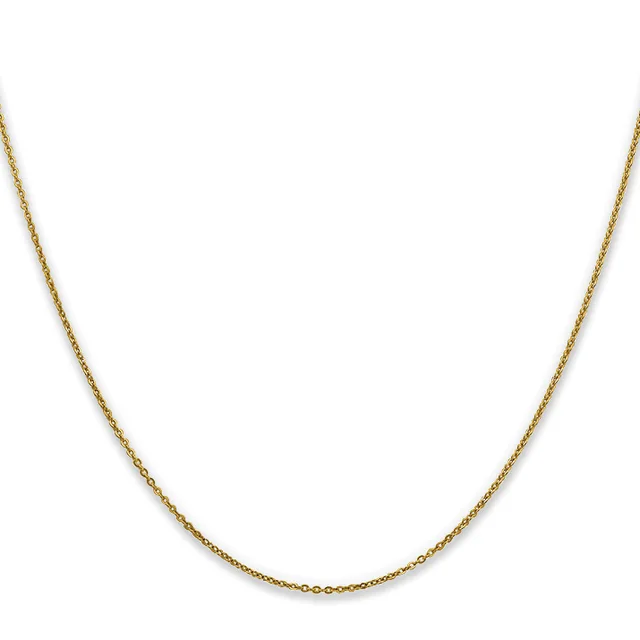
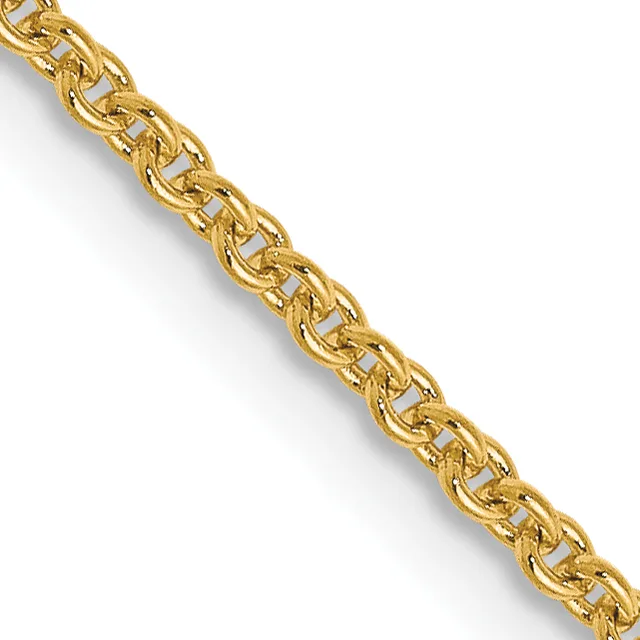
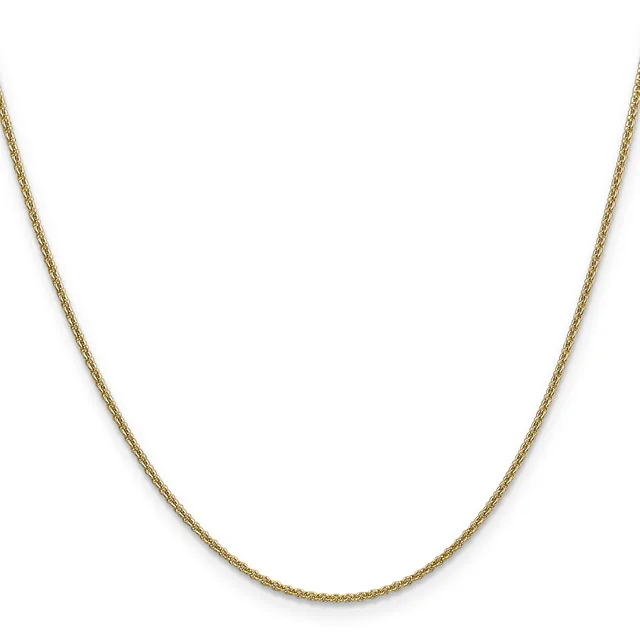
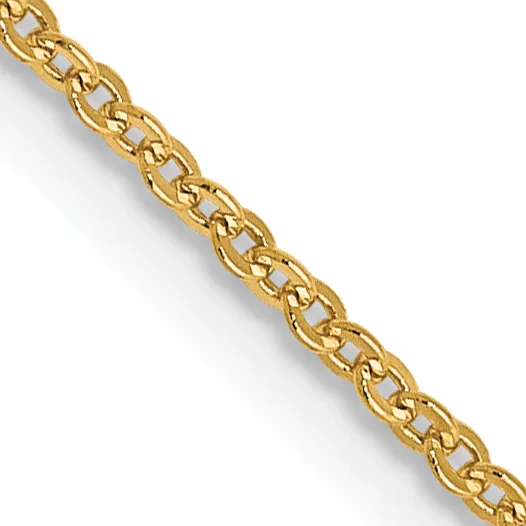
What Makes a Cable Chain
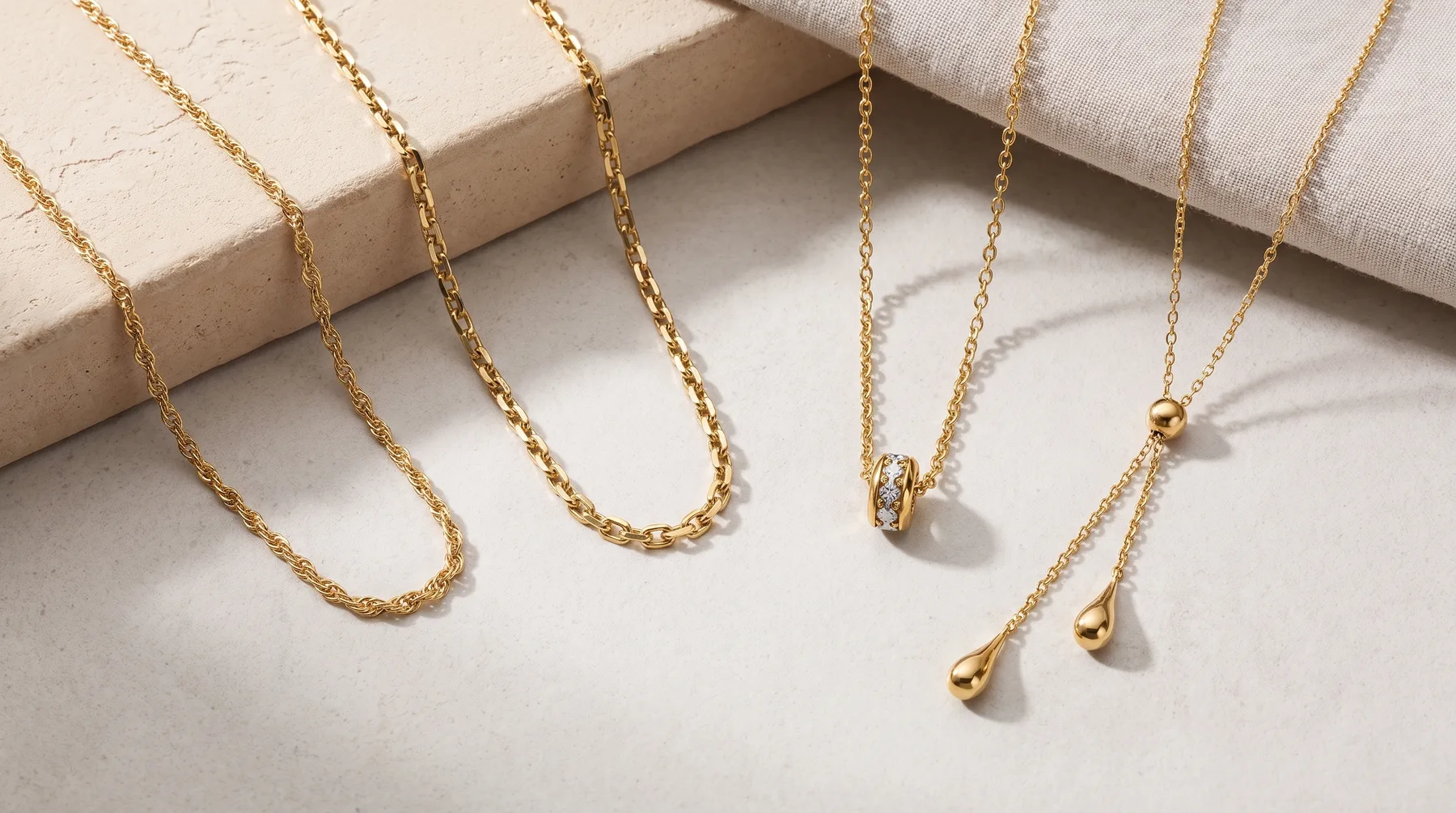
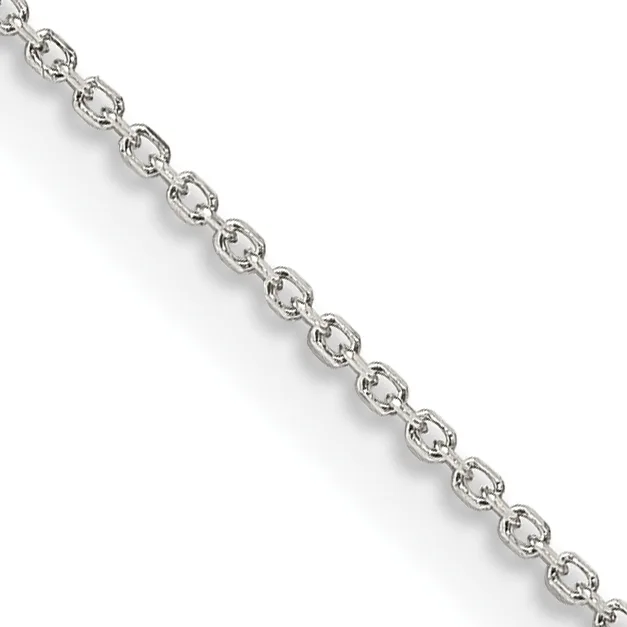
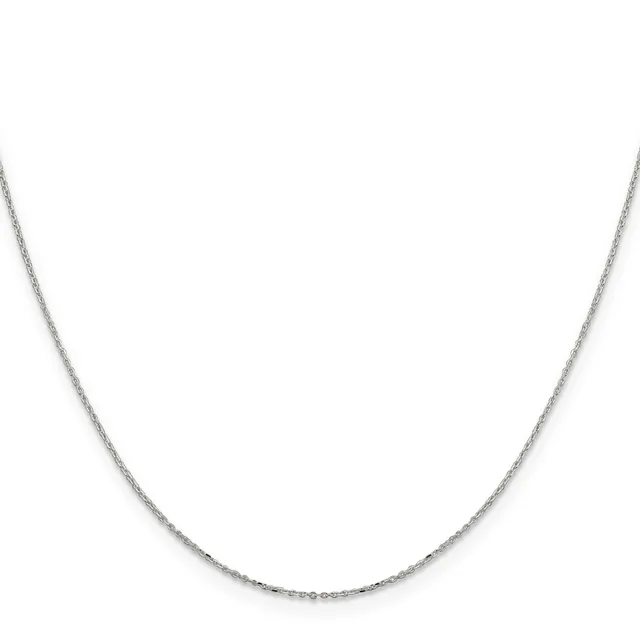
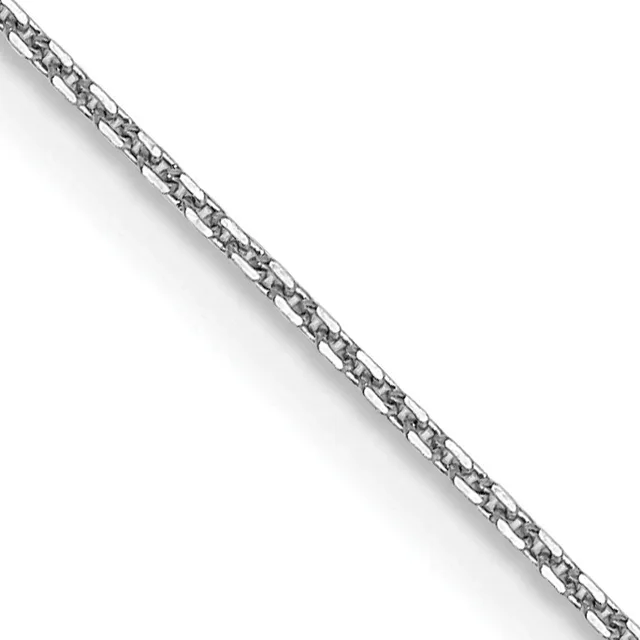
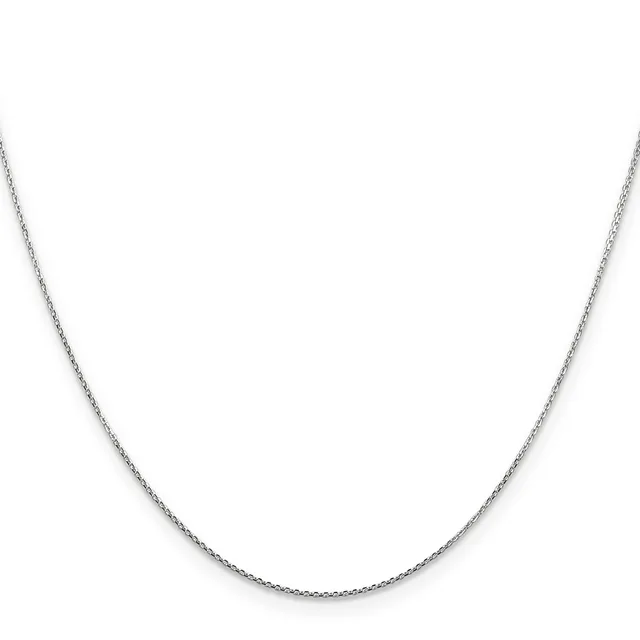
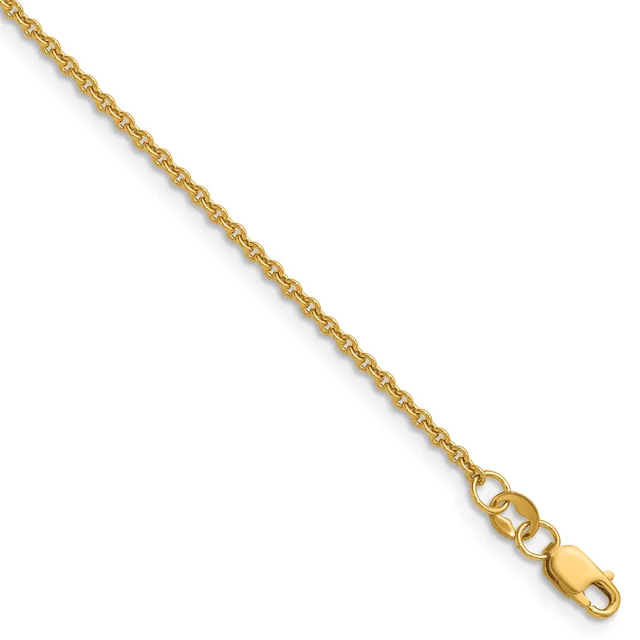
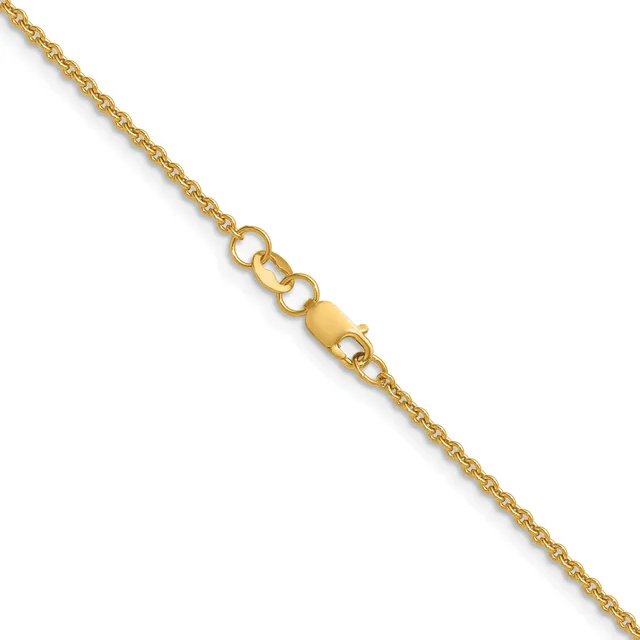
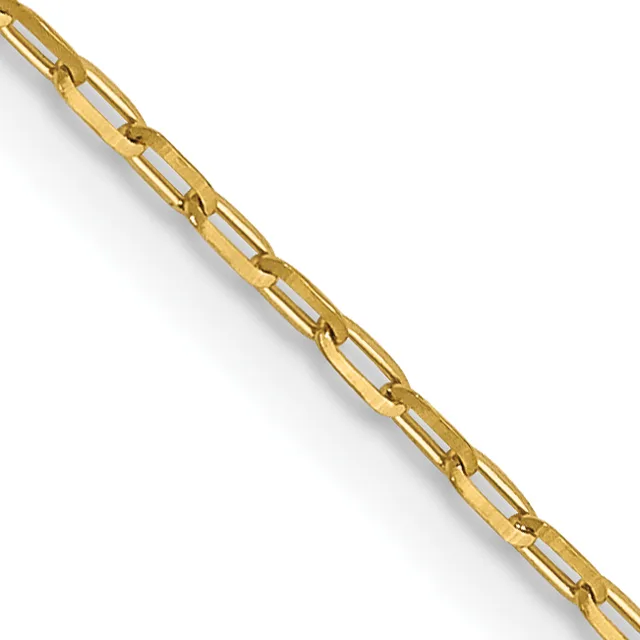
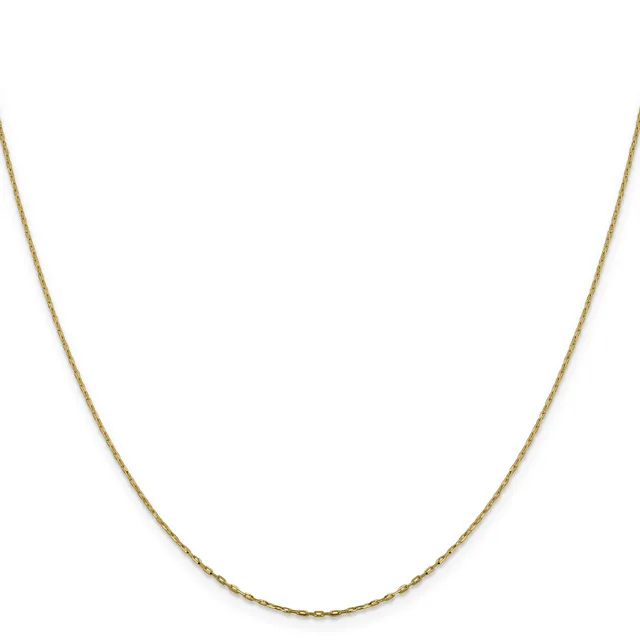
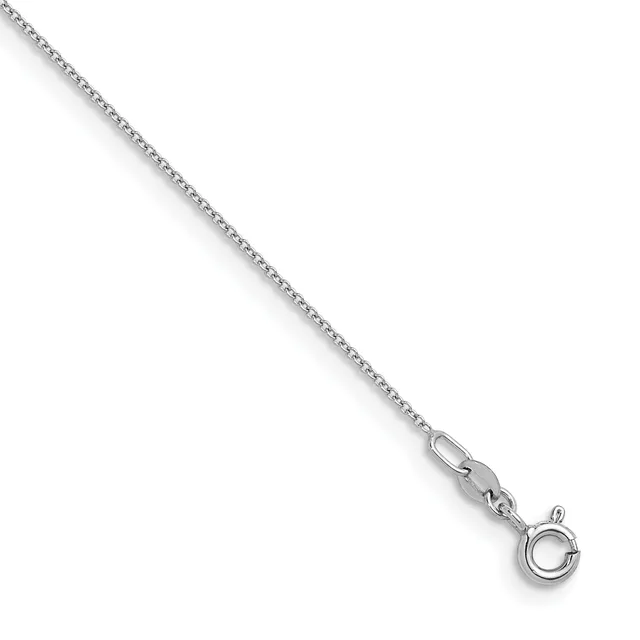
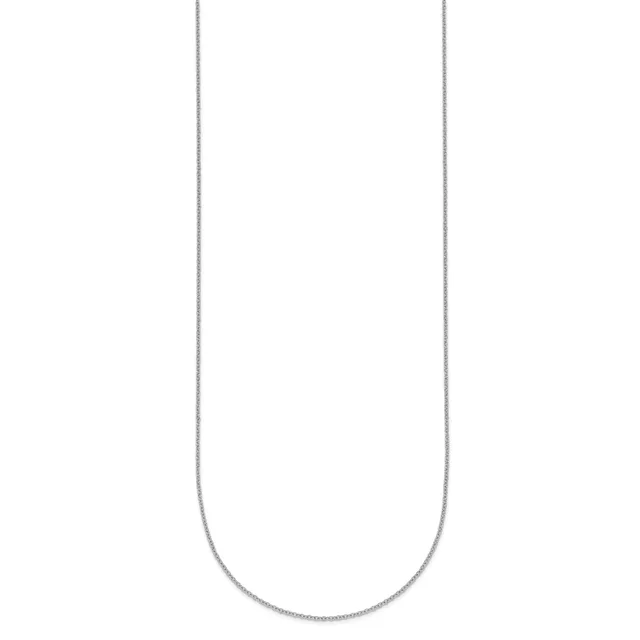
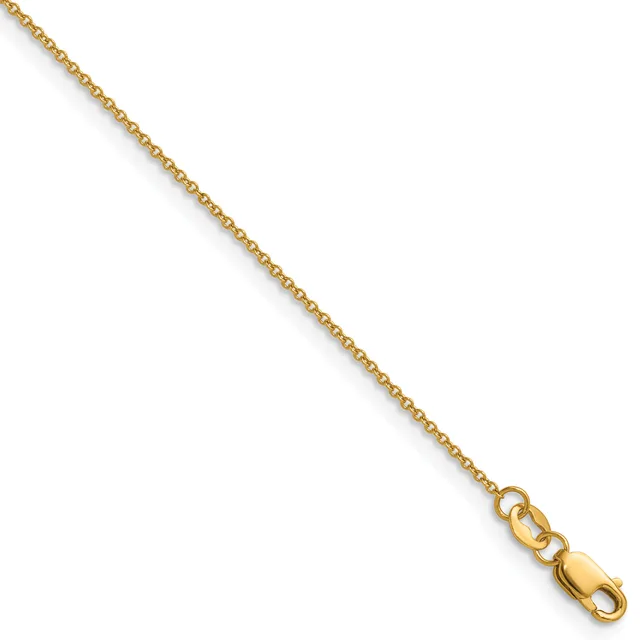
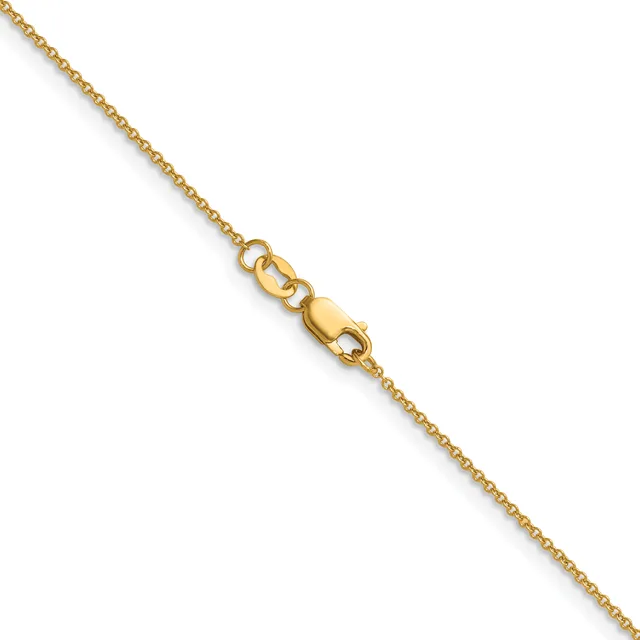
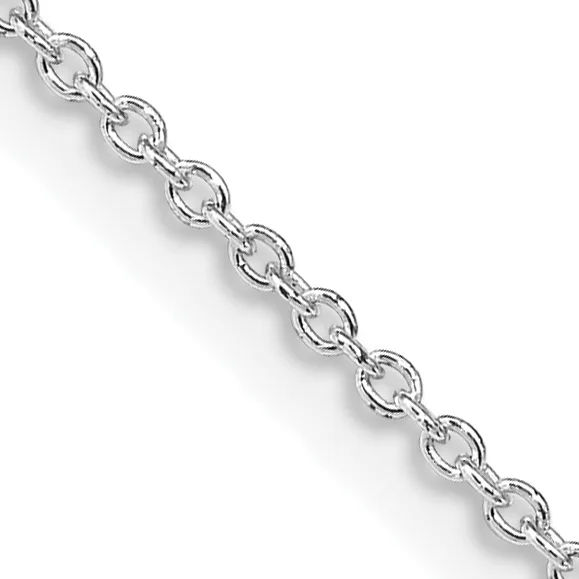
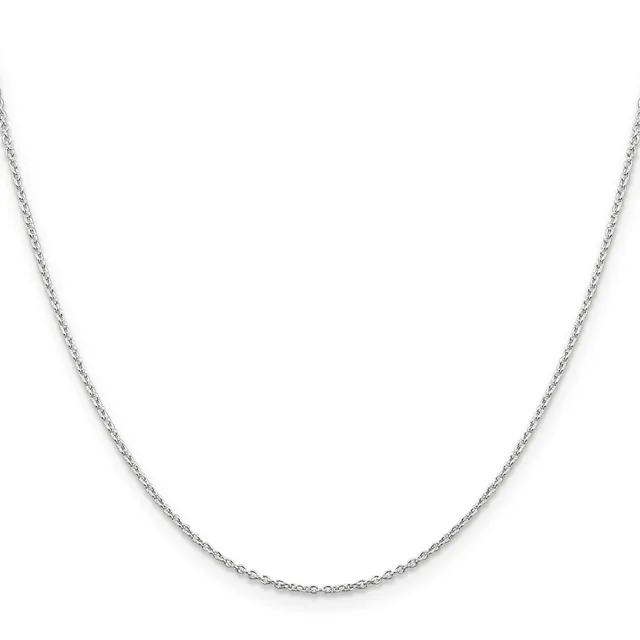
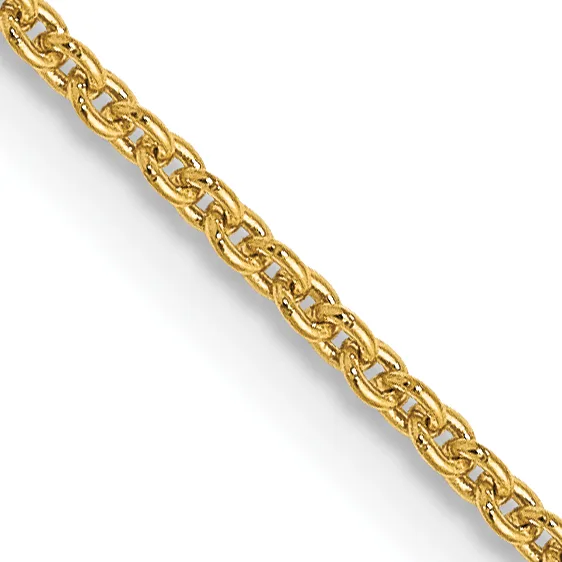
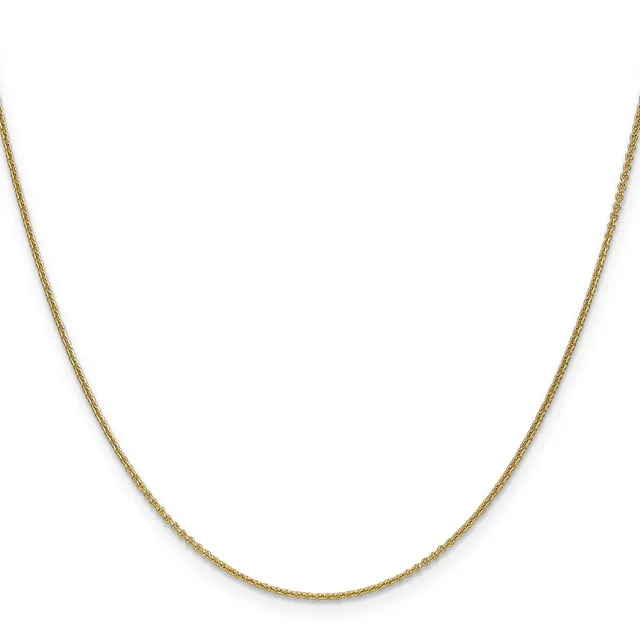
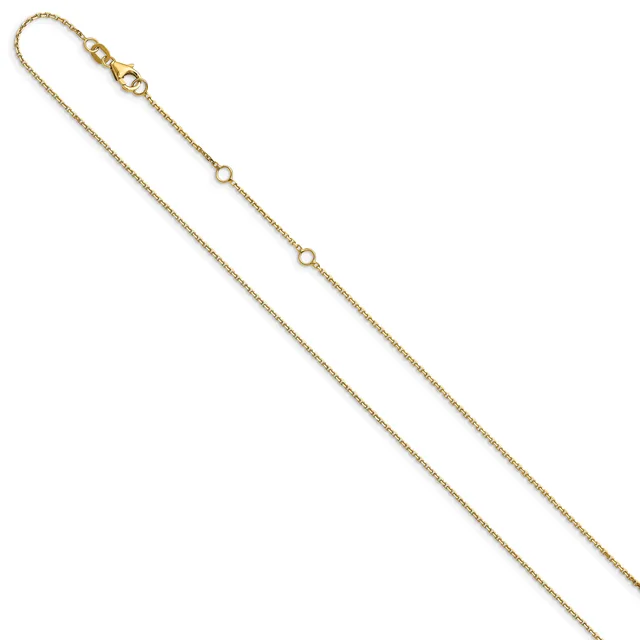
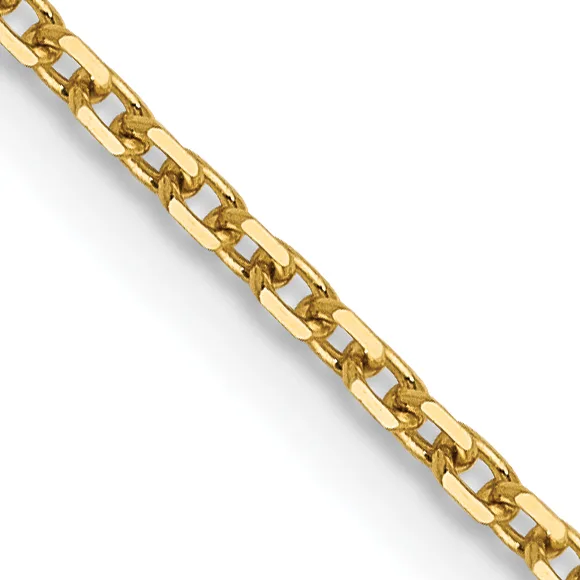
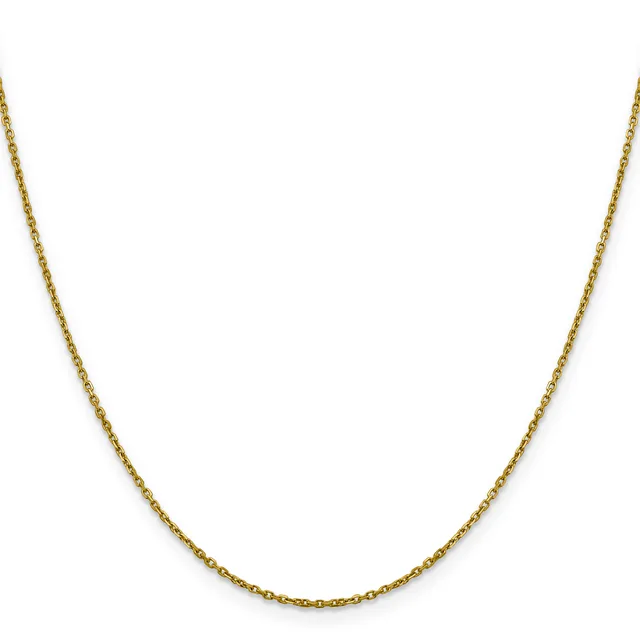
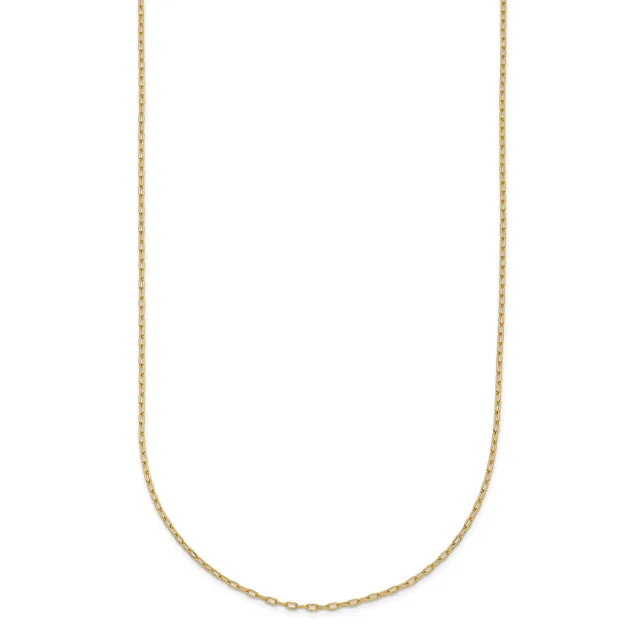
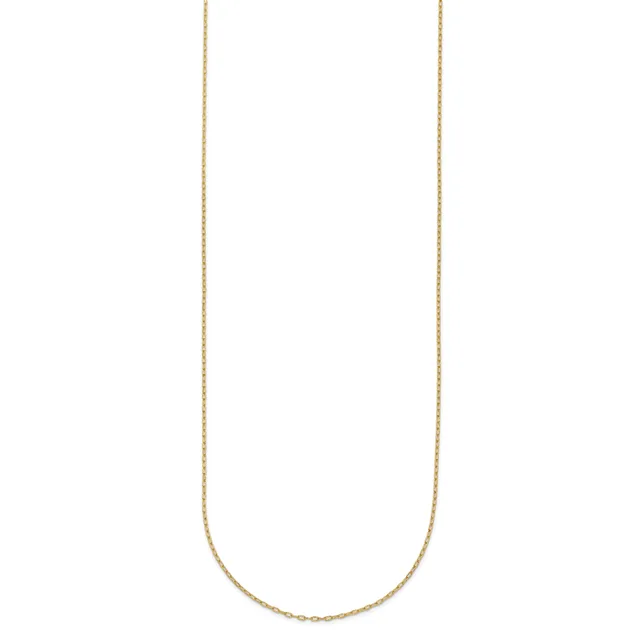
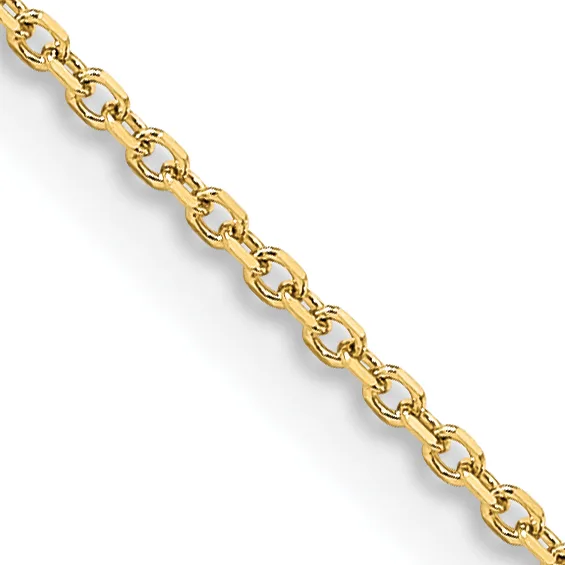
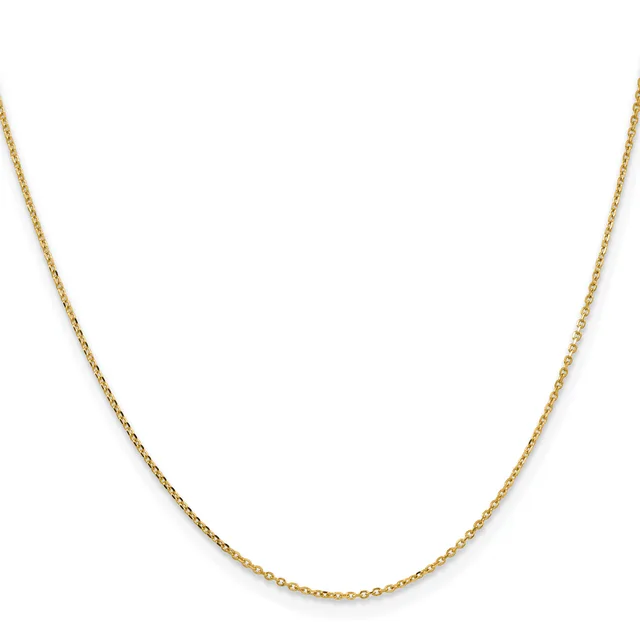
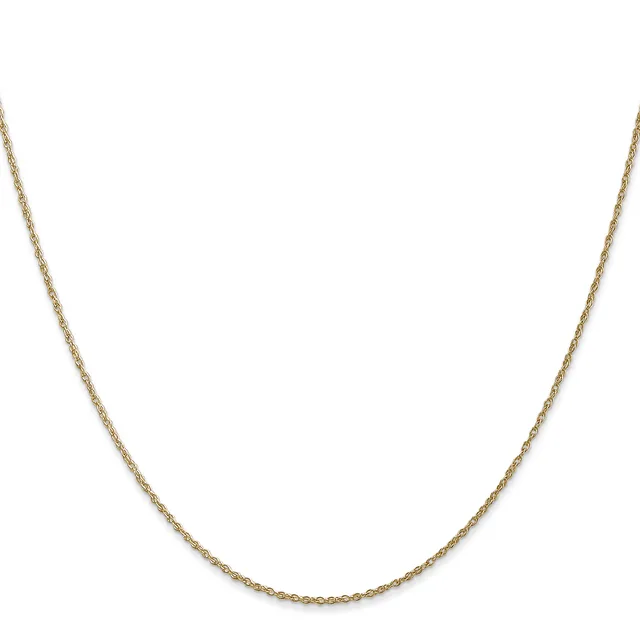
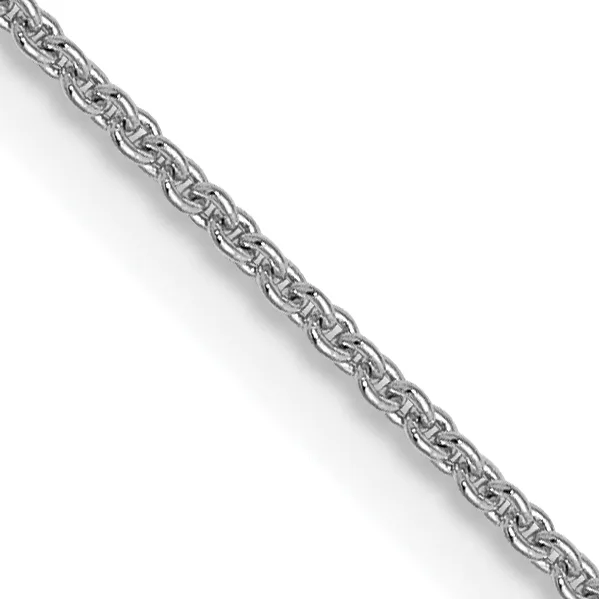
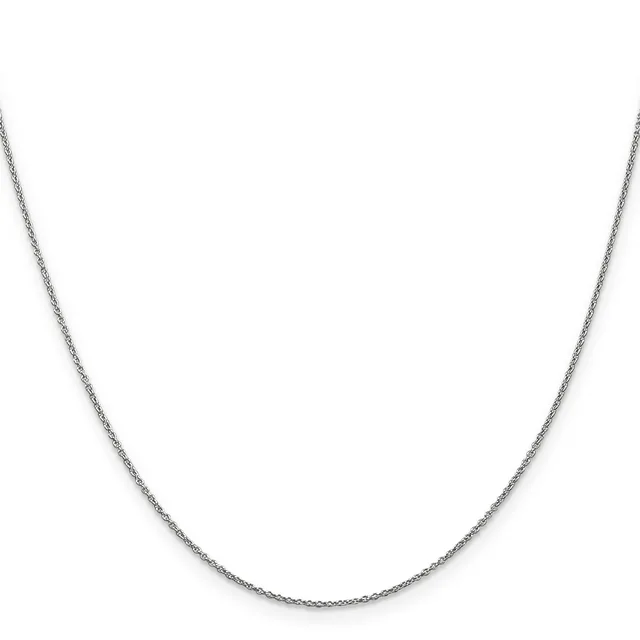
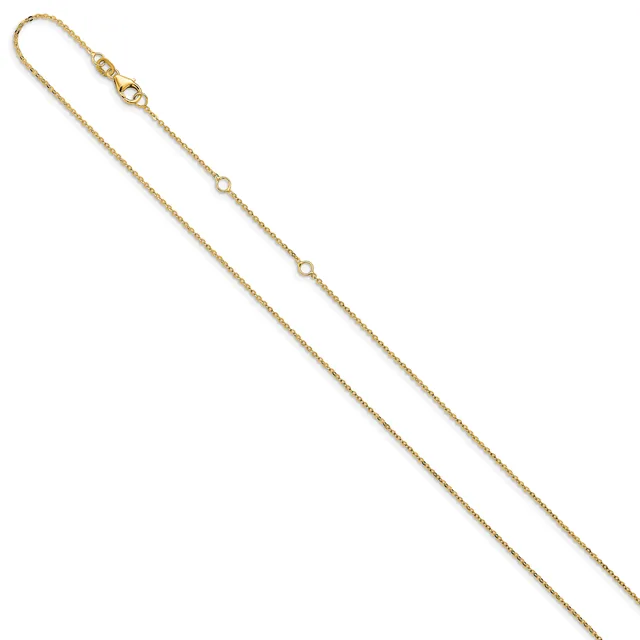
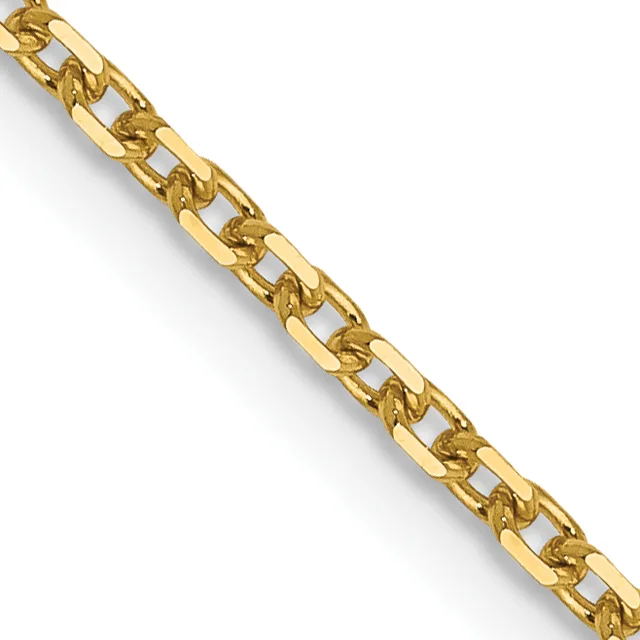
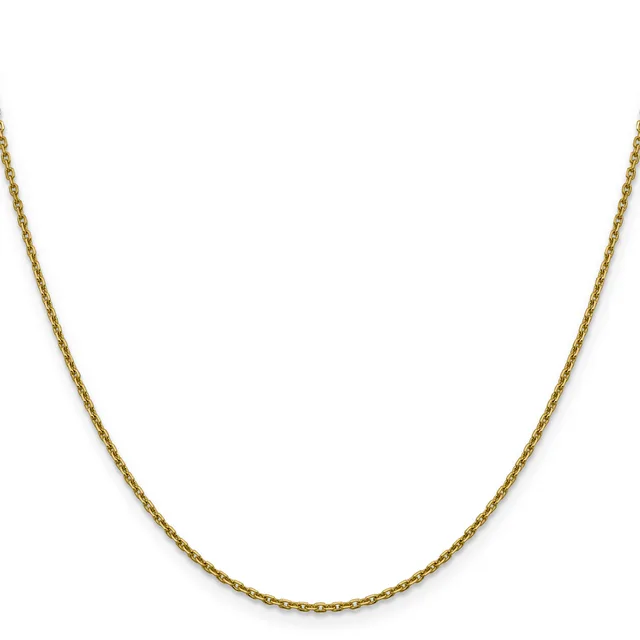
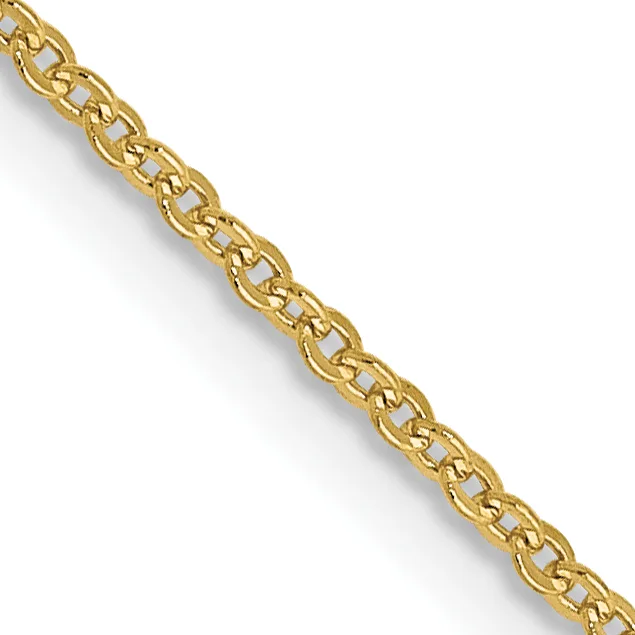
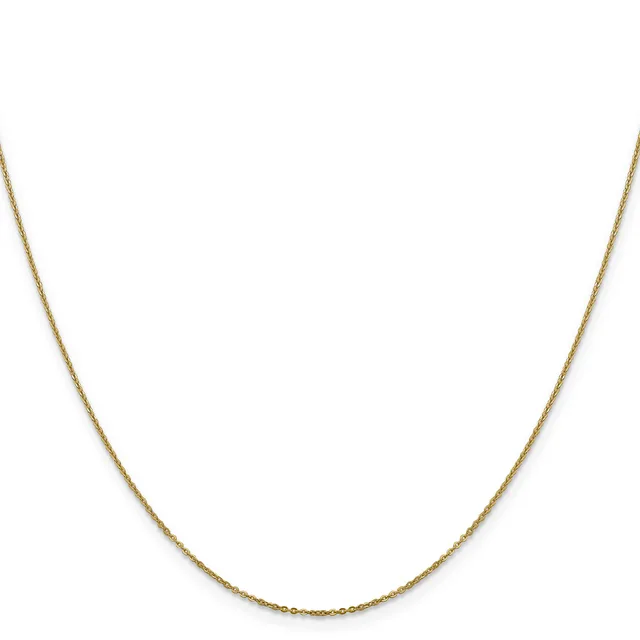
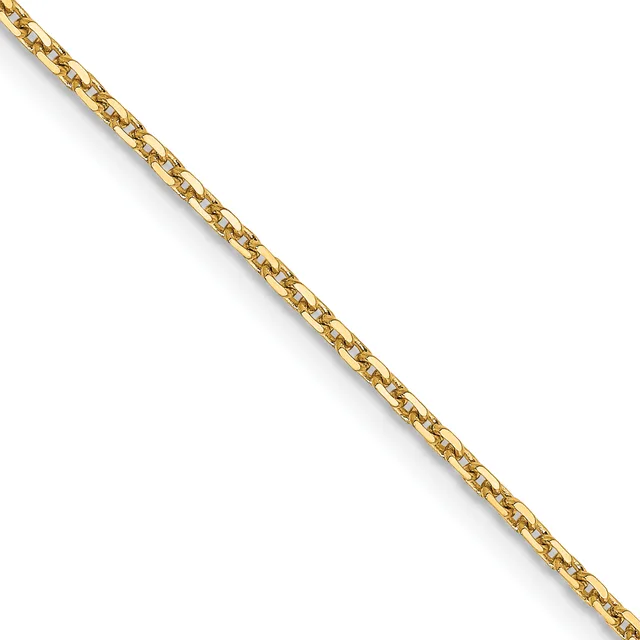
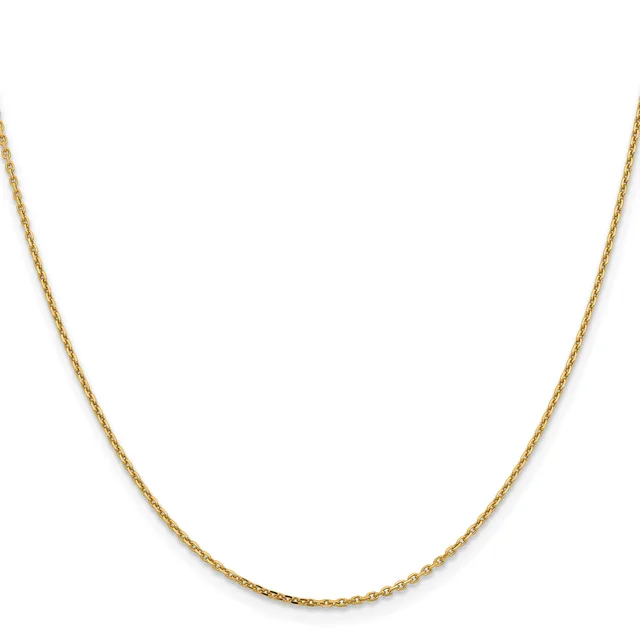
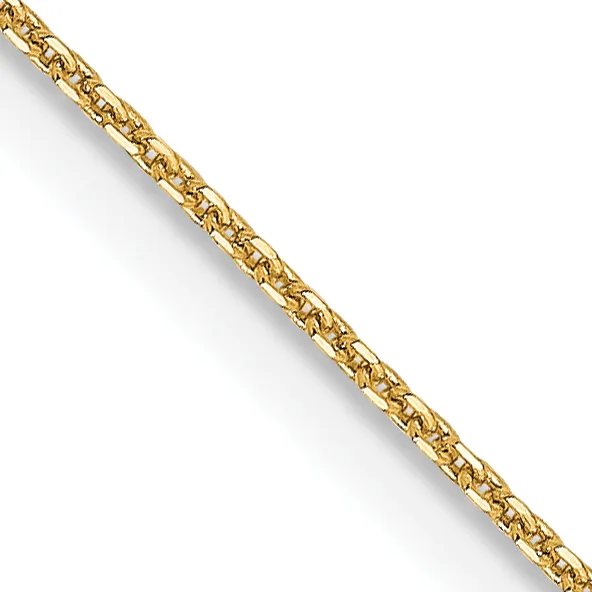
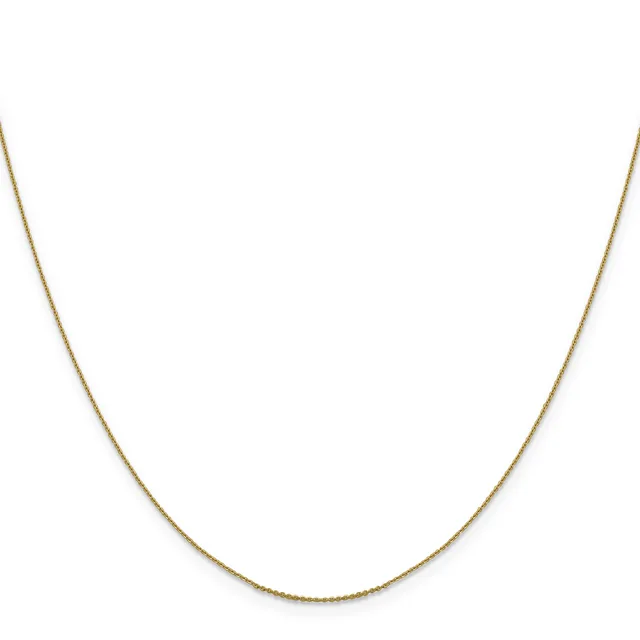
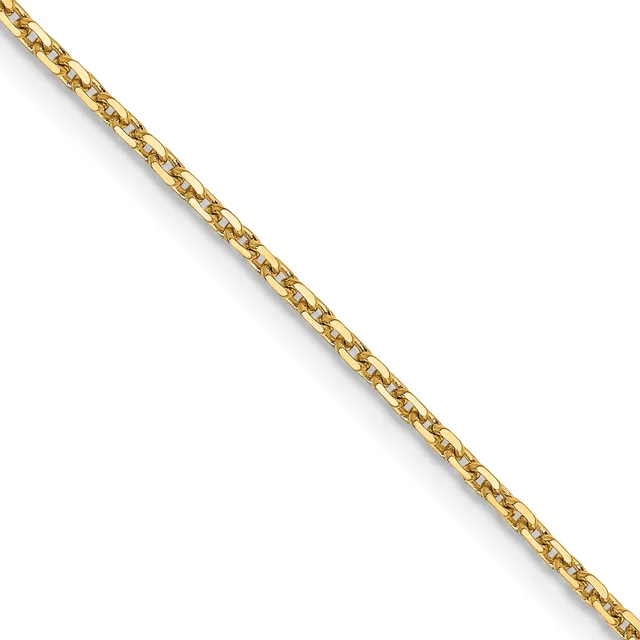
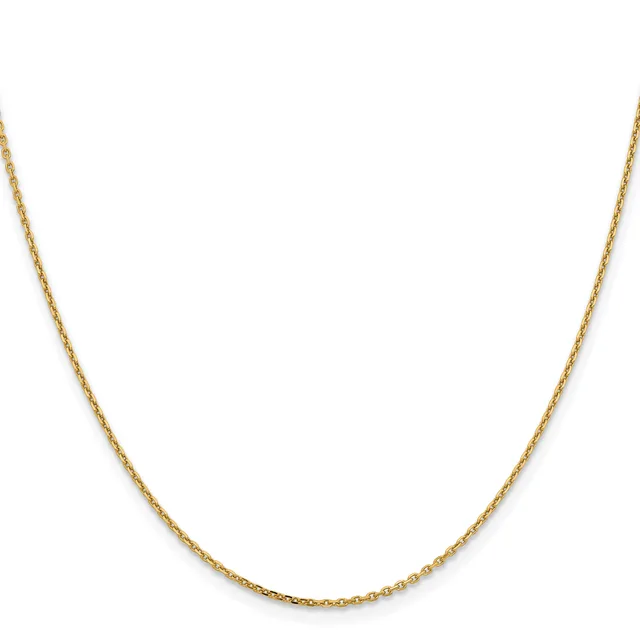
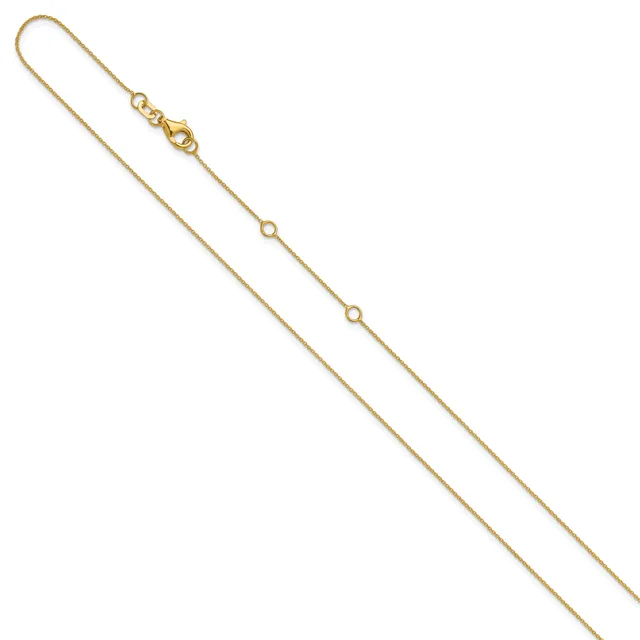
A cable chain is formed by connecting identical oval links at right angles to one another, creating an even, flat-lying structure that drapes naturally against the collarbone. Because each link is the same size and the pattern repeats without interruption, the eye reads the chain as a clean, continuous line rather than a decorative texture. That simplicity is what makes cable chains so adaptable — they recede behind a pendant, layer comfortably with other necklaces, or hold their own worn alone.
Styles in This Collection
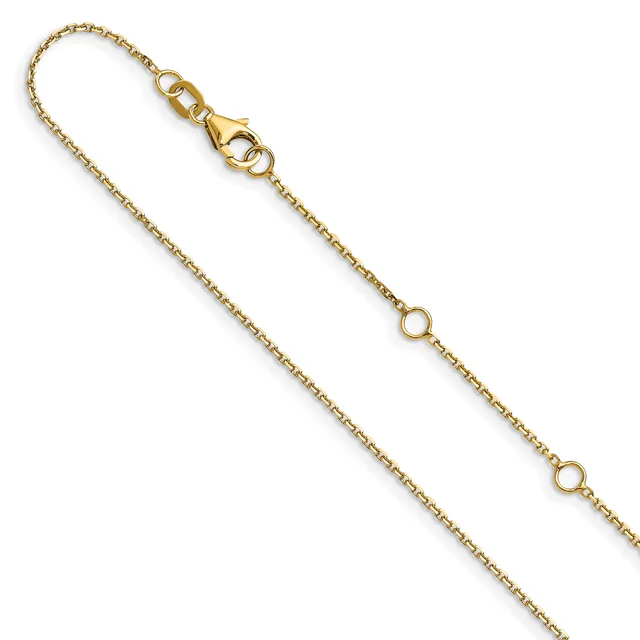
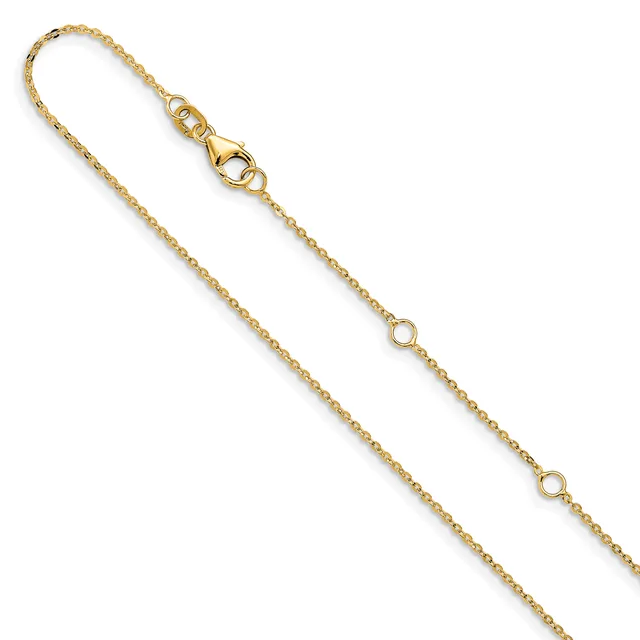
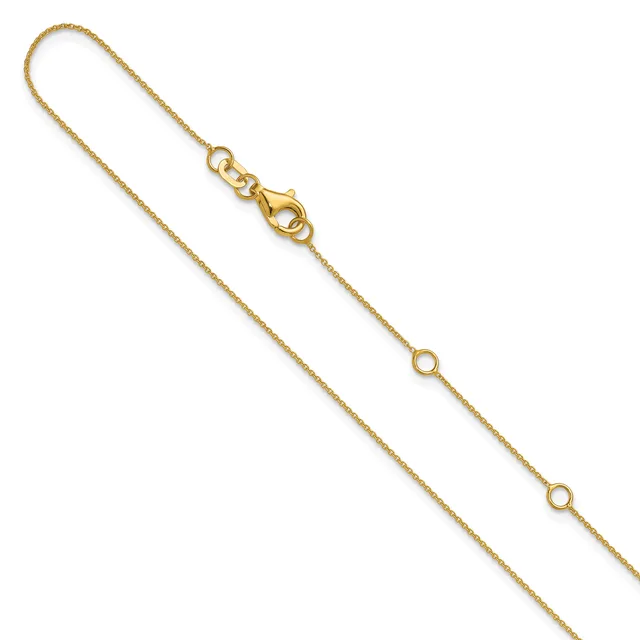
Within this selection you will find straightforward chain necklaces as well as pendant styles where the cable chain is integral to the design rather than a separate component. Some pieces carry a single focal element — a bow, a diamond-set motif — while others are pure chain, finished and ready to wear. Adjustable lengths appear alongside fixed ones, letting the same piece sit at different necklines depending on the day.
Multi-strand constructions layer several cable chains together in a single clasp, giving the weight and presence of a statement necklace with the clean geometry the cable link naturally provides.
Choosing the Right Chain for You
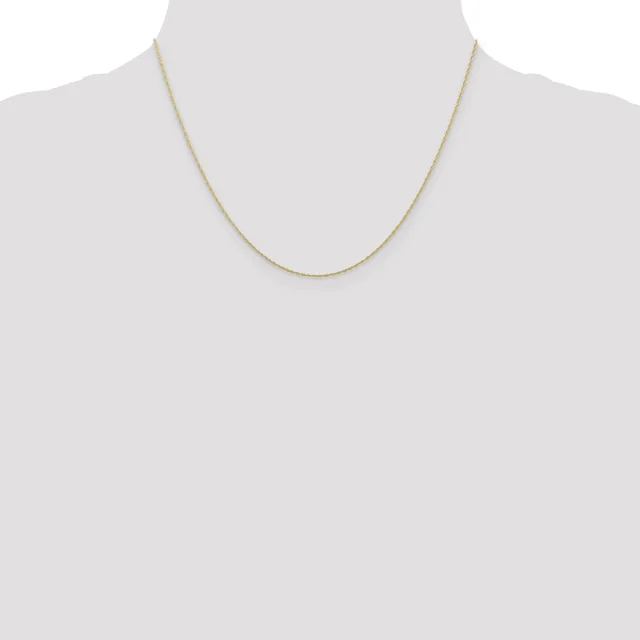
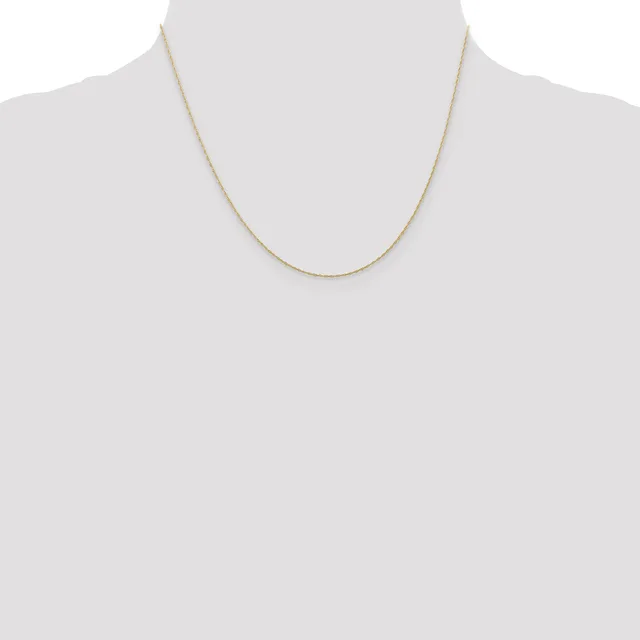
Link weight and wire gauge determine how a cable chain feels to wear. A finer gauge lies close and light, disappearing under a shirt collar and supporting a pendant without competing with it. A heavier gauge has perceptible substance and moves differently — it suits open necklines and holds its shape without a pendant at all. When a chain is described as adjustable, check how much range it offers: even a small shift in length changes whether a piece rests above, at, or below the collarbone.
If you plan to attach your own pendant, confirm the clasp or bail opening will accommodate your pendant's loop. Cable links are generally among the more pendant-friendly constructions because the consistent link size makes it easy to gauge clearance.
Caring for Cable Chain Necklaces
The interlocking link construction means that debris — soap residue, lotion, skin oils — can accumulate where links meet. A brief soak in warm water with a small amount of mild dish soap, followed by a rinse and gentle pat-dry, keeps the chain bright. Store cable chains individually or clasped and coiled to prevent links from catching on other pieces. Because the links rotate against one another with wear, avoid pulling or tugging the chain; over time, repeated lateral stress can elongate individual links and loosen the structure.
Frequently asked questions
Can I wear a cable chain necklace with a pendant I already own?
Most cable chain necklaces work well with pendants because the uniform link size makes it straightforward to slide a bail onto the chain. Check that your pendant's bail opening is wide enough to fit the chain's link width before purchasing.
What length should I choose for a cable chain necklace?
A 16-inch chain typically sits at or just above the collarbone, an 18-inch chain falls at the collarbone, and longer lengths drop onto the chest. If a piece in this collection is adjustable, it can be worn at more than one of these positions.
Are these necklaces suitable for everyday wear?
Cable chain construction is durable by design, and the interlocking links distribute tension evenly, making it a practical choice for regular wear. Finer gauges benefit from a little more care when dressing and undressing.
How do I keep the links from tangling when I store the necklace?
Clasp the necklace closed before storing it, then lay it flat or coil it loosely in its own compartment. Storing cable chains alongside other necklaces allows links to catch on neighboring pieces.
Do cable chain necklaces come in different metals?
This collection includes pieces across a range of metal options — check the individual product details for the specific metal, karat, or finish available on each style.