

How the styles here differ
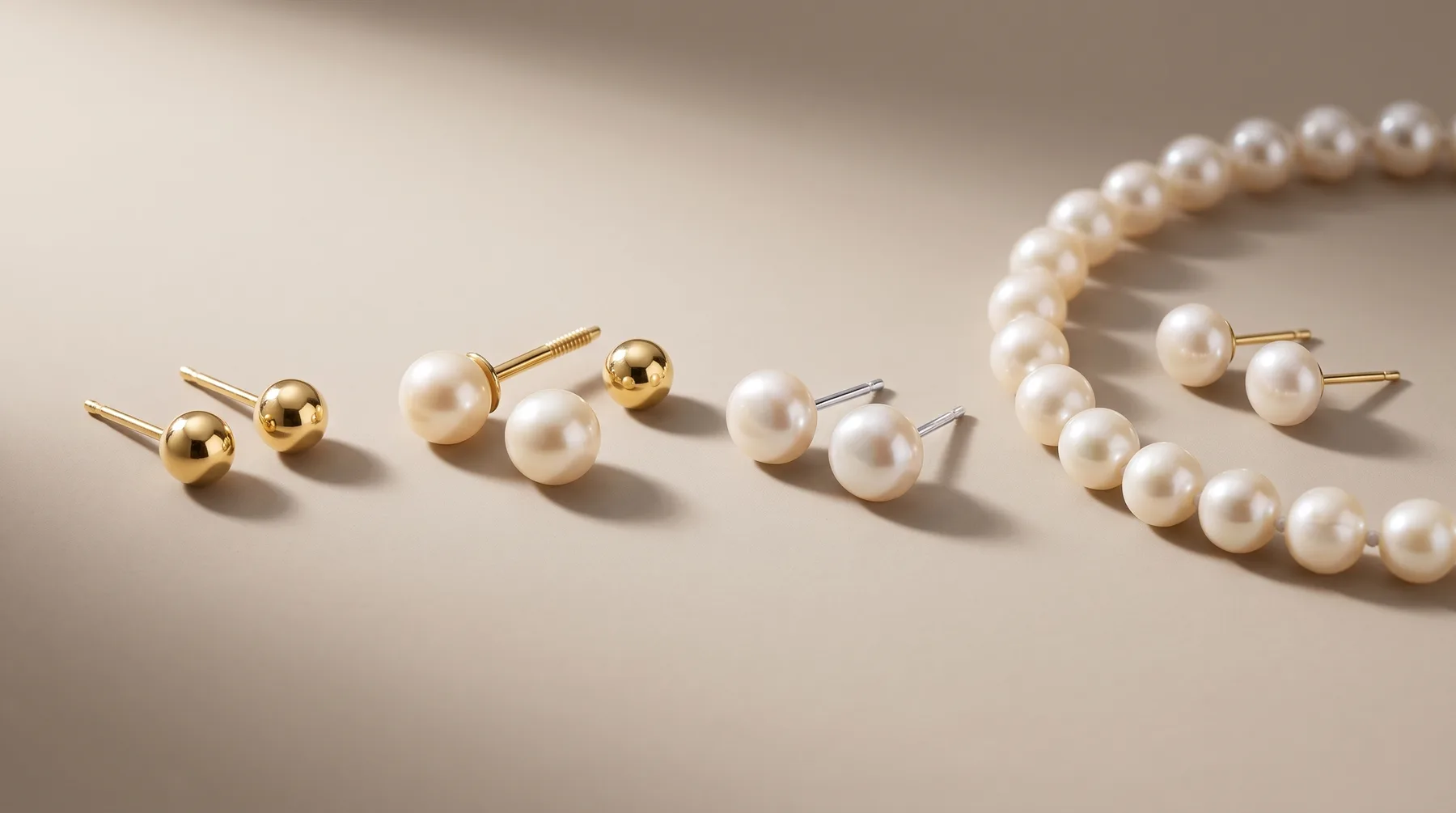
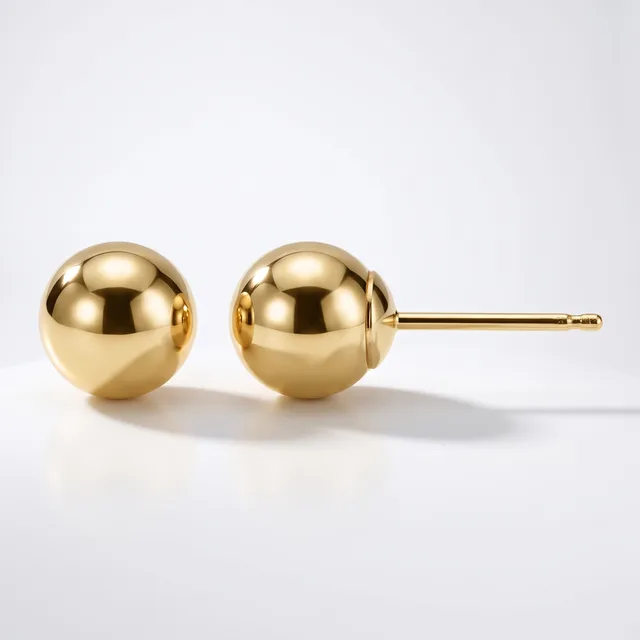
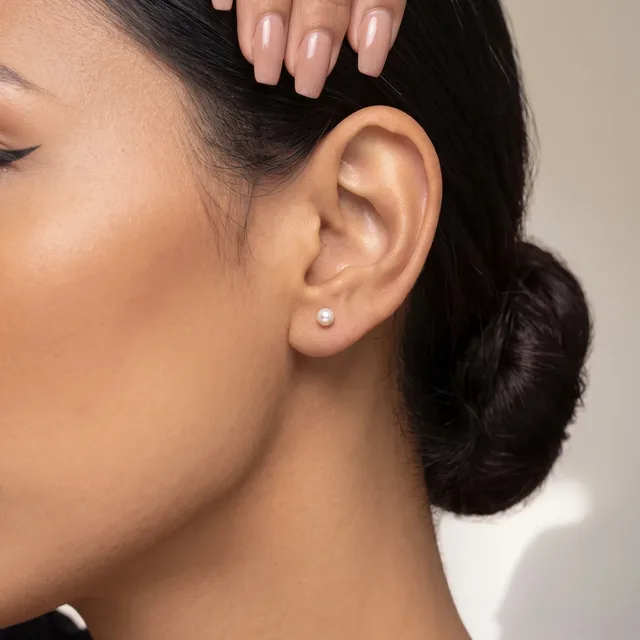
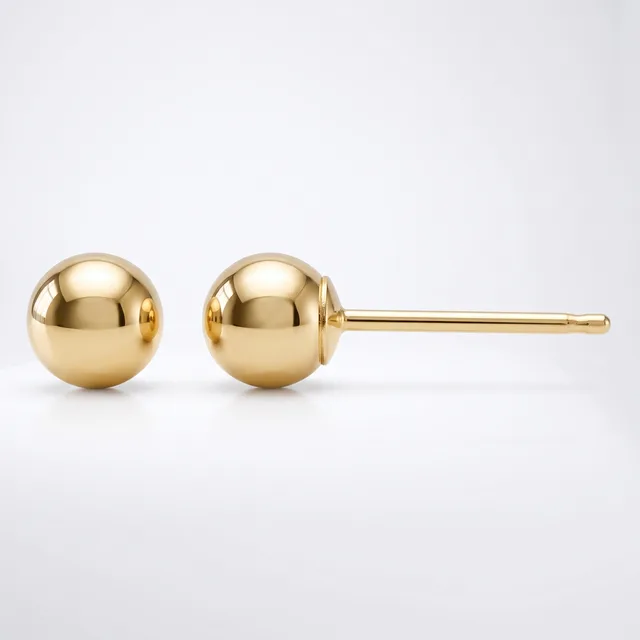
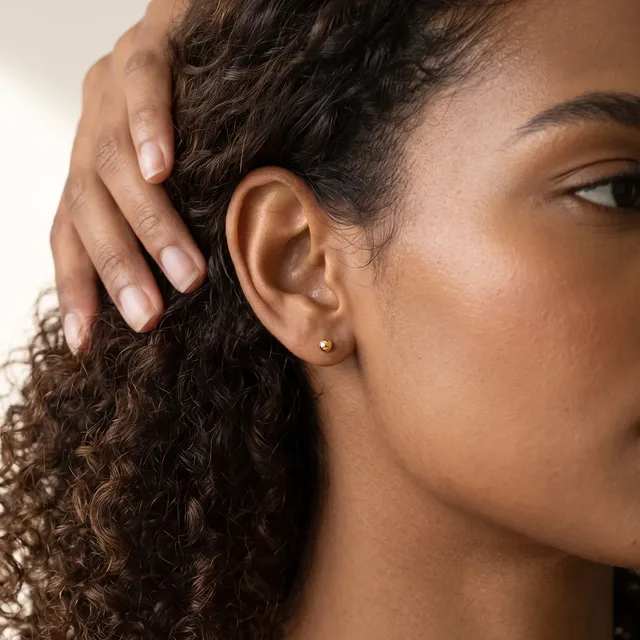
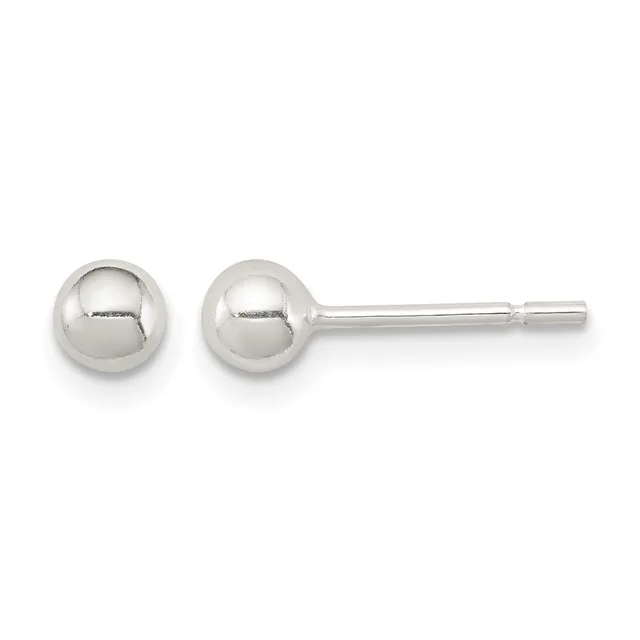
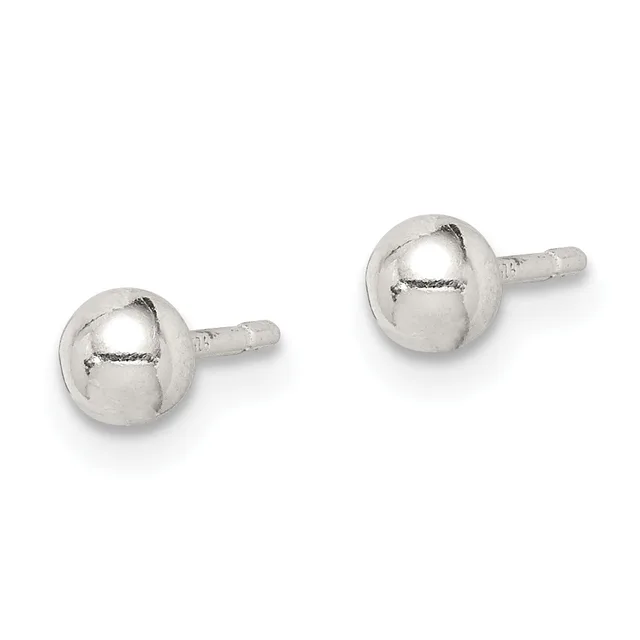
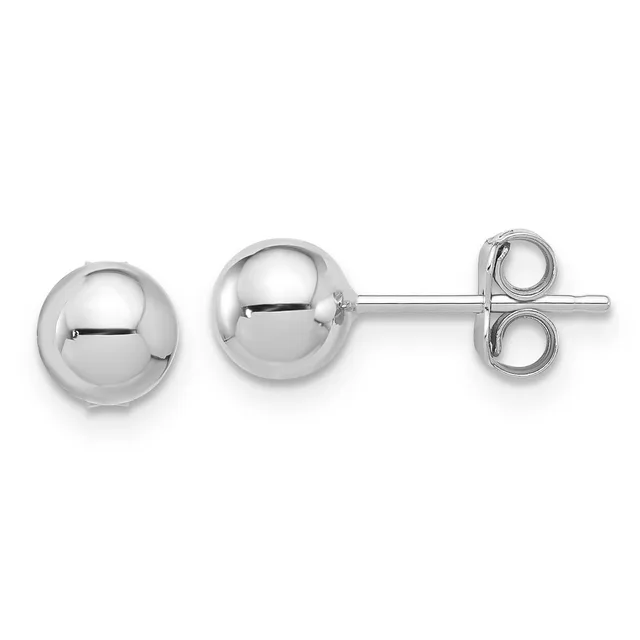
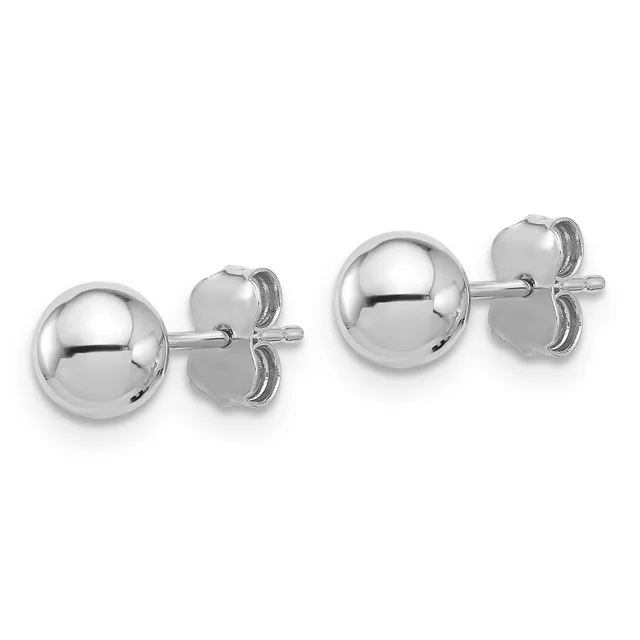
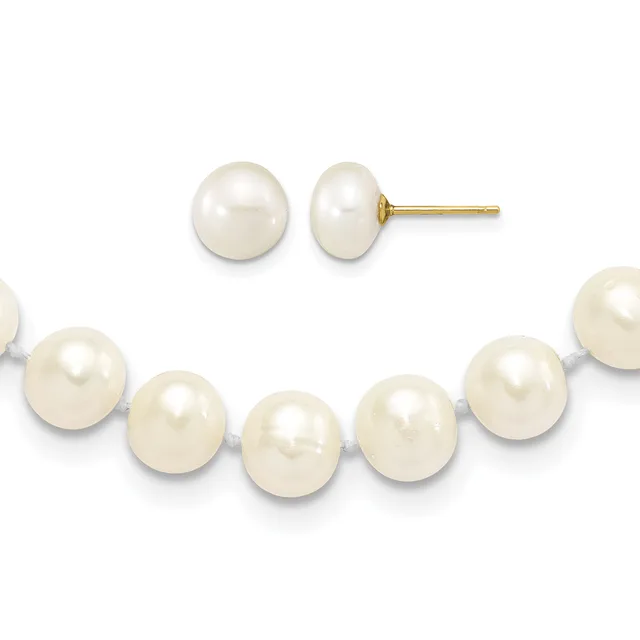
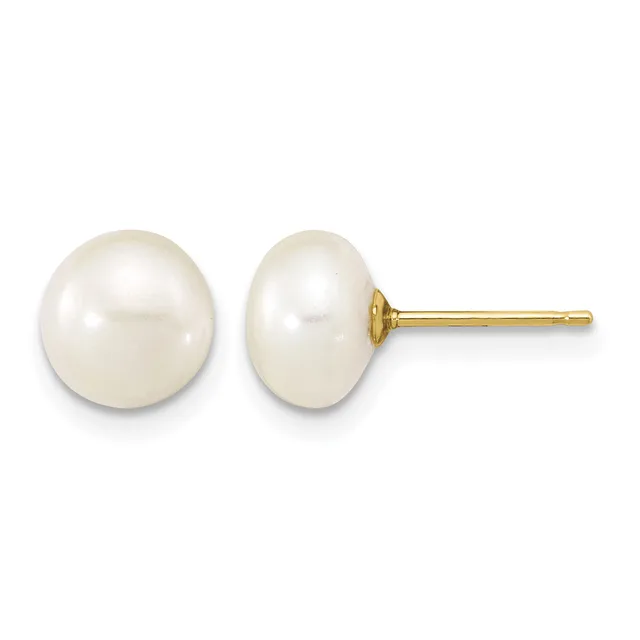
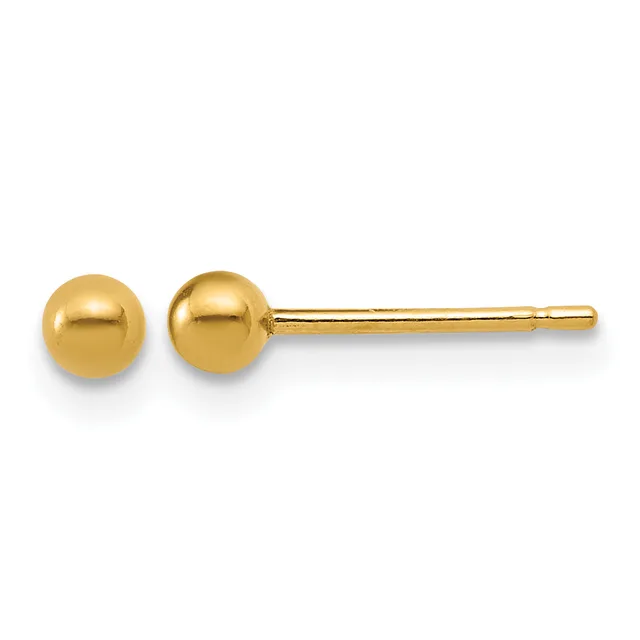
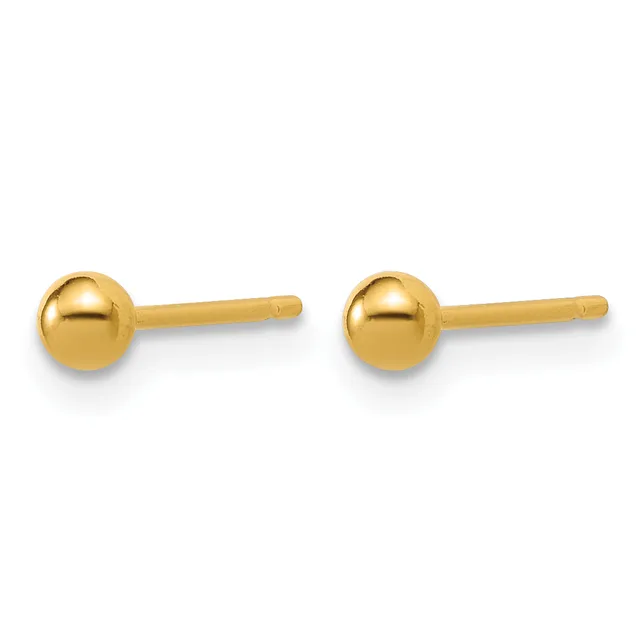
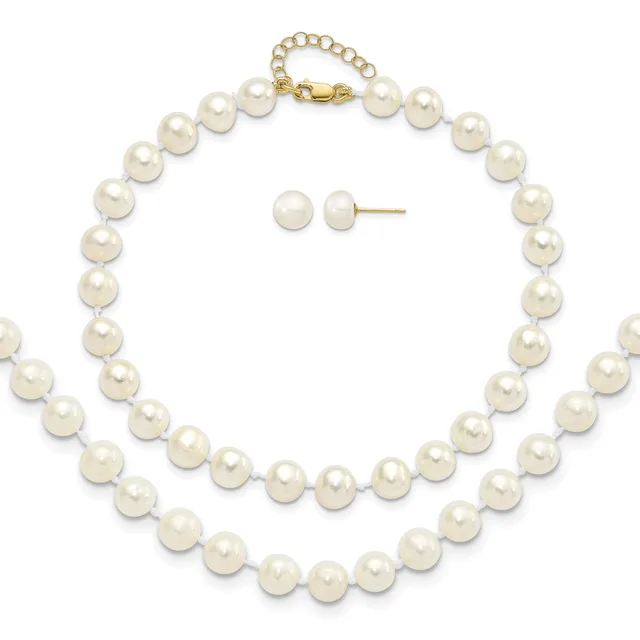
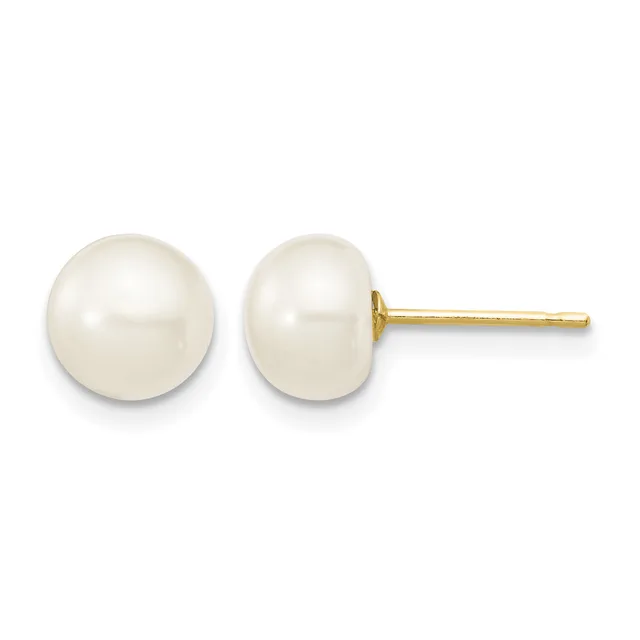
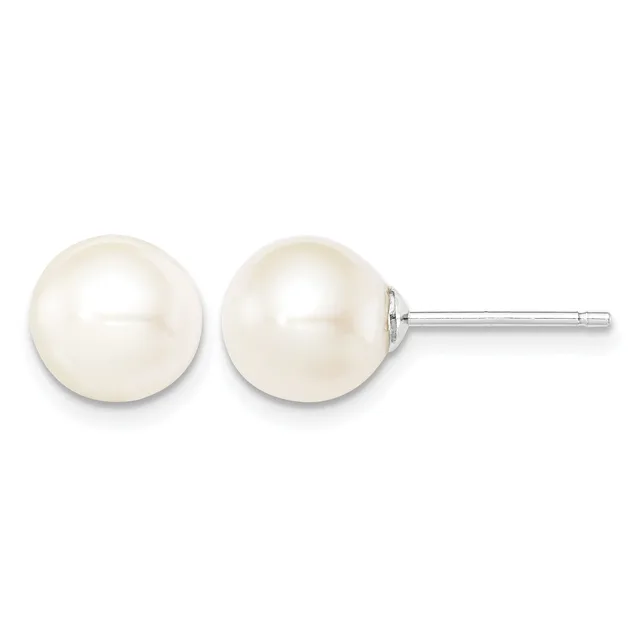
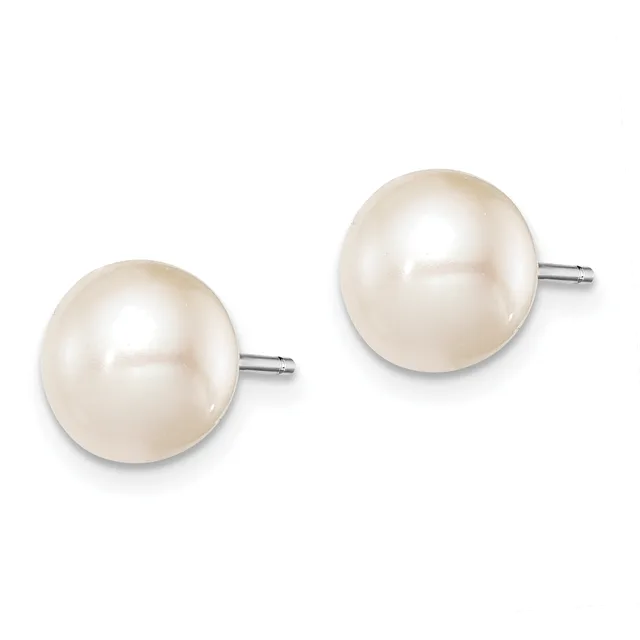
The category divides naturally into two families. Plain ball earrings — polished or brushed metal in a single sphere — are defined by proportion: a smaller diameter reads subtle and everyday, a larger one makes a deliberate statement without added complexity. Button earrings share the flat-to-the-lobe silhouette but introduce a face: a disc, dome, or shaped motif that sits like a small medallion on the ear.
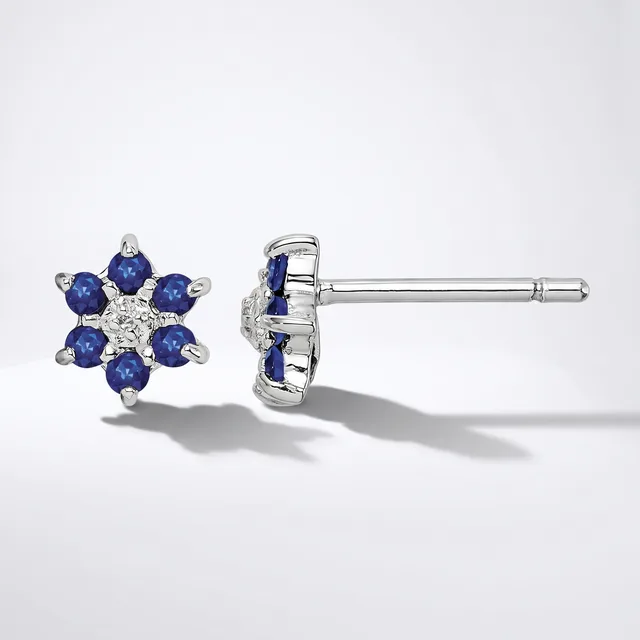
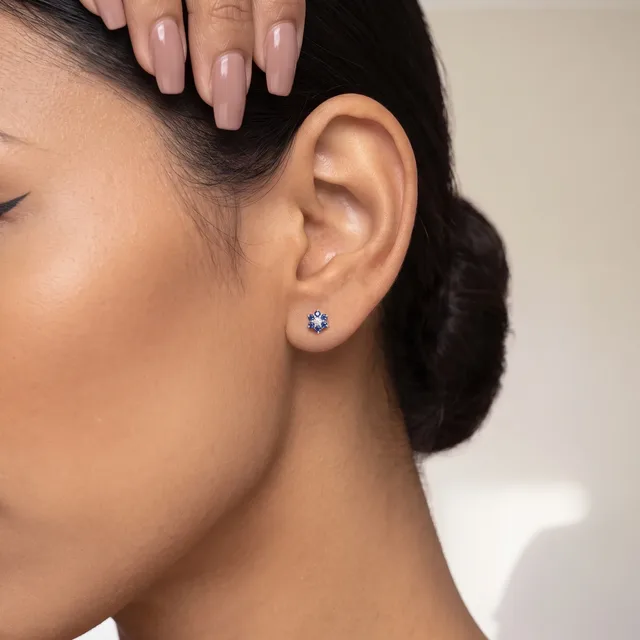
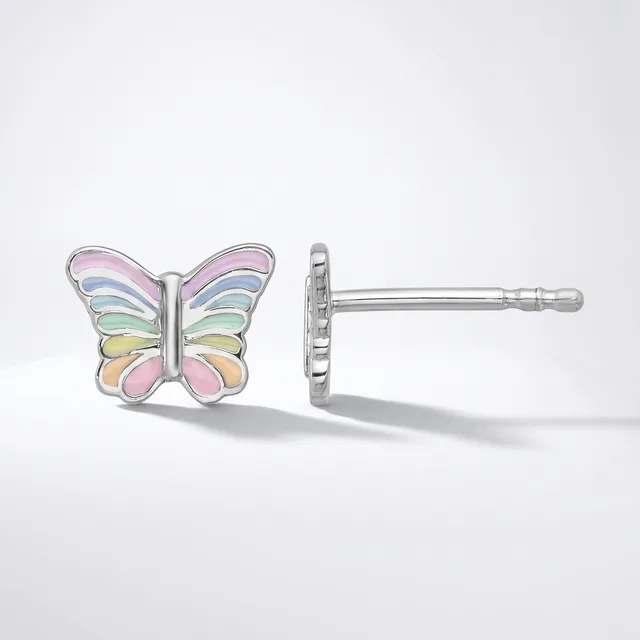
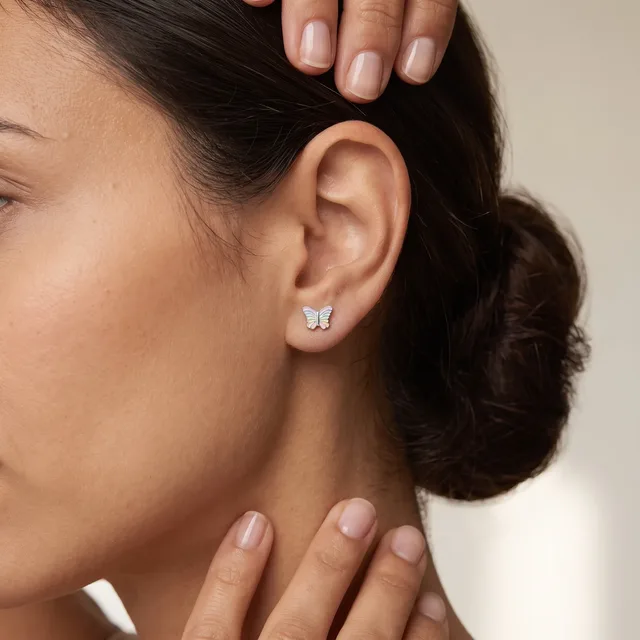
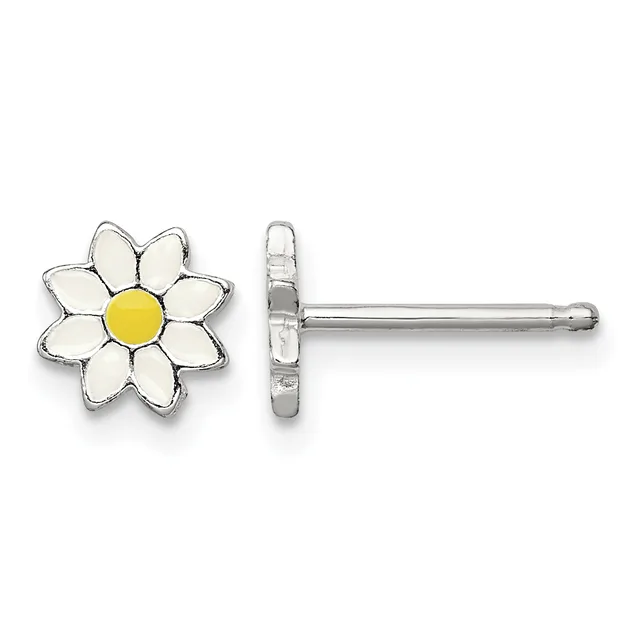
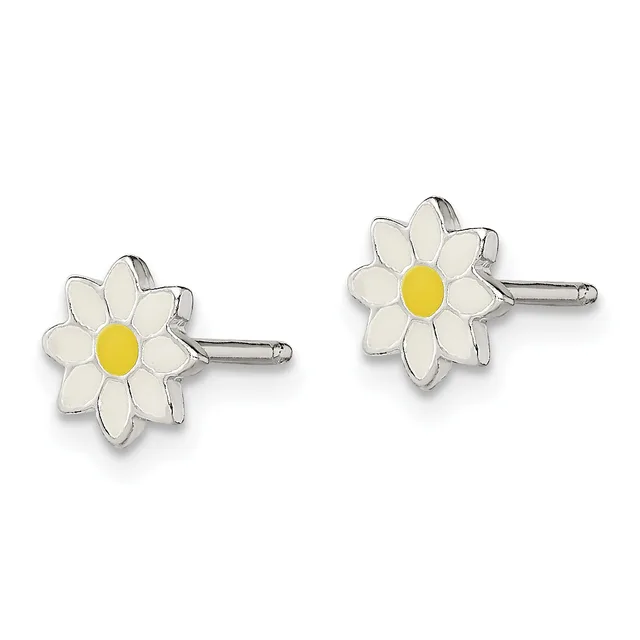
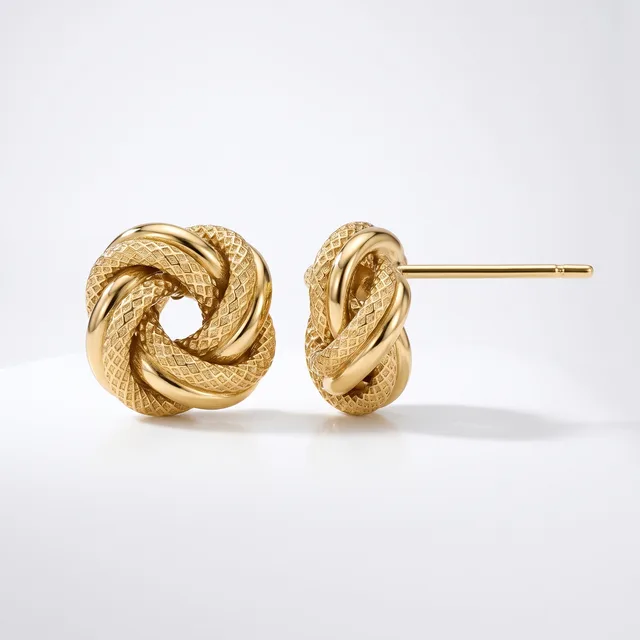
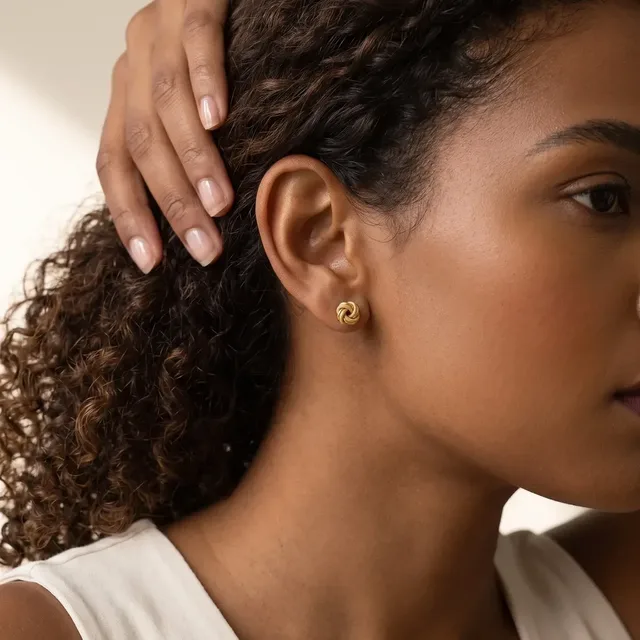
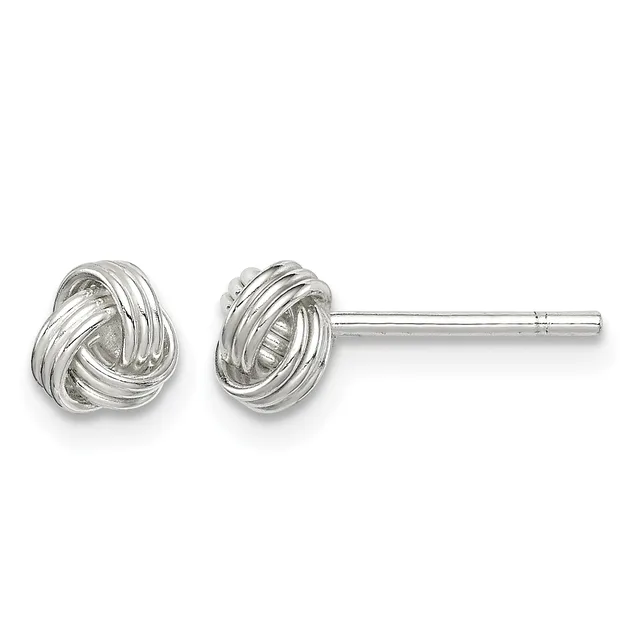
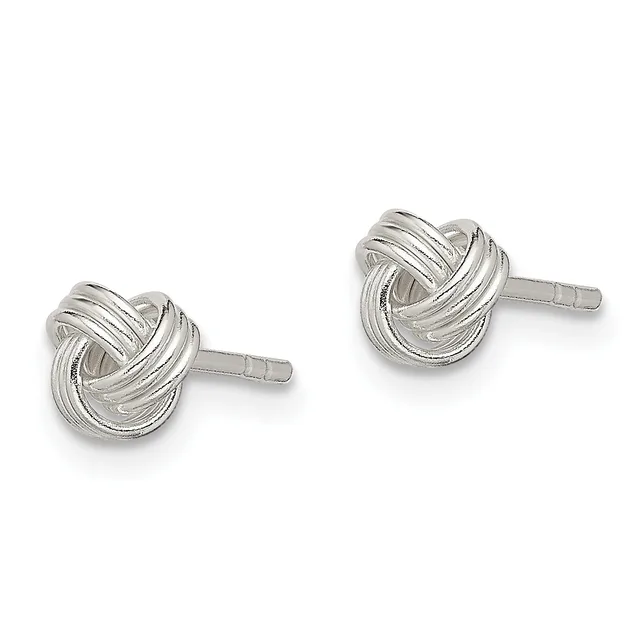
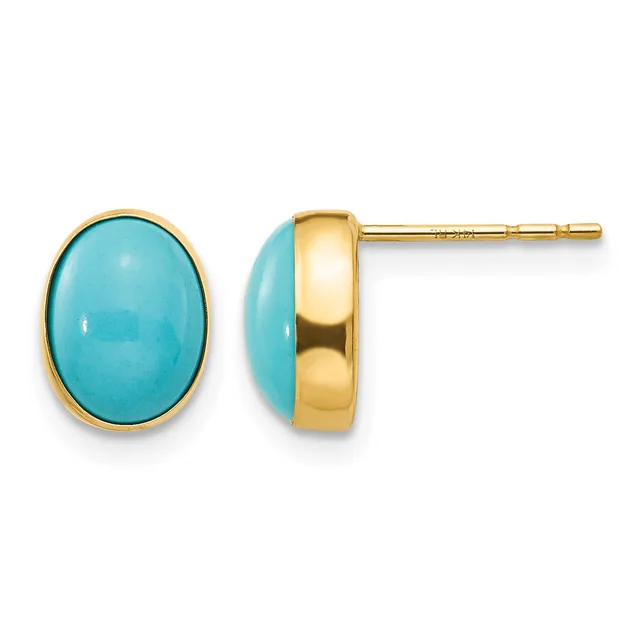
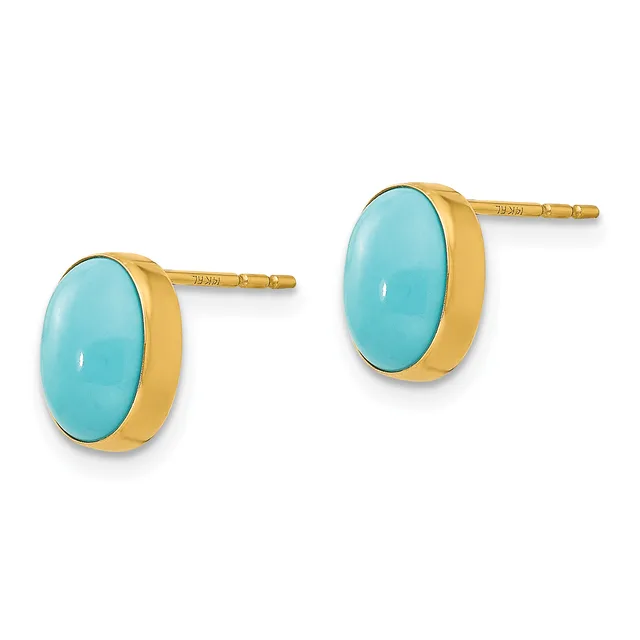
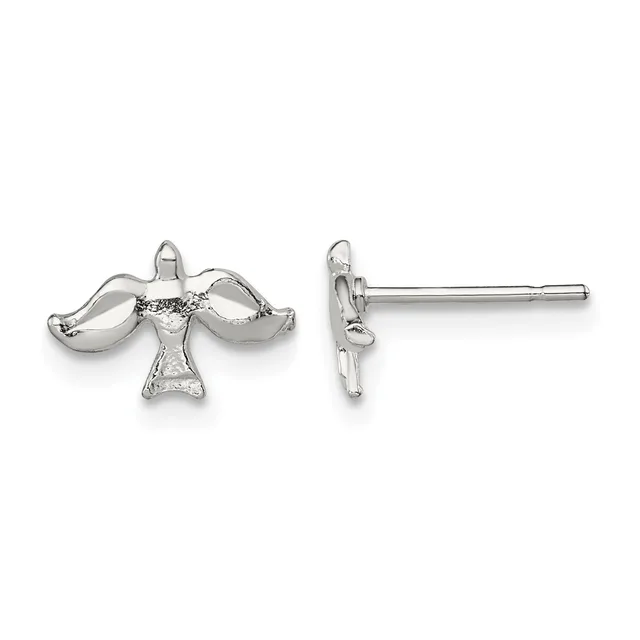
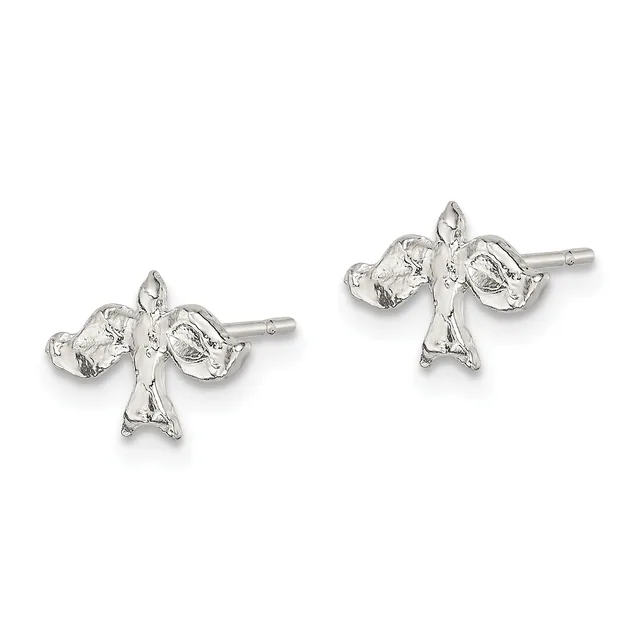
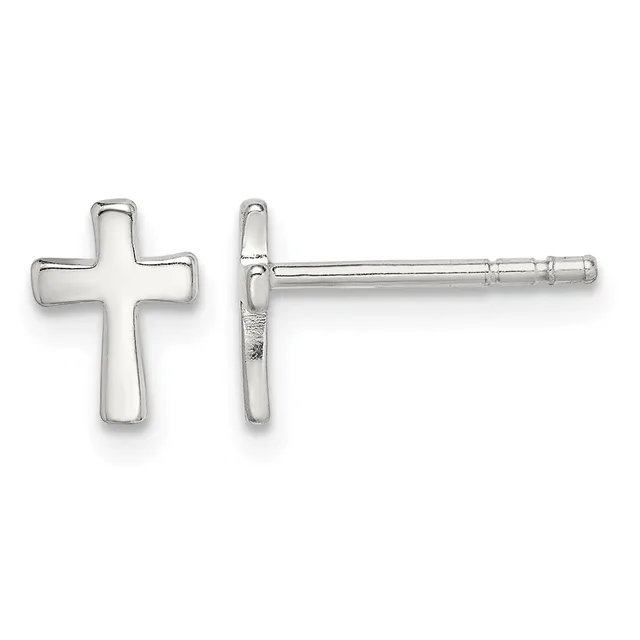
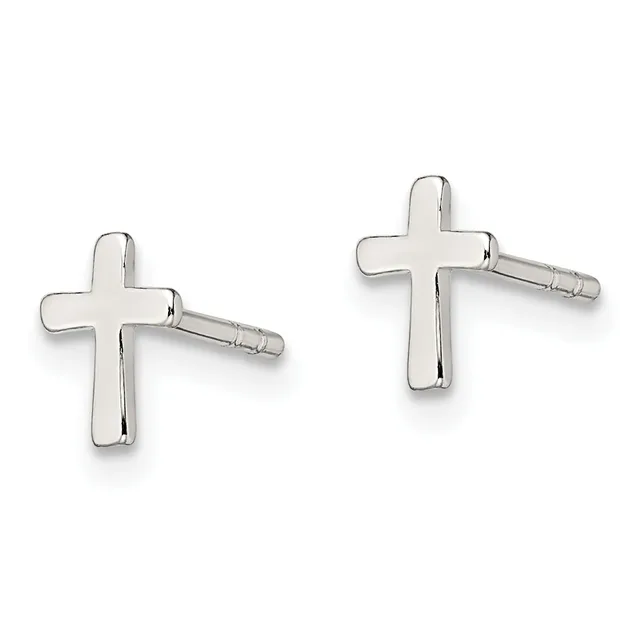
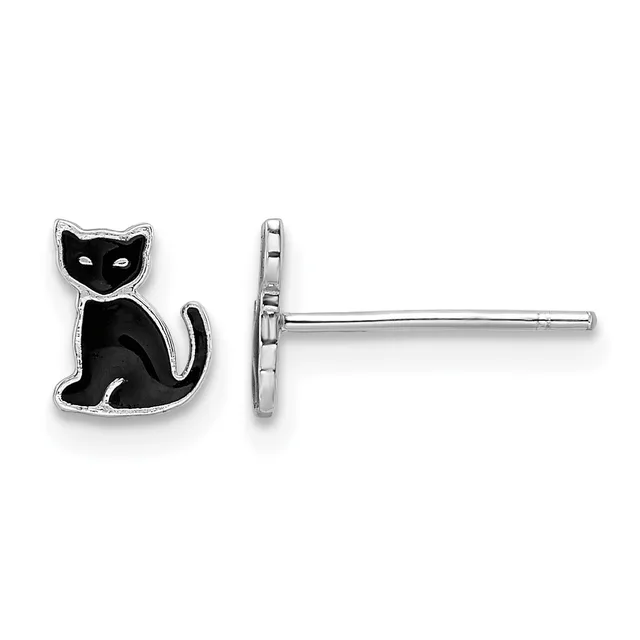
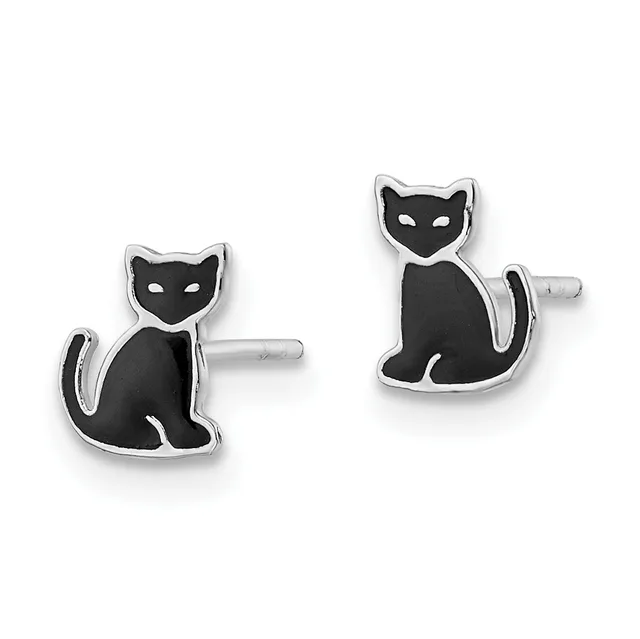
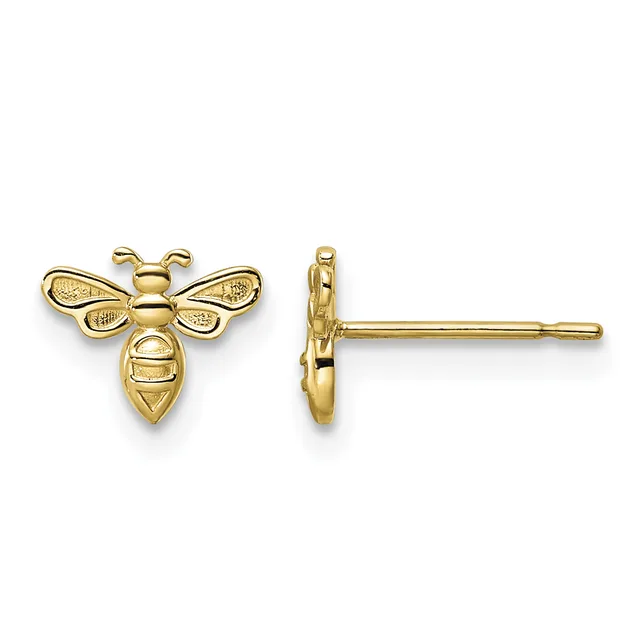
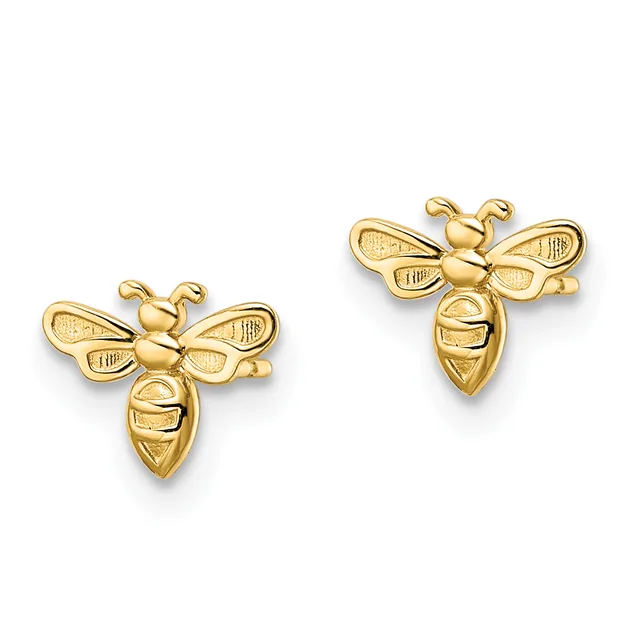
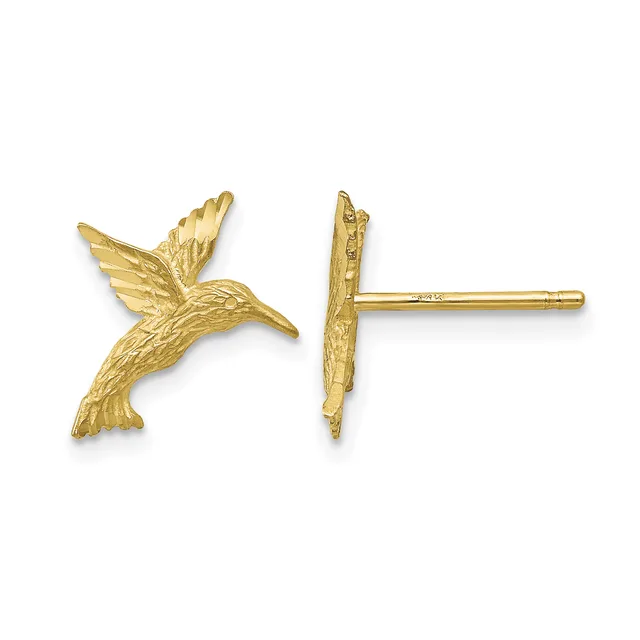
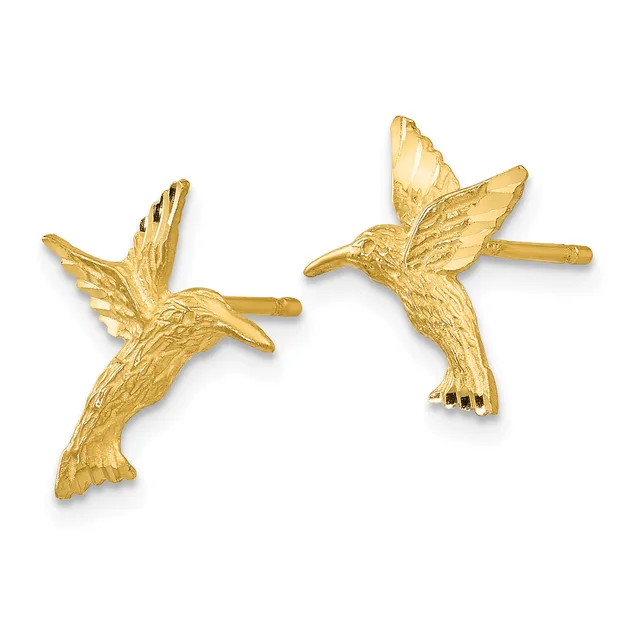
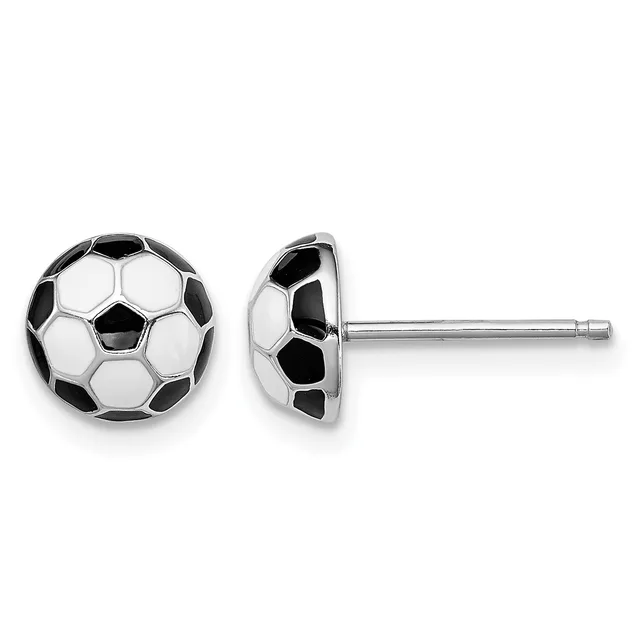
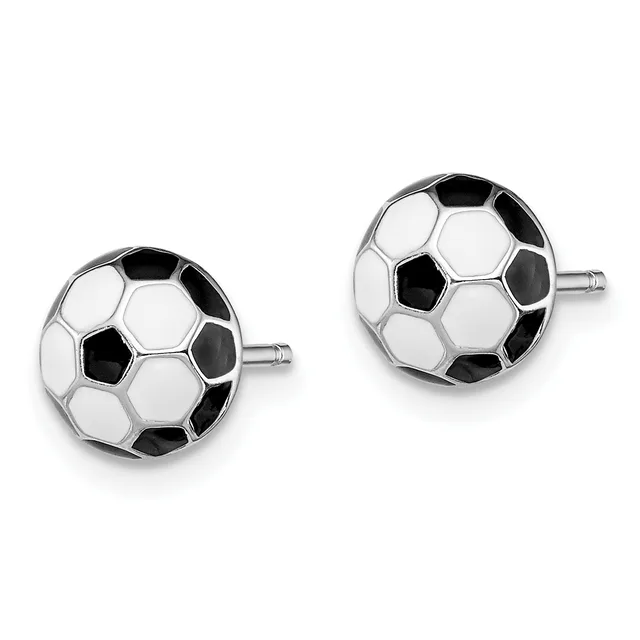
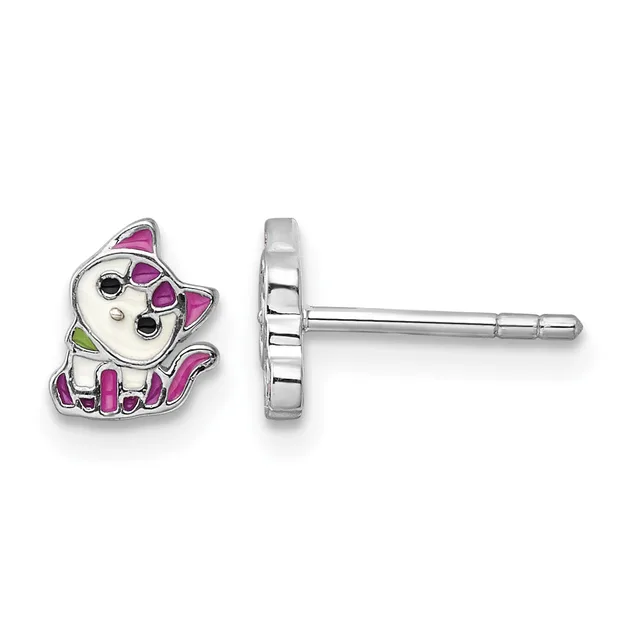
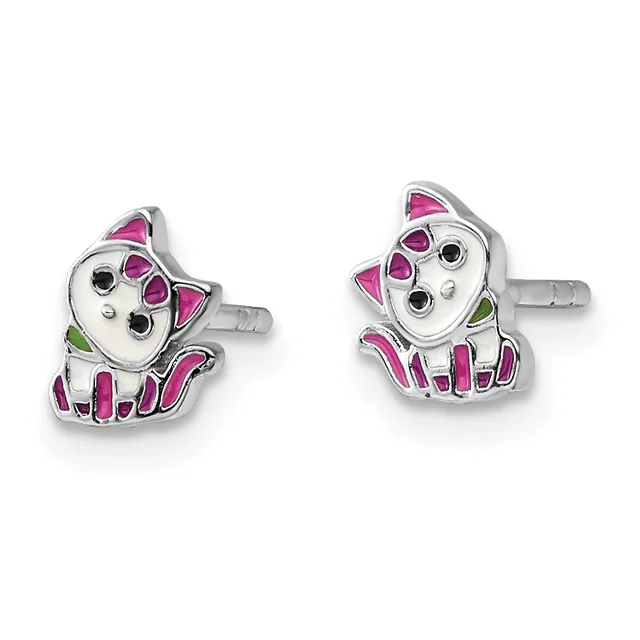
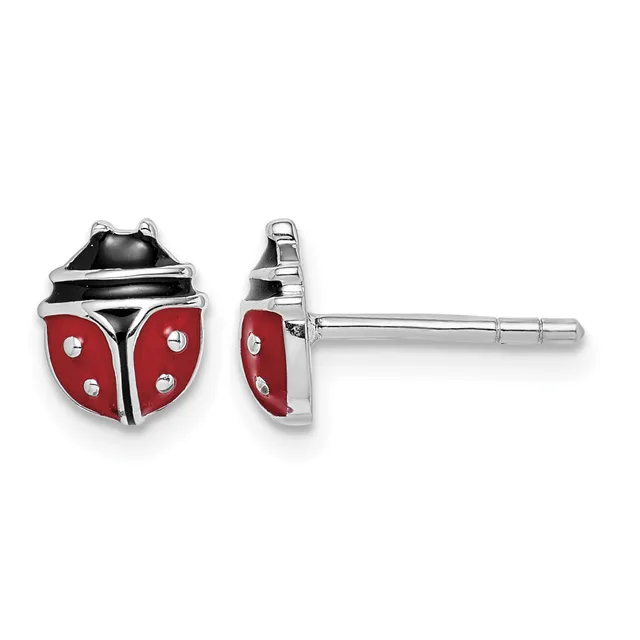
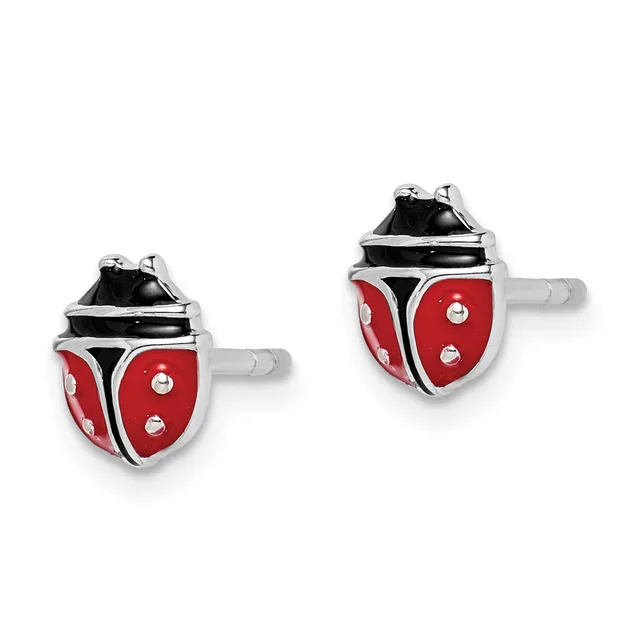
Motif earrings form a large portion of this collection. Animals, florals, sea creatures, celestial shapes, hearts, religious symbols including crosses, and love-knot designs each translate the button format into something figurative. These are not abstract shapes — the detail is the point, so look closely at stone placement and metalwork finish in the product images before choosing.
What the metal choice means in daily wear
Gold earrings here appear in several karats. 14k gold is the most common choice for earrings worn daily: it balances durability with a warm colour and is dense enough to hold prong and bezel settings securely over time. Higher-karat gold is softer and richer in colour; lower-karat alloys are harder but may show a slightly different tone. Sterling silver (typically marked .925) is bright and cool-toned; it will oxidise gradually with exposure to air and skin, which is slowed by storing pieces in a closed box when not worn.
Plated pieces carry a fine layer of gold or rhodium over a base metal. The plating affects colour and surface feel but not structural strength, and it will wear through at contact points over months of daily use — replating is an option many local jewellers offer.
Fit and comfort at the lobe
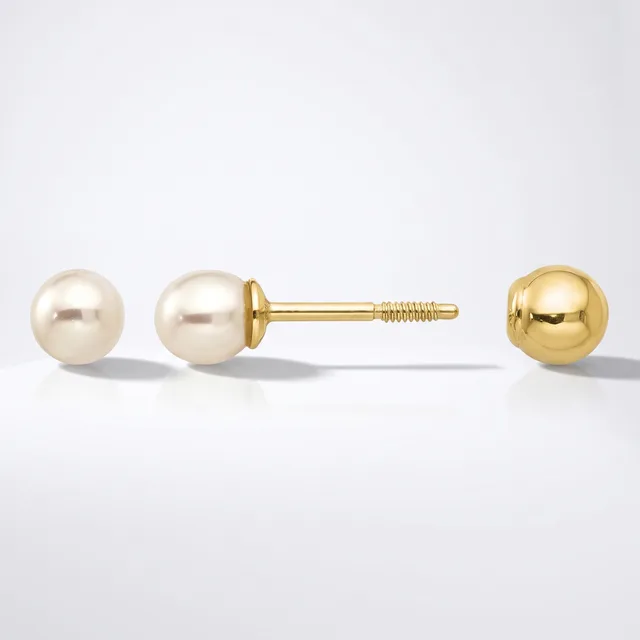
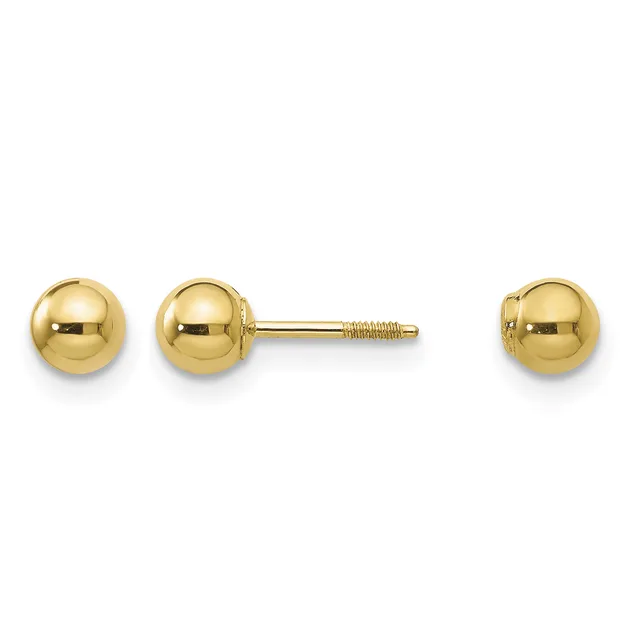
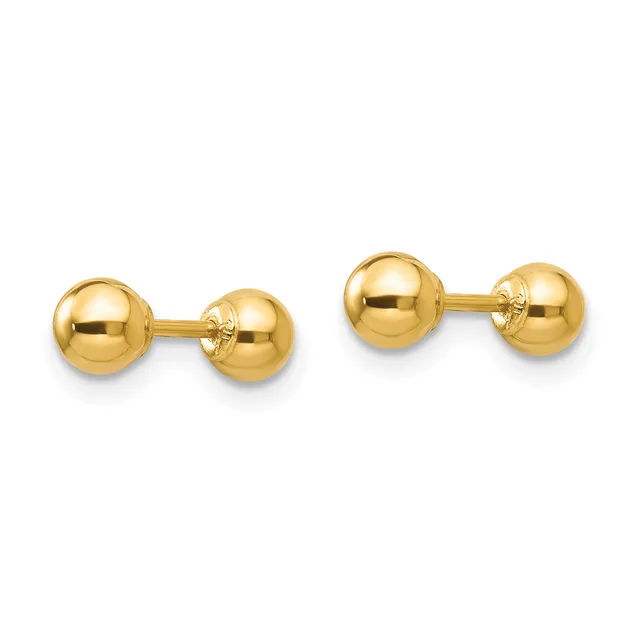
Button earrings are almost always post-and-back closures, which means fit comes down to two things: the post gauge and the backing type. Standard surgical-steel or gold posts fit most pierced ears without adjustment. Butterfly backs are the default; screw backs offer more security and are worth seeking out for heavier or more valuable pairs. If you have stretched or sensitive lobes, check the product detail for post diameter and material before purchasing.
Caring for ball and button earrings
- Wipe posts and backs with a soft, dry cloth after each wear to remove skin oils and product residue.
- For plain metal styles, a jeweller's polishing cloth restores surface brightness without abrasives.
- Diamond and gemstone button earrings can be cleaned with warm water and a few drops of mild dish soap, applied with a soft brush, then rinsed and air-dried.
- Remove earrings before swimming, bathing, or applying hairspray and perfume — chemicals accelerate tarnish on silver and wear plating faster on coated pieces.
- Store each pair separately, or wrap in a soft pouch, to prevent posts scratching neighbouring pieces.
Frequently asked questions
What is the difference between a ball earring and a button earring?
A ball earring is a three-dimensional sphere on a post. A button earring has a flat or low-domed face — often shaped into a motif — that sits flush against the earlobe. Both styles stay close to the ear with no drop.
Are there children's options in this collection?
Yes, a dedicated group of children's earrings sits within this category. These tend to be smaller in diameter and often feature playful motifs; check the product detail for post material if your child has metal sensitivities.
Do diamond earrings in this category use real diamonds?
The diamond earrings listed here are set with genuine diamonds. Stone details such as carat weight and quality grades appear on individual product pages — review those specifics before purchasing.
How do I know what backing my earrings will have?
Most posts in this category ship with standard butterfly (friction) backs. Some heavier or higher-value pairs use screw backs for added security; the product description will note the backing type.
Can I wear sterling silver ball earrings every day without them tarnishing quickly?
Sterling silver will tarnish over time when exposed to air, moisture, and skin. Daily wear is fine, but wiping the earrings dry after each use and storing them in a closed container significantly slows the process.