
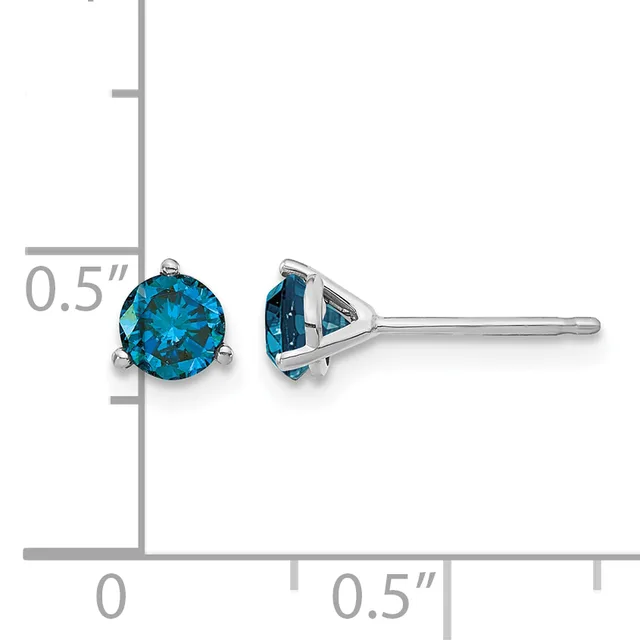
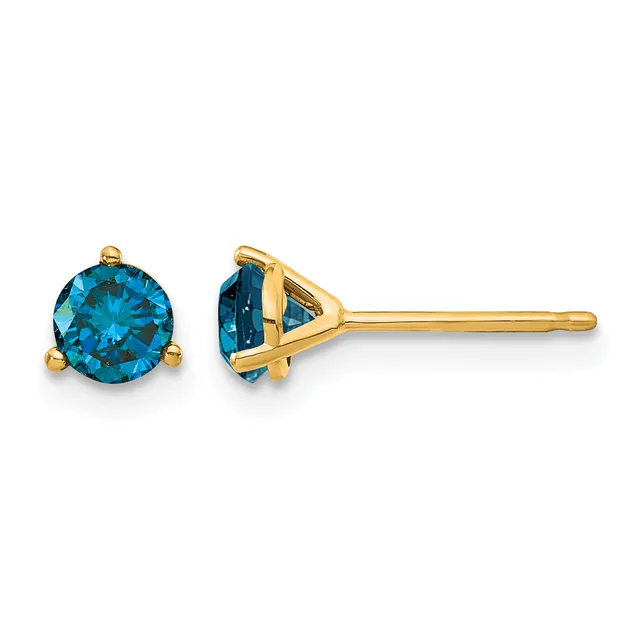
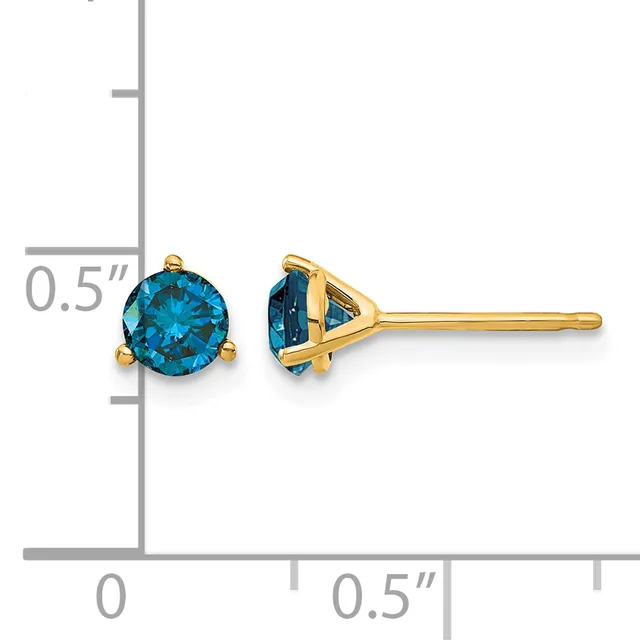
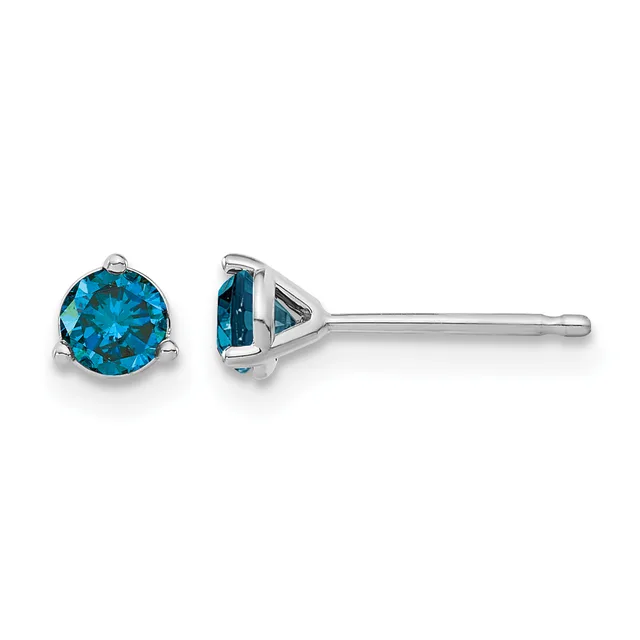
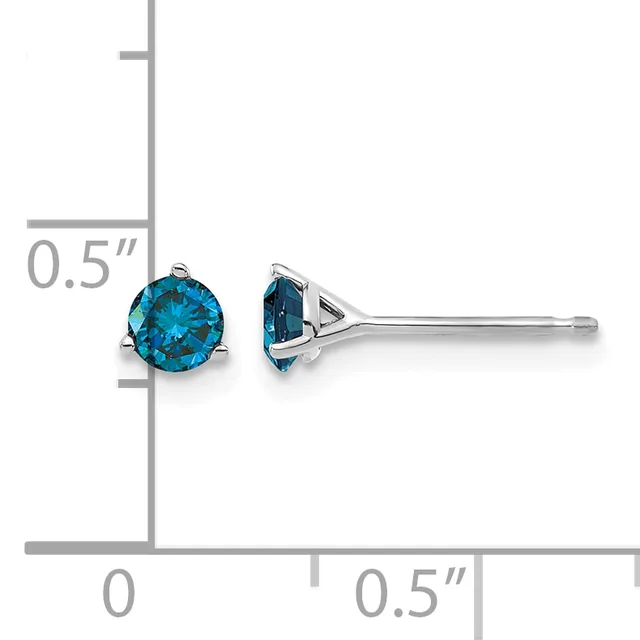
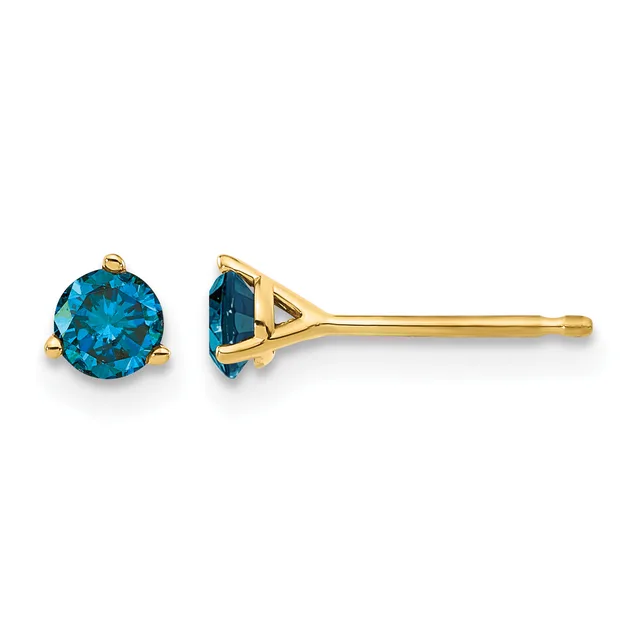
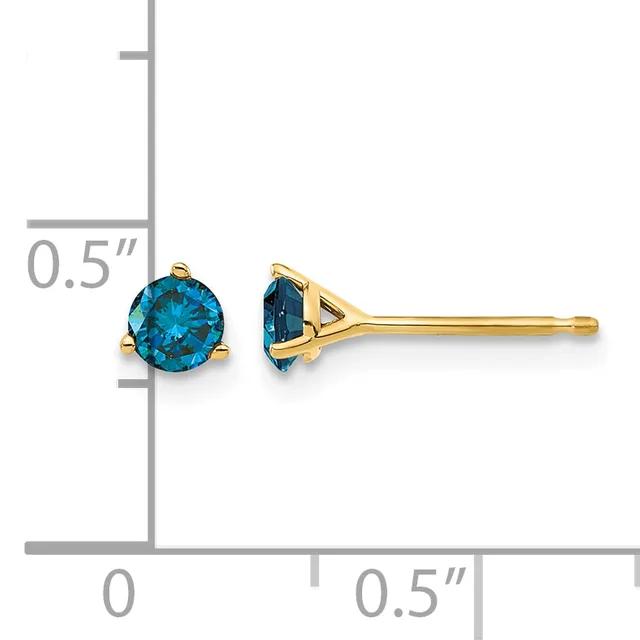
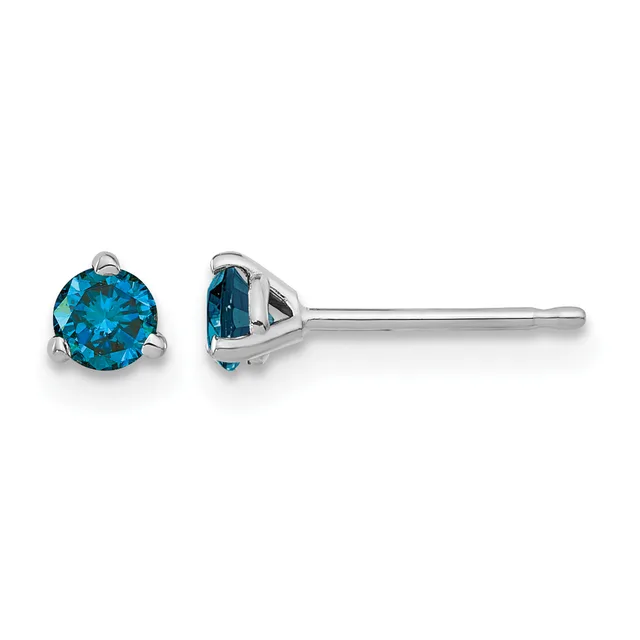
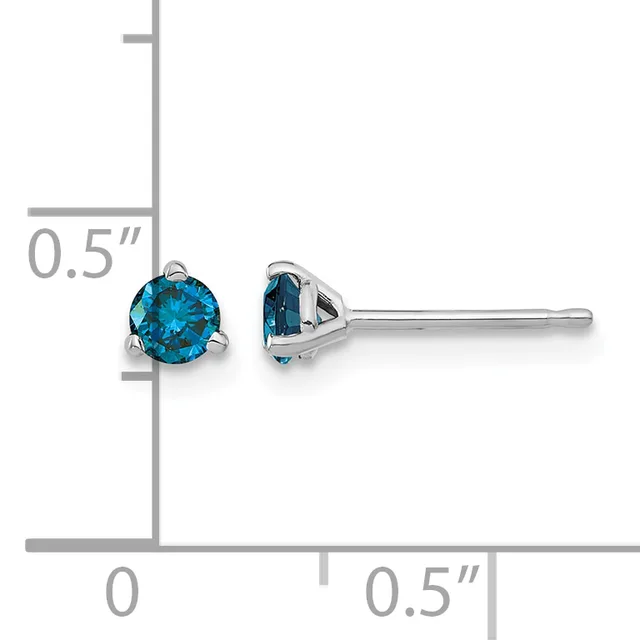
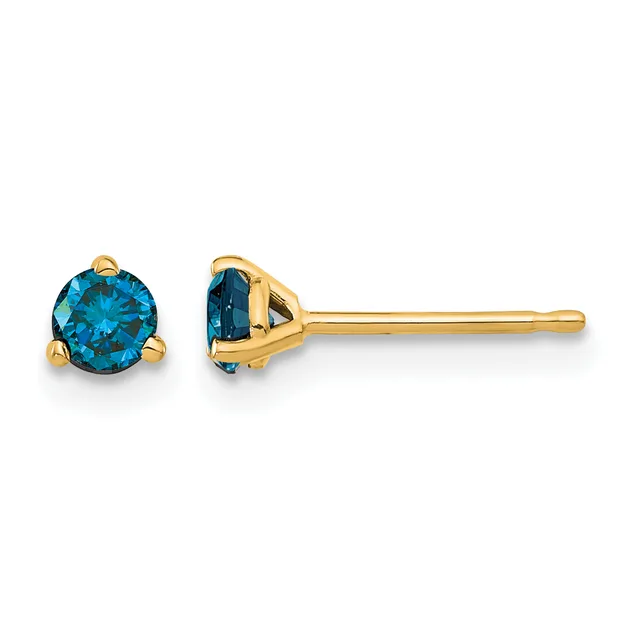
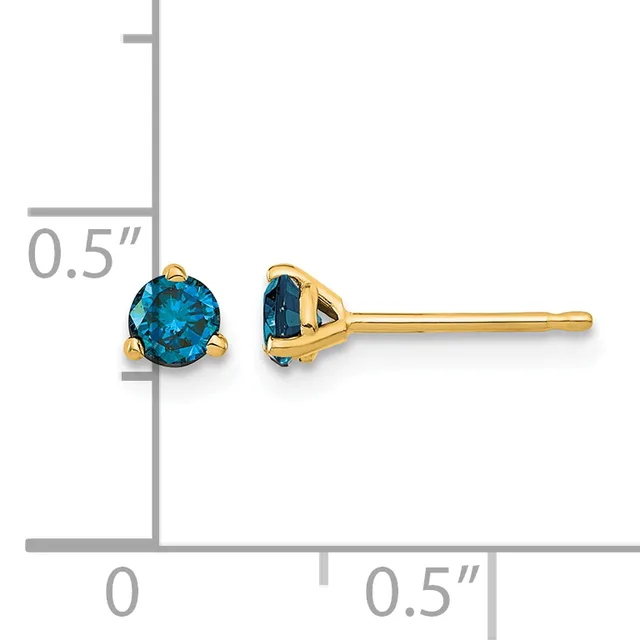
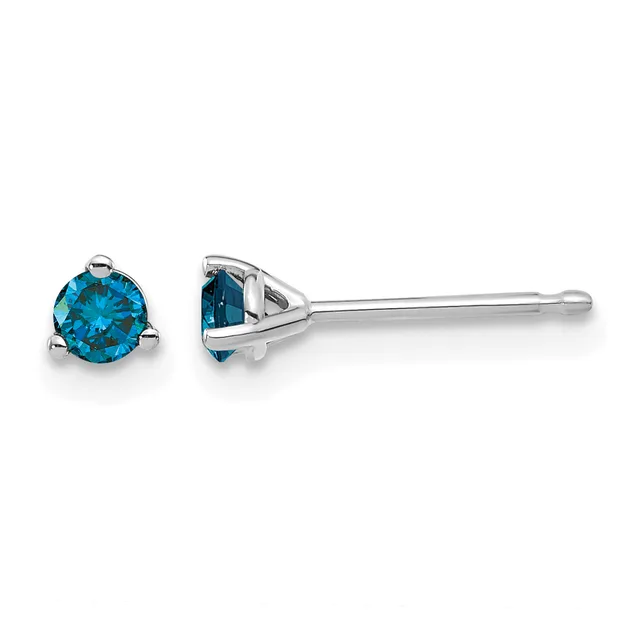
What Makes a Diamond Stud Different from Other Earrings
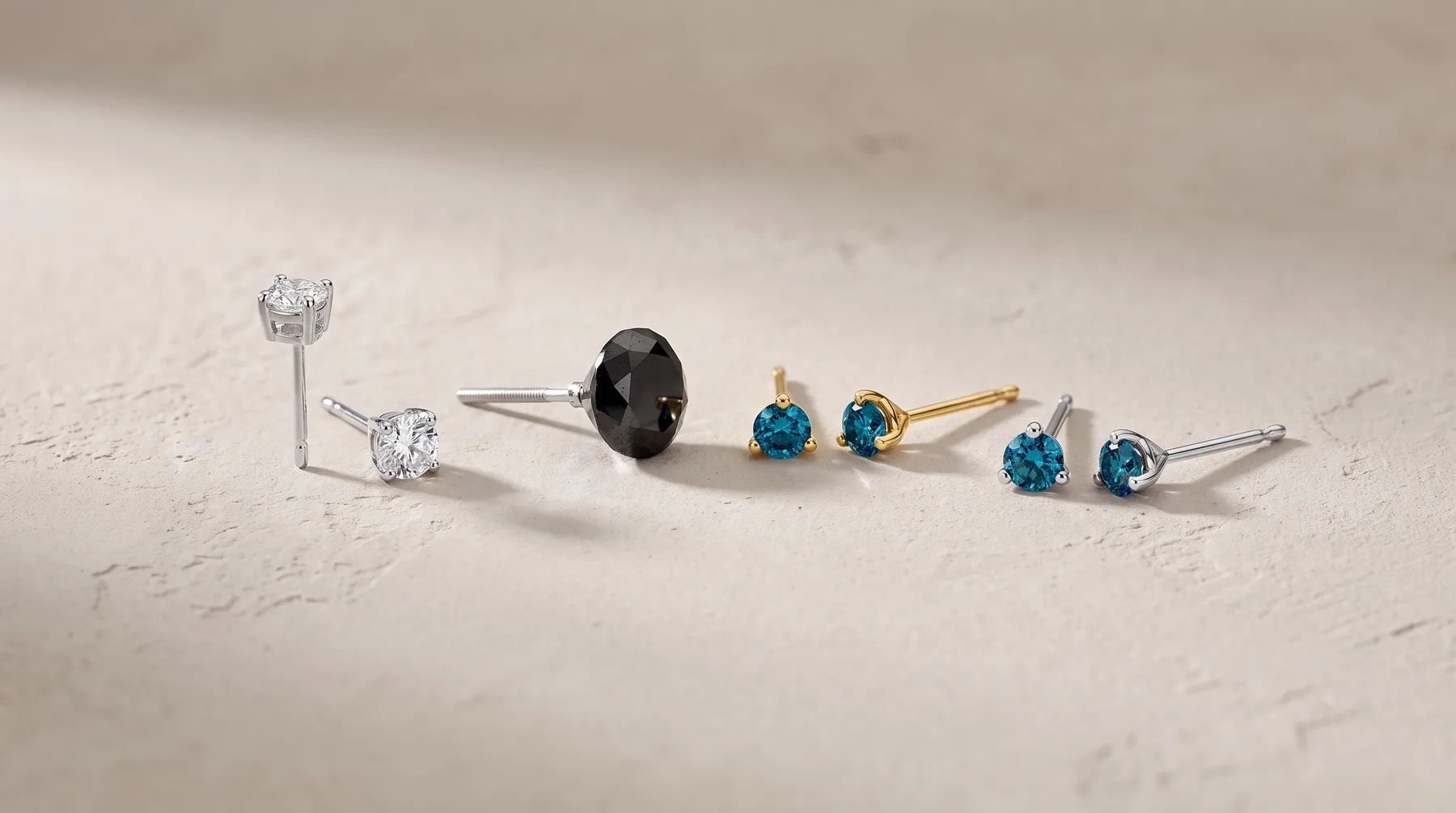
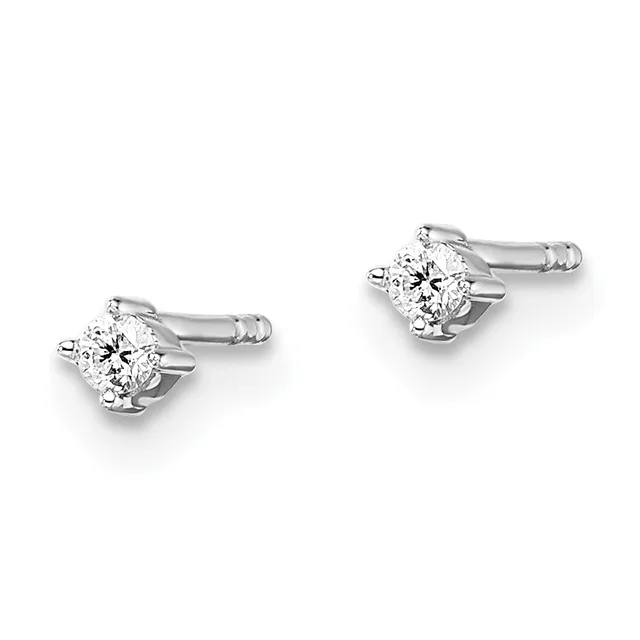
A stud earring sits flush against the earlobe with no drop or dangle — the diamond itself is the whole statement. That simplicity is also what makes studs so wearable: nothing catches on clothing, nothing moves with you, and the same pair transitions from a morning meeting to an evening out without a second thought. Diamond studs, in particular, hold their relevance because a well-cut diamond returns light in a way no other stone does, making even a modest carat weight visible and lively.
Choosing the Right Diamond for Your Ear
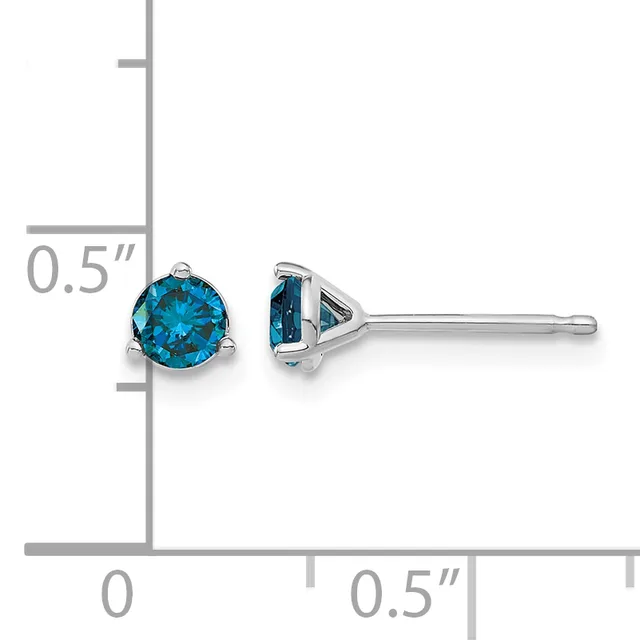
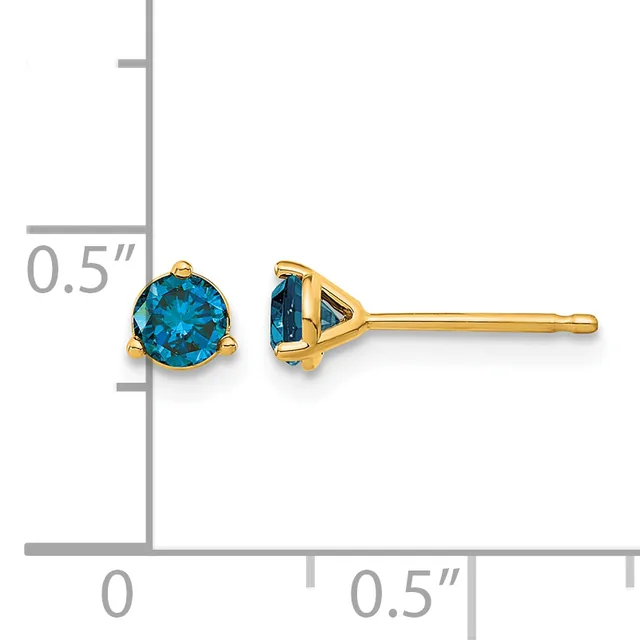
The most practical decision is carat weight relative to your ear and how you plan to wear the studs. A smaller diamond sits discreetly and works well for daily wear when you want presence without weight; a larger stone commands attention and suits occasions where you want the earring to do the talking. Because studs are viewed straight-on rather than from the side, cut quality matters more than in most other earring styles — a well-proportioned diamond will face up brighter and appear larger than a poorly cut stone of the same weight.
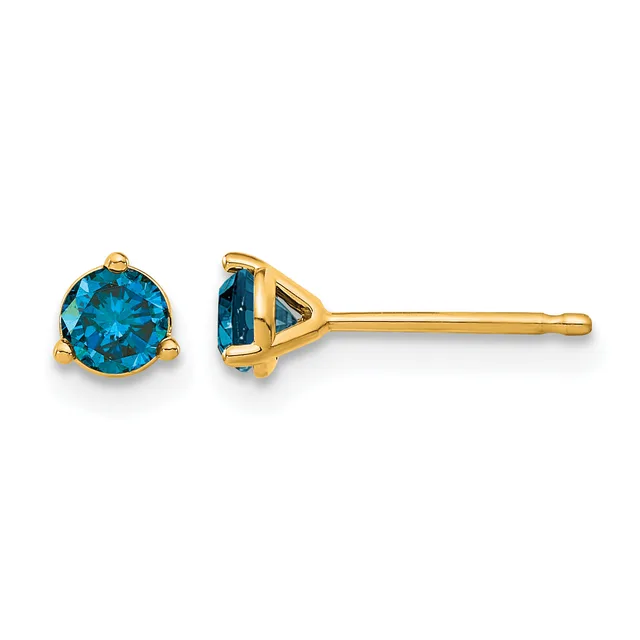
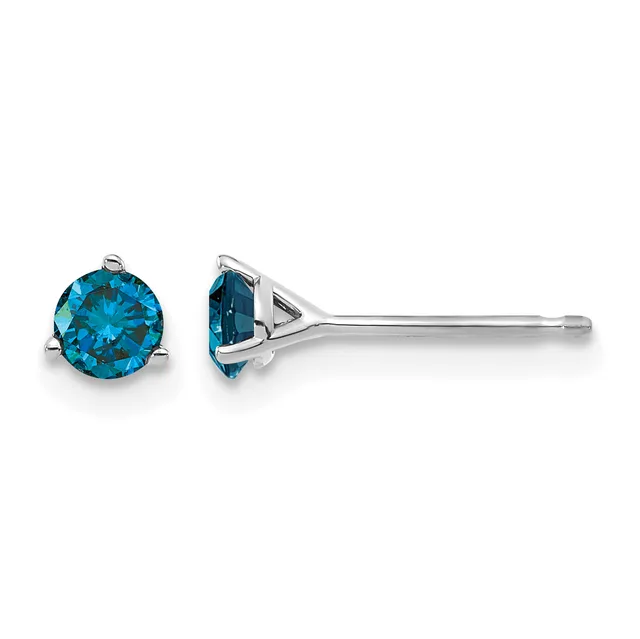
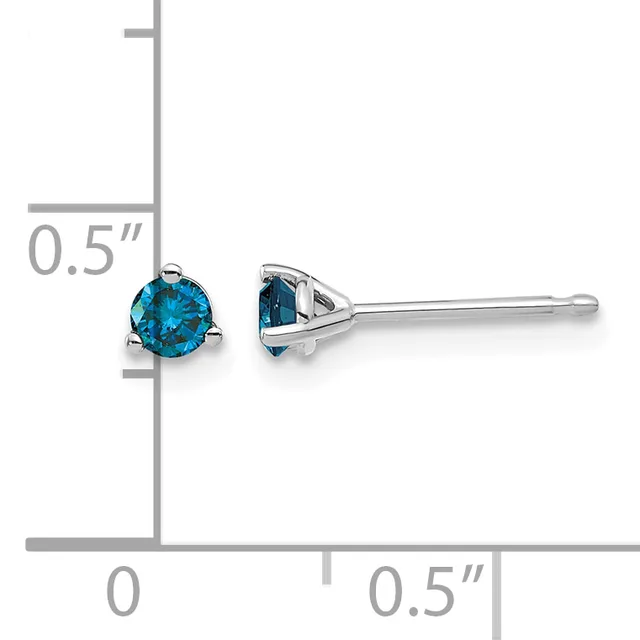
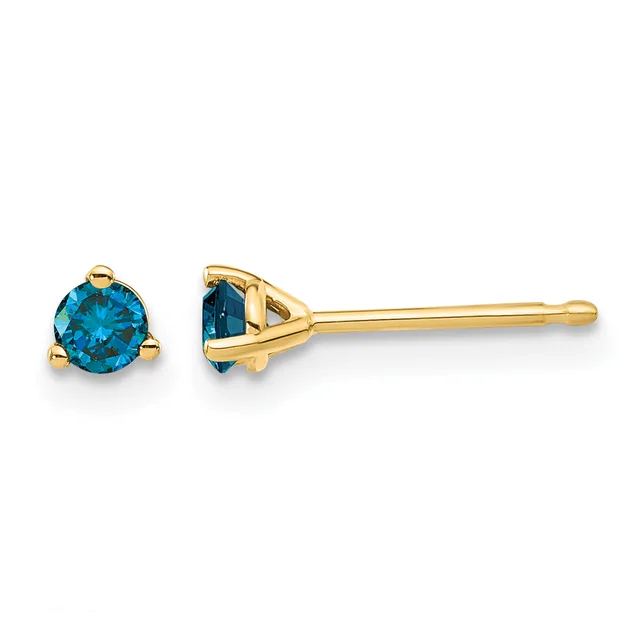
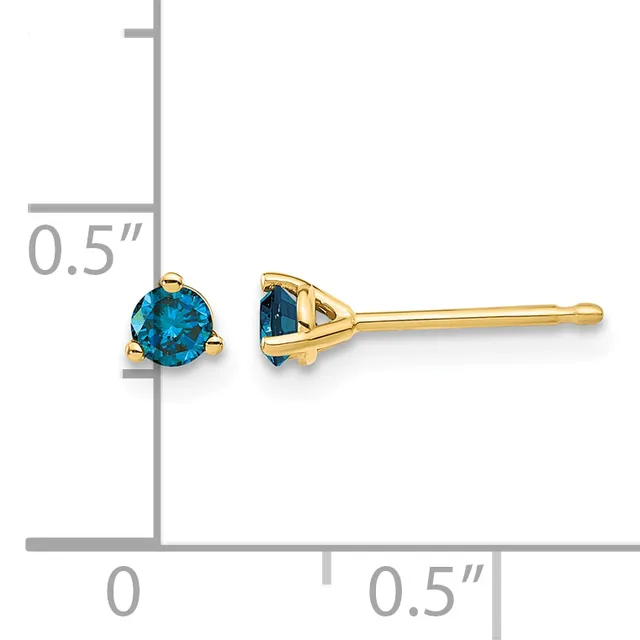
Metal choice affects both tone and durability. White gold and platinum keep the setting from competing with the diamond's colorless appearance, while yellow gold introduces warmth that can flatter certain skin tones. The karat of gold (14k versus 18k, for example) determines how much pure gold is in the alloy: higher karat gold is richer in color and slightly softer, while lower karat gold is more resistant to everyday wear.
Settings and How They Behave Day to Day
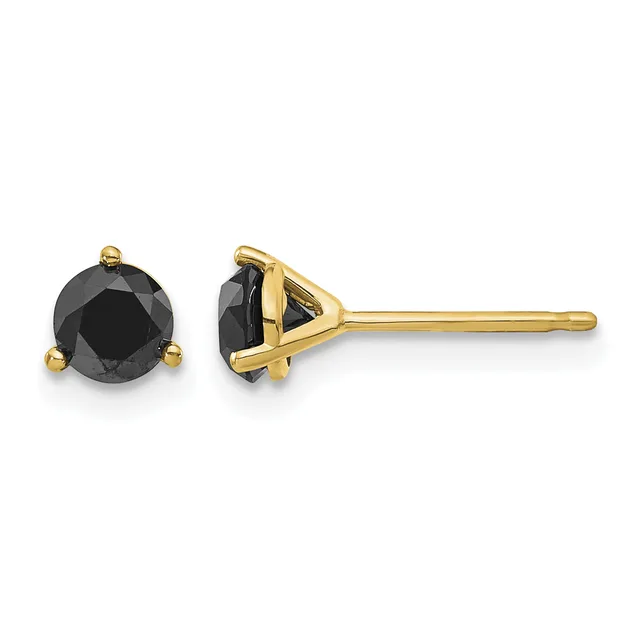
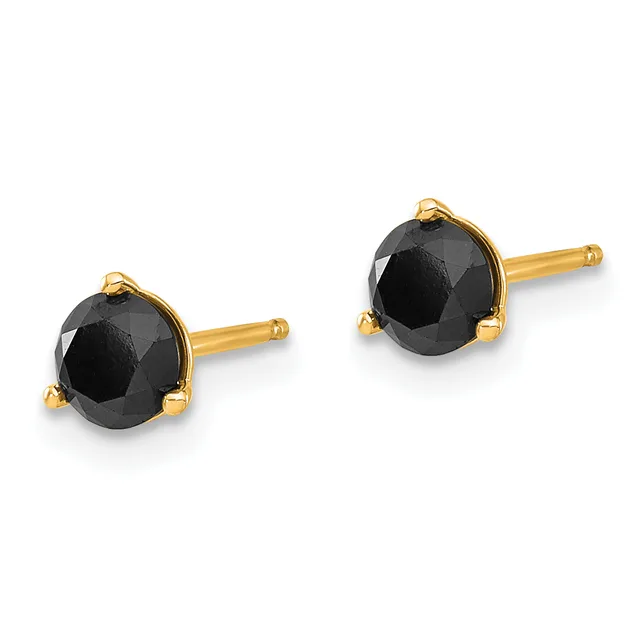
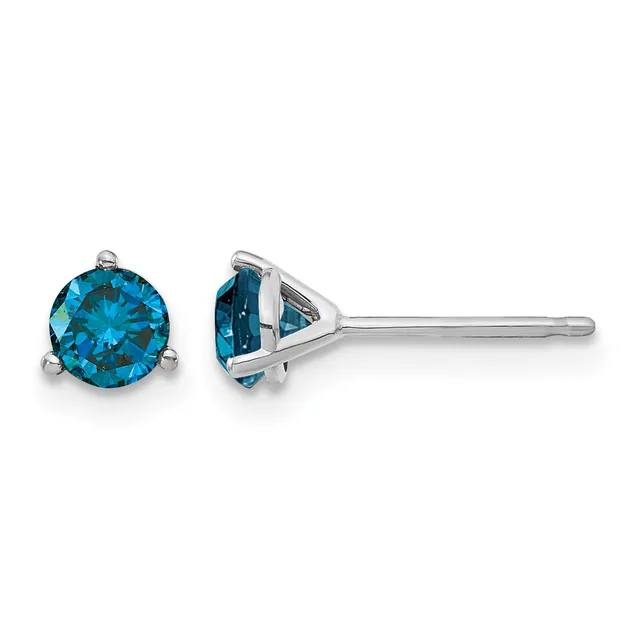
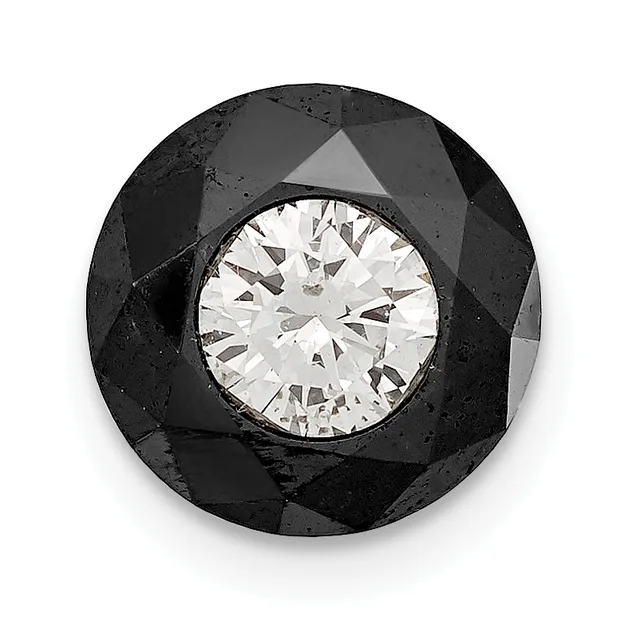
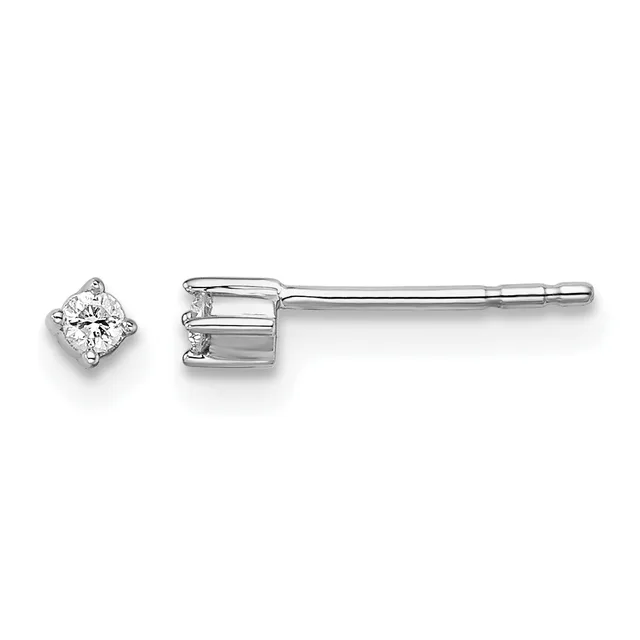
Most diamond studs use a prong or basket setting that lifts the stone slightly above the metal, allowing light to enter from all angles. Prong settings maximize brilliance but have small raised points of metal that can occasionally snag on delicate fabrics. A bezel setting, where a thin rim of metal wraps the diamond's girdle, offers a cleaner profile and is more protective — useful if you wear your studs without removing them. Consider which setting suits your habits before choosing on appearance alone.
Caring for Diamond Studs
Diamonds are the hardest natural material, but the settings that hold them are not. Remove studs before swimming in chlorinated water, which can weaken gold alloys over time, and before activities where impact is likely. Clean the diamonds at home by soaking briefly in warm water with a small amount of mild dish soap, then gently brushing with a soft toothbrush around and behind the setting where oils and product accumulate. Have a jeweler check the prongs annually — a bent or worn prong is the most common way a diamond stud is lost.
Frequently asked questions
What backing style do diamond studs typically use?
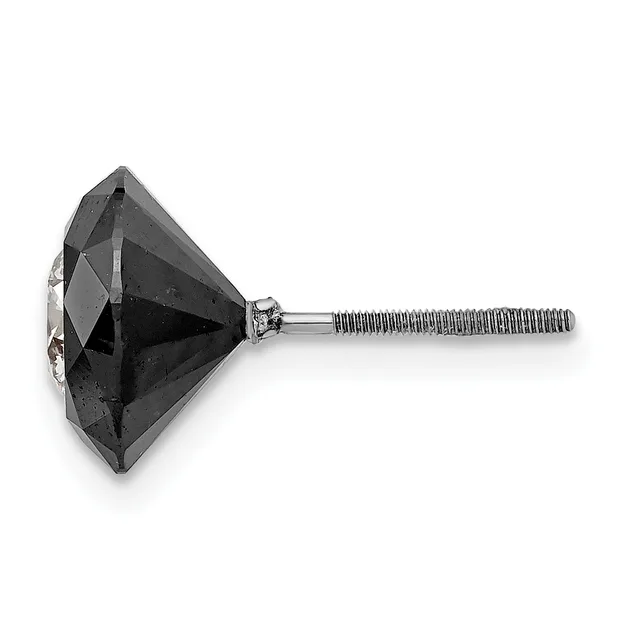
Most diamond studs come with a push-back or butterfly backing, which is secure for everyday wear. If you find standard backings uncomfortable or want extra security, ask a jeweler about upgrading to a screw-back or locking backing style.
Is the price difference between small and large diamond studs really that significant?
Yes — diamond price scales steeply with carat weight because larger rough diamonds are far rarer. The range within this selection reflects meaningful differences in size and diamond quality, so the upper end represents a substantially larger and higher-graded stone, not just a premium brand.
Can I wear diamond studs every day, including while sleeping?
Diamonds themselves handle daily wear easily, but sleeping in studs can bend prongs or loosen settings over time due to pressure against a pillow. Many people wear them daily and simply remove them at night as a precaution.
Does the metal color affect how the diamond looks?
It can. White gold and platinum reflect a neutral or cool light into the stone, which helps a near-colorless diamond appear crisper and whiter. Yellow gold can cast a subtle warm tint into the diamond, which is less noticeable in lower-color-grade stones.
Are diamond studs a suitable gift for someone with sensitive ears?
Higher-karat gold and platinum settings are generally well tolerated by sensitive ears because they contain fewer alloy metals. If sensitivity is a concern, look for pieces described as 18k or platinum, and avoid any setting described as plated rather than solid metal.