
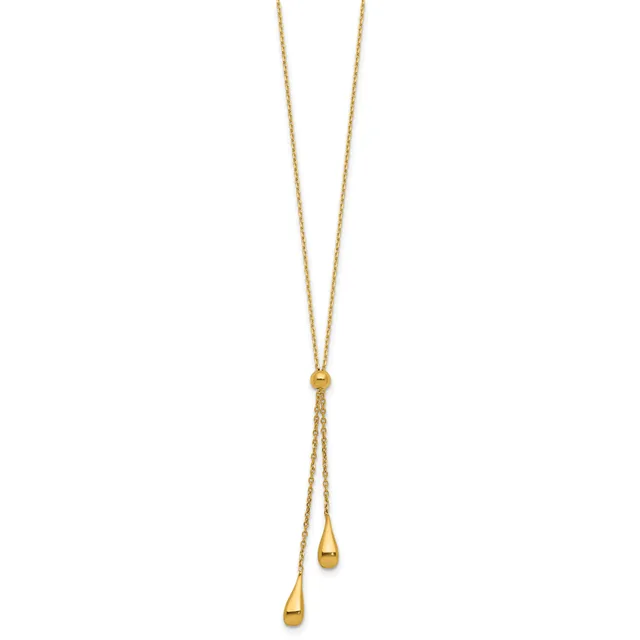
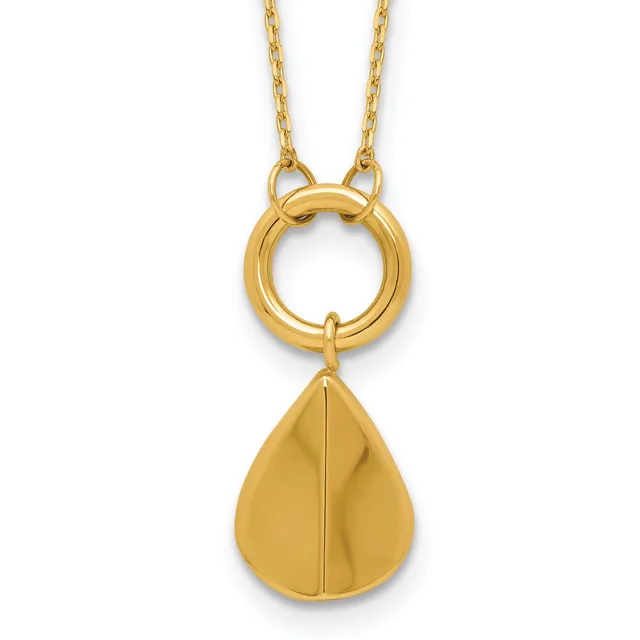
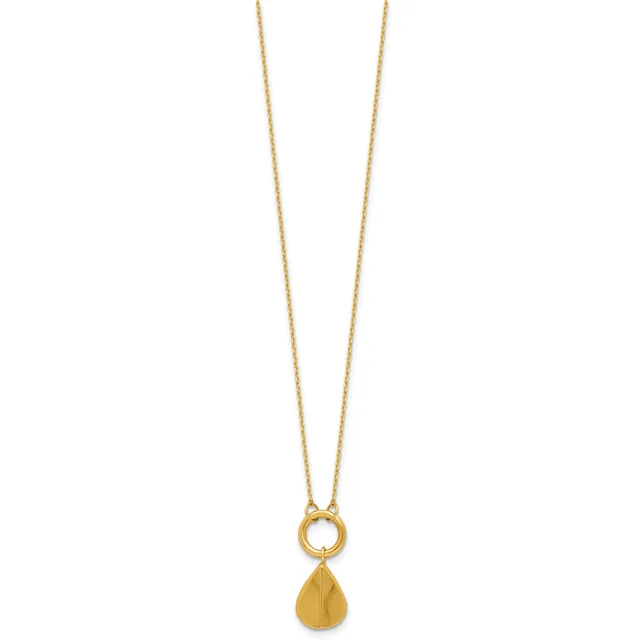
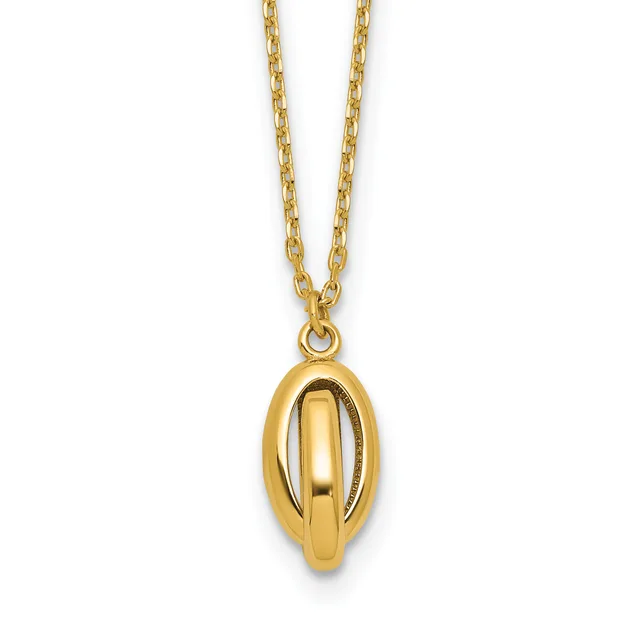
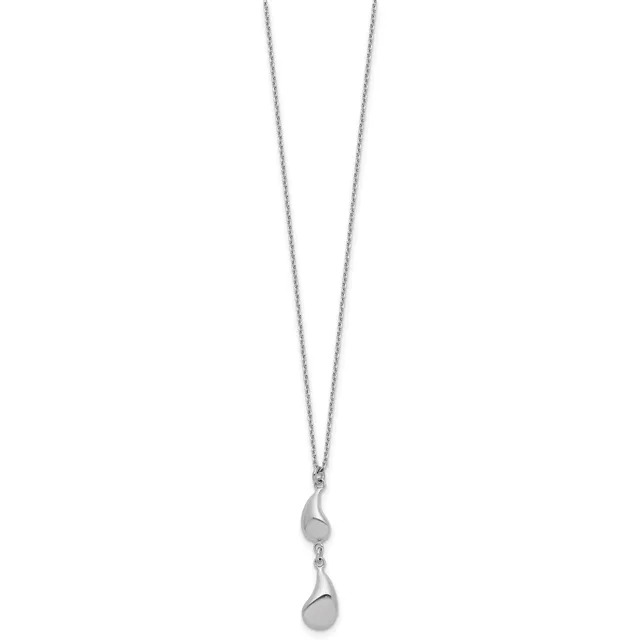
How Pendant Necklaces Are Built
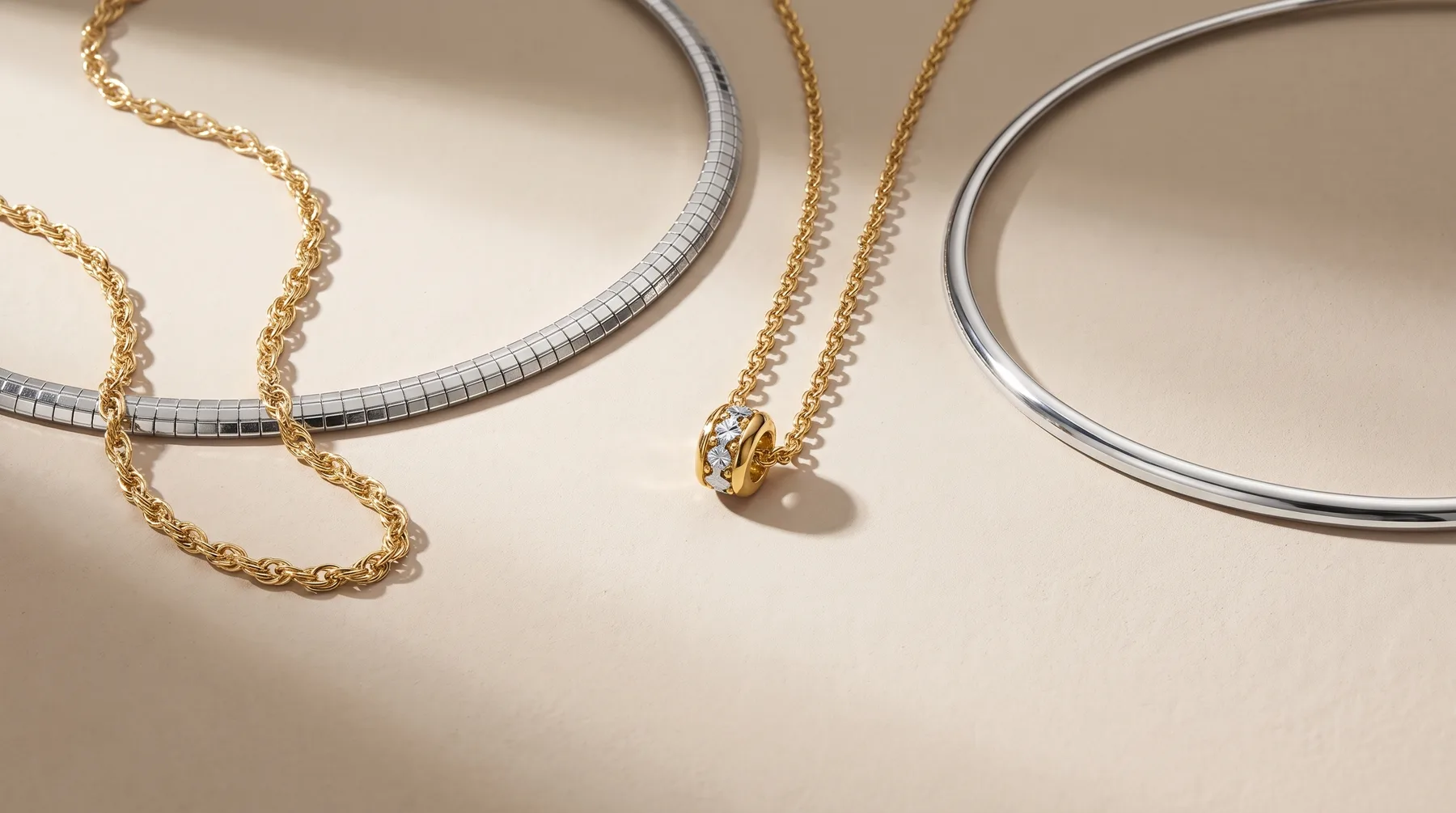
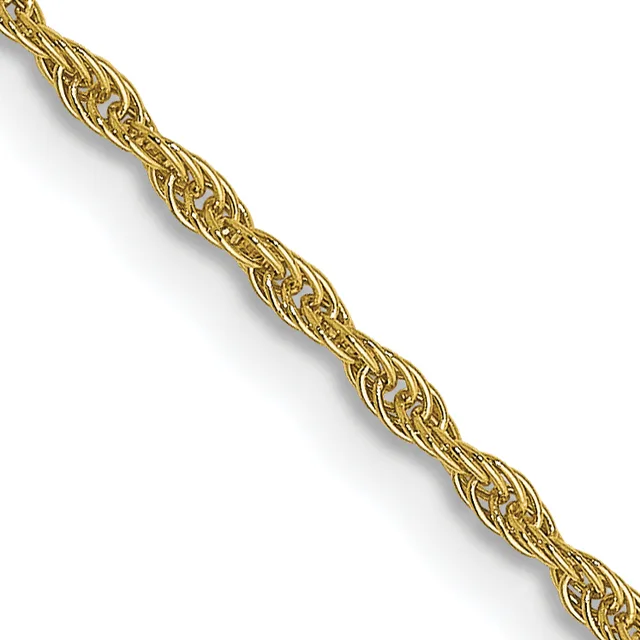
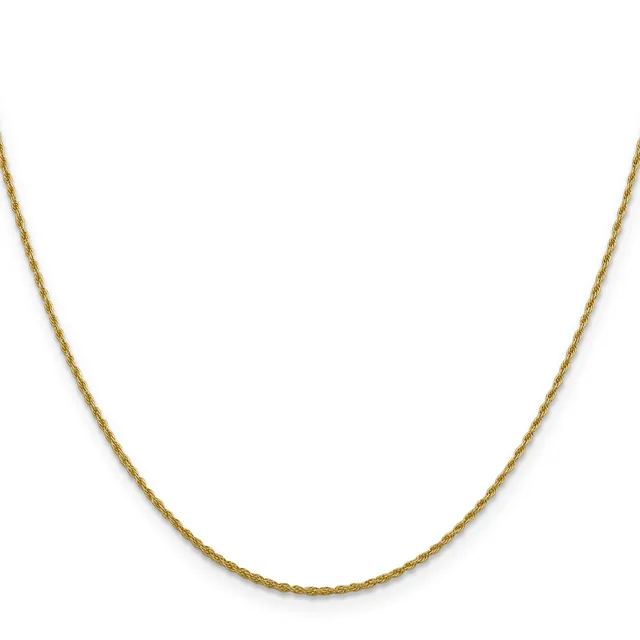
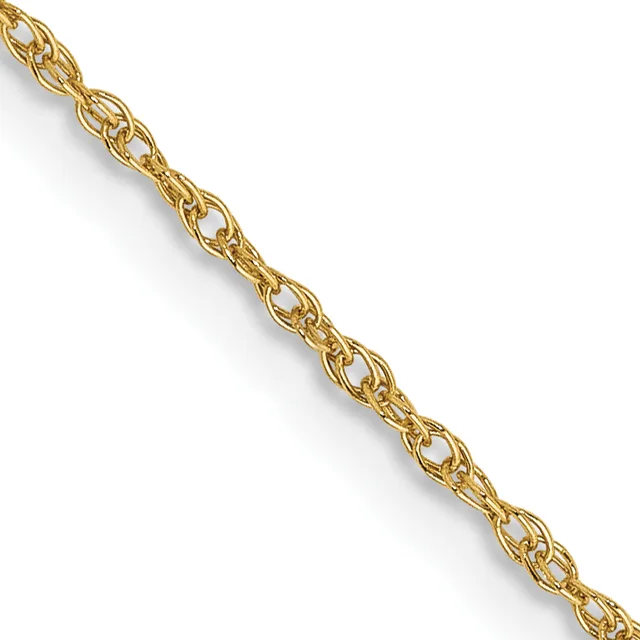
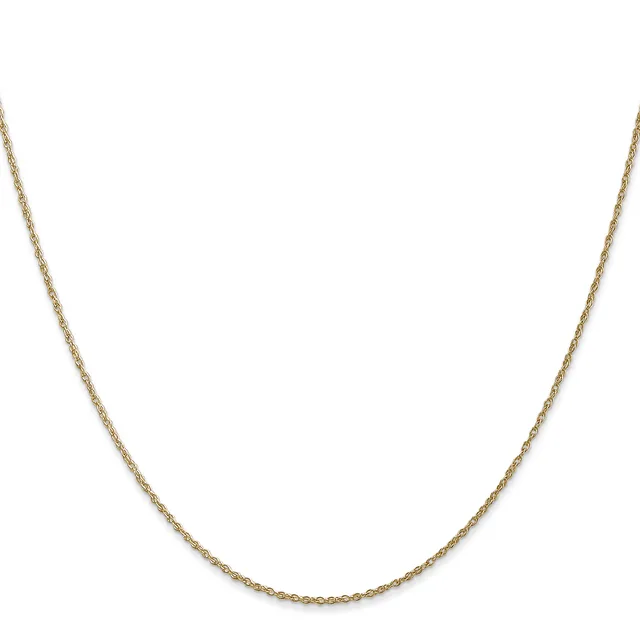
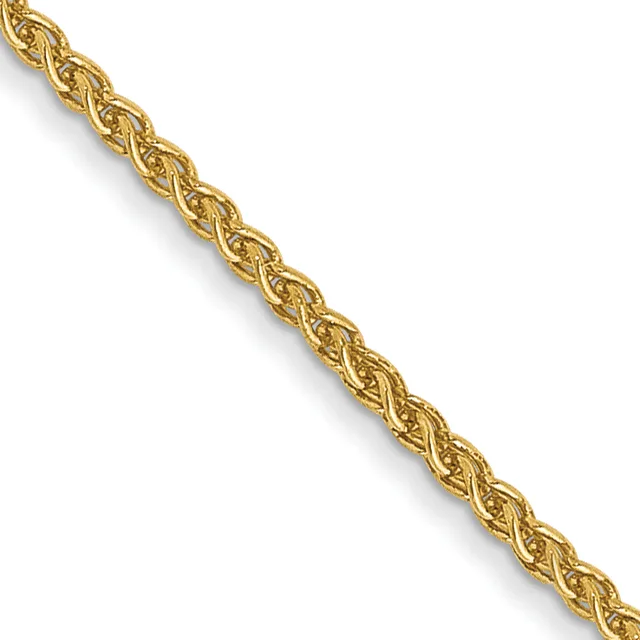
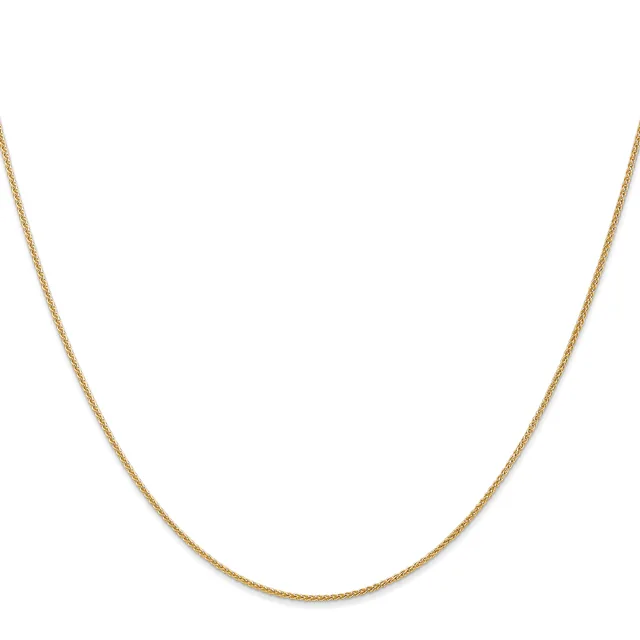
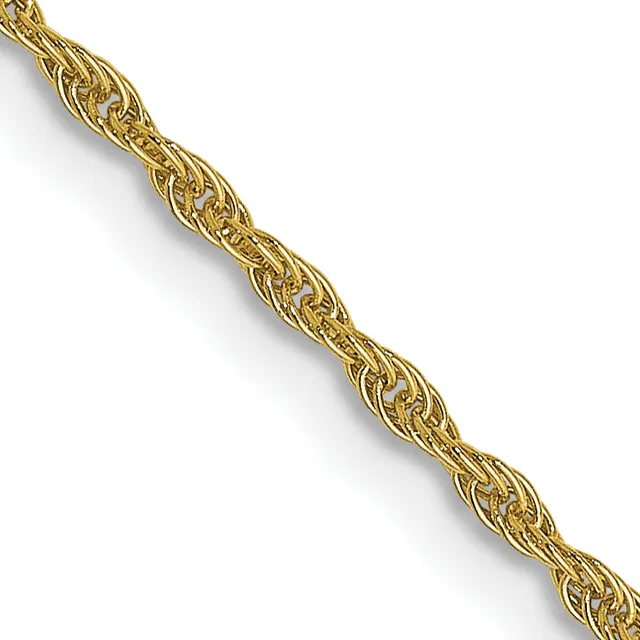
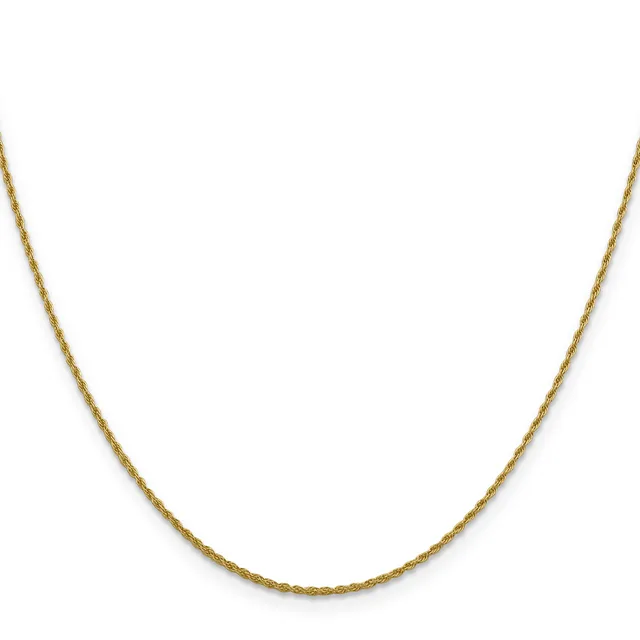
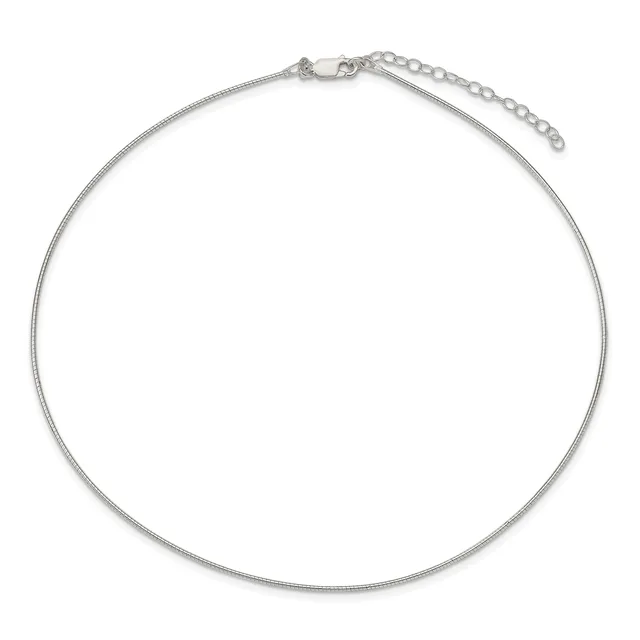
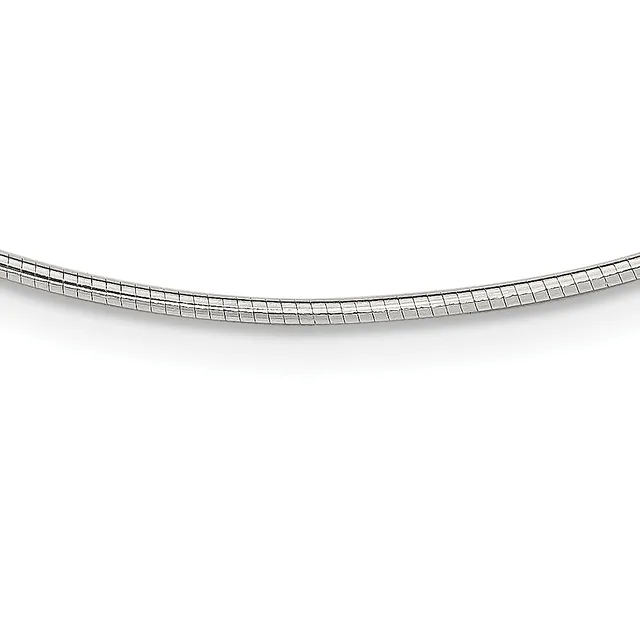
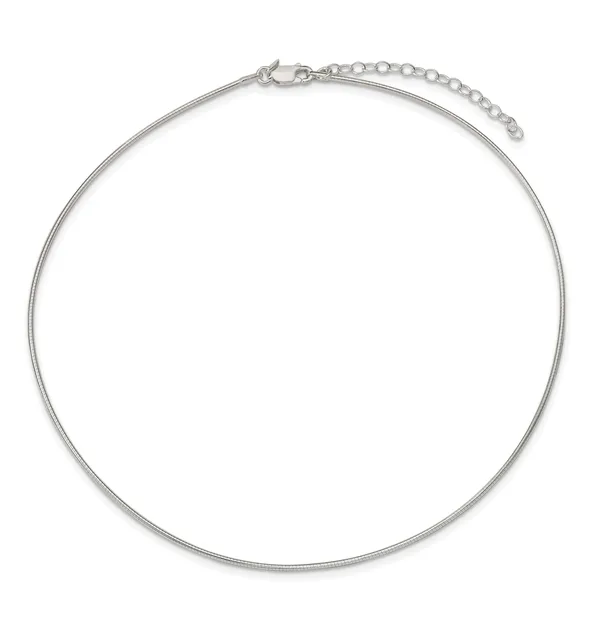
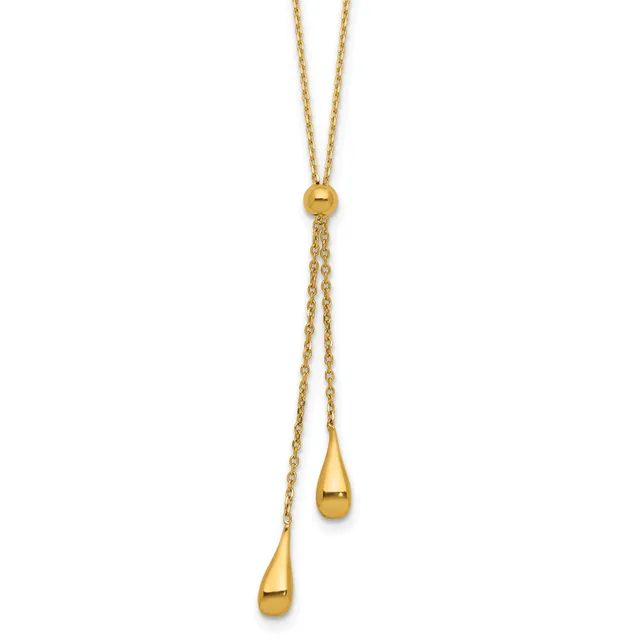
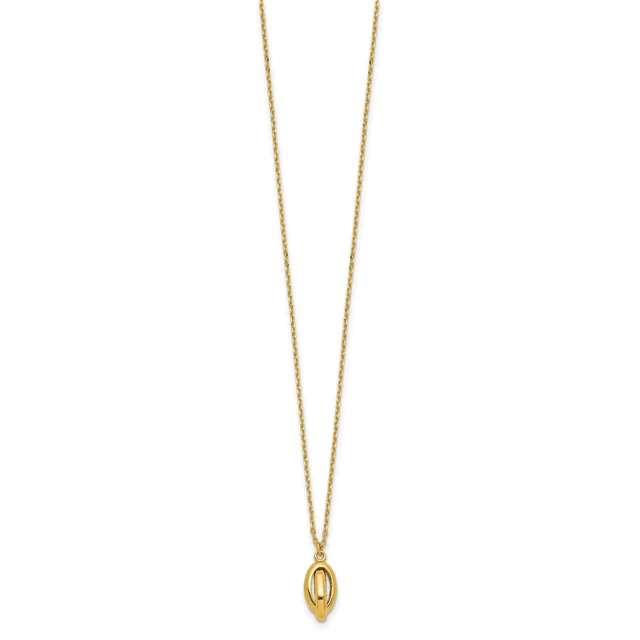
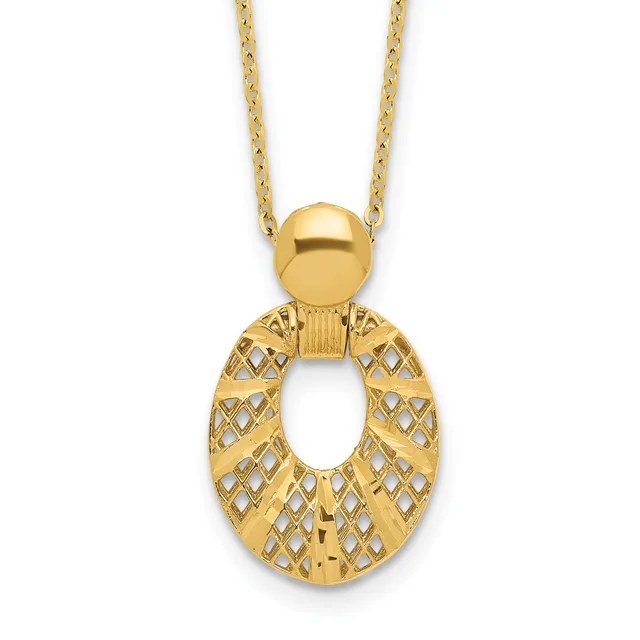
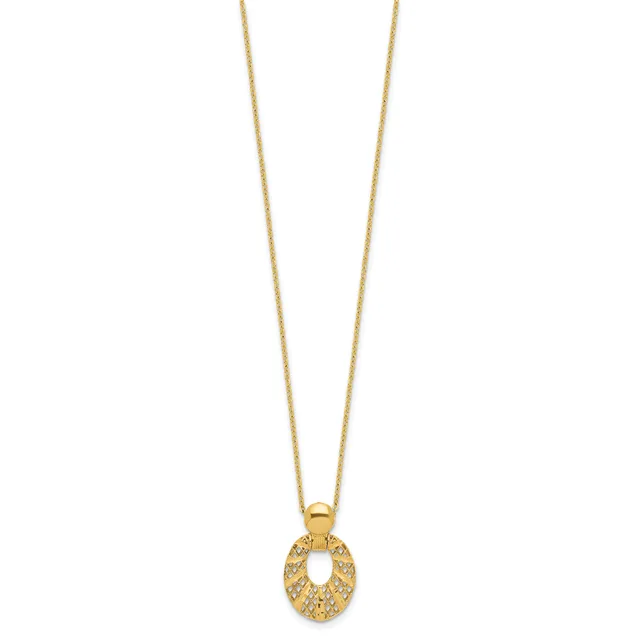
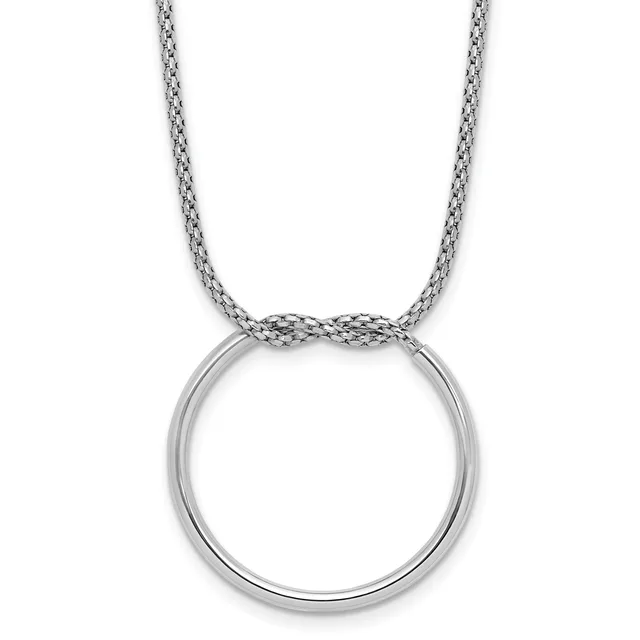
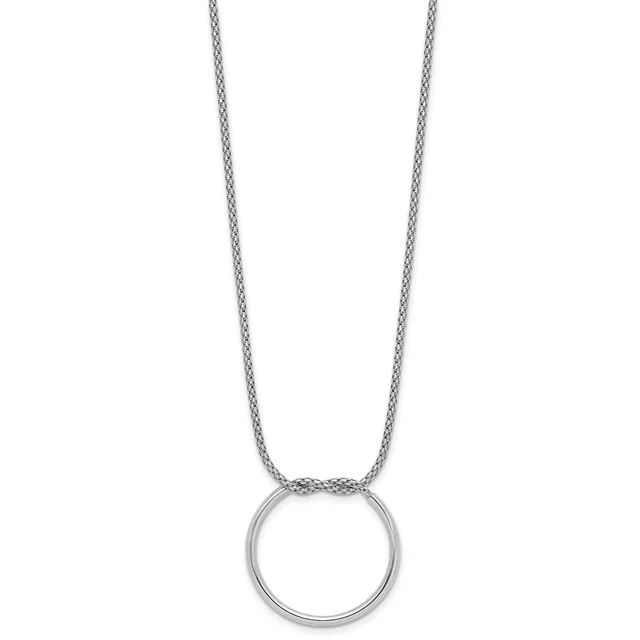
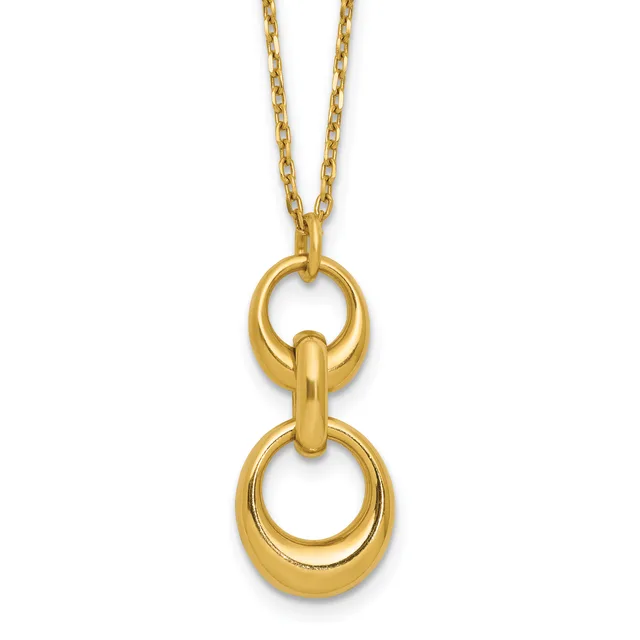
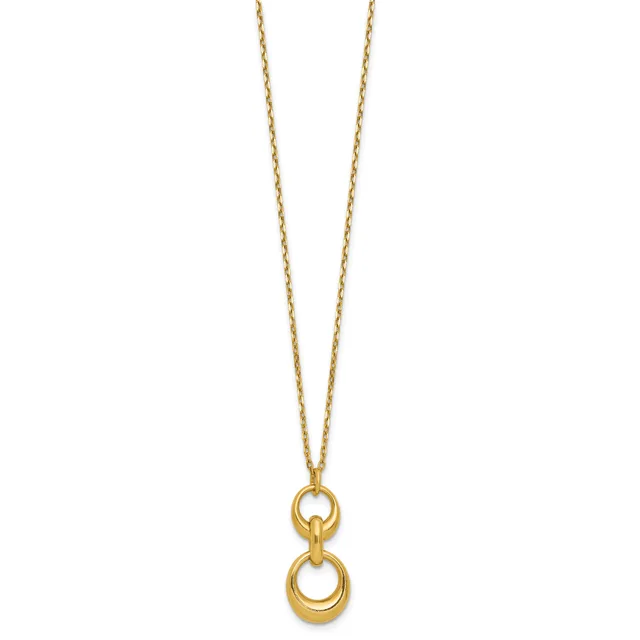
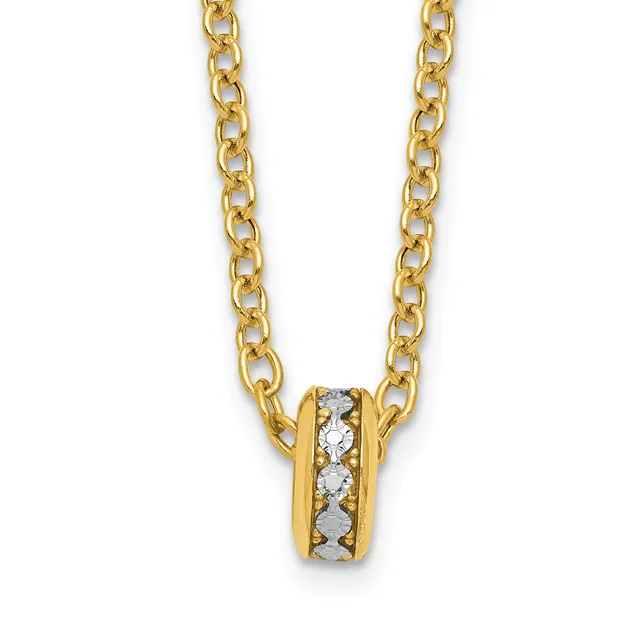
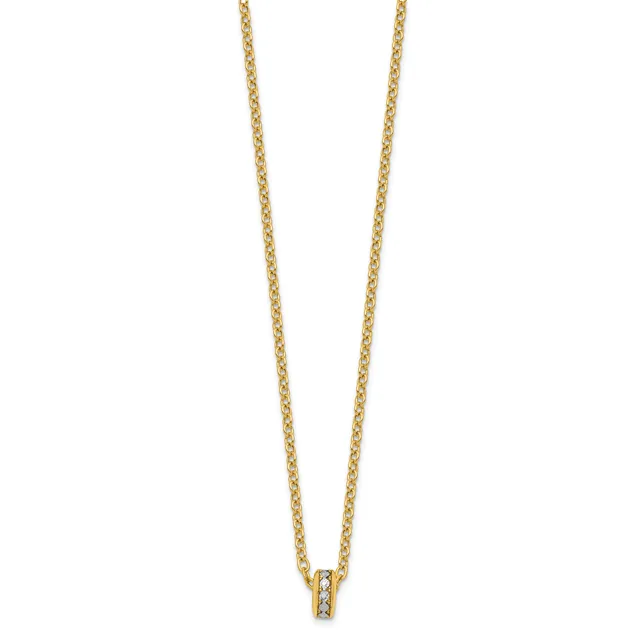
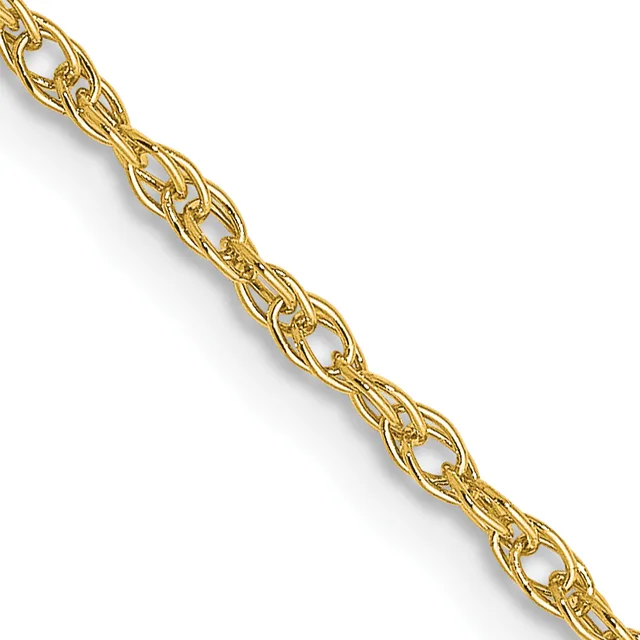
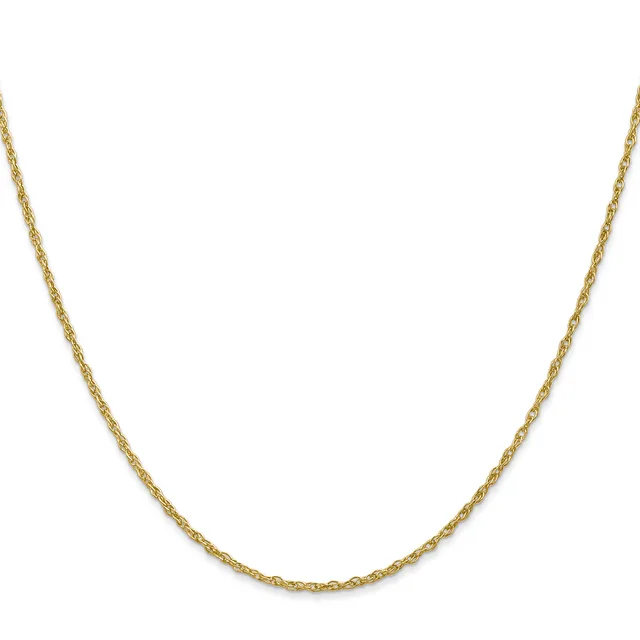
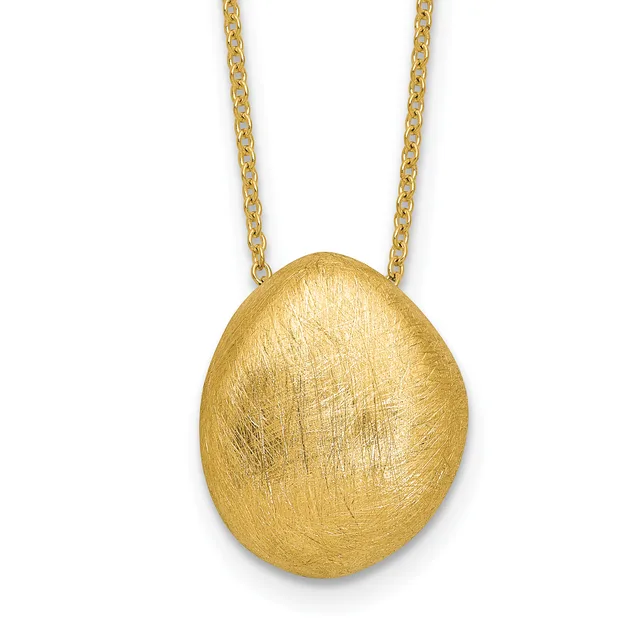
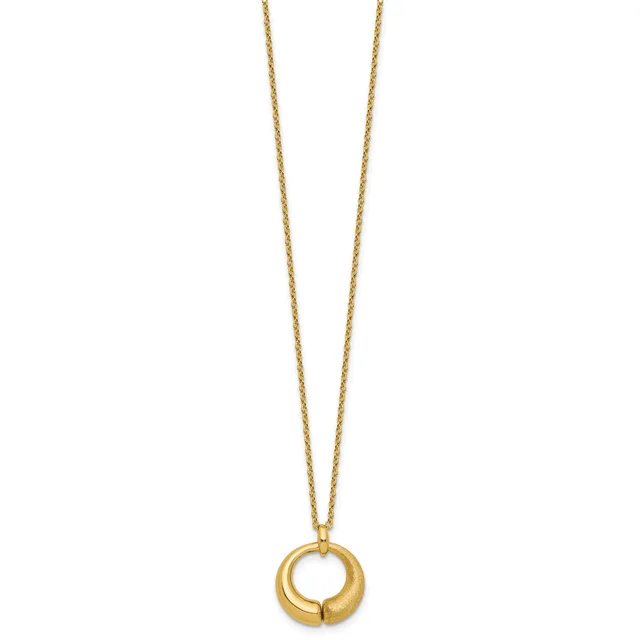
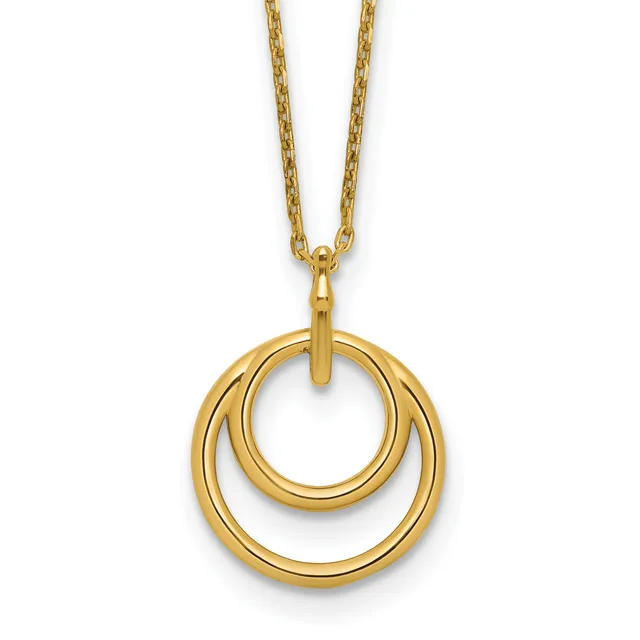
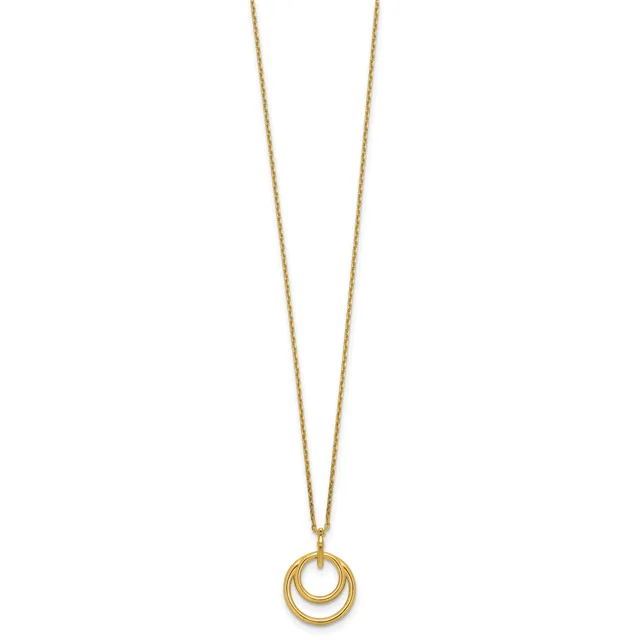
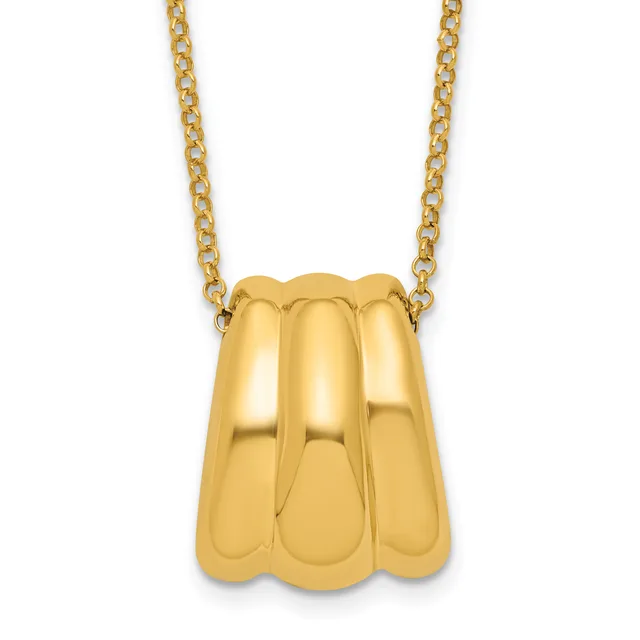
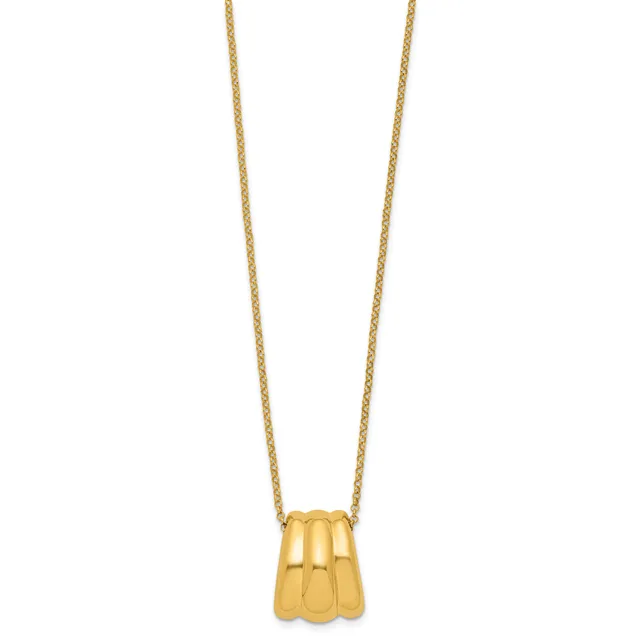
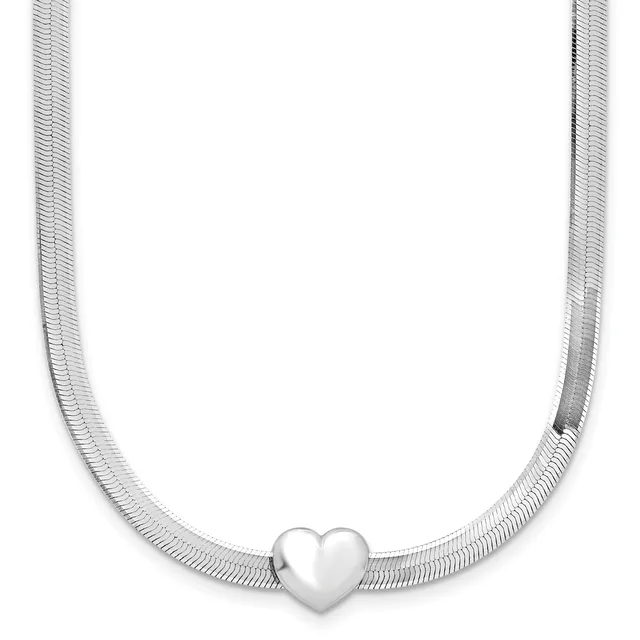
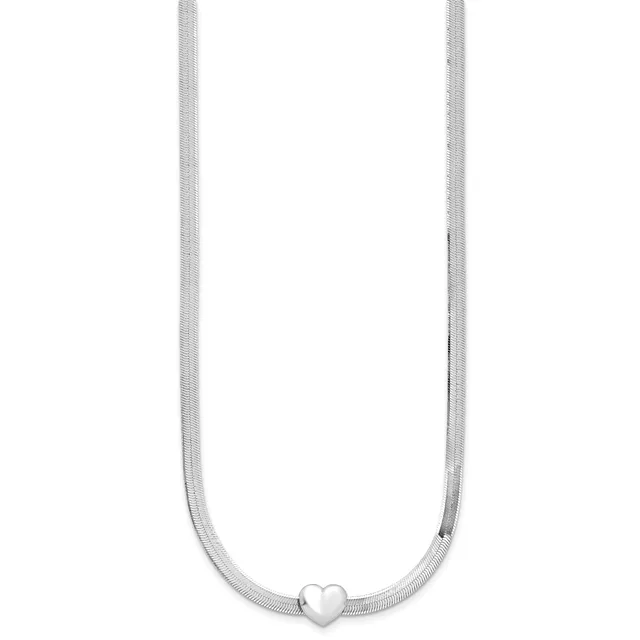
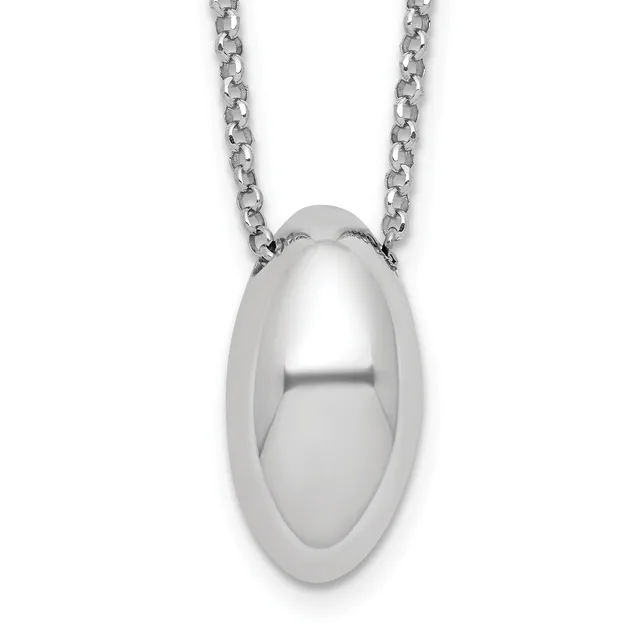
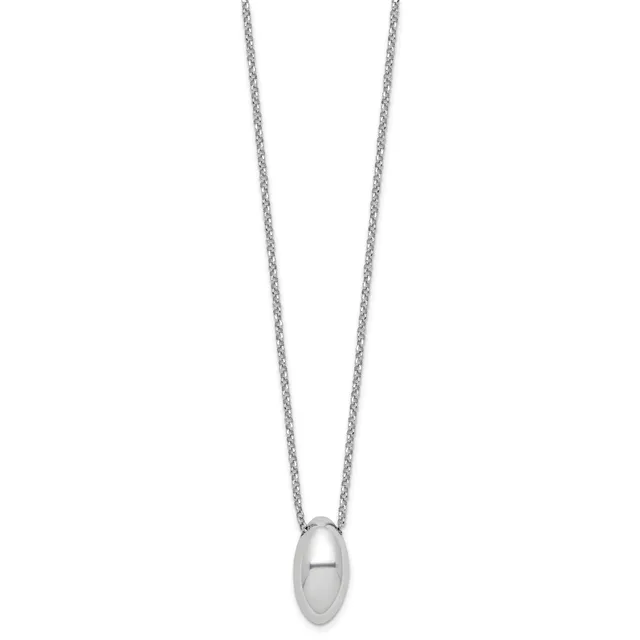
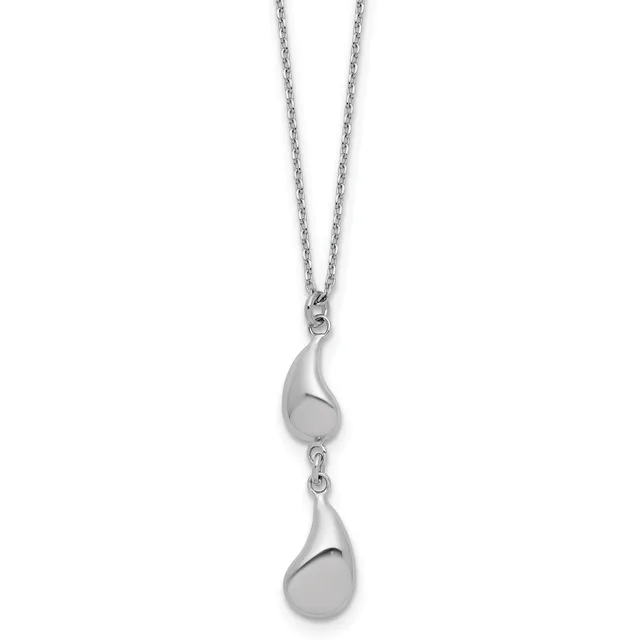
Every piece here is two things at once: a chain that determines how the necklace sits on the body, and a pendant that carries the visual weight. The chain style matters more than it might seem. A cable chain — small, interlocking oval links — lies flat and reads as quiet. A rope chain, twisted from many fine strands, catches light along its length and reads as warmer, more textured. A box chain has square links that give a modern, architectural look. A snake chain is smooth and fluid, with almost no visible links, which keeps attention on the pendant rather than the chain. Fancy and figaro constructions fall between these poles, offering more detail in the chain itself.
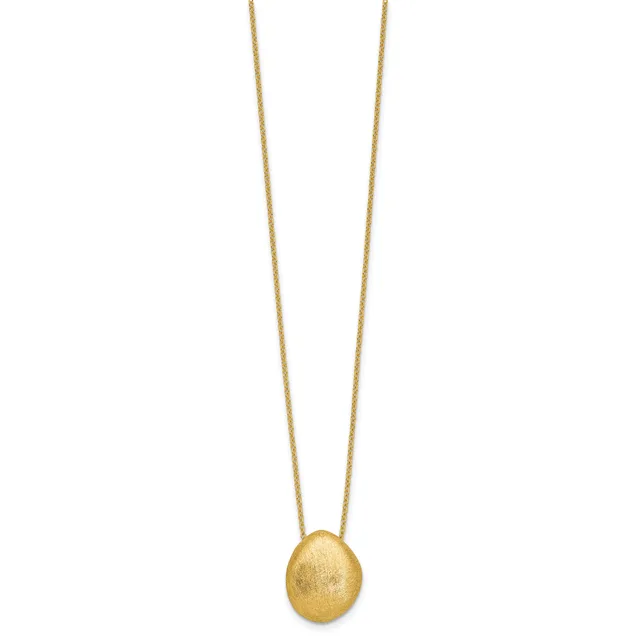
Adjustable lengths let you shift the pendant's position — lower for a relaxed look, shorter so it sits at the collarbone — without needing a second necklace.
Metals and What They Mean Day to Day
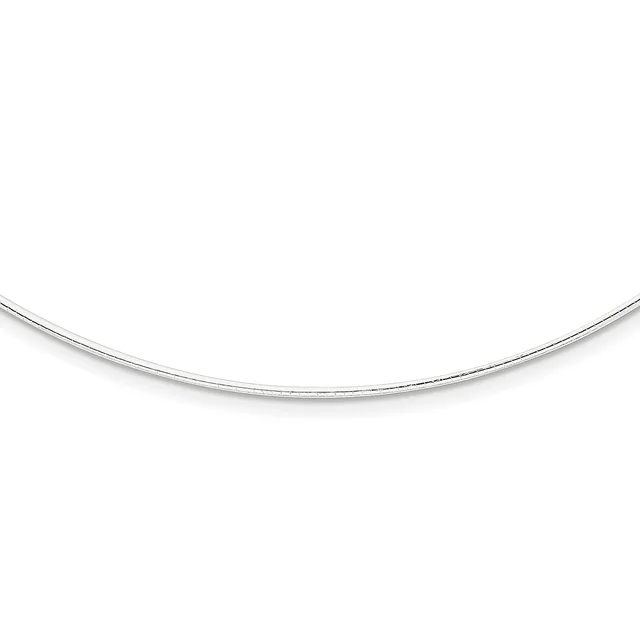
The selection includes pieces across different gold karats. 14k gold contains 58.5% pure gold, which makes it harder and more scratch-resistant than higher-karat options — a practical choice for a necklace worn daily. Higher-karat gold is richer in color and purer, but softer. Sterling silver is a durable base metal with a cool, bright finish; it can tarnish over time with exposure to moisture and air, so occasional polishing with a soft cloth keeps it bright. Where a piece is gold-filled or plated over a base metal, the gold layer will gradually wear at points of friction — the bail where the pendant hangs and the clasp are the likeliest places to show wear first.
Choosing for Fit and Wear
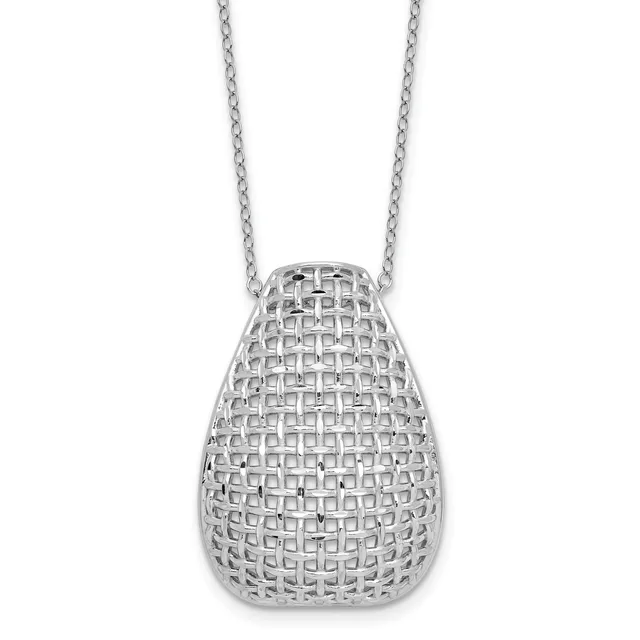
Pendant weight affects how a chain behaves: a heavier pendant will pull a finer chain downward and may cause it to rotate. A thicker or stiffer chain — box or rope — holds position better under a substantial pendant. If you plan to layer this necklace with others, a plainer chain style tends to nest more cleanly than a heavily textured one.
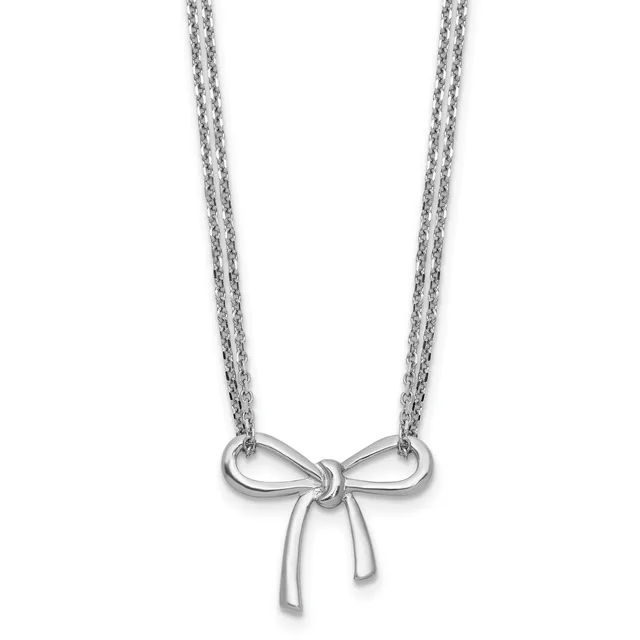
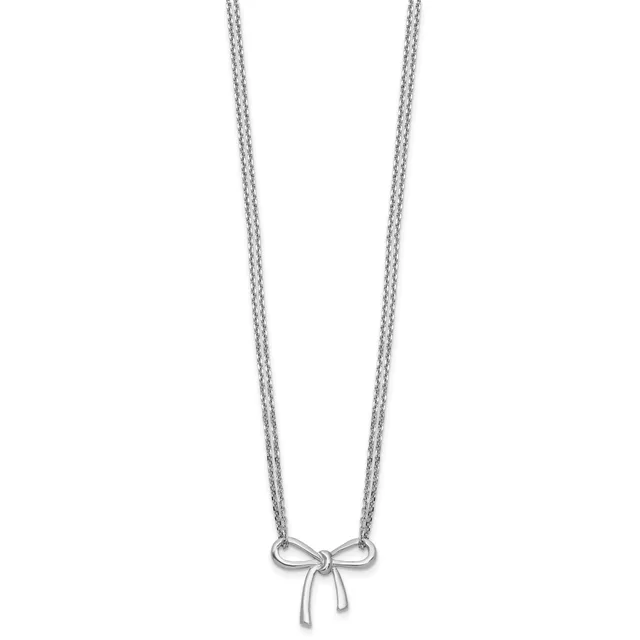
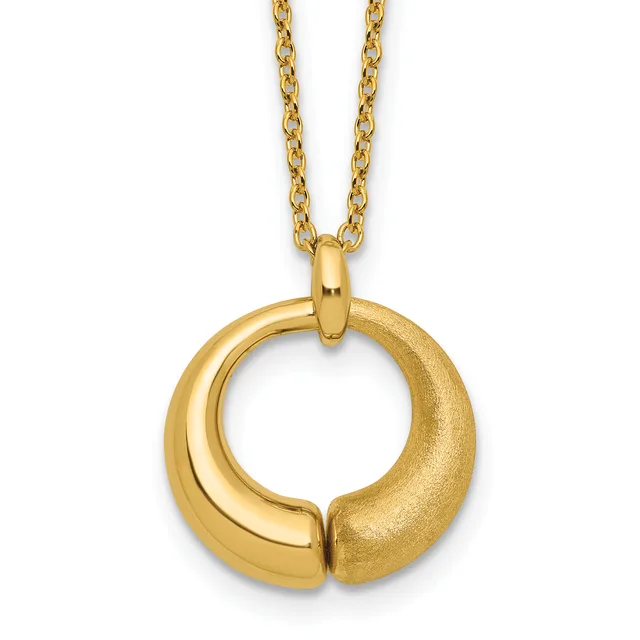
Themed and motif pendants — whether geometric, symbolic, or figurative — work best when the chain recedes, so a simple cable or box chain is usually the right pairing. If the chain itself is decorative, a smaller or simpler pendant keeps the look balanced rather than busy.
Care
Remove pendant necklaces before swimming, bathing, or applying lotions and perfume; these are the fastest routes to discoloration and weakened findings. Store each piece separately — pendants in particular can scratch softer chains if bundled together. A clasp that feels stiff is worth having checked before it fails, since the bail and clasp together bear all the mechanical stress of a pendant necklace.
Frequently asked questions
Do these necklaces come with the chain included, or is the pendant sold separately?
Every piece in this category is a finished pendant necklace — chain and pendant are sold together as a single, ready-to-wear item.
What length should I choose for a pendant necklace?
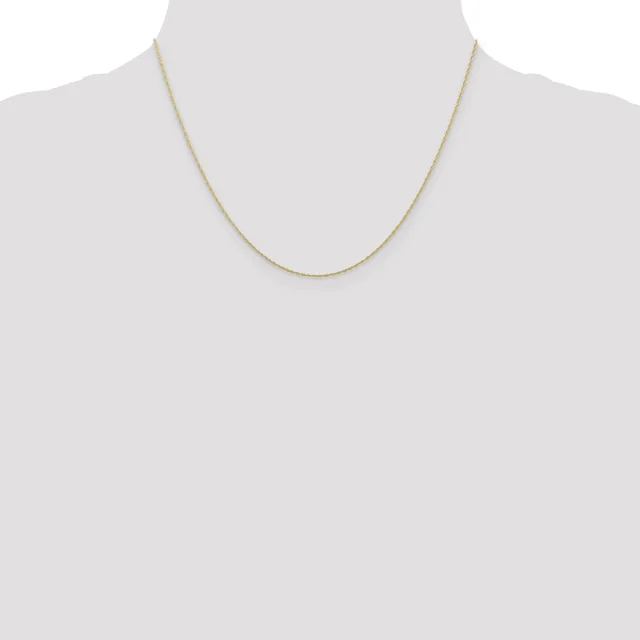
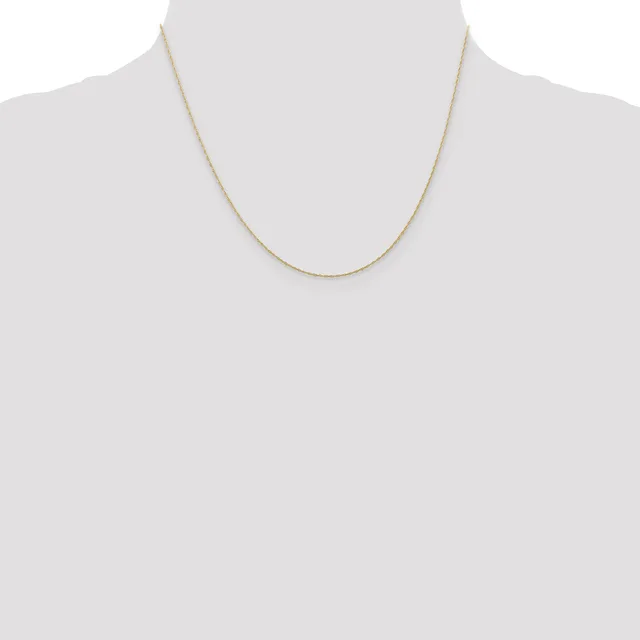
A pendant at 16–18 inches sits at or just below the collarbone, which suits most necklines. Adjustable styles give you flexibility across that range without committing to a fixed length.
Which chain style holds up best for everyday wear?
Box and cable chains are generally the most durable for daily use because their link structure gives each connection more surface contact. Rope chains are also sturdy, though the twisted construction can be harder to repair if a section breaks.
Can I layer one of these with other necklaces I already own?
Yes — pendant necklaces layer well when the chains differ in length by at least two inches, which keeps the pendants from stacking on top of each other. A simpler chain style on the pendant necklace tends to nest more cleanly with textured or beaded pieces.
How do I keep the chain from rotating so the clasp stays at the back?
A heavier pendant can pull a lightweight chain and cause it to shift. Choosing a slightly heavier or stiffer chain — box or rope rather than a very fine cable — helps the necklace hold its position better throughout the day.