
What Makes a Rope Chain Distinct
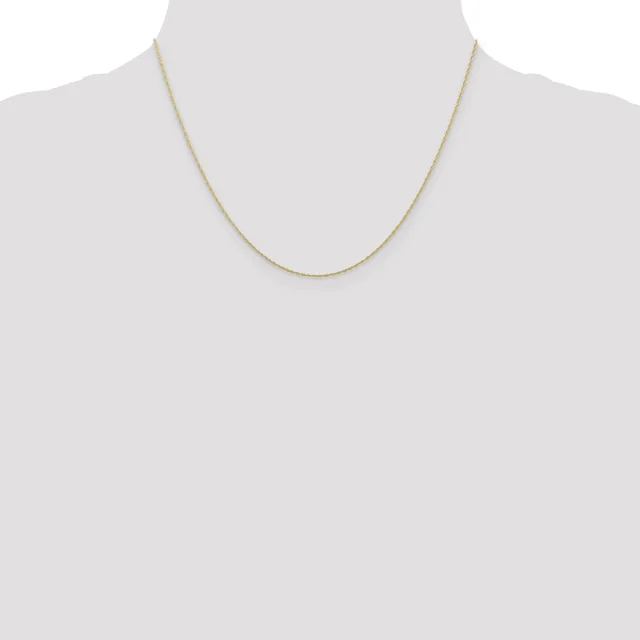
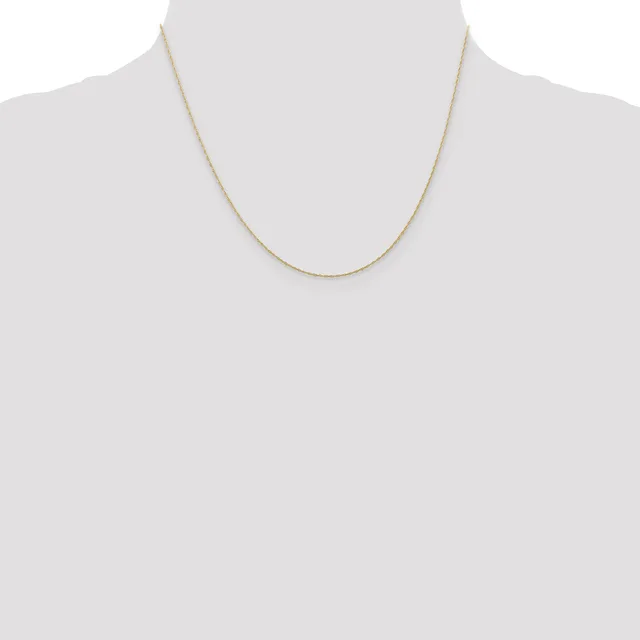
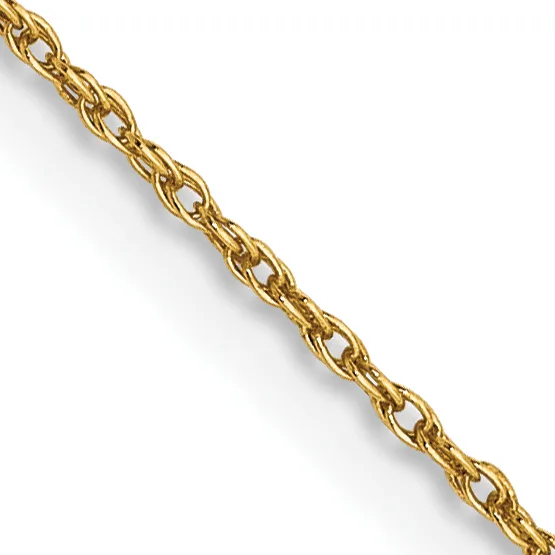
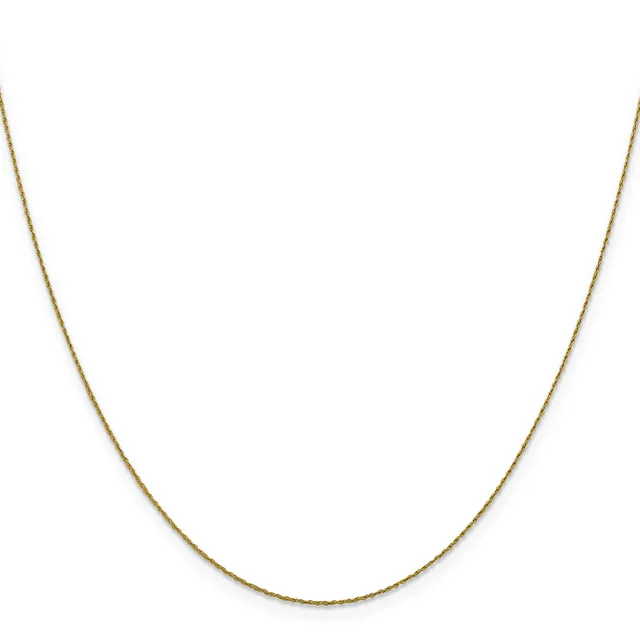
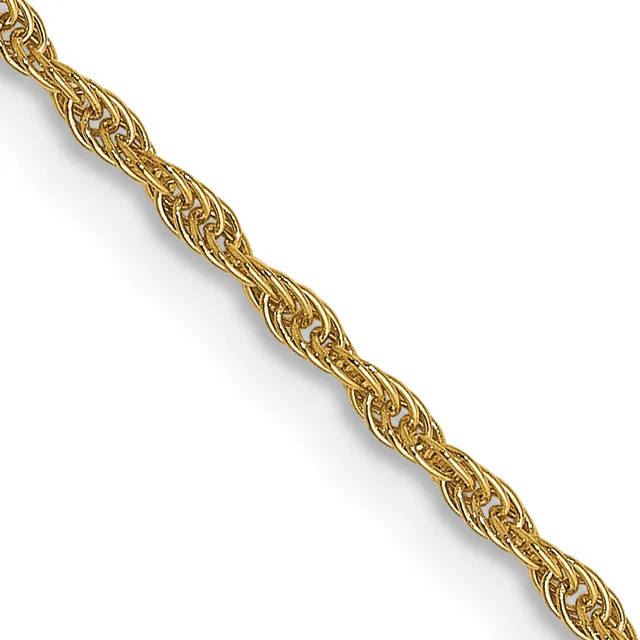
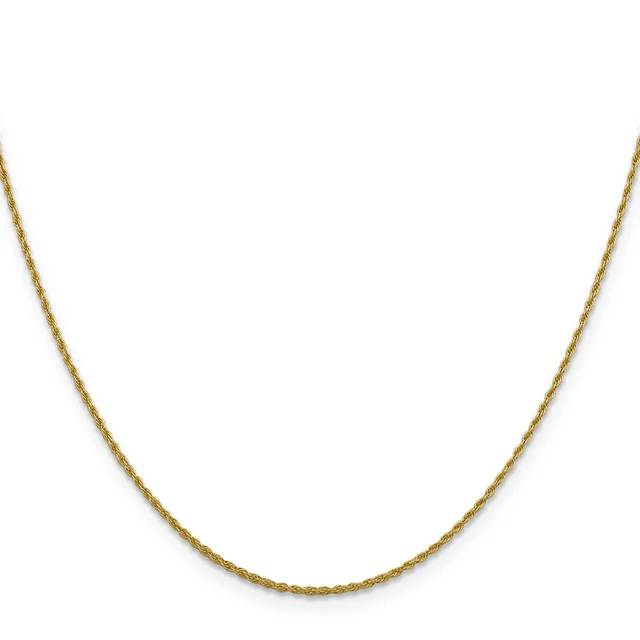
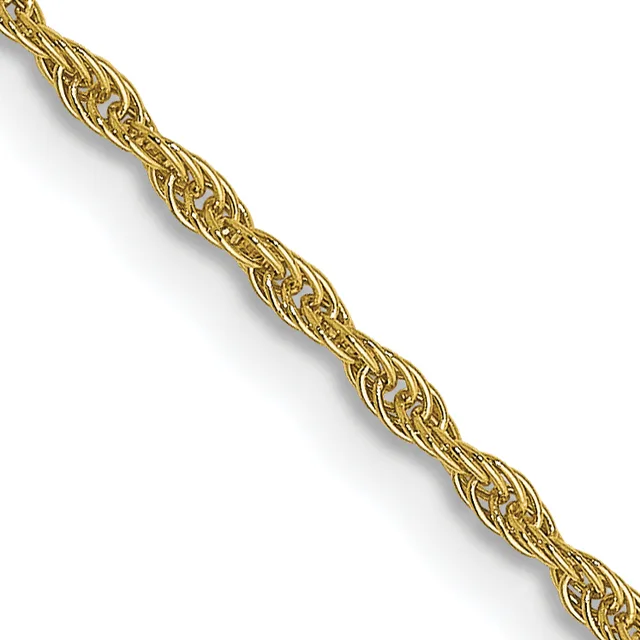
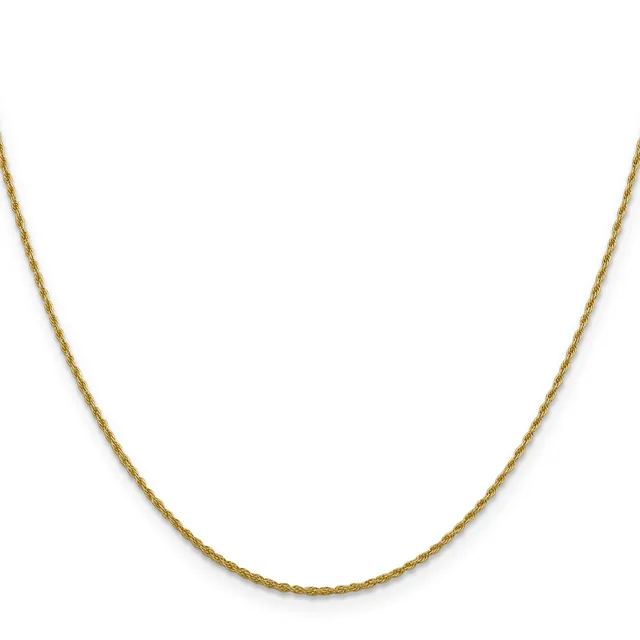
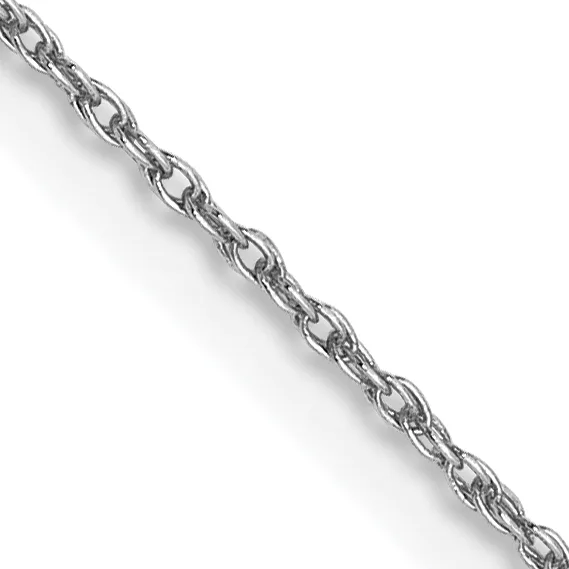
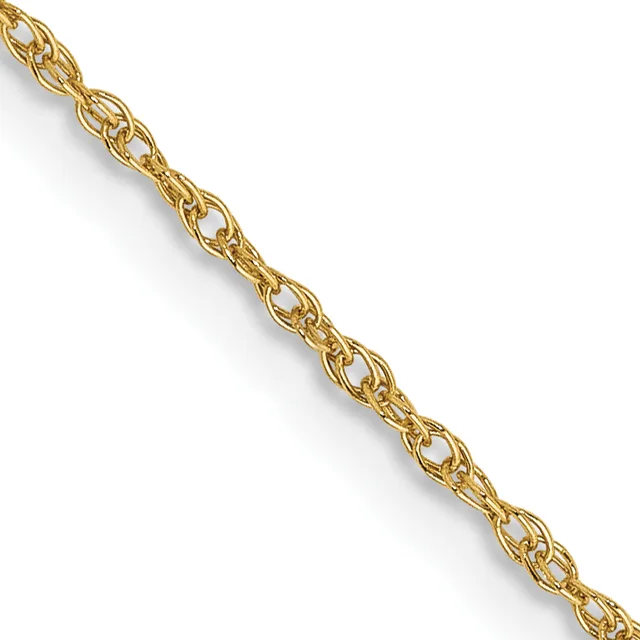
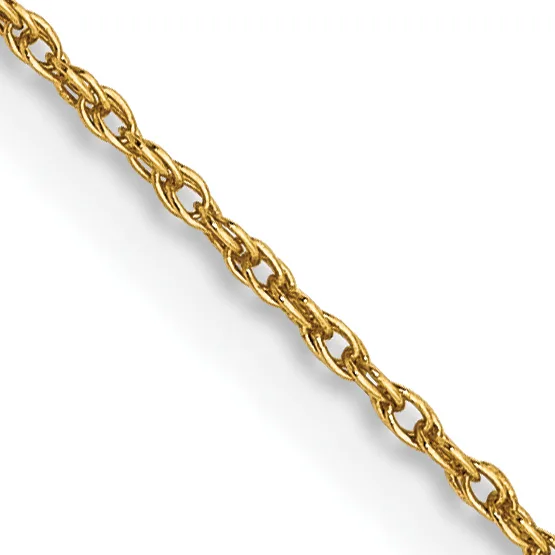
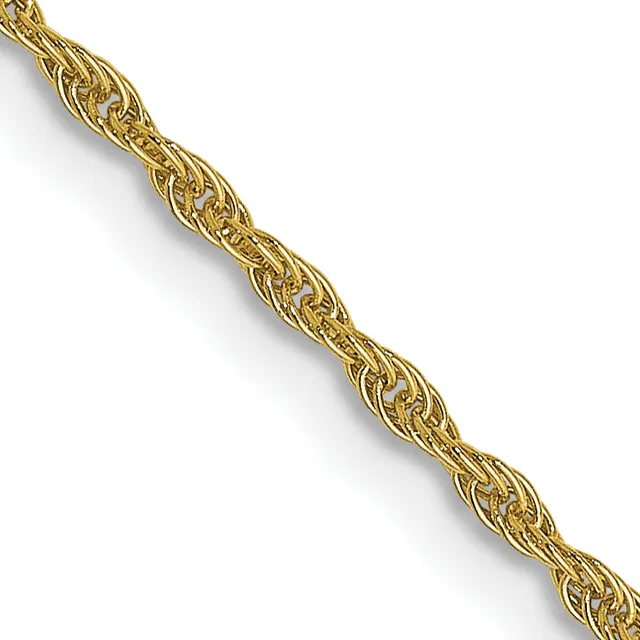
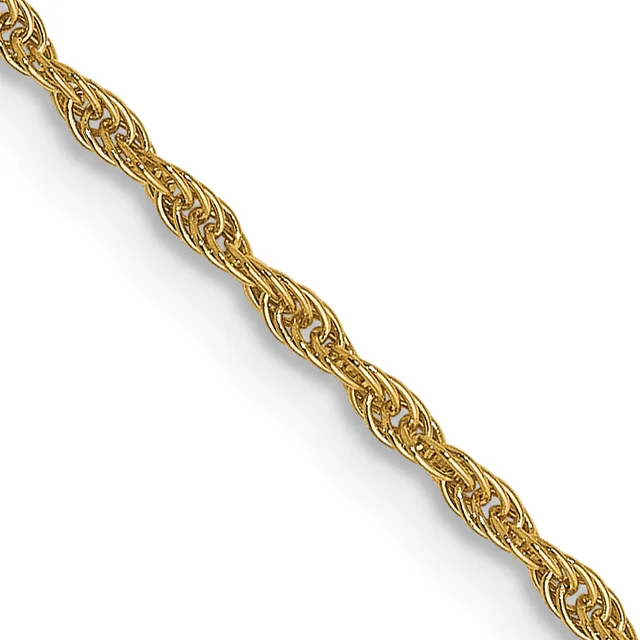
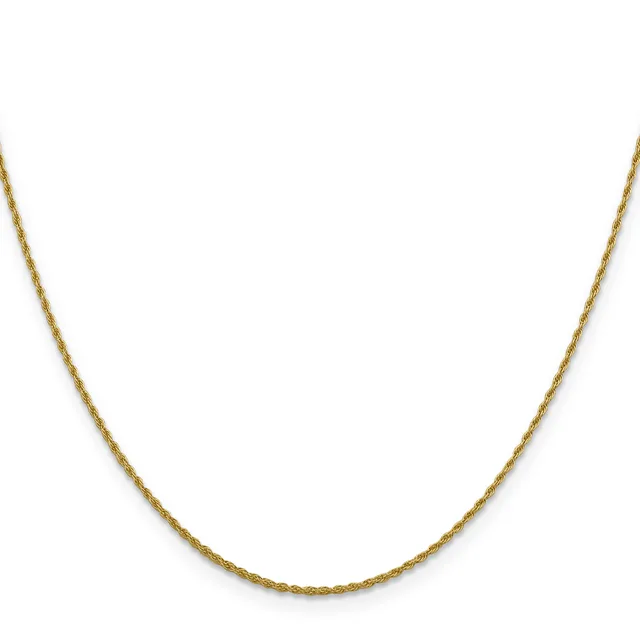
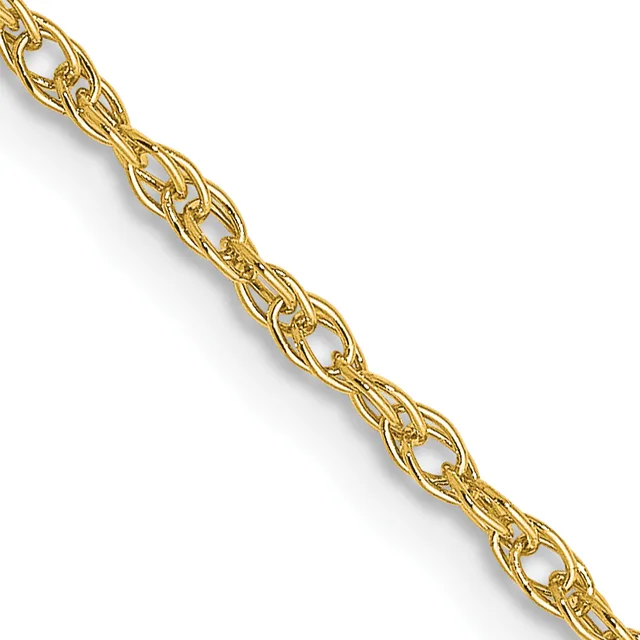
The rope chain gets its name from the way its links are angled and interlocked in opposing directions, producing a continuous helical surface. That construction gives the chain two practical advantages: the twisted segments reinforce one another, making rope chains more resistant to kinking than many open-link styles, and the faceted surface reflects light from multiple angles even without a pendant attached. A rope chain worn alone reads as a finished piece; the same chain paired with a pendant provides enough visual weight to anchor a larger stone or charm without competing with it.
Metals and What They Mean Day to Day
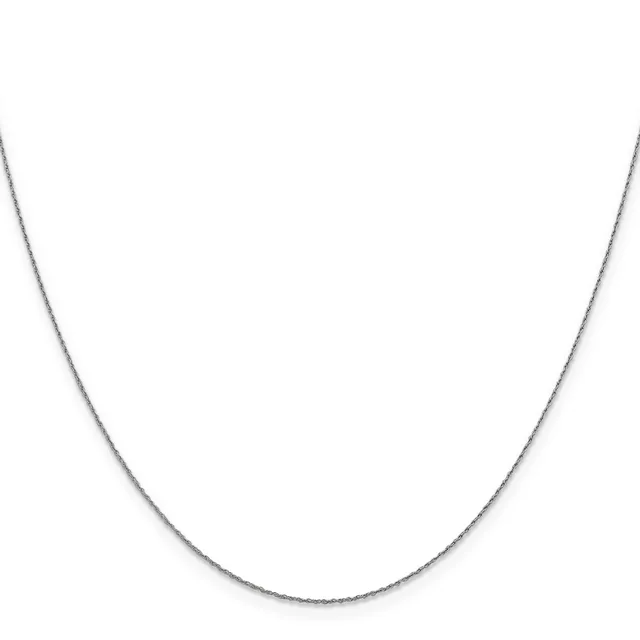
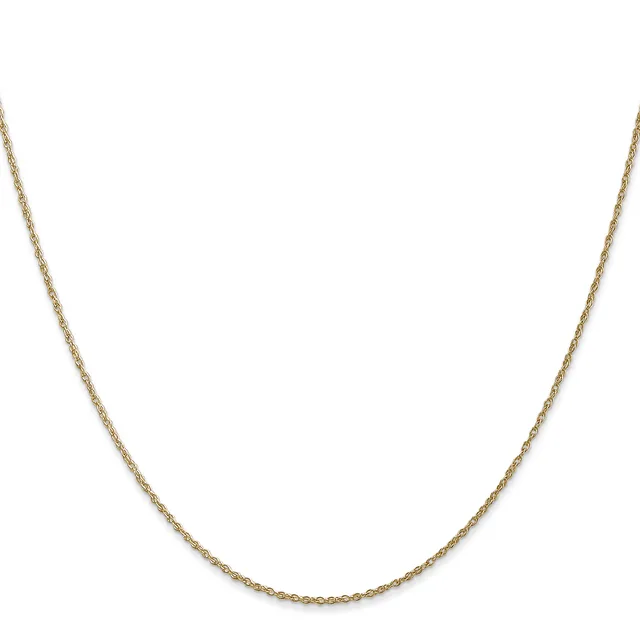
The pieces here span yellow gold, white gold, and rose gold. Each is an alloy — pure gold mixed with other metals to reach wearable hardness. A higher karat means a greater proportion of gold and a richer, slightly softer color; a lower karat is harder and holds its shape under daily contact. Rose gold gets its warm blush from a copper alloy, which also makes it among the most durable of the gold colors. All three tones work well against the rope chain's textured surface, though yellow and rose gold tend to emphasize the warmth of the twist, while white gold sharpens the contrast between ridges and grooves.
Choosing Length and Wear
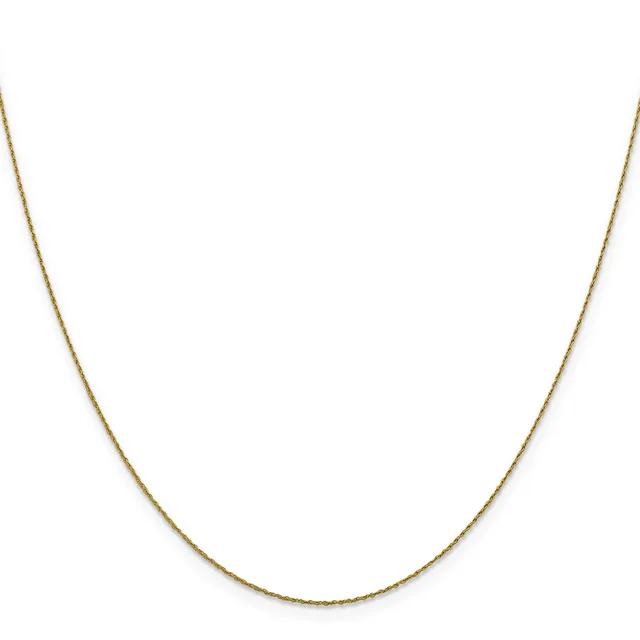
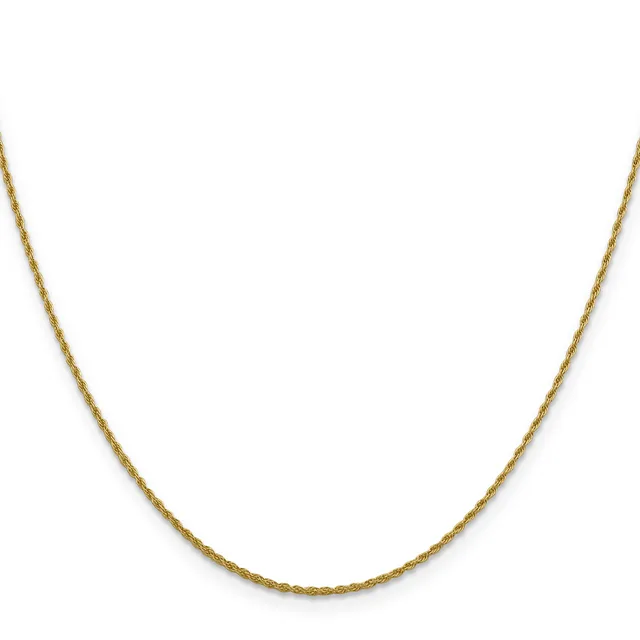
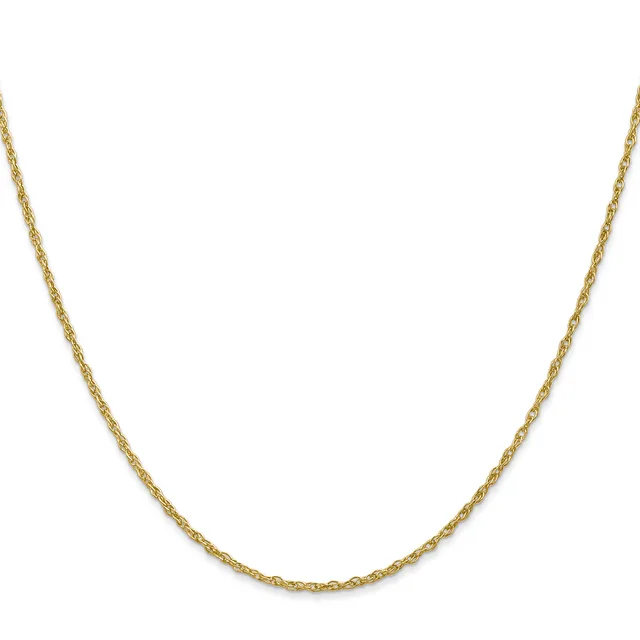
Rope chains follow standard necklace-length conventions. A shorter length sits at the collarbone and works well alone or with a small pendant. Mid-length chains fall at or just below the neckline and are the most versatile for layering or pendant wear. Longer chains read as a statement on their own and can be doubled for a different look. Because the rope construction gives the chain some inherent body, it lies flat and stays in place better than lighter-weight styles.
Care
Gold rope chains can be cleaned at home with warm water, a small amount of mild dish soap, and a soft-bristle brush worked gently along the twist. Rinse thoroughly and pat dry — moisture left inside the interlocked links can dull the finish over time. Store the chain flat or loosely coiled, separate from other pieces, to avoid the clasp or links catching on neighboring jewelry.
Frequently asked questions
Can a rope chain be worn without a pendant?
Yes. The twisted, multi-faceted surface of a rope chain reflects enough light that it reads as a complete piece on its own, without anything hung from it.
Is a rope chain strong enough for an everyday pendant?
Rope chains are among the more durable chain constructions because the interlocking spiral links support one another. They handle everyday pendant wear well, though very heavy pendants put more stress on any chain's clasp and jump ring than on the chain itself.
What is the difference between a rope chain and a cable chain?
A cable chain uses uniform oval or round links connected end to end, giving it an open, flat profile. A rope chain twists its links together in a helical pattern, producing a rounder, more textured strand with a different light reflection.
Does rose gold require different care than yellow or white gold?
The cleaning method is the same for all gold alloys — mild soap, warm water, soft brush, thorough rinse. Rose gold's copper content makes it slightly harder than yellow gold of the same karat, so it is not more fragile, but like all fine jewelry it benefits from being stored separately to prevent surface scratches.