
How Round Hoops Differ From One Another
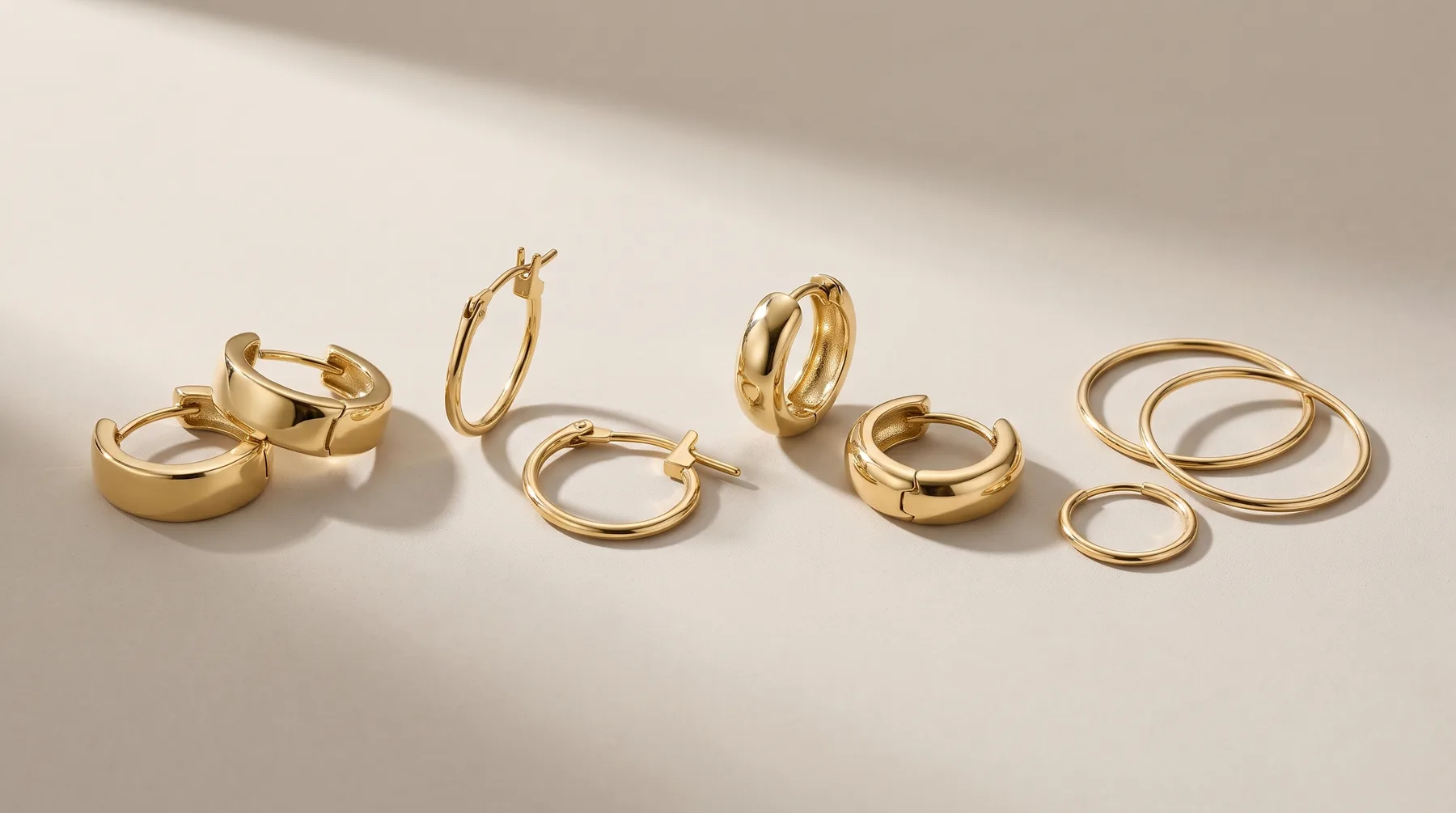
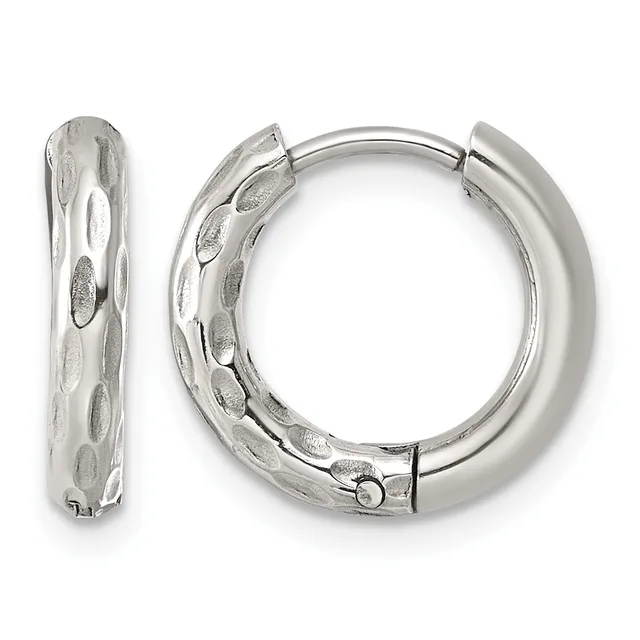
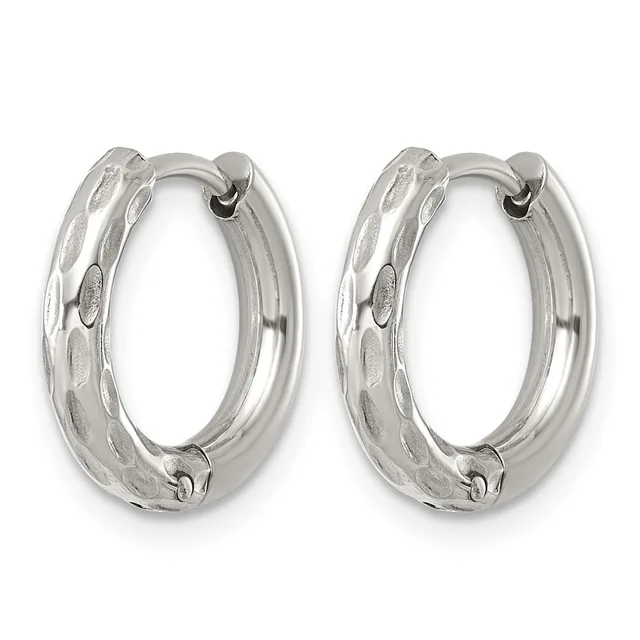
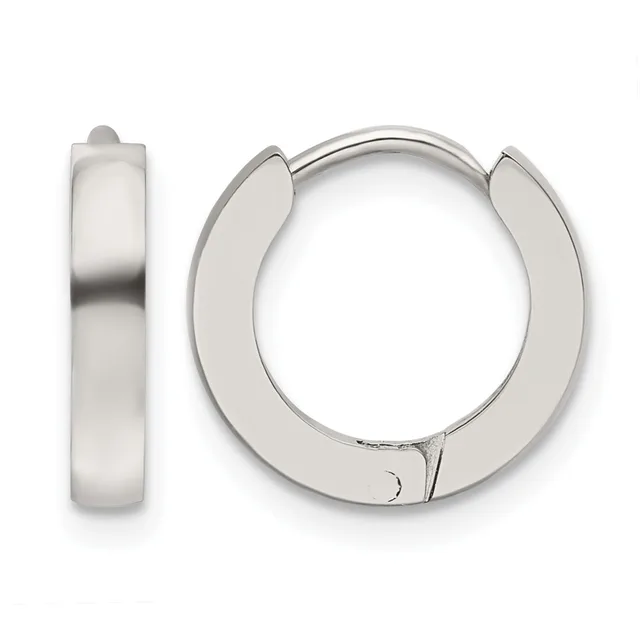
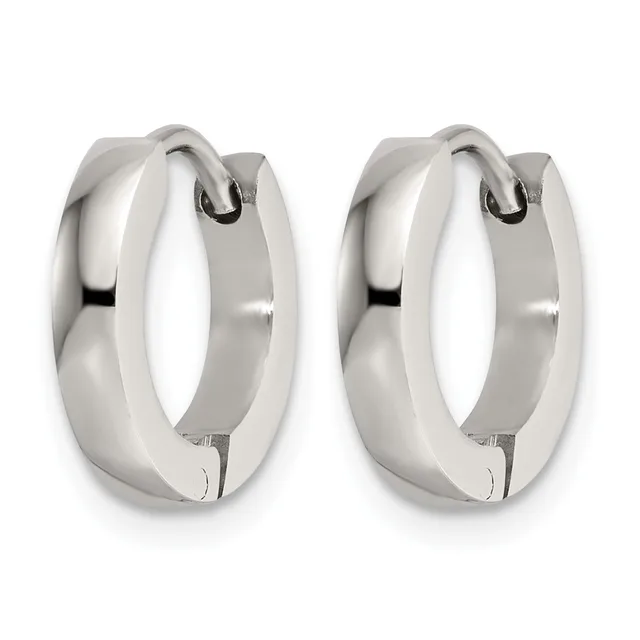
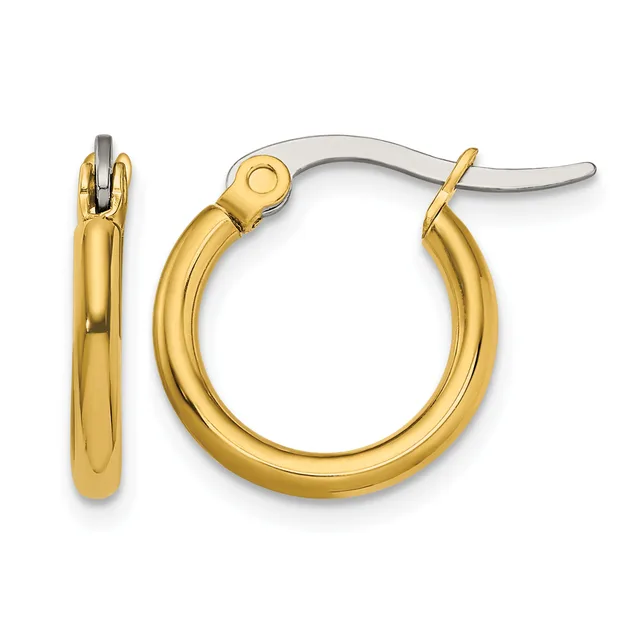
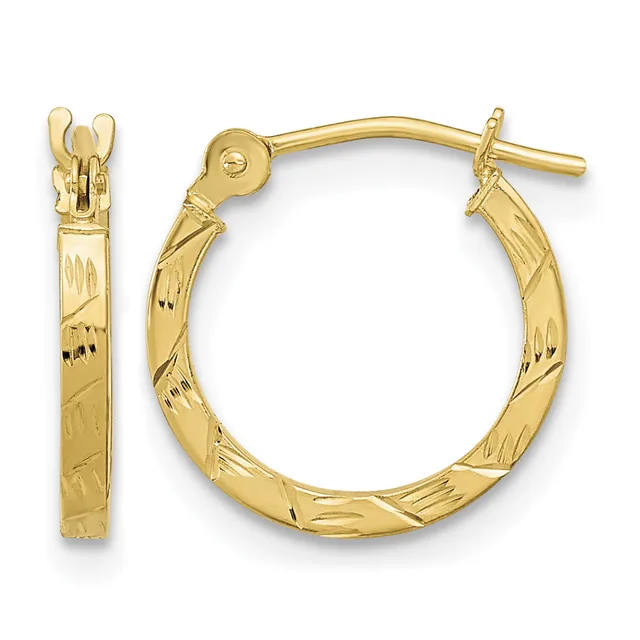
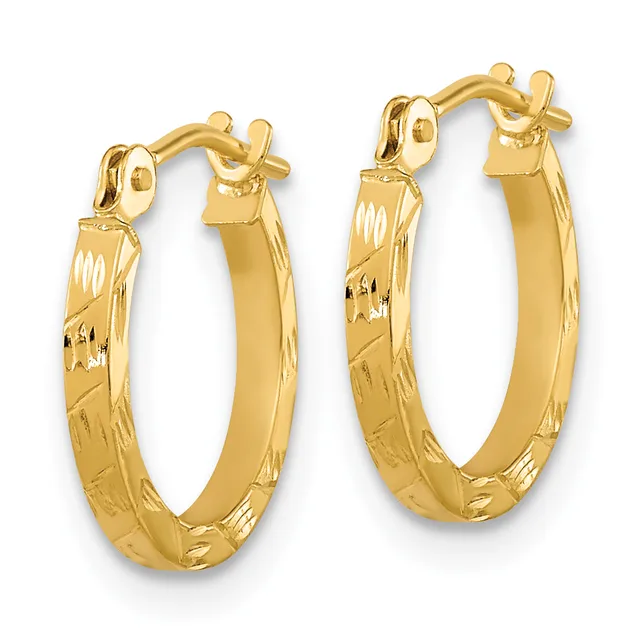
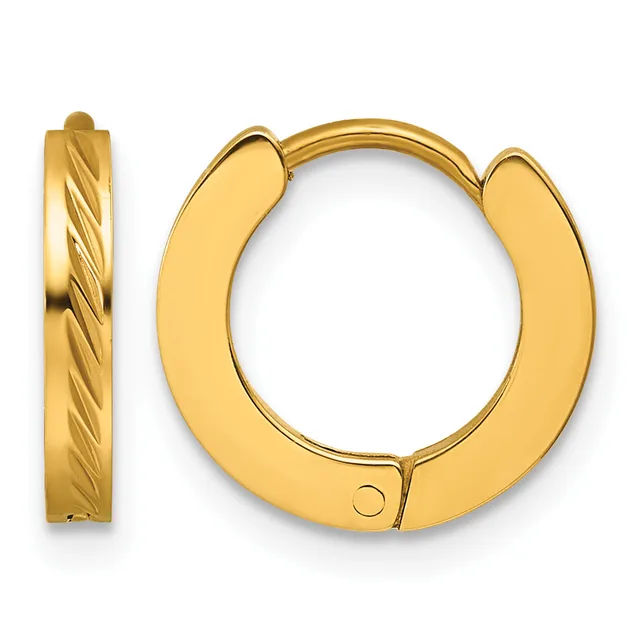
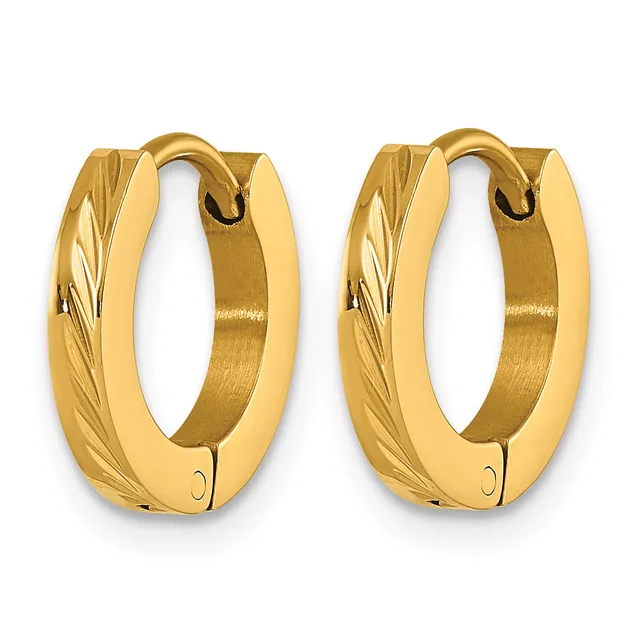
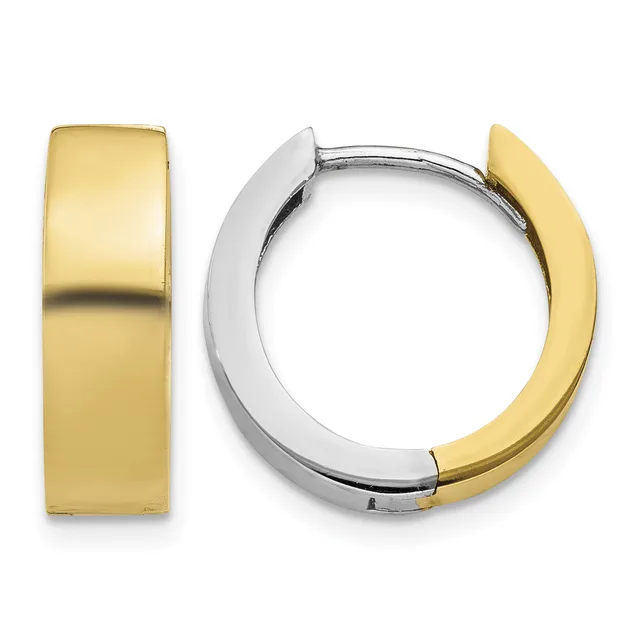
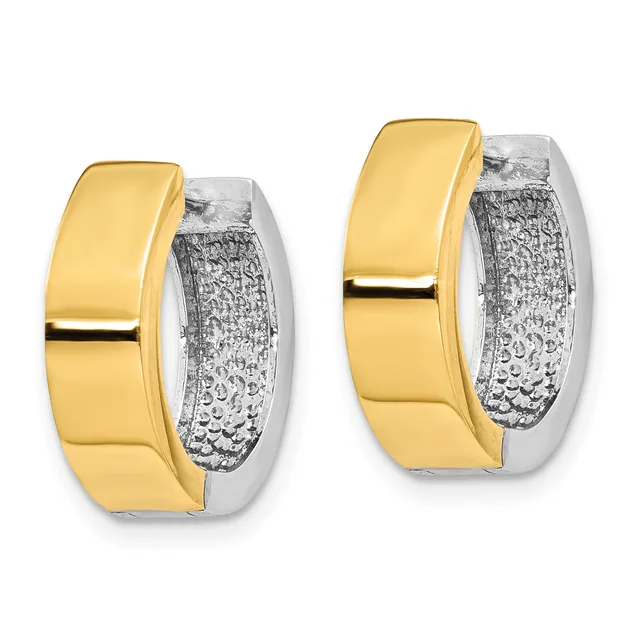
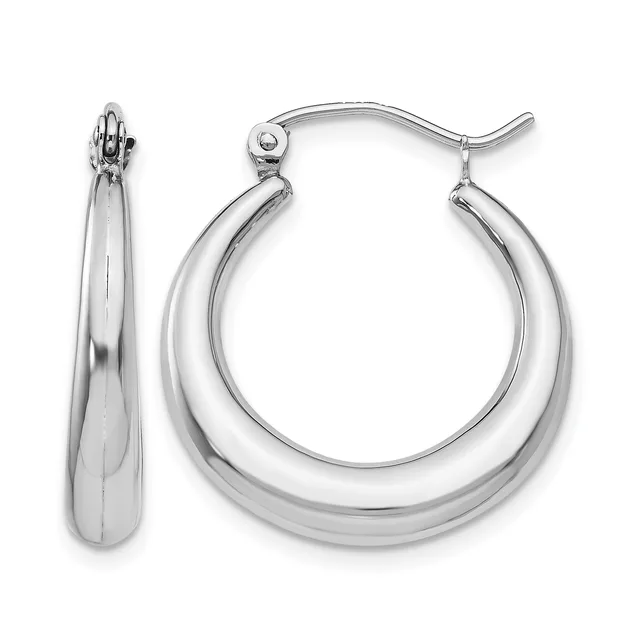
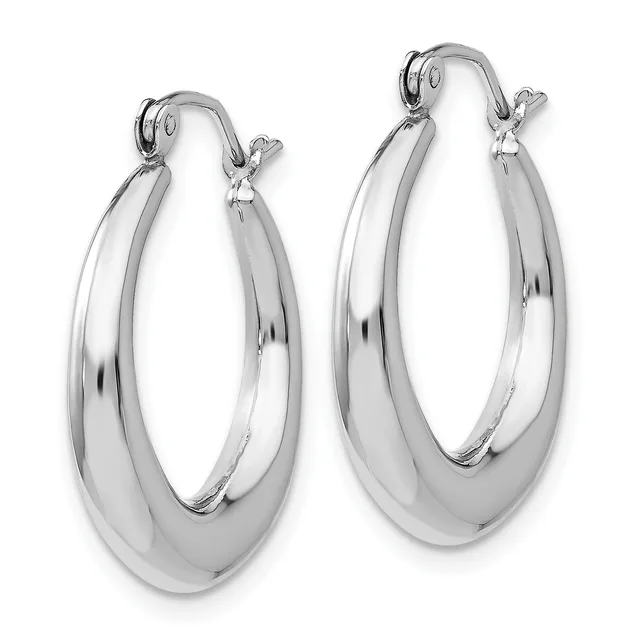
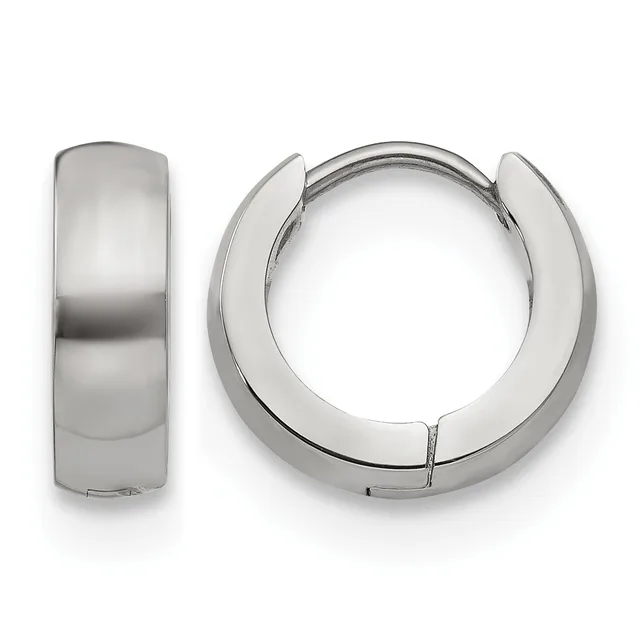
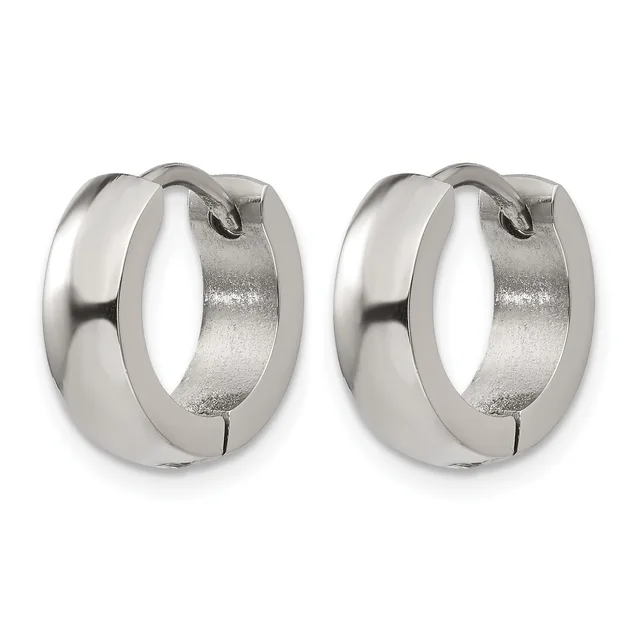
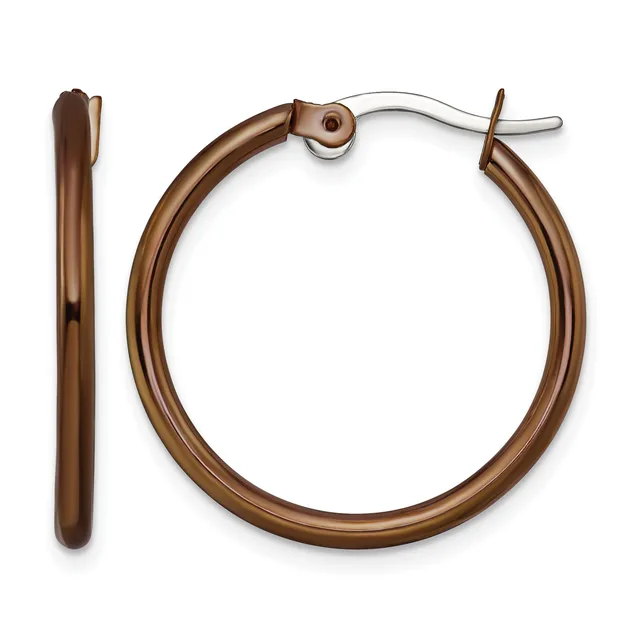
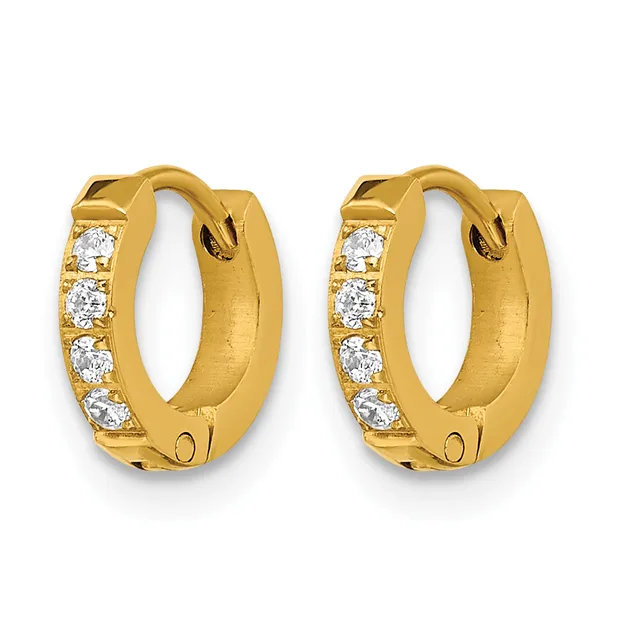
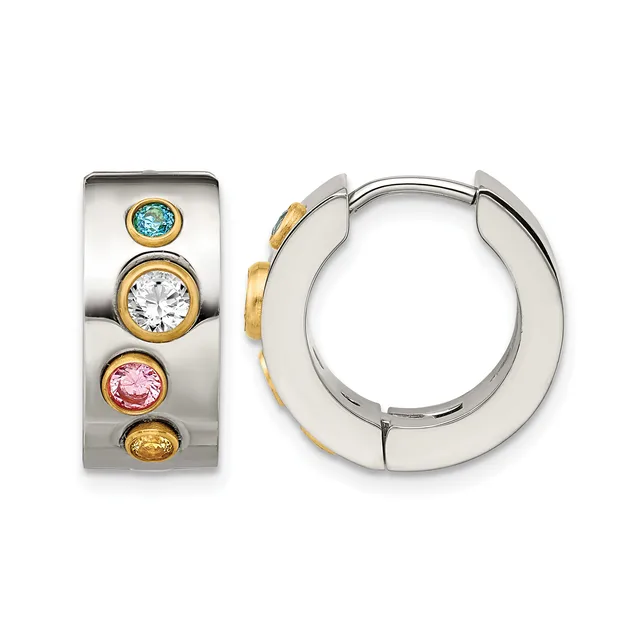
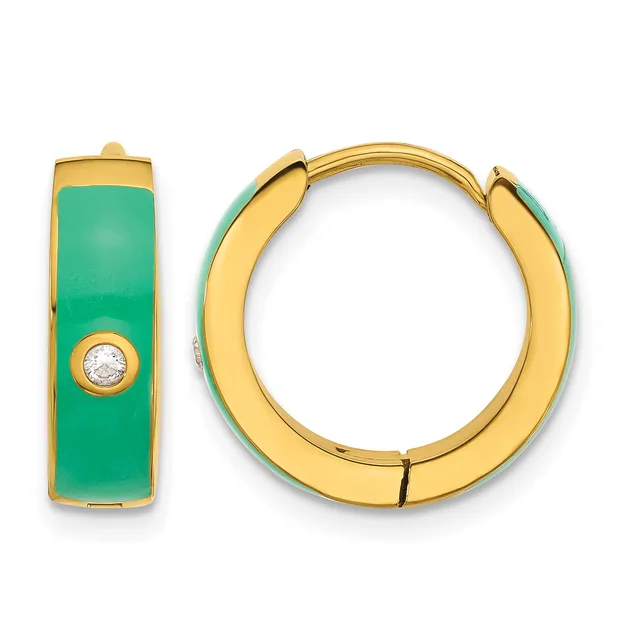
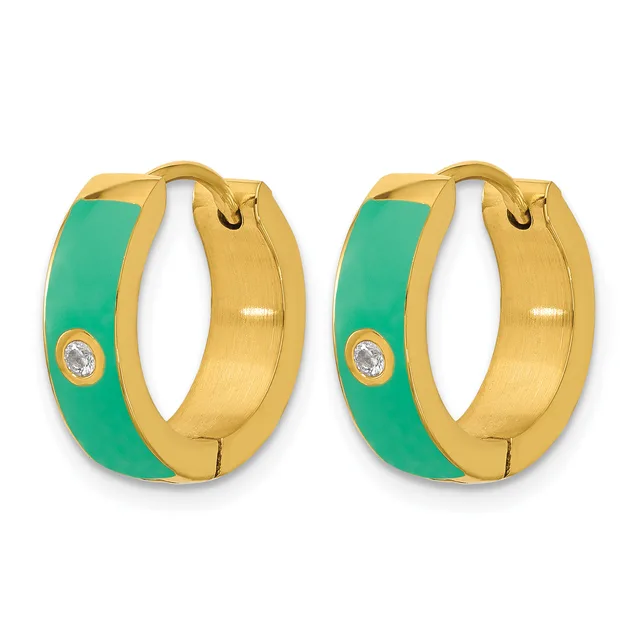
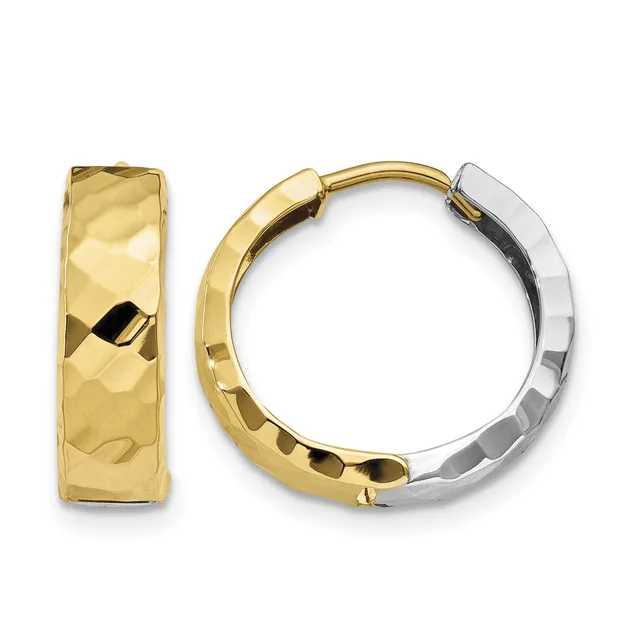
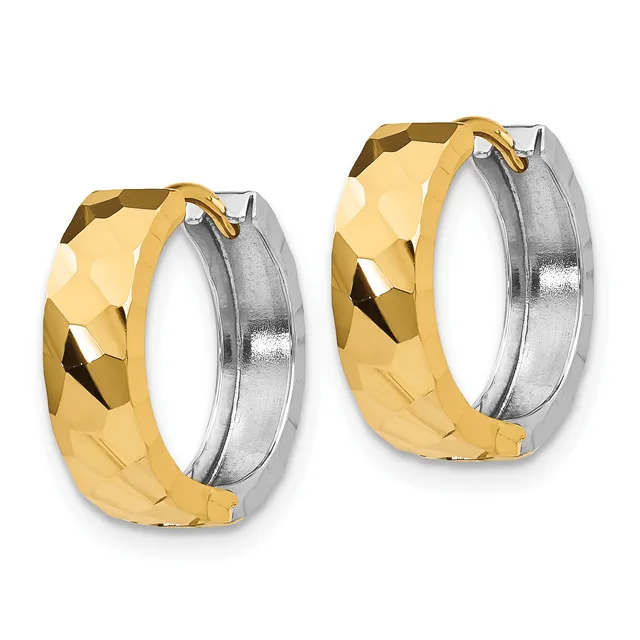
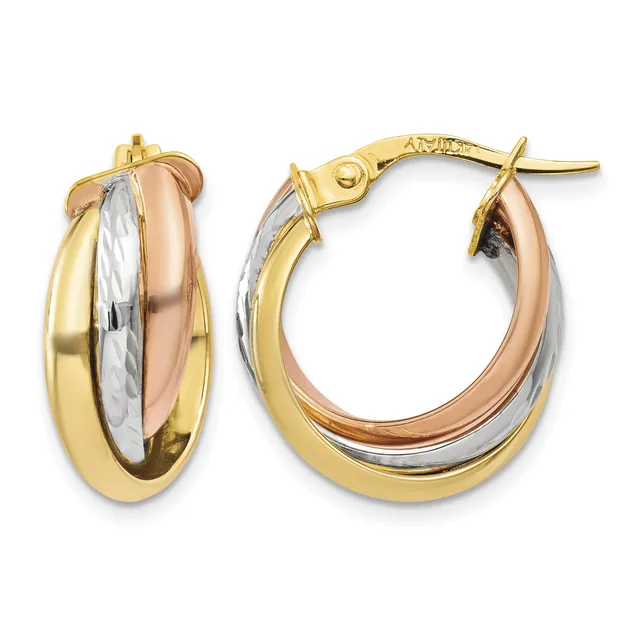
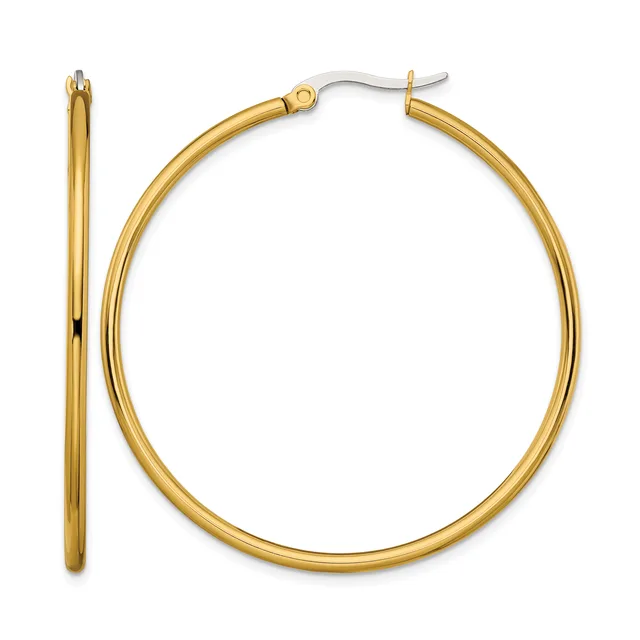
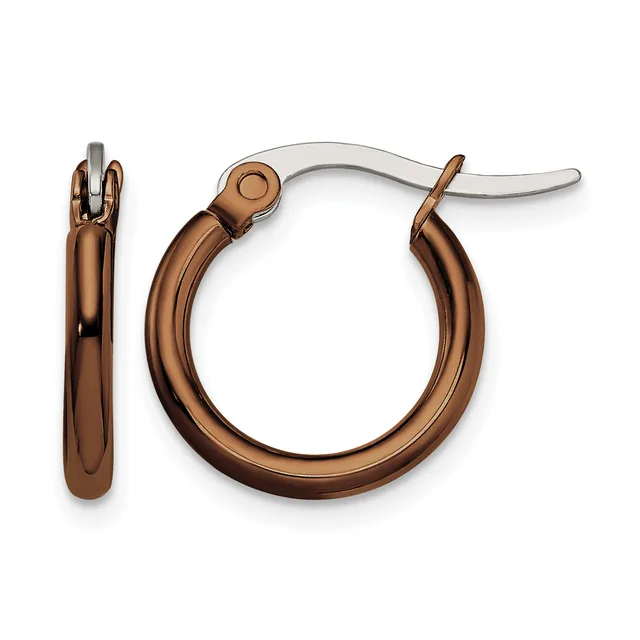
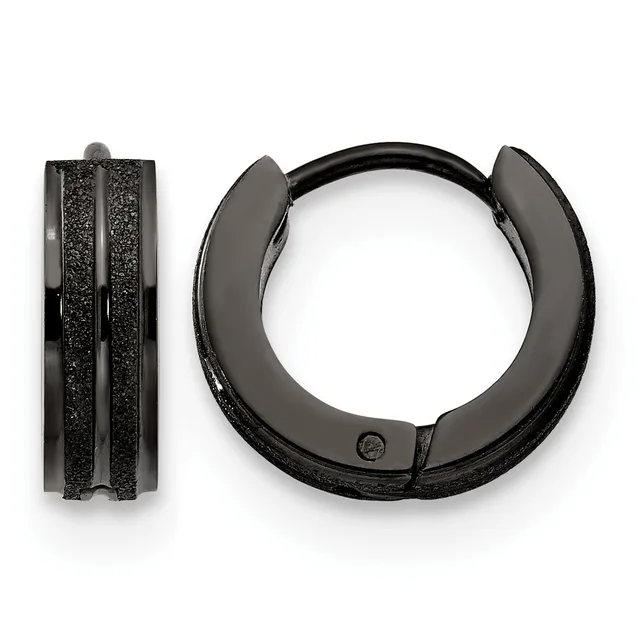
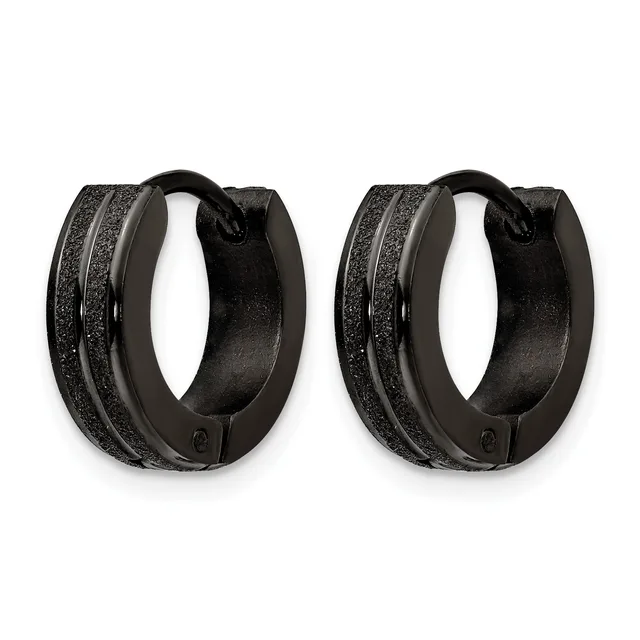
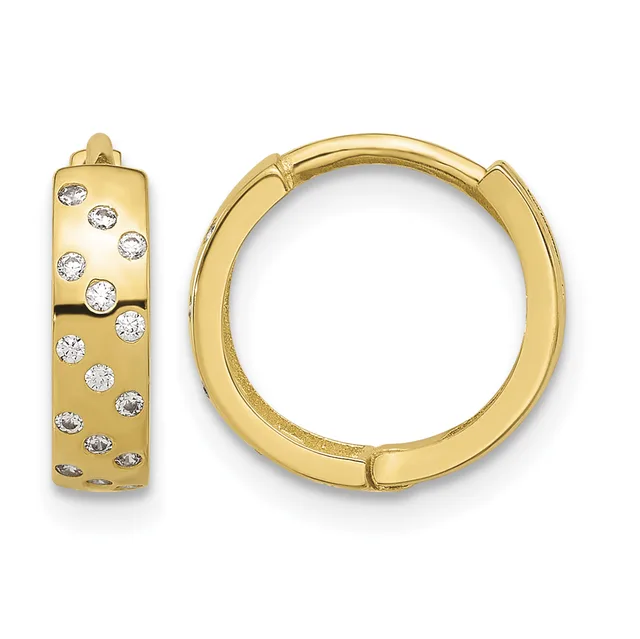
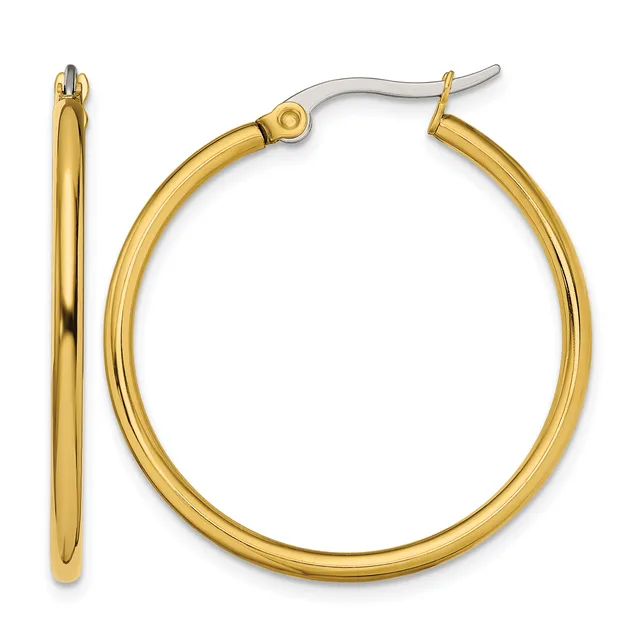
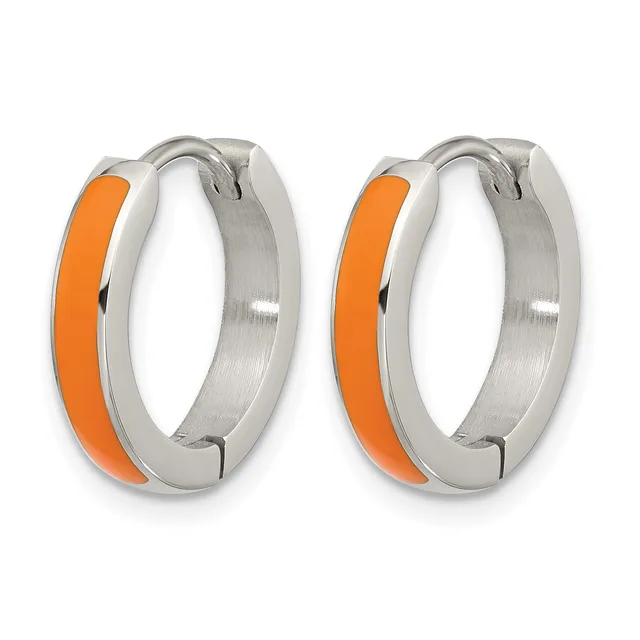
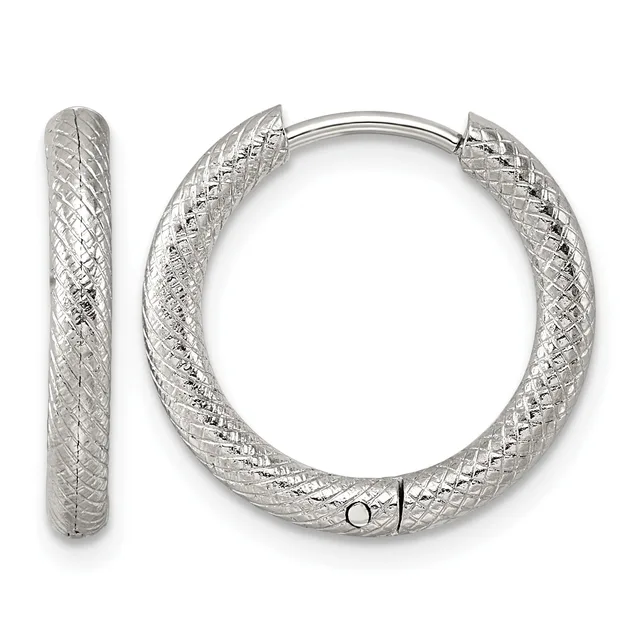
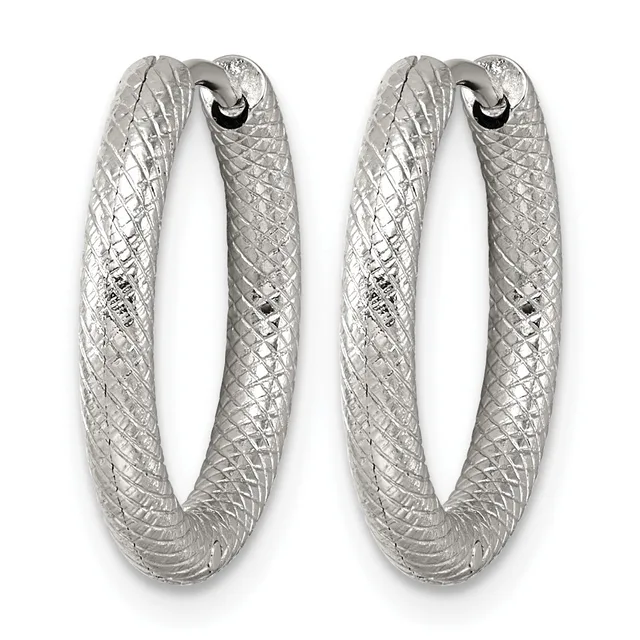
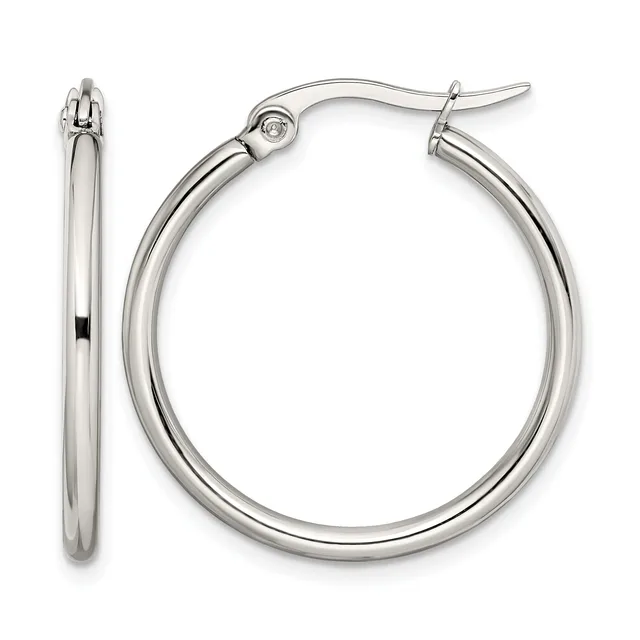
The defining variable in a round hoop is its diameter: a smaller hoop hugs closer to the earlobe and reads as understated, while a larger diameter swings with movement and reads as a statement. Tube width matters too — a fine wire hoop all but disappears, whereas a square-tube hoop has visible geometry and catches light on its flat faces. Within this collection you will also find endless hoops, which have no visible clasp; the wire feeds through the piercing and locks by friction, giving the hoop a perfectly uninterrupted circle. That sleek finish comes with a slightly longer put-on process but no hinge to snag on hair or clothing.
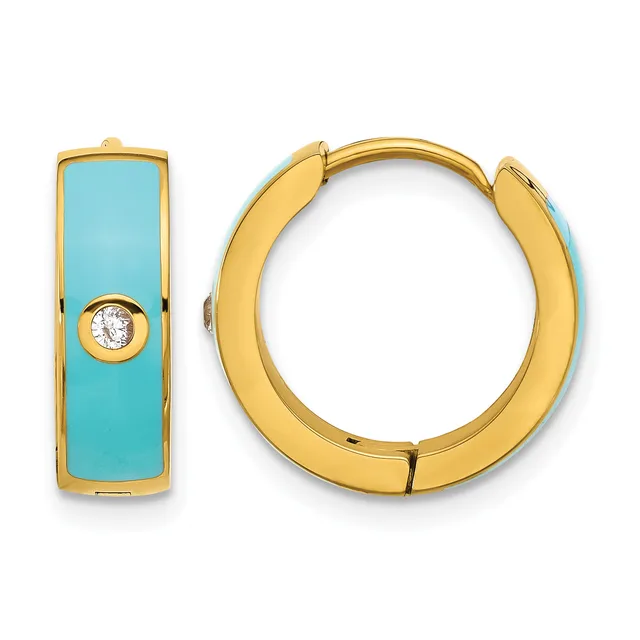
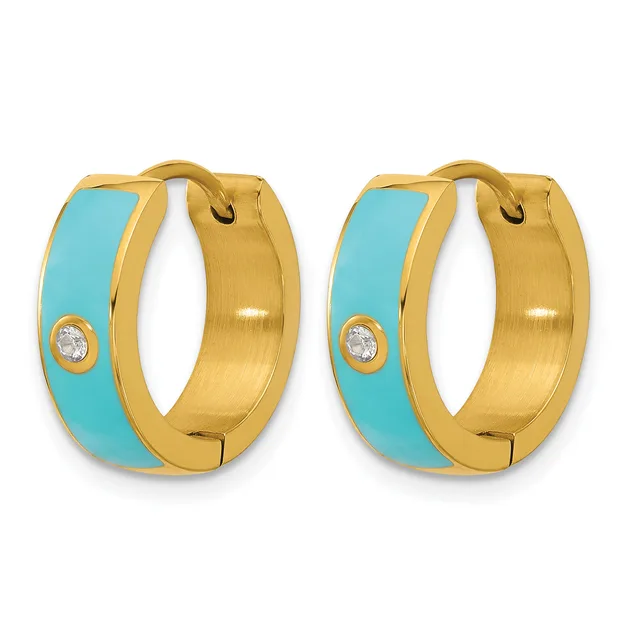
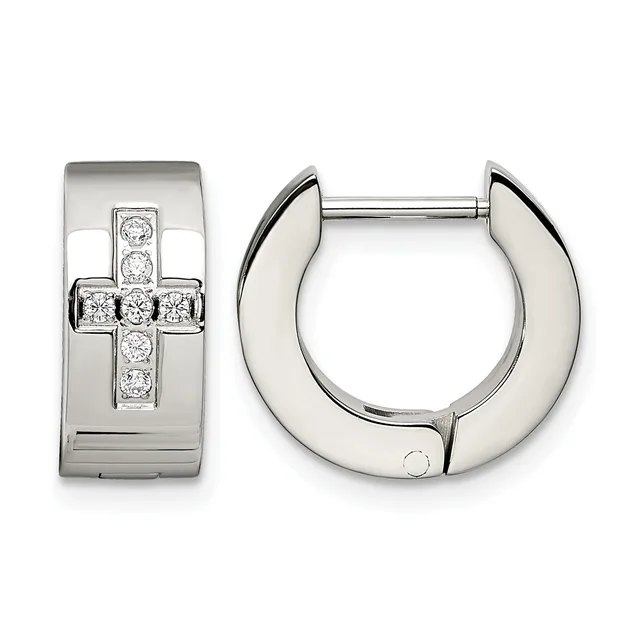
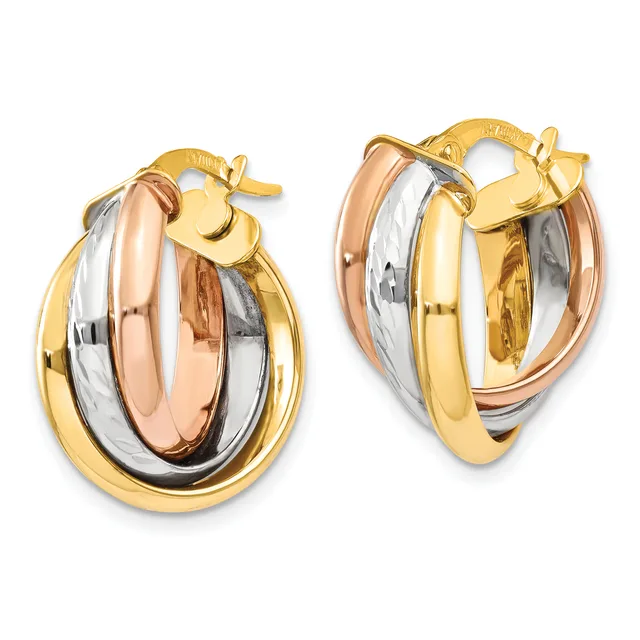
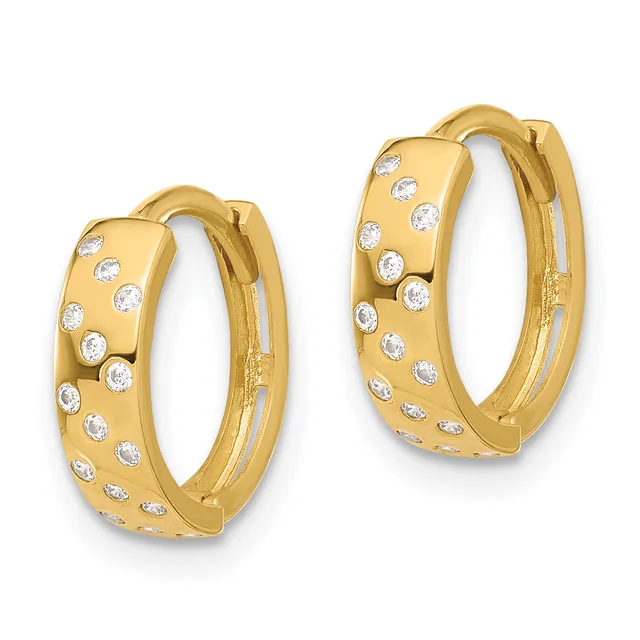
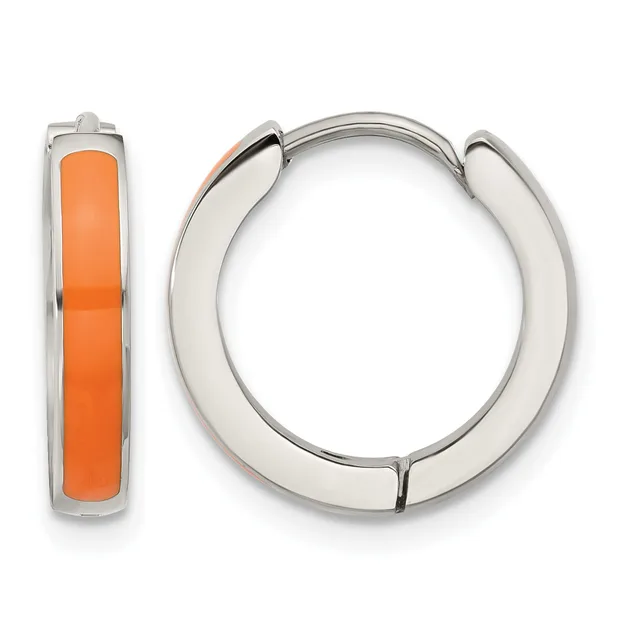
A smaller subset includes themed and cross or heart motifs worked into the hoop itself — the circle is interrupted or accented by the decorative element, which means the earring still sits like a hoop but reads more like a charm piece. Children's styles in this collection are scaled for smaller lobes and are typically made in lighter gauges.
What the Metal Choices Mean in Practice
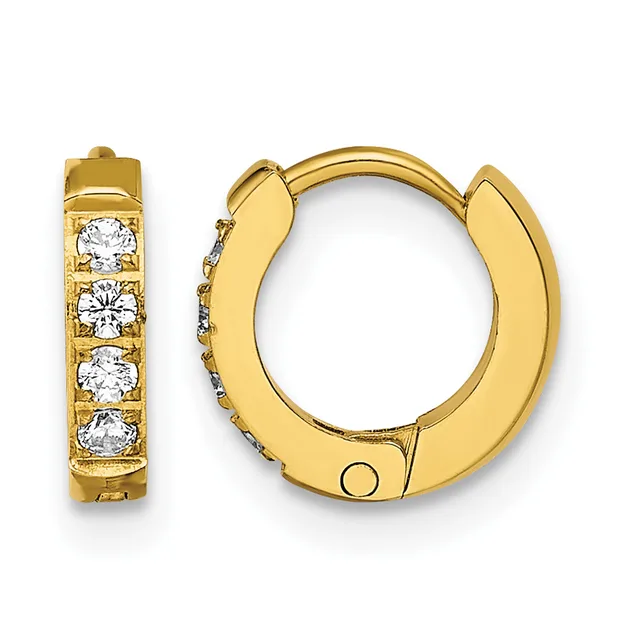
Solid 14k gold is the most durable option here and the standard for diamond-set hoops in this collection — the alloy is hard enough to hold prong or bezel settings securely over years of daily wear. The karat figure (14k versus higher) reflects the ratio of pure gold to alloy metals; 14k strikes a balance between color richness and scratch resistance that makes it well suited to a hoop worn continuously.
Sterling silver (stamped .925) develops a natural patina over time and can be polished back to bright with a soft cloth. It is a practical choice for styles worn regularly but removed at night. Gold-filled constructions — a layer of solid gold pressure-bonded to a base metal core — hold their color longer than plated pieces and are more forgiving for wearers with metal sensitivities, though they are not equivalent to solid gold and should be kept away from prolonged moisture to prevent the layer from lifting at edges over time.
Sizing and Fit
Hoop diameter is measured across the inside of the circle. For reference, a hoop in the 10–15 mm range typically sits just at or slightly below the lobe; 20–30 mm reaches the jaw line on most wearers; anything above 40 mm will move visibly with head motion. If a listing states an inner diameter, add roughly twice the tube width to picture how the finished piece will look from the front. Endless hoops in particular should be measured at inner diameter, since there is no outer clasp adding to the visual width.
Care
Wipe hoops after wear with a lint-free cloth to remove skin oils, which dull any metal over time. Store round hoops flat or hanging — coiling them together scratches the surface. For diamond-set styles, a soft toothbrush with mild soap loosens buildup around prongs; rinse thoroughly and dry before storing. Avoid ultrasonic cleaners for any hoop that has a filled or plated construction, as vibration can accelerate separation of the metal layer.
Frequently asked questions
What is an endless hoop and how does it stay in place?
An endless hoop has no hinge or clasp — the post tapers to a point and slides through the piercing, then tucks into a small opening on the opposite side of the hoop. It stays closed by friction. They take a moment longer to put on than hinged hoops but have a clean, unbroken silhouette.
Are the children's hoops in this collection appropriate for newly pierced ears?
The children's styles here are scaled for smaller lobes and made in lighter gauges, but whether a specific style suits a fresh piercing depends on the metal content and post gauge. Look for solid gold or implant-grade options and confirm the gauge with a piercer before wearing any new earring in a recent piercing.
How do I choose between solid gold and gold-filled hoops?
Solid gold hoops — marked 14k here — are the more durable long-term choice and are required for styles with set diamonds. Gold-filled hoops carry a bonded layer of solid gold over a base metal core, which holds color well with normal wear but can degrade if exposed to water or chemicals repeatedly over time. For daily wear through showers or swimming, solid gold is the practical option.
Do square-tube hoops feel different to wear than round-wire hoops?
A square-tube hoop has flat faces that rest slightly differently against the earlobe compared with a round wire, though most wearers do not notice a comfort difference. The main distinction is visual: the flat surfaces reflect light at sharper angles, giving the hoop more presence at a given diameter than a round wire of the same size.
How do I measure which hoop diameter will work for my ear?
Hoop diameter in listings refers to the inner measurement across the circle. A hoop of roughly 10–15 mm inner diameter sits close to the lobe; 25–30 mm reaches toward the jaw on most ears. If you are unsure, cut a circle of paper at the listed inner diameter and hold it to your ear — it gives a reliable preview of how the finished hoop will sit.