
What Religious Medals Are
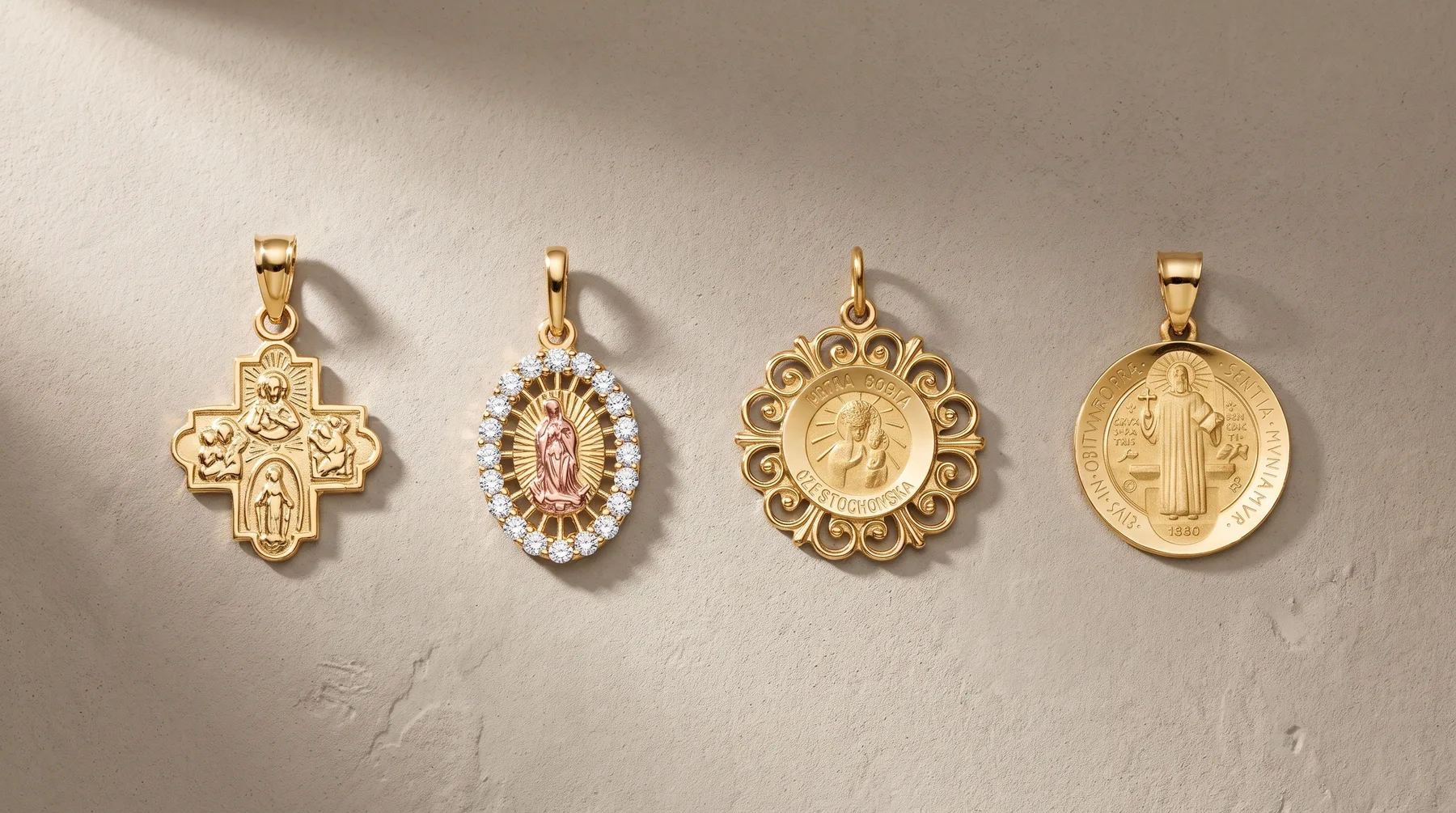
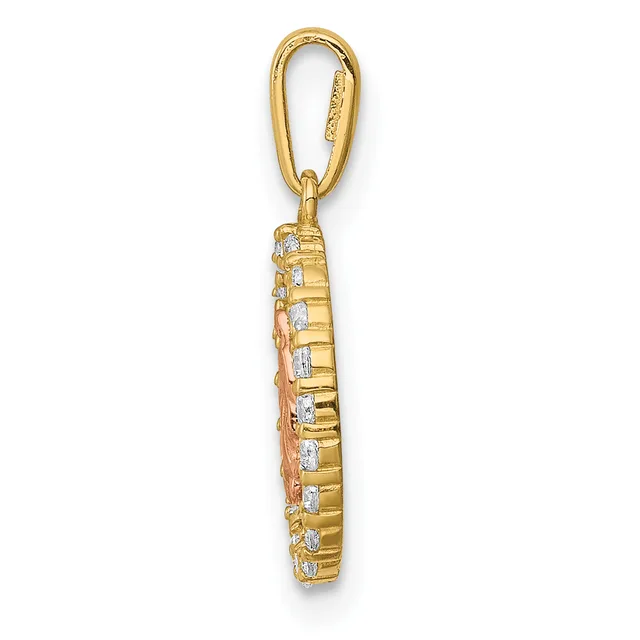
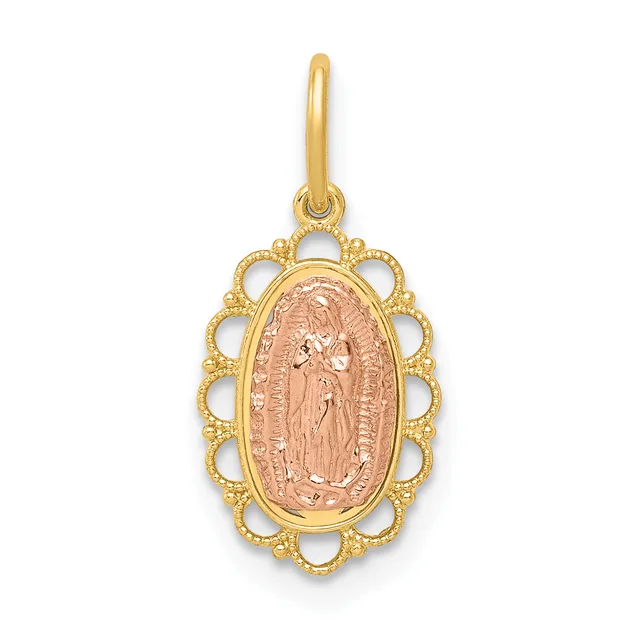
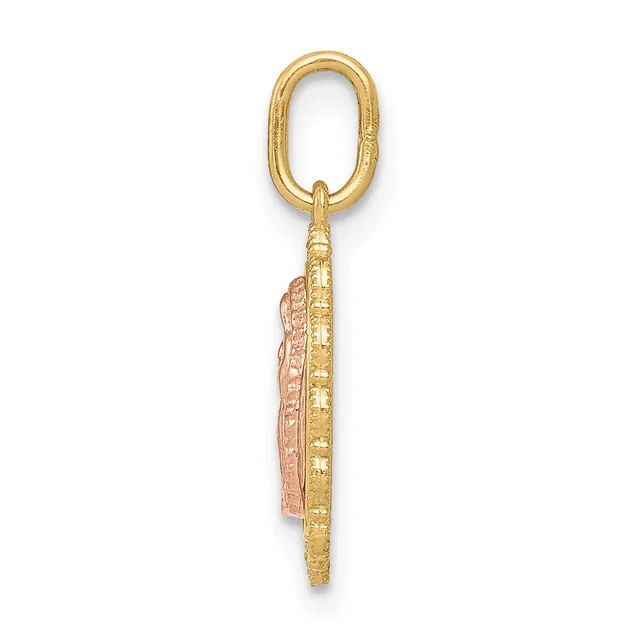
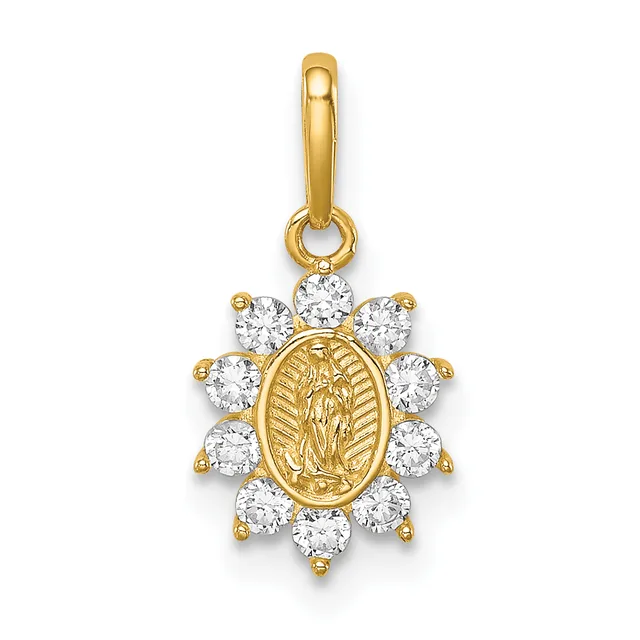
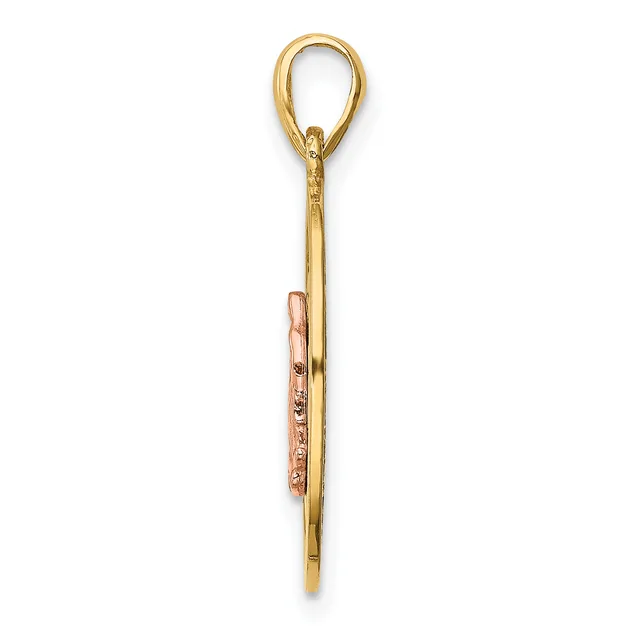
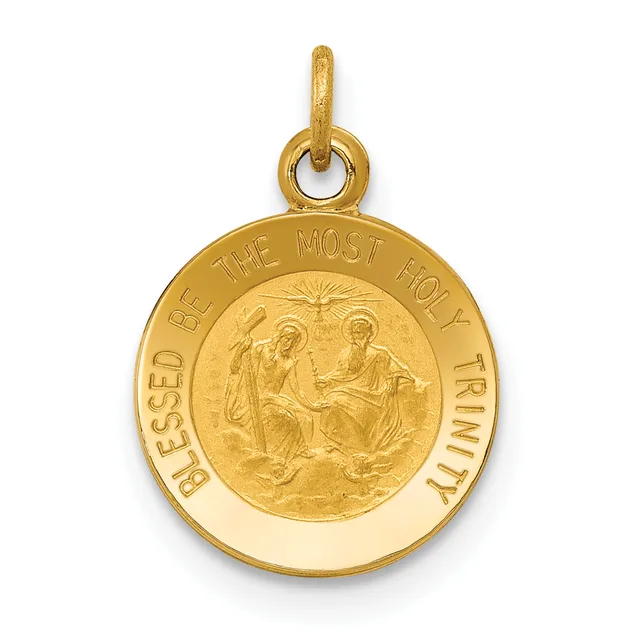
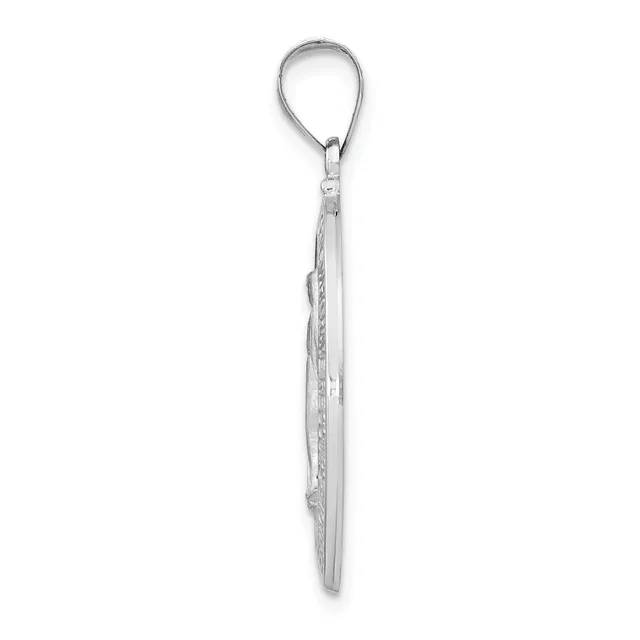
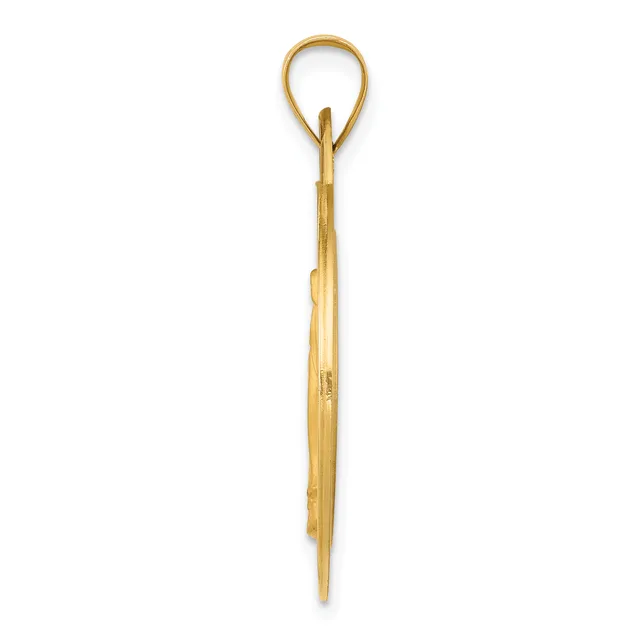
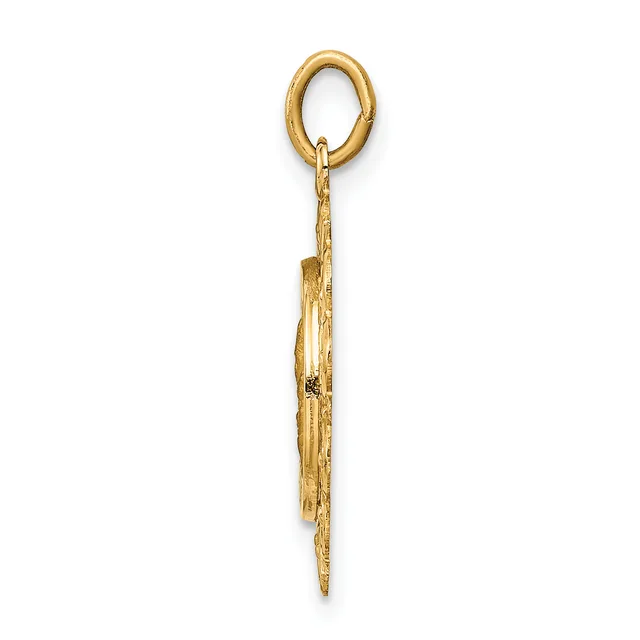
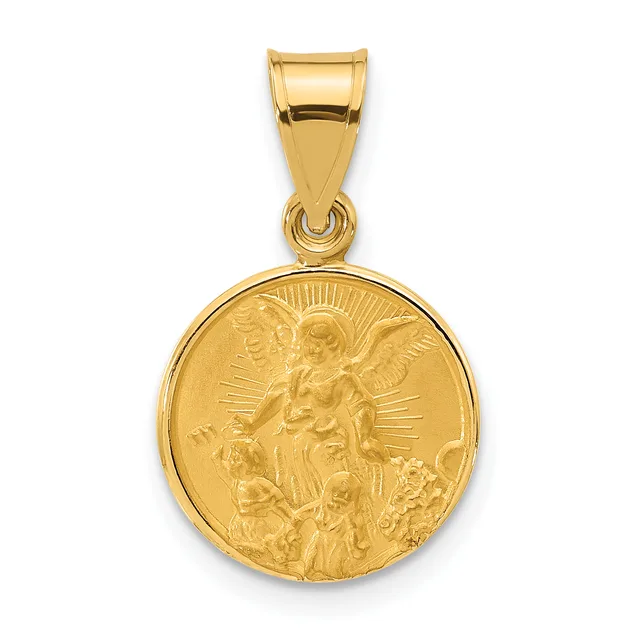
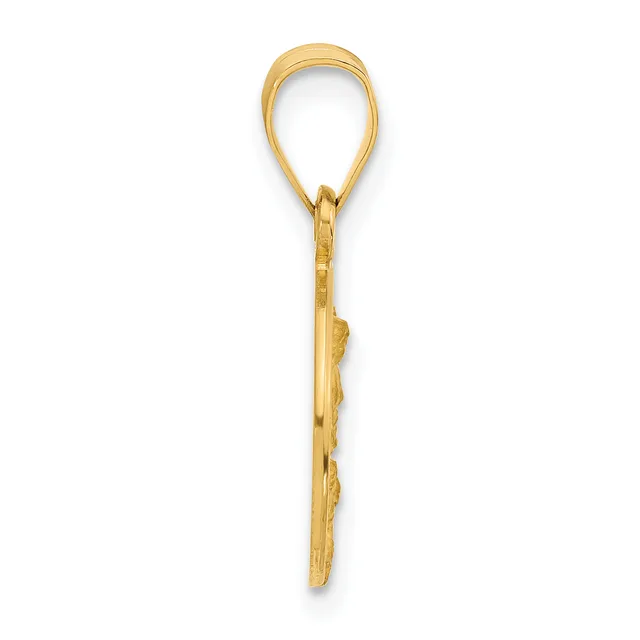
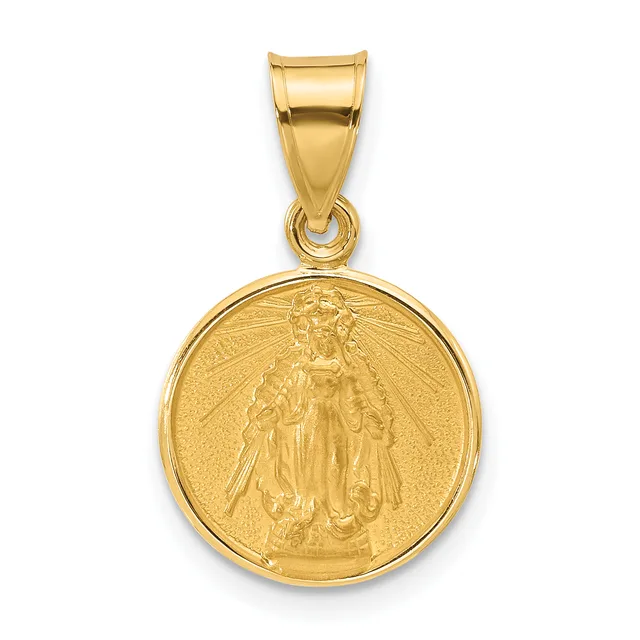
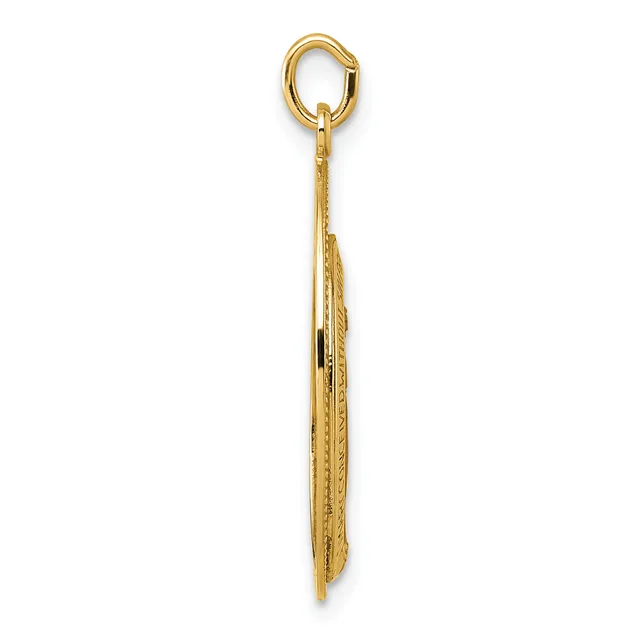
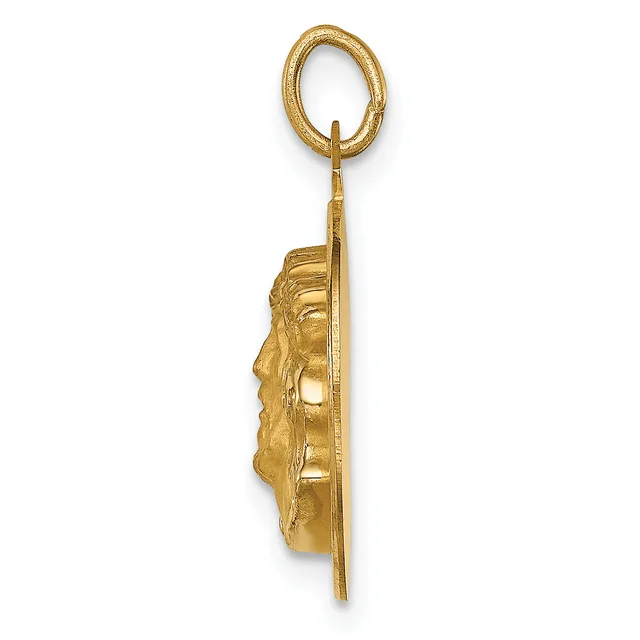
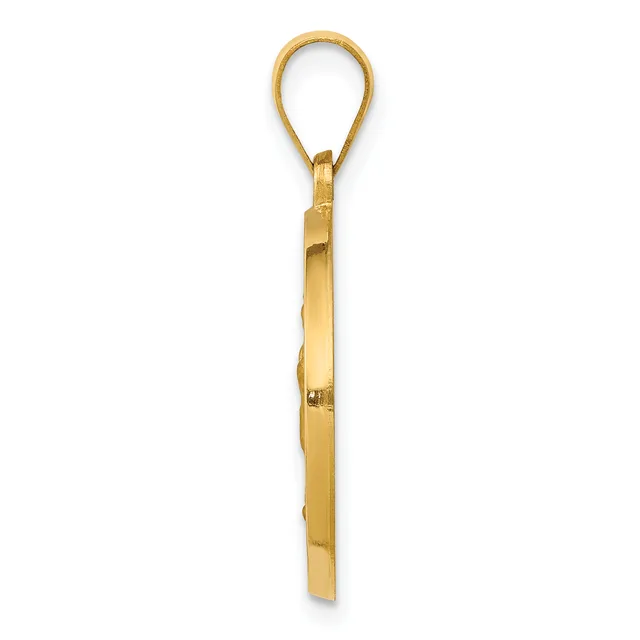
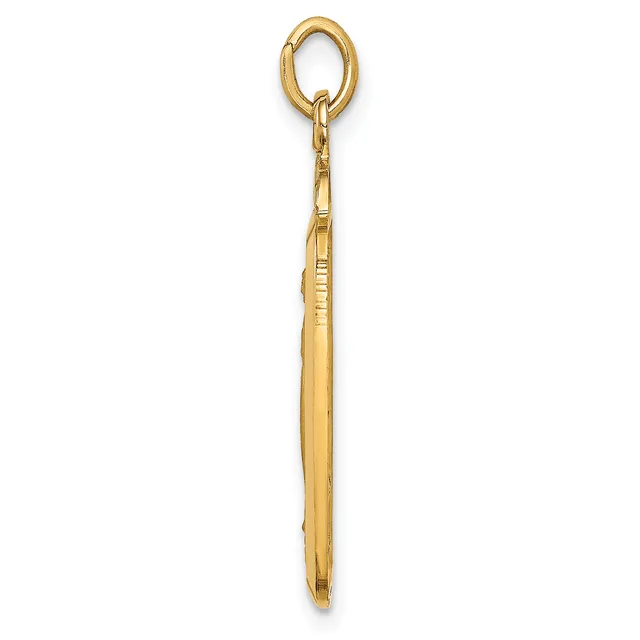
A medal is a devotional pendant, typically struck or cast with the image of a sacred figure, symbol, or scene. Unlike a purely decorative charm, a medal carries intentional meaning: it marks a relationship between the wearer and the subject depicted. The subjects here include Marian figures, representations of Christ, the Holy Spirit, the Trinity, and the cross in both classical and more ornate forms. Because the pieces are worn as daily reminders of faith, they are made to endure — the materials and construction matter as much as the imagery.
Reading the Imagery
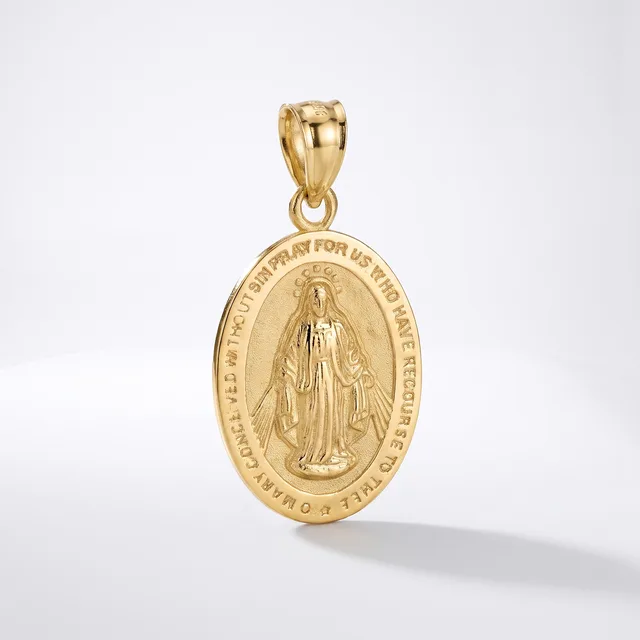
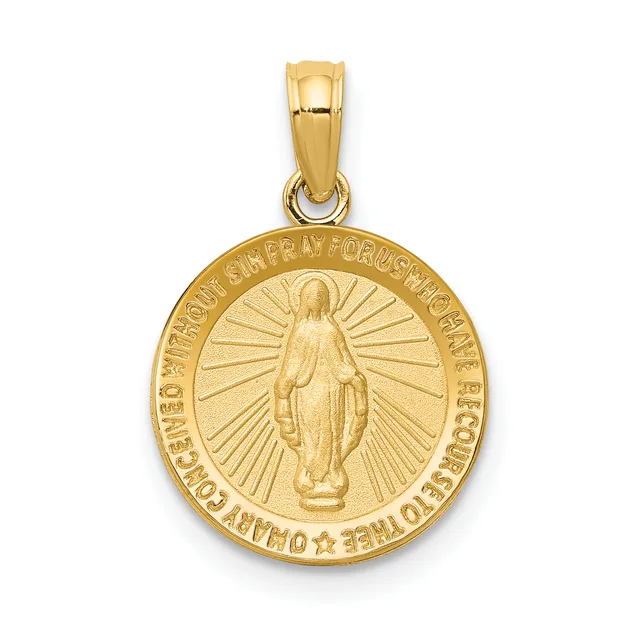
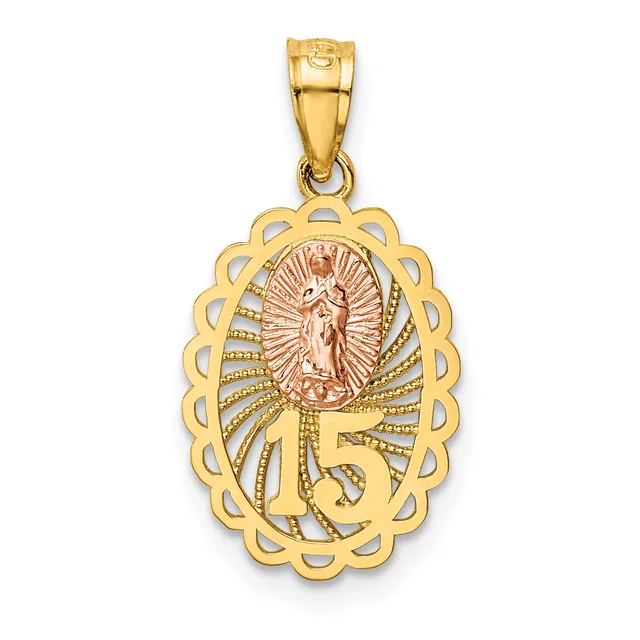
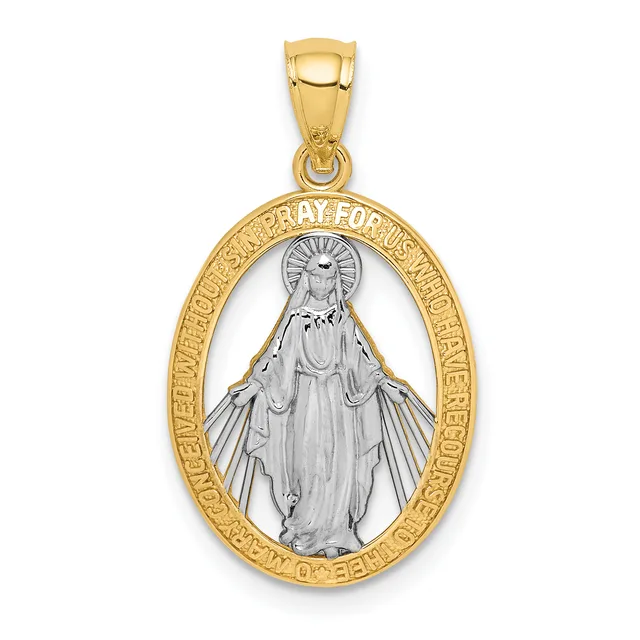
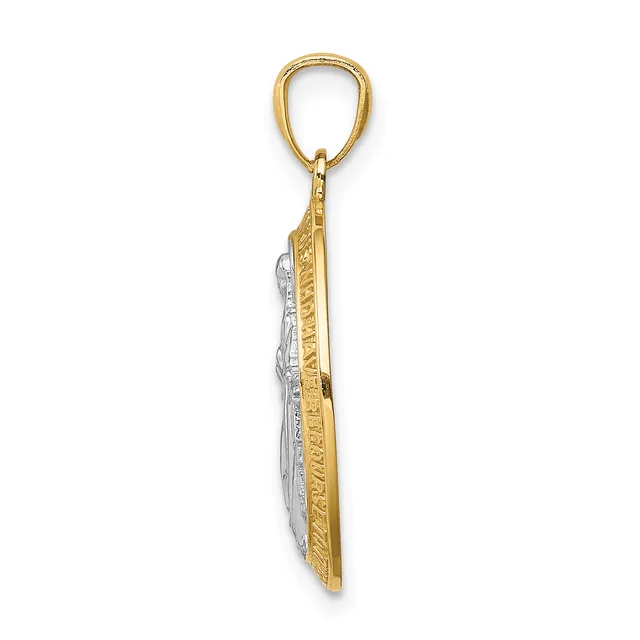
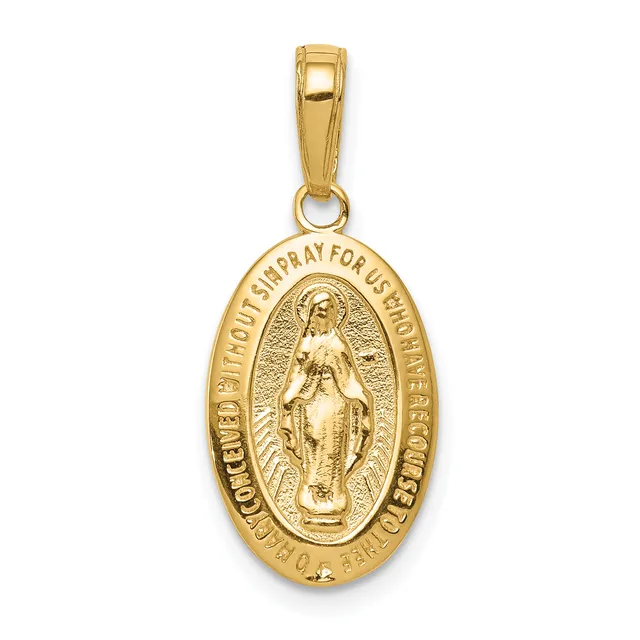
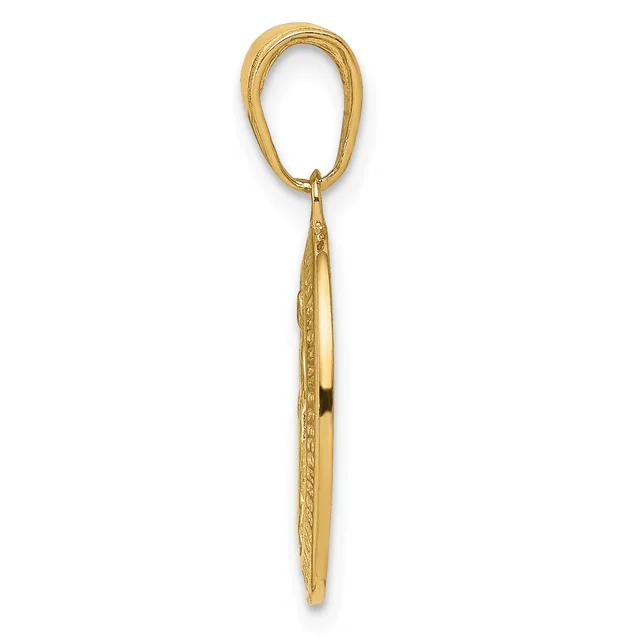
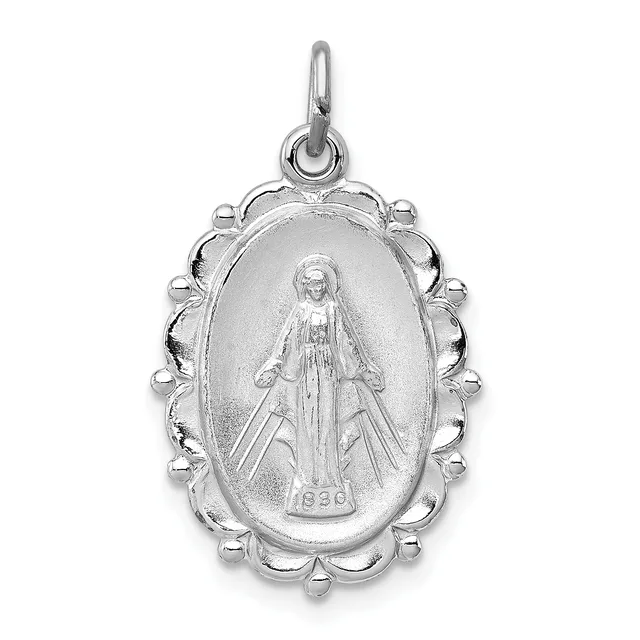
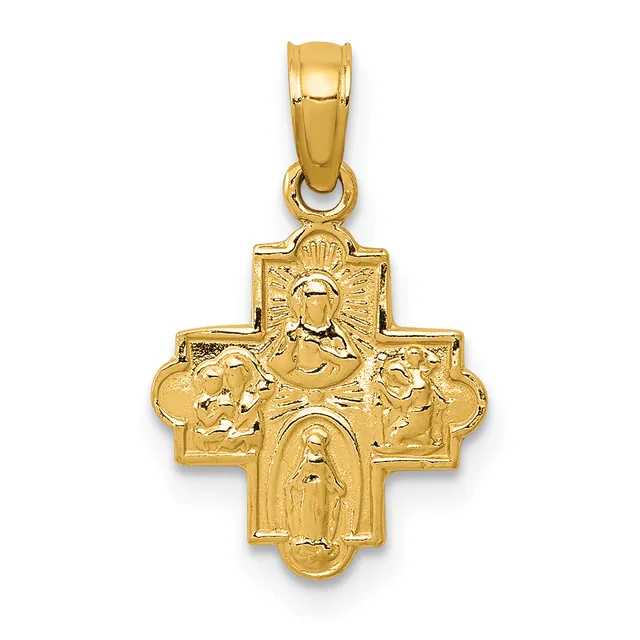
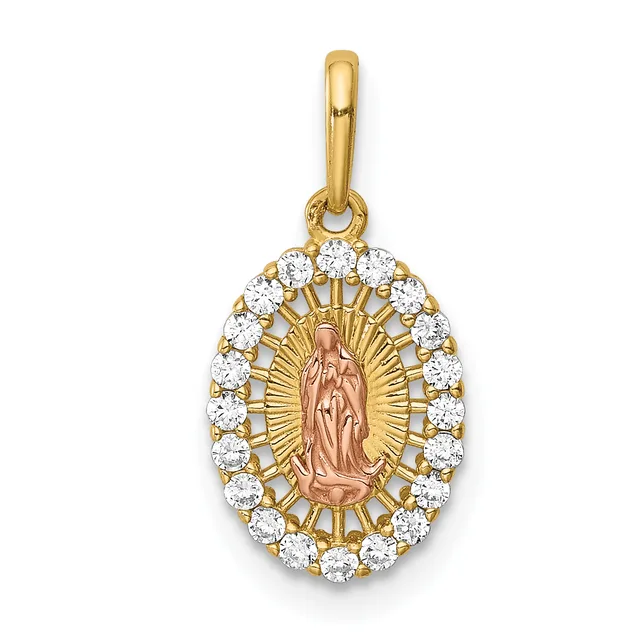
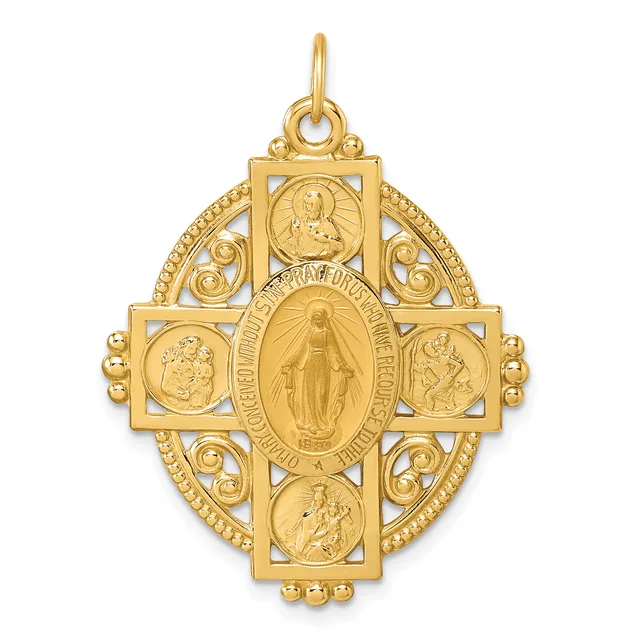
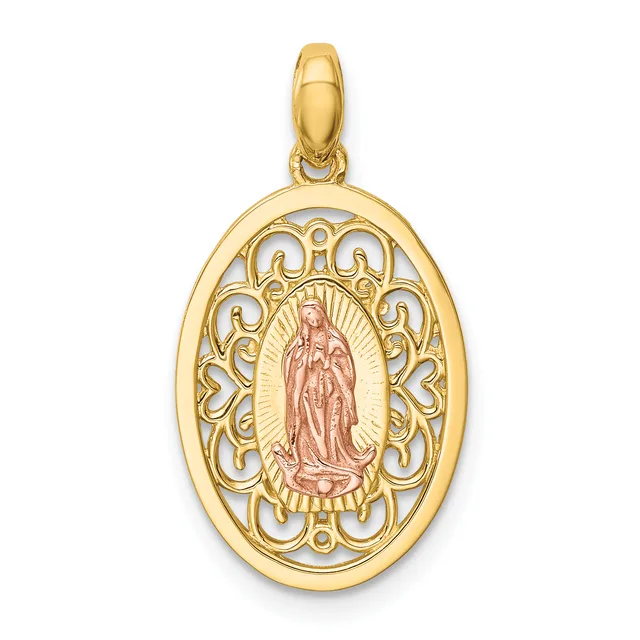
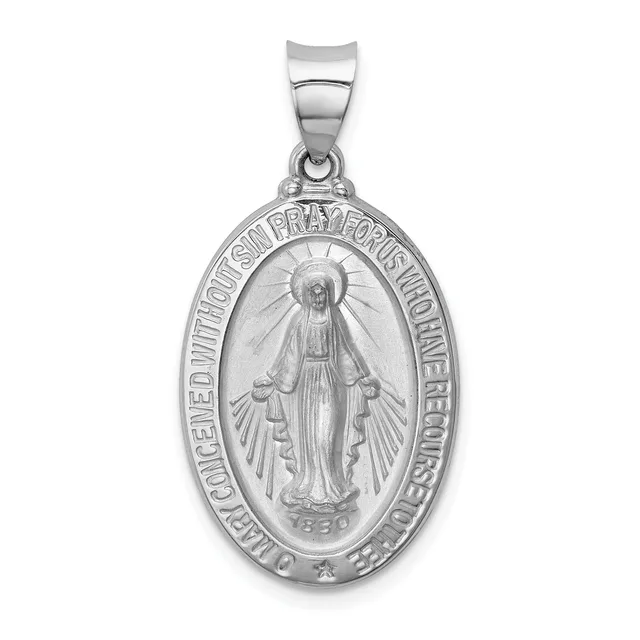
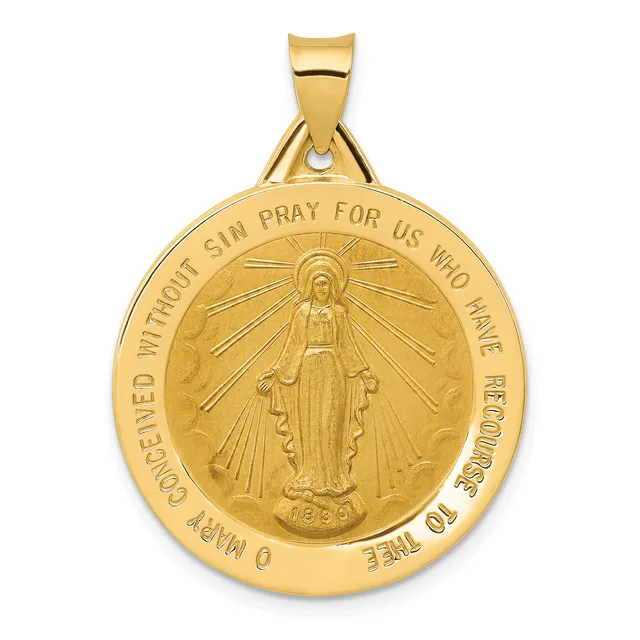
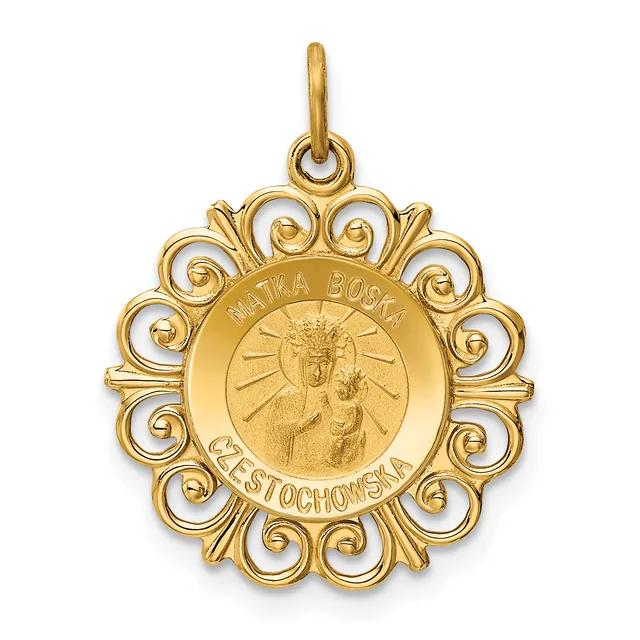
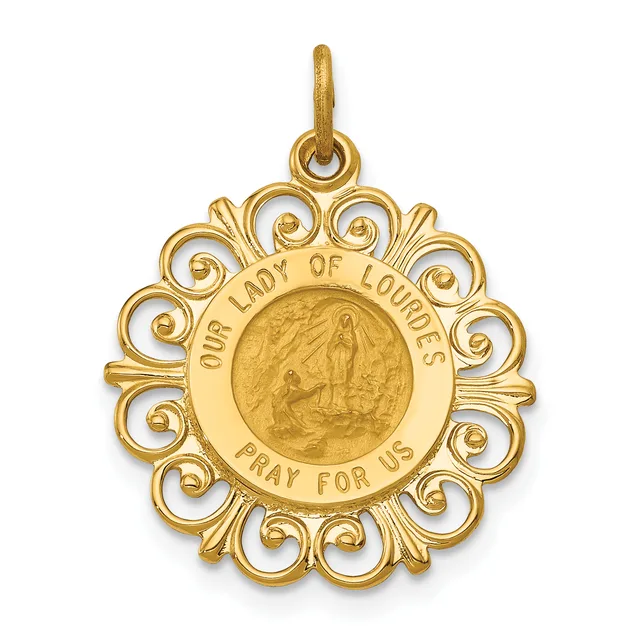
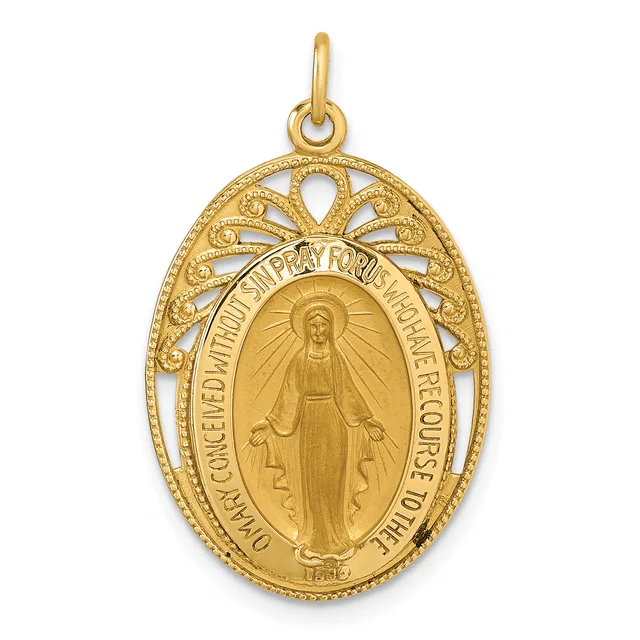
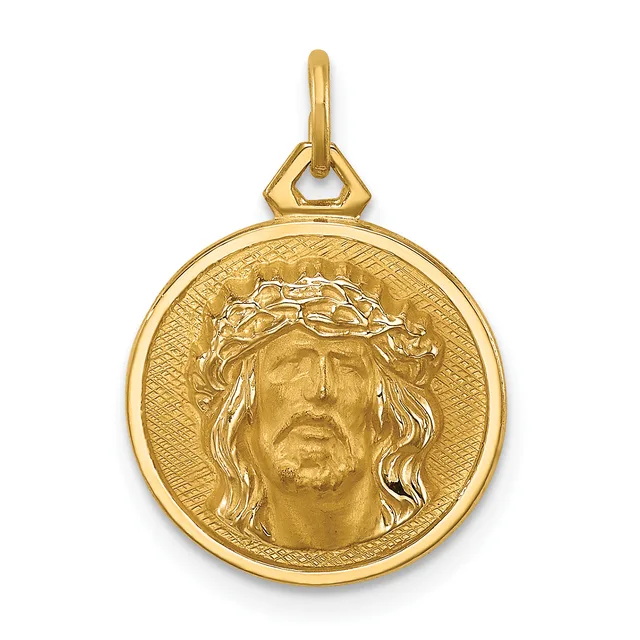
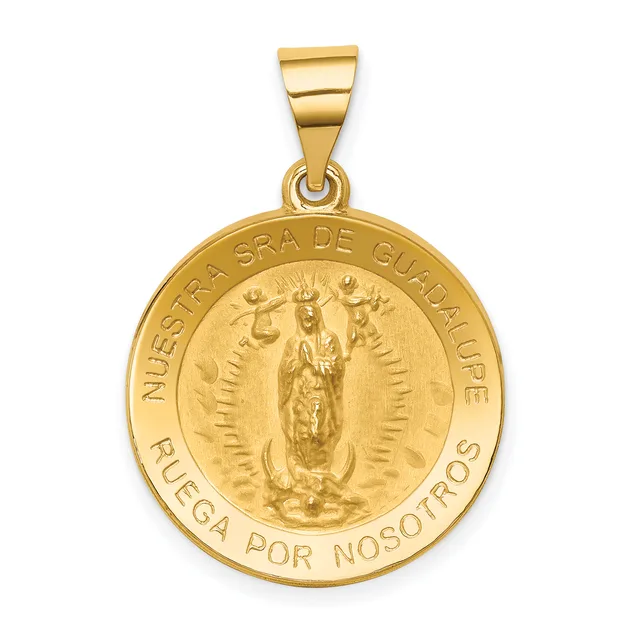
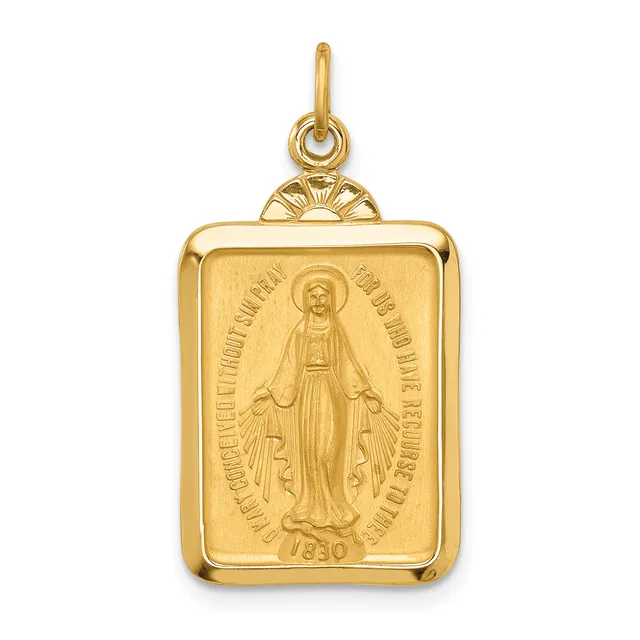
Marian medals differ in the specific apparition or title they depict. Our Lady of Guadalupe and Our Lady of Lourdes, for example, each carry distinct iconographic details — the tilma rays and the roses on one, the grotto and the spring on the other — so the choice is often personal to the wearer's own tradition or devotion. Miraculous medals follow a consistent format established by their origin, making them recognizable across styles. Cross pendants range from plain Latin crosses to elaborate fancy crosses with additional decorative work, and Christ-centered medals may show a portrait bust or a full figure. If you are choosing a medal as a gift, knowing which figure or title carries meaning for the recipient is the most useful starting point.
Materials and Wearability
Precious metal gives a devotional medal its longevity. Gold resists tarnish and does not require the same maintenance as silver, making it practical for a piece worn every day. The karat of gold affects both color depth and hardness: higher karats carry richer yellow tone but are slightly softer, while lower karats are harder wearing. Sterling silver develops a patina over time that many wearers find adds character, though occasional polishing with a soft cloth keeps it bright. Because medals are generally worn against skin or clothing and rarely removed, choosing a metal you are comfortable with long-term is worth considering from the outset.
Choosing Size and Chain
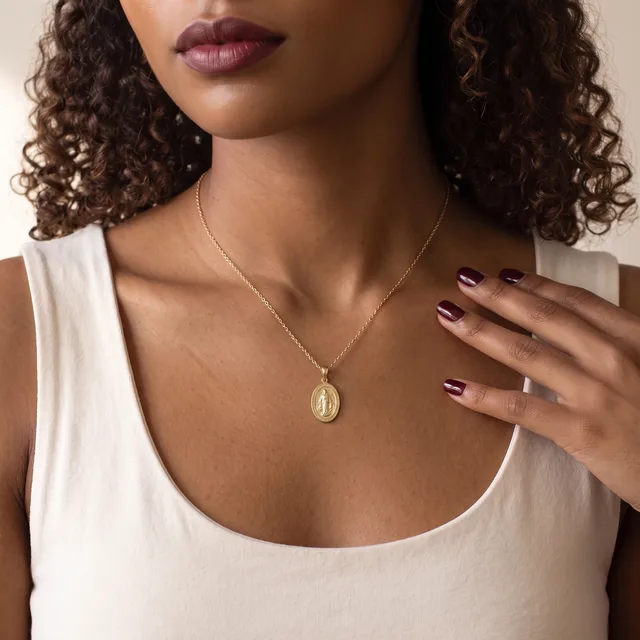
Medal diameter is worth checking before purchase, as devotional medals range from small, discreet rounds to larger statement pieces with more room for detail. A fine chain suits a smaller medal and keeps the focus on the imagery; a heavier chain balances a larger, more substantial pendant. If the medal is intended for layering with other necklaces, a shorter chain — typically 16 to 18 inches — helps it sit at the right level. Many medals are sold as pendants alone, so pairing them with a chain of your preferred length and weight gives you full control over how the finished piece wears.
Frequently asked questions
Are these medals meant for everyday wear or occasional use?
They are made in precious metal specifically because devotional medals are traditionally worn continuously. That said, removing any fine jewelry before swimming or sleeping extends its life.
Do the medals come with a chain, or is the pendant sold separately?
It varies by piece — the product listing will state whether a chain is included. When a pendant is sold alone, you can select a chain in a length and weight that suits how you plan to wear it.
How do I choose between gold and silver for a medal?
Gold requires less upkeep and does not tarnish, making it a practical choice for a piece worn daily. Sterling silver polishes easily and carries a cooler, brighter tone — the right choice depends on the wearer's preference and how much maintenance they want.
What is the difference between the various Marian medals here?
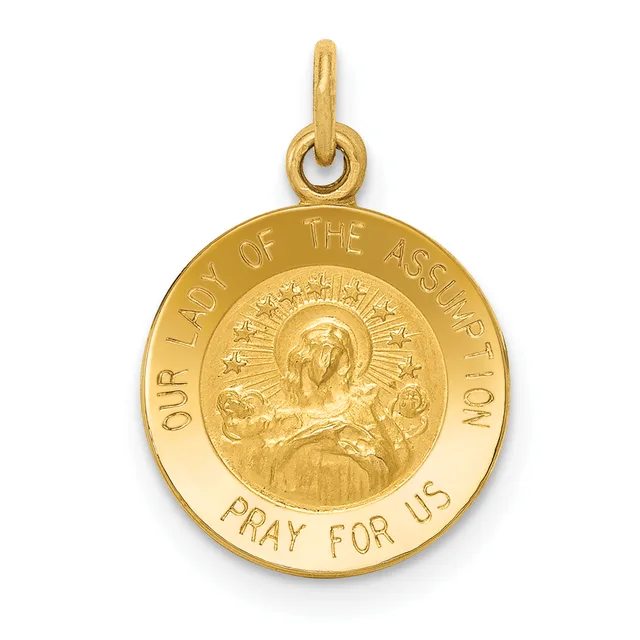
Each title — Miraculous, Our Lady of Guadalupe, Our Lady of Lourdes, Our Lady of the Assumption — refers to a distinct apparition or theological title, each with its own iconography. The choice is usually guided by personal or family devotion rather than visual preference alone.
Can a religious medal be given as a gift for a non-religious occasion?
Many people give medals to mark sacramental milestones such as baptism, first communion, or confirmation, but they are equally appropriate as personal gifts whenever the subject holds meaning for the recipient.