
How the styles here differ
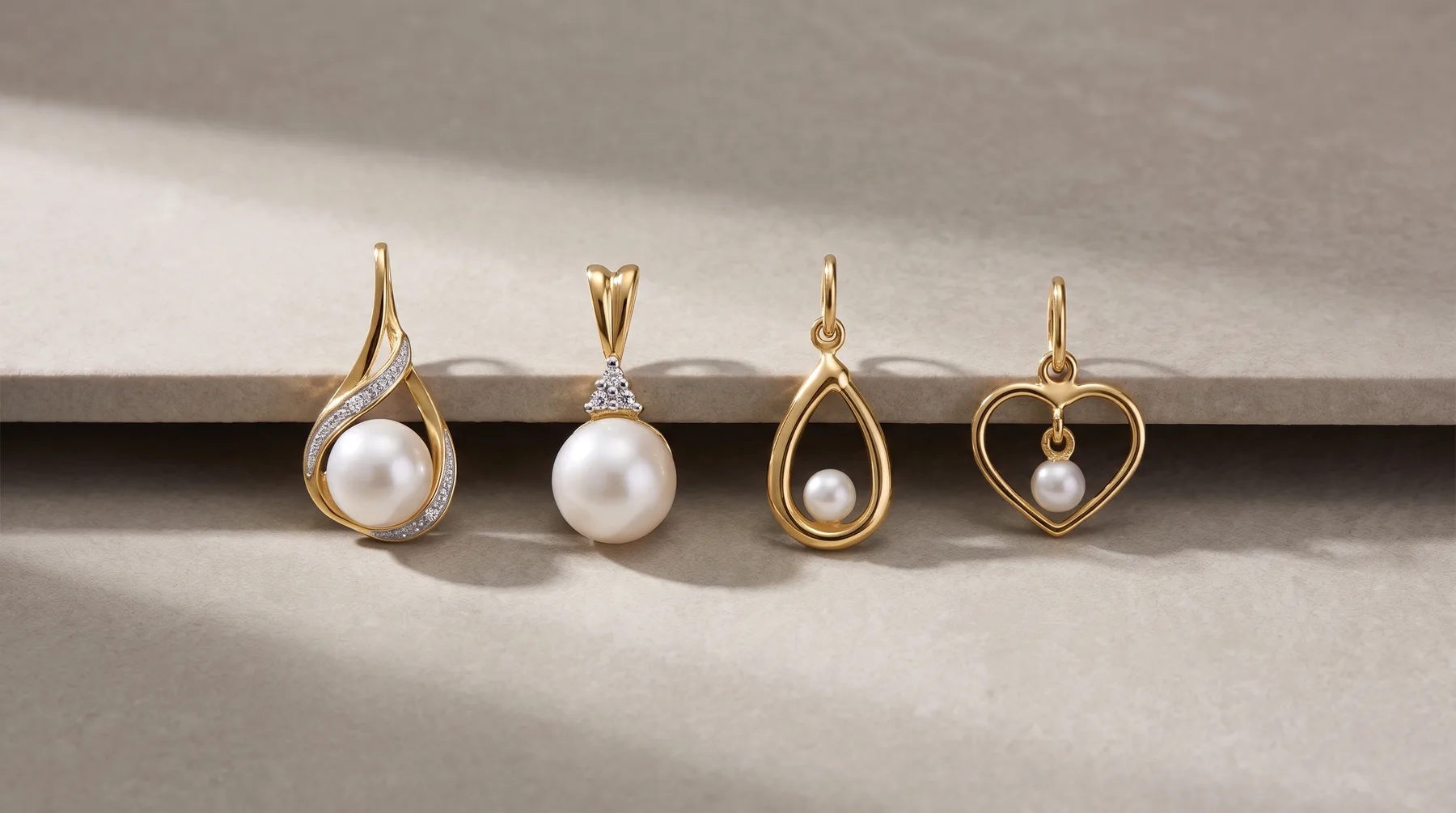
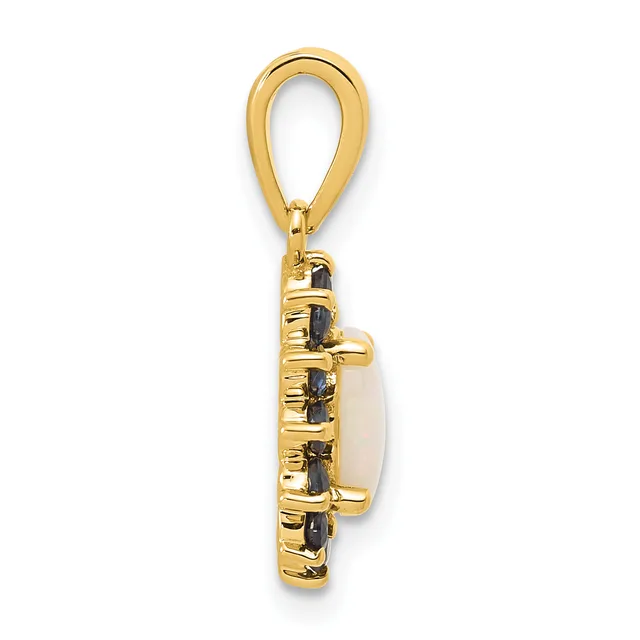
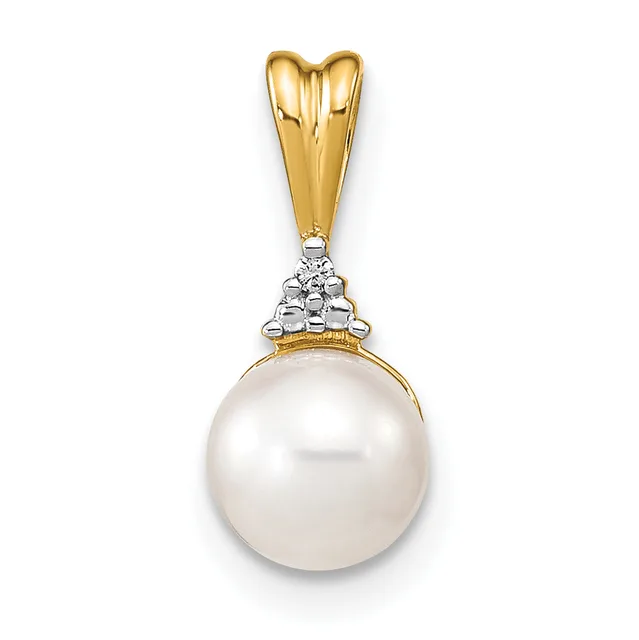
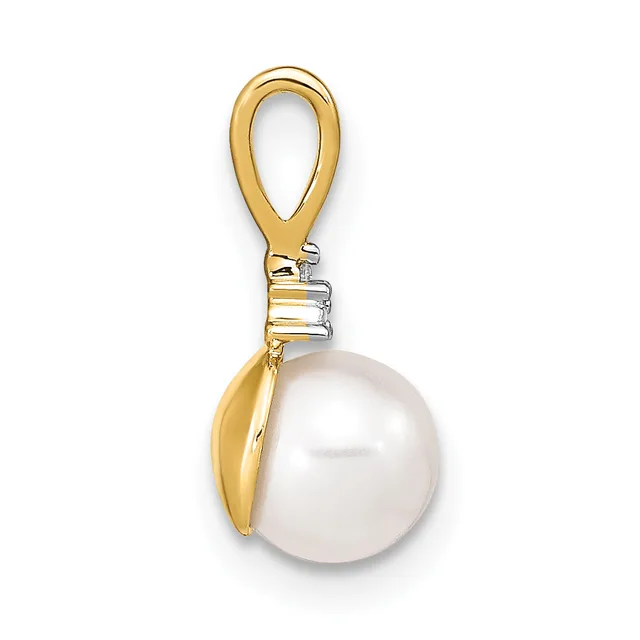
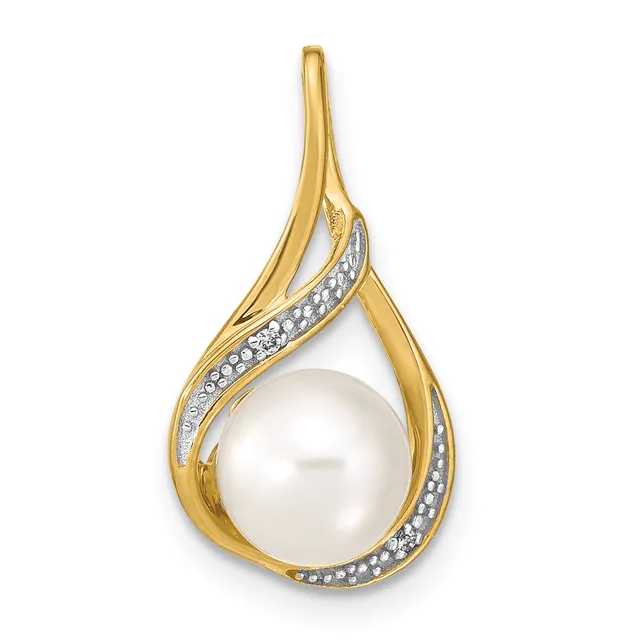
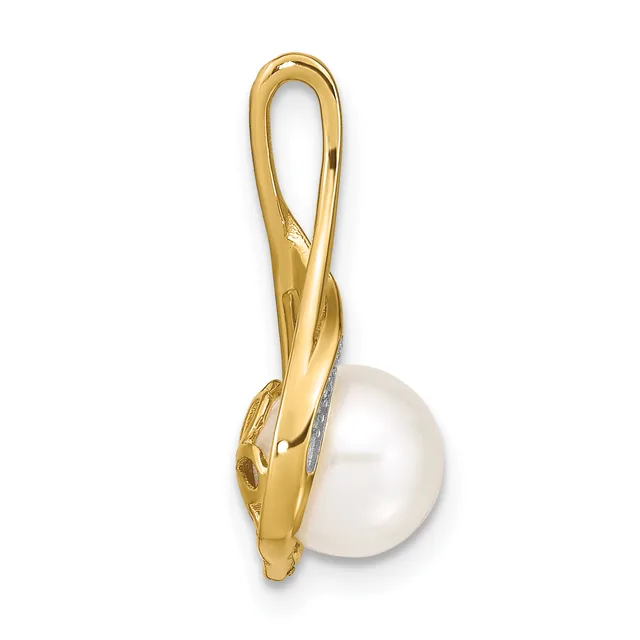
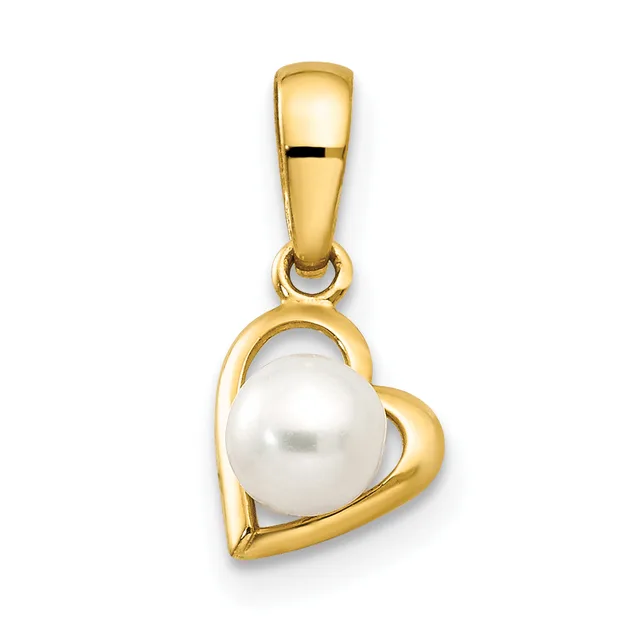
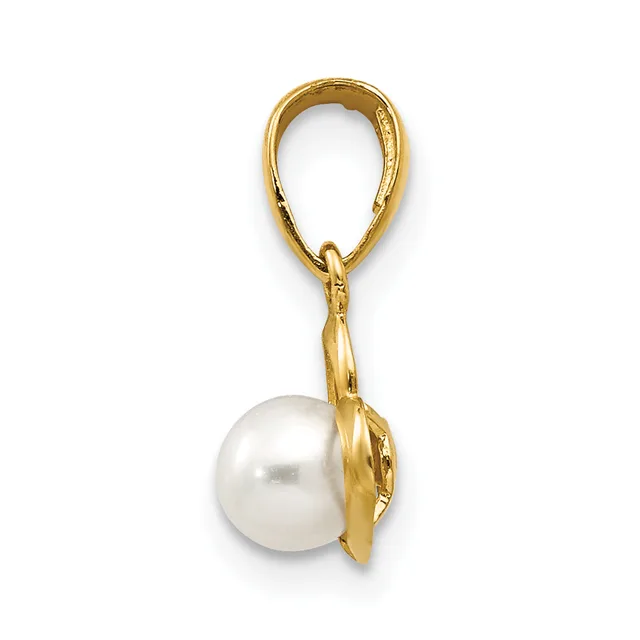
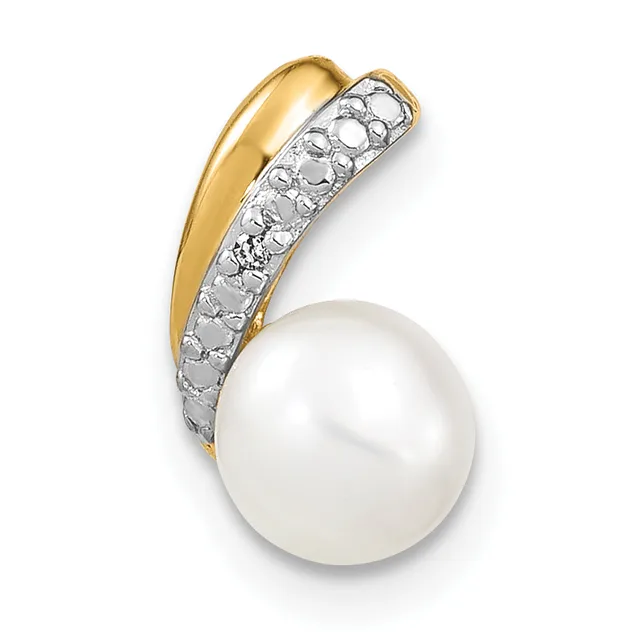
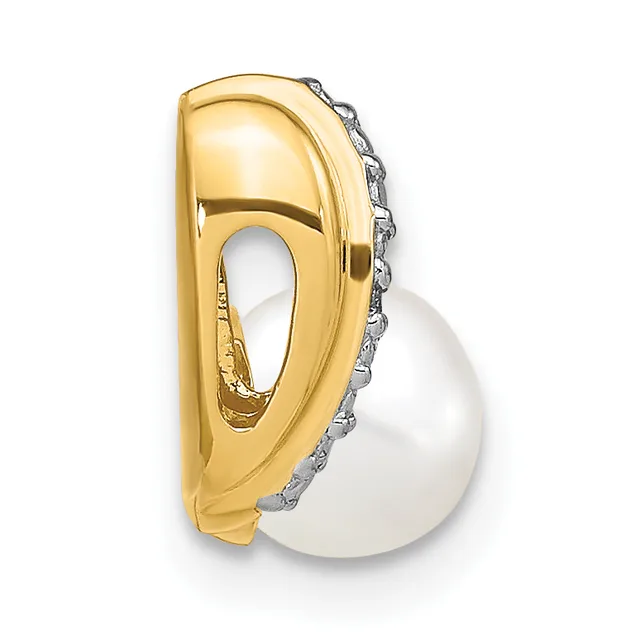
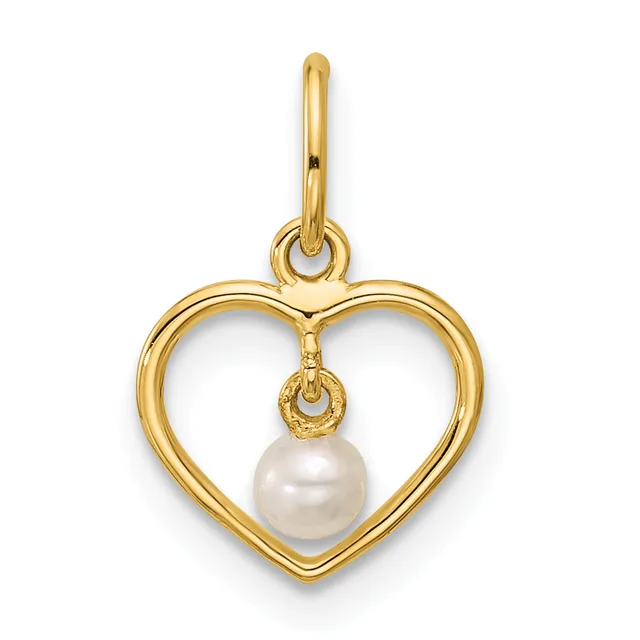
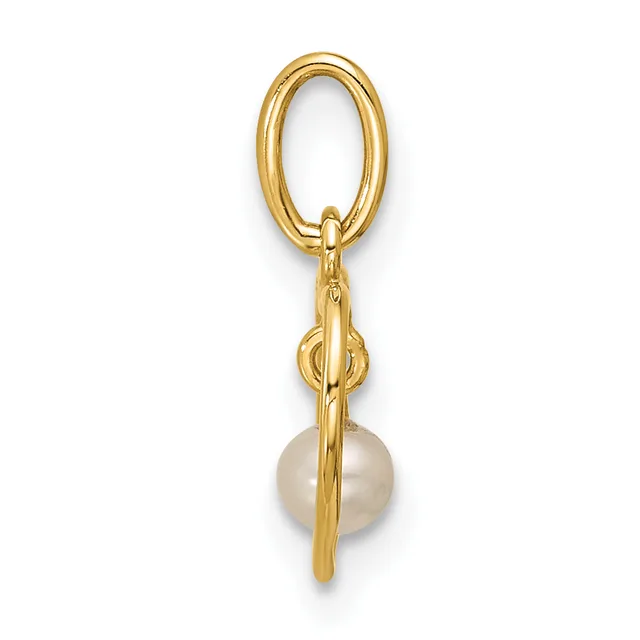
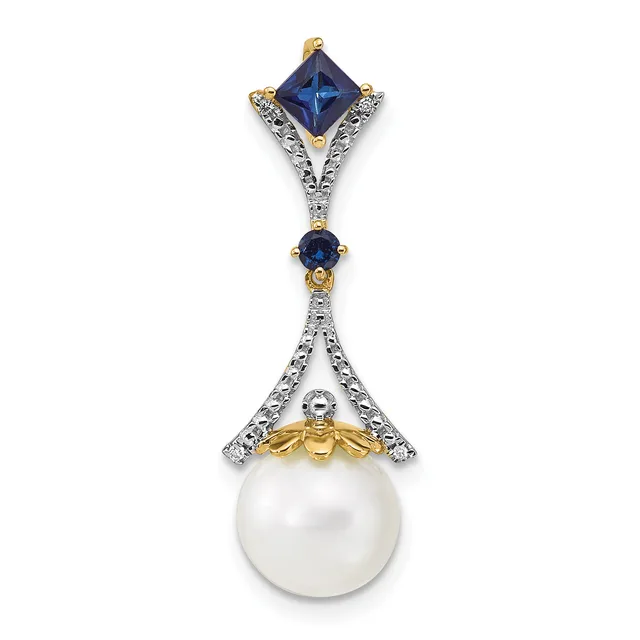
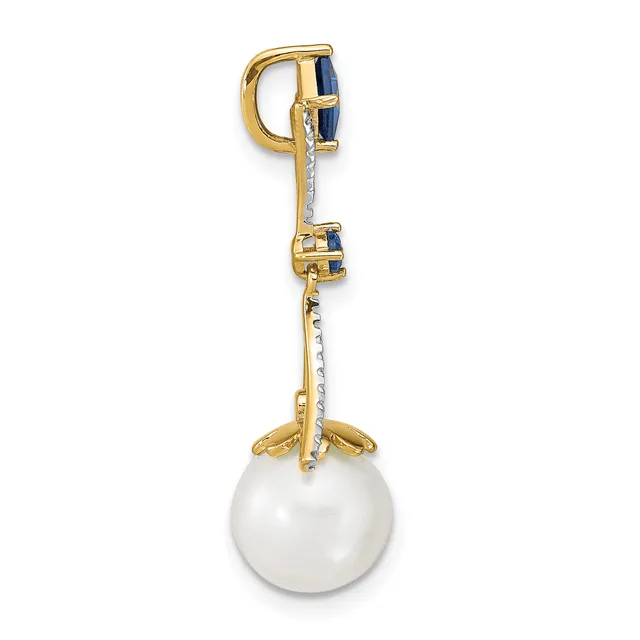
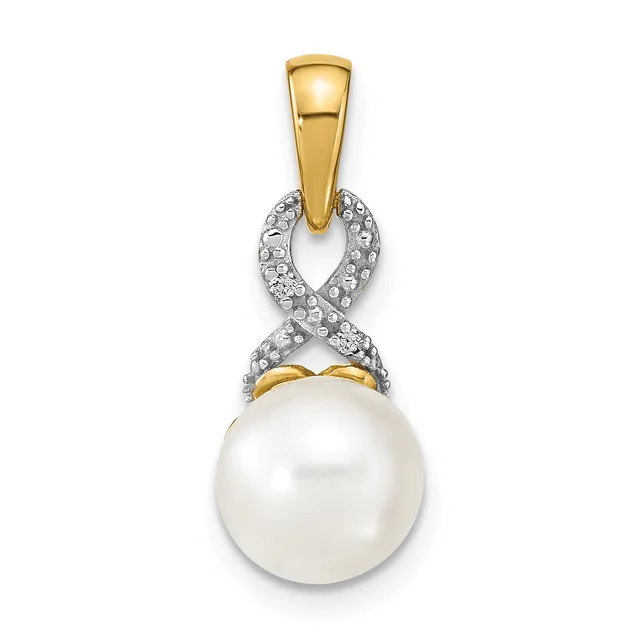
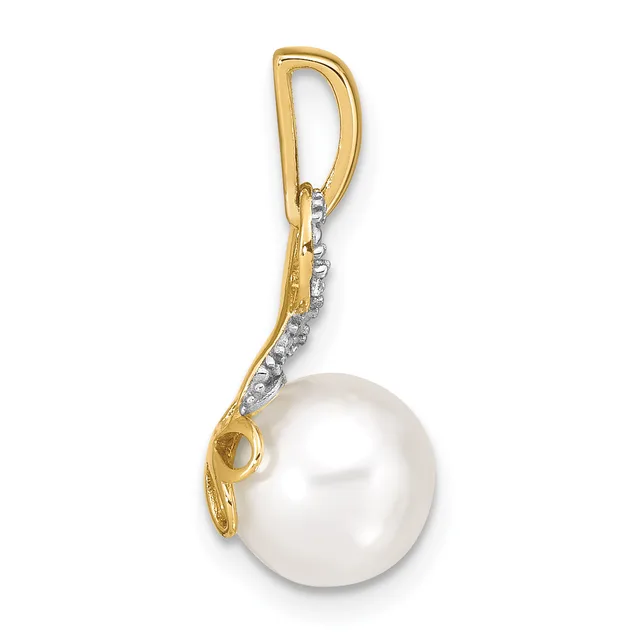
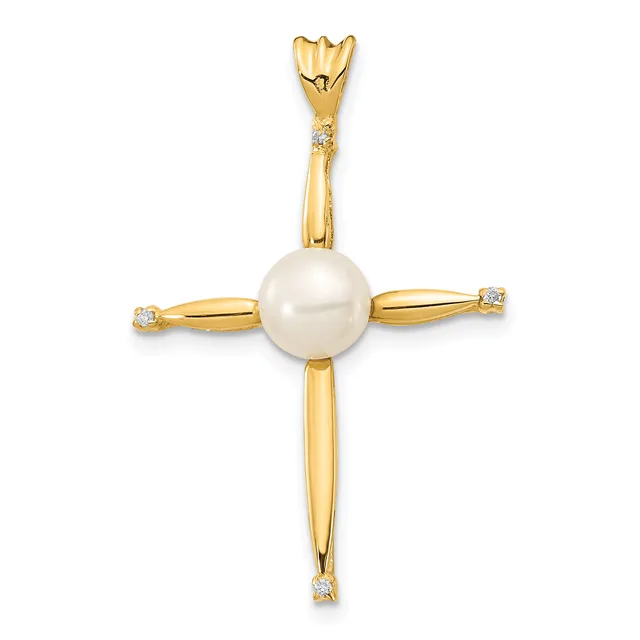
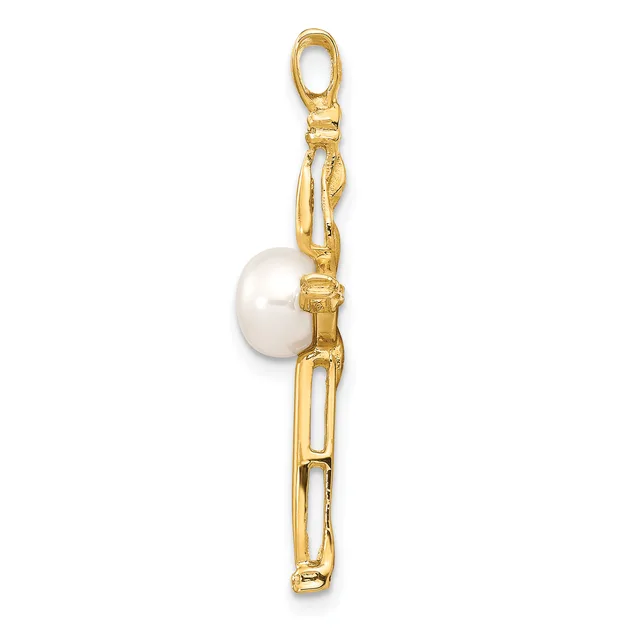
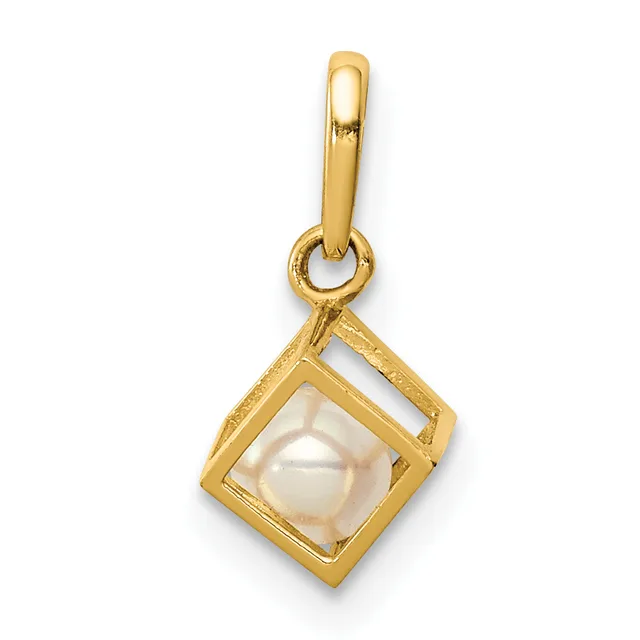
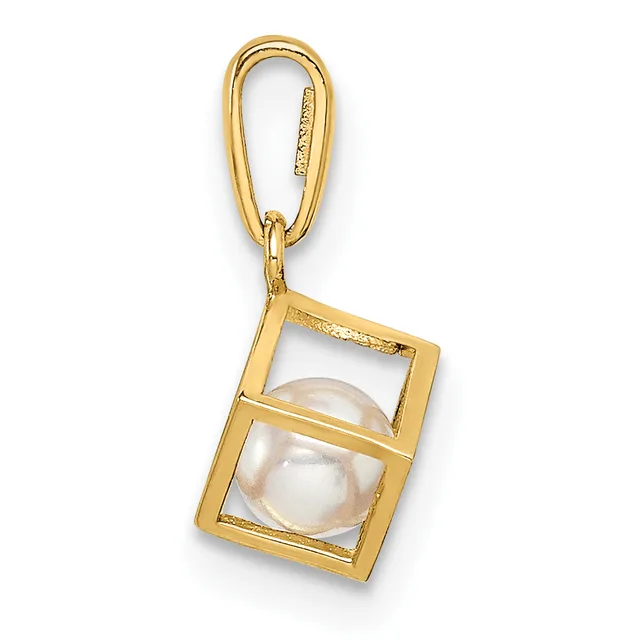
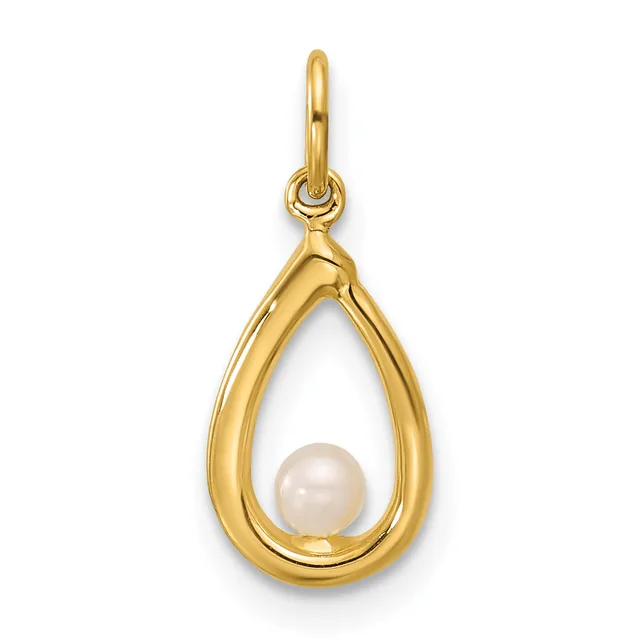
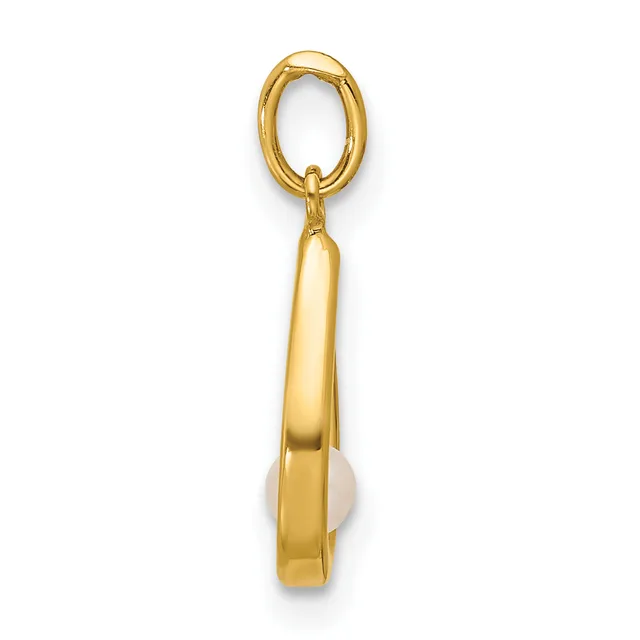
Pearl pendants in this collection span a wider range of forms than the category name might suggest. At one end sit solitaire and gemstone designs where the pearl is the central, uninterrupted focal point — a single stone suspended from a bail with nothing to compete. At the other end are shaped settings: crosses, hearts, geometric outlines, and slide pendants designed to move along a chain rather than hang from a fixed point. Understanding which form you are drawn to is the first useful step in narrowing the selection.
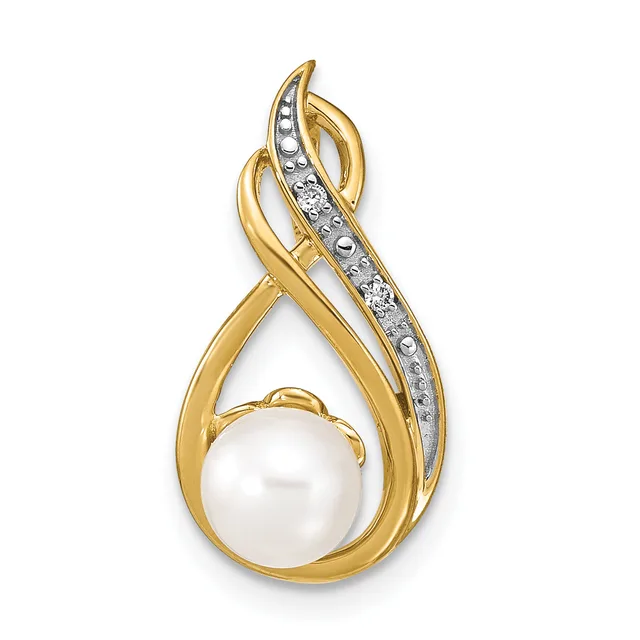
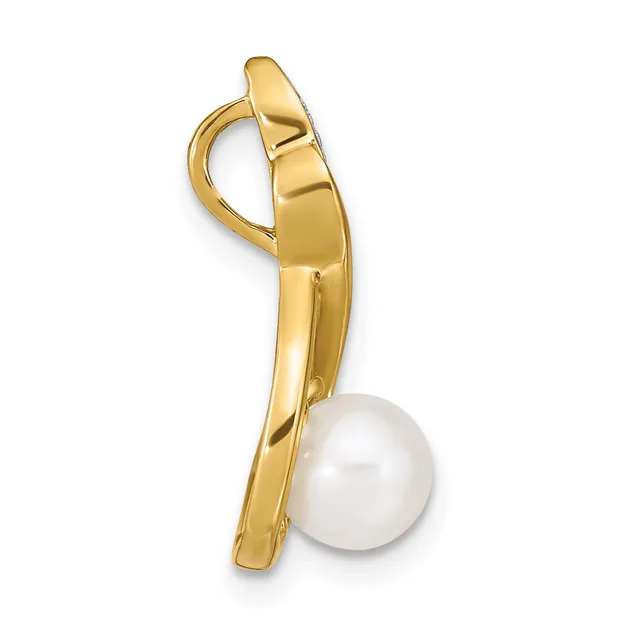
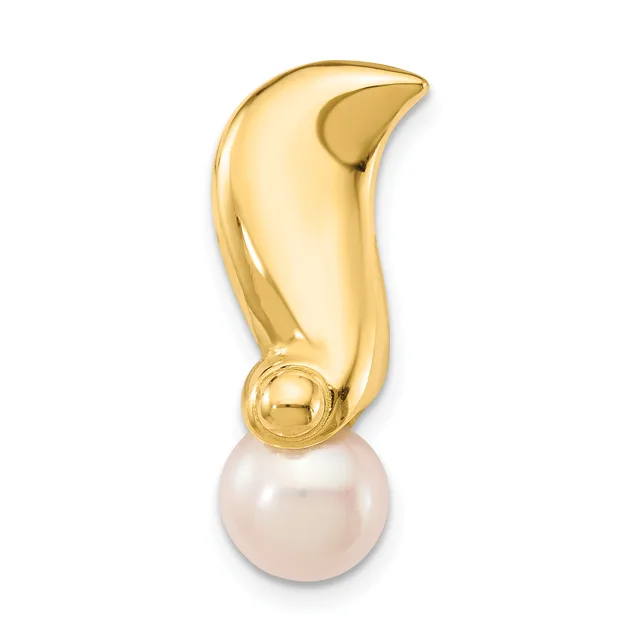
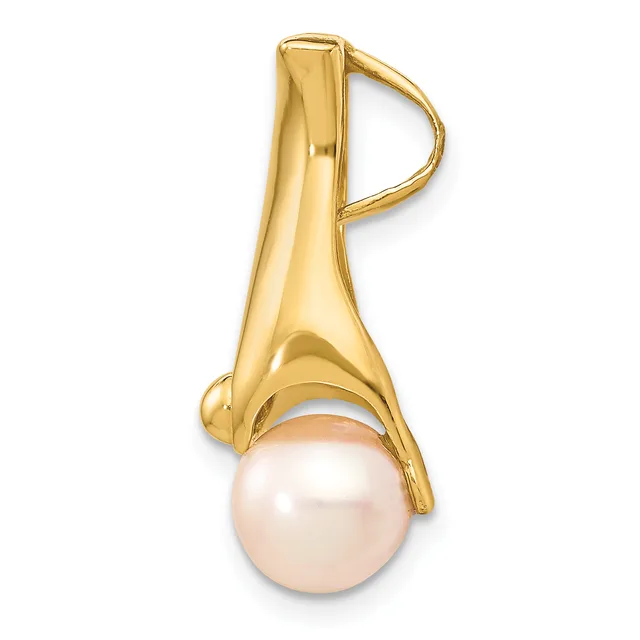
Slide pendants deserve a note of their own. Unlike a pendant with a fixed bail, a slide is threaded directly onto a chain, sitting flush and traveling with movement. The result is a lower, closer-to-the-skin look that suits layering differently than a hanging pendant does.
What the metal means in daily wear
Gold's karat mark tells you the ratio of pure gold to alloy. A 14k piece contains a higher proportion of harder metals alongside the gold, making it more resistant to scratching and bending under everyday contact — a practical choice for a pendant worn daily or one given to a child. Higher karats are softer and more luminous in color but require slightly more care. Whichever karat a piece carries, a yellow, white, or rose tone is a fixed characteristic of the alloy itself, not a surface treatment, so it will not wear away over time the way plating can.
Caring for pearl pendants
Pearls are organic and porous, which makes them more sensitive to chemicals than most gemstones. Remove pearl pendants before applying perfume, hairspray, or sunscreen — these substances dull luster over time and can degrade the adhesive in some settings. Wipe with a soft, barely damp cloth after wearing, and store separately from harder stones that could scratch the nacre surface. The setting prongs or bezel should be checked periodically; if a prong feels sharp or catches fabric, have a jeweler inspect it before the pearl loosens.
Choosing for a recipient
Pearl pendants in this collection reach a wide range of occasions. A simple solitaire in a clean bezel is easy to wear every day and pairs well with other necklaces. A cross or heart form carries clear sentiment and suits a milestone gift. Geometric and slide styles tend to appeal to wearers who layer intentionally and want a piece that works within a stack rather than standing alone. Consider the recipient's existing chain lengths and necklace habits before choosing a pendant style — a slide requires a compatible chain diameter, and a long drop reads very differently on a short chain than on a longer one.
Frequently asked questions
Are the pearls in these pendants natural or cultured?
The pearls in this collection are cultured, meaning a nucleus is introduced into a mollusk to stimulate nacre formation. Cultured pearls are genuine pearls in every material sense — the nacre, luster, and surface characteristics are identical to those of a natural pearl.
What chain length works best with a pearl pendant?
It depends on the pendant form. A solitaire or drop pendant sits well on a 16- to 18-inch chain for a collarbone-length look. Slide pendants require a chain thin enough to thread through the slide's channel — check the slide opening measurement against your chain before pairing them.
Can a pearl pendant be worn every day?
Yes, with reasonable care. Pearls are softer than most gemstones, so daily wear means keeping them away from chemicals, removing the pendant during heavy physical activity, and wiping it clean after wearing. The gold setting itself is durable enough for regular use.
Is this selection appropriate for a child?
Some pieces in this collection are designed with younger wearers in mind — heart forms and simpler settings in that vein. A 14k setting is the more practical choice for a child, given its greater hardness relative to higher-karat gold.
How do I keep the pearl's luster over time?
Store the pendant away from harder jewelry that could scratch the nacre, wipe it with a soft damp cloth after each wearing, and avoid exposure to perfume, chlorine, and household cleaners. Pearls worn regularly against skin often maintain their luster well, as natural oils have a mild conditioning effect on nacre.