


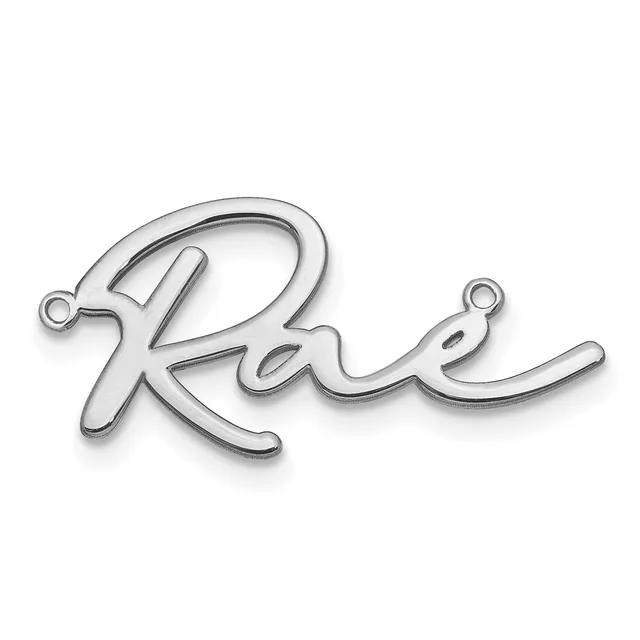
How Name Plates Differ From One Another
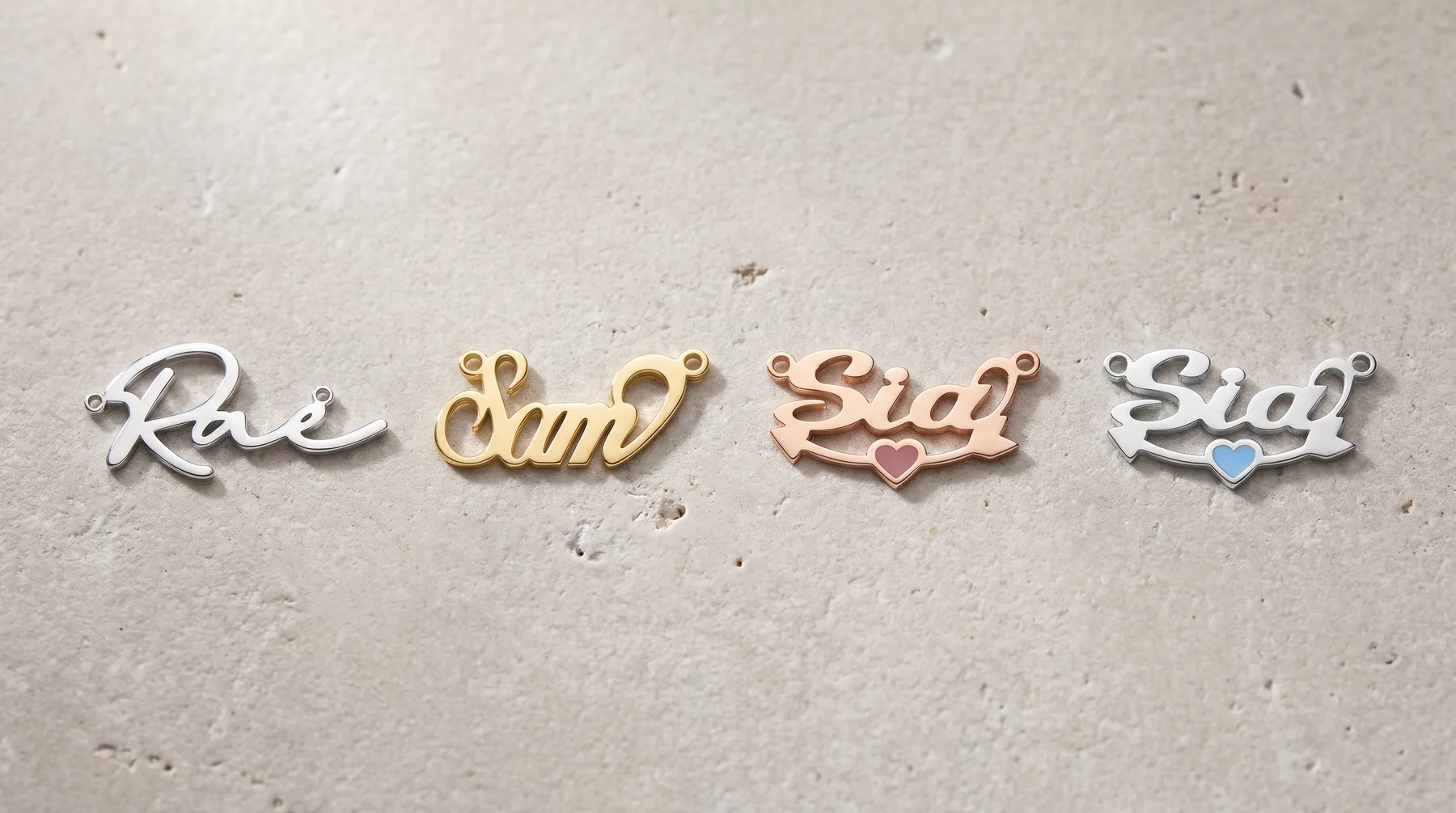
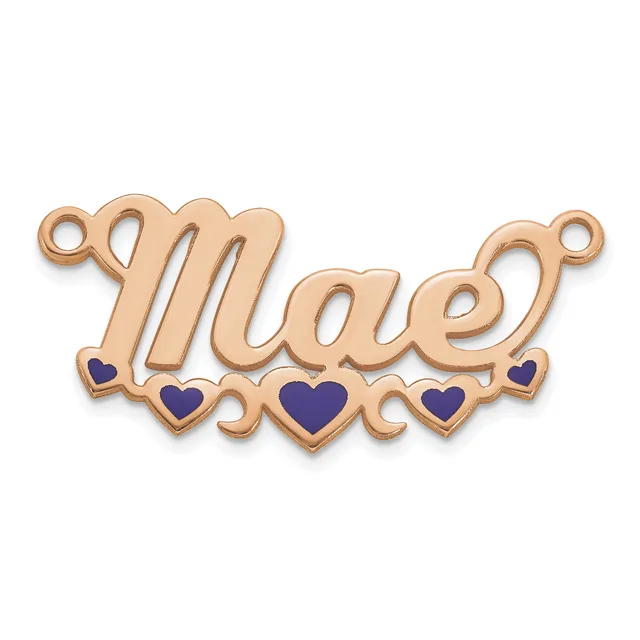
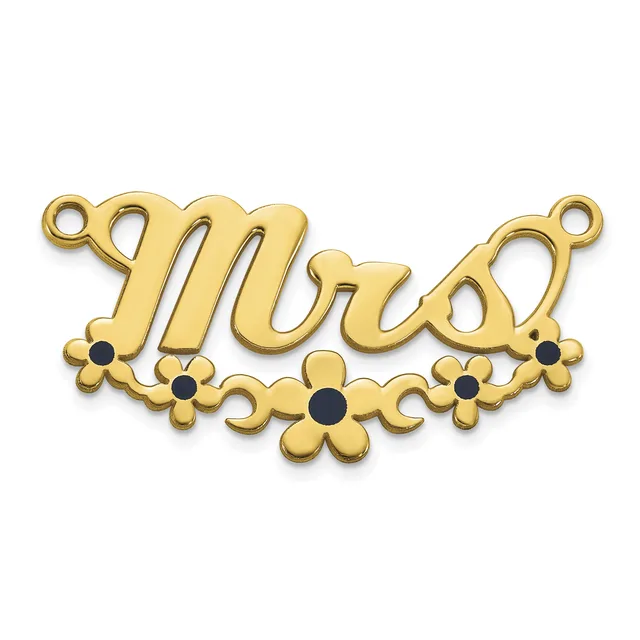
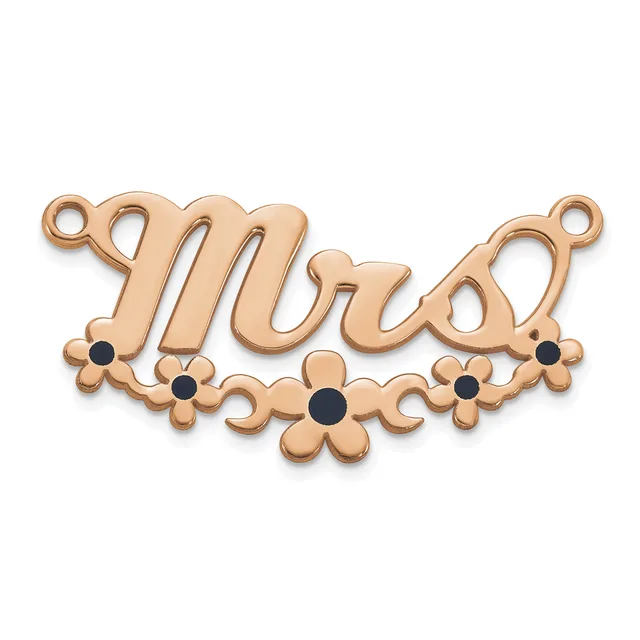
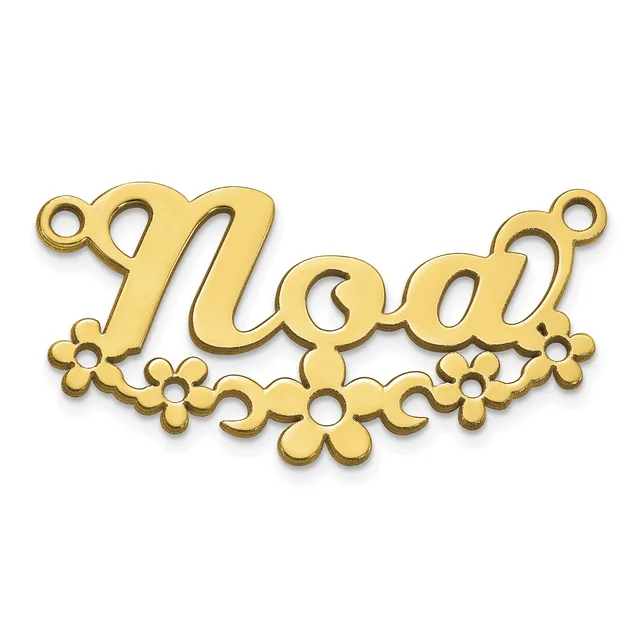
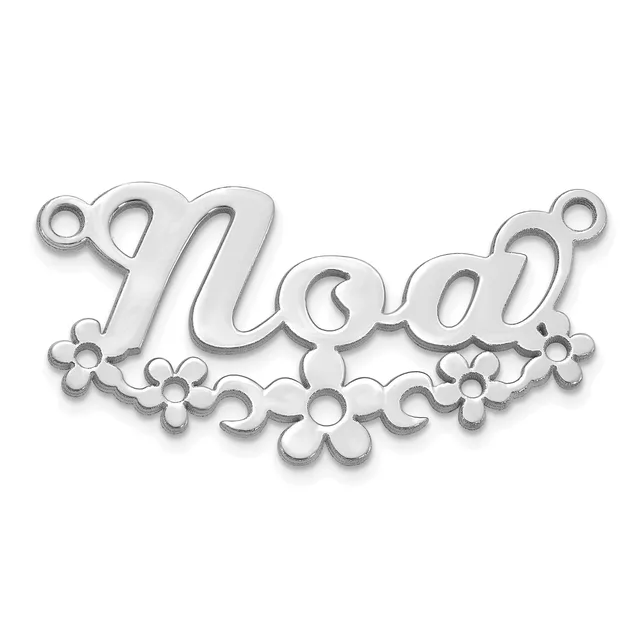
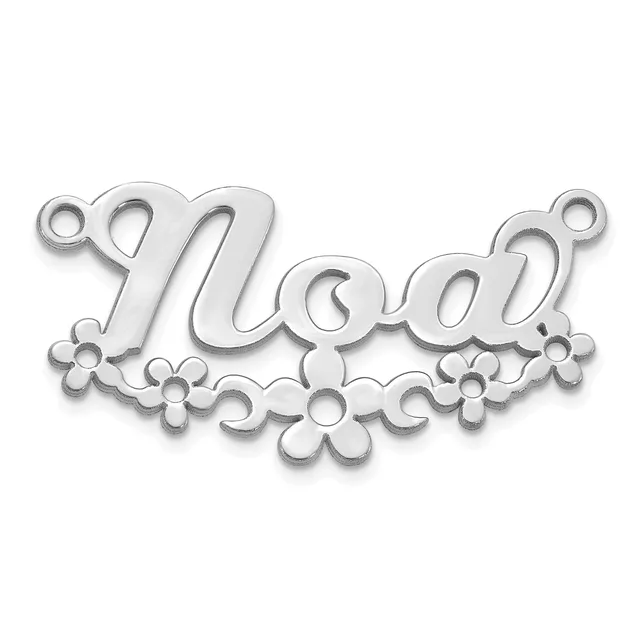
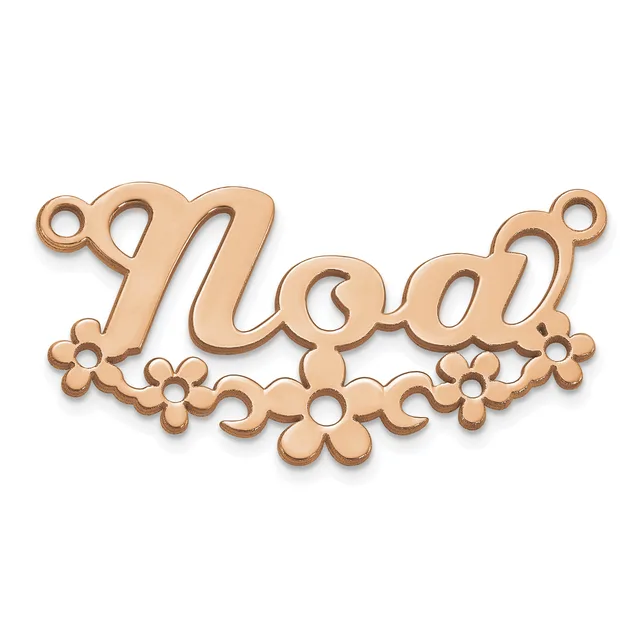
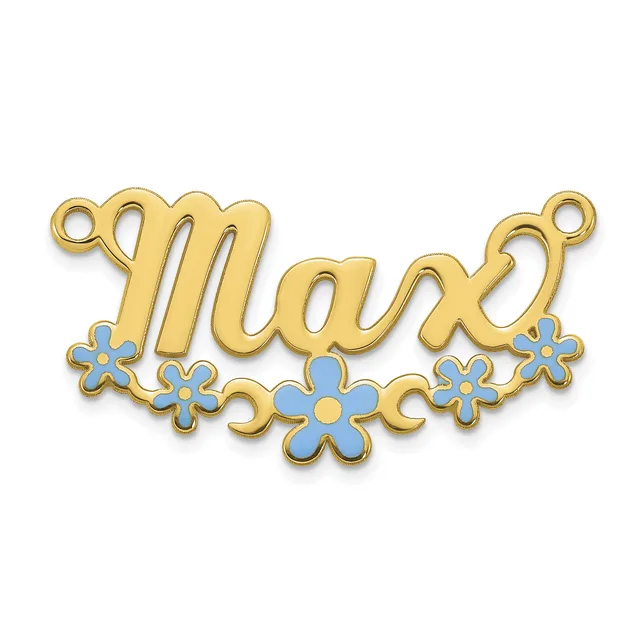
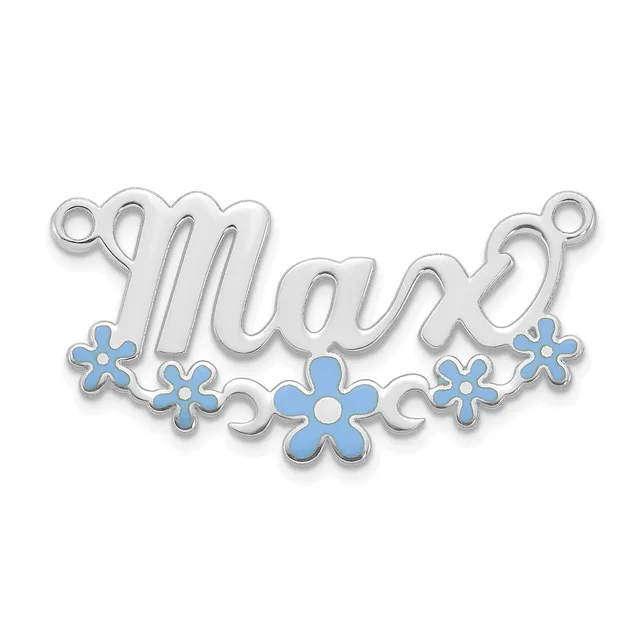
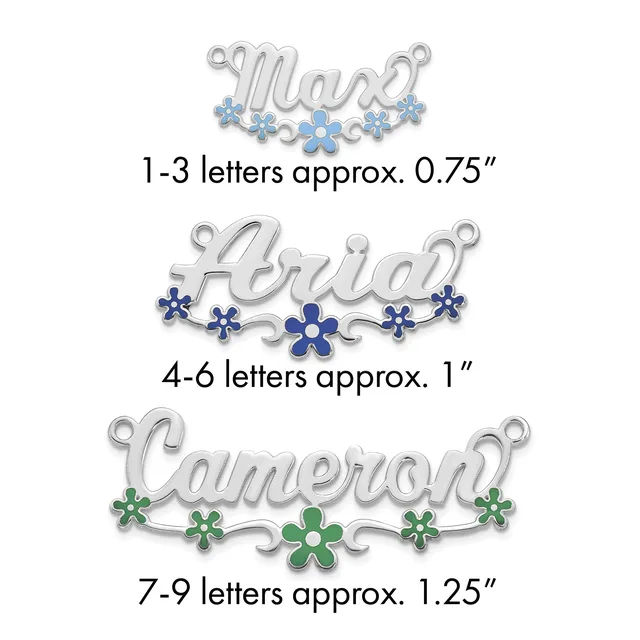
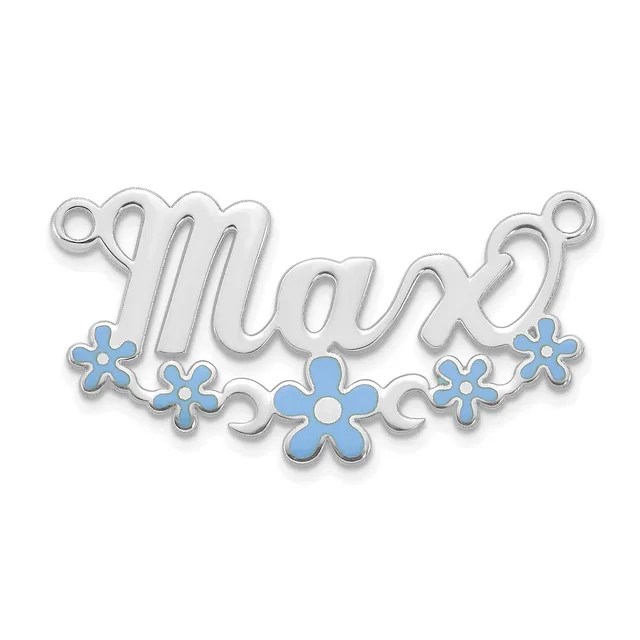
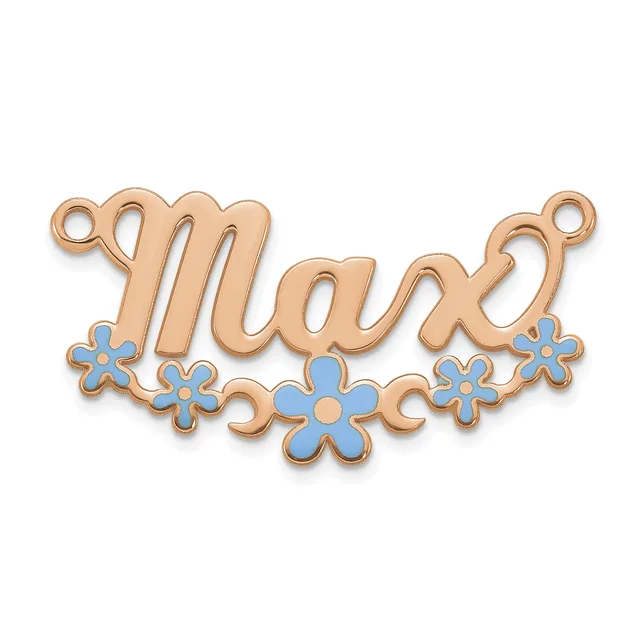
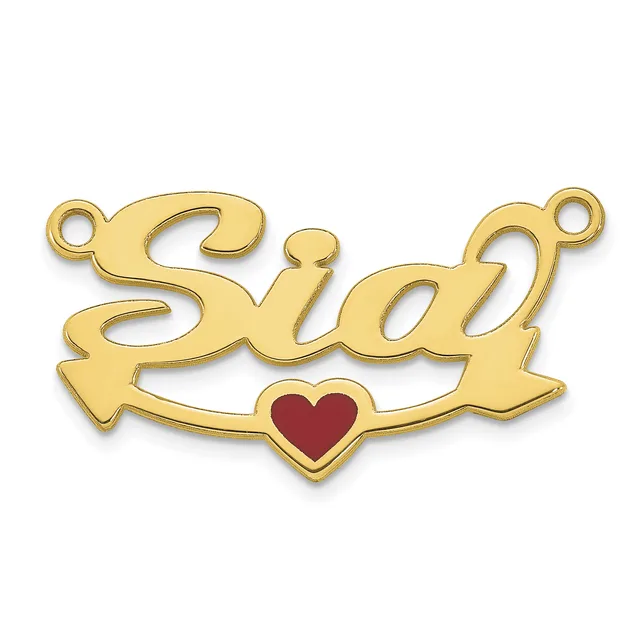
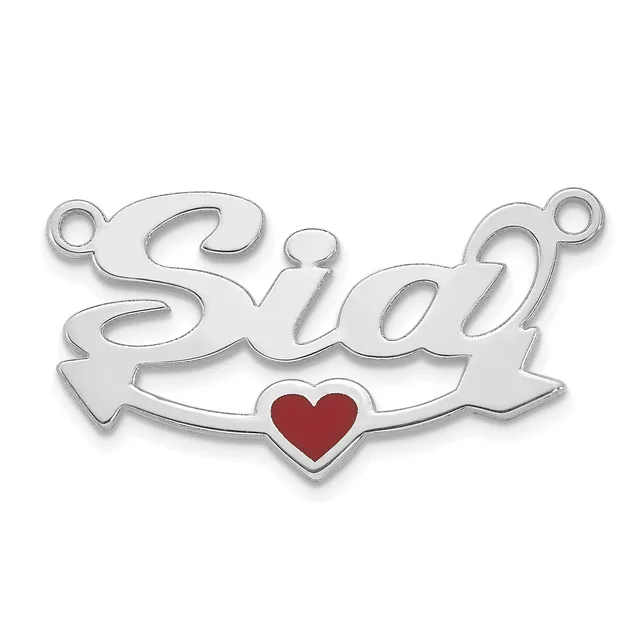
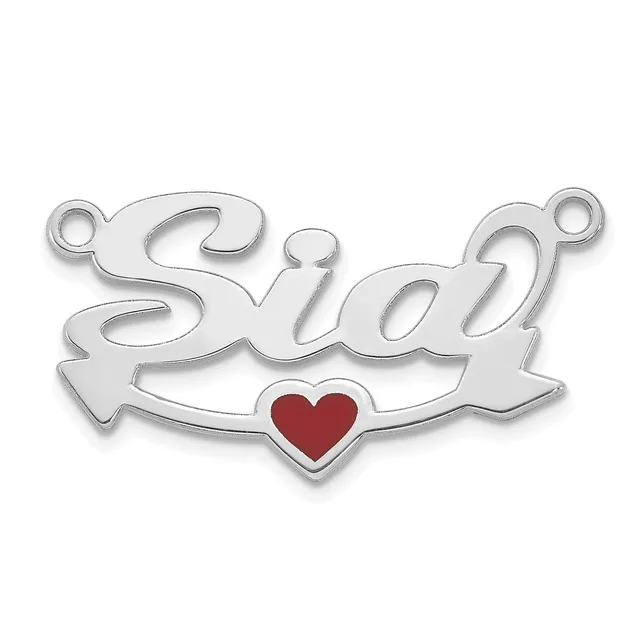
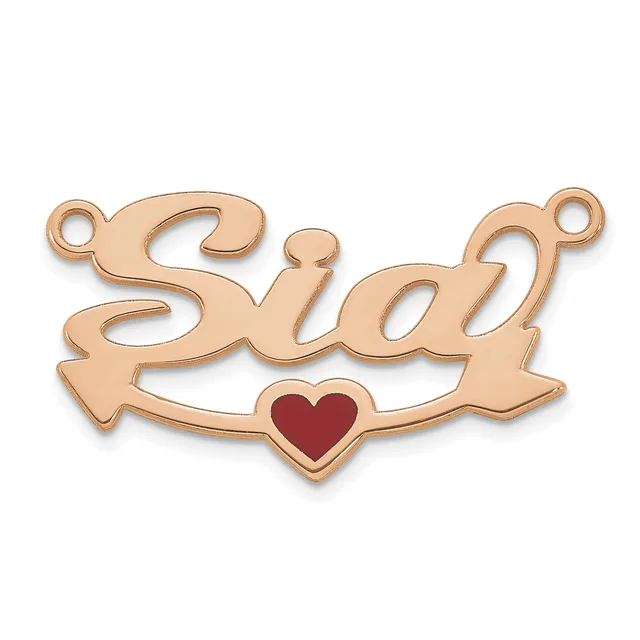
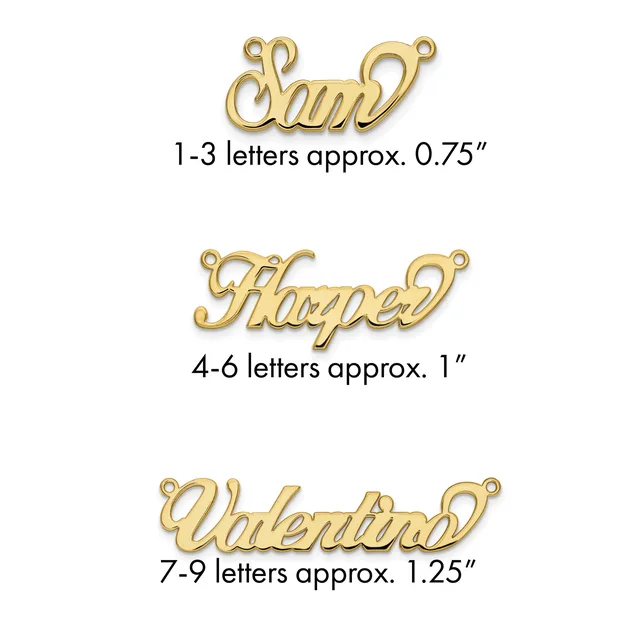
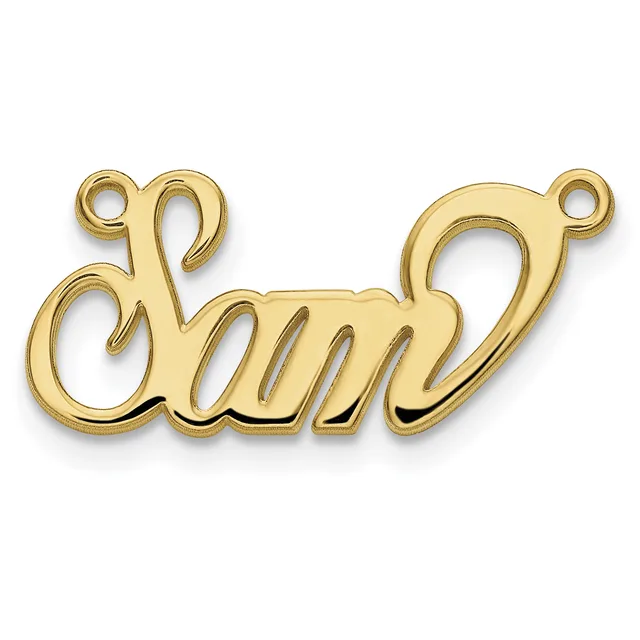
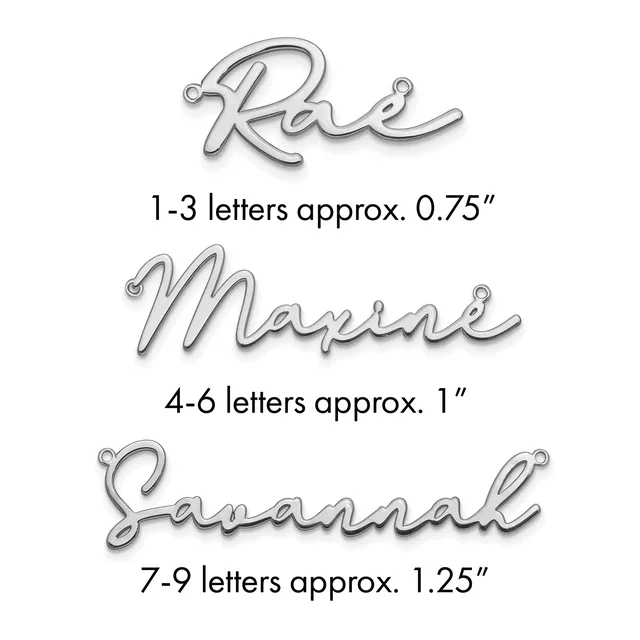
The most visible variable is letter style: some plates render a name in a flowing script that reads almost like handwriting, while others use block or serif letterforms with clean, upright strokes. Script tends to read as warmer and more personal; block lettering reads as bolder and more graphic. Neither is more durable than the other — the distinction is purely aesthetic, and worth settling before considering anything else.
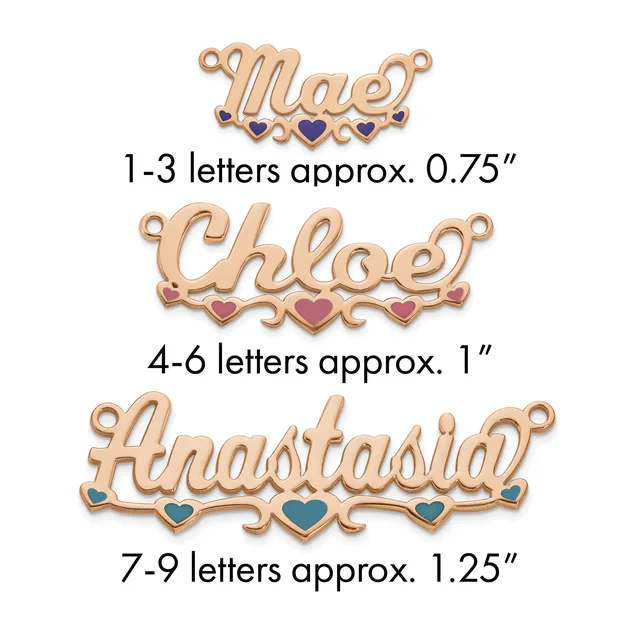
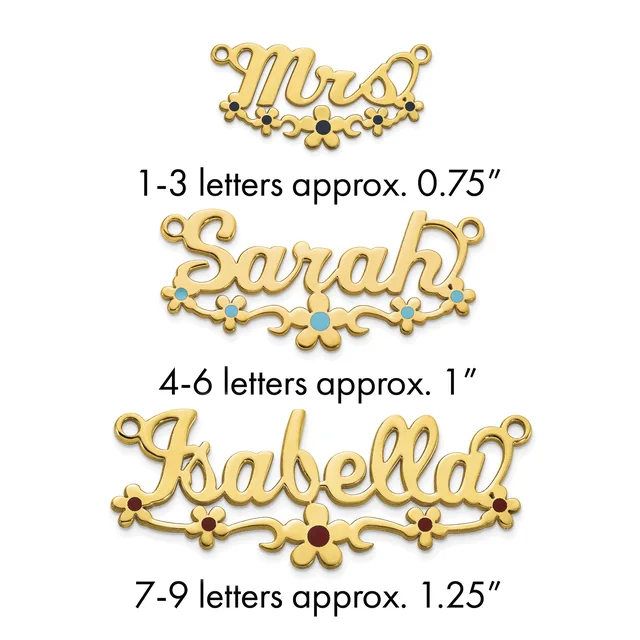
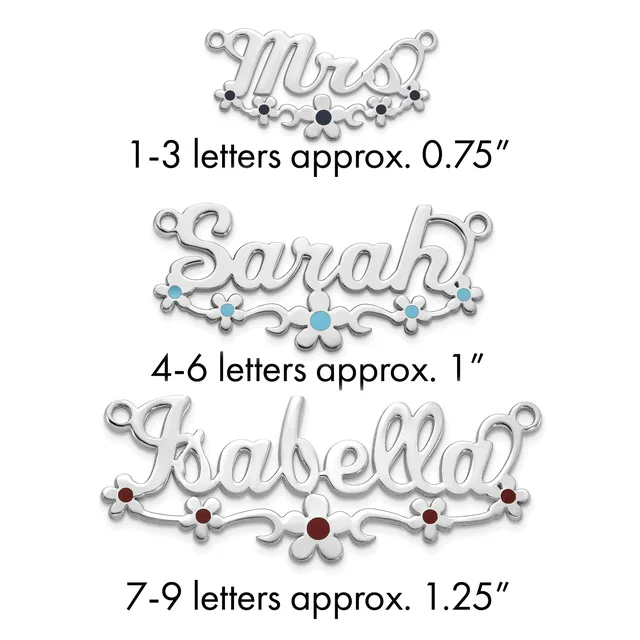
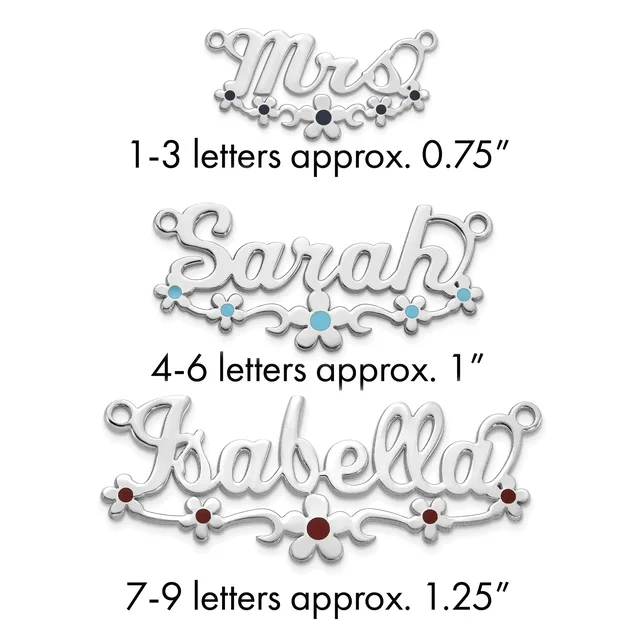
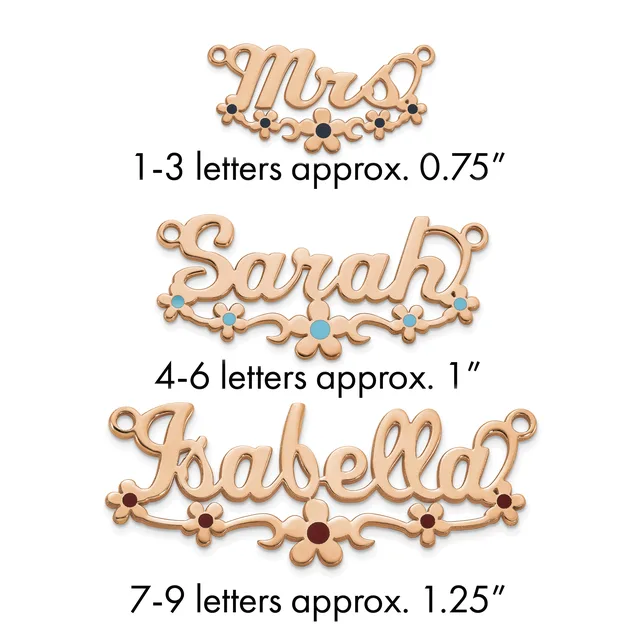
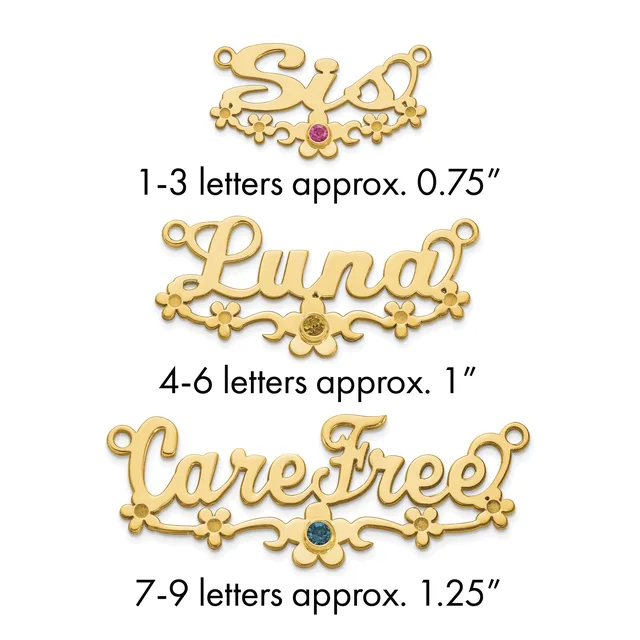
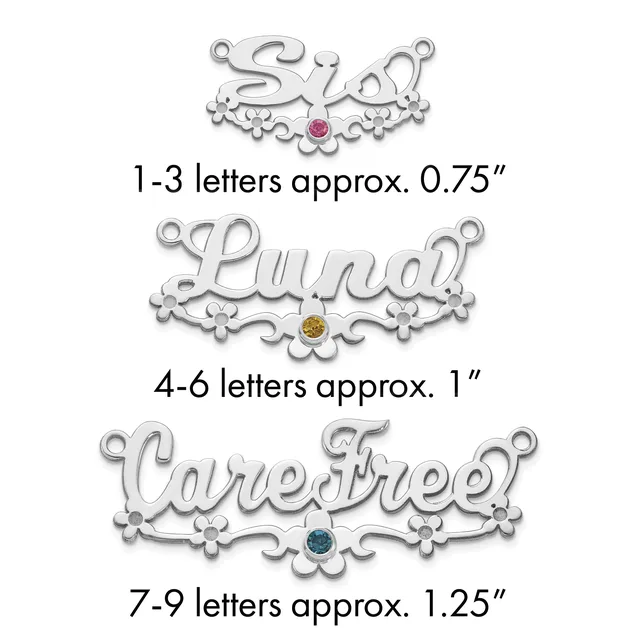
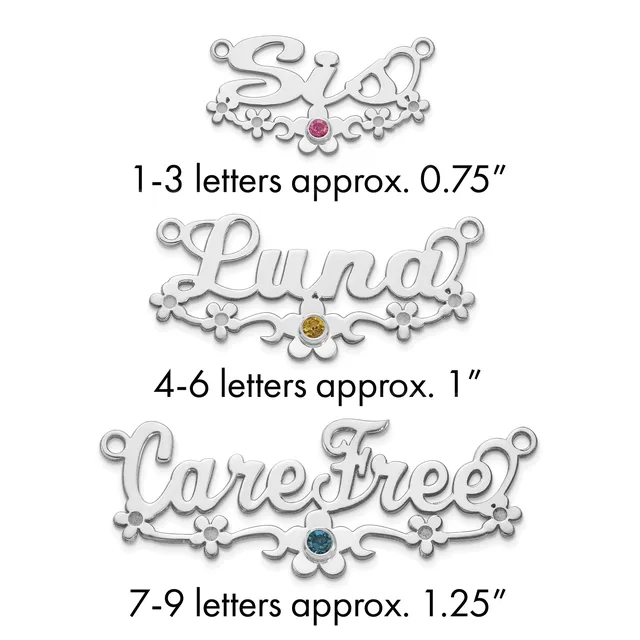
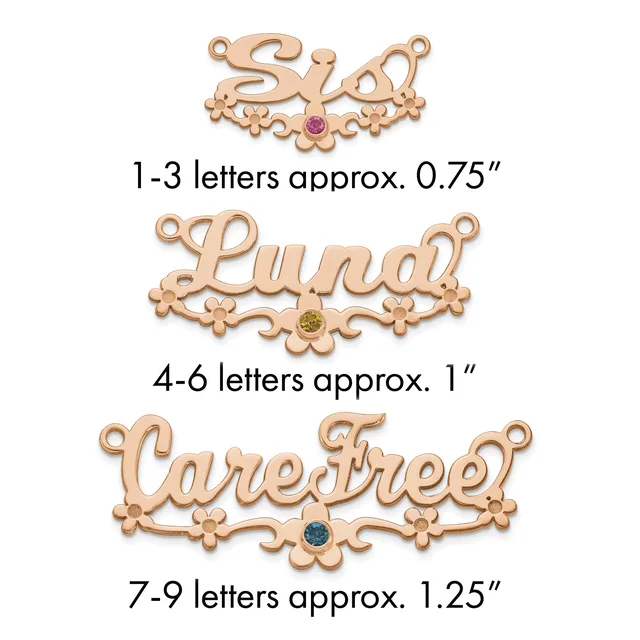
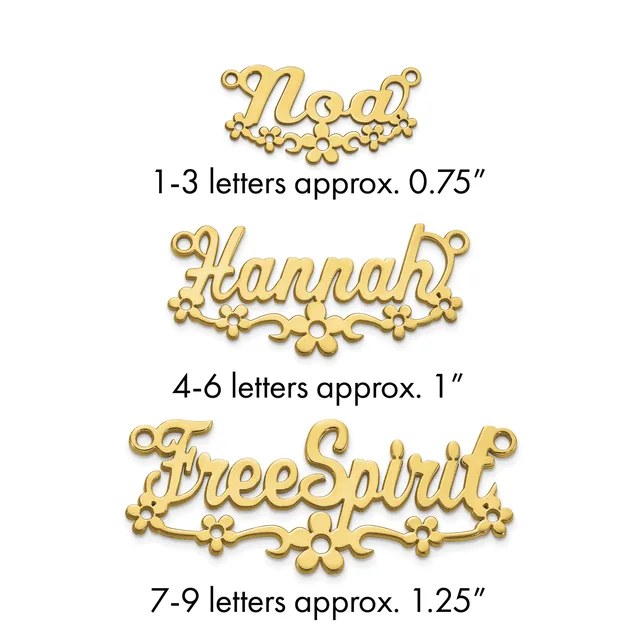
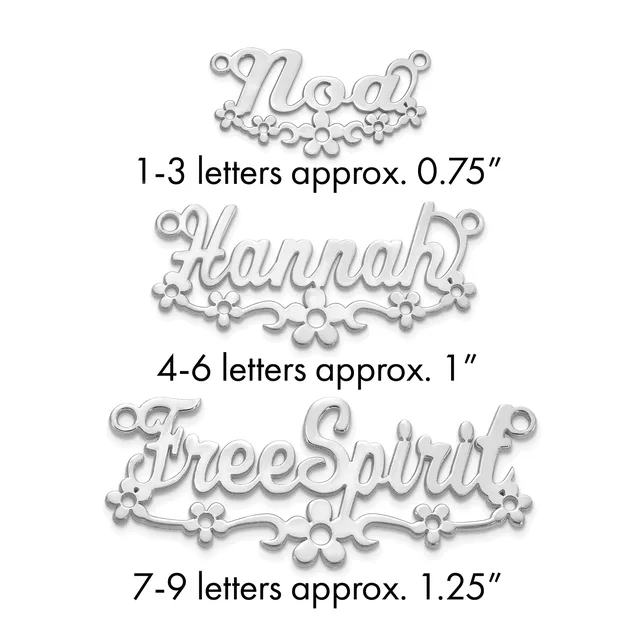
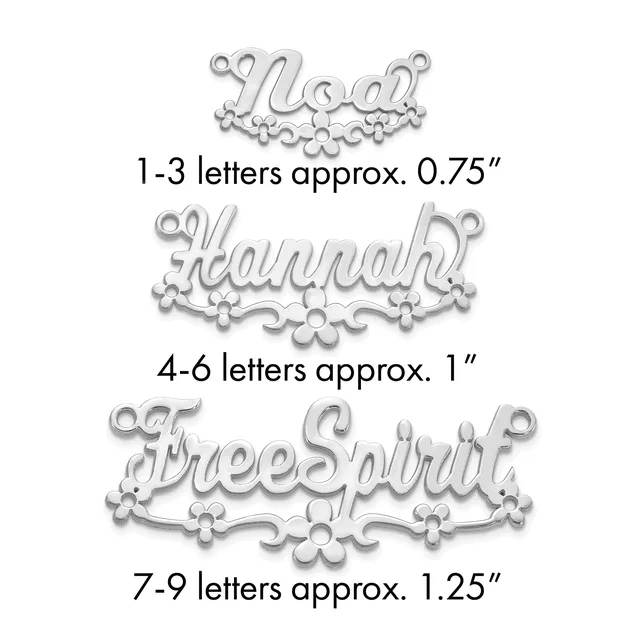
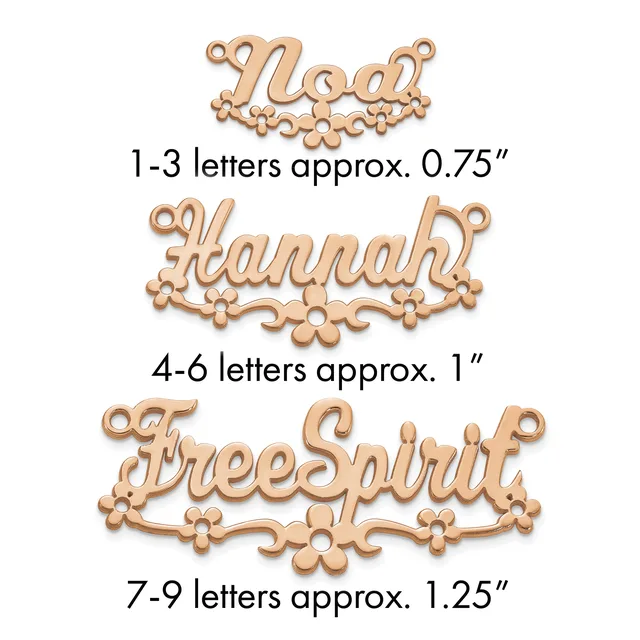
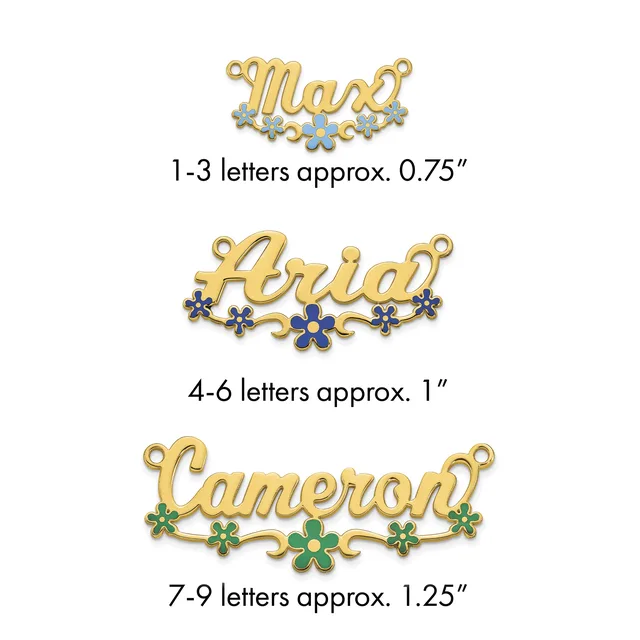
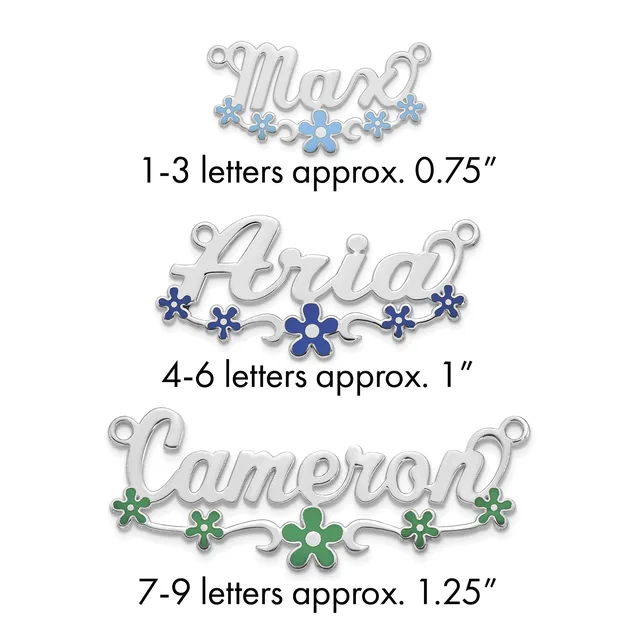
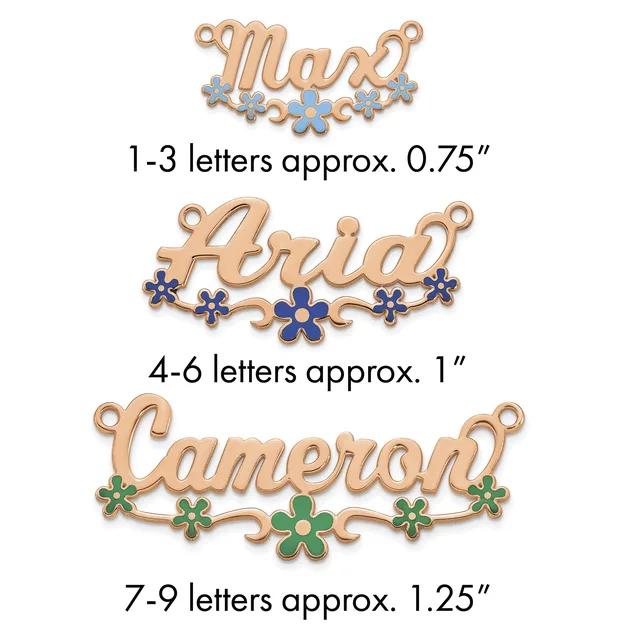
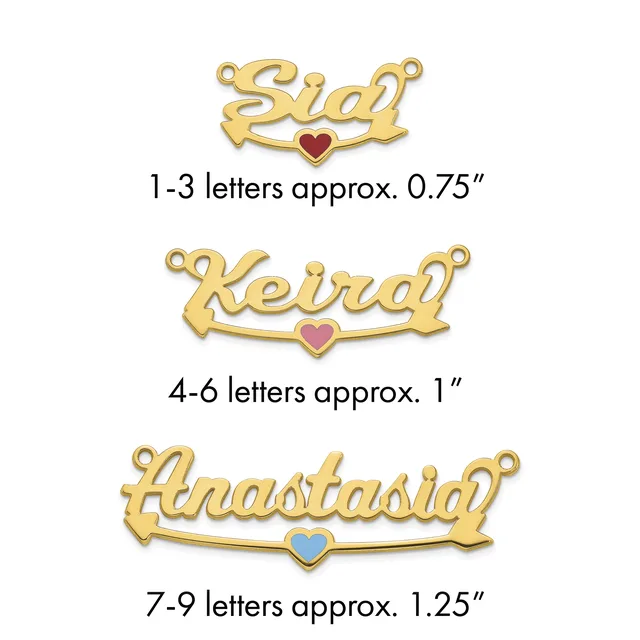
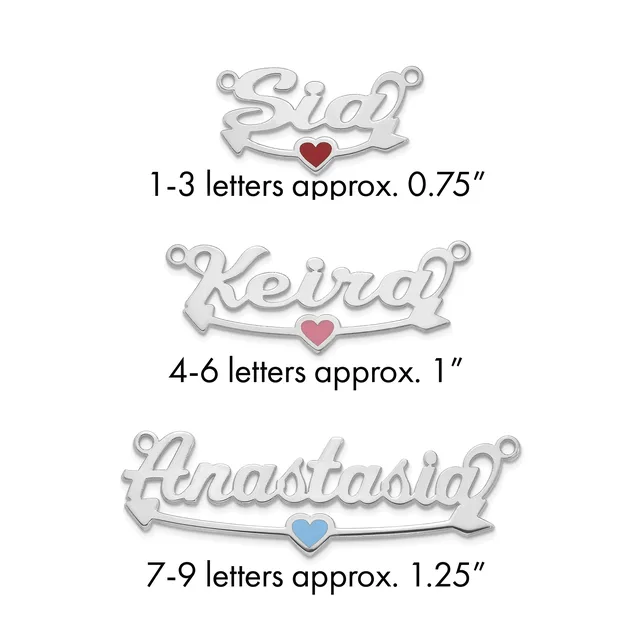
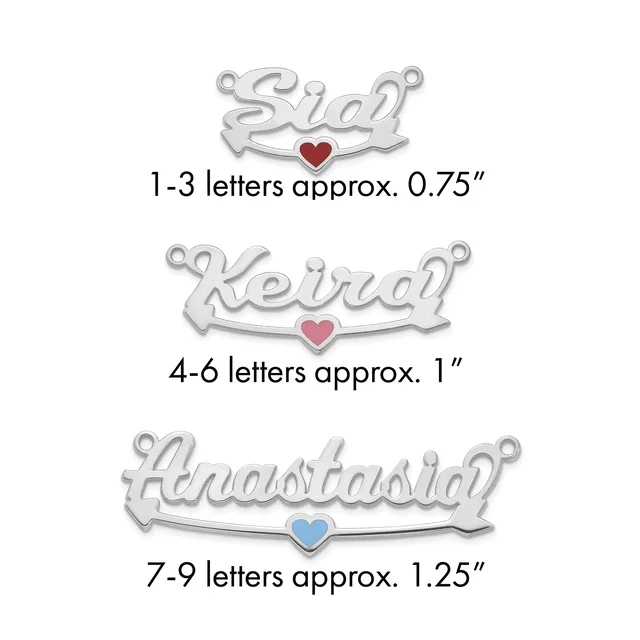
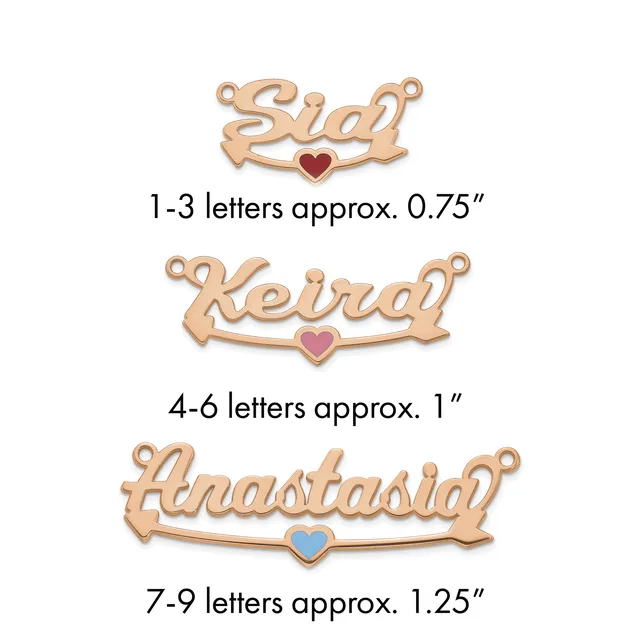
Scale matters just as much as style. A plate sized to carry a single short name sits closer to a charm; one sized for a longer name or a phrase becomes the clear focal point of an outfit. If you plan to wear the piece with other necklaces, a smaller or thinner plate layers more easily. If it will be worn alone, a larger plate with more visual weight holds its own.
Metals and What They Mean Day to Day
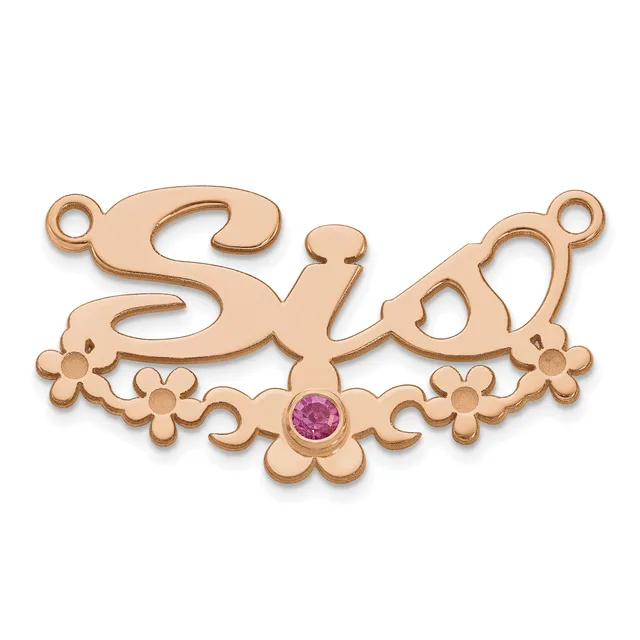
Name plates here are available in yellow gold, white gold, and rose gold at various karats, as well as sterling silver. A higher karat gold — 18k versus 14k, for example — is richer in color and slightly softer; 14k is the more common choice for pieces worn daily because it holds its shape well under ordinary contact. Sterling silver (92.5% silver) is cooler in tone and pairs naturally with white gold or platinum-colored settings; it can develop a patina over time and benefits from occasional polishing with a soft cloth.
Some pieces in this category are finished in yellow or rose gold plating over a base metal. Plating offers the look of gold at a lower price point, but the layer is thin enough that it will wear through in high-friction areas — the back of a plate that rests against skin — more quickly than solid gold. If longevity matters more than price, a solid-metal piece is the straightforward choice.
Adding a Birthstone
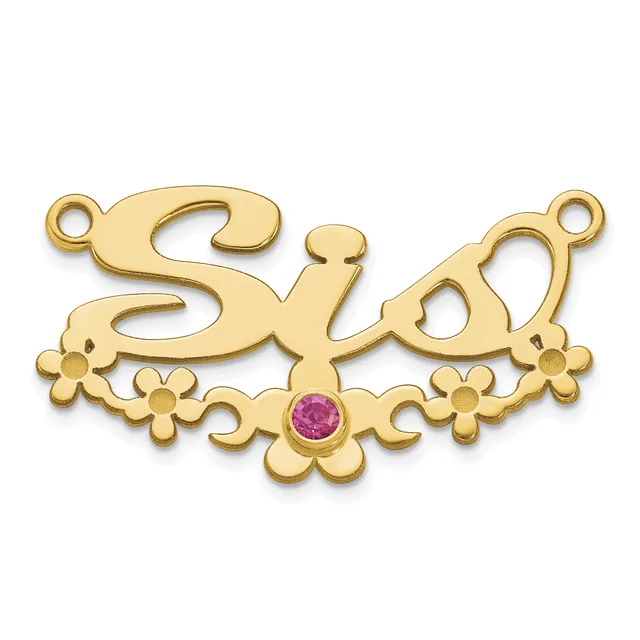
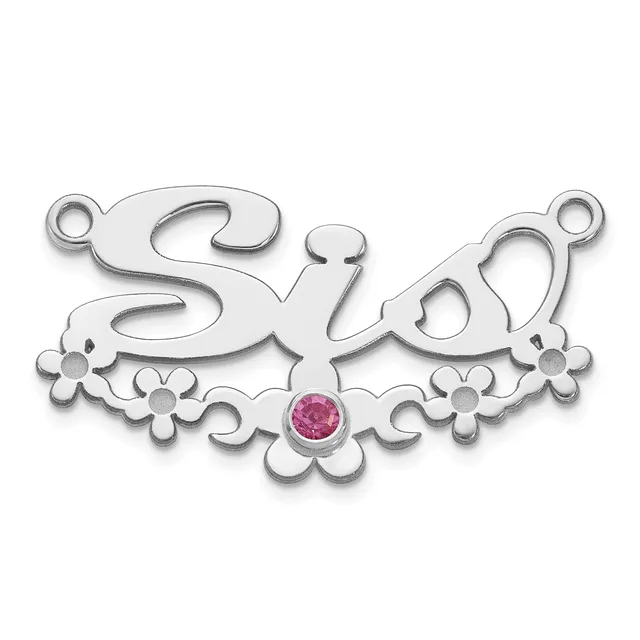
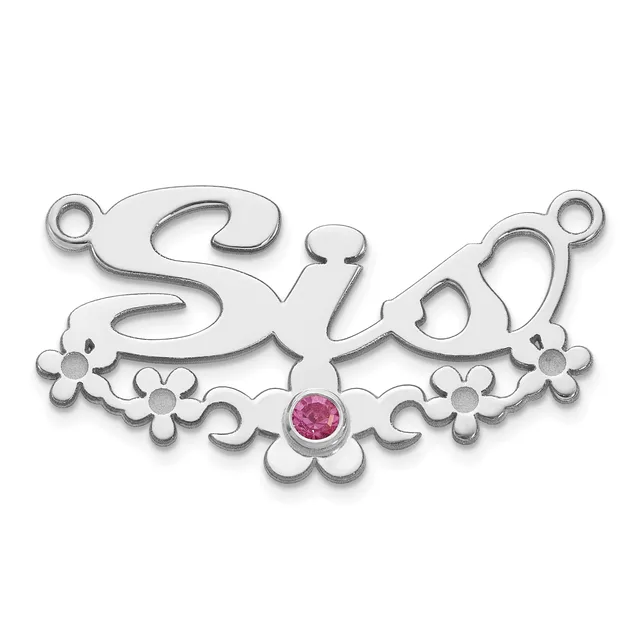
A number of name plates here can be set with a birthstone, either as a single accent or as several stones for multiple names or family members. Stones are typically set in small bezel or prong settings along the plate itself. If you are choosing for a child or for someone with an active lifestyle, a bezel setting — which surrounds the stone's edge with a rim of metal — offers more protection than a prong setting, which leaves more of the stone exposed but allows more light in.
Caring for a Name Plate
Fine metal is softer than most surfaces it encounters daily. Remove a name plate necklace before swimming in chlorinated water, applying lotions or perfume, or sleeping, as friction and chemicals both accelerate wear. Store it flat or hanging — coiling a pendant chain tightly can stress the bail over time. A quick wipe with a lint-free cloth after wearing keeps oils from building up in the letterwork.
Frequently asked questions
Can I wear a name plate necklace every day?
Yes, particularly if the piece is solid 14k gold or sterling silver. Remove it before swimming, exercising heavily, or applying skincare products to slow any surface wear.
What is the difference between a solid gold name plate and a gold-plated one?
A solid gold piece is the same alloy all the way through and will not change color over time. A gold-plated piece has a thin layer of gold over a base metal; it costs less but the plating can wear through in high-friction areas with regular use.
How do I choose the right scale for a name plate?
Consider the length of the name and how you plan to wear it. Shorter names on smaller plates layer well with other necklaces; longer names or phrases call for a larger plate that reads clearly on its own.
Are birthstone name plates available here?
Yes. A portion of the name plates in this selection can be set with birthstones, making them a practical option for marking a birth month or personalizing a piece for more than one person.
Does the karat of gold affect how a name plate looks on skin?
It does subtly — 18k yellow gold has a richer, deeper yellow tone than 14k, which is slightly lighter and cooler. The difference is most visible in direct light and is a matter of personal preference rather than quality.