
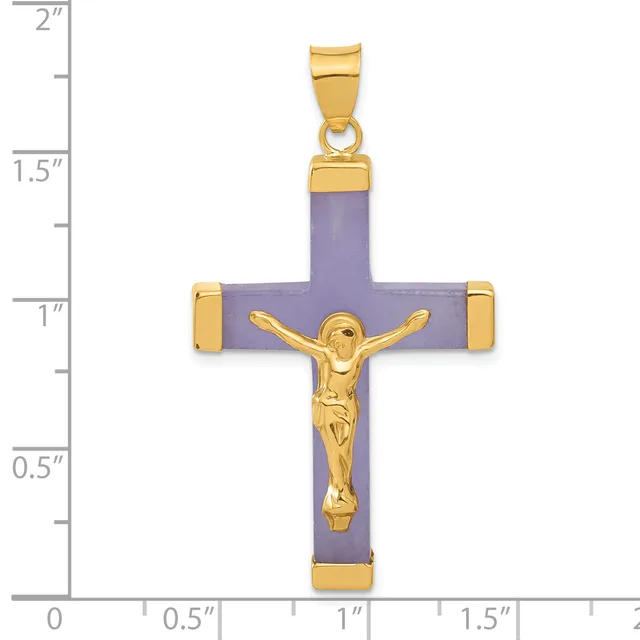
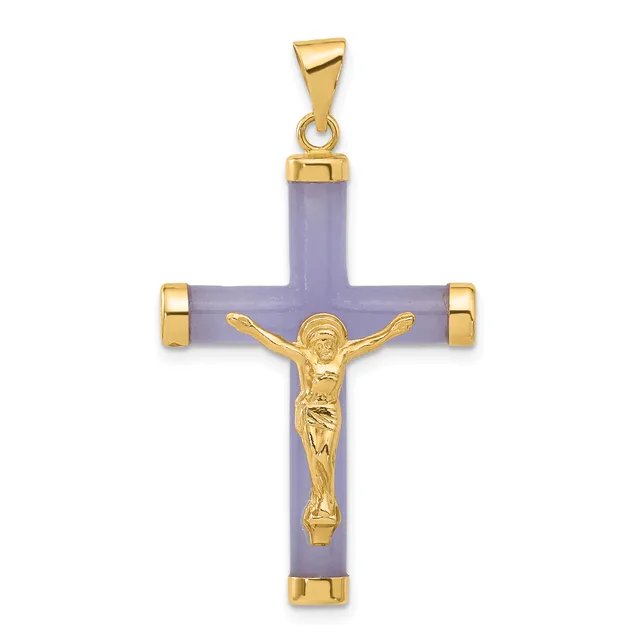
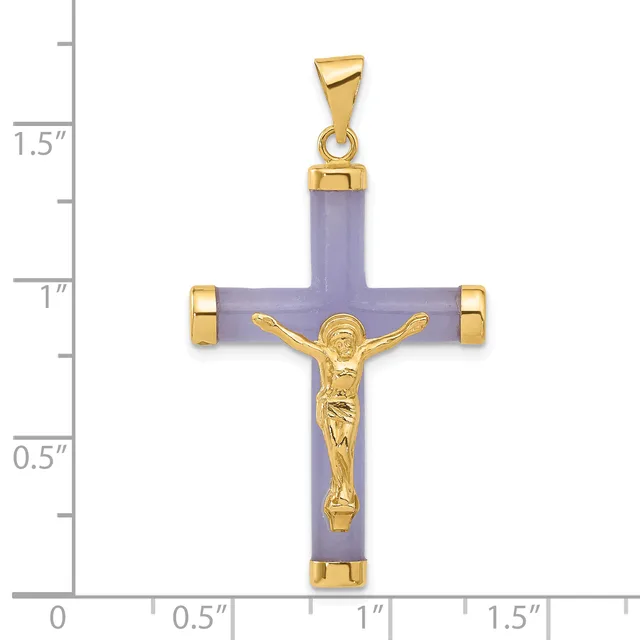
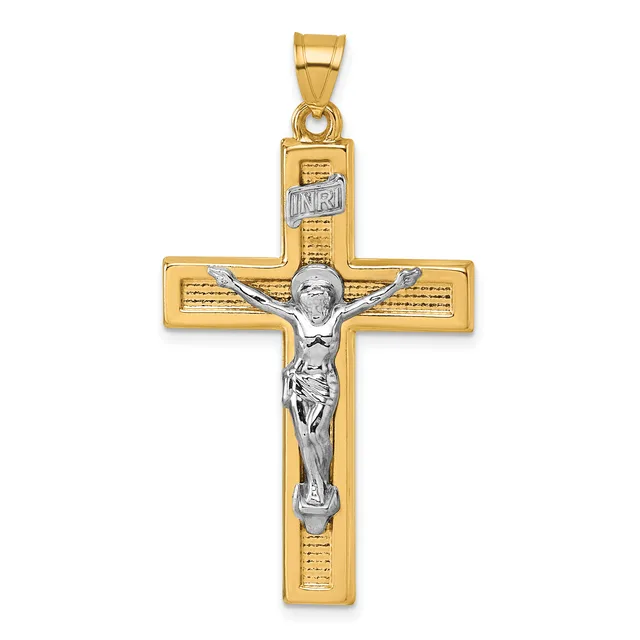
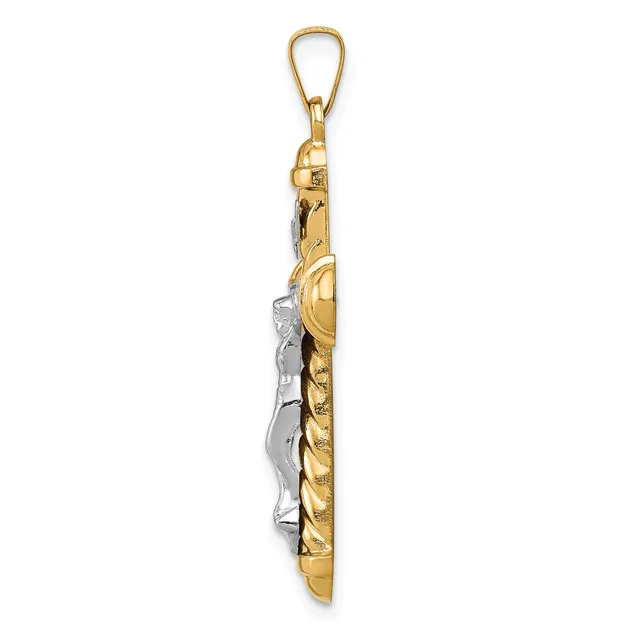
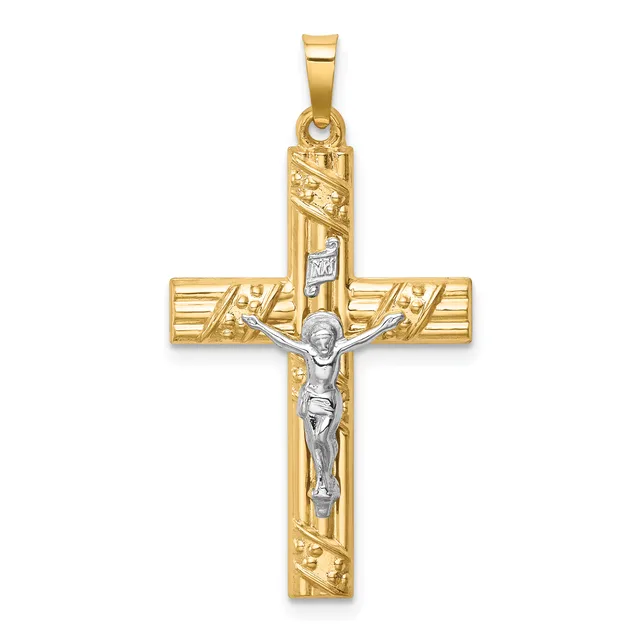
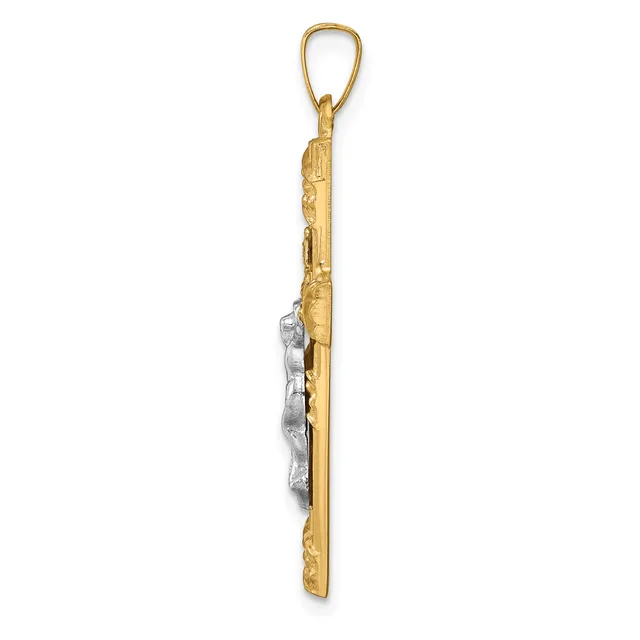
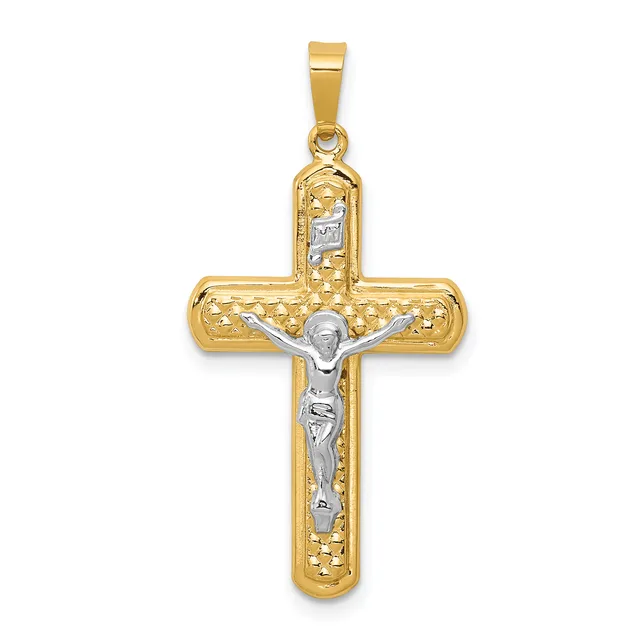
How Crucifix Styles Differ
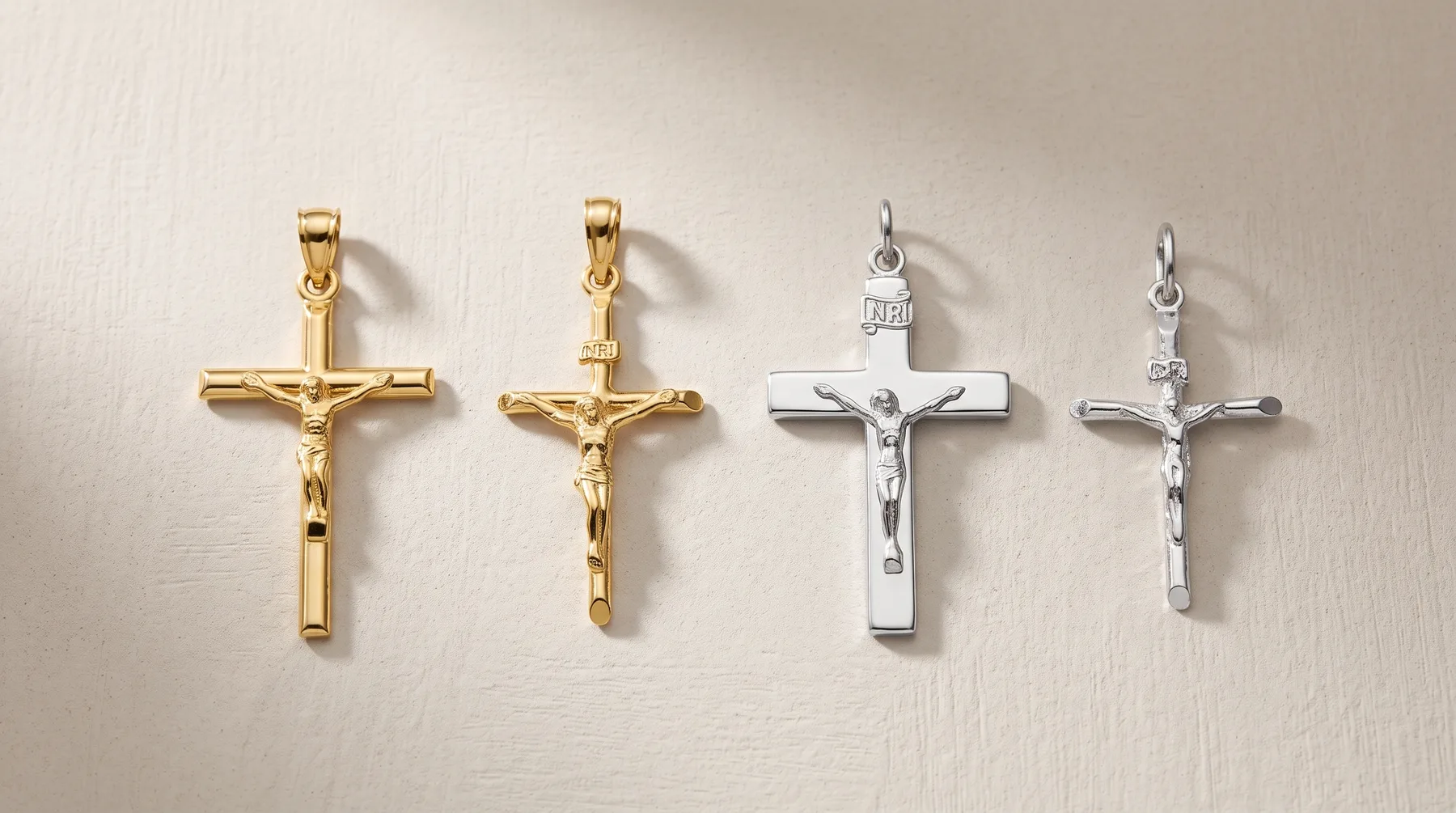
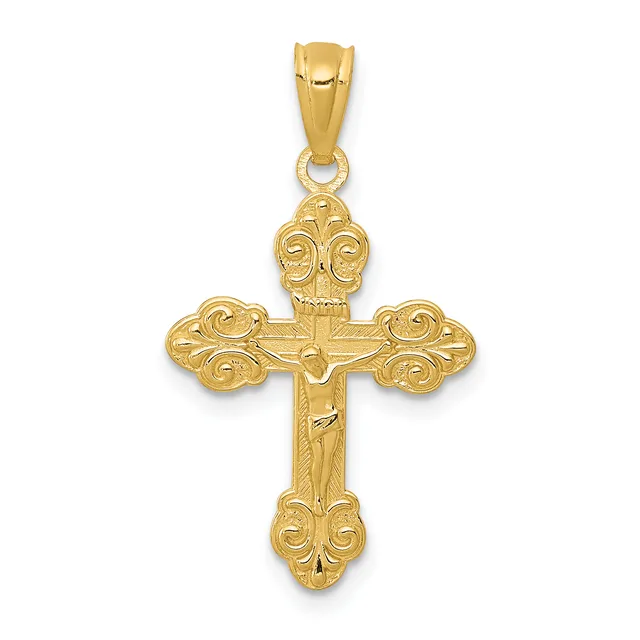
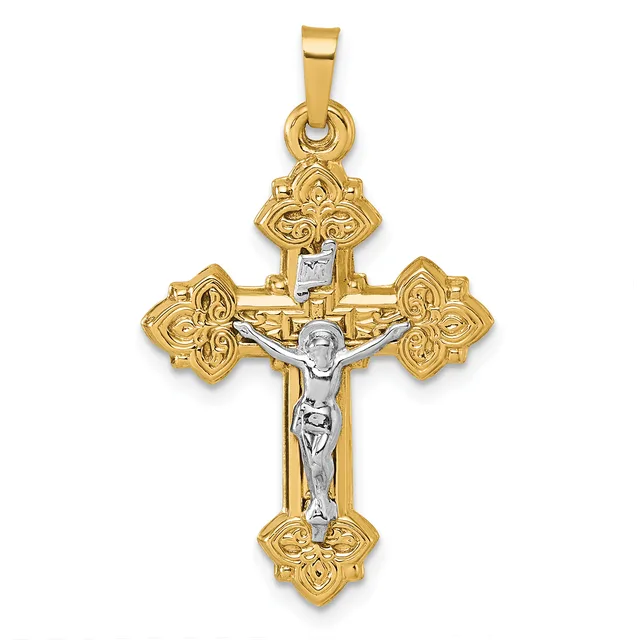
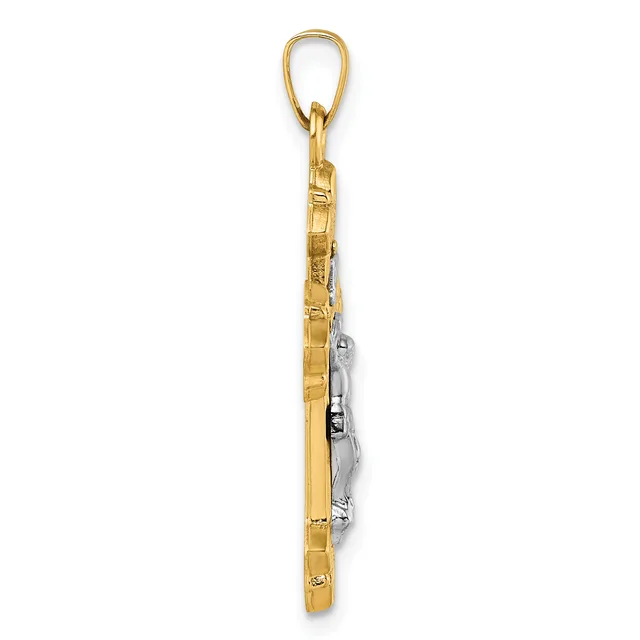
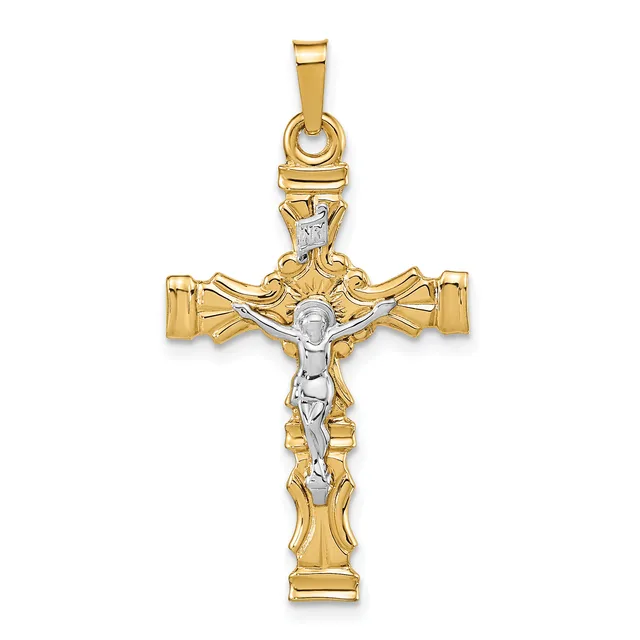
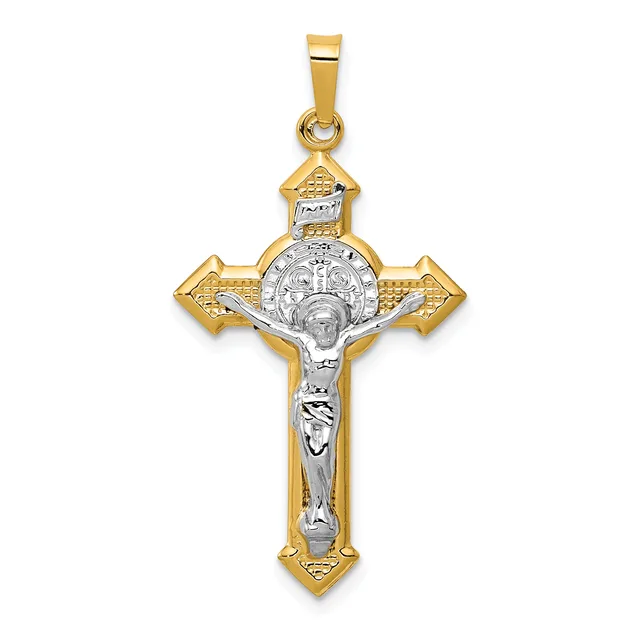
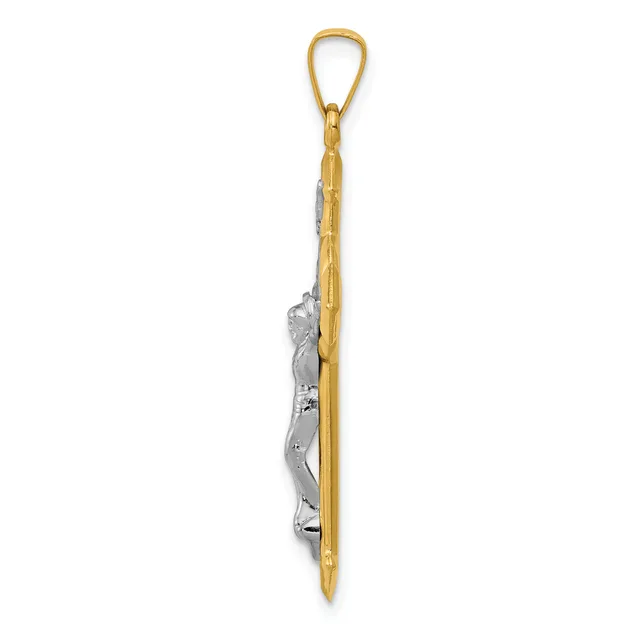
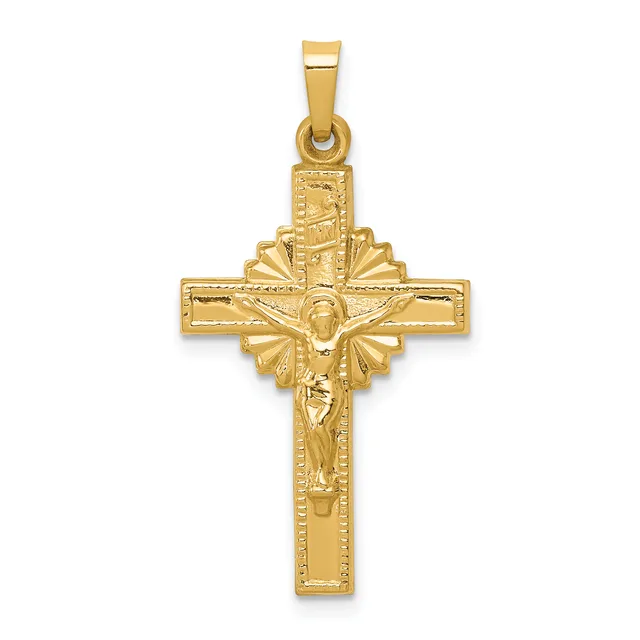
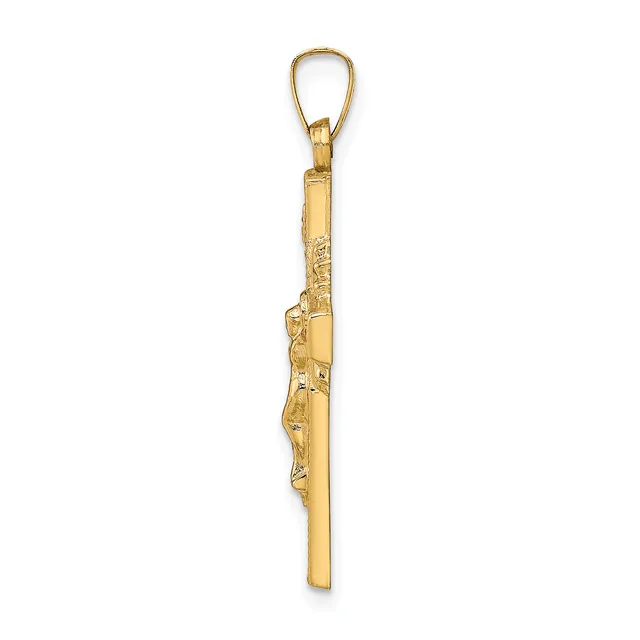
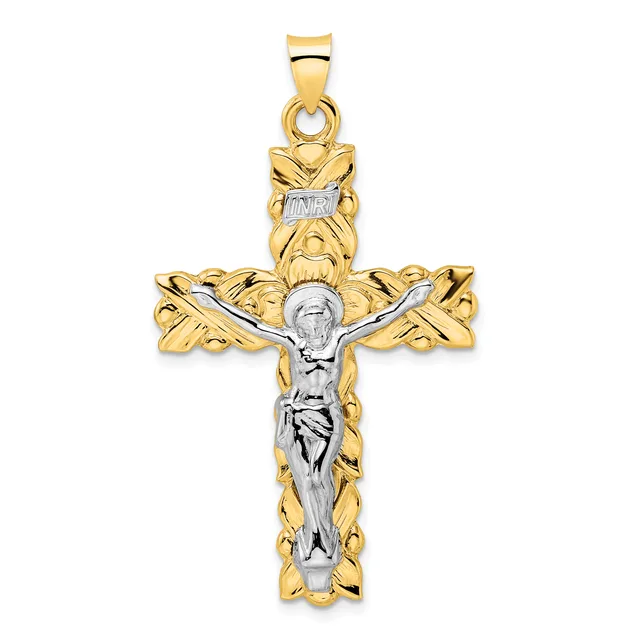
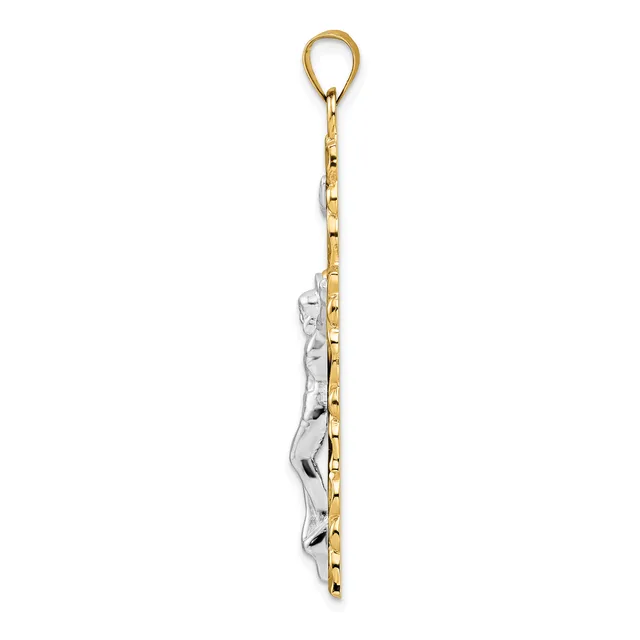
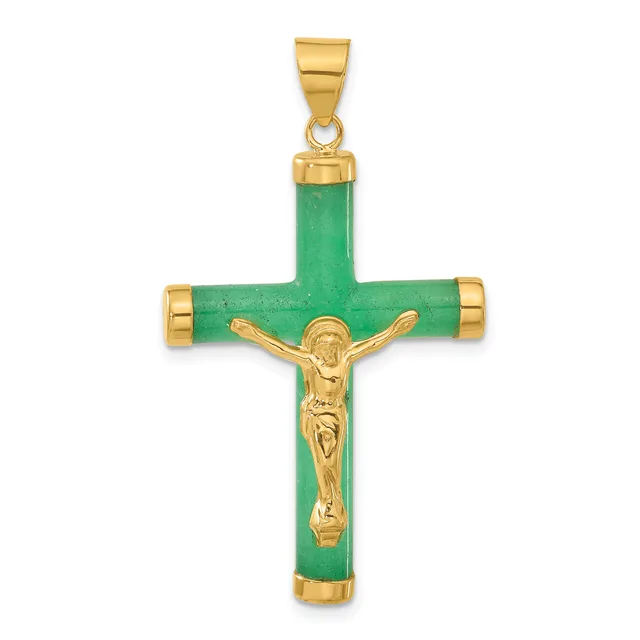
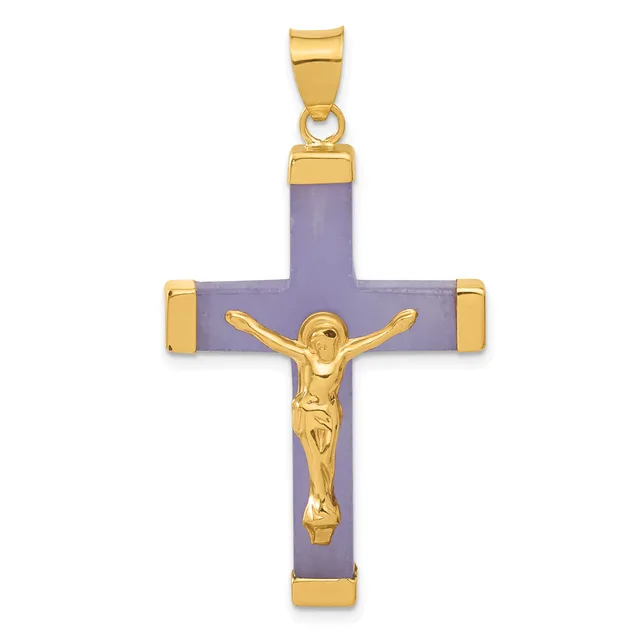
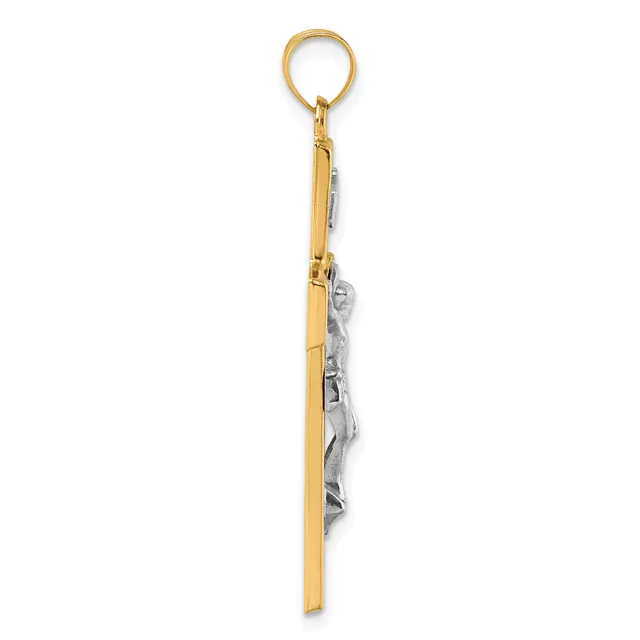
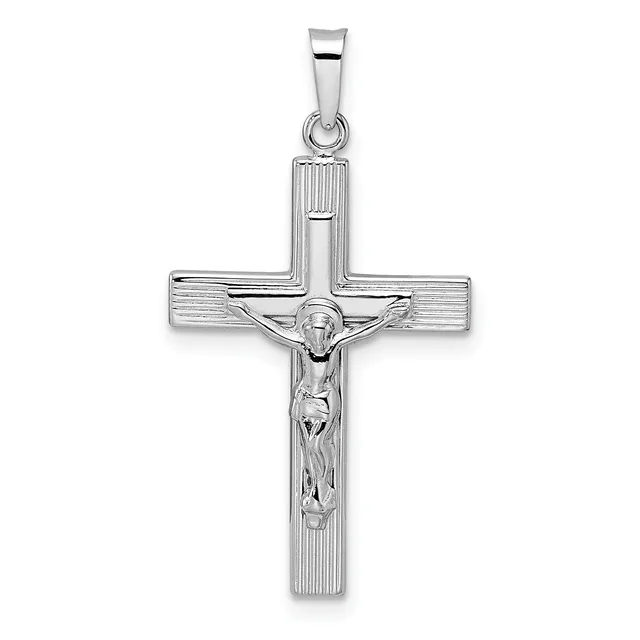
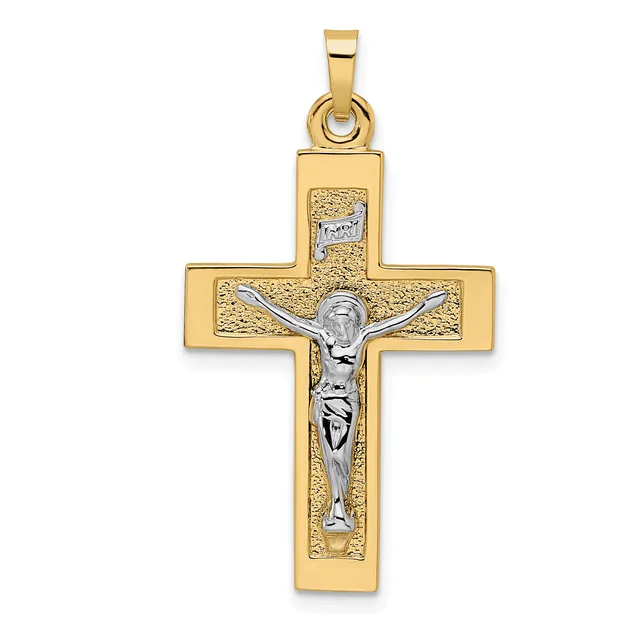
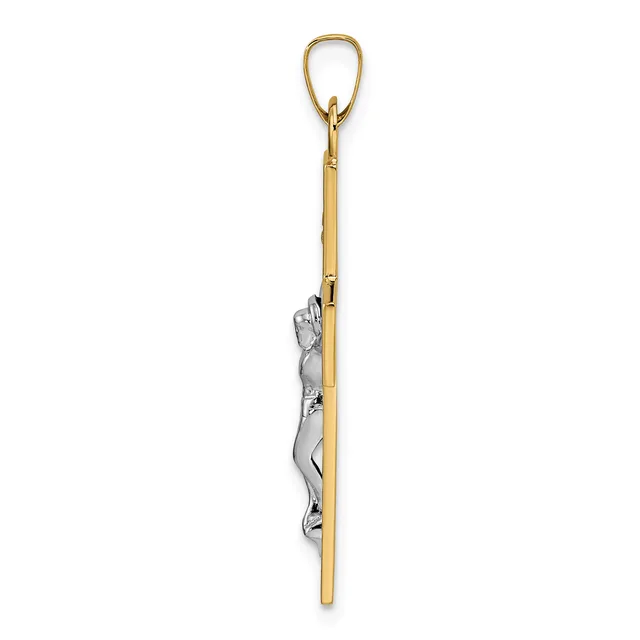
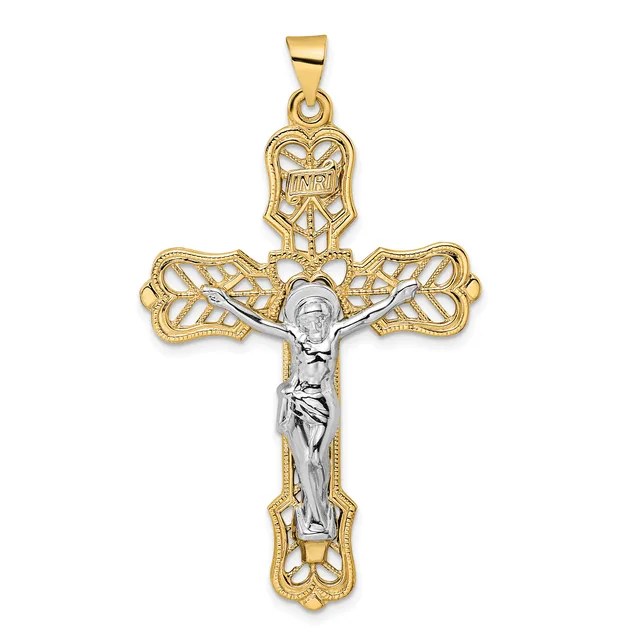
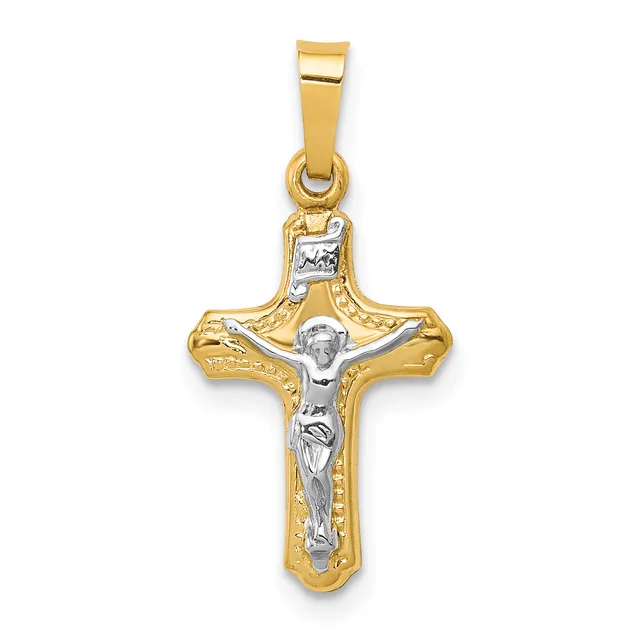
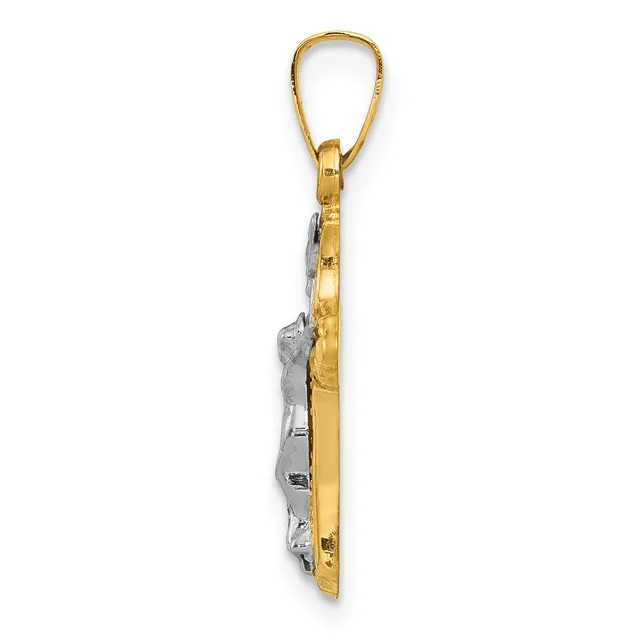
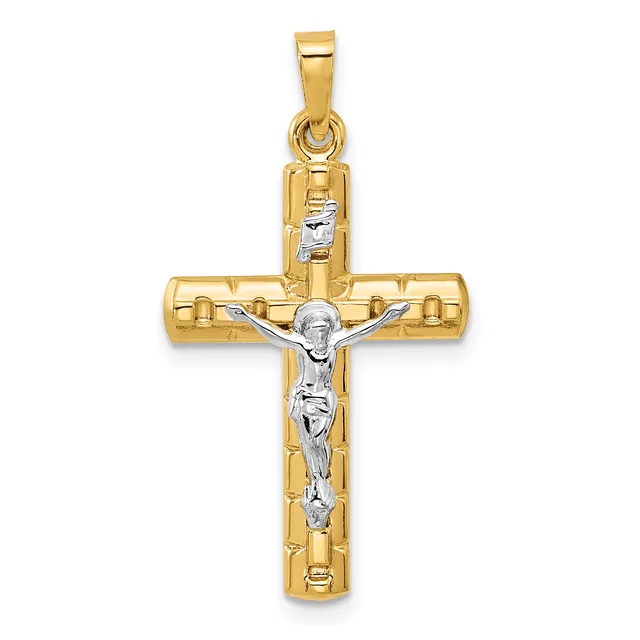
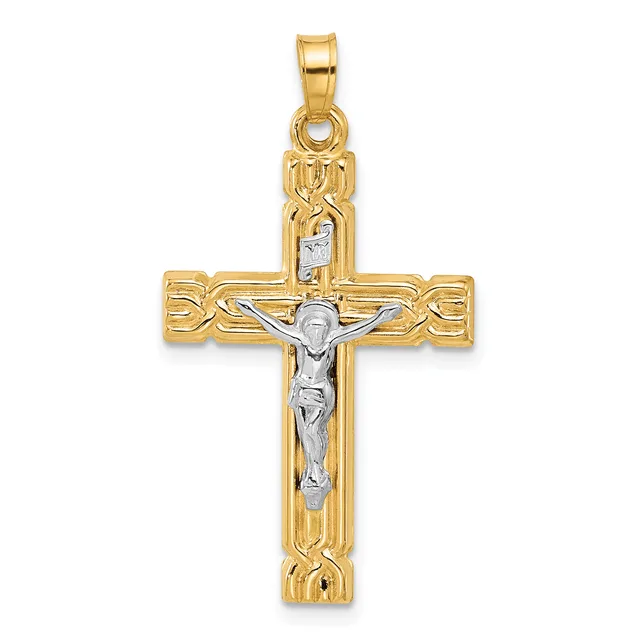
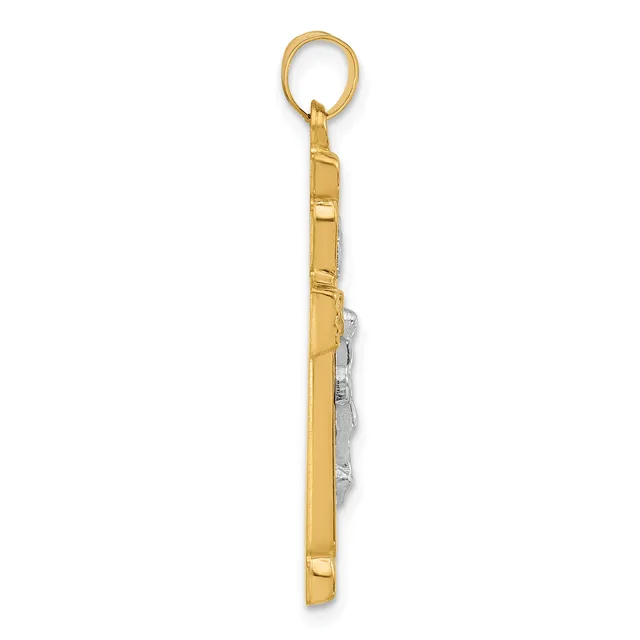
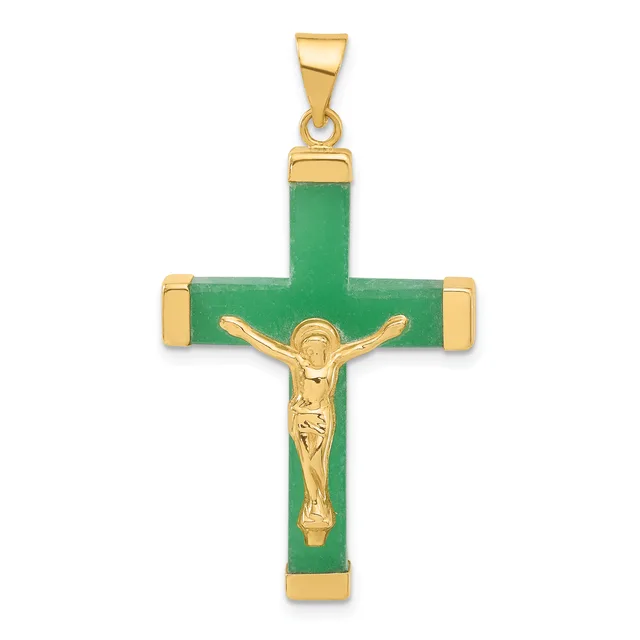
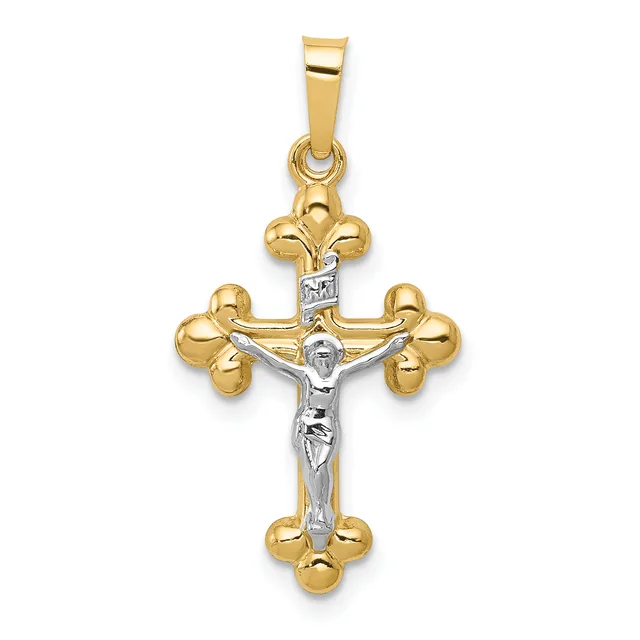
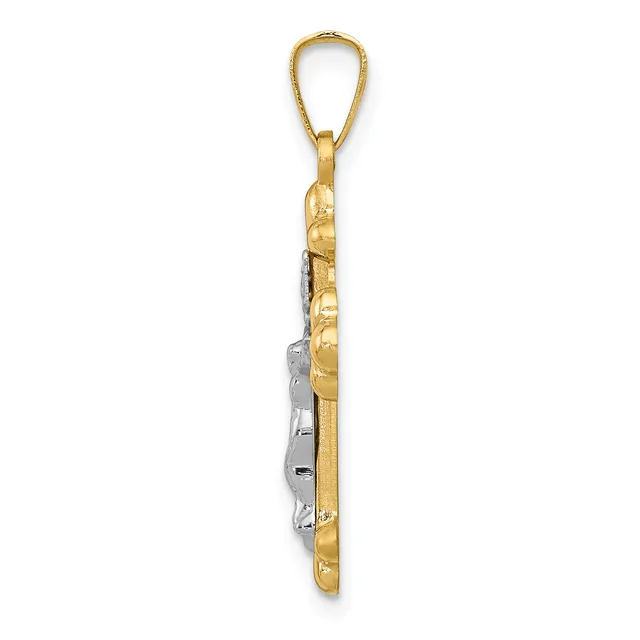
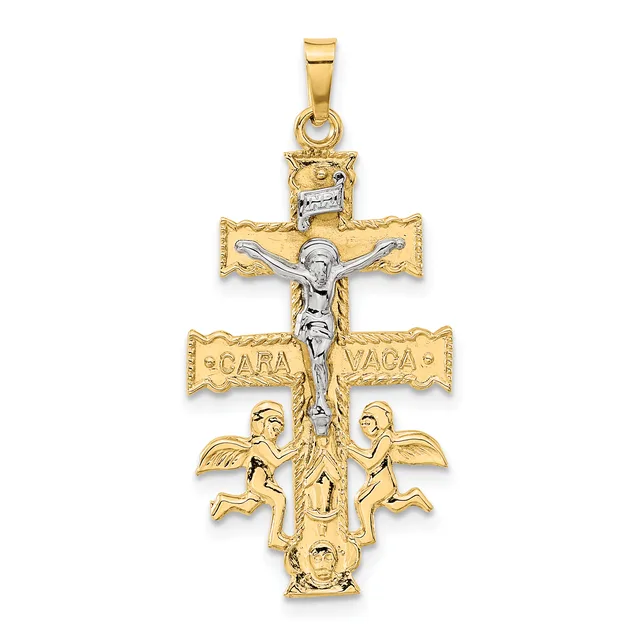
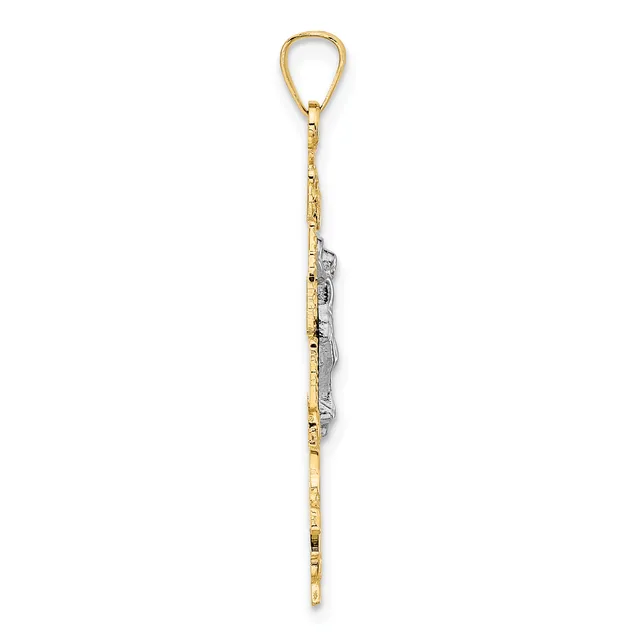
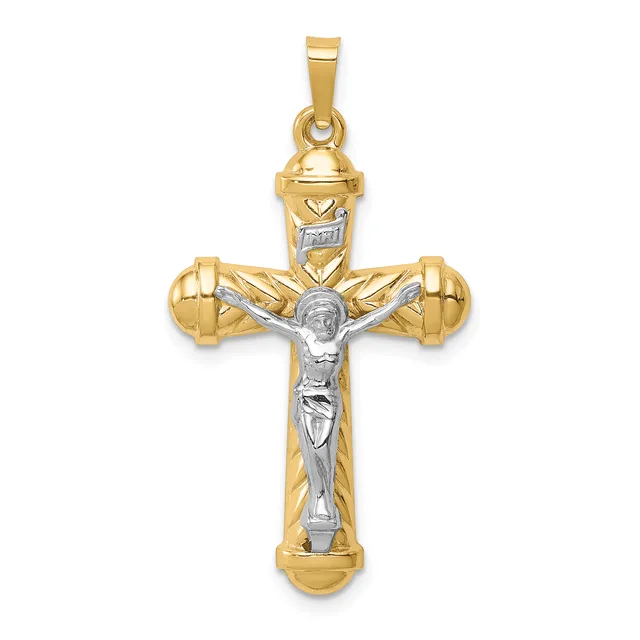
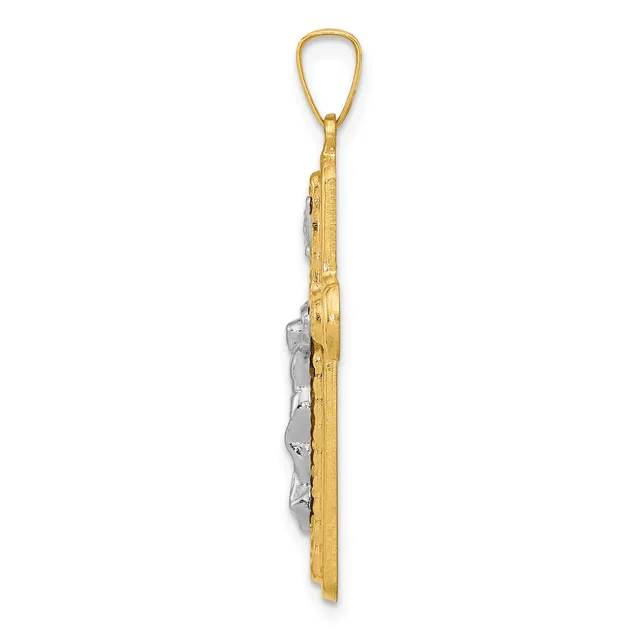
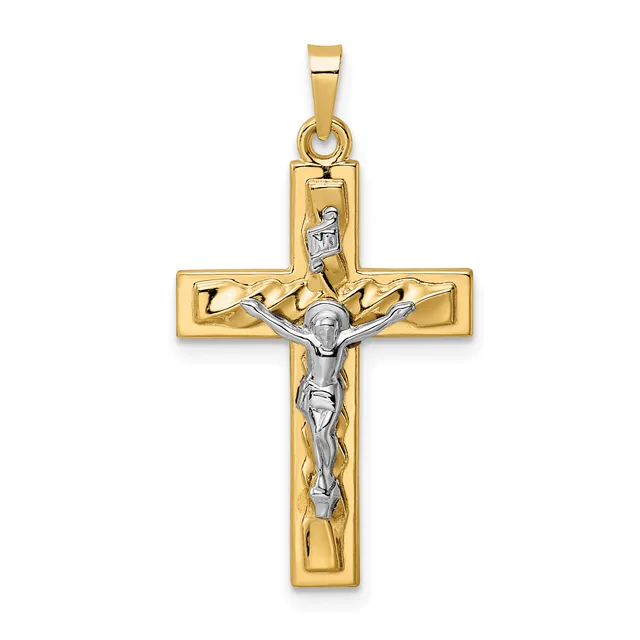
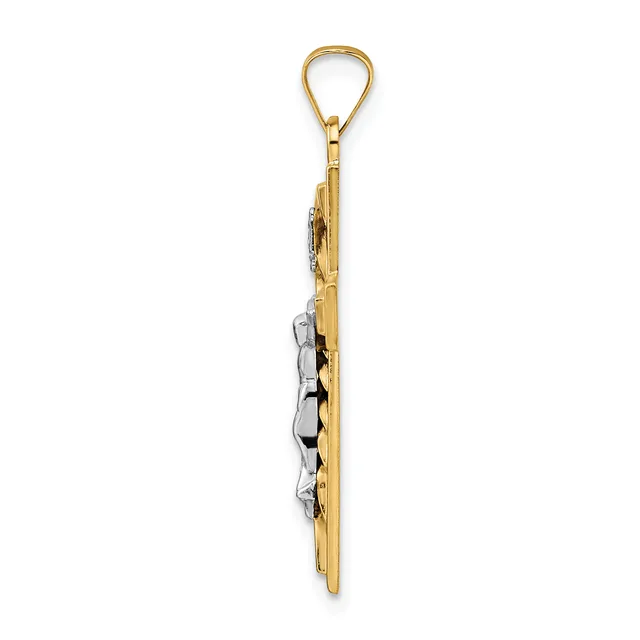
The crucifix form has accumulated distinct visual languages over centuries, and the pieces here reflect that breadth. The Latin crucifix follows the most widely recognized proportions — a long vertical bar crossed by a shorter horizontal one — and tends toward a clean, unadorned presentation suited to everyday wear. Budded crucifixes finish each arm of the cross with a small rounded terminal, a detail rooted in early ecclesiastical art that softens the silhouette. Fleur-de-lis crucifixes replace those terminals with the three-petaled lily motif, lending a more ornate, heraldic character. Celtic and Iona styles introduce interlace knotwork or a encircling ring at the crossing point, drawing on a distinct tradition of insular Christian metalwork. Passion crucifixes emphasize the narrative of the Crucifixion through heightened figural detail. Each style carries its own symbolic register, and the right choice often comes down to personal or family tradition as much as aesthetics.
Metals and What They Mean in Daily Wear
Gold crucifixes in this selection appear in both yellow and white gold, at karats that affect both color saturation and everyday durability. Higher-karat gold is richer in tone but slightly softer; lower-karat alloys are harder-wearing and hold fine detail well over time. Sterling silver is a practical choice for a pendant worn close to the skin — it develops a gentle patina that many wearers appreciate, and it polishes back easily with a soft cloth. Whatever the metal, a pendant worn daily benefits from occasional cleaning to remove skin oils, which can dull the surface around any figural detail. Remove the piece before swimming or bathing, as prolonged exposure to chlorine and salt water affects all fine metals over time.
Choosing the Right Size and Chain
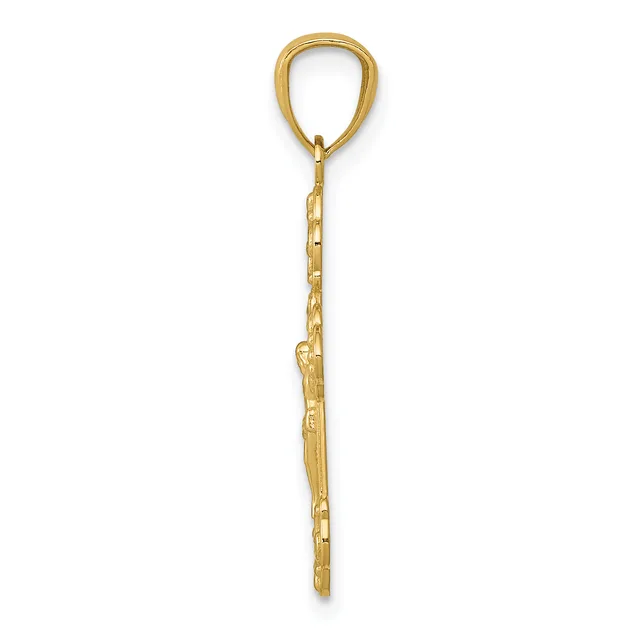
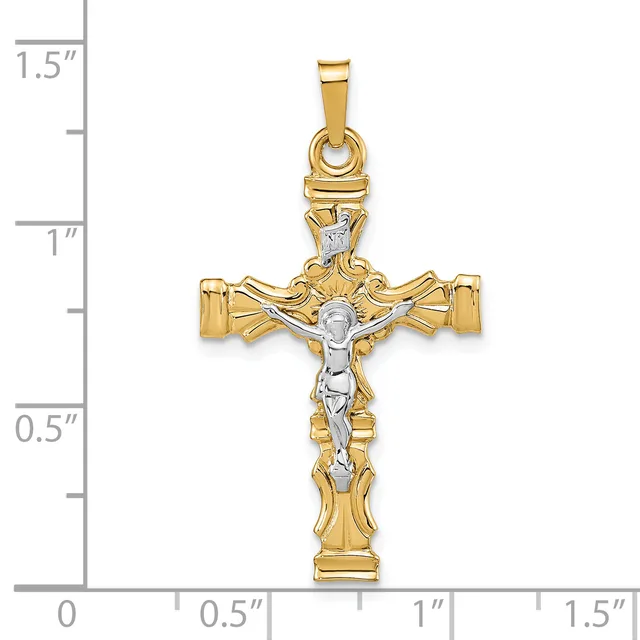
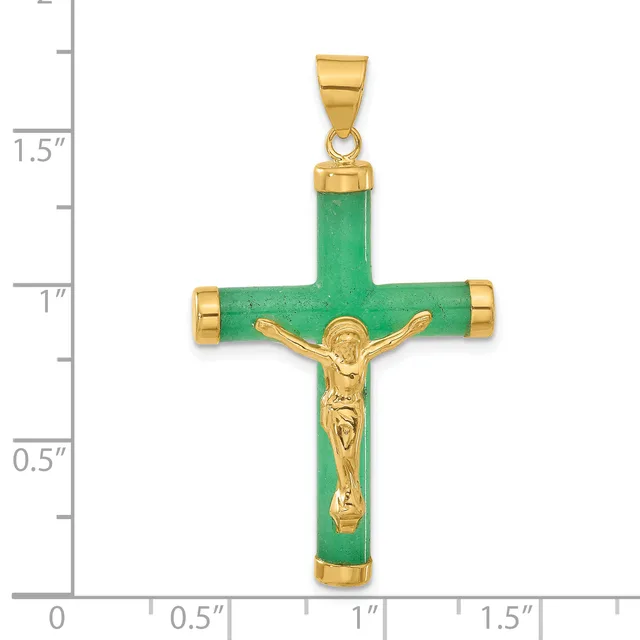
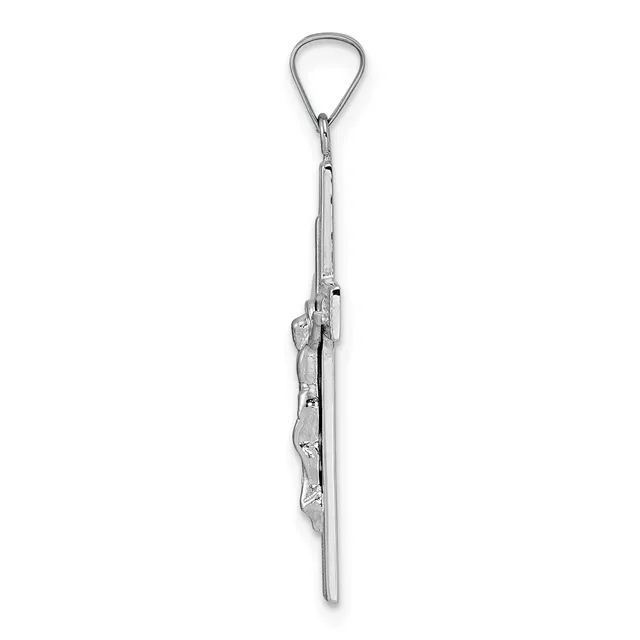
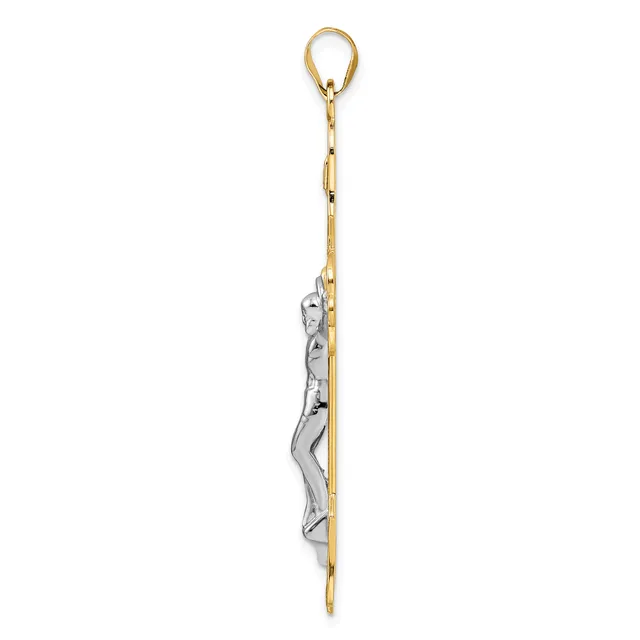
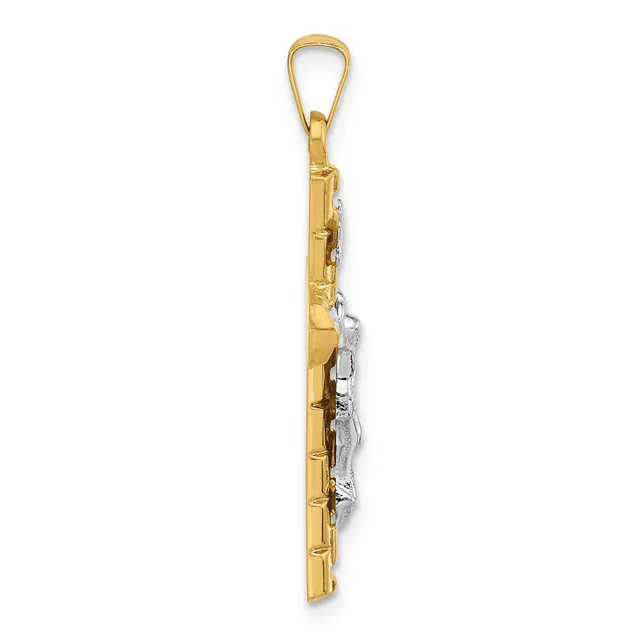
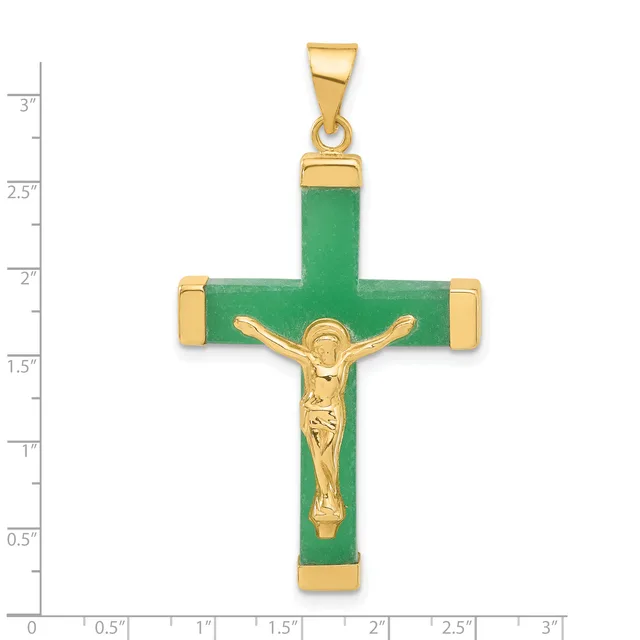
Crucifix pendants vary meaningfully in scale, and size affects both visual presence and comfort. A smaller pendant sits discreetly beneath a collar; a larger one reads as a statement piece and suits an open neckline or a heavier chain. The bail — the loop through which the chain passes — determines the maximum chain width that will thread through and hang cleanly. If you are pairing a crucifix with a chain purchased separately, check the bail opening against the chain's width before ordering. Most crucifixes here are sold as pendants only, so the chain is a separate consideration unless the listing specifies otherwise.
Care Over Time
Figural pendants collect residue in recessed areas more readily than flat pieces. A soft-bristled brush and warm soapy water clear this without abrading the surface. Dry thoroughly before storing, and keep each piece in a separate pouch or compartment to prevent scratching from other jewelry. Silver benefits from an anti-tarnish storage cloth or strip if it will sit unworn for an extended period.
Frequently asked questions
What is the difference between a crucifix and a cross pendant?
A cross pendant bears the cross form alone; a crucifix includes a corpus — a depiction of the figure of Christ on the cross. For many wearers, the crucifix carries a more explicitly devotional meaning.
Do the crucifixes here come with a chain?
Most pieces in this selection are pendant-only listings. Check the individual product description to confirm whether a chain is included before purchasing.
Which metal is best for a crucifix worn every day?
Gold alloys at lower karats and sterling silver both hold up well to daily wear. Higher-karat gold is softer and can show wear more quickly on fine figural detail, though it remains a durable choice for most lifestyles.
How do I clean a crucifix pendant without damaging the detail?
Warm water with a small amount of mild dish soap and a soft-bristled brush — a clean toothbrush works well — reaches into the recessed areas around the figure without scratching the metal. Rinse and dry completely before storing or wearing.
What do the different crucifix styles signify?
Styles such as budded, fleur-de-lis, Celtic, and Passion crucifixes each draw on distinct traditions in Christian art and metalwork. The choice is often personal or tied to family heritage, denomination, or regional devotional practice.