
Understanding the Styles
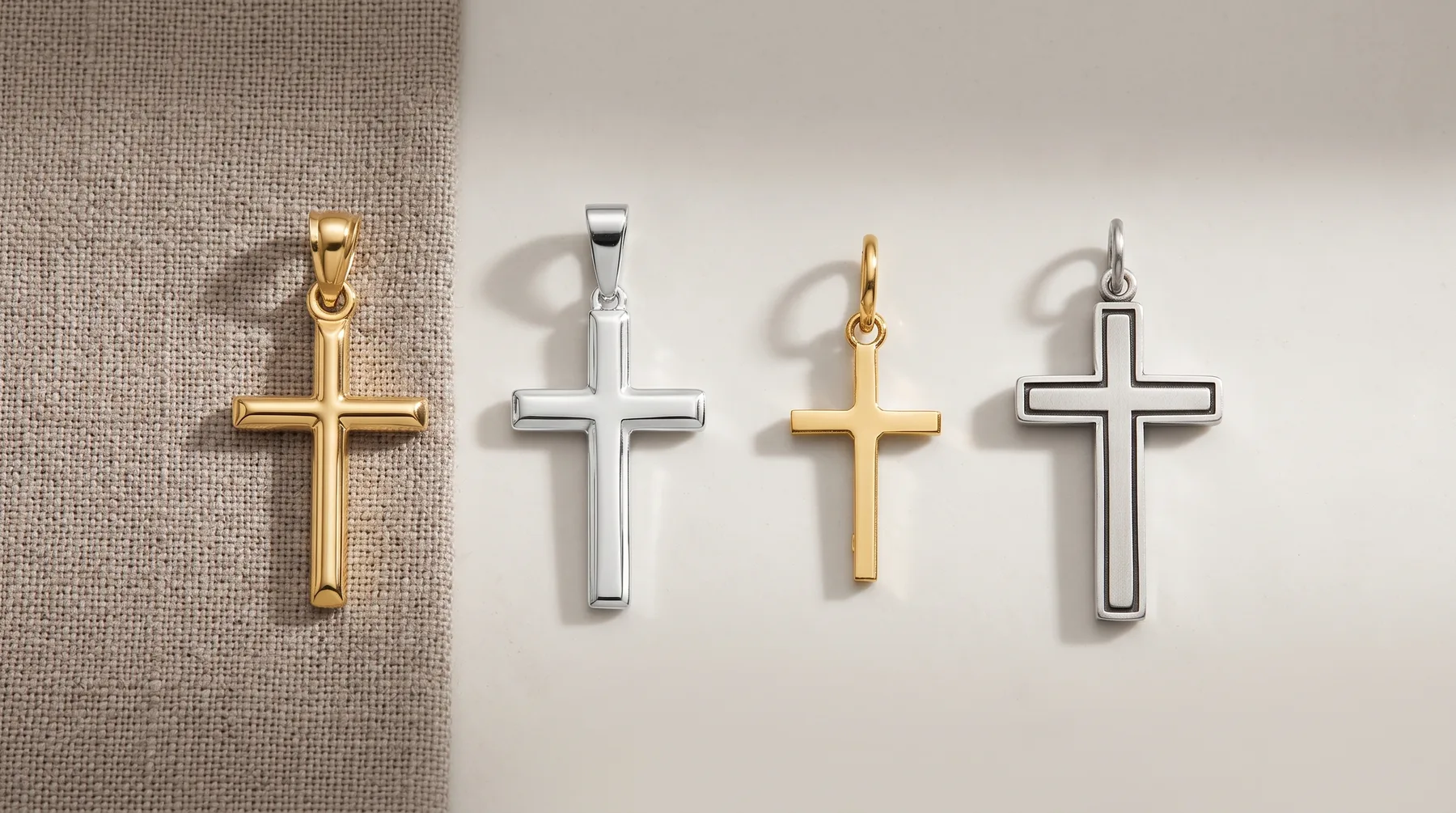
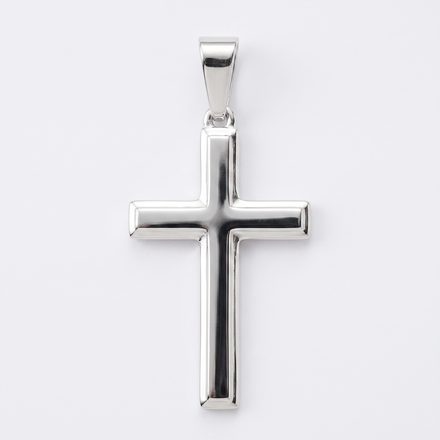
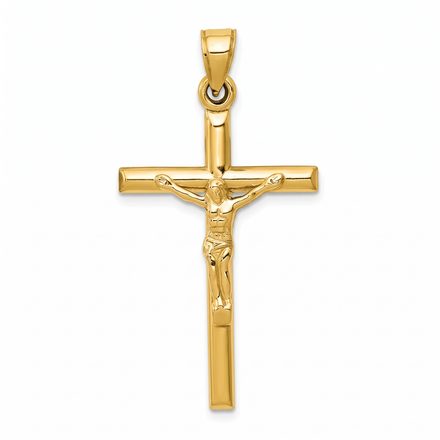
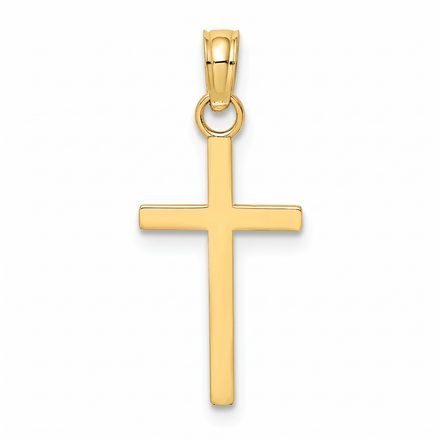
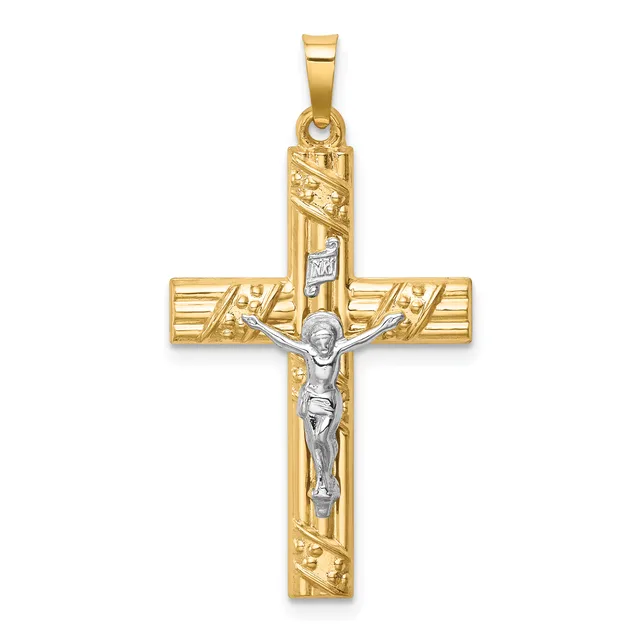
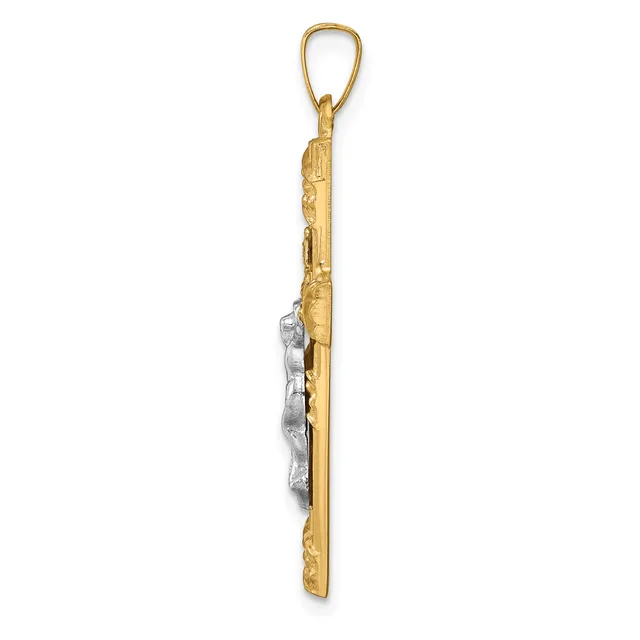
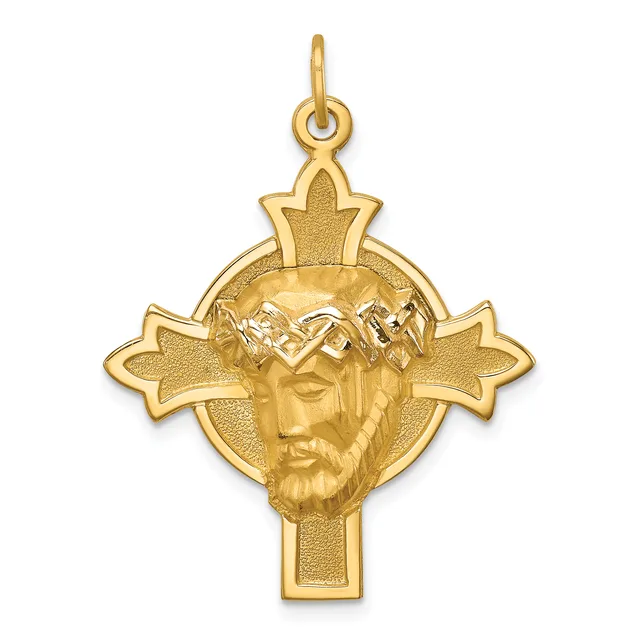
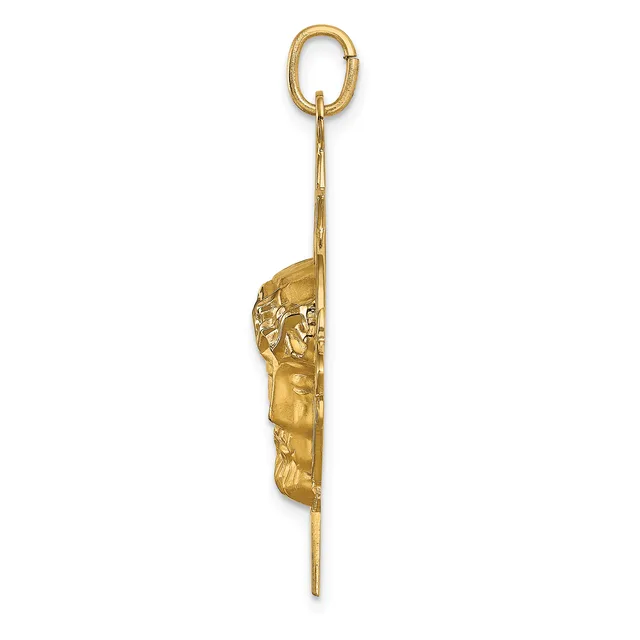
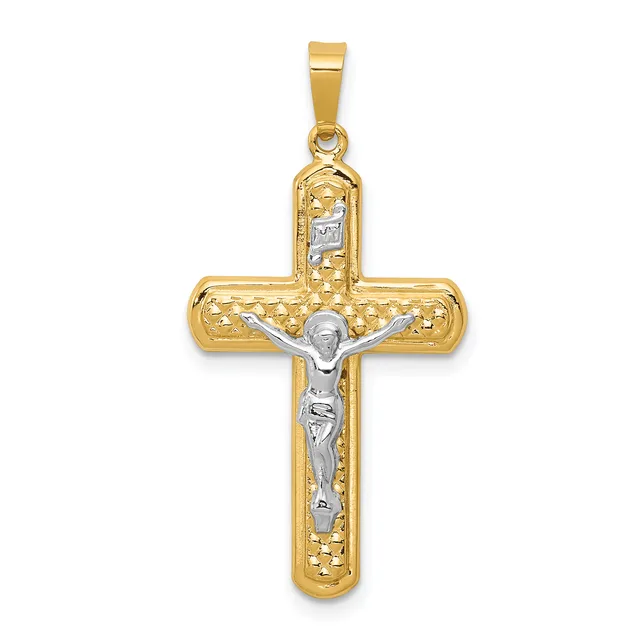
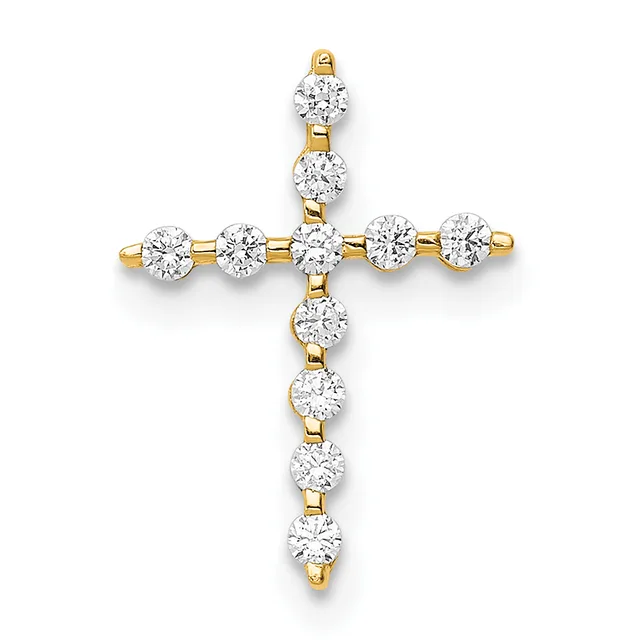
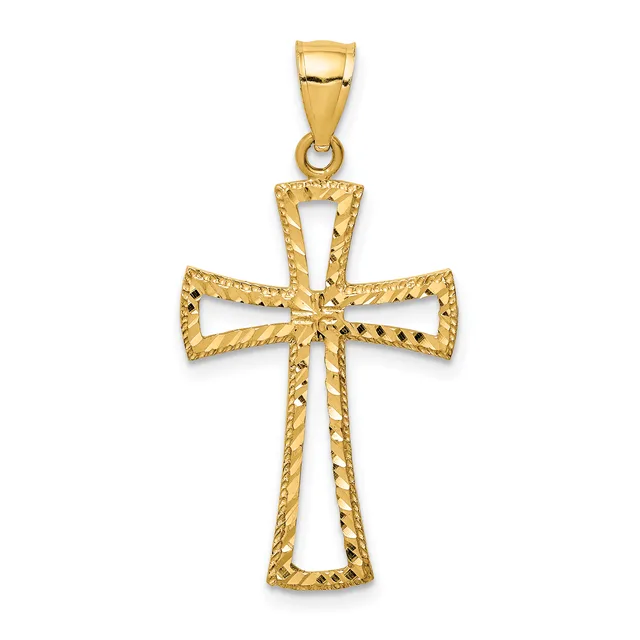
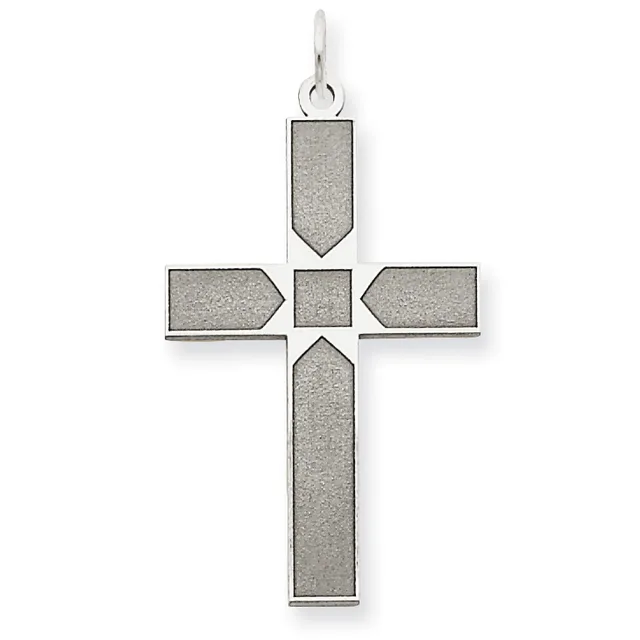
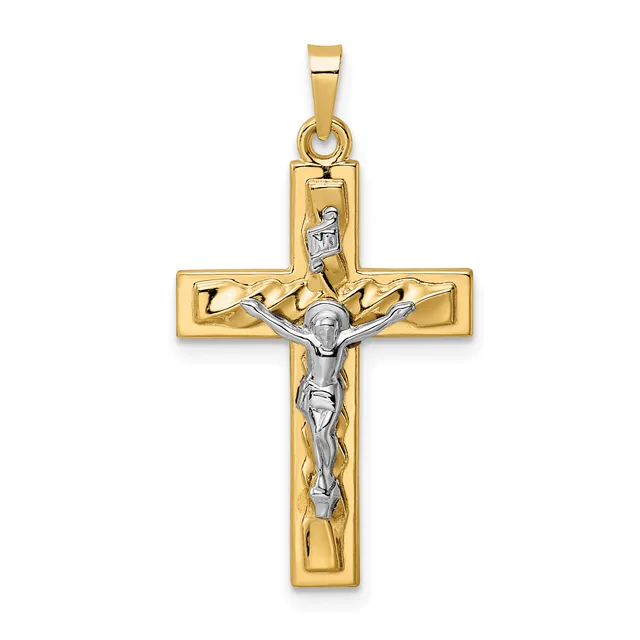
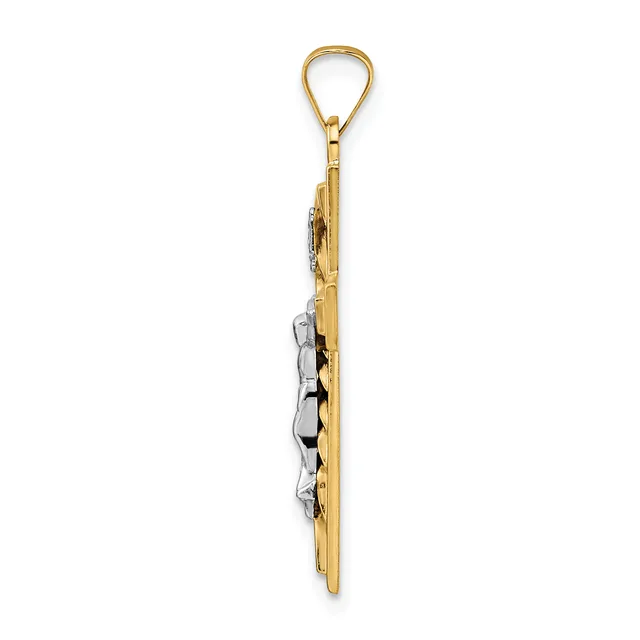
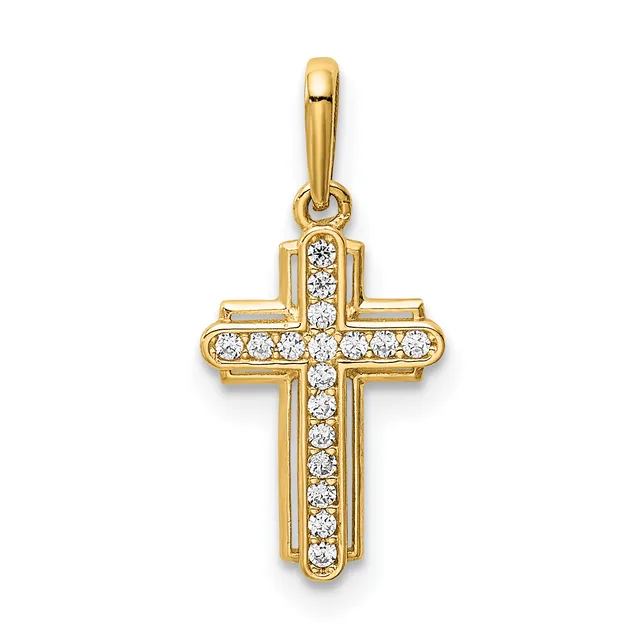
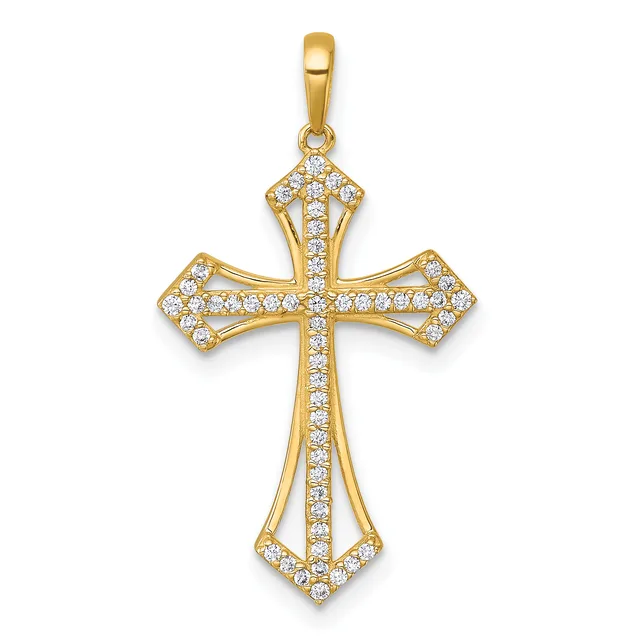
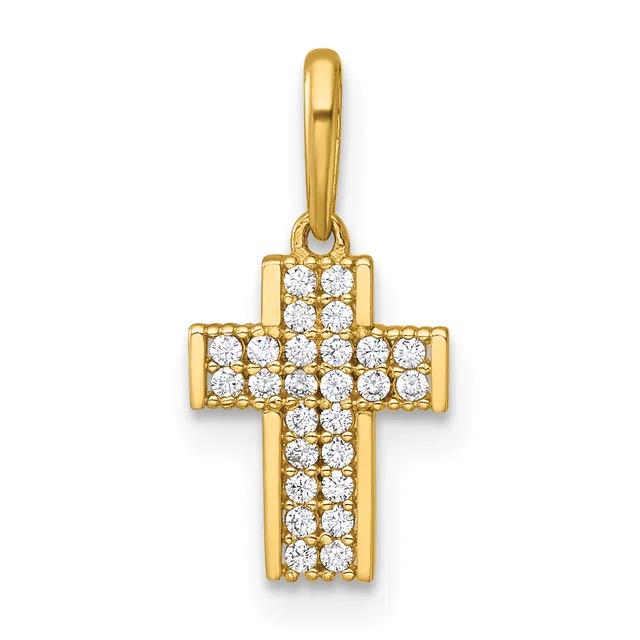
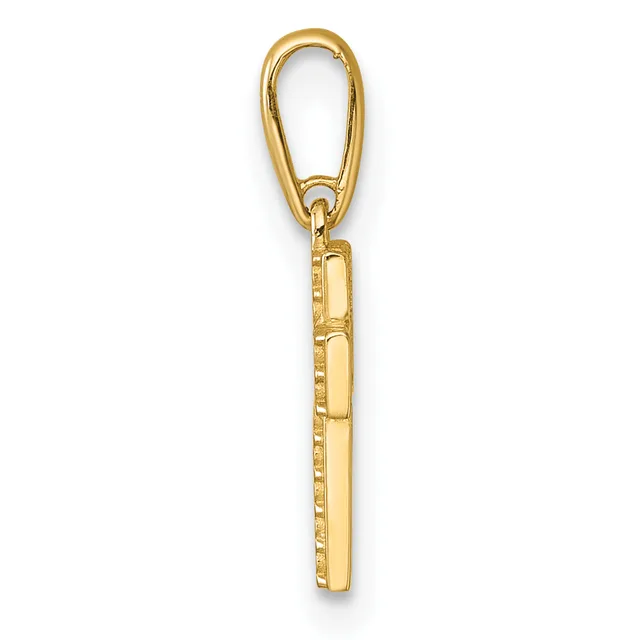
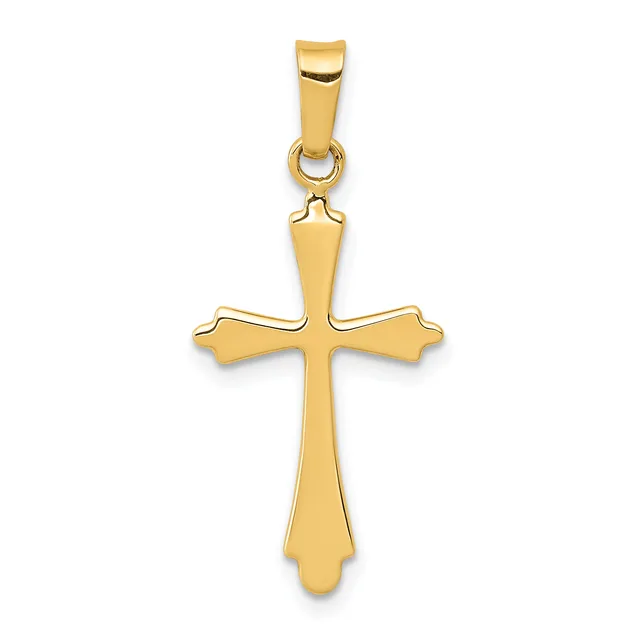
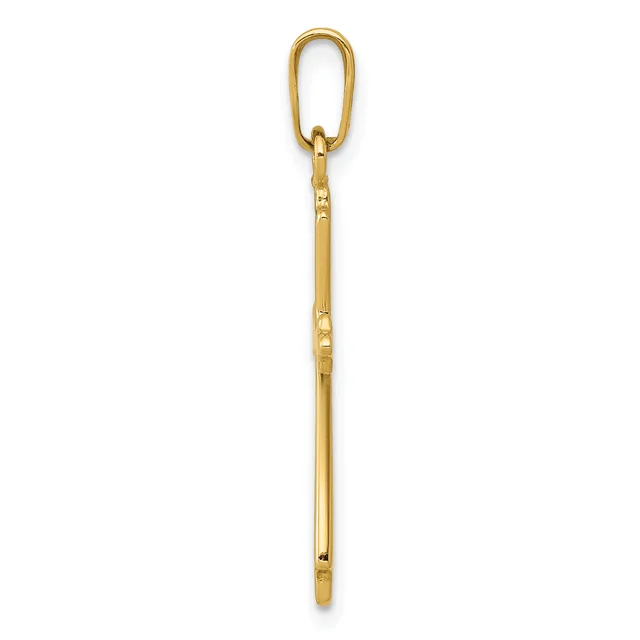
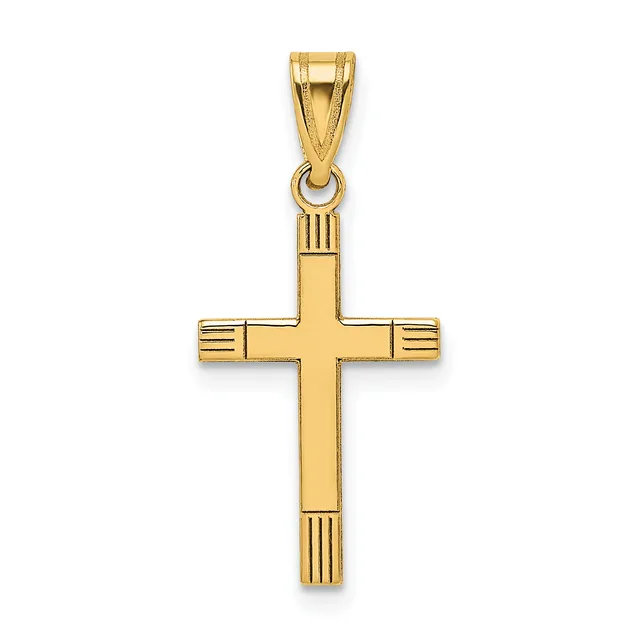
The cross is one of the oldest forms in jewelry, but within that form there is real variety. The Latin cross — a plain vertical bar longer than its horizontal — is the most recognizable shape, and versions here range from slender and minimal to boldly dimensional. The crucifix adds a sculpted figure of Christ, making the piece explicitly devotional; the detail and weight of the casting vary considerably, and that difference is visible in both the look and the price. Fancy cross styles — including fleur-de-lis ends and budded terminals — take the same basic geometry and ornament it, giving the piece a decorative character that sits comfortably alongside religious meaning or independently of it.
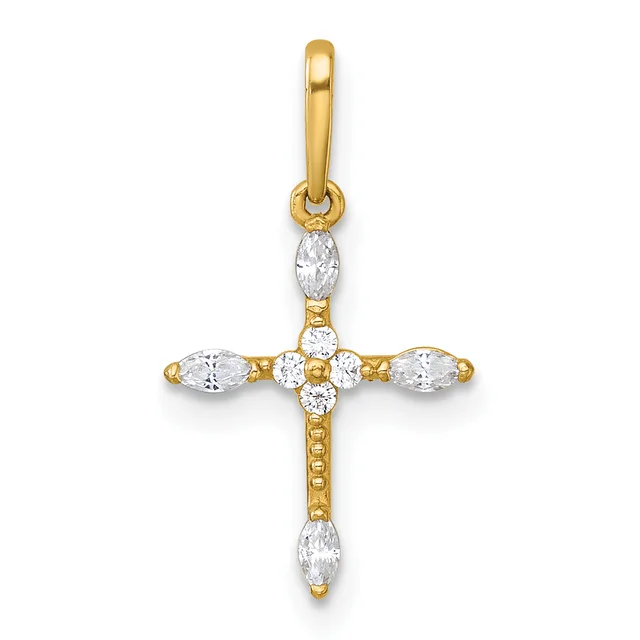
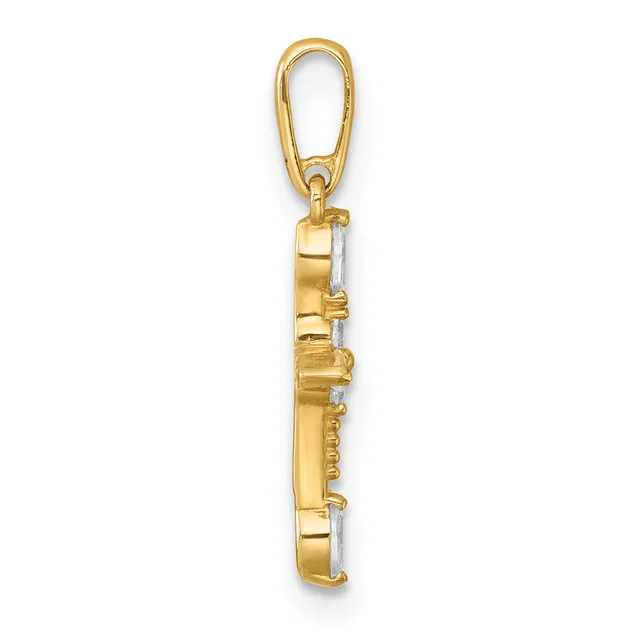
Children's crosses are scaled and finished for younger wearers: lighter in weight, gentler in proportion, and typically set in metals appropriate for sensitive skin.
What the Metal Choices Mean in Daily Wear
Across this selection you will find pieces in yellow, white, and rose gold at various karats, as well as sterling silver. Karat indicates the proportion of pure gold in the alloy — 14k contains roughly 58% gold and is the practical standard for pieces worn regularly, offering durability without sacrificing warmth of color. 10k is harder still and carries a slightly cooler tone. Sterling silver (marked .925) is the most affordable entry point and develops a patina over time that many wearers appreciate; it does require occasional polishing to stay bright. The metal you choose will shape not just price but how the piece ages alongside you.
Choosing the Right Size and Chain
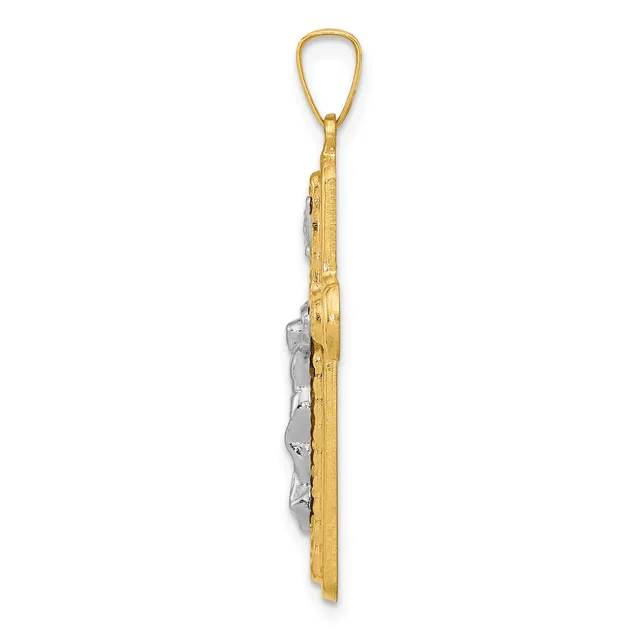
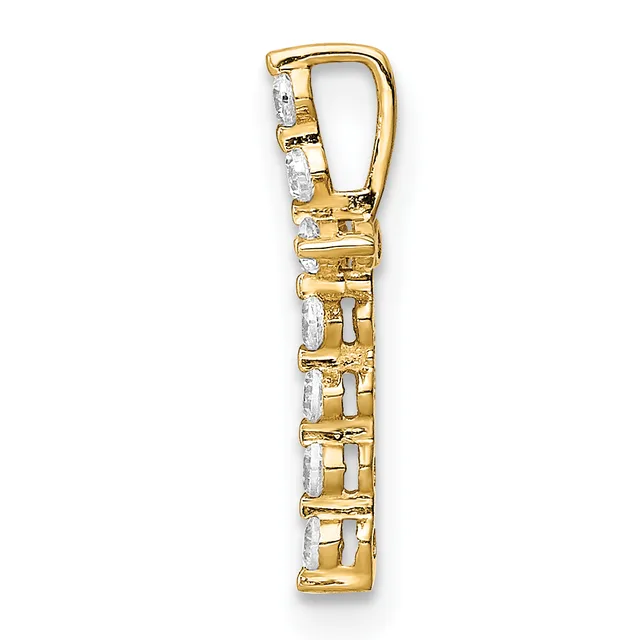
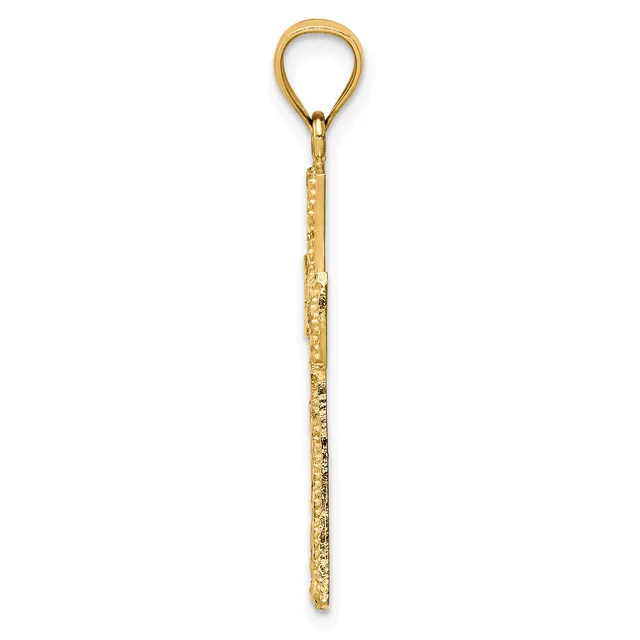
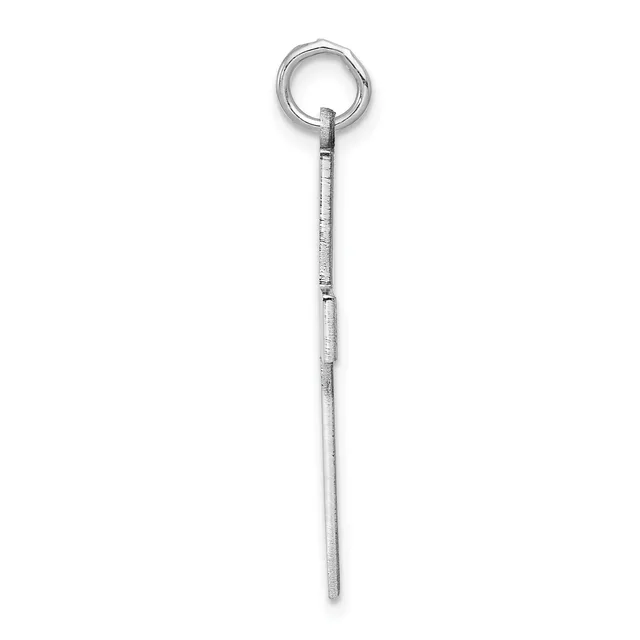
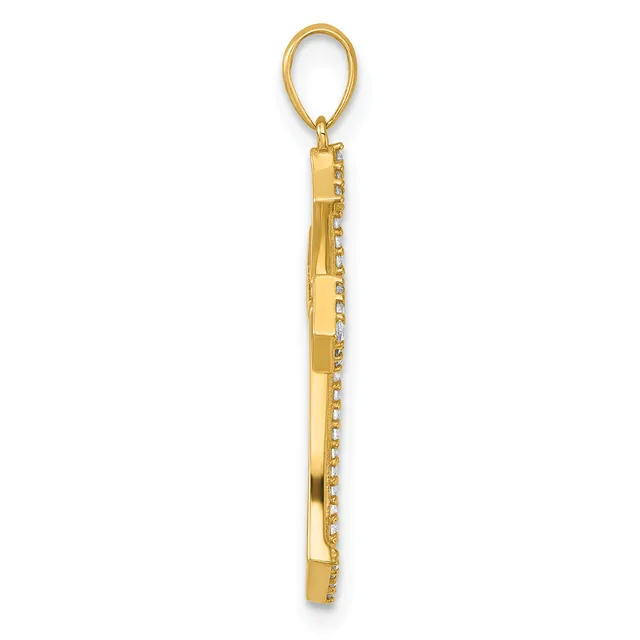
A pendant's visual weight should be in proportion to the chain it hangs from and the neckline it sits against. Smaller, lighter crosses suit delicate chains and read quietly at the collarbone. Larger, heavier pieces — particularly dimensional crucifixes — need a chain with enough gauge to bear the weight and enough presence to balance the pendant visually. Most pendants here are sold separately from a chain, so consider the two together when planning a complete look or gift.
Care
Gold pendants can be cleaned gently with warm water, mild soap, and a soft cloth, then dried thoroughly. Sterling silver benefits from storage in an anti-tarnish pouch when not worn. Pieces with open filigree or fine engraving should be cleaned with a soft brush to reach recessed areas. Avoid ultrasonic cleaners on any pendant with a soldered bail or delicate surface detailing, as vibration can stress fine joins over time.
Frequently asked questions
What is the difference between a Latin cross and a crucifix pendant?
A Latin cross is the unadorned cross form — a longer vertical bar intersected by a shorter horizontal one. A crucifix adds a sculpted or relief figure of Christ on the cross, making it a more explicitly devotional piece.
Are there cross pendants suitable for children?
Yes. Children's cross pendants in this selection are lighter in weight and scaled for smaller frames, making them appropriate for a baptism, first communion, or similar gift.
Do these pendants come with a chain?
Most cross pendants here are sold as the pendant alone. If you need a chain, choose one whose gauge and length suit the weight and size of the pendant you select.
Which metal is most practical for a cross pendant worn every day?
14k gold is the most common choice for everyday wear — it is durable enough for regular use and holds its color well over time. Sterling silver is a less expensive alternative but needs periodic polishing to maintain its brightness.
What do the ornamental styles — fleur-de-lis ends, budded terminals — mean on a cross pendant?
These are decorative treatments applied to the arms of the cross. Fleur-de-lis and budded ends have roots in ecclesiastical art and heraldry, and today they appear on both devotional and purely ornamental pieces.