
What you'll find here
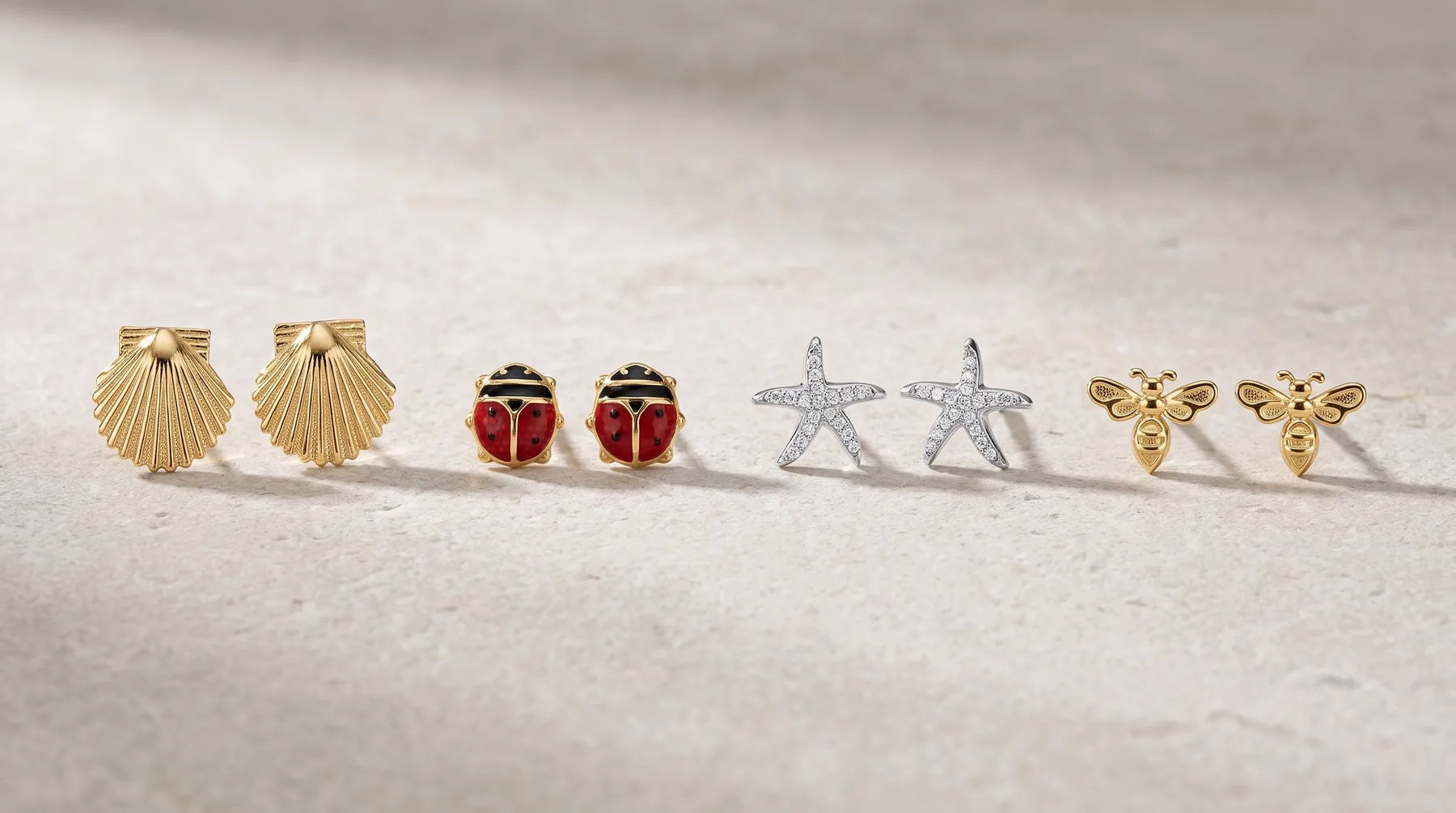
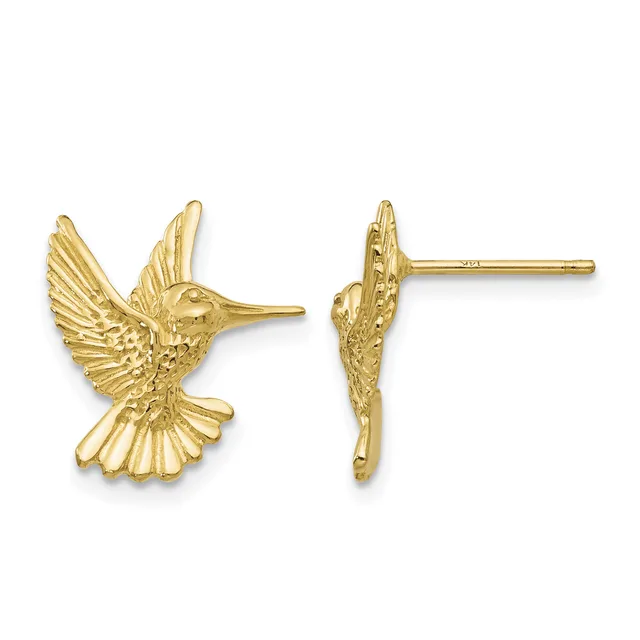
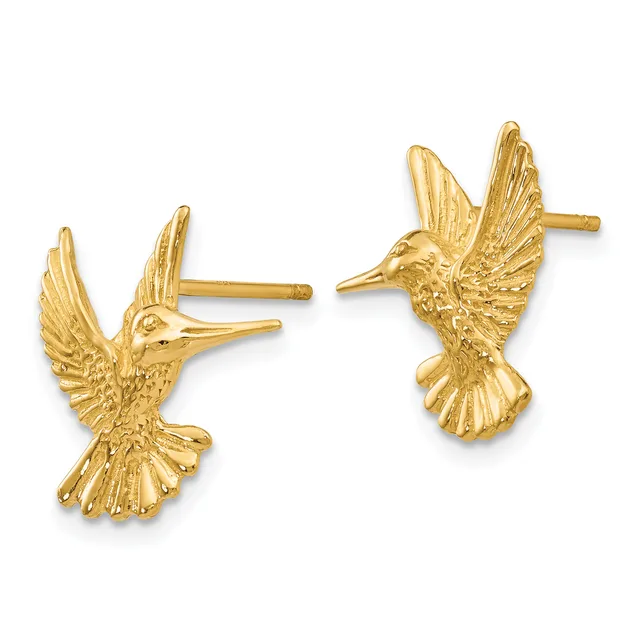
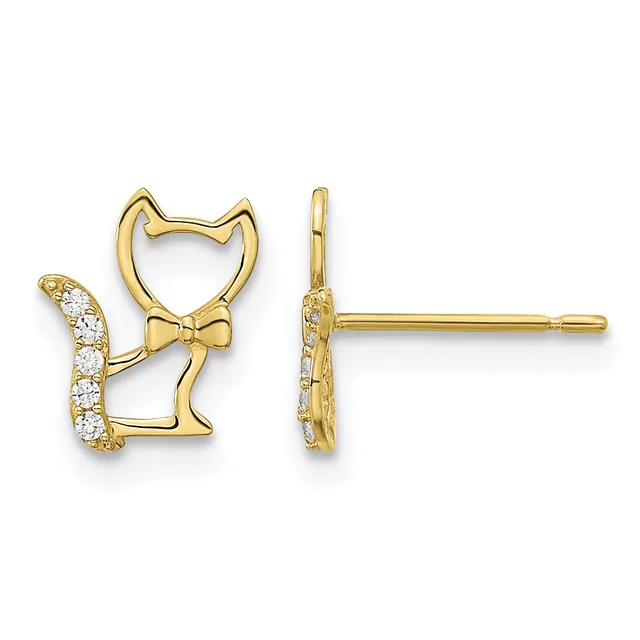
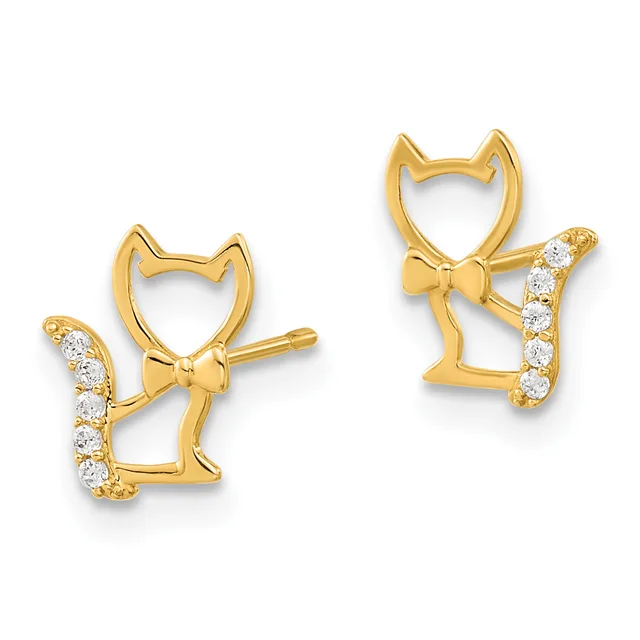
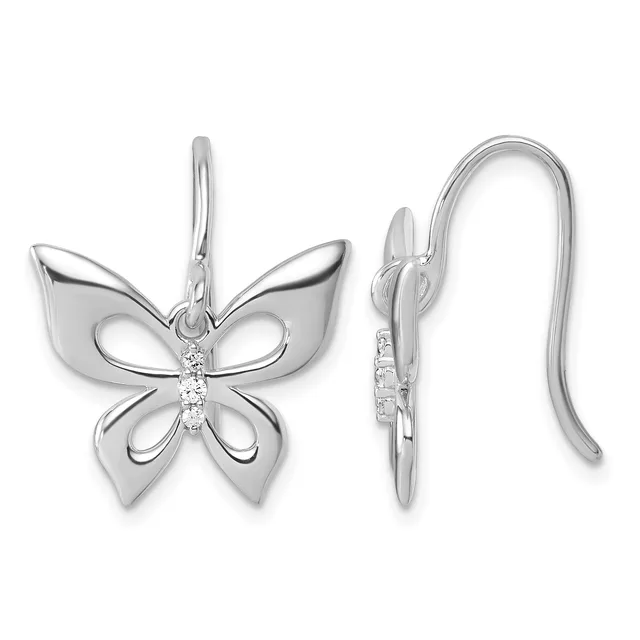
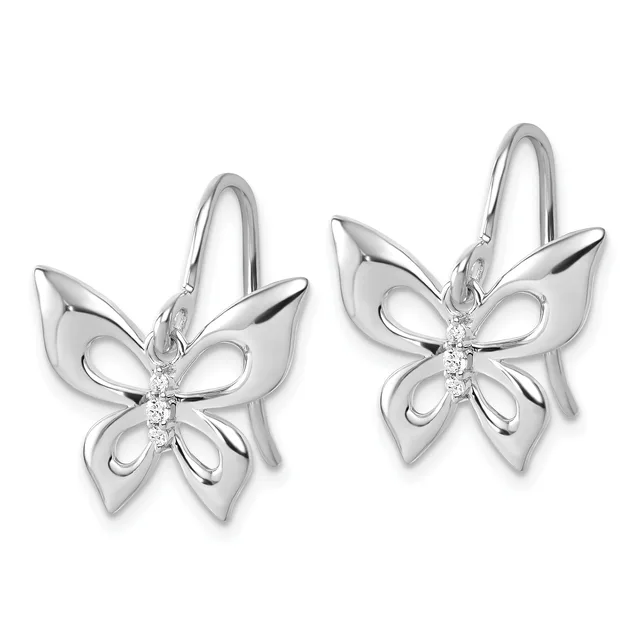
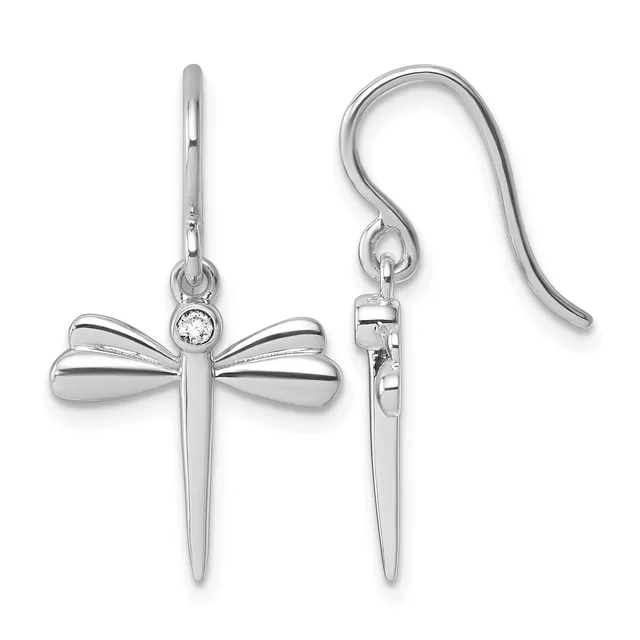
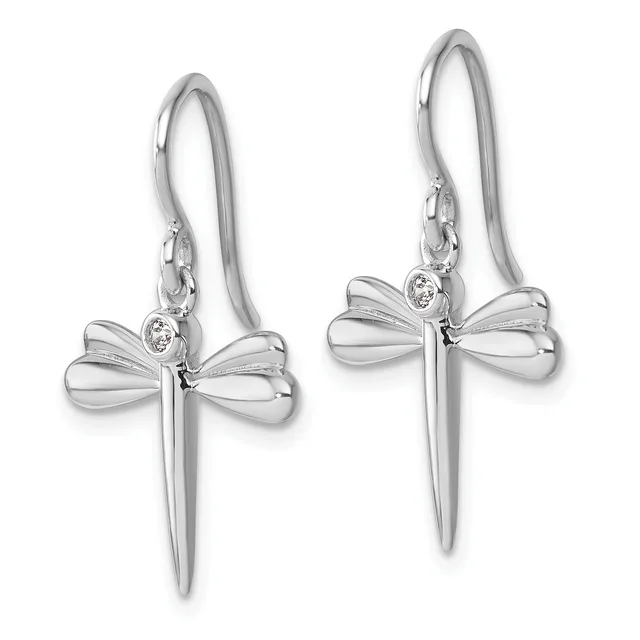
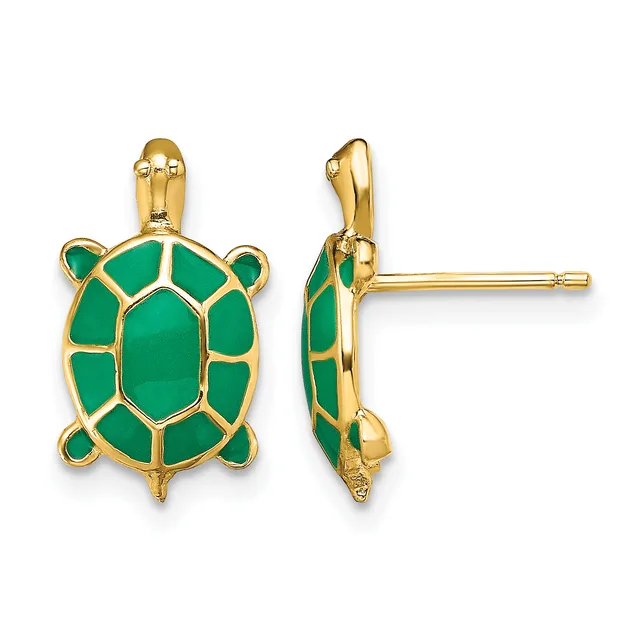
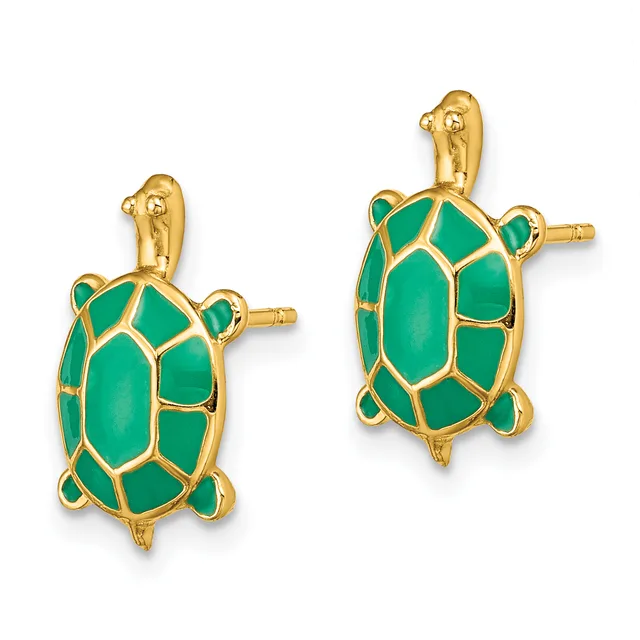
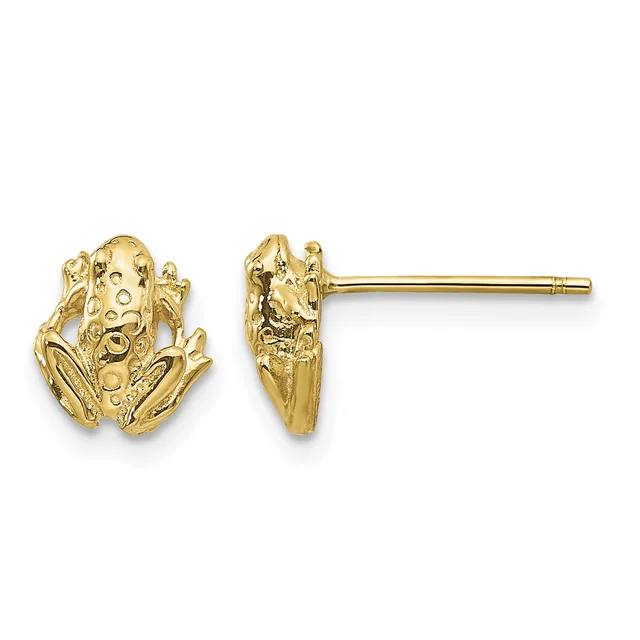
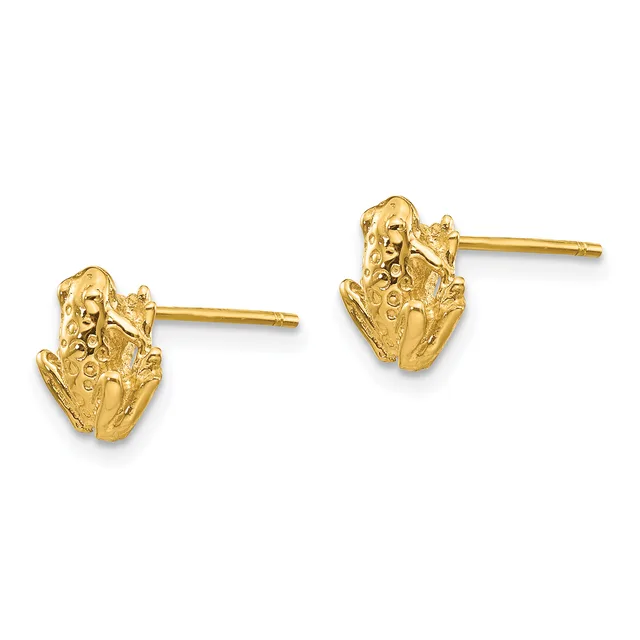
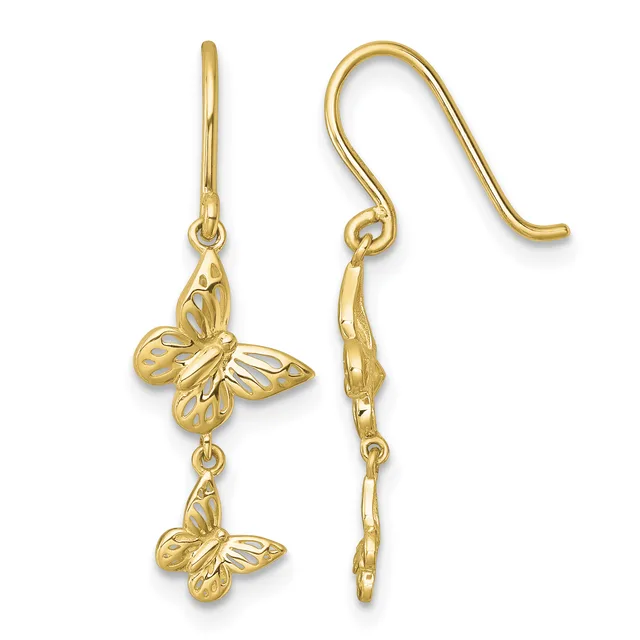
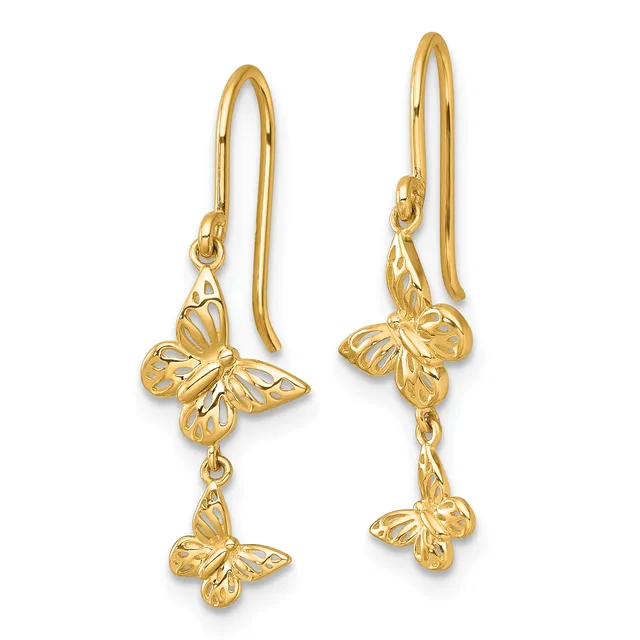
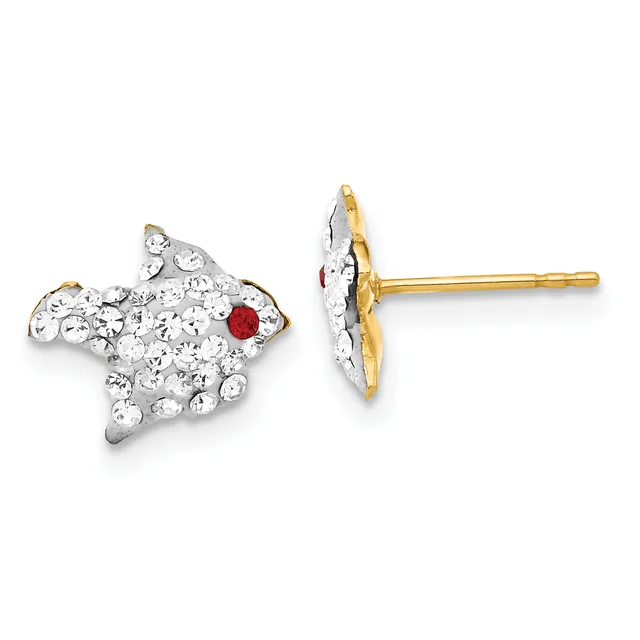
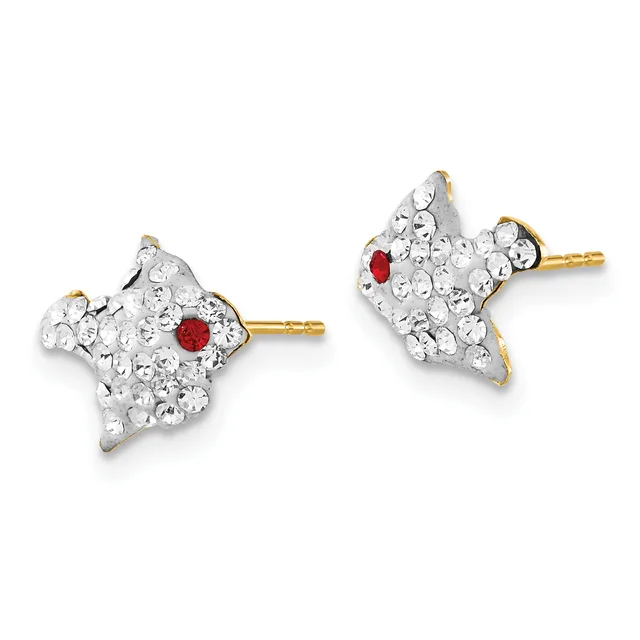
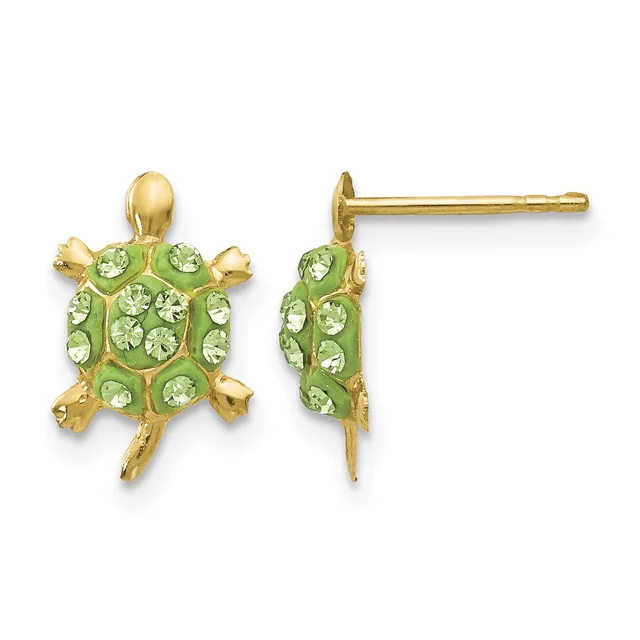
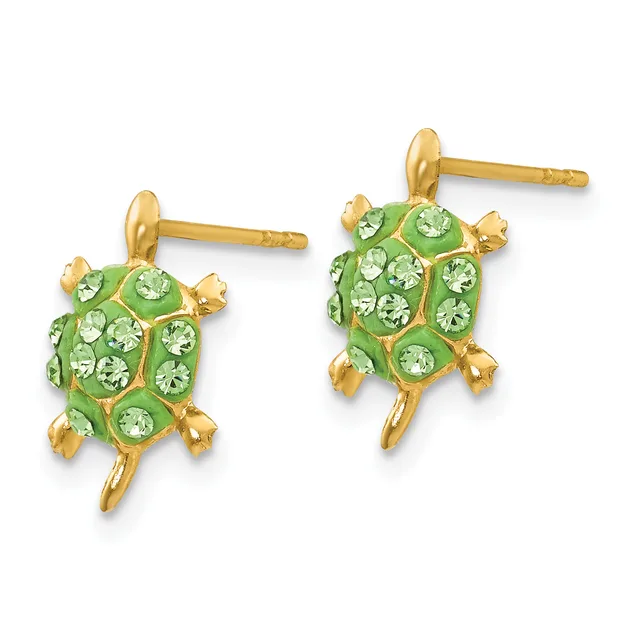
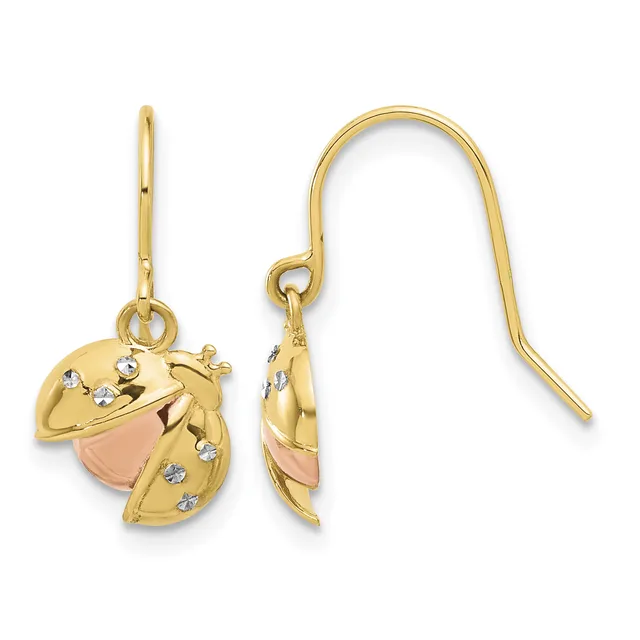
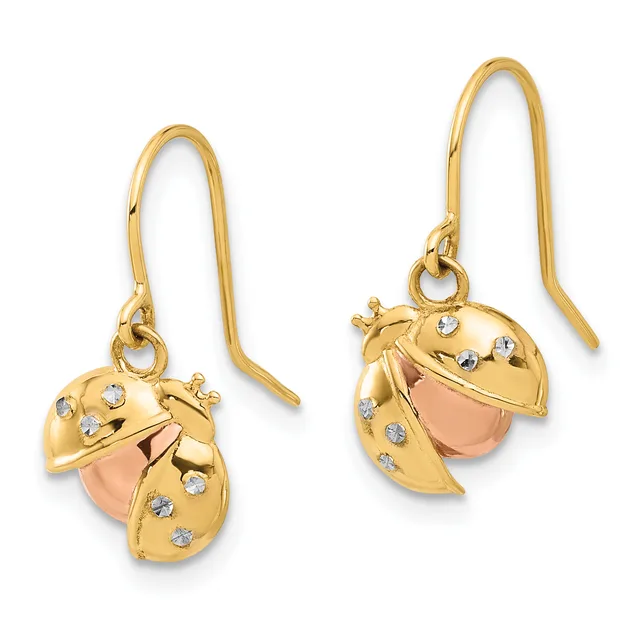
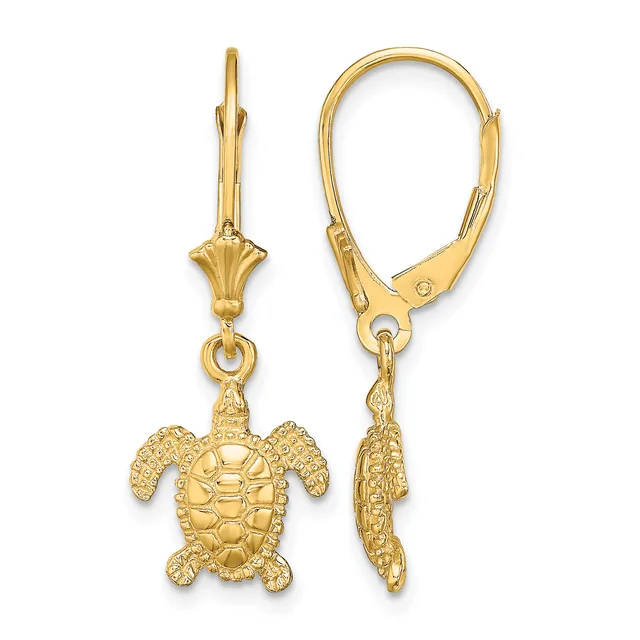
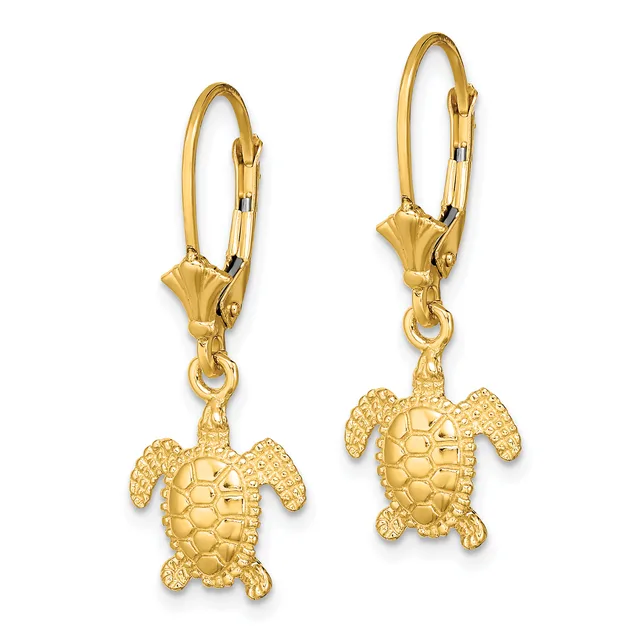
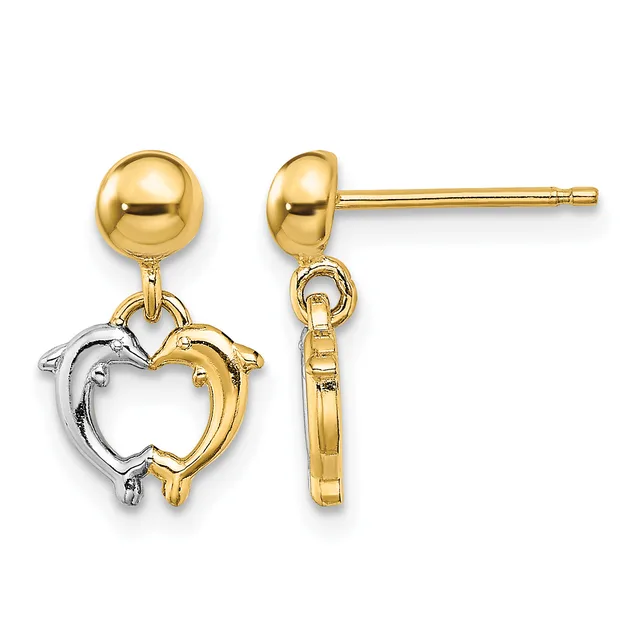
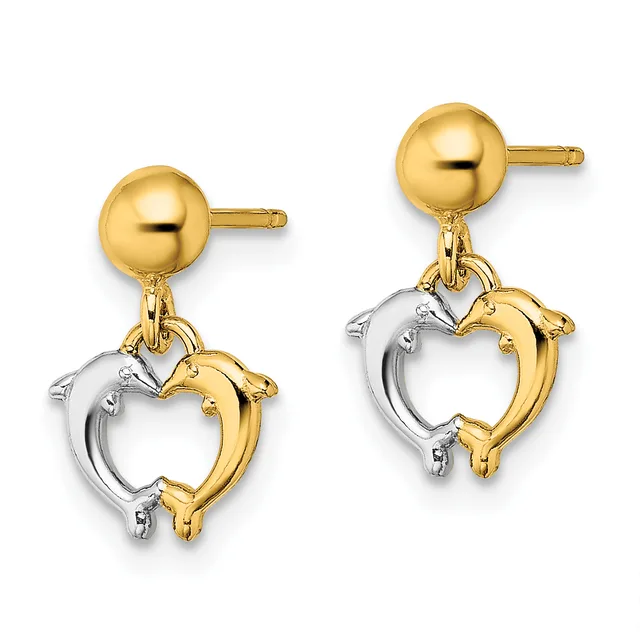
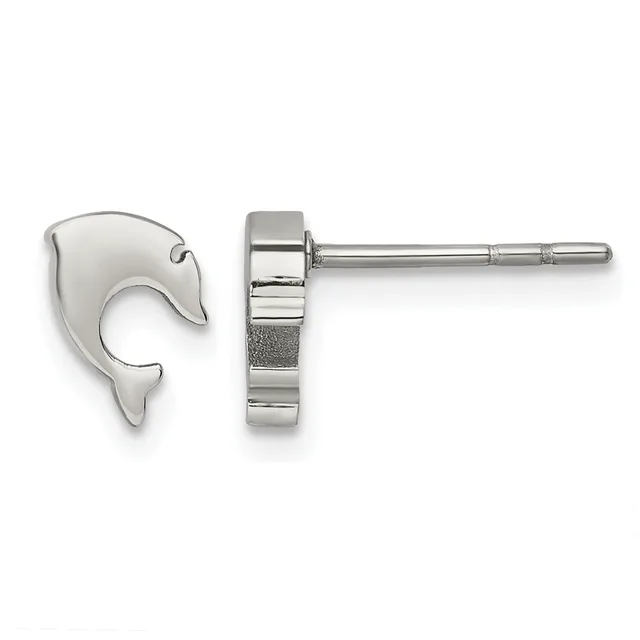
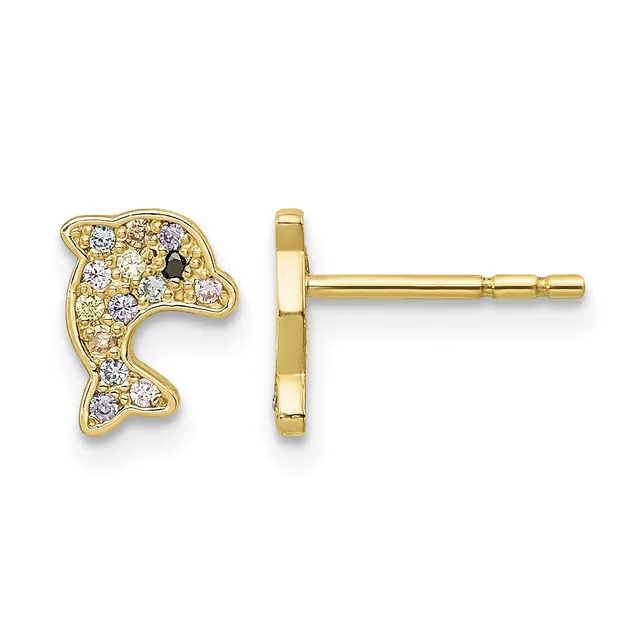
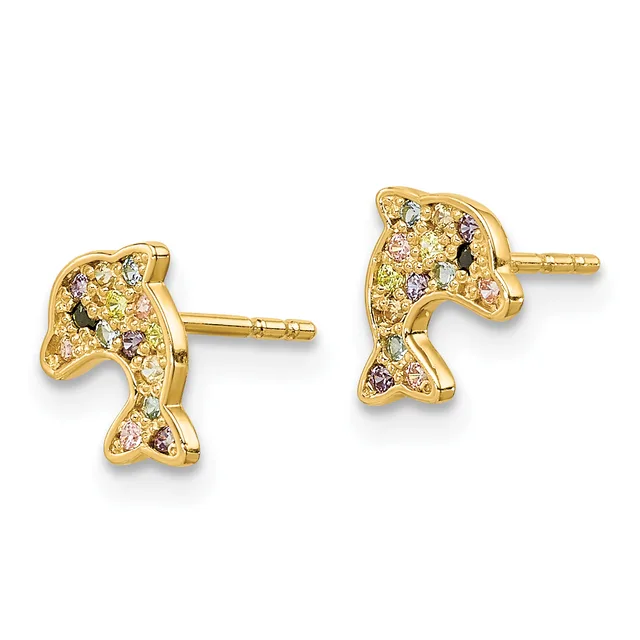
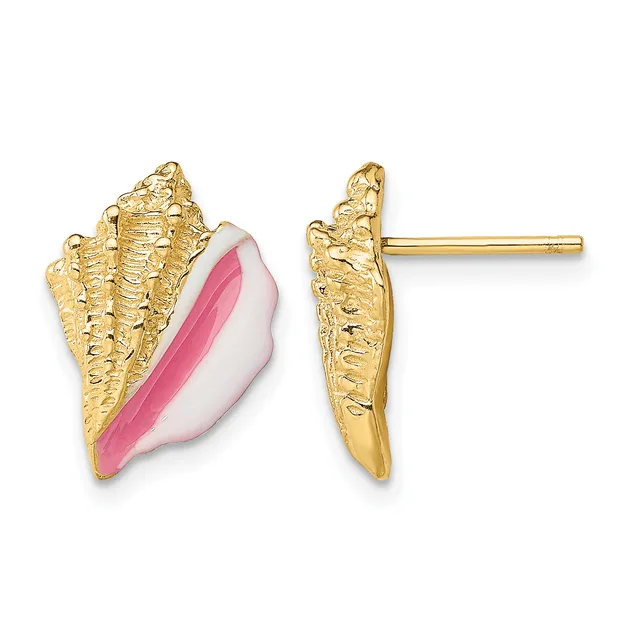
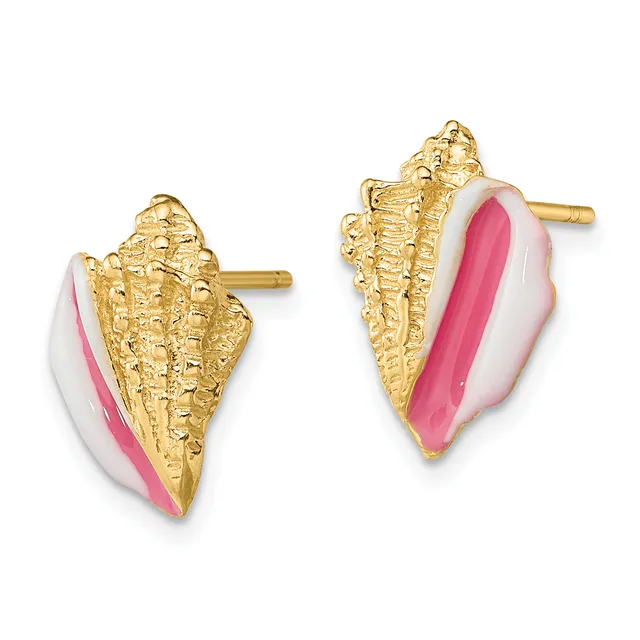
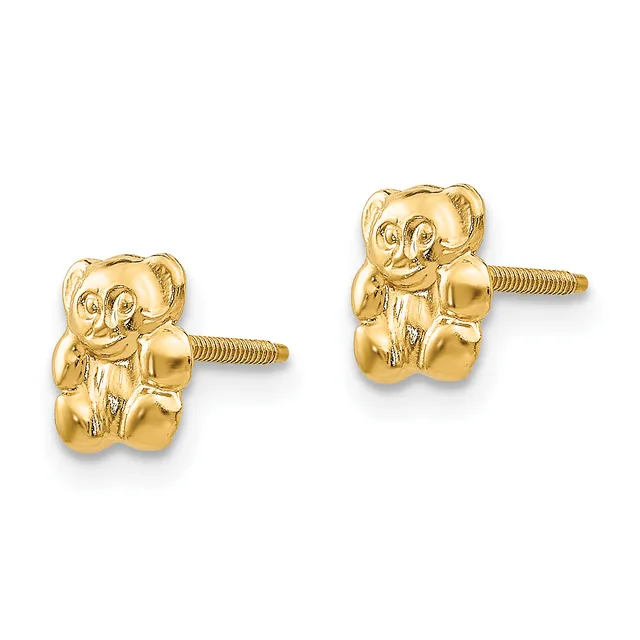
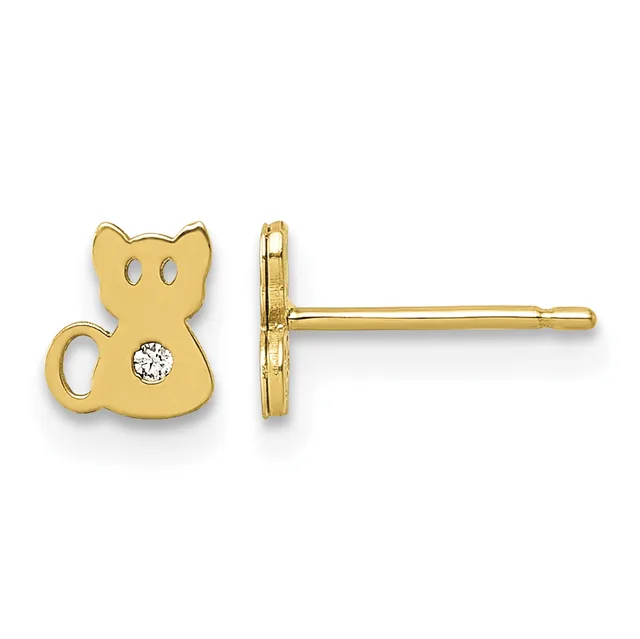
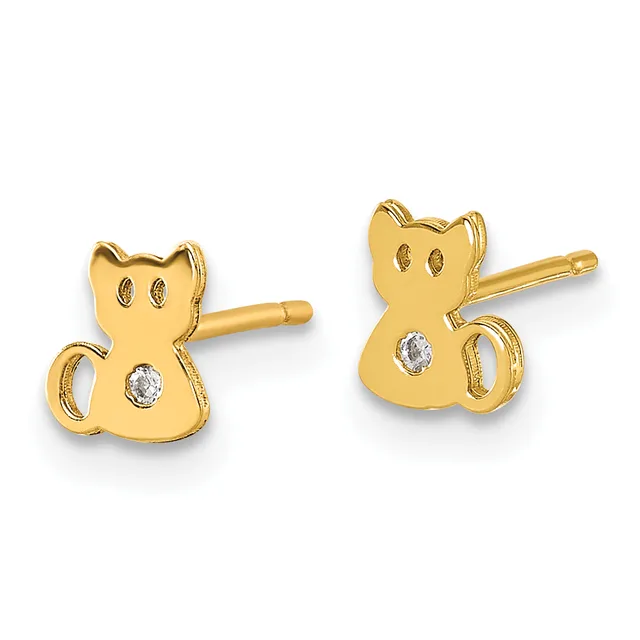
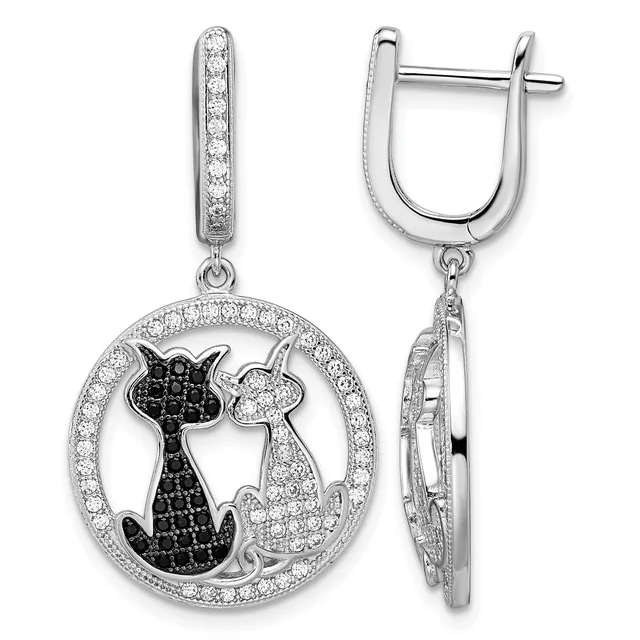
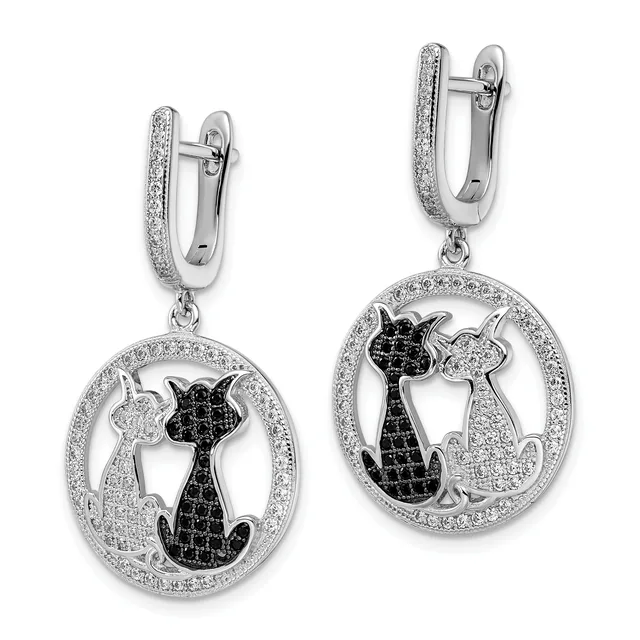
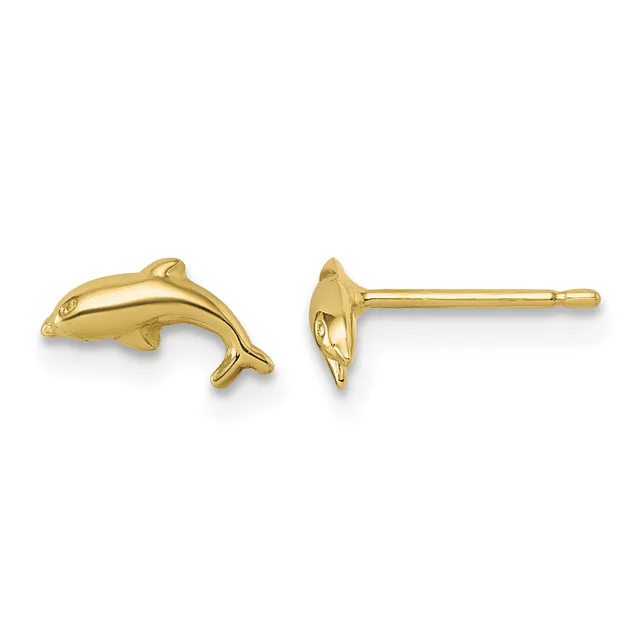
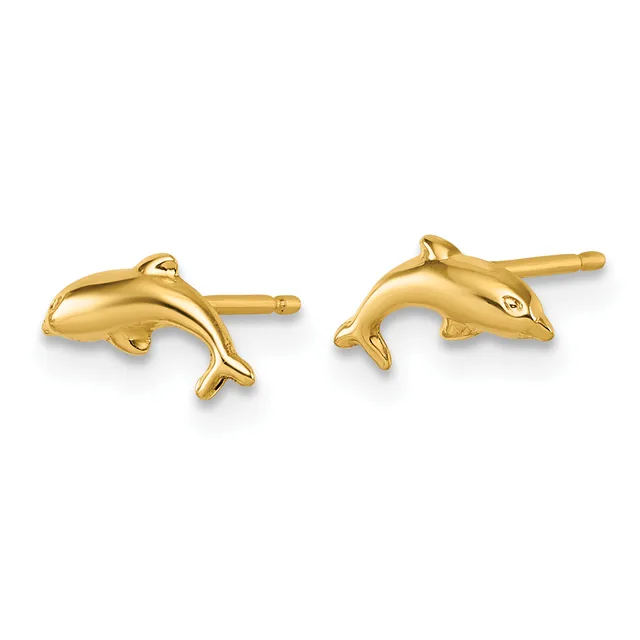
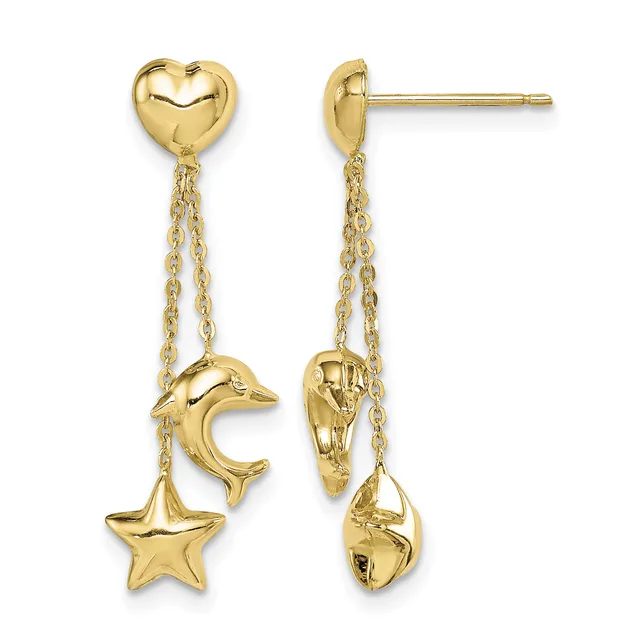
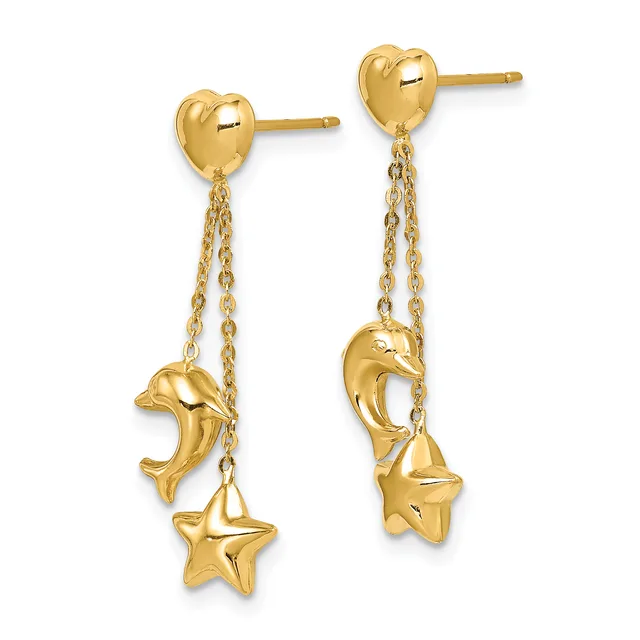
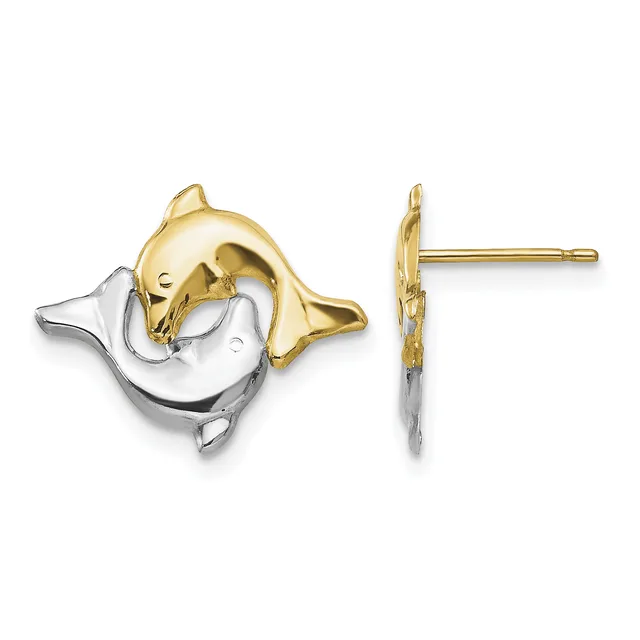
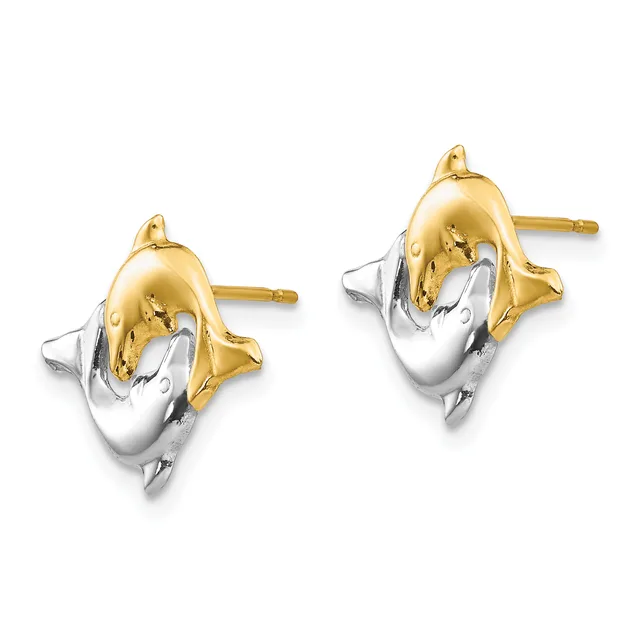
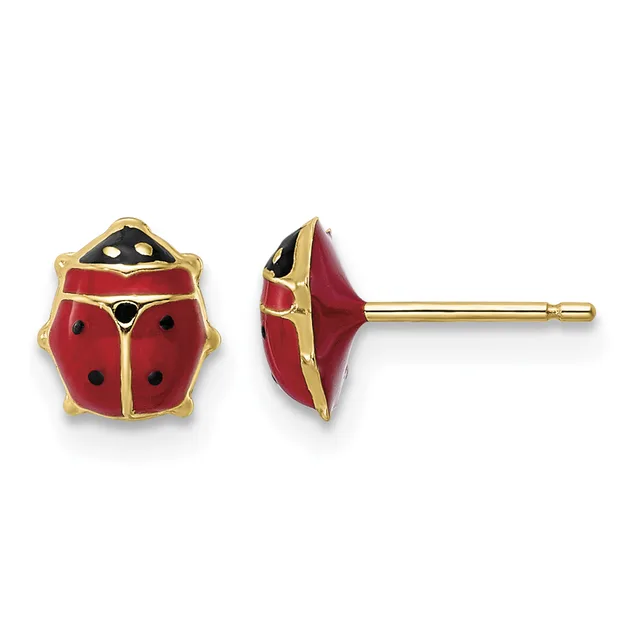
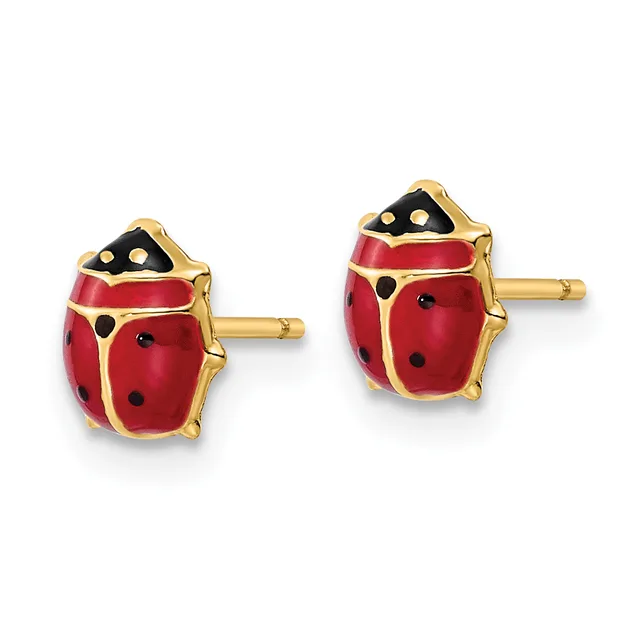
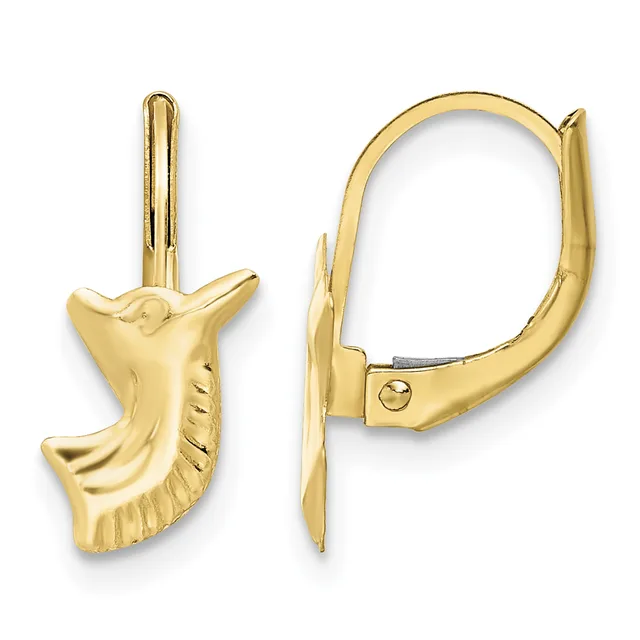
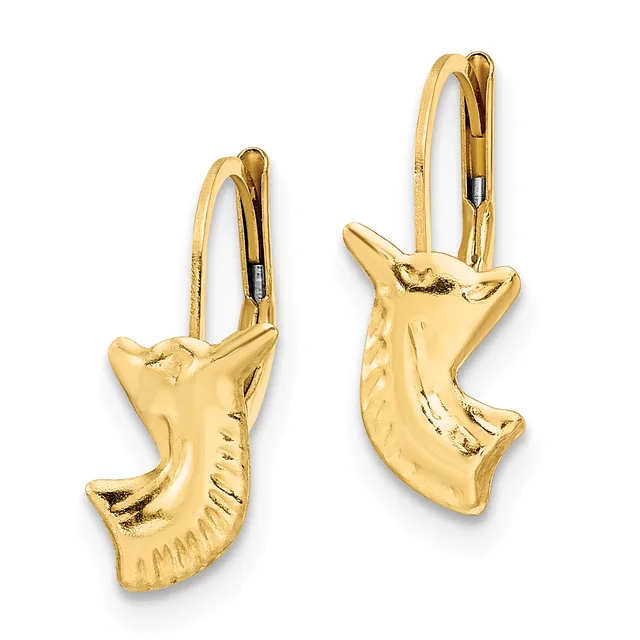
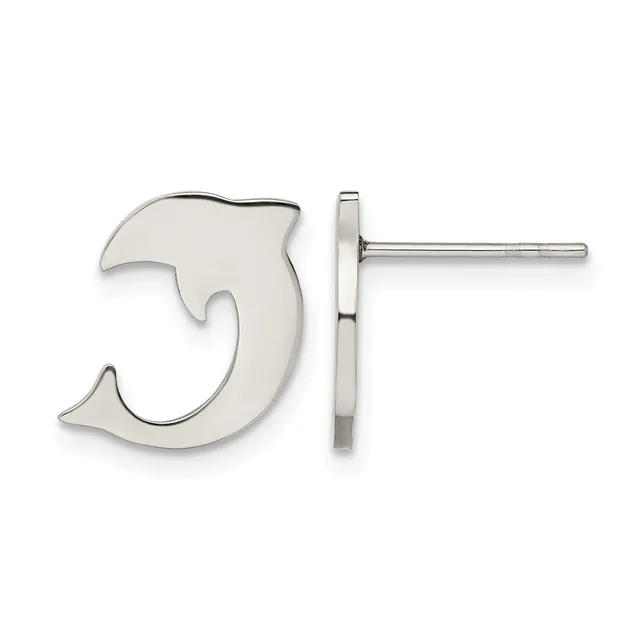
This section is dedicated to earrings shaped by or inspired by the animal world. The range runs from creatures of the sea and insects to birds, cats, dogs, reptiles, and wild animals — each subject interpreted differently depending on the metal, setting, and scale of the piece. Some designs are literal and detailed; others distill an animal into a silhouette or a single motif. The breadth of the selection means there is likely something here whether you are buying for yourself, looking for a gift, or choosing a first pair of fine earrings for a child.
How the styles differ
Earring construction matters as much as the motif. Studs and button styles sit close to the ear and work well for everyday wear — they are less likely to catch on clothing or hair and tend to suit smaller, more graphic animal shapes. Drop and dangle styles allow a design more room: feathers, fins, wings, and tails read better when they have space to move. Consider how the piece will be worn day to day before choosing between the two.
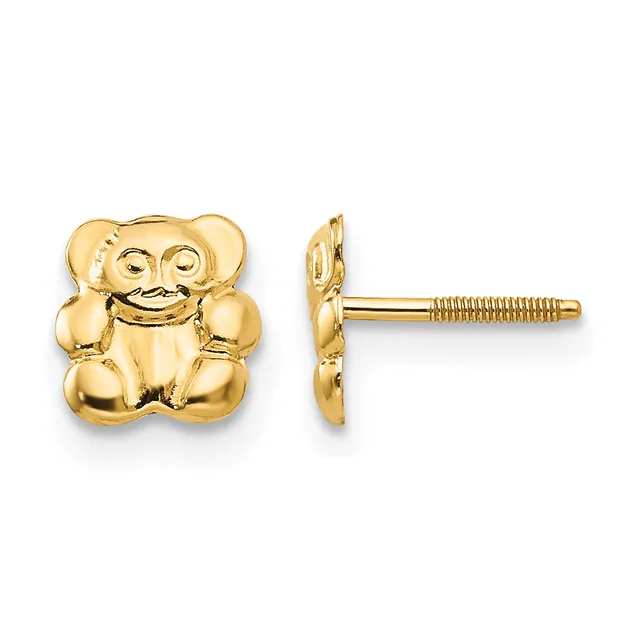
Children's pieces in this section are scaled and finished for younger wearers, with proportions and closures appropriate to that use. If you are buying for a child, filter to that grouping rather than simply choosing the smallest adult earring you can find — construction details differ in ways that matter for comfort and safety.
Materials and what they mean in practice
Precious-metal karat and finish affect both appearance and durability. Higher-karat gold is richer in color and more hypoallergenic but slightly softer; lower-karat alloys are harder-wearing for pieces that will be worn daily. Sterling silver is a practical choice at any price point, but it oxidizes over time and benefits from occasional polishing. Where stones appear — whether as an eye detail, a pavé surface, or a centered gem — the stone type and setting style determine how much care the piece needs: prong-set stones in open settings catch more lint and need more frequent cleaning than bezel-set or flush-set stones.
Pieces at the higher end of this section's price range typically use fine gemstones in more complex settings; those at the more accessible end tend toward simpler metalwork or smaller accent stones. Neither is a compromise — they are different things suited to different intentions.
Caring for animal-motif earrings
Detailed sculptural shapes — legs, antennae, open wings — collect soap residue and skin oils more readily than flat designs. Rinse and dry those pieces carefully after wearing. Store earrings individually or in a lined compartment so fine details do not press against other metal and bend. For silver pieces, an anti-tarnish pouch slows oxidation between wears.
Frequently asked questions
Are any of these earrings suitable for children?
Yes — there are pieces in this section made specifically for younger wearers, with proportions and closures designed accordingly. Look within the children's earring grouping rather than selecting from the general range.
What is the difference between stud and dangle animal earrings, and which is more practical for daily wear?
Studs and button styles sit flush to the earlobe, making them less likely to snag and easier to wear through an active day. Dangle styles show more of a design's detail — wings, tails, and fins — but may not suit every setting or activity.
Do the more detailed sculptural pieces require special care?
Pieces with fine protruding elements like legs, antennae, or open wings trap residue more readily than flat designs. Rinse and dry them carefully after wearing and store them where those details won't be pressed or bent.
How do I know if a stone in these earrings is durable enough for everyday wear?
Setting style is the key factor: bezel and flush settings protect a stone's edges better than open prong settings, which are more elegant but more exposed. For earrings worn daily, look for setting styles that enclose more of the stone.
Why does gold karat matter for earrings I plan to wear often?
Lower-karat gold alloys are harder and more scratch-resistant, which can be an advantage for pieces worn frequently. Higher-karat gold has a deeper color and is less likely to cause sensitivity for people with metal allergies, but it is slightly softer.