
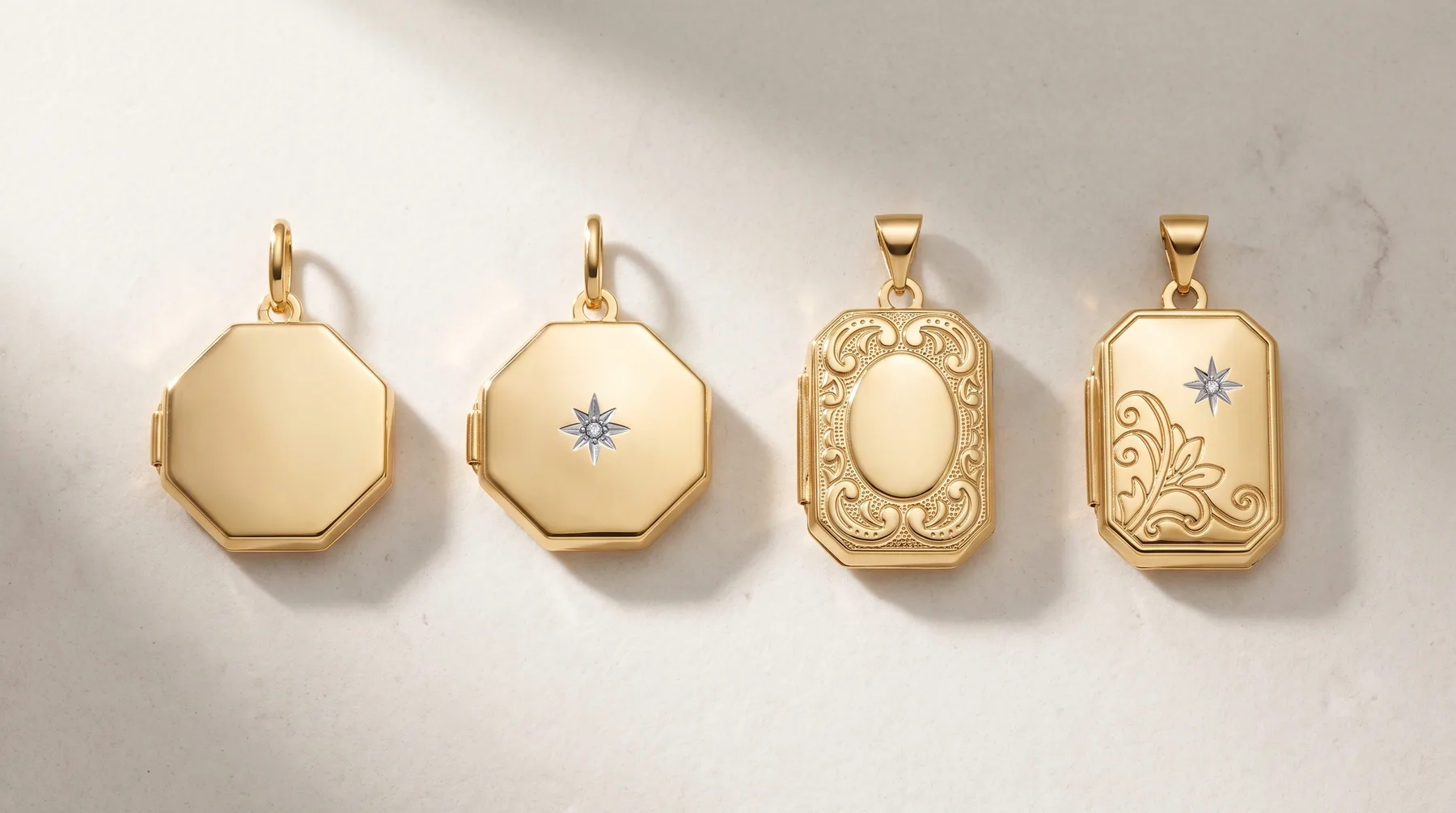
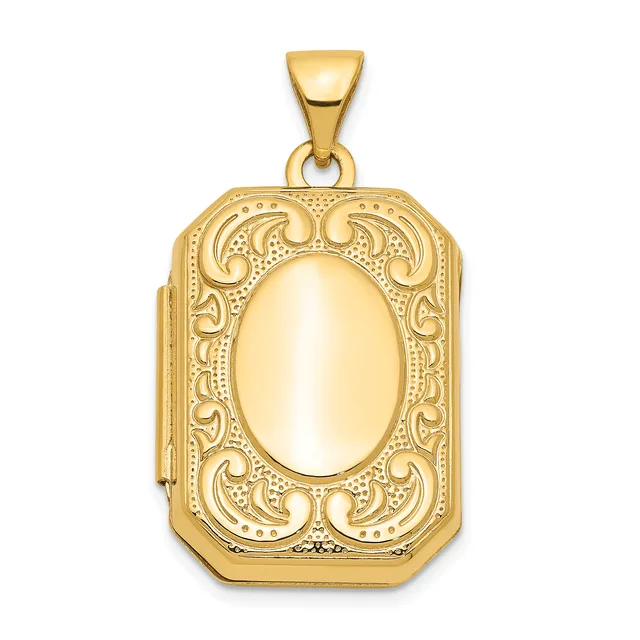
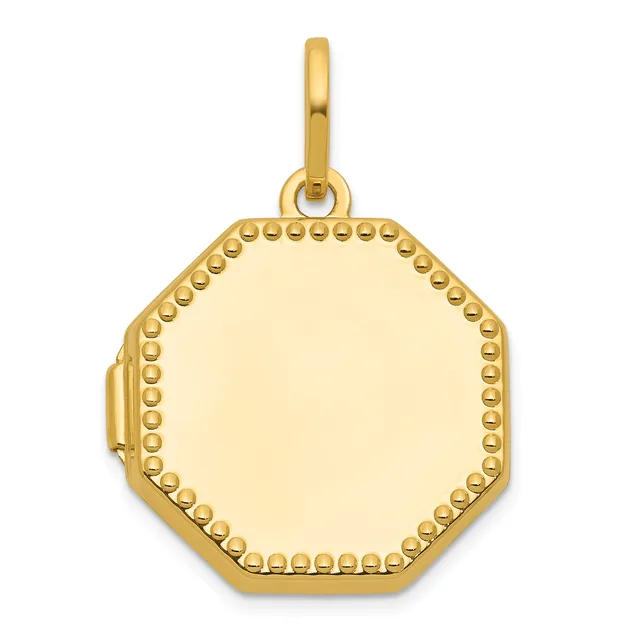

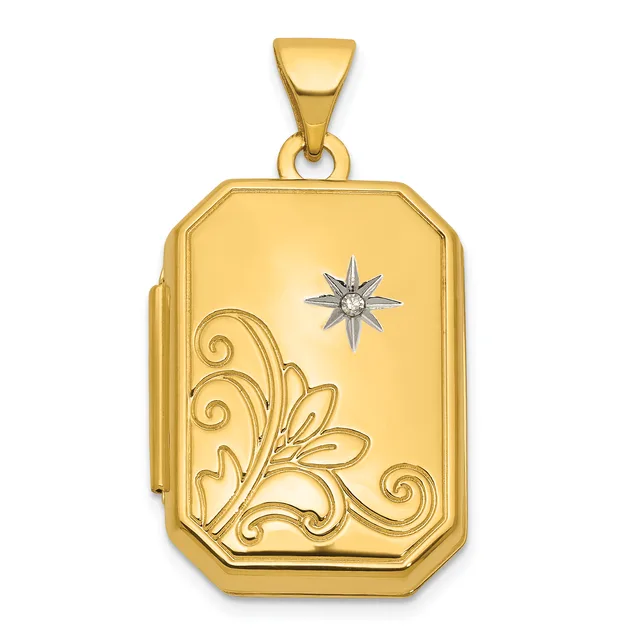
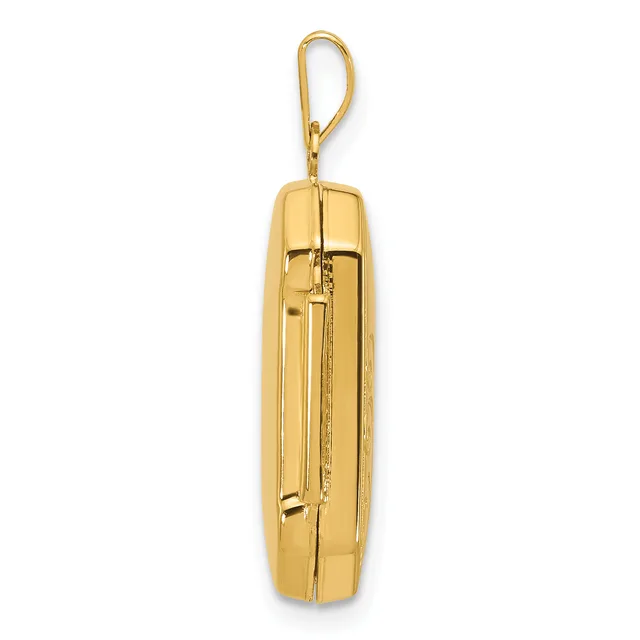
What Sets These Lockets Apart
The locket is one of jewelry's oldest functional forms: a small hinged case worn close to the body, holding whatever the wearer chooses to keep private. The pieces here share that purpose but step outside the silhouettes most associated with the category. The result is a locket that reads first as a pendant with its own character, and only reveals its nature on closer inspection — which is part of the appeal.
Wearing a Locket Every Day
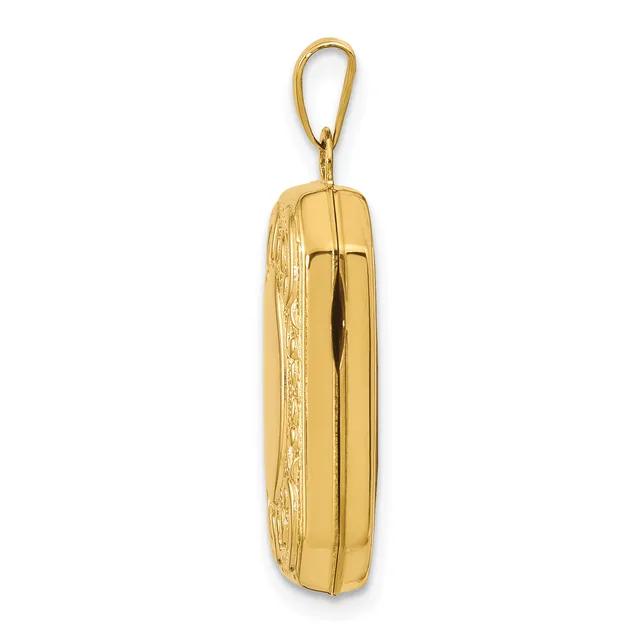
Because a locket has a hinge and a clasp, it has more moving parts than a solid pendant. Check the closure periodically to make sure it seats firmly, especially if the piece is worn daily. The bail — the loop through which the chain passes — bears the most repeated stress, so pair the pendant with a chain whose width and weight feel proportional to the locket's own mass rather than straining the bail. Avoid sleeping or swimming in a hinged pendant, as both habits accelerate wear on the mechanism over time.
Caring for the Finish
Fine metal lockets respond well to the same routine as any precious-metal pendant: wipe gently with a soft, lint-free cloth after wear to remove skin oils and moisture, and store away from harder pieces that could scratch the surface. If the locket holds a photograph or paper keepsake, keep it away from prolonged humidity, which can cause those contents to adhere to the interior walls.
Choosing the Right Chain
A locket's shape influences how it sits and moves. Flatter, wider forms tend to lie against the chest cleanly on a shorter chain, while more three-dimensional shapes may be better served by a slightly longer length that lets the piece settle without twisting. When selecting a chain sold separately, confirm the bail opening is wide enough to thread the chain you have in mind — this is easy to overlook and worth checking before purchase.
Frequently asked questions
What shapes are included in 'other shaped lockets'?
This category covers locket pendants that fall outside the classic oval and heart silhouettes. The exact forms vary as the selection changes, so browsing the current pieces is the best way to see what is available.
Can I put a photo inside these lockets?
Lockets are designed to hold a small keepsake — typically a photograph trimmed to fit the interior compartment. The usable interior size varies by piece, so check the individual dimensions if a specific photo size matters to you.
How do I open and close a locket without damaging it?
Most lockets open with gentle pressure applied to the clasp edge — avoid forcing or prying the hinge, which can bend or weaken it over time. If the closure feels stiff, a jeweler can inspect and adjust it safely.
What chain length works well with a locket pendant?
Lockets are versatile and suit a range of lengths, but the pendant's own size and weight should guide the choice — a heavier piece generally benefits from a sturdier chain, while a more delicate form pairs naturally with a finer one.
Are these lockets suitable for everyday wear?
Fine metal lockets can be worn daily, but because they have a hinge and clasp mechanism, they benefit from occasional checks to make sure the closure is secure. Removing the piece before swimming, bathing, or sleeping will extend its life noticeably.