
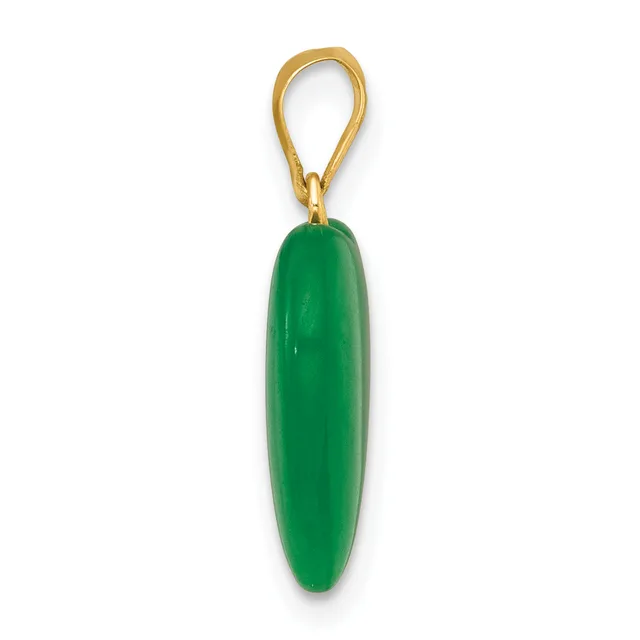
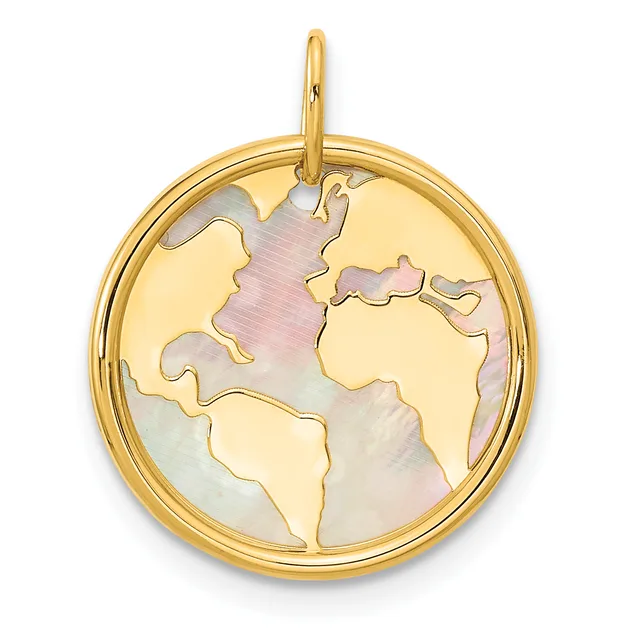
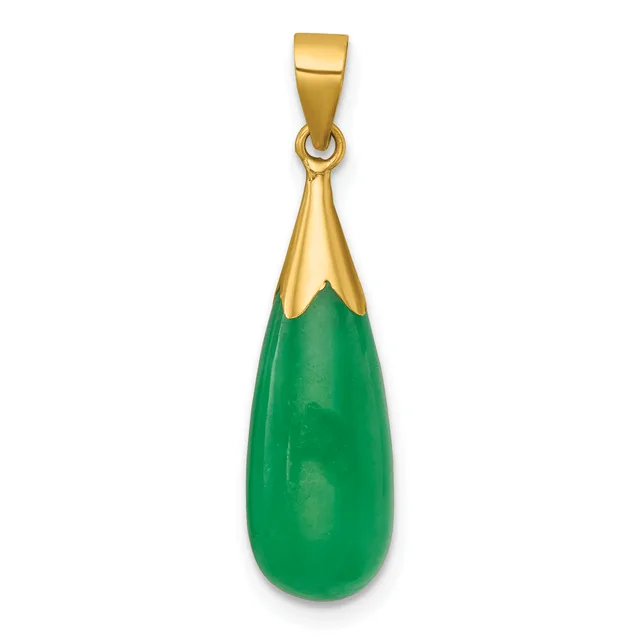
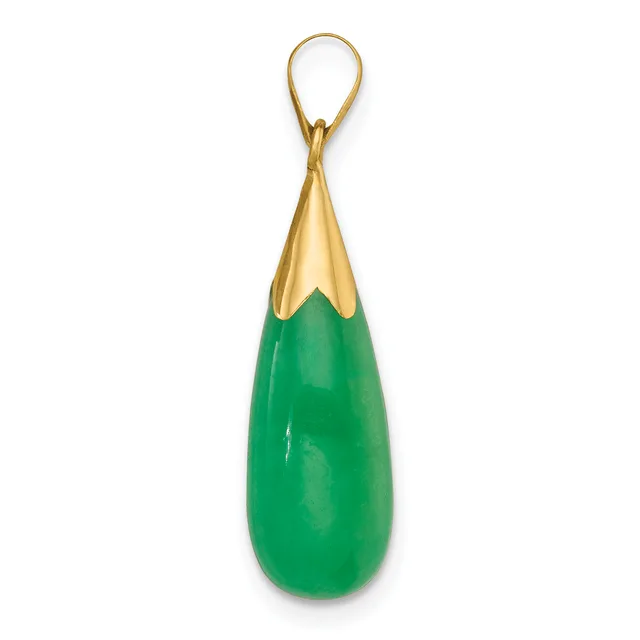
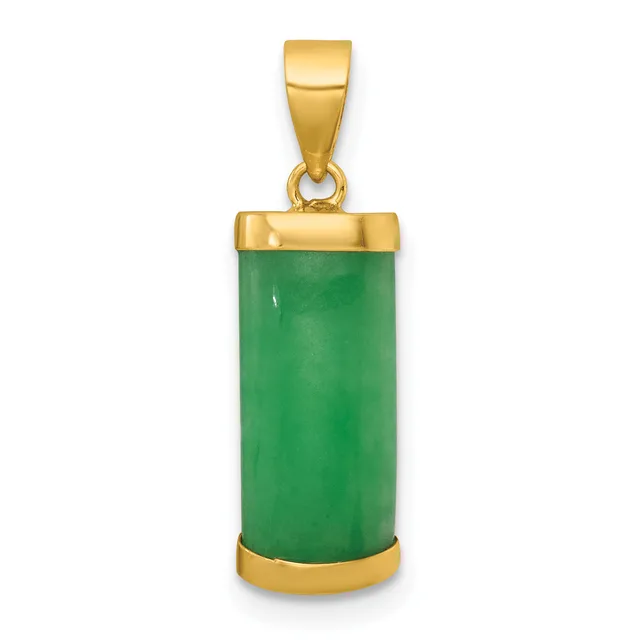
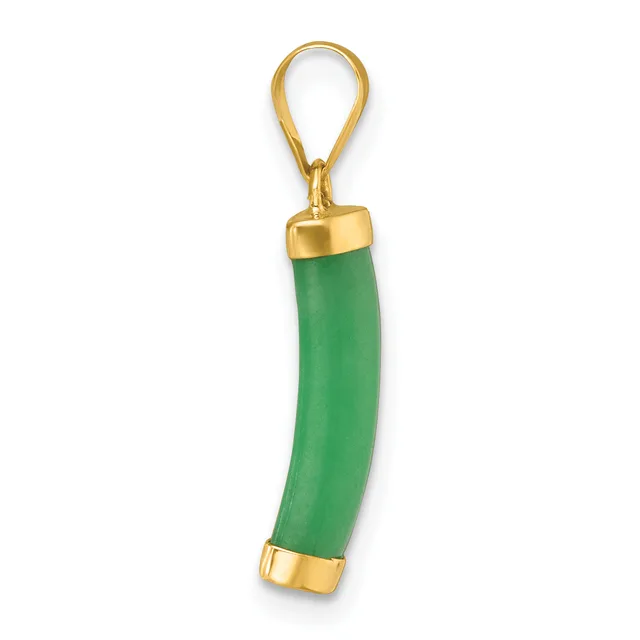
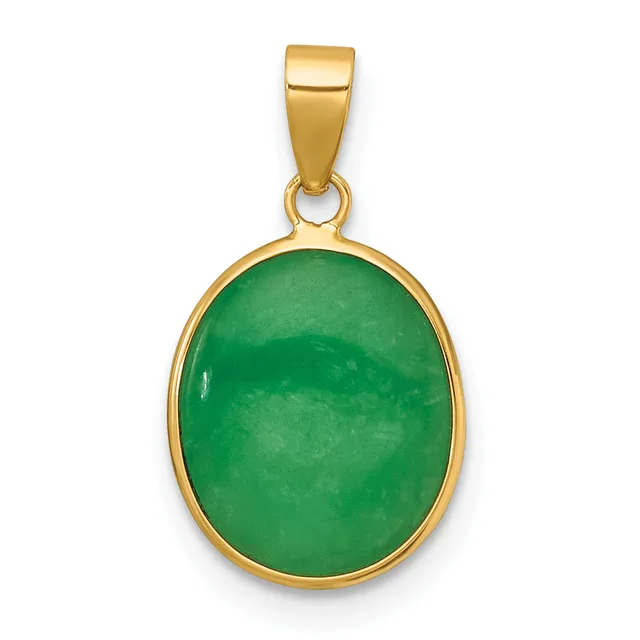
What These Pieces Are
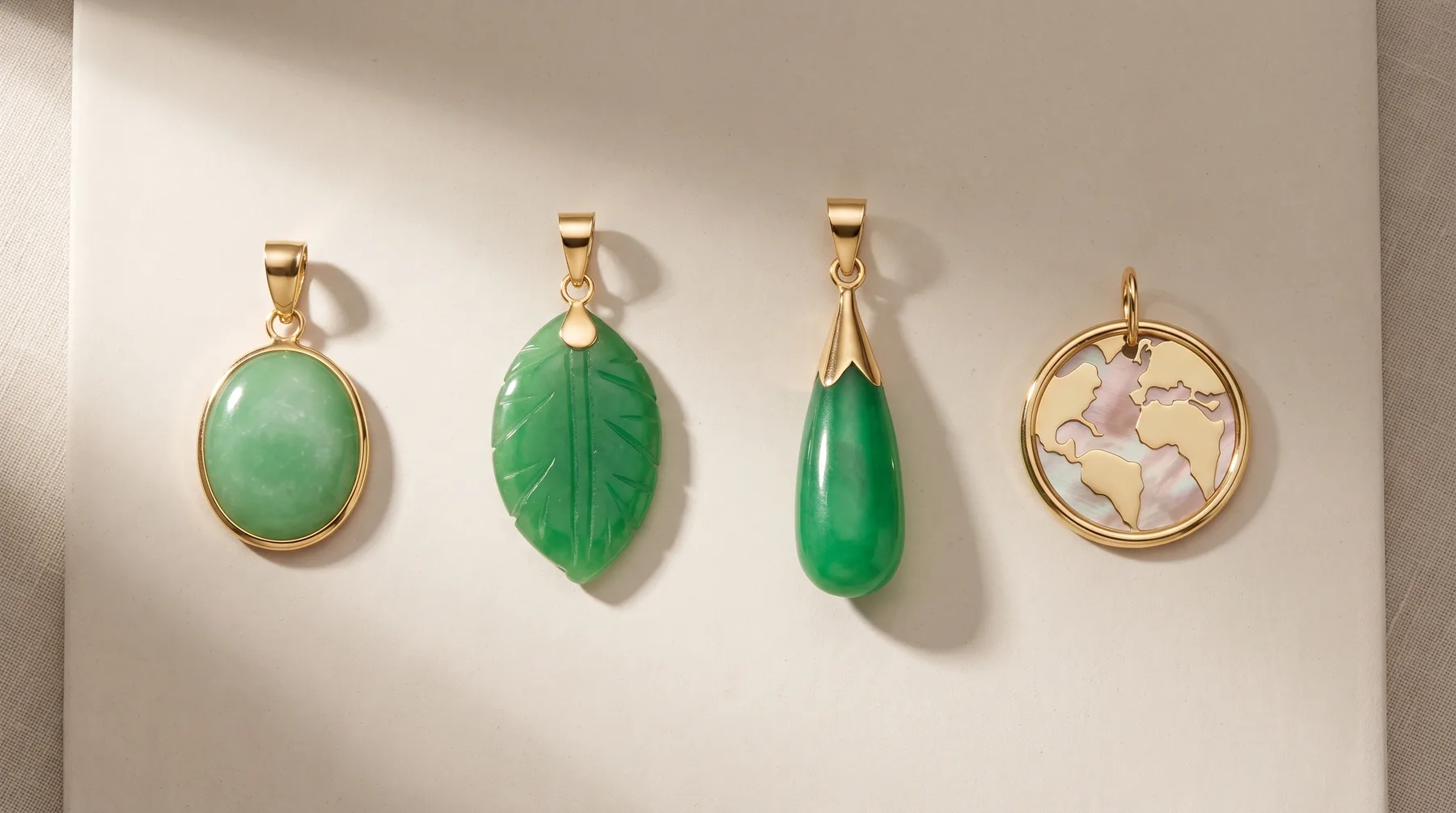
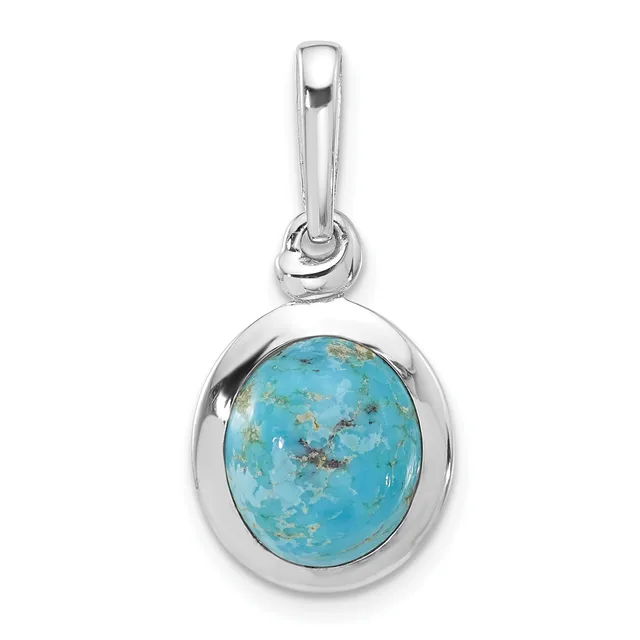
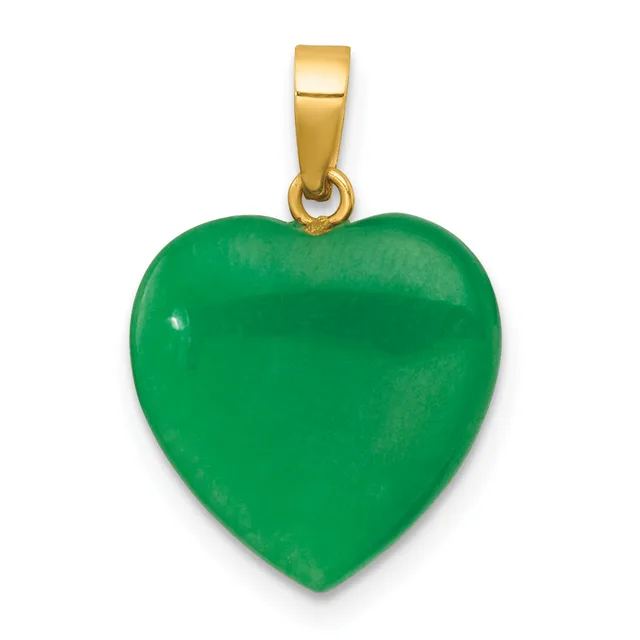
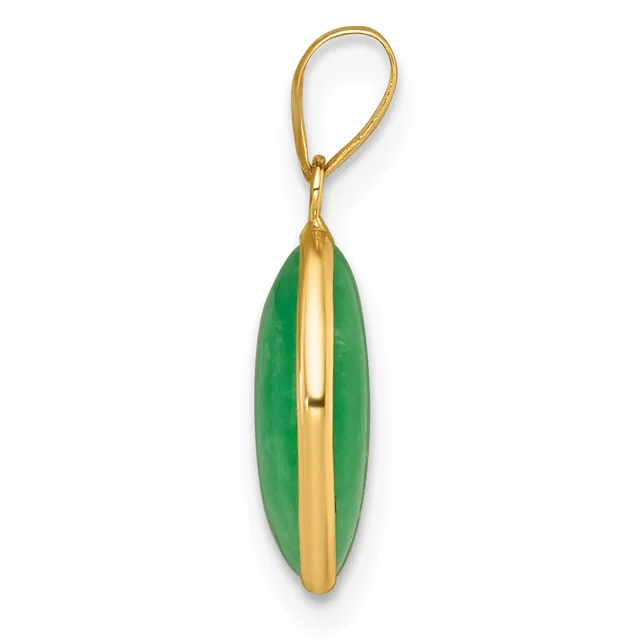
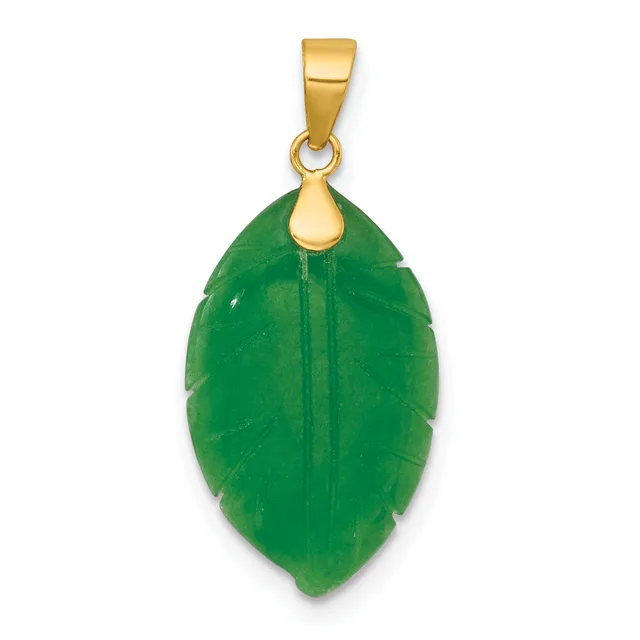
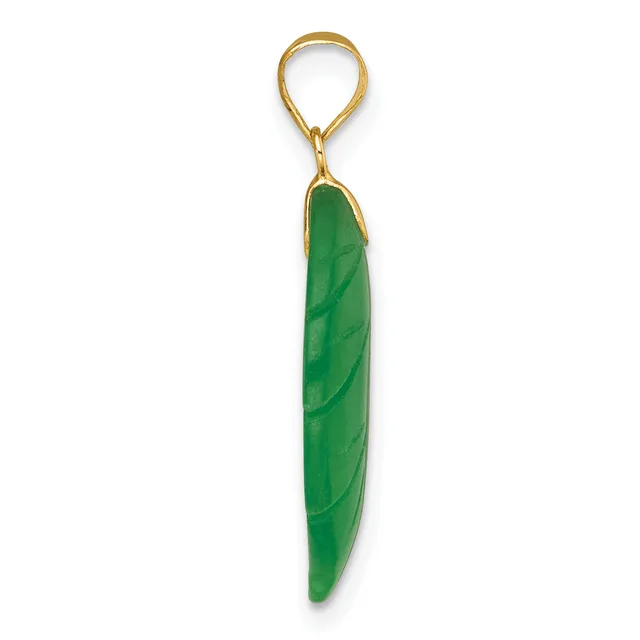
Natural shell and stone pendants occupy a particular place in fine jewelry: the material itself carries the pattern, color, and texture, so no two pieces read exactly alike. Where a faceted gemstone is chosen for its cut, a shell or stone pendant is chosen for what nature already made — layered nacre, mineral striations, or the quiet translucency that only forms over long periods. The pieces here sit within the broader pendants and charms category, and many carry themed or figurative silhouettes, including motifs drawn from travel and the natural world.
Understanding the Material
Shell used in fine jewelry is typically worked from the inner layer of a mollusk — a surface that reflects light softly rather than brilliantly. It is a comparatively delicate material: harder than most organic matter but more vulnerable to acids, abrasion, and prolonged moisture than metal or gemstone. Stone inlays or carved stone elements behave differently depending on the mineral — denser stones resist scratching better, while softer stones may show wear along edges with daily contact.
Because these are natural materials, slight variations in tone, grain, and surface marking are expected and not a flaw. A piece bought today will look marginally different from one bought later, even if the design is identical.
Choosing a Pendant or Charm
Consider how you plan to wear the piece. A pendant worn daily on a chain benefits from a bezel or full-wrap setting, which protects the edges of the shell or stone against knocks. A charm added to a bracelet sees more lateral movement and contact, so a thicker or more robustly set stone holds up better over time. Figurative and themed designs — particularly travel-related silhouettes — often pair well with mixed collections because their subject matter reads clearly at a small scale.
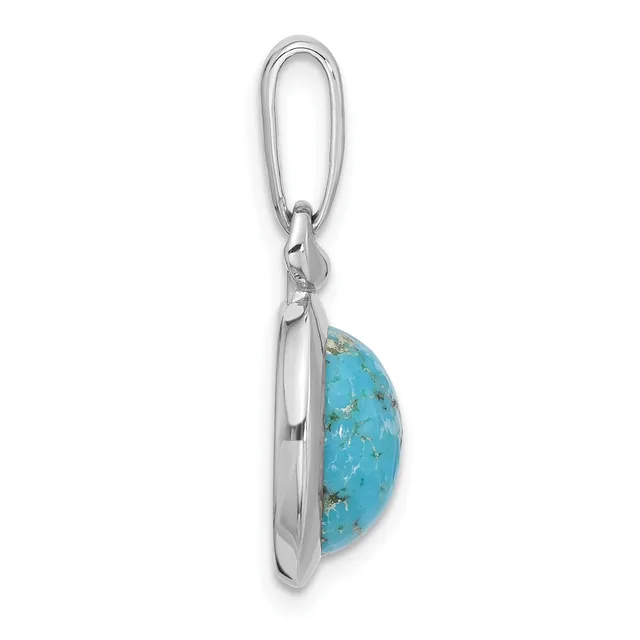
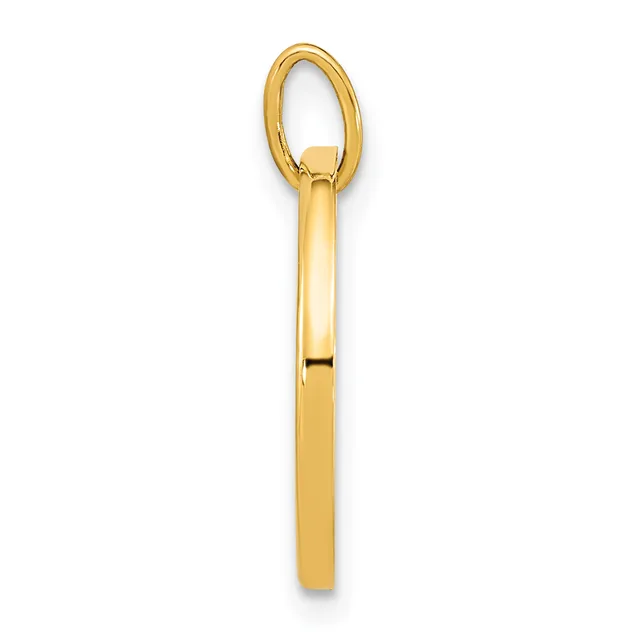
Chain length and bail size affect how a pendant sits and moves; confirm the bail opening fits your intended chain before purchasing.
Care
Remove shell and stone pendants before swimming, bathing, or applying perfume and lotions — prolonged exposure to chemicals and moisture can dull the surface or loosen adhesive-set elements. Clean gently with a soft, dry cloth. Store flat or in a lined pouch rather than loose with harder jewelry, which can scratch the surface. Occasional professional cleaning is the safest way to refresh metal settings without risking the organic or mineral components.
Frequently asked questions
Are the shell and stone materials in these pendants natural or simulated?
The pieces in this category are described as natural shell and stone — not synthetic or resin substitutes. Because they are natural, each piece carries its own individual surface pattern and coloring.
Can I wear a shell or stone pendant every day?
Shell is more vulnerable to abrasion, moisture, and household chemicals than metal or faceted gemstone, so daily wear requires care. Removing the pendant before water exposure and storing it away from harder jewelry will extend its life significantly.
What metals are used in the settings for these pieces?
The category sits within a fine-jewelry store, so settings are metal — but the specific metal for any individual piece is listed on its own product page. Check there for karat, metal type, and finish before purchasing.
Do natural materials mean every piece looks slightly different?
Yes. Shell nacre and stone both vary in tone and grain from piece to piece, even within the same design. Minor differences in surface markings are a characteristic of the material, not a quality issue.
Will the shell or stone element be secure on a charm bracelet?
Setting style matters here — a bezel or channel setting holds edges more firmly than a prong setting, which leaves more of the material exposed. The individual product page will describe the setting type, which is worth reviewing if the piece will see frequent movement as a charm.