
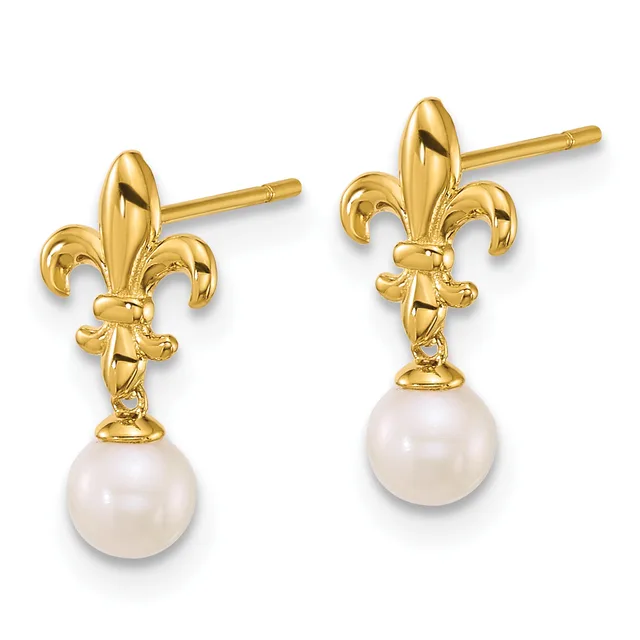
Understanding the Fleur de Lis in Earring Form
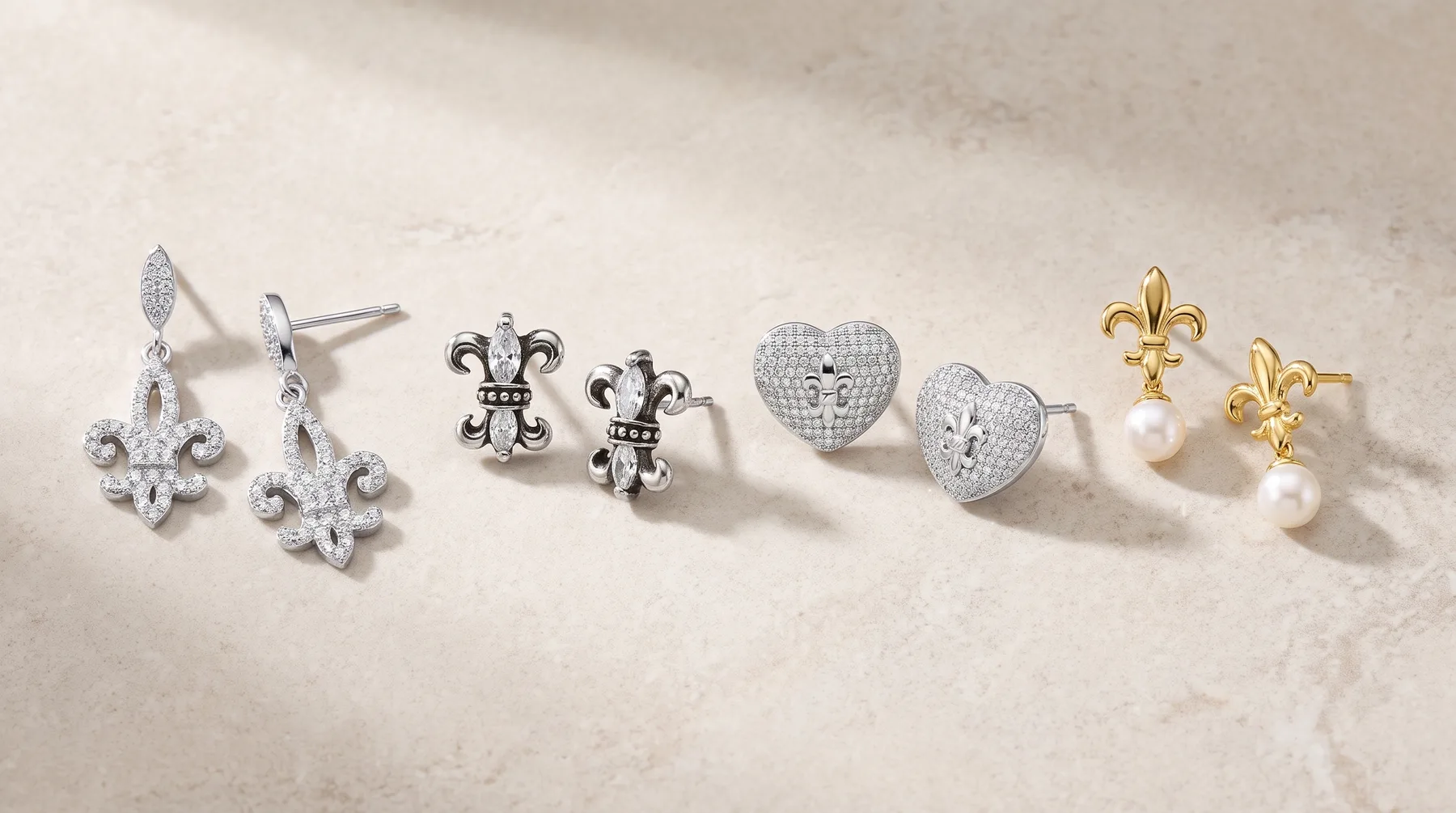
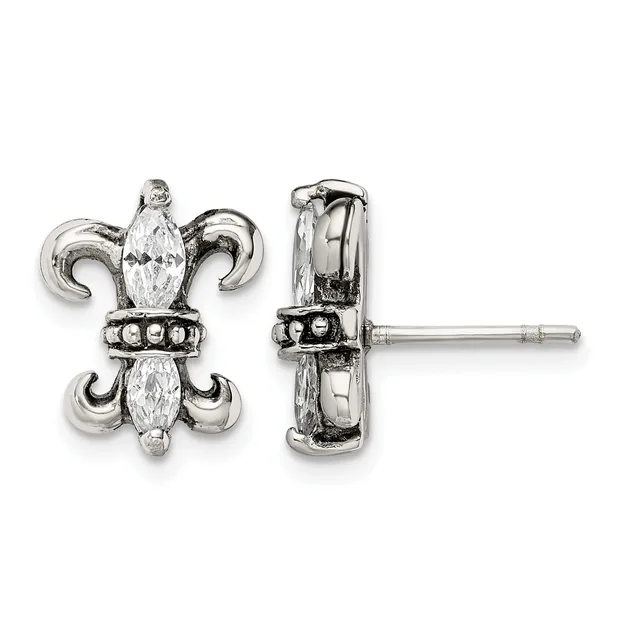
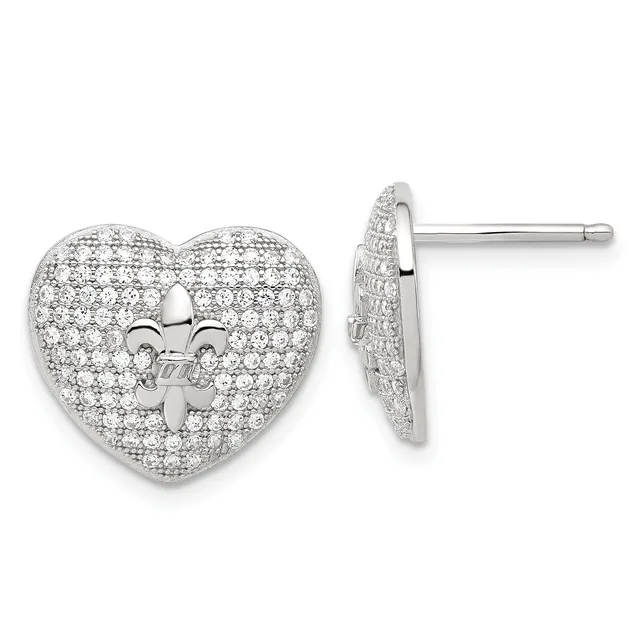
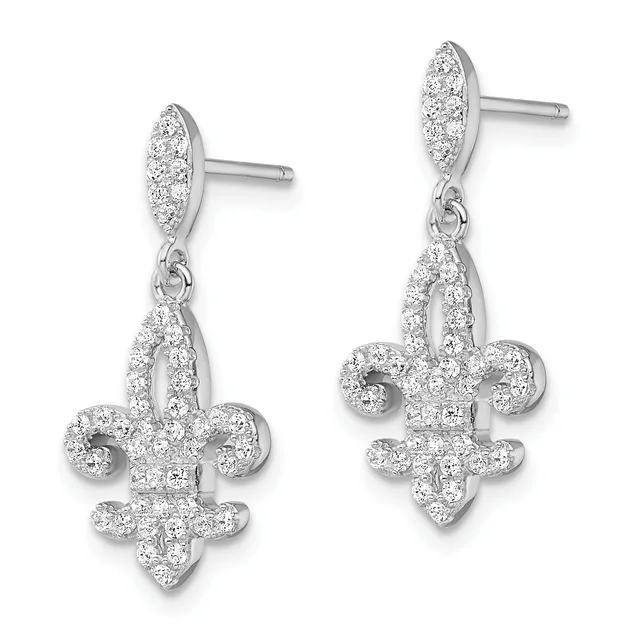
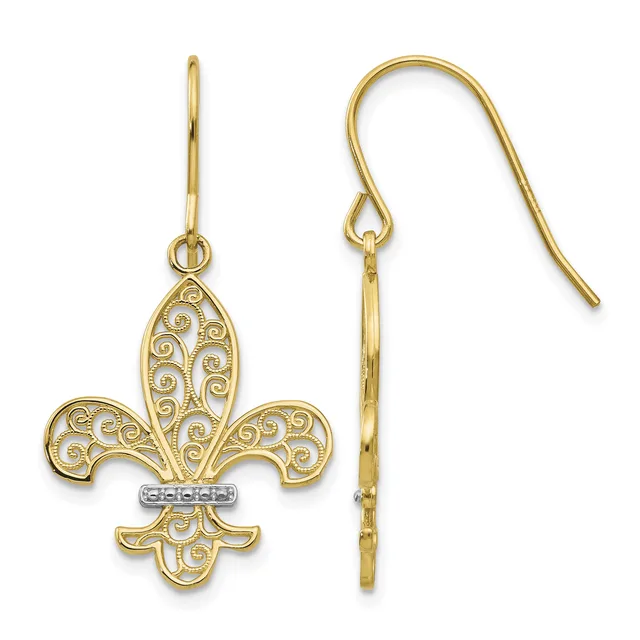
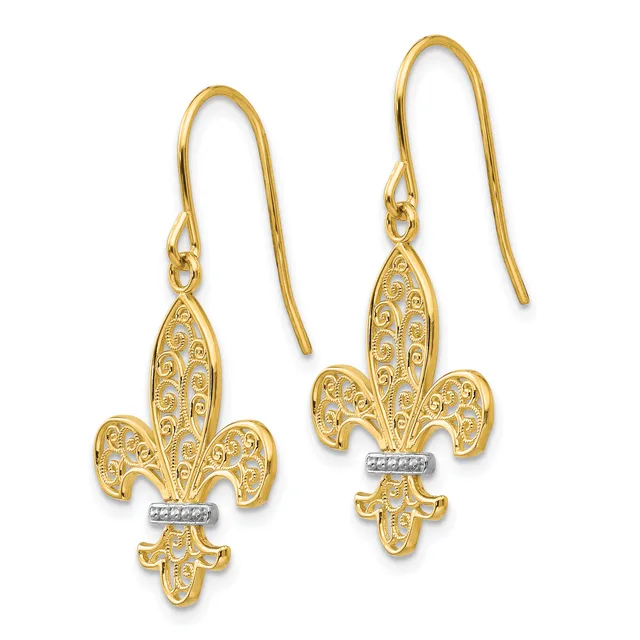
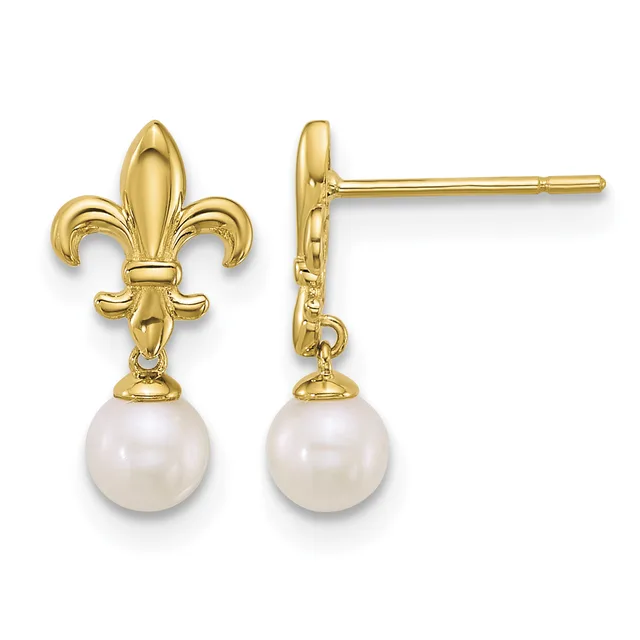
The fleur de lis — a three-petaled iris rendered in a symmetrical, architectural line — has appeared in decorative art for centuries. In earring form it works across a wide range of scales: a compact stud sits flush and quiet against the ear, while a drop or dangle version lets the shape move and catch light. Because the motif is inherently geometric, it tends to hold its legibility whether the piece is small or substantial, making scale largely a matter of how much presence you want rather than whether the design reads at all.
Drops and Dangles vs. Studs and Buttons
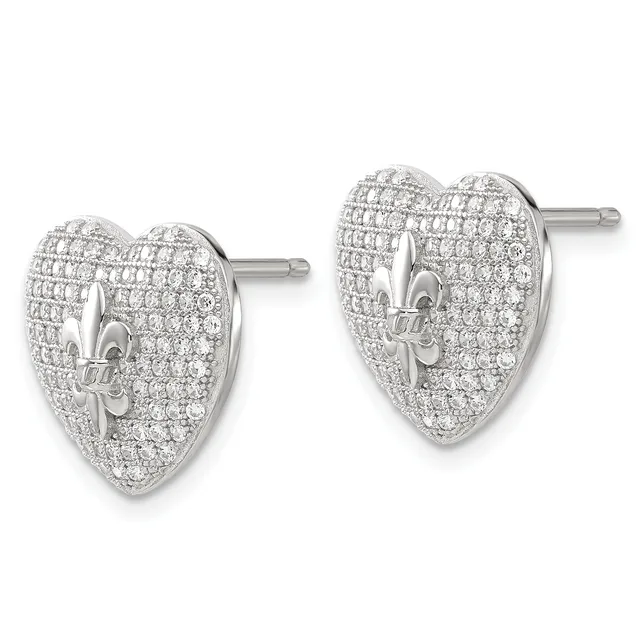
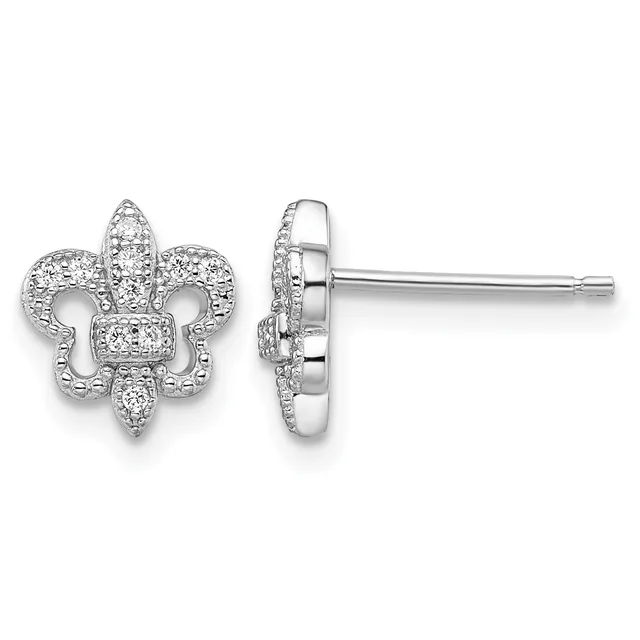
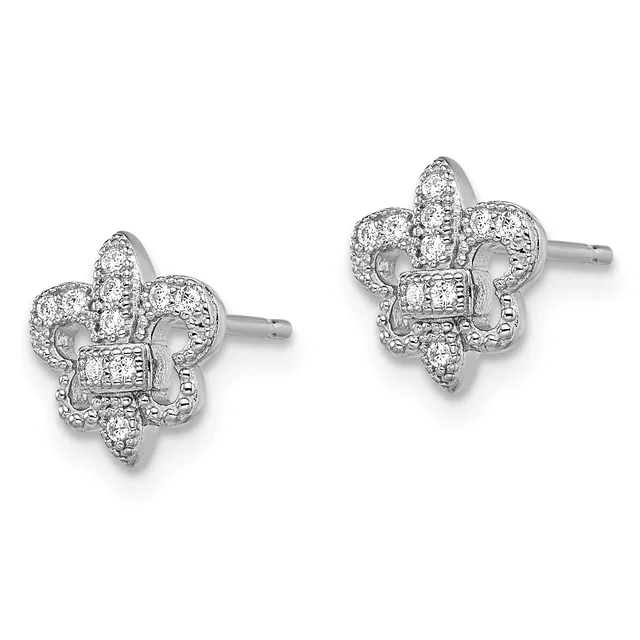
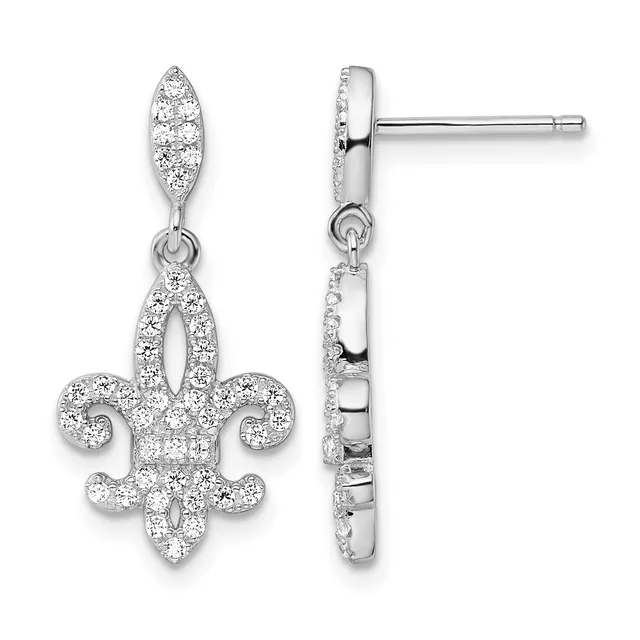
Drop and dangle fleur de lis earrings hang below the lobe, so they are visible even when hair falls forward and they add movement to an outfit. They suit occasions where a little drama is welcome — evenings out, formal events, or any moment when you want the ear to draw the eye. Ball and button styles, by contrast, sit at or very close to the lobe. They are lower-profile, more comfortable under headwear or a phone pressed to the ear, and practical for long days. If you wear earrings every day without removing them at a desk, a close-set style is easier to forget you have on.
Choosing by Metal and Finish
The price range across this selection is genuinely wide, which usually reflects differences in metal content, stone presence, and construction rather than arbitrary tier pricing. A lower-priced piece may use a base metal with a gold or silver finish — suitable for occasional wear but worth removing before bathing or prolonged moisture exposure to preserve the plating. Mid- and upper-range pieces are more likely to use solid precious metal, which does not plate away and can be polished and worn indefinitely with normal care. When comparing pieces, check whether the metal description says solid, plated, or filled, as that single word determines long-term wearability more than any other detail.
Day-to-Day Care
Regardless of metal, the interlocking lines of a fleur de lis design can trap lotion, soap, and skin oils in its recesses over time. A soft brush — a clean, dry toothbrush works well — run lightly through the relief keeps the motif crisp. Store earrings individually or in separate pouches so the points of one piece do not scratch the surface of another. For any piece with stones, avoid ultrasonic cleaners unless the retailer confirms they are safe for that setting type.
Frequently asked questions
Are fleur de lis earrings suitable for everyday wear?
Yes, particularly the stud and button styles in this selection, which sit close to the lobe and stay out of the way during daily activity. Drop and dangle versions are equally wearable every day but are more noticeable and may catch on clothing or hair, so some wearers save them for evenings or occasions.
What is the difference between a plated and a solid metal earring in this category?
A plated earring has a thin layer of precious metal over a base metal core. With regular wear and exposure to moisture, that layer can fade over months or years. A solid precious-metal earring is the same material all the way through and will not plate away, though it typically costs more.
Do fleur de lis earrings work for formal occasions as well as casual outfits?
The motif has historic associations with formal dress, so it translates naturally to evening wear and ceremonies. Smaller, simpler versions in polished metal also sit comfortably with everyday clothes without feeling overdressed.
How do I keep the detailed lines of a fleur de lis earring looking sharp?
The recessed lines of the motif can collect lotion and soap residue. A light pass with a soft dry brush after wearing — and removing earrings before applying skincare products — is usually enough to keep the detail crisp.
Is the fleur de lis design associated with a particular tradition or region?
The symbol appears across European heraldry and decorative arts, most commonly associated with French royal history, though it has been used in architecture, religious iconography, and civic design well beyond France. In jewelry it functions both as an ornamental shape and as a personal connection to that broader heritage.