
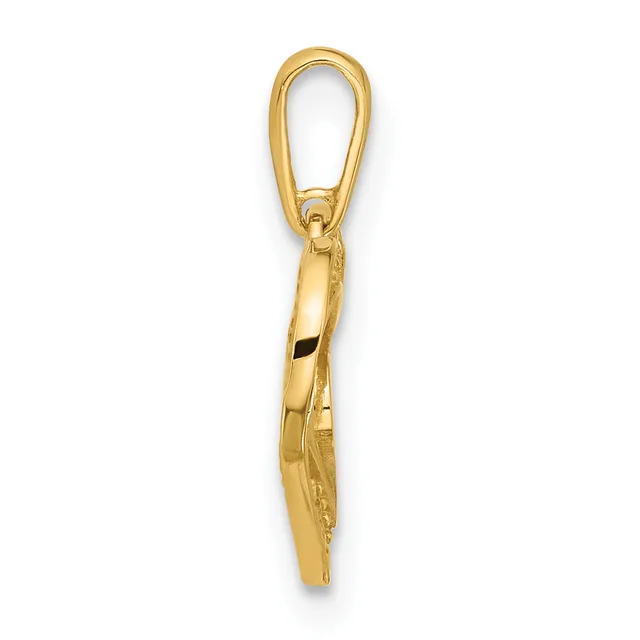
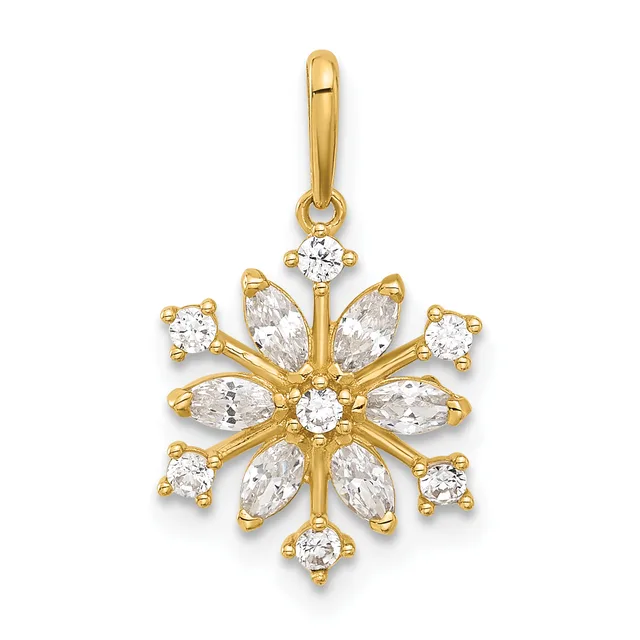
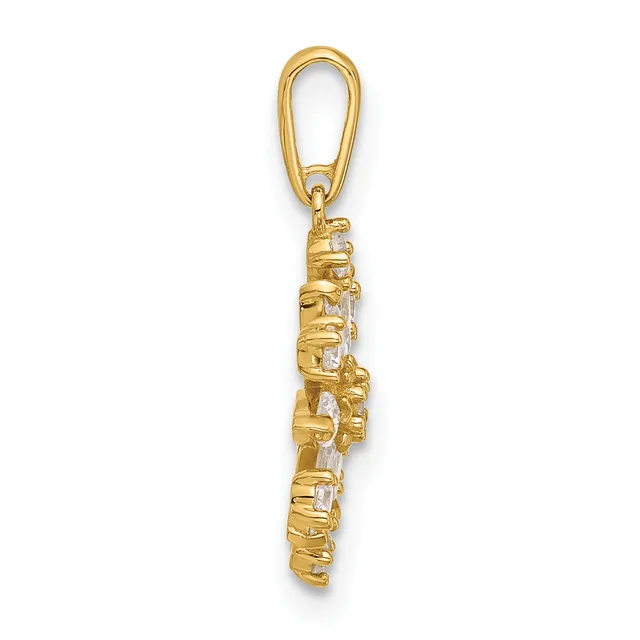
What Sets CZ Apart in a Pendant
Cubic zirconia is a synthesized crystalline material cut to the same facet geometry as diamond. In a pendant — where the stone faces outward and catches ambient light — that precision cutting produces noticeable brilliance without the cost of a mined stone. Because the material is consistent and inclusion-free, even smaller stones read clearly, which makes it well suited to delicate silhouettes and intricate settings alike.
Reading the Shapes and Motifs Here
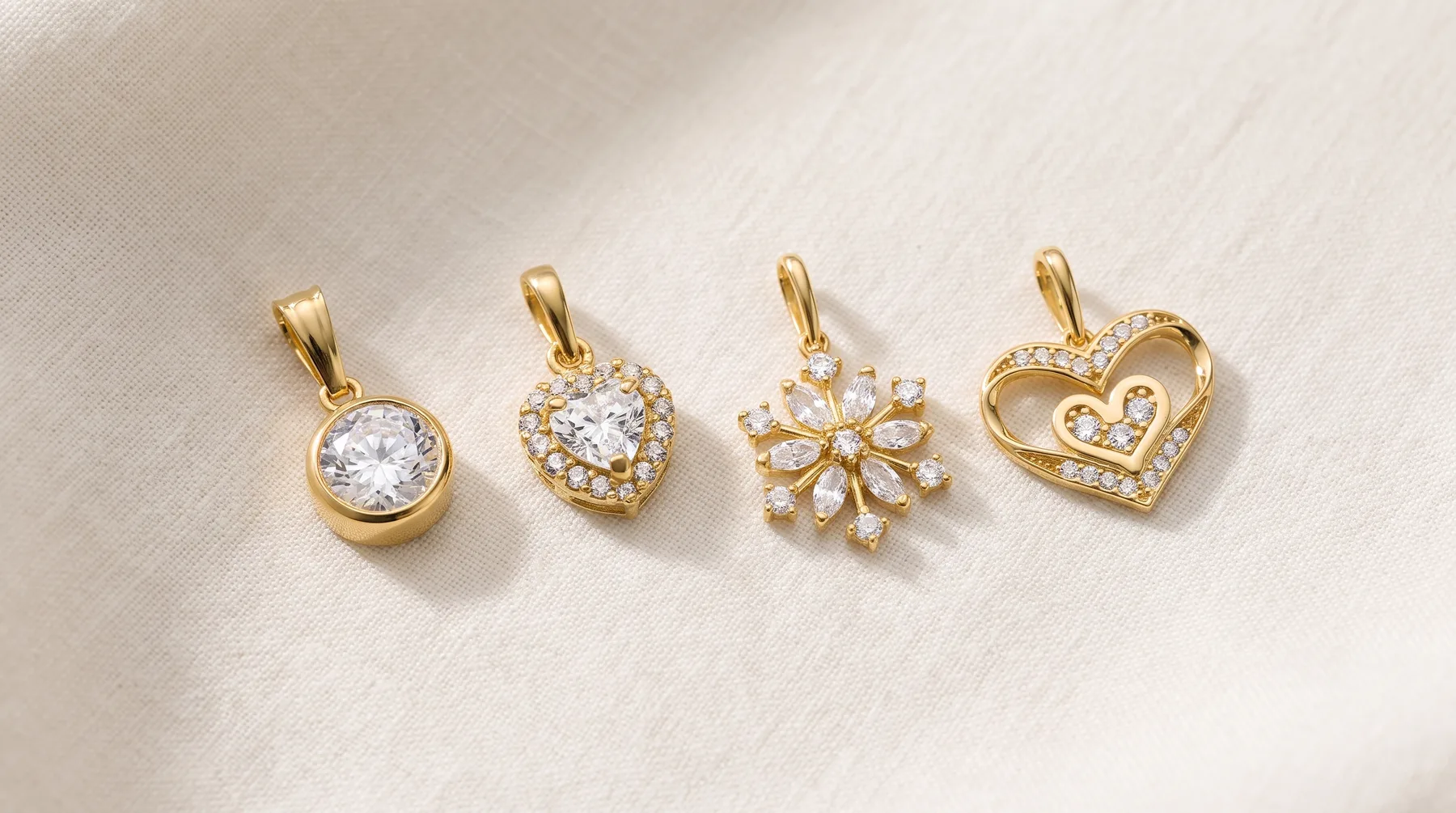
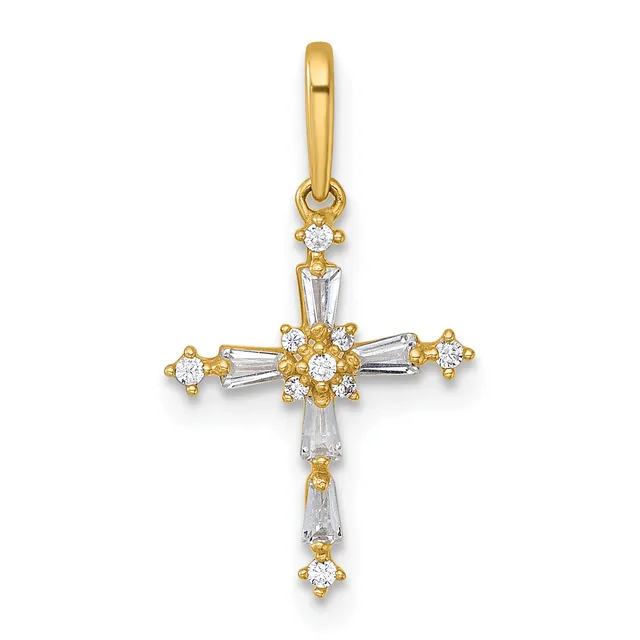
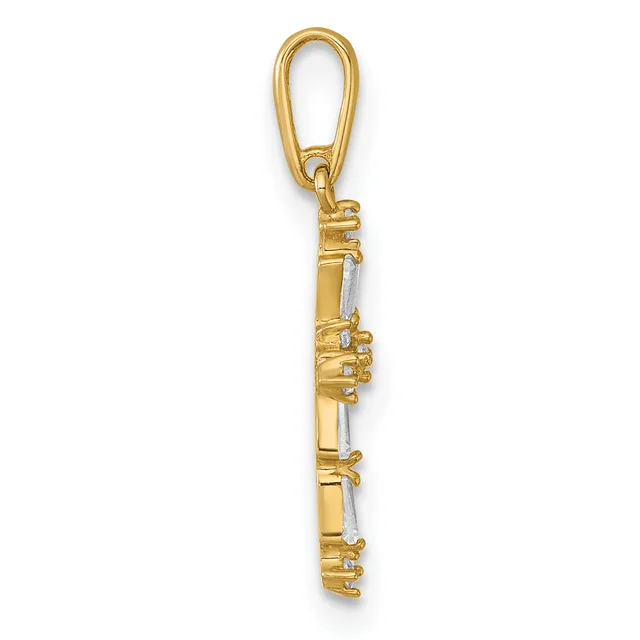
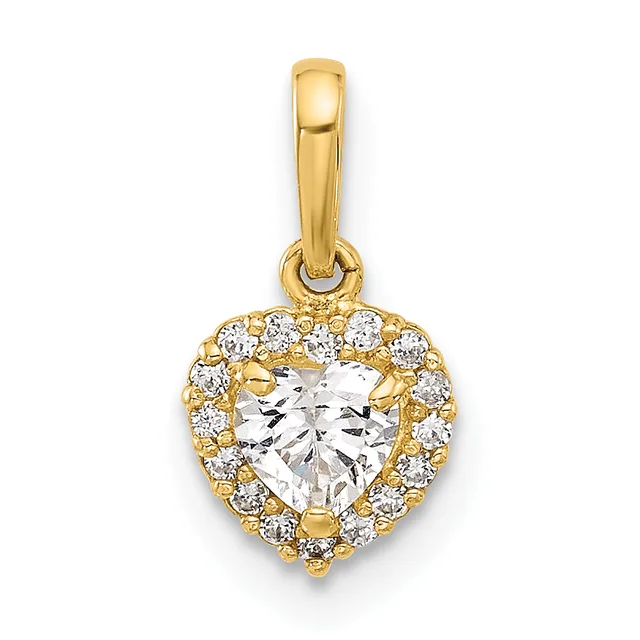
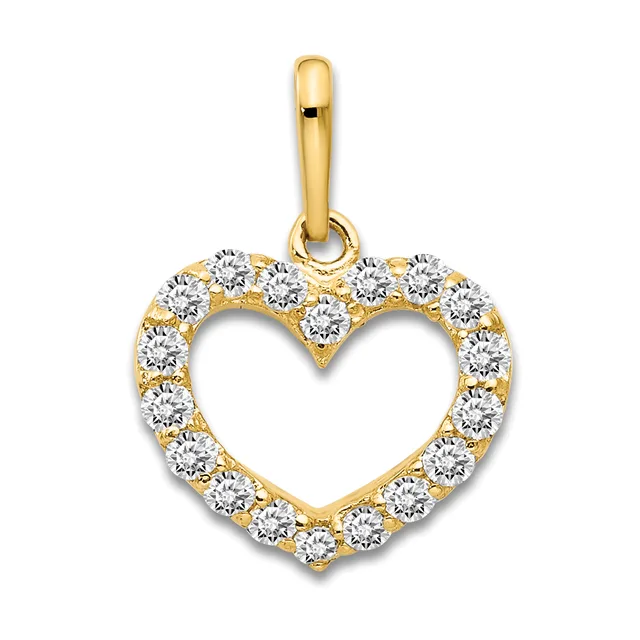
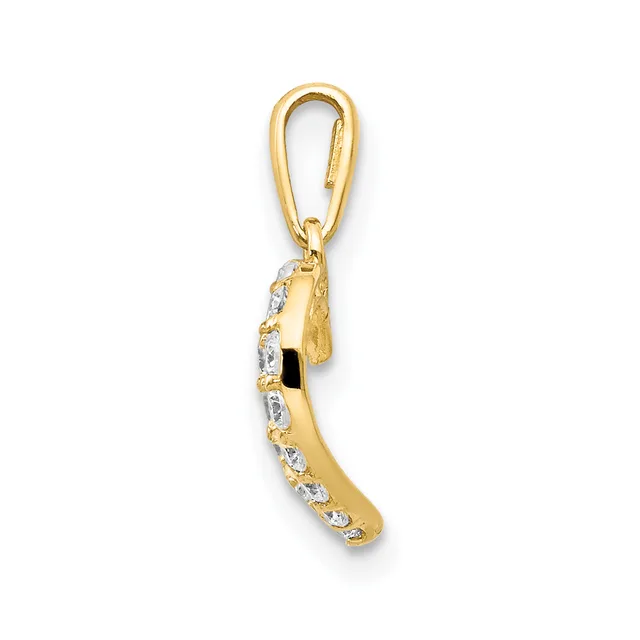
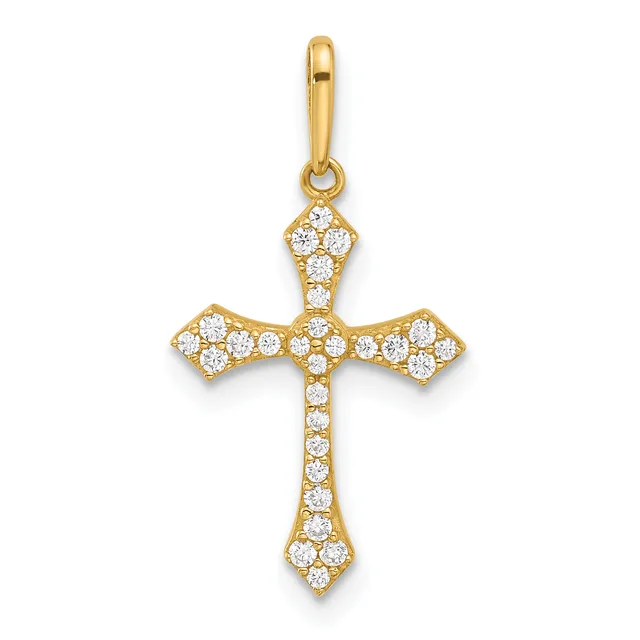
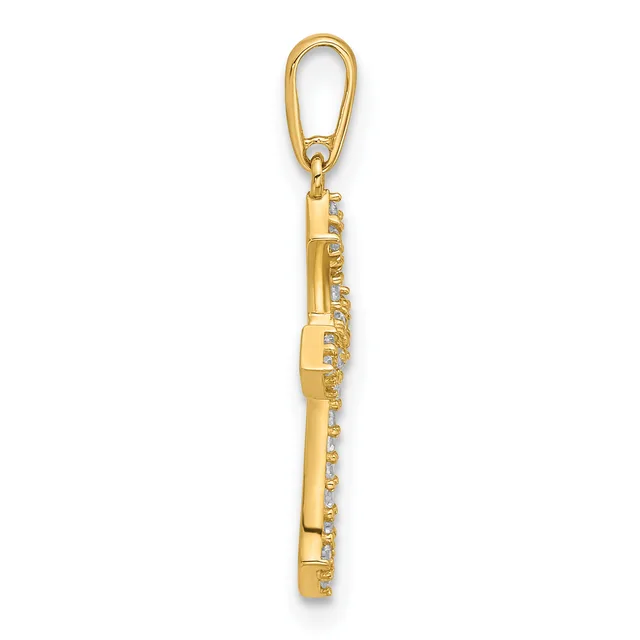
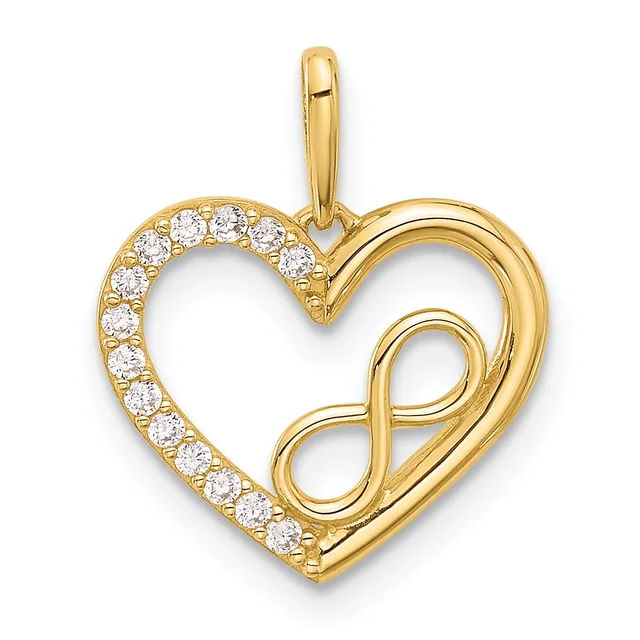
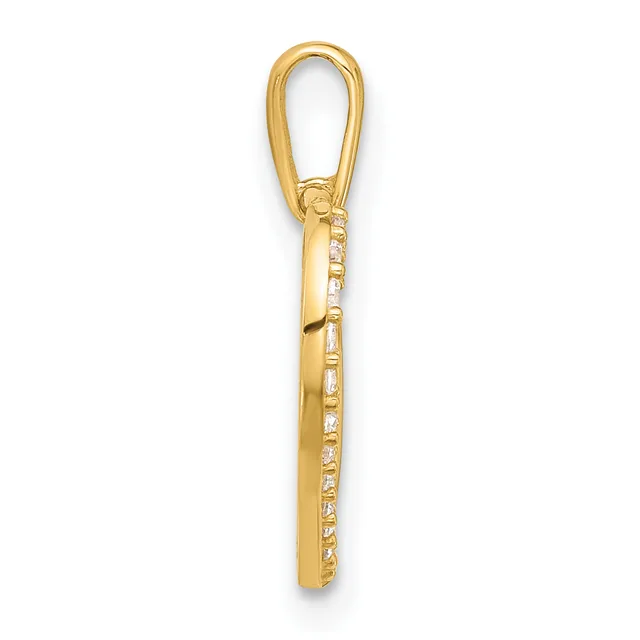
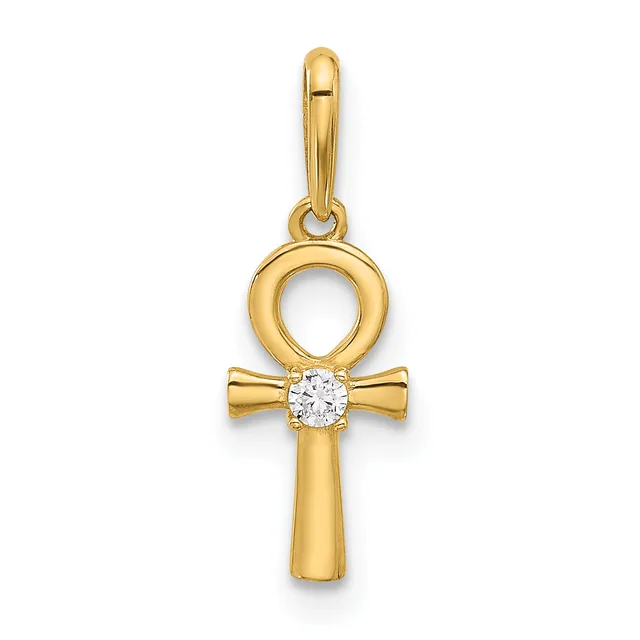
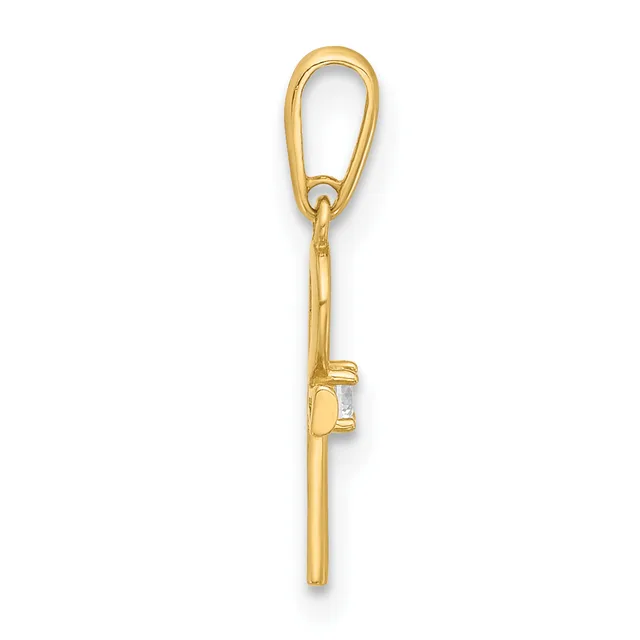
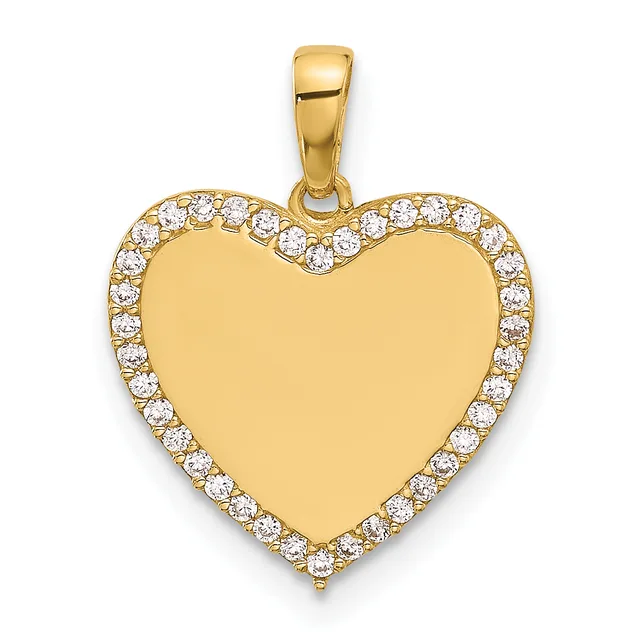
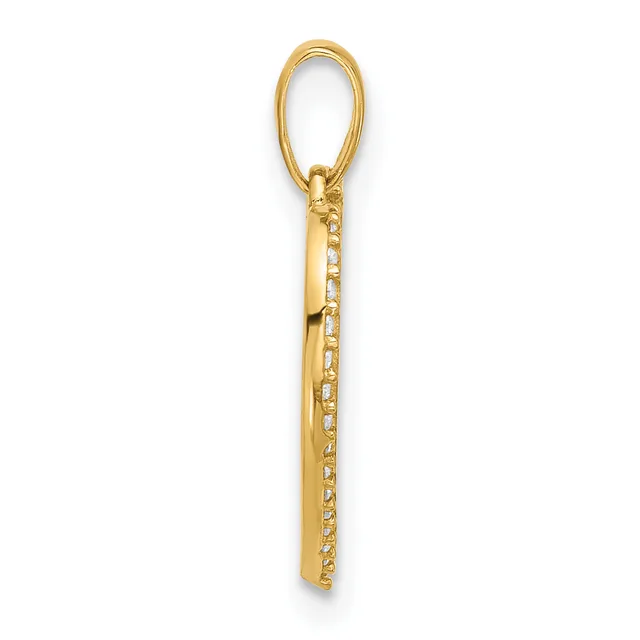
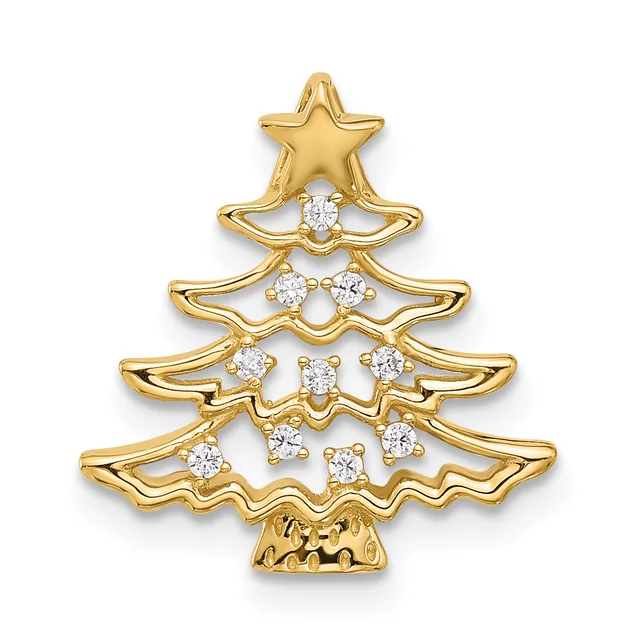
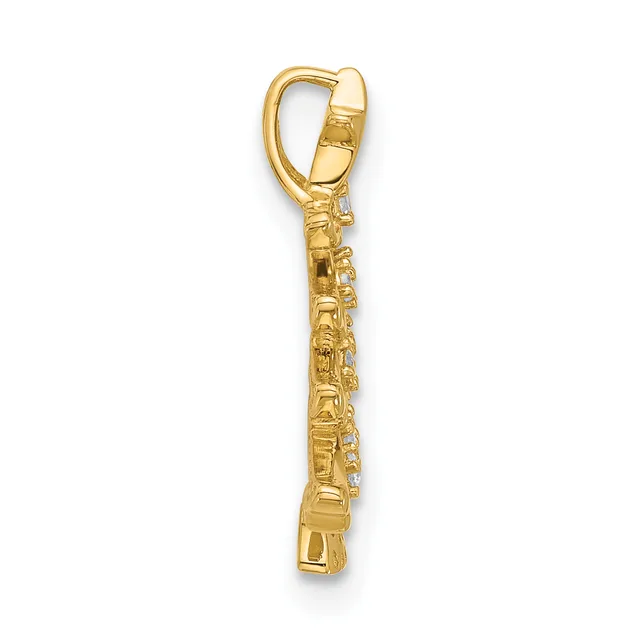
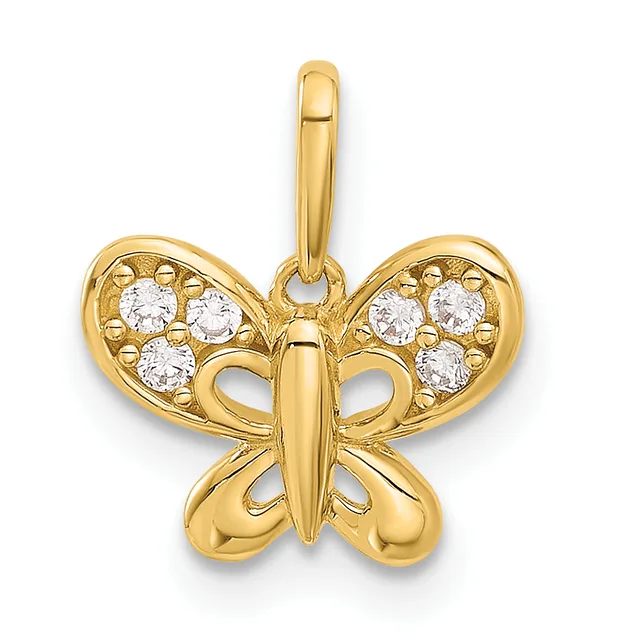
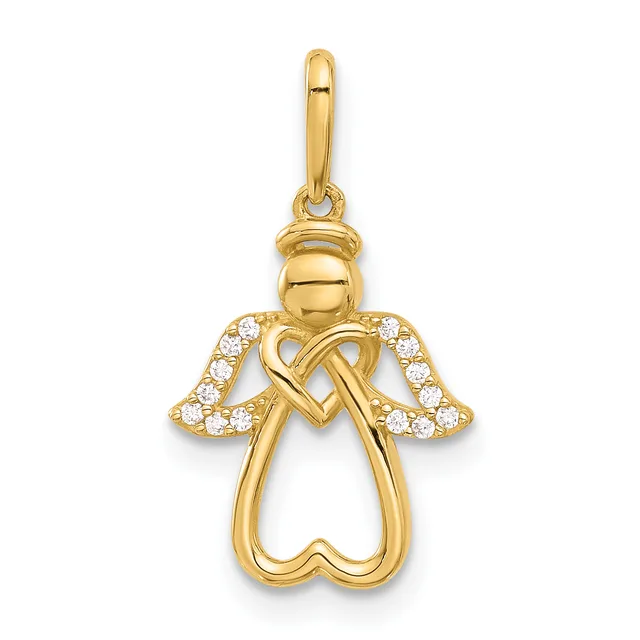
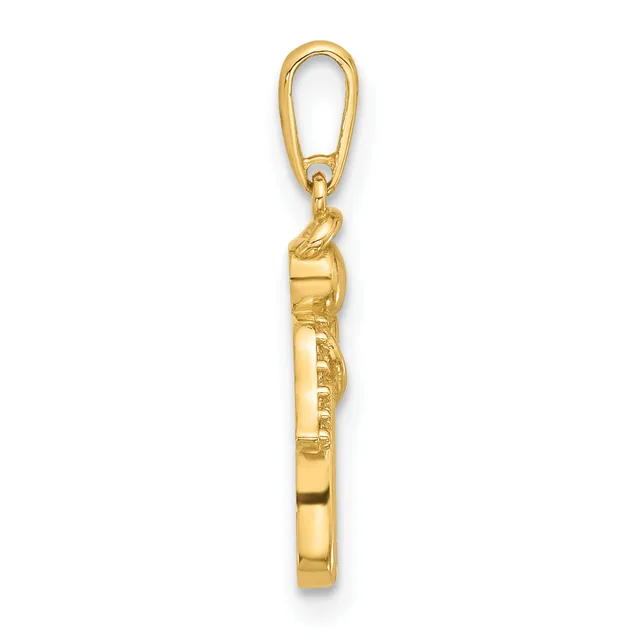
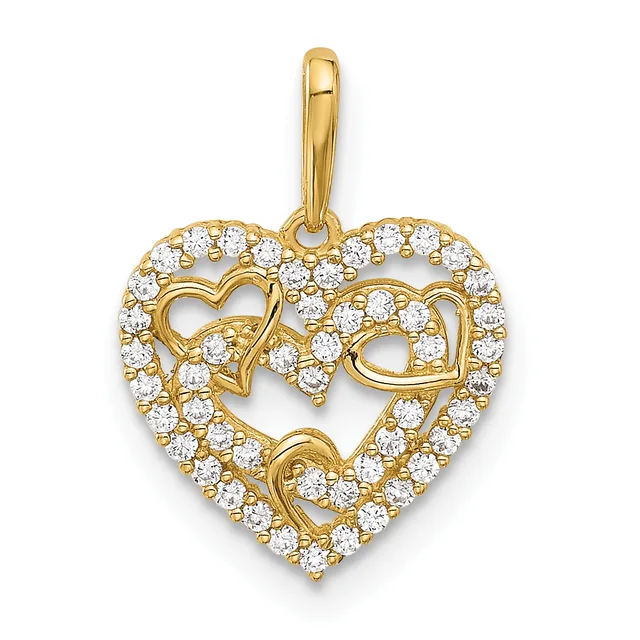
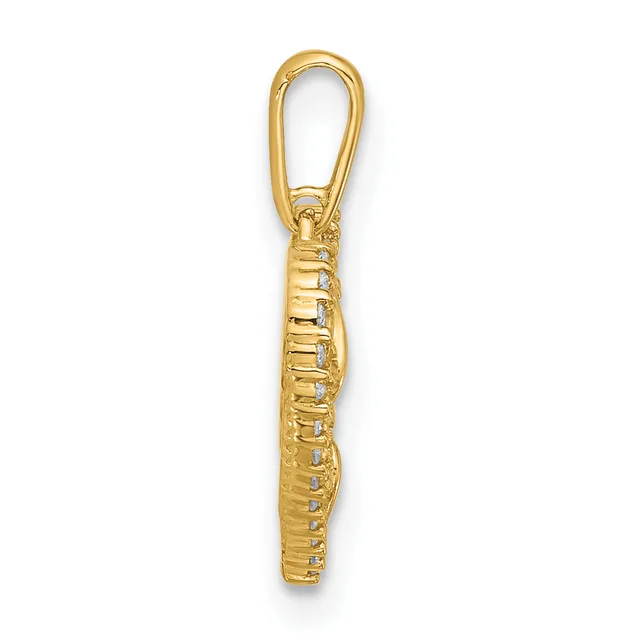
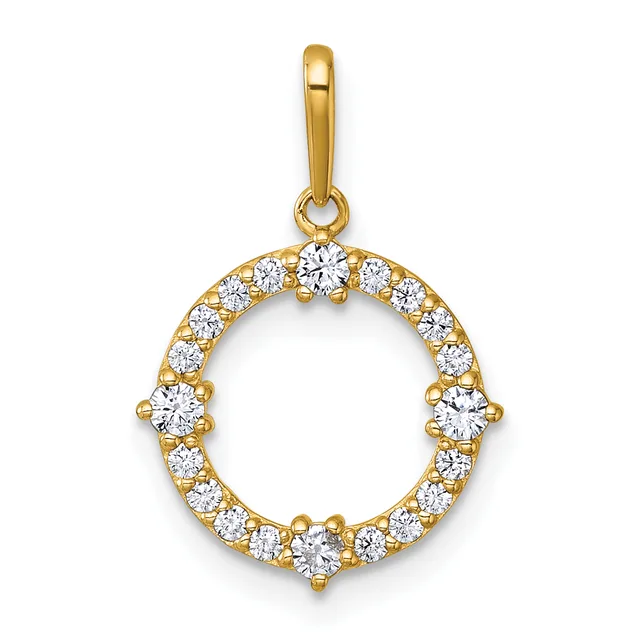
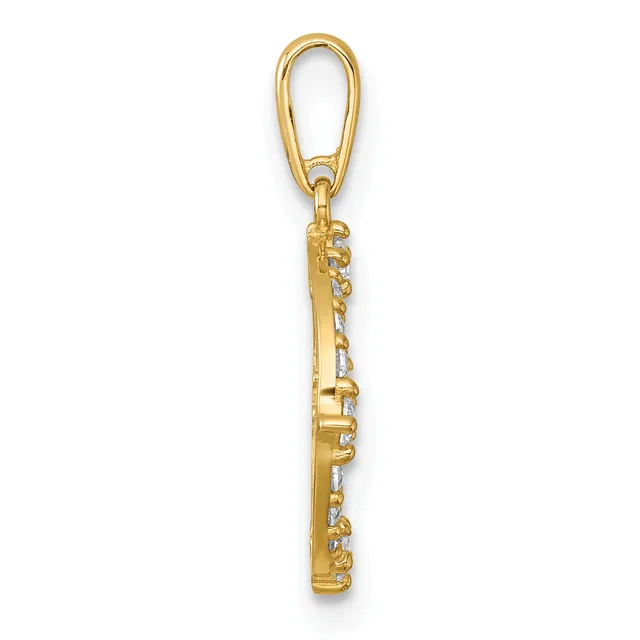
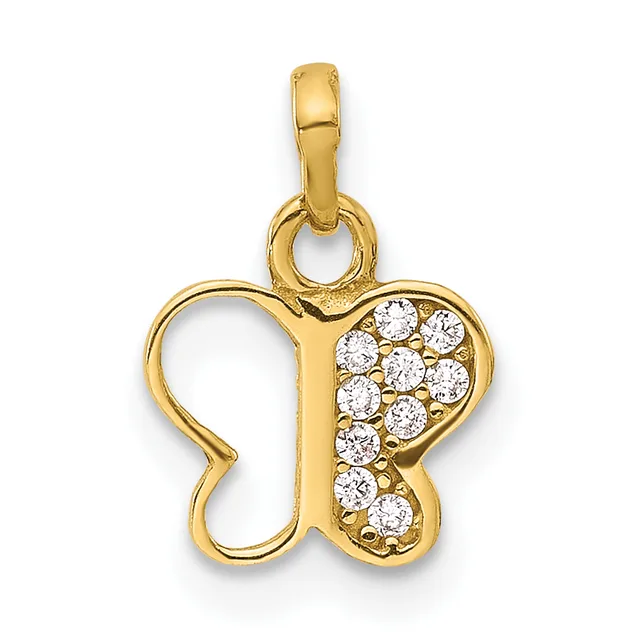
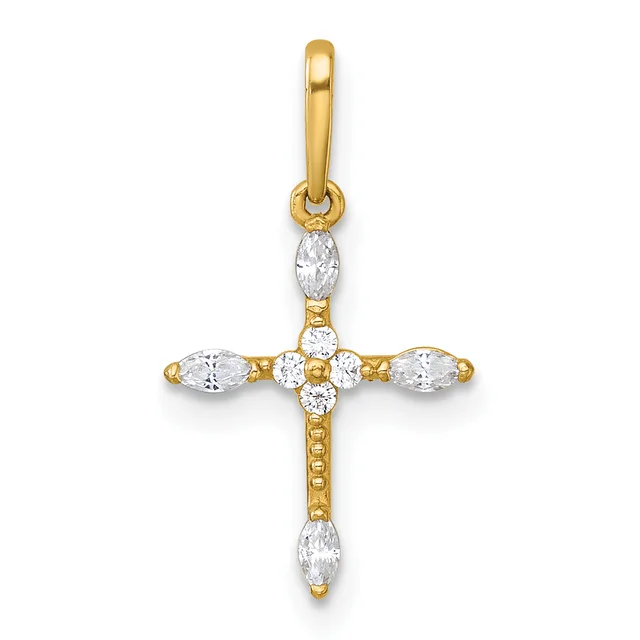
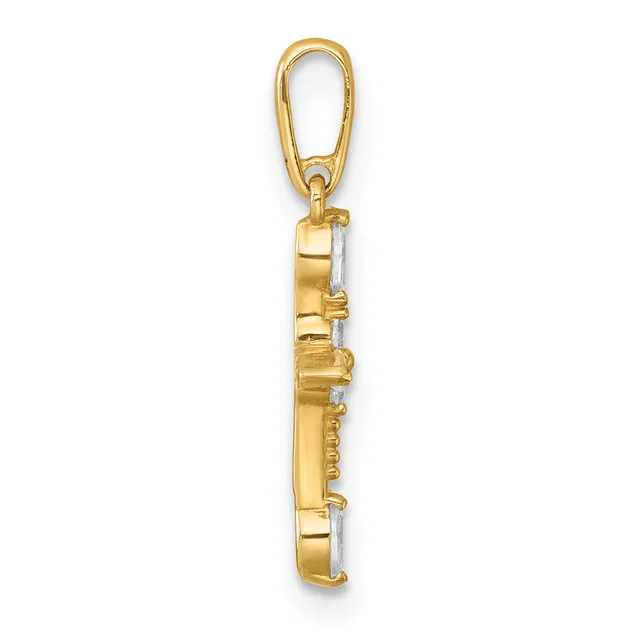
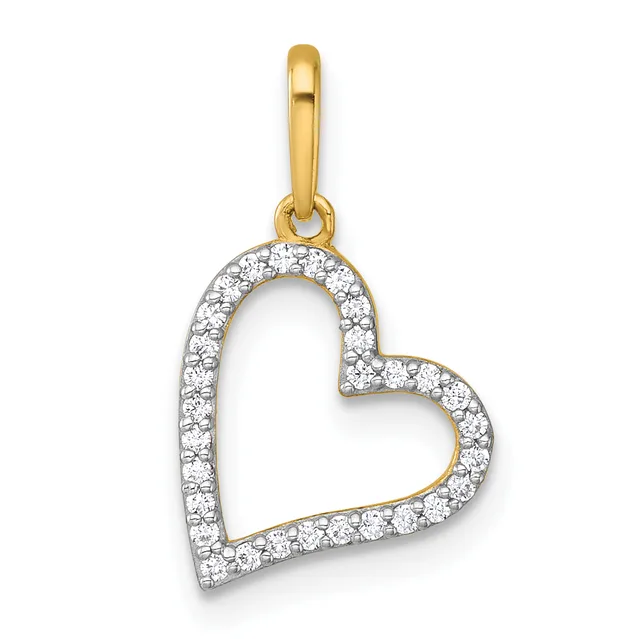
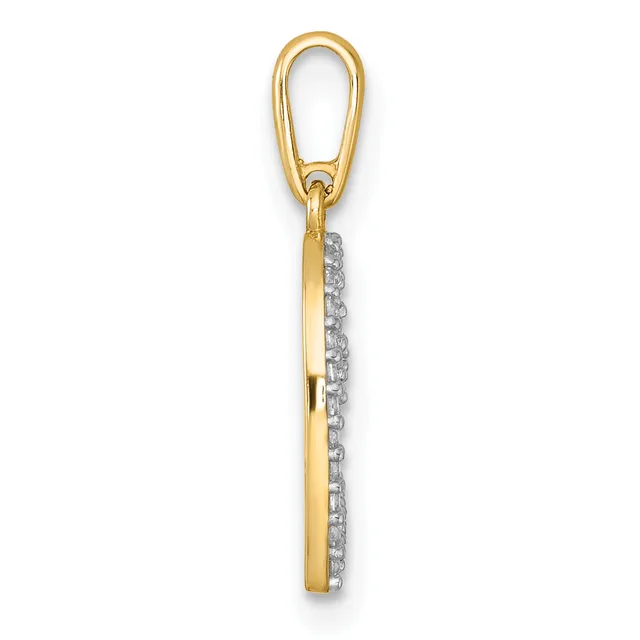
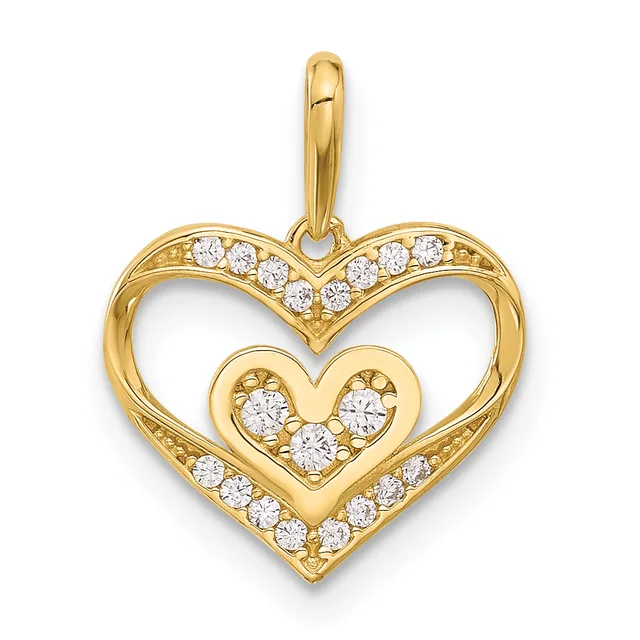
The selection here groups naturally into a few families worth understanding before you browse. Devotional pieces — crosses, including open and ornate fancy-cross designs — tend toward symmetry and clean lines, making them versatile across dressy and everyday contexts. Heart and open-heart forms range from minimal outlines to fuller pavé-style settings; the open silhouette keeps the piece feeling lighter on the chain and works especially well at shorter lengths. Nature-inspired shapes — butterflies and other winged subjects — use the CZ to define wing detail, so the stone placement is part of the design logic rather than decoration added afterward. Seasonal and occasion-specific pieces follow their own symbolism and are often given rather than worn long-term, so construction details like bail width and chain compatibility matter more for those.
Choosing for Everyday Wear Versus Occasional Use
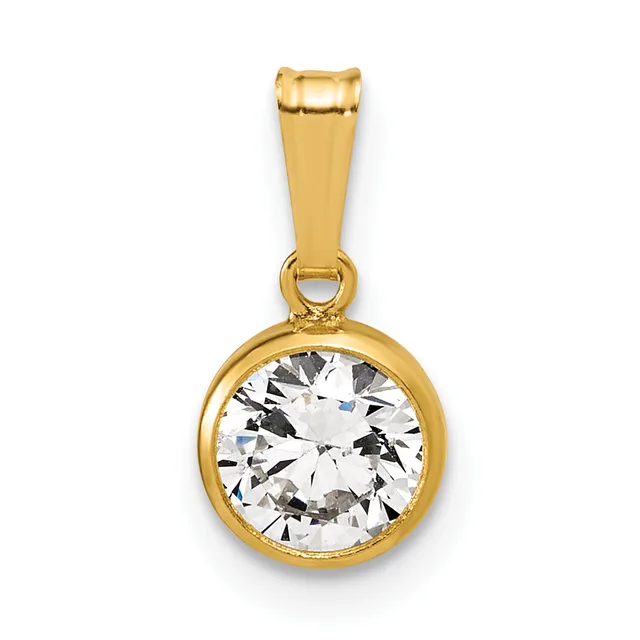
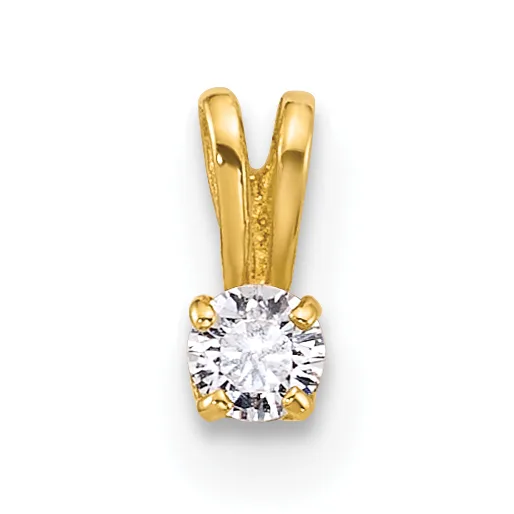
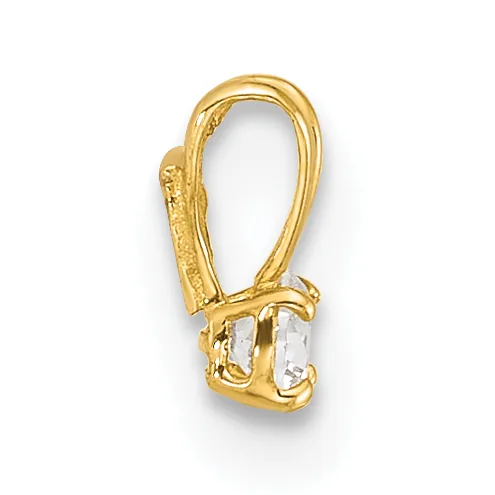
For a pendant worn daily, consider the setting style: prong settings hold stones securely and allow light in from multiple angles, but fine prongs can snag on fabric. Bezel settings surround the stone with a rim of metal, offering better protection for an active wearer at the cost of some light return from the sides. Pavé arrangements — small CZ stones set closely together — add surface area and brilliance but require more careful cleaning to keep the channels clear. For pieces worn only occasionally, these trade-offs matter less, and you can weight your choice toward visual effect alone.
Caring for CZ Pendants
Cubic zirconia itself is durable — rated 8 to 8.5 on the Mohs scale — but the metal setting and any plating determine long-term appearance more than the stone does. Avoid prolonged contact with lotions, perfumes, and chlorinated water, which can dull metal surfaces and, on plated pieces, accelerate wear at high-contact points like the bail. Clean with a soft cloth and mild soap; a soft brush reaches pavé channels without stressing prongs. Store separately or in a pouch to prevent surface scratches from contact with harder stones or metal edges.
Frequently asked questions
Will CZ stones stay clear over time, or do they cloud?
Cubic zirconia itself does not cloud, but oils, lotions, and residue from daily wear build up on the facets and reduce brilliance. A brief soak in warm soapy water and a soft-brush rinse restores clarity in most cases.
How do I know which chain length works with these pendants?
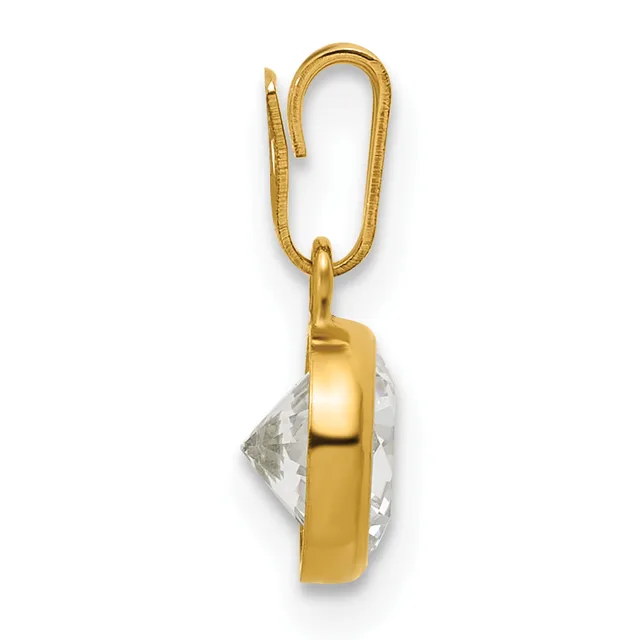
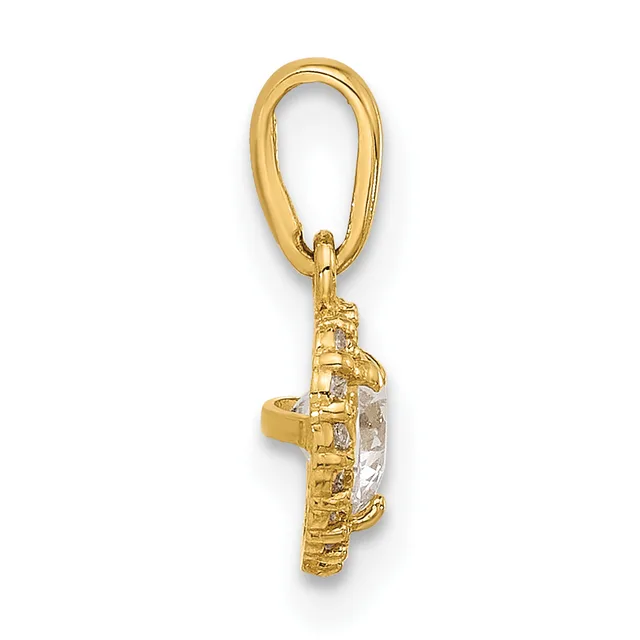
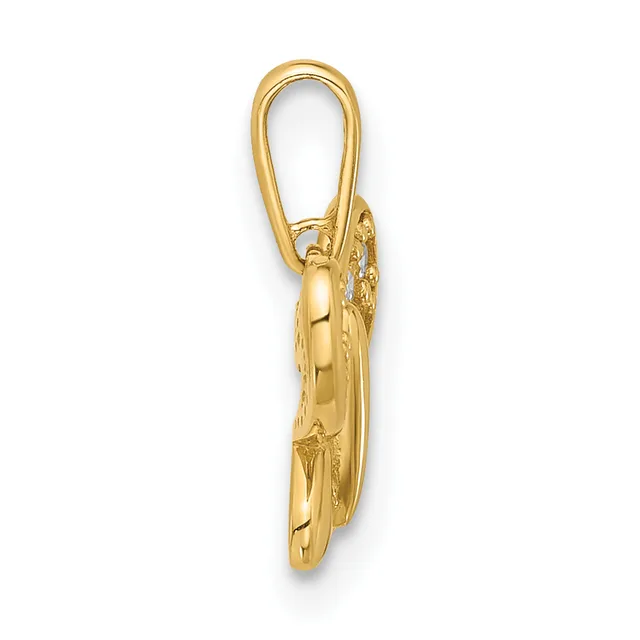
Check the bail opening on the pendant — most standard cable and box chains up to about 3mm wide pass through without issue, but wider or thicker chains may not. A 16- to 18-inch chain positions a pendant at the collarbone, while 20 inches places it lower on the chest, which can suit larger or bolder designs.
Are these pendants suitable as gifts for religious occasions?
The selection includes cross and devotional motifs that are commonly given for confirmations, baptisms, and similar milestones. Packaging and gifting presentation are separate from the pendant itself, so plan accordingly.
Is cubic zirconia a good choice for someone with metal sensitivities?
The stone itself is inert and unlikely to cause a reaction, but skin sensitivities are typically triggered by the metal in the setting or bail — particularly nickel, which is sometimes present in base metals or lower-karat alloys. Check the metal specifications on individual pieces if sensitivity is a concern.
Can these pendants be worn in water?
Occasional brief exposure is unlikely to damage the stone, but repeated or prolonged contact with chlorinated or salt water can affect metal finishes and, on plated pieces, accelerate surface wear. It is safer to remove pendants before swimming or bathing.