
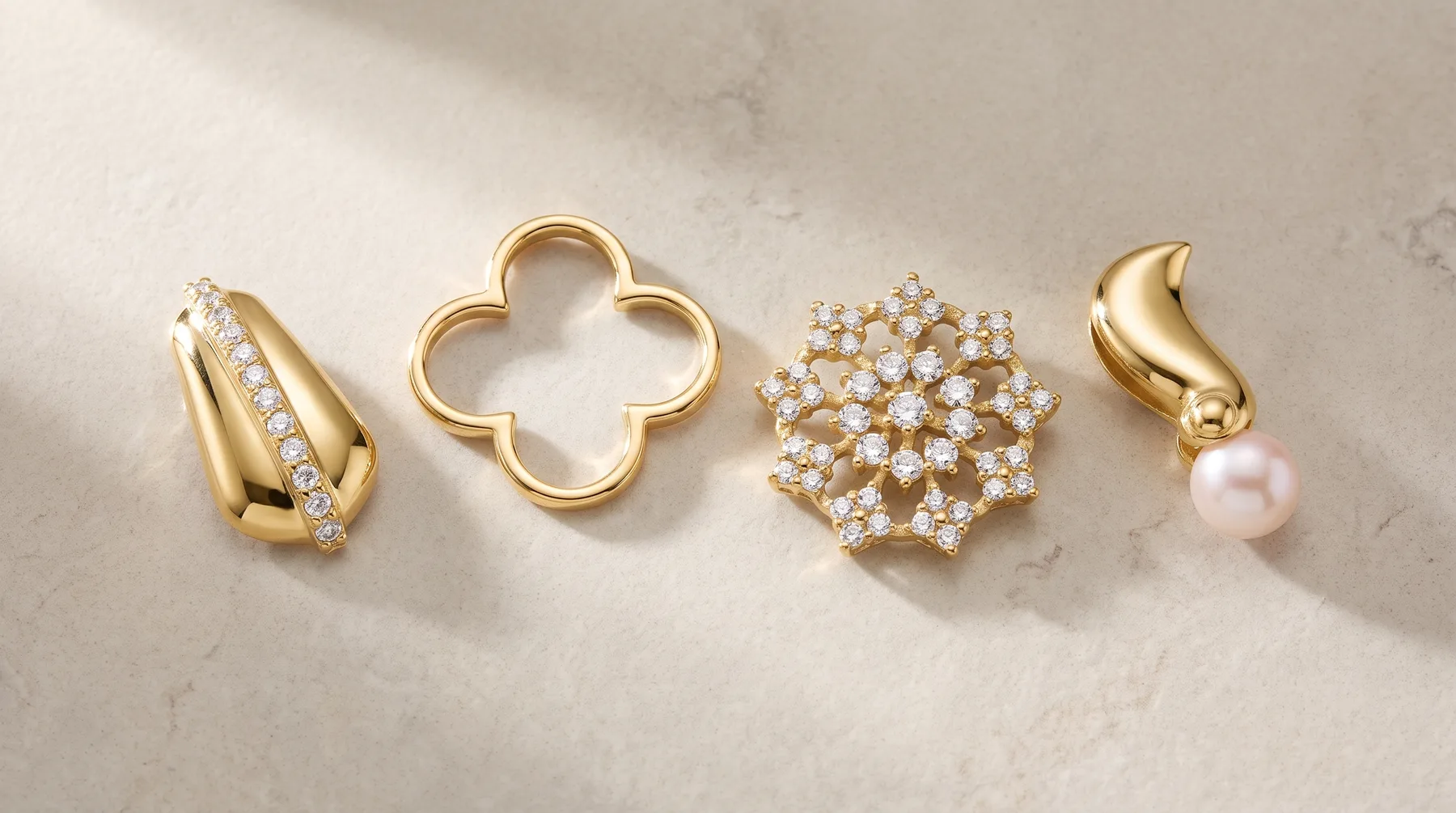
How Chain Slides Differ from Standard Pendants
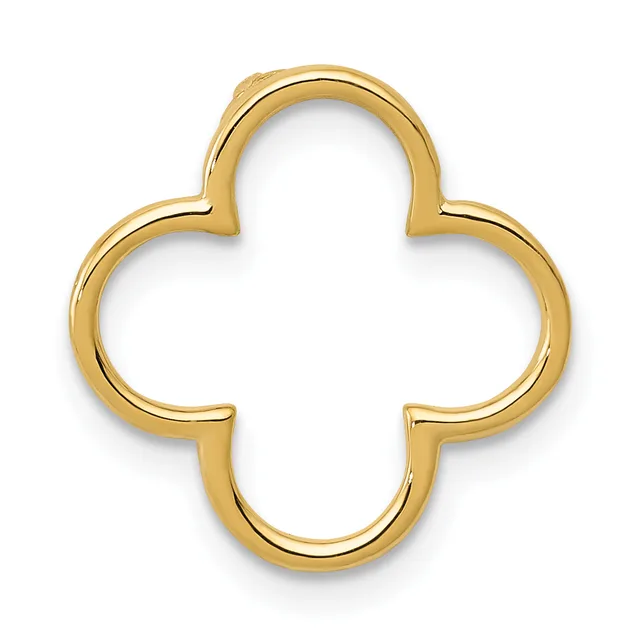
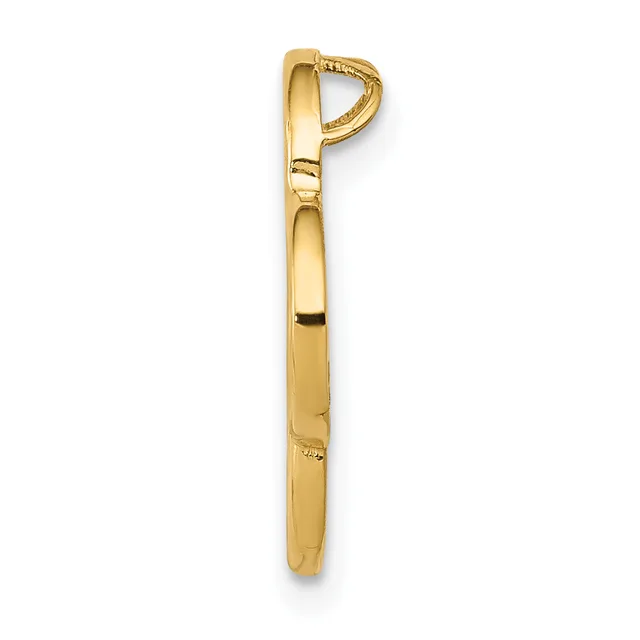
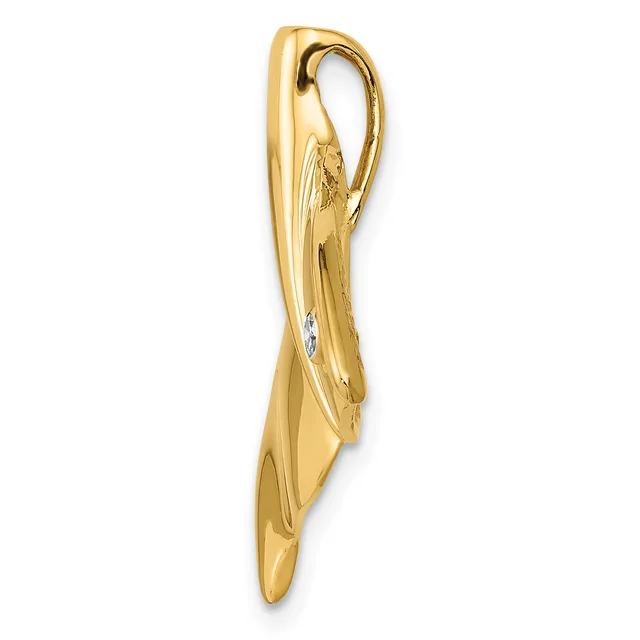
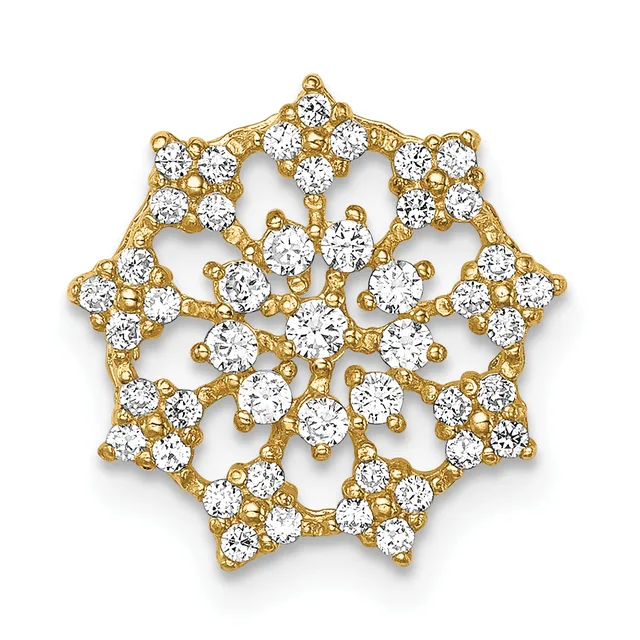
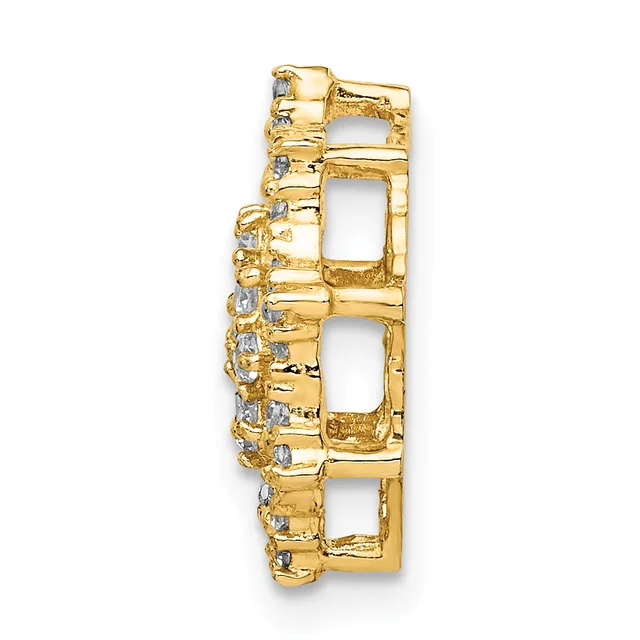
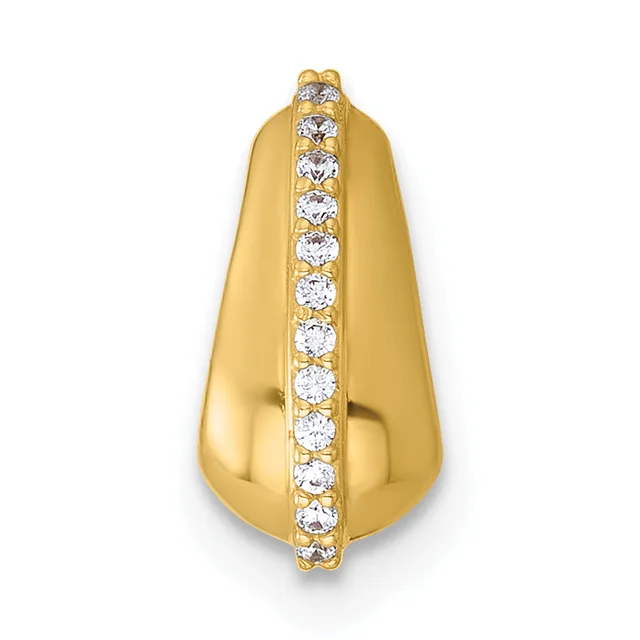
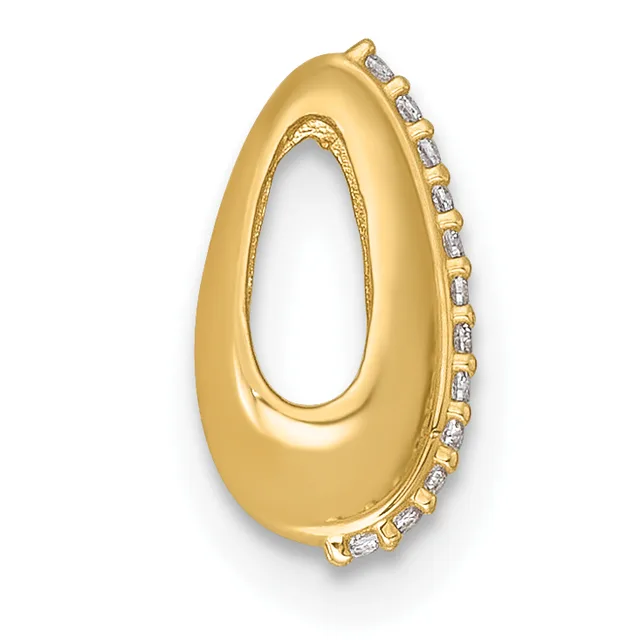
A chain slide has a horizontal channel or tunnel on its reverse rather than a loop at the top. The chain passes through that channel, which means the pendant lies flat, moves with the neckline, and never swings or tilts to one side. That flush profile suits lower necklines and layered looks where a swinging pendant would read as cluttered. The trade-off is that slides are sized for specific chain widths — most are cut for box or omega chains in a defined millimeter range — so the chain and slide need to be matched before purchase.
Metals and Settings in This Selection
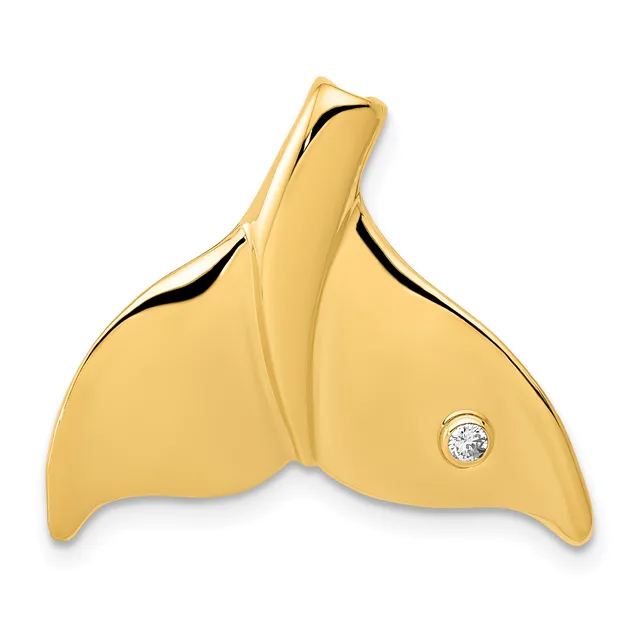
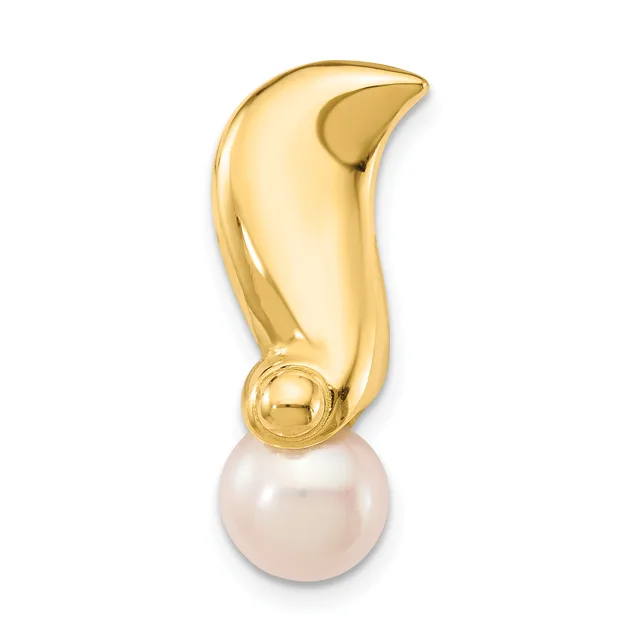
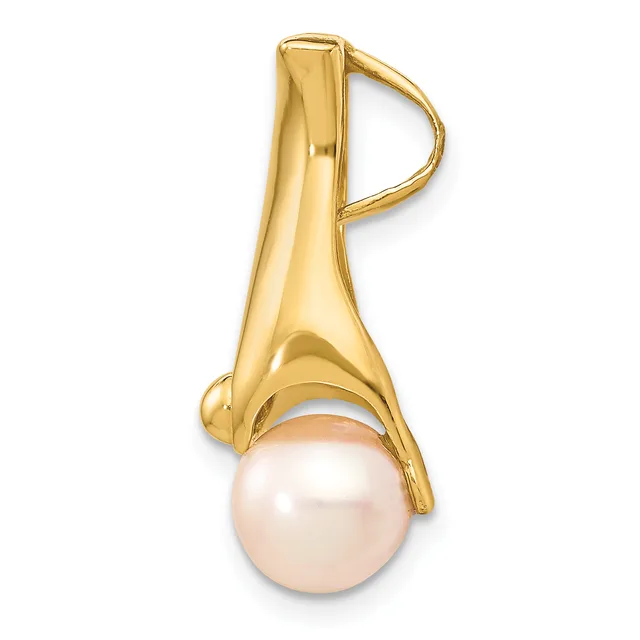
The pieces here are offered in fine metal, consistent with the broader Pendants & Charms range at Karat & Kin. Where a design incorporates pearls, the pearl is held in a setting rather than drilled and strung, which protects the nacre from direct contact with metal edges. Sea-life and whale motifs are rendered as shaped pendants whose detail work — fins, texture, form — is part of the casting itself rather than applied surface decoration, so the design does not wear away with handling the way an engraved or plated finish can.
Choosing the Right Slide
The single most practical step before selecting a chain slide is measuring the chain you plan to wear it on, or confirming the channel width listed for the piece. A channel that is too narrow will not thread; one that is too wide allows the pendant to travel and tip. Beyond fit, consider the visual weight of the motif against the chain: a detailed sculptural form reads best on a chain that is substantial enough to anchor it without disappearing beneath it. Pearl-set slides, which tend toward a quieter profile, suit finer chains and more understated settings.
Care
Because the chain runs through the slide's channel rather than attaching at a single point, grit and skin oils can collect inside the channel with daily wear. A soft brush — a clean, dry toothbrush works well — drawn through the channel periodically keeps it clear. For pearl-set pieces, avoid ultrasonic cleaners and prolonged exposure to water, as both can affect the setting over time. Fine metal slides without stones can be cleaned with a lint-free polishing cloth.
Frequently asked questions
What kind of chain do I need for a chain slide?
Most chain slides are designed for box or omega chains. The key measurement is the chain's width in millimeters — it must fit through the slide's back channel, so check the channel dimensions listed for each piece before pairing it with a chain you already own.
Can I wear a chain slide on a standard pendant chain with a clasp?
Only if the clasp opens wide enough to thread through the channel, which most spring-ring and lobster clasps do not. A chain without an attached clasp, or one sold specifically as a slide chain, is the practical choice.
Are the pearl-set slides real pearls?
The product descriptions in this selection specify pearl pendants as a distinct type, consistent with fine-jewelry standards at Karat & Kin. Individual product pages carry the material details for each piece.
Will a chain slide stay centered on the neck?
Yes — because the chain passes through a fixed channel rather than a loop, the pendant cannot slide to one side or rotate. It stays where you place it on the chain.
How do I care for a slide with a pearl setting?
Avoid ultrasonic cleaners and extended contact with water, both of which can loosen prongs or affect nacre over time. Wipe the piece with a soft, dry cloth after wearing and store it away from harder jewelry that could scratch the pearl surface.