
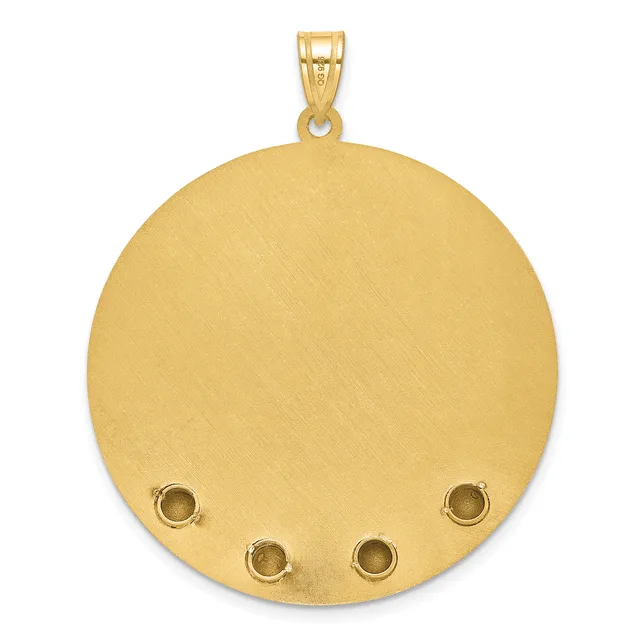
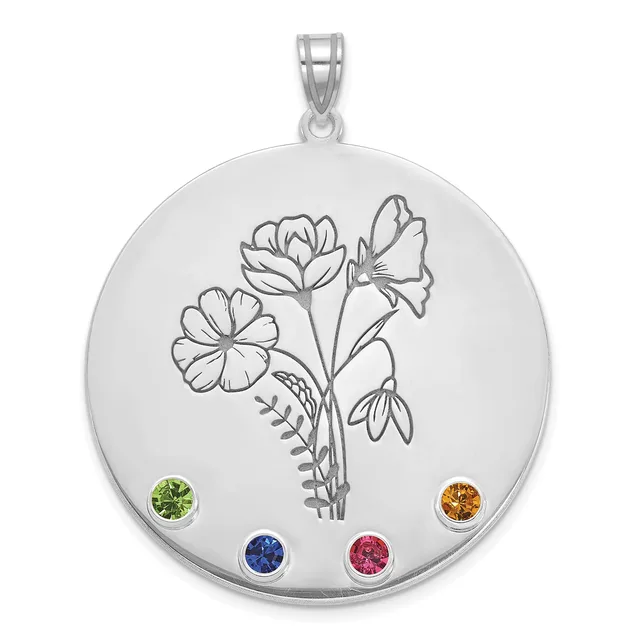
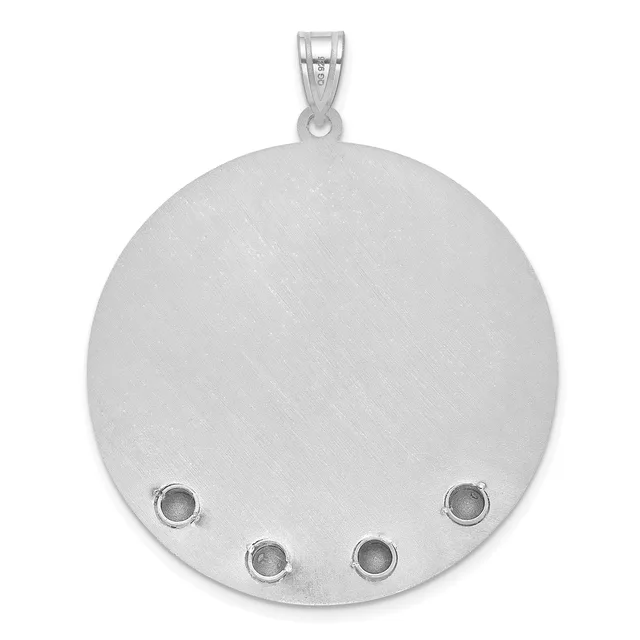
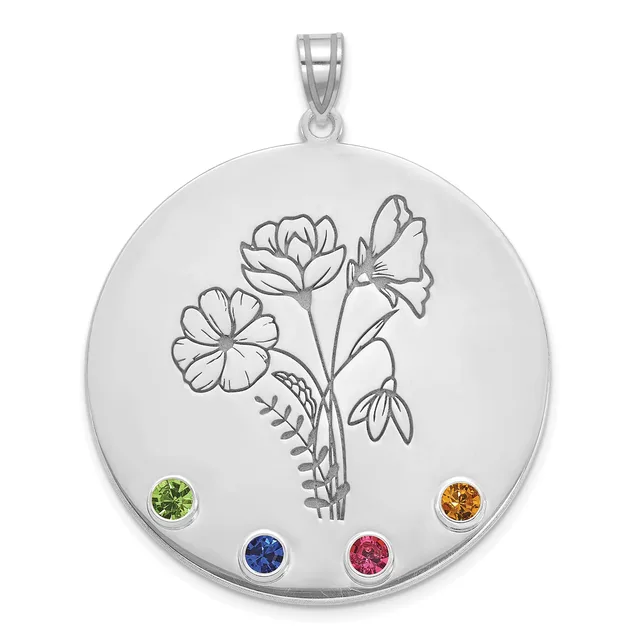
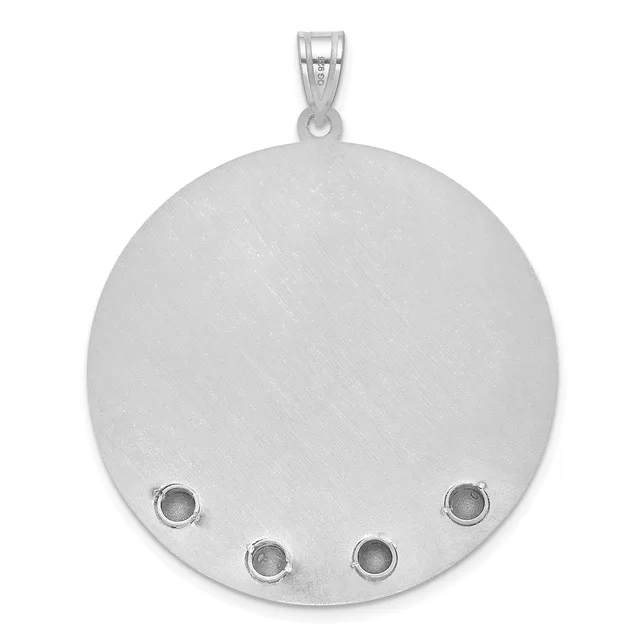
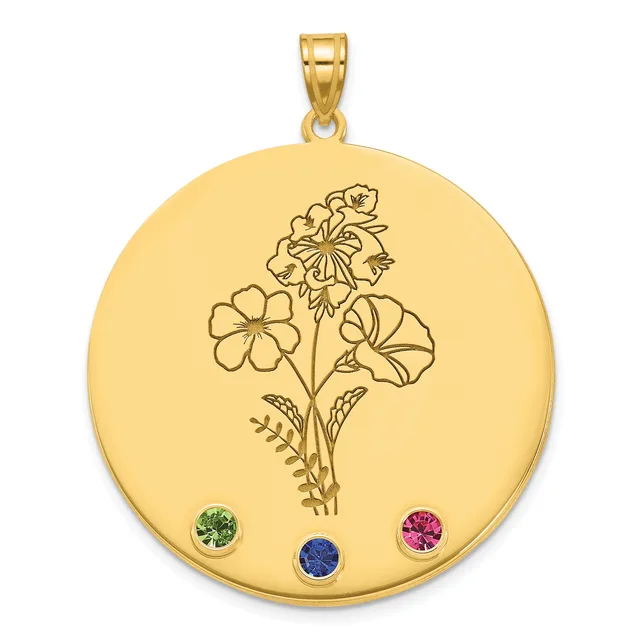
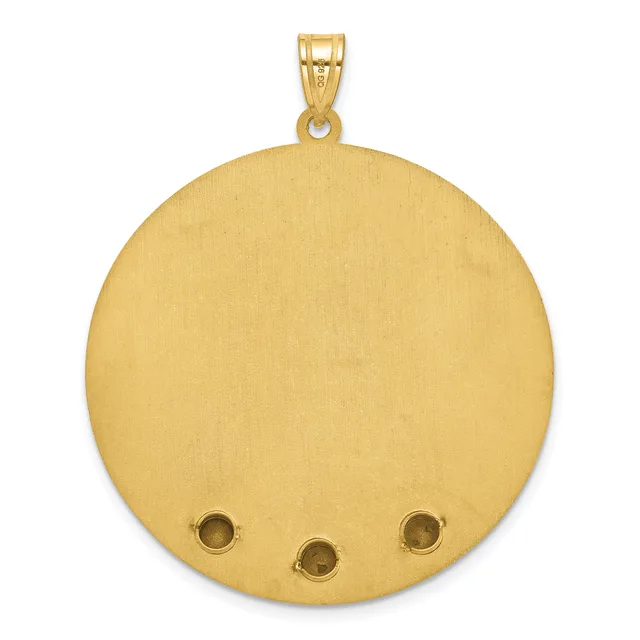
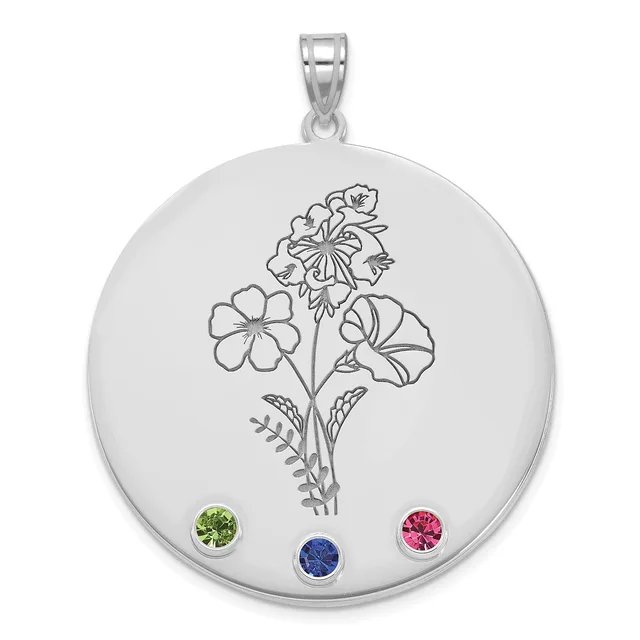
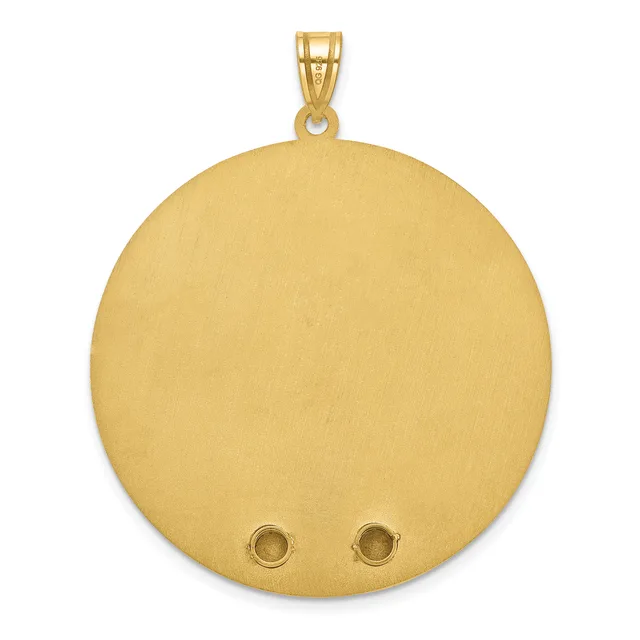
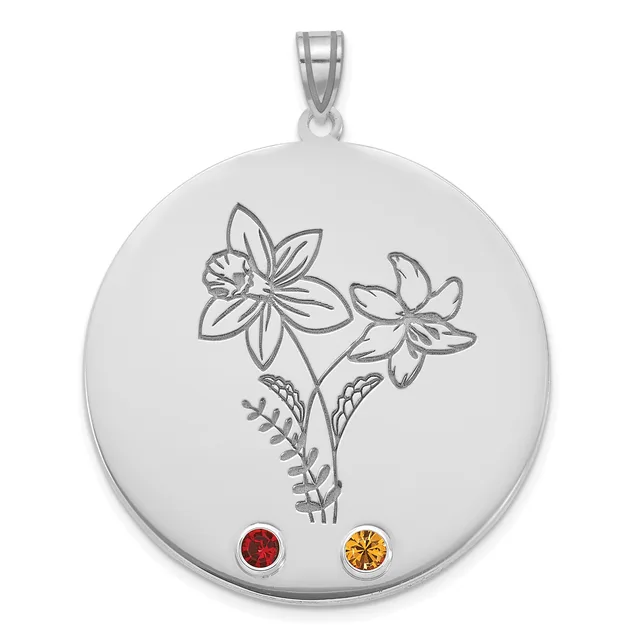
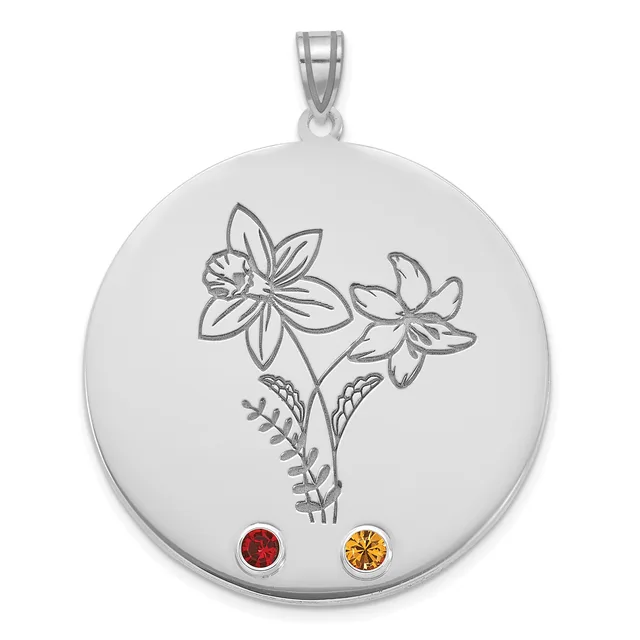
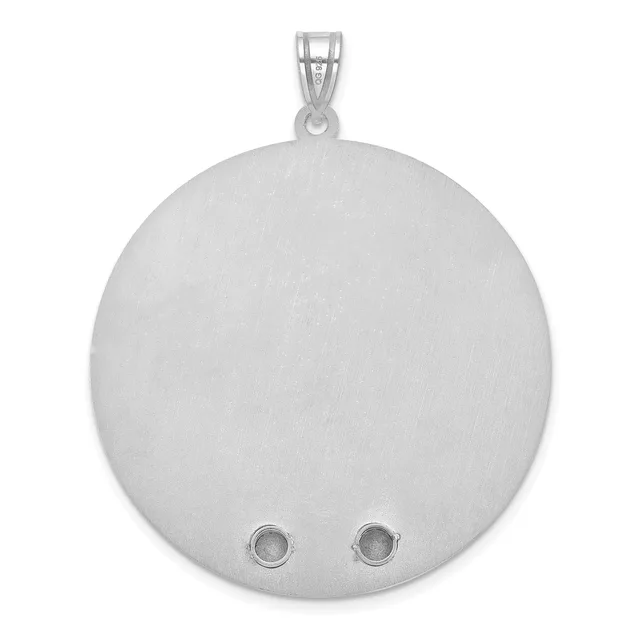
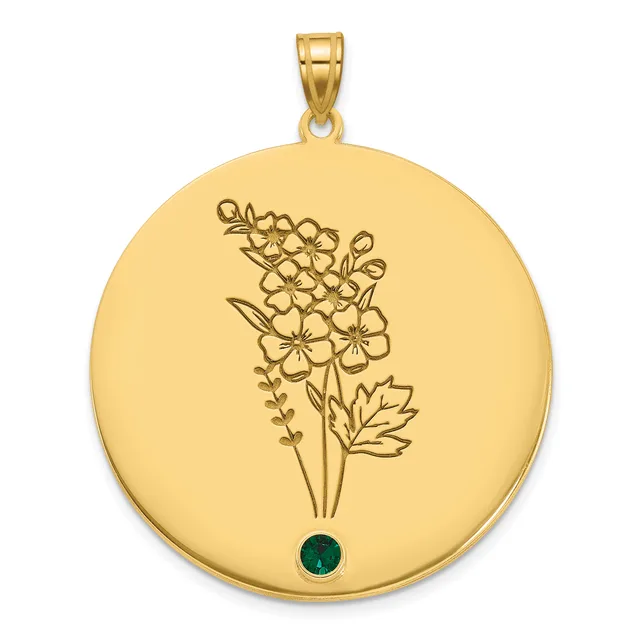
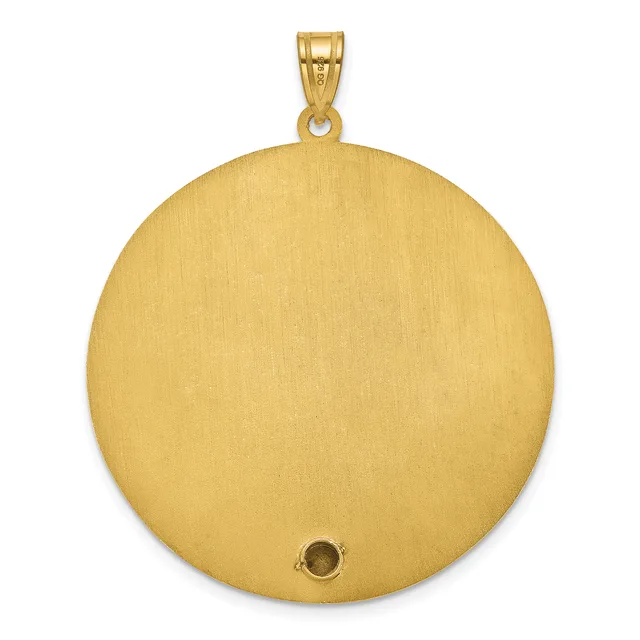
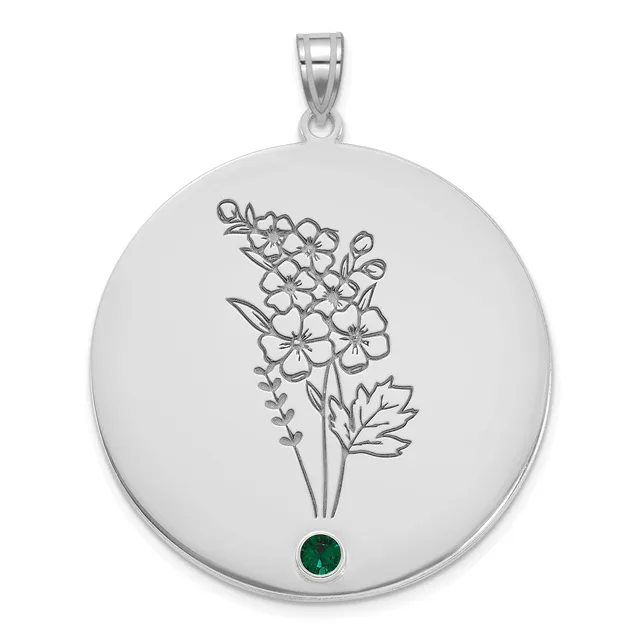
What Birthstone Pendants Are
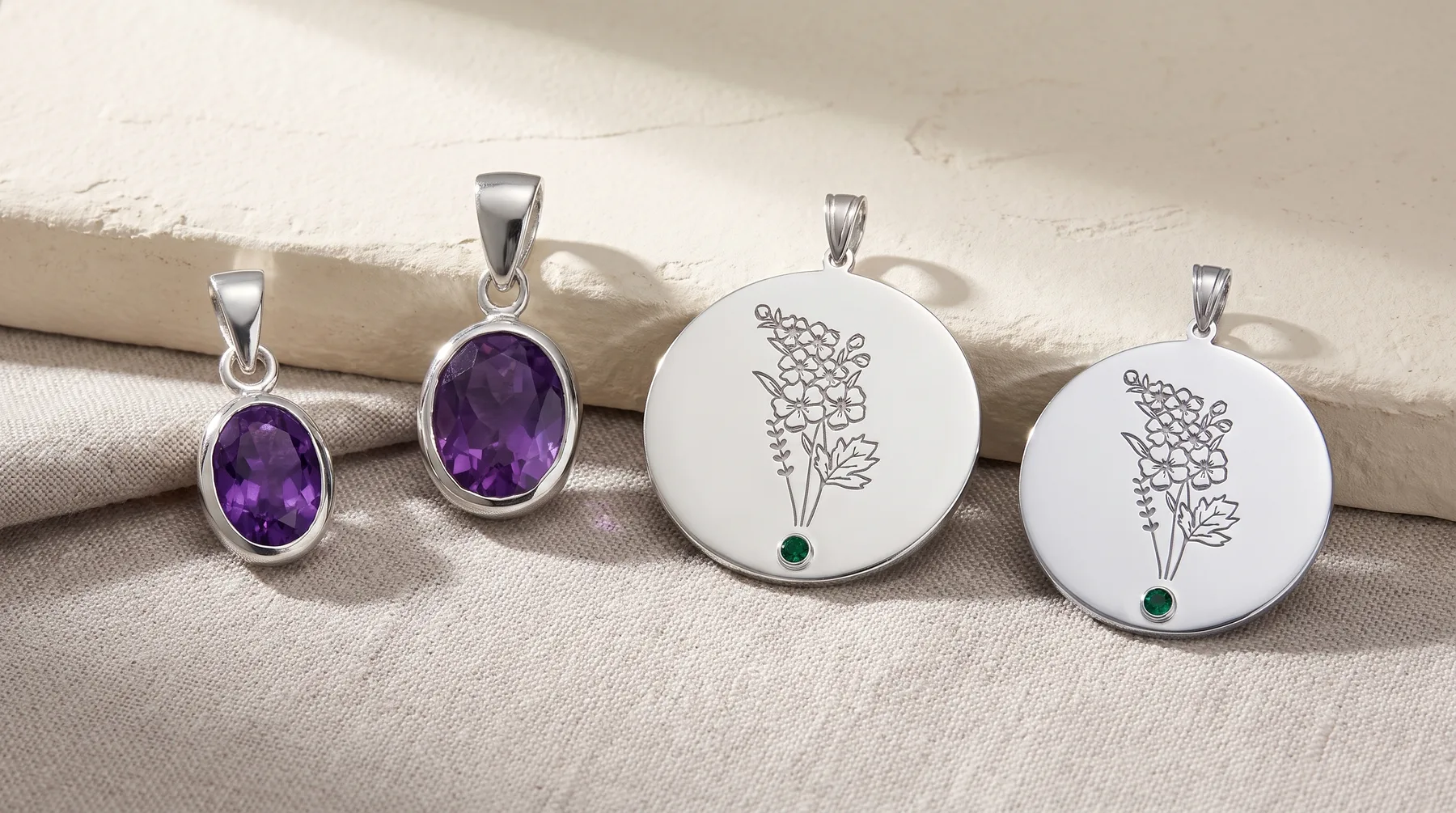
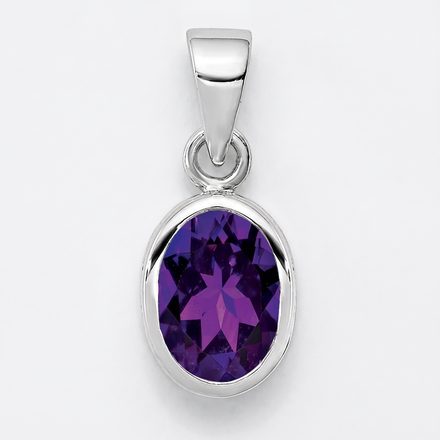
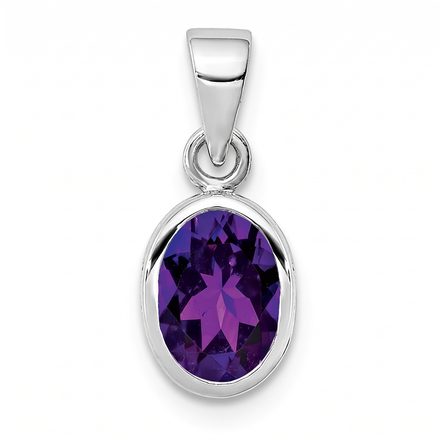
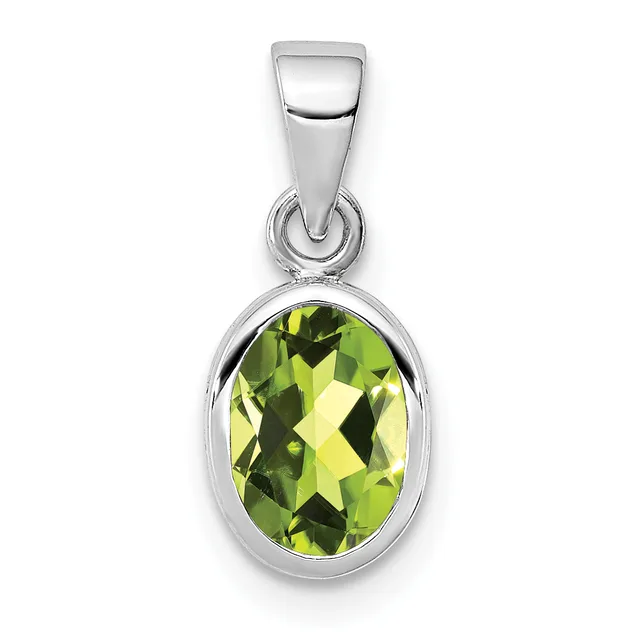
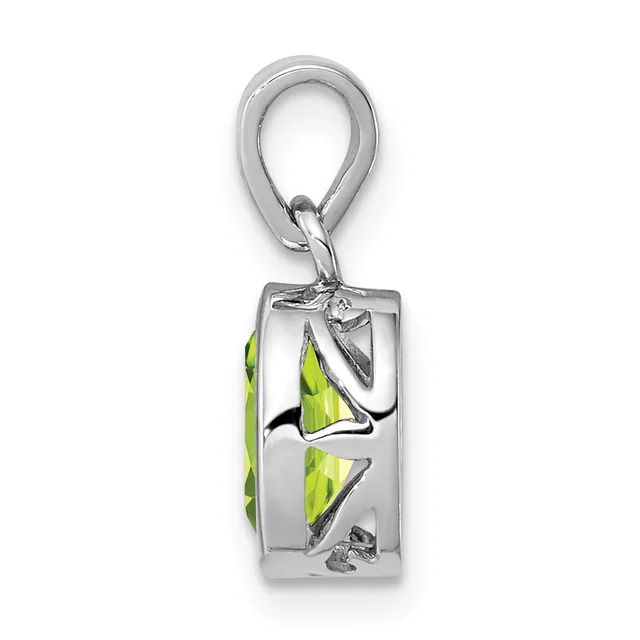
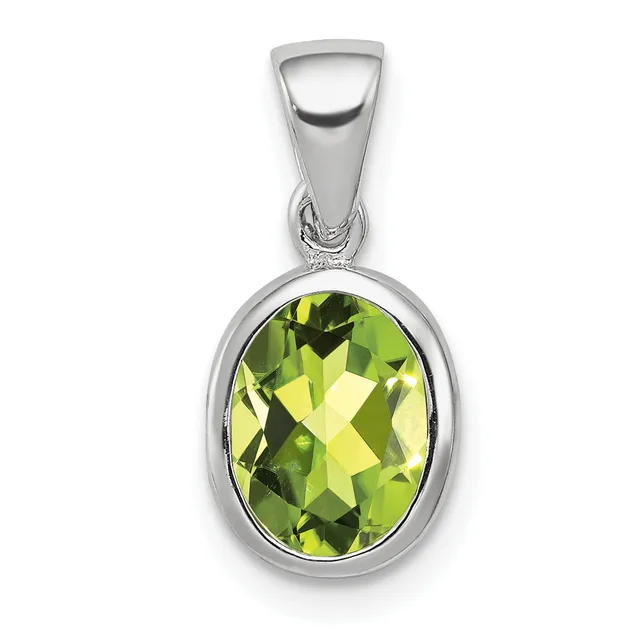
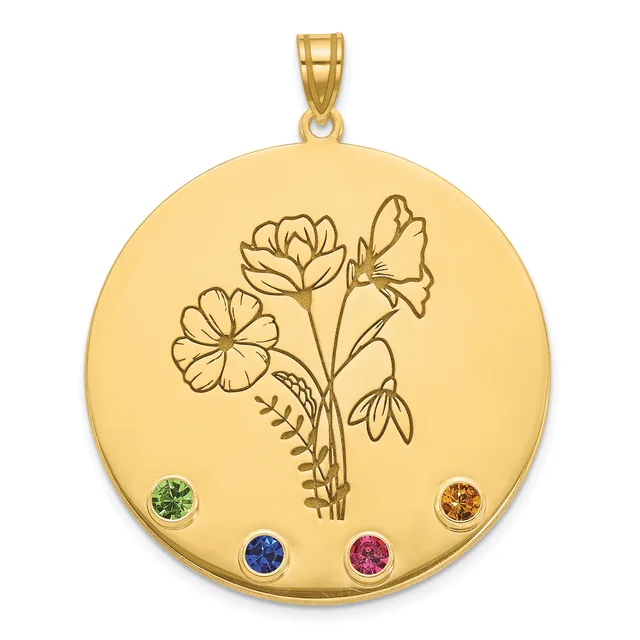
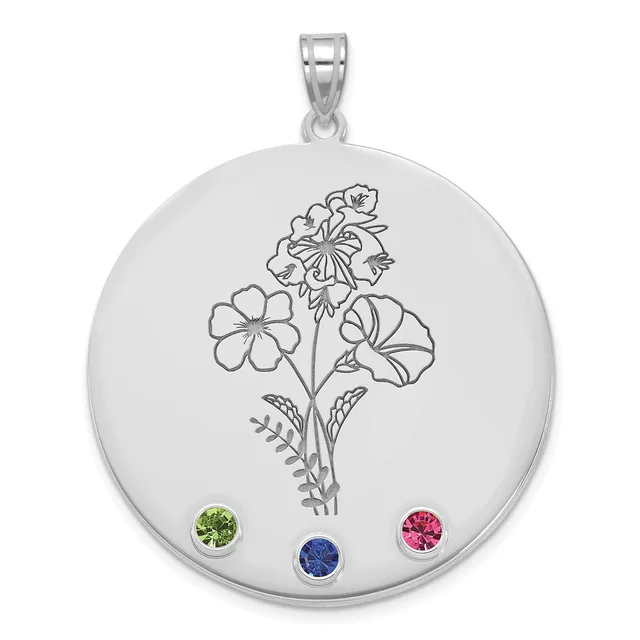
Each pendant in this category is built around the gemstone traditionally associated with a particular birth month. The stones differ meaningfully in color, hardness, and light behavior — which affects both how a pendant looks at the neck and how it holds up over time. A garnet, associated with January, is a deep red stone with a hardness that suits daily wear. Peridot, the August stone, has a distinctive yellow-green that reads differently in sunlight than under indoor light. Turquoise and blue topaz, both linked to December, sit at opposite ends of the color spectrum and carry very different characters. Choosing by stone rather than only by month can lead to a more honest fit.
Settings and How They Wear
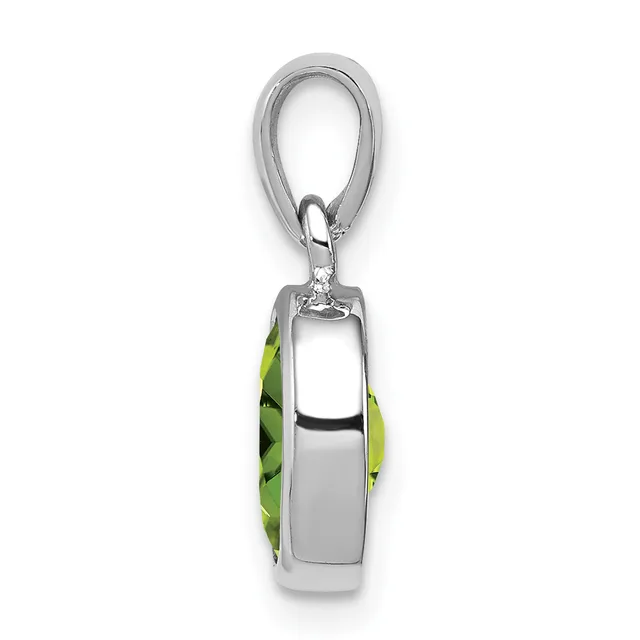
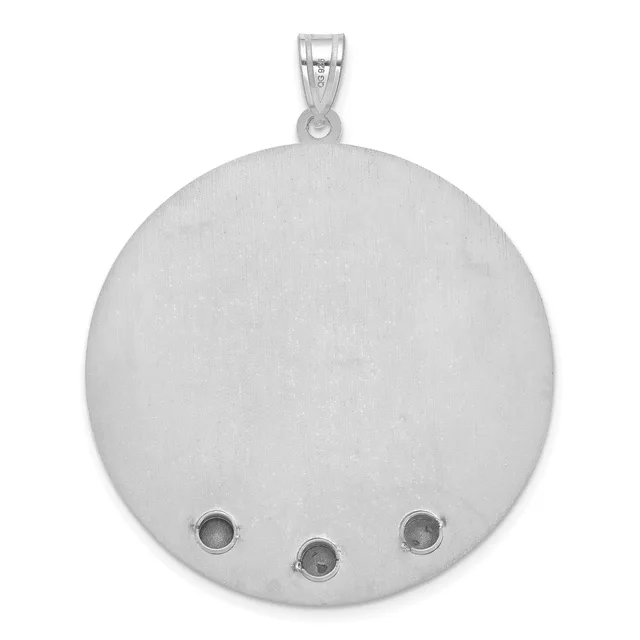
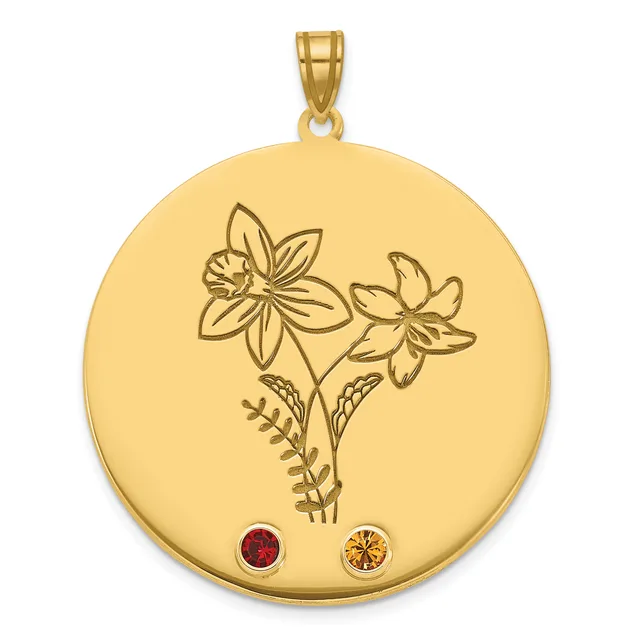
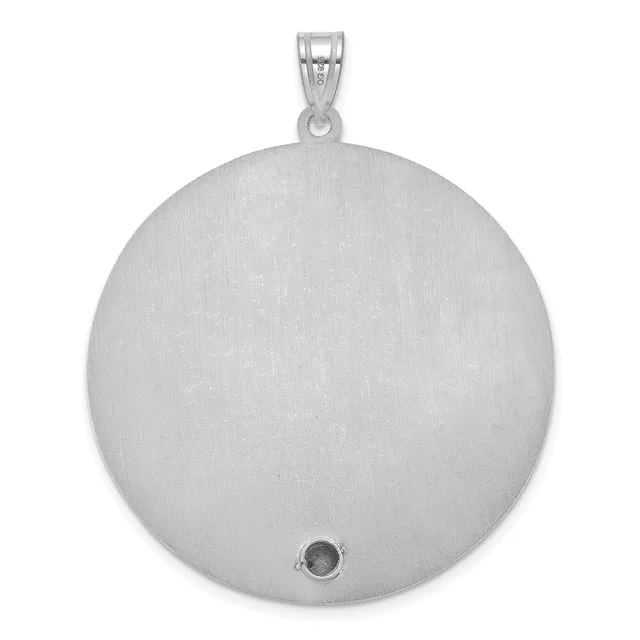
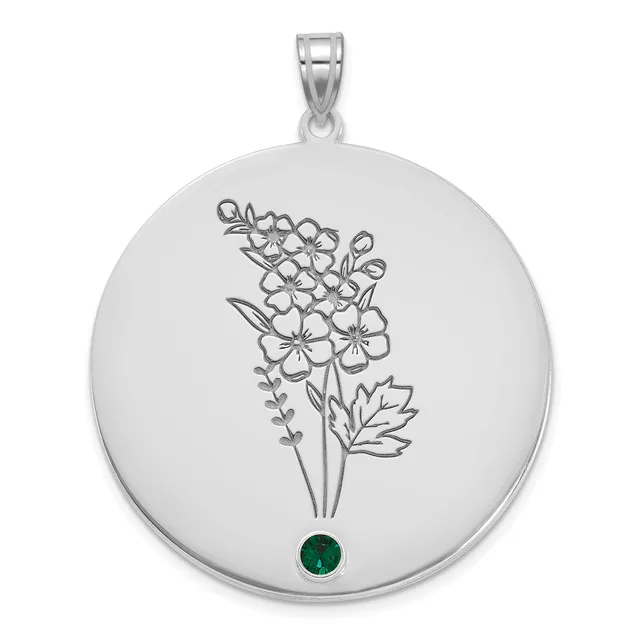
The setting shapes how a stone is held and how much of it is visible. A bezel setting wraps a thin rim of metal around the stone's edge — it protects the girdle well and reads as clean and modern. A prong setting lifts the stone higher and lets more light through, which suits transparent gems. Pavé or halo arrangements add metal-set accent stones around the center, increasing the pendant's overall presence without enlarging the primary stone. Consider where the pendant will be worn most: a lower-profile bezel is more practical for active days; a taller prong or halo setting rewards occasions where it has room to be seen.
Metal and Karat
The pendants here are available in yellow gold, white gold, and rose gold at various karats. 14k gold contains 58.3% pure gold, giving it good durability and a slightly more restrained color than 18k, which carries 75% gold and reads richer — both in tone and in price. White gold achieves its color through alloying with white metals and is typically finished with rhodium plating; that plating will wear gradually and may benefit from replating over years of regular wear. Rose gold gets its warm, pinkish hue from a higher copper content in the alloy — it requires no plating and its color is stable over time.
Choosing and Caring for a Birthstone Pendant
Chain length determines where the pendant rests: 16 inches sits near the collarbone, 18 inches falls just below it. Check whether the listing includes a chain or sells the pendant alone, and confirm the bail opening fits the chain you intend to use. For care, store birthstone pendants away from harder stones to avoid surface scratches, and remove them before swimming in chlorinated water or applying lotions and perfumes, which can cloud softer stones or affect metal finishes over time. A soft, dry cloth is sufficient for routine cleaning.
Frequently asked questions
Do the pendants come with a chain, or is the chain sold separately?
It varies by piece — some listings include a chain and some sell the pendant alone. Check the individual product description before purchasing, especially if you need a specific length.
Are the stones in these pendants natural or lab-created?
The category includes both natural and lab-created stones depending on the piece. The product listing will specify which applies, so look there for confirmation.
How do I know which stone belongs to which birth month?
The pendants are organized by month, so browsing by the relevant month is the most direct route. Some months have more than one traditional stone — if a piece offers alternatives, the listing will note them.
Is 14k gold durable enough for a pendant worn every day?
Yes — 14k gold is one of the most commonly used alloys in fine jewelry precisely because its hardness makes it practical for regular wear, while still carrying a meaningful gold content.
Can a birthstone pendant be given as a gift for someone other than the wearer's birth month?
Absolutely. Birthstone jewelry is frequently chosen for its color or personal meaning rather than strict month correspondence — the connection a piece carries matters more than following a calendar rule.